
About Benog Wildlife Sanctuary The Benog Wildlife Sanctuary is a protected area located near Mussoorie in the state of Uttarakhand, India. It covers an area of approximately 339.54 hectares and is known for its diverse flora and fauna. Location and Geographical Overview The sanctuary is situated at an altitude of 2100 meters above sea level in the Himalayan foothills. It is located about 11 kilometers from Mussoorie and can be easily reached by road. The sanctuary is surrounded by dense forests and offers breathtaking views of the surrounding hills and valleys. Open and Closing Time The Benog Wildlife Sanctuary is open to visitors from 8:00 AM to 5:00 PM every day of the week. It is advisable to visit the sanctuary during daylight hours to enjoy the best wildlife viewing experience. Entry Fee The entry fee for the Benog Wildlife Sanctuary is INR 150 per person for Indian nationals and INR 600 per person for foreign nationals. Children below the age of 5 years are allowed entry free of cost. Species-Flora/Fauna Availability The sanctuary is home to a variety of flora and fauna species including Himalayan bears, leopards, deer, barking deer, and a wide range of bird species. The sanctuary is also known for its rich biodiversity and is a paradise for nature lovers and wildlife enthusiasts. Activities Performed Visitors to the Benog Wildlife Sanctuary can enjoy nature walks, bird watching, and wildlife spotting. The sanctuary is also a great place for photography enthusiasts to capture the beauty of the Himalayan wilderness. Jeep Safari Charges There are no jeep safaris available in the Benog Wildlife Sanctuary. However, visitors can explore the sanctuary on foot or hire a guide for a more immersive experience. Age Criterion and Entry Fee The entry fee for male visitors above the age of 12 years is the same as the general entry fee. Female visitors and children between the ages of 5-12 years are also charged the same entry fee as mentioned earlier. Senior citizens above the age of 60 years are eligible for a discounted entry fee of INR 75 per person. Senior Citizen Facilities The sanctuary provides facilities for senior citizens such as benches and resting areas along the walking trails. The sanctuary staff is also available to assist senior citizens as needed. Best Time to Visit The best time to visit the Benog Wildlife Sanctuary is during the months of March to June and September to November when the weather is pleasant and wildlife sightings are more common. It is advisable to avoid visiting during the monsoon season due to heavy rainfall. Nearby Places to Visit Some of the nearby places to visit from the Benog Wildlife Sanctuary include Kempty Falls, Company Garden, Jabarkhet Nature Reserve, and Camel's Back Road. These attractions offer a mix of natural beauty and cultural experiences for visitors to enjoy. Vehicle Parking Facility Visitors can park their vehicles at the designated parking area near the entrance of the sanctuary. The parking facility is secure and well-maintained, providing a convenient option for visitors exploring the sanctuary on foot. Rules and Regulations Visitors are required to follow certain rules and regulations while visiting the Benog Wildlife Sanctuary. These include not littering, not disturbing the wildlife, not feeding the animals, and not straying off the designated walking trails. It is important to respect the sanctuary's natural environment and wildlife for the conservation of the ecosystem. How to Reach and Other Related Information The Benog Wildlife Sanctuary is easily accessible by road from Mussoorie. Visitors can hire a taxi or drive their own vehicle to reach the sanctuary. The nearest airport is Jolly Grant Airport in Dehradun, which is about 60 kilometers away from the sanctuary. It is recommended to plan a visit to the sanctuary in advance and check for any updated information on entry fees, timings, and facilities available.
Explore More
Welcome to the serene and captivating Binsar Wildlife Sanctuary nestled in the heart of Kumaon. This sanctuary is a paradise for nature lovers, offering a unique blend of natural beauty and biodiversity that attracts tourists from all around the world. Let's delve into the rich history, architectural wonders, and the fascinating wildlife that make Binsar Wildlife Sanctuary a must-visit destination. History of Binsar Wildlife Sanctuary Steeped in history, Binsar Wildlife Sanctuary was once the former royal hunting grounds of the Chand Kings of the Kumaon region. Over the years, this pristine wilderness has been transformed into a conservation area to protect the rich flora and fauna it houses. Recognized by UNESCO for its conservation efforts, the sanctuary stands as a testament to the region's commitment to preserving its natural heritage. Architecture and Natural Beauty of Binsar Wildlife Sanctuary The sanctuary boasts a diverse landscape with dense forests, meandering streams, lush grasslands, and a variety of bird habitats. One of the architectural marvels within the sanctuary is the historic Keoladeo Temple, adding a touch of cultural significance to the natural beauty that surrounds it. Why is Binsar Wildlife Sanctuary Famous? Binsar Wildlife Sanctuary is renowned for its incredible biodiversity, making it a hotspot for birdwatchers, photographers, and wildlife enthusiasts. The sanctuary's tranquil ambiance and the chance to witness a wide array of bird species in their natural habitat draw visitors seeking a close encounter with nature. How to Reach Binsar Wildlife Sanctuary Traveling to Binsar Wildlife Sanctuary is easily accessible by air, rail, or road. The nearest airports are located in Pantnagar and Dehradun, while Kathgodam serves as the closest railway station. From there, a picturesque drive through the scenic routes of Kumaon will lead you to this natural haven. Weather and Best Time to Visit Binsar Wildlife Sanctuary The sanctuary experiences pleasant weather during the summer, offering relief from the scorching heat. Monsoons bring lush greenery and rejuvenate the flora, while winters offer a chilly yet enchanting atmosphere. The best time to visit Binsar Wildlife Sanctuary is during the months of October to June when the weather is conducive for exploring the wilderness. Timings of Binsar Wildlife Sanctuary Binsar Wildlife Sanctuary welcomes visitors during specific timings, ensuring that guests can make the most of their wildlife experience. Seasonal variations may affect these timings, so it is advisable to plan your visit accordingly to maximize your time in the sanctuary. Entry Fee and Visit Details Upon entry, visitors can avail themselves of guide services to enhance their wildlife safari experience. Bicycle rentals are also available for those who wish to explore the sanctuary at their own pace. The sanctuary provides visitor facilities to ensure a comfortable and memorable visit for all guests. Things to Do at Binsar Wildlife Sanctuary Engage in a plethora of activities at Binsar Wildlife Sanctuary, including birdwatching, photography, cycling through scenic paths, walking trails amidst nature's wonders, and indulging in educational experiences that offer insights into the sanctuary's ecological significance. Interesting Facts About Binsar Wildlife Sanctuary Binsar Wildlife Sanctuary is a haven for migratory birds, showcasing the diverse avian species that find refuge in its lush surroundings. The sanctuary's conservation efforts have led to remarkable achievements in preserving the region's biodiversity, underscoring its ecological importance in the ecosystem. Travel Tips for Visiting Binsar Wildlife Sanctuary When visiting Binsar Wildlife Sanctuary, it is advisable to dress comfortably and carry essential photography and birdwatching equipment to capture the beauty of the sanctuary. Understanding the visiting seasons and practicing responsible tourism ensures a fulfilling experience while contributing to the conservation efforts of the sanctuary. Conclusion In conclusion, Binsar Wildlife Sanctuary in Kumaon offers a holistic experience for nature enthusiasts, birdwatchers, and wildlife lovers alike. With its rich history, architectural wonders, and abundant biodiversity, a visit to this sanctuary promises an unforgettable journey into the heart of nature's splendor.
Explore More
Welcome to Askot Sanctuary, a hidden gem nestled in the serene city of Pithoragarh. This sanctuary is a paradise for nature lovers, offering a tranquil escape into the lap of natural beauty. With its rich biodiversity, stunning landscapes, and historical significance, Askot Sanctuary stands as a testament to the wonders of the natural world. History of Askot Sanctuary Steeped in history, Askot Sanctuary traces its origins back to the erstwhile royal hunting grounds of the region. Over the years, it has evolved into a conservation area dedicated to protecting the diverse flora and fauna that call it home. The sanctuary's efforts in preserving its natural heritage have garnered international recognition, including UNESCO acknowledgment for its conservation initiatives. Architecture and Natural Beauty of Askot Sanctuary As you explore Askot Sanctuary, you will be greeted by a tapestry of wetlands, dense forests, lush grasslands, and vibrant bird habitats. The landscape is punctuated by the historic Keoladeo Temple, adding a cultural touch to the natural splendor that surrounds it. Why is Askot Sanctuary Famous? Askot Sanctuary has earned fame as a haven for birdwatchers, photographers, nature enthusiasts, and wildlife lovers alike. Its diverse ecosystems provide a perfect setting for observing a wide variety of avian species, making it a popular destination for those seeking to connect with nature. How to Reach Askot Sanctuary Traveling to Askot Sanctuary is easily accessible via air, rail, and road. The nearest airports and railway stations offer convenient connections to the sanctuary, ensuring a smooth journey for visitors looking to explore this natural wonder. Weather and Best Time to Visit Askot Sanctuary Throughout the year, Askot Sanctuary showcases its beauty in different hues. Summer, monsoon, and winter each bring a unique charm to the sanctuary, with the best months for visiting typically falling during specific seasons when the weather is most favorable. Timings of Askot Sanctuary Visitors can explore Askot Sanctuary during designated timings, with seasonal variations possibly affecting accessibility and visitor experiences. Planning your visit accordingly will ensure you make the most of your time in this natural paradise. Entry Fee and Visit Details Entry procedures at Askot Sanctuary are designed to provide a seamless experience for visitors. Guide services, safari options, bicycle rentals, and other facilities are available to enhance your visit and make it a memorable one. Things to Do at Askot Sanctuary Engage in popular activities like birdwatching, photography, cycling, walking trails, and nature observation to immerse yourself in the beauty of Askot Sanctuary. Educational experiences await those eager to learn more about the sanctuary's rich biodiversity. Interesting Facts About Askot Sanctuary Did you know that Askot Sanctuary is a crucial stopover for migratory birds on their journey? The sanctuary's conservation efforts have led to significant achievements in protecting its biodiversity, highlighting its ecological importance on a global scale. Travel Tips for Visiting Askot Sanctuary When visiting Askot Sanctuary, remember to pack appropriate clothing, essential photography gear, and birdwatching equipment to enhance your experience. Understanding the best visiting seasons and practicing responsible tourism will ensure a fulfilling and sustainable journey. Conclusion In conclusion, Askot Sanctuary in Pithoragarh is a destination that captivates the hearts of all who venture into its embrace. With its historical roots, natural wonders, and diverse attractions, this sanctuary offers a memorable experience that showcases the beauty and importance of preserving our natural heritage.
Explore More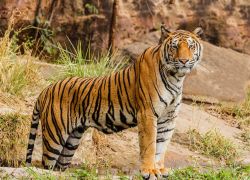
Corbett Tiger Reserve, located in the city of Corbett, is a renowned wildlife sanctuary in India. It is named after the legendary hunter-turned-conservationist Jim Corbett and is one of the oldest national parks in the country. The reserve is not only a haven for the majestic Bengal tigers but also home to a diverse range of flora and fauna, making it a paradise for nature enthusiasts and wildlife lovers. History of Corbett Tiger Reserve The history of Corbett Tiger Reserve dates back to the time when it served as the private hunting grounds for the British and the local rulers. It was later established as Hailey National Park in 1936 and was renamed in honor of Jim Corbett in 1957. The park has been at the forefront of tiger conservation efforts in India and has been recognized by UNESCO for its significant biodiversity. Architecture and Natural Beauty of Corbett Tiger Reserve The reserve boasts a stunning natural environment with diverse habitats including dense forests, grasslands, and marshy wetlands. It is a birdwatcher's paradise with over 600 avian species, and the historic Keoladeo Temple located within the park adds a cultural touch to the natural beauty of the surroundings. Why is Corbett Tiger Reserve Famous? Corbett Tiger Reserve is famous for its thriving tiger population, making it a prime destination for tiger sightings. Additionally, the park's rich biodiversity, including elephants, leopards, and various bird species, attracts wildlife photographers, nature enthusiasts, and researchers from around the world. How to Reach Corbett Tiger Reserve Travelling to Corbett Tiger Reserve is convenient with options for air, rail, and road transport. The nearest airports are located in Pantnagar and Dehradun, while Ramnagar serves as the closest railway station. Visitors can also opt for road transport with well-connected routes from major cities. Weather and Best Time to Visit Corbett Tiger Reserve The weather at Corbett Tiger Reserve varies across seasons, with hot summers, wet monsoons, and cool winters. The best time to visit is during the winter months from November to February when the weather is pleasant, and wildlife sightings are abundant. Timings of Corbett Tiger Reserve The reserve is open to visitors from sunrise to sunset, with specific timings for entry and exit. It is advisable to check for any seasonal variations in timings and plan your visit accordingly to make the most of your experience. Entry Fee and Visit Details Visitors to Corbett Tiger Reserve need to follow the designated entry procedures and can avail guide services for a more informative tour. Safari options, bicycle rentals, and visitor facilities are available within the park to enhance the overall experience. Things to Do at Corbett Tiger Reserve Popular activities at Corbett Tiger Reserve include birdwatching, photography, cycling through the scenic trails, walking amidst nature, and engaging in educational experiences to learn more about the wildlife and conservation efforts in the region. Interesting Facts About Corbett Tiger Reserve Corbett Tiger Reserve is a hotspot for migratory birds during certain seasons, adding to its ecological importance. The reserve's conservation achievements have played a vital role in preserving endangered species and maintaining the delicate balance of the ecosystem. Travel Tips for Visiting Corbett Tiger Reserve When visiting Corbett Tiger Reserve, it is advisable to wear comfortable clothing suitable for outdoor activities and carry necessary photography and birdwatching equipment. Understanding the visiting seasons and practicing responsible tourism by respecting the wildlife and environment are key for a memorable experience. Conclusion In conclusion, Corbett Tiger Reserve in Corbett stands as a testament to India's rich wildlife heritage and the importance of conservation efforts. A visit to this iconic destination offers a unique opportunity to witness the beauty of nature up close and create lasting memories amidst the wilderness.
Explore MoreChopta Tungnath Trip
5 Days/ 4 Night
Devprayag - Chopta - Rudraprayag
Haridwar Mussoorie Jim Corbett Nainital Tour From Delhi 6 Night 7 Days
7 Days/ 6 Night
Mussoorie - Haridwar - Nainital - Corbett
Badrinath Tour Package Ex - Haridwar 3 Night 4 Days
4 Days/ 3 Night
Badrinath - Rudraprayag
Mussoorie Dehradun Tour Package From Delhi 3 Night 4 Days
4 Days/ 3 Night
Mussoorie - Dehradun