"Historic waters rich in biblical significance."
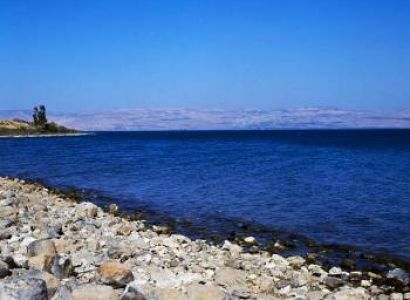
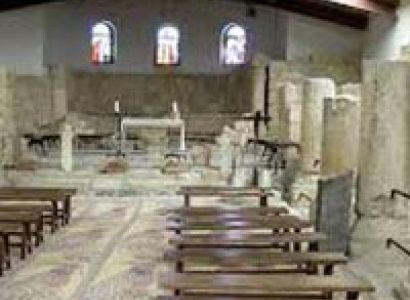
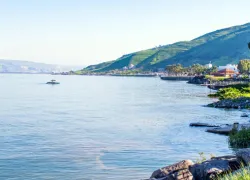
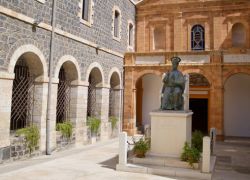
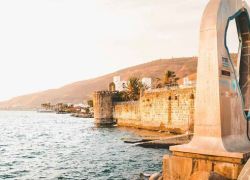
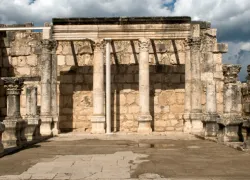
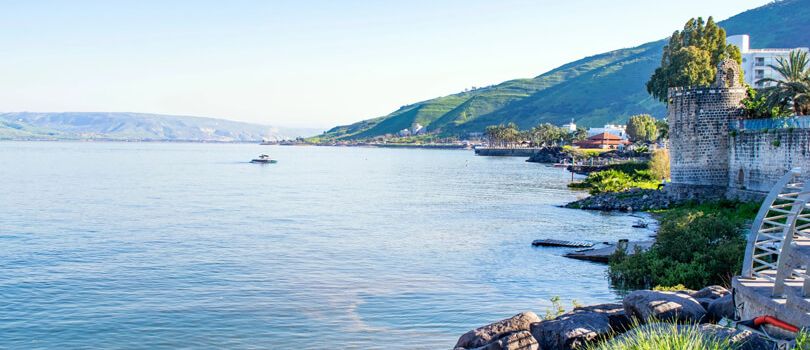
The Sea of Galilee, also known as Lake Kinneret, is a large freshwater lake located in the northeastern part of Israel. It is one of the most famous and historically significant sites in the country, especially for its connection to Christian tradition. The Sea of Galilee is surrounded by picturesque landscapes, offering breathtaking views, and is considered a popular tourist destination. The Sea of Galilee is not a sea but a freshwater lake, measuring about 21 kilometers (13 miles) long and 13 kilometers (8 miles) wide. It is the largest freshwater lake in Israel and is located below sea level, at approximately 209 meters (686 feet) below the Mediterranean Sea. The lake is fed by the Jordan River and is a crucial water source for the country. How to Reach the Sea of Galilee, Tiberias The Sea of Galilee is easily accessible from many major cities in Israel, including Jerusalem and Tel Aviv. The nearest city to the lake is Tiberias, which serves as a central hub for visitors to the area. Here are some ways to get there: Weather at the Sea of Galilee, Tiberias The Sea of Galilee enjoys a Mediterranean climate, with hot summers and mild winters. The weather is generally warm, making it a popular destination year-round. Why Famous for the Sea of Galilee, Tiberias? The Sea of Galilee is famous for its historical and religious significance, especially within Christianity. It is the site of many events from the life of Jesus Christ, including his walking on water, calming the storm, and performing miracles. The lake is mentioned numerous times in the New Testament, making it a major pilgrimage destination for Christian tourists. Besides its religious importance, the Sea of Galilee is also known for its natural beauty and its role in regional agriculture. The lake’s water is used for irrigation in the surrounding areas, contributing to the thriving agriculture in the region. Additionally, the city of Tiberias, located on the western shore, is a popular tourist destination known for its historic sites, hot springs, and vibrant markets. Entry and Visit Details About the Sea of Galilee, Tiberias Access to the Sea of Galilee is free, as the lake itself is a public natural site. Visitors can walk along the lake’s shore, enjoy its beaches, and take in the stunning views without any entry fee. However, some of the historical and religious sites around the lake may charge admission. Popular sites that require tickets include: Most visitors spend a full day or even more exploring the various attractions around the Sea of Galilee. Many guided tours offer a comprehensive experience of the historical and religious sites along the lake. History and Architecture of the Sea of Galilee The Sea of Galilee has a rich history dating back thousands of years. It has served as a major trade route in antiquity and has witnessed countless historical events. The lake’s importance in Jewish, Christian, and even Roman history makes it an essential location for historians and archaeologists alike. Archaeological excavations around the lake have uncovered remains of ancient fishing villages, fortresses, and synagogues. The ancient city of Tiberias, founded in the 1st century CE by the Roman Emperor Augustus, is one of the key historical sites. Tiberias was an important center of Jewish learning during the Talmudic period, and it is still home to numerous ancient ruins, such as the Tiberias Hot Springs. The region also holds a significant role in the Christian tradition, as many of the miracles of Jesus are believed to have occurred here. The Church of the Beatitudes and the Church of the Primacy of St. Peter are prime examples of religious architecture, built to commemorate these events. Things to Do at the Sea of Galilee, Tiberias Facts and Tips About the Sea of Galilee, Tiberias