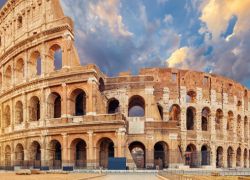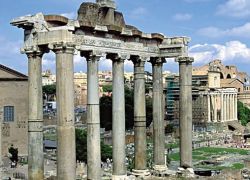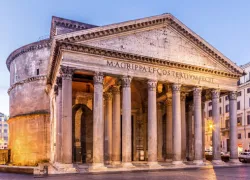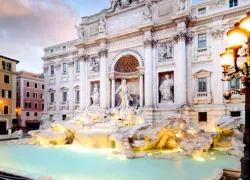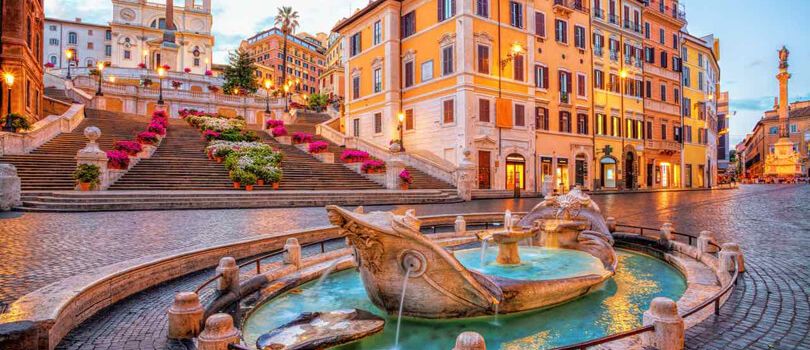
"Iconic staircase connecting history and culture."
The Spanish Steps (Scalinata di Trinità dei Monti) are one of the most iconic landmarks in Rome, drawing millions of visitors every year. Located in the heart of Rome, these grand steps connect the Piazza di Spagna with the Trinità dei Monti church at the top. With its stunning architecture and historical significance, the Spanish Steps are a perfect blend of elegance and history, offering an exceptional view of the city and a picturesque atmosphere. They are a favorite destination for tourists and locals alike, offering a unique space to relax, socialize, and take in the beauty of Rome’s bustling streets.
The Spanish Steps were designed by the French architect Francesco de Sanctis in the 18th century. With 135 steps leading up to the Trinità dei Monti church, the staircase was completed in 1725 with the aim of connecting the Spanish Embassy to the church. Over the years, the Spanish Steps have become not only a popular tourist spot but also a central gathering place for locals. From artists and musicians to lovers enjoying a peaceful moment, the steps offer an iconic spot to experience the charm and romance of Rome.
How to Reach the Spanish Steps
The Spanish Steps are located in the historic center of Rome, which makes them easily accessible by various modes of transportation. Here’s how you can get there:
Weather and Best Time to Visit the Spanish Steps
The best time to visit the Spanish Steps depends largely on your preferences for weather and crowds. Here’s what to expect during different seasons:
Why Is the Spanish Steps Famous?
The Spanish Steps are famous for their stunning architecture, historical significance, and popularity as a gathering place for locals and tourists. One of the key reasons for their fame is their unique design, which features 135 steps leading from the Piazza di Spagna to the Trinità dei Monti church at the top. The steps are wide and beautifully symmetrical, making them a perfect place to sit, relax, and enjoy the view of the city.
Another reason the Spanish Steps are famous is their historical background. The steps were built in the early 18th century with the aim of creating a grand staircase connecting the church with the square below, which was home to the Spanish Embassy. Over time, the steps became a gathering place for artists, intellectuals, and writers, contributing to their reputation as a cultural and social hub.
In addition to its architectural beauty and history, the Spanish Steps are also famous for being a spot where people from all over the world come together to enjoy Rome’s atmosphere. The area surrounding the Spanish Steps is home to high-end boutiques, cafes, and restaurants, making it one of the city's most fashionable areas.
Entry and Visit Details about the Spanish Steps
Unlike many of Rome’s other attractions, the Spanish Steps do not have an official entrance fee or time limit for visiting. However, there are a few guidelines and tips to keep in mind to enhance your experience:
History and Architecture of the Spanish Steps
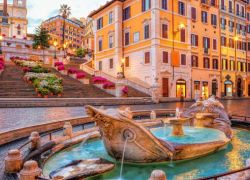
The Spanish Steps were constructed between 1723 and 1725, designed by the architect Francesco de Sanctis and financed by a French diplomat named Étienne Gueffier. The steps were built to create a connection between the Piazza di Spagna and the Trinità dei Monti church, which was situated on the hilltop. The design of the Spanish Steps is a Baroque masterpiece, featuring wide, sweeping stairways that ascend from the base to the top, creating a visually striking composition. The steps are adorned with flower boxes during the spring and summer months, adding a touch of color and charm to the area.
At the base of the Spanish Steps lies the famous Fontana della Barcaccia (Fountain of the Ugly Boat), designed by Pietro Bernini (father of Gian Lorenzo Bernini). The fountain, built in the early 17th century, depicts a boat partially submerged in water, symbolizing the flooding of the Tiber River that once occurred in Rome. The fountain’s unique design adds to the picturesque setting of the Spanish Steps.
Things to Do at the Spanish Steps
Although the Spanish Steps are a relatively simple attraction, there are plenty of activities to enjoy while visiting this iconic spot in Rome:
Fun Facts and Tips about the Spanish Steps
Here are some fun facts and tips to help you make the most of your visit to the Spanish Steps:
Conclusion
The Spanish Steps are one of Rome’s most iconic landmarks, offering a perfect blend of beauty, history, and local culture. Whether you're sitting on the steps, climbing to the top for panoramic views, or simply soaking in the atmosphere, a visit to this remarkable spot is a must when exploring Rome. With its impressive architecture, historical significance, and the surrounding vibrant area, the Spanish Steps provide an unforgettable experience for anyone who visits.

























Rome
Rome
Rome
Rome
Rome
Rome

Rome