"Ancient Egyptian obelisk in a historic park."
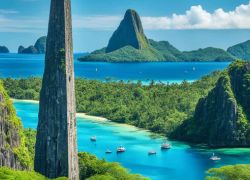
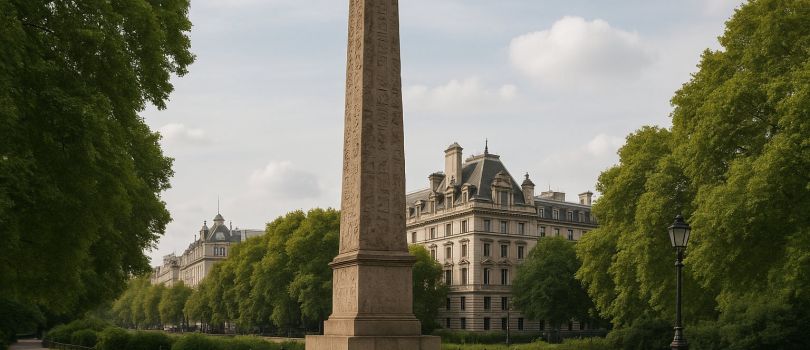
Cleopatra’s Needle is one of the most remarkable natural landmarks in Puerto Princesa, Palawan. Rising approximately 1,593 meters above sea level, it is the second-highest peak in the province, after Mount Mantalingahan. The name “Cleopatra’s Needle” was inspired by the mountain’s sharp, obelisk-like peak, which resembles the ancient Egyptian monument. This majestic mountain is located within the Cleopatra’s Needle Critical Habitat—a vast area of over 40,000 hectares that serves as a sanctuary for Palawan’s diverse wildlife, pristine forests, and indigenous communities. It is a destination that offers breathtaking scenery, rich biodiversity, and a true sense of adventure for eco-tourists and trekkers.
How to Reach Cleopatra’s Needle
Cleopatra’s Needle is located about 40 kilometers north of Puerto Princesa City. The most common route starts from Barangay Concepcion, where trekkers begin their journey into the rainforest. From the city center, travelers can take a van, jeepney, or motorbike to reach the jump-off point, which takes roughly 1.5 to 2 hours. Once there, a guided trek is essential, as the hike to the summit typically takes two to three days, depending on the trail and weather conditions. Local tour guides and porters are available to assist visitors, ensuring safety and proper navigation through the dense forest. It’s highly recommended to coordinate with local authorities or tour operators before starting the climb, as the mountain is within a protected area that requires prior permission for entry.
Weather in Cleopatra’s Needle
The weather around Cleopatra’s Needle is tropical and humid year-round, with cooler temperatures at higher elevations. The best time to visit is during the dry season from November to May, when the trails are less slippery and visibility is better for enjoying scenic views. Temperatures in the lowlands average around 28°C to 32°C, while summit temperatures can drop to 18°C or lower, especially during early mornings and late evenings. The rainy season, from June to October, brings heavy downpours that can make trails muddy and river crossings challenging. Visitors should check weather forecasts and avoid climbing during typhoon warnings or prolonged rain.
Timing
There are no strict operating hours for visiting Cleopatra’s Needle, but due to the nature of the hike, trips should begin early in the morning—usually between 5:00 AM and 7:00 AM. Climbers often spend one or two nights camping in designated areas before reaching the summit. Because the trek involves long hours of walking and river crossings, daytime hiking is preferred for safety. For shorter visits, guided eco-tours in the surrounding lowlands and forest areas are also available, allowing visitors to experience the region’s biodiversity without undertaking the full ascent.
Why Famous for Cleopatra’s Needle, Puerto Princesa
Cleopatra’s Needle is famous for its spectacular natural beauty, ecological significance, and challenging adventure trails. It stands as one of the most important biodiversity hotspots in Palawan and the entire Philippines. The area is home to hundreds of endemic species of flora and fauna, including the Palawan hornbill, Palawan peacock-pheasant, and Philippine pangolin. Its forests are among the oldest in the country, making it a living museum of natural history. The mountain also holds cultural importance as the ancestral domain of the Batak indigenous tribe, one of Palawan’s oldest ethnic groups. Adventure seekers are drawn to Cleopatra’s Needle not only for its environmental richness but also for the breathtaking view from its summit, where you can see the vast expanse of Palawan’s forests, coastlines, and even parts of the Sulu Sea on a clear day.
Entry and Visit Details about Cleopatra’s Needle, Puerto Princesa
Since Cleopatra’s Needle is part of a protected critical habitat, visitors are required to secure a permit from the Puerto Princesa City Environment and Natural Resources Office (City ENRO). Entry is typically allowed only with registered local guides who are familiar with the terrain and environmental regulations. There is usually a small environmental fee used for conservation and community development. Camping is permitted in designated areas along the trail, and visitors are expected to practice Leave No Trace principles. There are no commercial establishments within the mountain area, so trekkers must bring their own food, water, and camping gear. Guided eco-tours and short hikes in the buffer zones are also available for those who prefer less strenuous activities.
History and Architecture
Cleopatra’s Needle’s unique shape, resembling an ancient Egyptian obelisk, earned it its iconic name from early explorers and locals. Historically, the mountain has long been a sacred and significant site for the Batak tribe, who believe that the forests and rivers around it are home to ancestral spirits. In modern times, Cleopatra’s Needle gained national attention when it was declared a Critical Habitat in 2017 — the largest in the Philippines. This declaration aimed to protect its exceptional biodiversity, which includes more than 80 endemic species and numerous rare plants. While there is no man-made architecture on the mountain, the natural formation of its peak and surrounding landscapes creates an awe-inspiring “architectural masterpiece” of nature itself.
Things to Do at Cleopatra’s Needle
Cleopatra’s Needle is primarily known for eco-adventure and wildlife exploration. Here are some of the best things to do when visiting:
Facts about Cleopatra’s Needle
Tips for Visiting Cleopatra’s Needle
In summary, Cleopatra’s Needle in Puerto Princesa is a hidden treasure of Palawan that embodies the spirit of adventure, nature, and cultural heritage. Its towering peak, ancient forests, and deep connection to the indigenous Batak people make it one of the most meaningful eco-tourism sites in the Philippines. Whether you’re a mountaineer, nature lover, or conservation enthusiast, a visit to Cleopatra’s Needle offers not just a physical journey but also a profound appreciation of the natural and cultural richness of Palawan.

Puerto Princesa