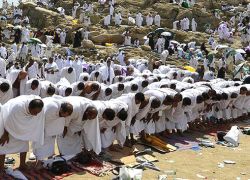
Mount Arafat (Jabal Arafat) is one of the most important and revered sites in Islam, located about 20 kilometers southeast of Mecca in Saudi Arabia. Known as the "Mountain of Mercy," it is a central location for the rituals performed during the annual Hajj pilgrimage, attracting millions of Muslims from around the world. On the 9th day of Dhu al-Hijjah, the day of Arafat, pilgrims gather on the plains of Arafat and spend the day in prayer, reflection, and supplication. How to Reach Mount Arafat, Mecca To reach Mount Arafat from Mecca, pilgrims typically travel by bus or other forms of transportation arranged by the Hajj authorities. The distance between Mecca and Arafat is approximately 20 kilometers (12 miles), and the journey typically takes around 30 minutes. Special buses and vehicles are provided for pilgrims during the Hajj season to facilitate the transportation of millions of people. For those traveling to Arafat outside the Hajj season, it is best to hire a private vehicle or take a guided tour, as the area can be quite remote, and public transportation options may be limited. Weather in Mount Arafat The weather at Mount Arafat is typically hot and dry, especially during the Hajj season, which occurs in the summer months. Daytime temperatures can exceed 40°C (104°F), and there is little to no rainfall. The evenings tend to be cooler but still warm. Pilgrims should be prepared for extreme heat by wearing light, breathable clothing, drinking plenty of water, and protecting themselves from the sun with hats, sunglasses, and sunscreen. Why is Mount Arafat Famous? Mount Arafat is primarily famous for its significance during the Hajj pilgrimage, where it is the site of the most important ritual of the pilgrimage: the Standing at Arafat (Wuquf). This event occurs on the 9th day of Dhu al-Hijjah, the second-to-last day of Hajj, when pilgrims gather on the plain of Arafat and stand in prayer, seeking forgiveness and making supplications to God. The day is considered a culmination of the pilgrimage and is referred to as the "Day of Arafat." According to Islamic tradition, it was at this location that the Prophet Muhammad (PBUH) delivered his final sermon during his last pilgrimage. Therefore, the area holds immense historical and spiritual importance for Muslims worldwide. The day spent at Arafat is also considered a time for personal reflection, repentance, and spiritual renewal. Entry and Visit Details About Mount Arafat Access to Mount Arafat is restricted to Muslims only, and it is open to pilgrims during the Hajj season. Pilgrims attending the Hajj are required to stay at Arafat on the 9th of Dhu al-Hijjah, participating in the rites of the day, including prayer and supplication. Outside the Hajj season, the site is not usually open for regular tourists, but Muslims who wish to visit the area may do so during other periods of the year through specific arrangements with local tour groups. The area around Mount Arafat has been developed over the years to accommodate the large number of pilgrims, and there are facilities such as tents, restrooms, and medical assistance available during the Hajj season. Pilgrims are encouraged to stay hydrated, take rest when needed, and avoid overexertion during their time at Arafat. History and Architecture of Mount Arafat The history of Mount Arafat is deeply intertwined with Islamic tradition. It is believed to be the place where the Prophet Ibrahim (Abraham) was tested by God and where he and his son Ismail (Ishmael) demonstrated their unwavering faith. The site is also significant because it is where the Prophet Muhammad (PBUH) delivered his Farewell Sermon, which includes important teachings and guidance for Muslims. Mount Arafat itself is not a large mountain but a hill, standing at a height of 70 meters (230 feet). The area around it is expansive, providing space for the vast number of pilgrims who gather there. Over the years, the landscape around Arafat has been developed to accommodate the enormous crowds that visit during the Hajj, with paved paths, large tent cities, and other infrastructure in place to support the pilgrims. Things to Do at Mount Arafat During the Hajj pilgrimage, the primary activity at Mount Arafat is the Standing at Arafat (Wuquf). This involves pilgrims standing in prayer, seeking forgiveness and making supplications to Allah. Other activities that take place at Arafat include: Prayer and Reflection: Pilgrims spend the day praying, asking for God's mercy, and reflecting on their lives. Listening to the Sermon: Pilgrims may listen to a sermon that is delivered at the foot of the mountain by Islamic scholars or religious leaders. Supplication: Pilgrims take time to make personal prayers, ask for forgiveness, and seek God's blessings. Resting: There are tents and facilities set up for pilgrims to rest and relax during their time at Arafat. Facts About Mount Arafat Mount Arafat is located about 20 kilometers (12 miles) southeast of Mecca. The site is also known as the "Mountain of Mercy" because it is believed to be where Allah's mercy is abundantly granted to pilgrims. On the Day of Arafat, pilgrims stand in prayer, and it is considered the most important ritual of the Hajj pilgrimage. The Prophet Muhammad (PBUH) delivered his famous Farewell Sermon at Mount Arafat during his last pilgrimage in 632 CE. The day spent at Arafat is seen as a time for repentance and spiritual renewal, and it is believed that prayers made on this day are accepted by Allah. Tips for Visiting Mount Arafat Stay Hydrated: The heat can be intense, especially during the summer months, so it's crucial to drink plenty of water to stay hydrated. Wear Comfortable Clothing: Wear light, loose-fitting clothing and comfortable shoes as you will spend most of the day standing or walking. Plan Your Visit: If you're visiting during Hajj, be prepared for large crowds. Arrive early to secure a good spot and take breaks when needed. Respect the Sacredness of the Site: Mount Arafat is a holy site, so it's important to maintain decorum and reverence while there. Follow Guidelines: Follow any instructions or guidelines provided by the Hajj authorities to ensure a smooth and safe experience. Conclusion Mount Arafat is a place of profound spiritual significance for Muslims. It is the site of the pivotal ritual of the Hajj pilgrimage, and its importance goes beyond its geographical location—it represents a day of reflection, repentance, and renewal for millions of pilgrims. Whether you're there to fulfill your religious duties or simply to experience the holiness of the site, Mount Arafat offers a deeply moving and transformative experience that remains etched in the hearts of those who visit.
Explore More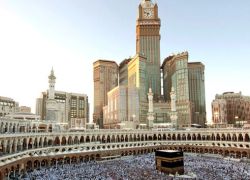
The Abraj Al-Bait Towers is a complex of seven skyscraper buildings located in Mecca, Saudi Arabia, near the Masjid al-Haram, the holiest site in Islam. The towers are among the most recognizable landmarks in the city, dominating the skyline with their modern architecture. They house the iconic Makkah Clock Tower, which is one of the tallest buildings in the world, and offer a stunning view of the Grand Mosque. These towers serve a multifaceted purpose, including providing luxury accommodations for pilgrims, offering commercial spaces, and housing government offices. The Abraj Al-Bait Towers are part of the larger King Abdulaziz Endowment Project, aimed at enhancing the experience of Muslims performing Hajj and Umrah. How to Reach The Abraj Al-Bait Towers The Abraj Al-Bait Towers are centrally located in Mecca, directly adjacent to the Masjid al-Haram. If you're arriving from within Mecca, the towers are easily accessible by walking from the Grand Mosque. For visitors staying at hotels nearby, the towers are typically only a short distance away. For those coming from other parts of Saudi Arabia, Mecca is well-connected by road, with taxis, buses, and private cars being the most common modes of transport. The nearest airport is King Abdulaziz International Airport (JED) in Jeddah, which is about 70 kilometers (43 miles) away from Mecca. From the airport, visitors can reach the Abraj Al-Bait Towers by car or taxi, with a drive time of around 1 to 1.5 hours. Weather in Mecca and The Abraj Al-Bait Towers The weather in Mecca is hot and dry throughout the year, with temperatures often exceeding 40°C (104°F) during the summer months. Winters are milder, with average temperatures ranging from 20°C to 30°C (68°F to 86°F). Humidity can be high, especially during the Hajj season, when the number of pilgrims in Mecca increases significantly. If you plan to visit the Abraj Al-Bait Towers, it's essential to consider the weather conditions, particularly in the summer months. Wearing light, breathable clothing and staying hydrated is crucial. The towers themselves, however, are fully air-conditioned, ensuring a comfortable environment inside. Why is The Abraj Al-Bait Towers Famous? The Abraj Al-Bait Towers are famous for several reasons, the most prominent being their proximity to the Masjid al-Haram and their status as a major hub for pilgrims performing Umrah and Hajj. Here are some of the main reasons for their fame: Makkah Clock Tower: The clock tower is the centerpiece of the Abraj Al-Bait complex. Standing at 601 meters (1,971 feet), it is the third-tallest building in the world and houses the largest clock face on Earth. The clock is visible from many parts of Mecca, including the Masjid al-Haram. Pilgrimage Hub: The Abraj Al-Bait Towers offer luxurious accommodations for pilgrims, with many hotels, shopping centers, and restaurants serving the needs of those coming for Hajj and Umrah. Iconic Architecture: The towers feature a unique blend of Islamic and modern architecture, making them a symbol of Saudi Arabia's rapid development while maintaining a connection to Islamic heritage. Entry and Visit Details About The Abraj Al-Bait Towers The Abraj Al-Bait Towers are primarily a private and commercial complex, with limited public access. Visitors can enter the shopping malls and some of the public areas within the towers. However, the upper floors and the Makkah Clock Tower are generally not open to the public unless you are a guest at one of the hotels or are visiting specific attractions such as the observation deck. For those wishing to visit the Makkah Clock Tower or take in the views from the top, there are entry fees for the observation deck, and tickets can usually be purchased at the towers or online. The Makkah Clock Tower is a popular attraction for tourists and pilgrims alike, offering panoramic views of the city, including the Masjid al-Haram. The shopping centers and dining facilities within the towers are open to all visitors, offering a wide range of retail shops, luxury boutiques, and restaurants that cater to both international and local tastes. History and Architecture of The Abraj Al-Bait Towers The Abraj Al-Bait Towers were completed in 2012 as part of a larger initiative to develop Mecca's infrastructure and provide modern amenities for the millions of Muslims who visit the city annually. The towers were built by the Saudi Binladin Group and designed by the architectural firm Dar al-Handasah. The project was initiated by the Saudi government as part of the King Abdulaziz Endowment Project, which seeks to enhance the experience of pilgrims visiting Mecca. At the core of the Abraj Al-Bait Towers is the Makkah Clock Tower, which stands at a height of 601 meters, making it one of the tallest buildings in the world. The clock faces are located at the top of the tower and are visible from great distances. The tower's design incorporates traditional Islamic elements, including arches, domes, and intricate patterns, blending modern design with Islamic aesthetics. In addition to the clock tower, the complex includes several other skyscrapers, which house hotels, offices, shopping malls, and other commercial spaces. The Abraj Al-Bait Towers are designed to provide a luxurious experience for pilgrims while maintaining respect for the sacred nature of Mecca. Things to Do at The Abraj Al-Bait Towers There are plenty of activities for visitors to enjoy at the Abraj Al-Bait Towers, from shopping and dining to sightseeing. Here are some of the things you can do when visiting: Visit the Makkah Clock Tower: The iconic clock tower is the most notable feature of the complex. You can visit the observation deck to get a stunning view of Mecca and the Masjid al-Haram. Shopping: The towers are home to one of the largest shopping malls in Mecca, with international and local brands offering a variety of goods, from clothing to electronics and luxury items. Dining: There are numerous restaurants and cafes located within the towers, offering a wide range of cuisine, from traditional Saudi dishes to international flavors. Experience the Luxury Hotels: If you're staying in one of the hotels within the Abraj Al-Bait Towers, enjoy world-class services and facilities, including spas, fitness centers, and gourmet dining. Visit the King Abdulaziz Endowment Project: Learn more about the ambitious project that seeks to improve the infrastructure in Mecca for pilgrims and enhance their experience. Facts About The Abraj Al-Bait Towers The Abraj Al-Bait Towers consist of seven skyscrapers, with the Makkah Clock Tower being the tallest at 601 meters (1,971 feet). The clock faces on the Makkah Clock Tower are the largest in the world, each measuring 43 meters (141 feet) in diameter. The towers are located just 600 meters from the Masjid al-Haram, making them one of the closest modern buildings to the Grand Mosque. The towers are part of the King Abdulaziz Endowment Project, a government initiative to enhance the experience of Muslim pilgrims in Mecca. The Abraj Al-Bait Towers also feature a luxury hotel, the Fairmont Makkah, which is one of the most prestigious accommodations in the area. Tips for Visiting The Abraj Al-Bait Towers Plan Ahead: If you want to visit the observation deck, be sure to check the opening hours and purchase tickets in advance, especially during peak seasons. Dress Modestly: As with all Islamic sites in Mecca, it is important to dress modestly while visiting the Abraj Al-Bait Towers. Expect Crowds: The Abraj Al-Bait Towers are popular with pilgrims and tourists, so expect crowds, especially during the Hajj and Umrah seasons. Be patient and plan accordingly. Stay Hydrated: Mecca can be extremely hot, particularly during the summer months. Make sure to carry water with you and take breaks to stay hydrated. Respect the Sacredness of the Area: The area surrounding the towers is sacred, so maintain respect and decorum during your visit. Conclusion The Abraj Al-Bait Towers are a symbol of modernity and luxury in Mecca, offering world-class facilities while being deeply connected to the Islamic heritage of the city. Whether you're there for the breathtaking views, shopping, dining, or simply to experience the grandeur of one of the tallest buildings in the world, a visit to the Abraj Al-Bait Towers is an unforgettable experience for any traveler or pilgrim.
Explore More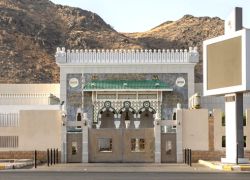
The Makkah Museum, located in Mecca, Saudi Arabia, is a significant cultural and historical site that offers visitors a unique glimpse into the rich heritage of Islam and the city of Mecca. The museum showcases the history of the holy city, its cultural evolution, and the religious artifacts that have played a central role in the development of Islam. It is an important destination for those looking to explore the Islamic roots and the heritage of one of the holiest cities in the world. As Mecca is home to the Masjid al-Haram, the Kaaba, and a myriad of significant Islamic landmarks, the Makkah Museum helps to contextualize the historical and religious importance of the city. It is a place where both pilgrims and history enthusiasts can learn about the city’s deep-rooted connections to Islamic civilization. How to Reach Makkah Museum The Makkah Museum is located in the heart of Mecca, near the famous Makkah Gate, a prominent entrance to the city. If you are staying within Mecca, you can easily access the museum by taxi, private car, or even by walking, depending on your proximity. The museum is situated in a central area, so it is not difficult to find. Many hotels and accommodations in the vicinity of the Masjid al-Haram also offer transport services to nearby attractions, including the museum. If you're traveling to Mecca from outside the city, the most convenient access point is King Abdulaziz International Airport in Jeddah. The airport is about 70 kilometers (43 miles) from Mecca, and taxis or private transfers from the airport to the museum usually take around 1 to 1.5 hours depending on traffic. Weather in Mecca The weather in Mecca is typical of a desert climate, with extremely hot summers and mild winters. Daytime temperatures during the summer months (May to September) often exceed 40°C (104°F), while nighttime temperatures can still remain relatively warm. The cooler months, from October to April, offer more pleasant conditions with average daytime temperatures ranging between 20°C to 30°C (68°F to 86°F), making it the ideal time to visit the museum and explore the city. It’s recommended to visit the Makkah Museum during the cooler months to avoid the intense summer heat. Be sure to dress appropriately for the weather and carry water, as you will likely be walking between different sites in the city. Why is Makkah Museum Famous? The Makkah Museum is famous for being a comprehensive cultural institution that narrates the rich history of Mecca, its religious significance, and its evolution through the centuries. Here are some key reasons why the Makkah Museum is such a renowned site: Historical Significance: The museum houses numerous exhibits that chronicle the history of Mecca, from its pre-Islamic origins to its establishment as the spiritual hub of the Muslim world. Visitors can explore exhibits related to the early history of the city, including artifacts from the time of the Prophet Muhammad (PBUH) and the establishment of Islam. Islamic Artifacts: The museum features a wide range of Islamic artifacts, including manuscripts, ancient coins, Islamic calligraphy, and relics from the Prophet Muhammad (PBUH). These items offer a tangible connection to the spiritual and historical legacy of Islam. Cultural Insight: The Makkah Museum provides visitors with a deeper understanding of the cultural and architectural developments of the city. It showcases the evolution of Mecca’s infrastructure and its role as a center for trade, pilgrimage, and scholarship. Entry and Visit Details About Makkah Museum The Makkah Museum is open to the public, and there are no significant entry restrictions. The museum welcomes visitors of all ages, and it is a popular stop for both pilgrims and tourists in Mecca. However, it is always a good idea to check for any changes in opening hours or special closures before your visit, especially during religious holidays or peak pilgrimage seasons. As of now, the museum offers free entry for most visitors, though some special exhibits may require a small admission fee. Inside, the museum is divided into several sections, each dedicated to different aspects of Mecca’s history, including archaeology, Islamic heritage, and the city’s role in the broader context of Islamic civilization. The museum has professional staff and guides available for those who want a more in-depth experience. Visitors can take guided tours to learn more about the exhibits and get a richer understanding of the historical significance of the items on display. History and Architecture of Makkah Museum The Makkah Museum was established to preserve the historical legacy of the city and to educate the public about its importance in Islam. The museum's design combines modern architecture with traditional Islamic elements, making it a beautiful space that complements the cultural heritage of the city. The building is spacious, with multiple halls showcasing artifacts from various periods in Mecca’s history. Its sleek, contemporary design incorporates Islamic geometric patterns, arches, and domes, while also being equipped with modern exhibition technology to enhance the visitor experience. The museum's permanent exhibits span several themes, including the early history of Mecca, the rise of Islam, and the city’s role in the annual Hajj pilgrimage. Additionally, the museum has a collection of traditional Islamic art, ancient pottery, and manuscripts that provide context for the city’s cultural and religious development. Things to Do at Makkah Museum While visiting the Makkah Museum, there are several activities and experiences to enjoy. Here are some things you can do during your visit: Explore the Exhibits: Take time to explore the museum’s diverse range of exhibits, from ancient artifacts to religious manuscripts. Each exhibit provides insight into the rich history of Mecca and its significance in the Islamic world. Learn About the History of Islam: One of the main attractions of the Makkah Museum is its collection of items related to the life of Prophet Muhammad (PBUH) and the early days of Islam. Visitors can see relics associated with the Prophet, as well as objects related to the development of Islamic culture. Photography: The museum allows visitors to take photos of certain exhibits (though photography may not be allowed in specific sections), so be sure to capture the memories of your visit. Attend Special Exhibits and Events: The museum occasionally hosts special events, lectures, and exhibitions related to Islamic culture and history. Check with the museum for any upcoming events during your visit. Facts About Makkah Museum The Makkah Museum is located in the heart of Mecca, near Makkah Gate, and is easily accessible for visitors. The museum is divided into several sections, each covering different aspects of Mecca’s history, including the life of Prophet Muhammad (PBUH), the development of the city, and its significance as a pilgrimage destination. The museum’s collection includes Islamic artifacts such as old Qur’anic manuscripts, coins, calligraphy, and pottery. It is one of the most important cultural institutions in Mecca, attracting pilgrims, tourists, and history enthusiasts alike. The museum is located near several important landmarks in Mecca, including the Masjid al-Haram, making it a convenient stop for visitors exploring the city. Tips for Visiting Makkah Museum Plan Your Visit: It’s advisable to allocate at least 1-2 hours for a visit to the museum, especially if you want to take in all the exhibits and gain a deeper understanding of the city’s history. Wear Comfortable Shoes: The museum may require a fair amount of walking, so be sure to wear comfortable footwear. Stay Hydrated: Given the heat in Mecca, be sure to carry water with you to stay hydrated during your visit. Respect the Sacred Environment: As with any place in Mecca, be sure to maintain respect and decorum while visiting the museum, especially in religious or culturally sensitive areas. Check for Special Events: The museum occasionally hosts special events and exhibitions. Be sure to check ahead for any events during your visit that may enhance your experience. Conclusion The Makkah Museum is an essential destination for those wishing to learn more about the historical, cultural, and religious significance of Mecca. Whether you're a history enthusiast, a pilgrim, or simply curious about the rich heritage of the Islamic world, a visit to the museum will provide valuable insights into one of the most important cities in history.
Explore More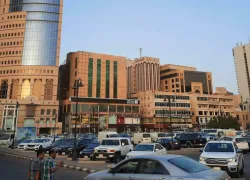
AI Balad, located in the heart of Jeddah, Saudi Arabia, is a historically significant district that showcases the rich cultural and architectural heritage of the city. As one of the oldest parts of Jeddah, AI Balad reflects the city's diverse history, with a mix of ancient Islamic architecture, traditional markets, and contemporary developments. This area is a perfect blend of the past and present, drawing tourists, history enthusiasts, and those interested in Saudi culture. How to Reach AI Balad AI Balad is easily accessible from various parts of Jeddah, with multiple transportation options available. Visitors can use taxis, ride-sharing apps like Uber and Careem, or public buses to get to this historic district. If you're coming from King Abdulaziz International Airport (JED), it's just a 30-minute drive to AI Balad by car. If you’re staying in a hotel or resort near the Jeddah Corniche or city center, AI Balad is just a short distance away by car or even walking. Weather in AI Balad The climate in Jeddah, including AI Balad, is typically hot and dry. Summers (June to September) can be extremely hot, with temperatures often exceeding 40°C (104°F), while winters (December to February) are milder, with average temperatures ranging between 20°C (68°F) and 30°C (86°F). If you're visiting AI Balad during summer, make sure to carry sunscreen, a hat, and plenty of water. The best time to visit is during the cooler months of winter or early spring, when the temperatures are more comfortable for outdoor exploration. Why AI Balad is Famous AI Balad is famous for being the cultural and historical heart of Jeddah. The district has been designated as a UNESCO World Heritage Site due to its unique architecture, narrow alleys, and traditional buildings made from coral stone. The old souks (markets) in AI Balad are full of life and offer a mix of traditional and modern goods, making it a vibrant area for both locals and tourists. It's also known for its vibrant atmosphere, where visitors can explore historical landmarks like the Naseef House, the Old Jeddah Gate, and several mosques that have stood the test of time. Entry and Visit Details AI Balad is an open-air museum and can be visited free of charge. However, if you wish to explore specific landmarks or historical buildings like the Naseef House, you may need to pay a small entrance fee. Most visitors spend a few hours wandering through the souks and streets, but you can easily spend a full day exploring the district. It is recommended to wear comfortable shoes, as the streets in AI Balad can be narrow and uneven. History and Architecture of AI Balad AI Balad dates back to the 7th century and was once the main entry point for pilgrims traveling to Mecca for Hajj. The area has been a vital hub for trade, culture, and religion throughout its history. The architecture of AI Balad is a mix of traditional Hijazi styles, with buildings constructed using coral stone, wood, and palm trunks. The houses in AI Balad are known for their intricate wooden windows and balconies, known as "Roshan," which add a unique charm to the area. These architectural features were not only decorative but also served practical purposes, such as providing shade and cooling during the hot summer months. Things to Do in AI Balad There are plenty of things to see and do in AI Balad that will immerse you in its rich history and culture. Some of the top attractions include: Visit the Naseef House: A beautiful 19th-century building that was once home to a wealthy merchant family. It is now a museum and offers a glimpse into the life of Jeddah's aristocracy in the past. Explore the Souks: Wander through the traditional markets where you can buy spices, textiles, jewelry, and souvenirs. These bustling markets give a unique insight into daily life in Jeddah. Old Jeddah Gate: This iconic gate, which was once the main entrance to the city, is a must-visit historical site. The gate is a symbol of Jeddah's history and is located near the northern part of AI Balad. Al-Maghraba Souk: A famous market where you can find everything from handcrafted items to spices, perfumes, and antique collectibles. Sample Traditional Food: Don’t miss out on tasting traditional Hijazi dishes at local eateries in AI Balad, such as Kabsa (spiced rice with meat) and Mutabbaq (a stuffed pastry). Facts and Tips About AI Balad UNESCO World Heritage Site: AI Balad was inscribed as a UNESCO World Heritage Site in 2014, recognizing its historical significance and architectural value. Dress Modestly: Saudi Arabia follows conservative dress codes, so it's important to dress modestly when visiting public places like AI Balad. Best Time to Visit: The best time to visit is from November to March when the weather is cooler and more pleasant. Walking Tours: Consider taking a guided walking tour to learn about the history and culture of the area. Local guides often provide fascinating insights into the district's past. Respect Local Customs: Always be mindful of local customs and traditions when visiting AI Balad. It’s a good idea to ask for permission before taking photos of people or private properties. AI Balad is a must-see destination for anyone visiting Jeddah, offering a unique blend of history, culture, and architectural beauty. Whether you are a history buff, a culture enthusiast, or simply someone who loves to explore new places, AI Balad will not disappoint!
Explore More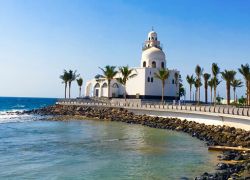
The Jeddah Corniche is one of the most popular and scenic spots in Jeddah, Saudi Arabia. Stretching along the Red Sea coastline, this picturesque waterfront is a beautiful blend of nature, recreation, and urban development. Offering stunning views of the sea, the Corniche has become a hub for both locals and tourists, featuring lush gardens, promenades, sculptures, beaches, and recreational areas. Whether you're walking, biking, or simply enjoying the view, the Jeddah Corniche provides a relaxing escape from the busy city life. How to Reach Jeddah Corniche Jeddah Corniche is easily accessible from various parts of Jeddah. The Corniche spans a long stretch along the Red Sea coast, so you can reach it by car, taxi, or ride-sharing services like Uber and Careem. If you're staying in the central area of Jeddah, the Corniche is just a short drive away. The nearest landmark is the King Fahd Fountain, which is a good reference point for visitors. Public buses also operate in the area, though taxis and private transport are more convenient for tourists. Weather in Jeddah Corniche Jeddah enjoys a hot desert climate, with high temperatures in the summer months (June to September) reaching over 40°C (104°F), making the Corniche a great place to visit in the evenings or early mornings. The winter months (November to February) are much milder, with temperatures averaging between 20°C (68°F) and 30°C (86°F), making it a popular time for outdoor activities. The best time to visit Jeddah Corniche is during the cooler months, when the weather is more comfortable for strolling along the waterfront or relaxing at one of the many cafes and restaurants. Timing of Jeddah Corniche The Jeddah Corniche is open 24 hours a day, making it accessible at any time. However, most visitors tend to visit in the morning or evening when the weather is cooler, and the area is less crowded. The evenings are particularly pleasant due to the sea breeze, with many people enjoying sunset views along the coast. Many restaurants and cafes along the Corniche open early in the morning and close late at night, offering plenty of opportunities to relax and enjoy the ambiance. Why Jeddah Corniche is Famous Jeddah Corniche is famous for its combination of natural beauty, cultural significance, and modern amenities. The Corniche is home to the King Fahd Fountain, the tallest fountain in the world, which shoots water as high as 260 meters (853 feet) into the sky. This iconic landmark has become a symbol of Jeddah. The area also features beautiful green spaces, public art installations, and numerous recreational activities, making it a beloved destination for residents and tourists alike. It is an ideal place for a relaxing walk, family outings, or romantic evenings by the sea. Entry and Visit Details There are no entry fees for visiting the Jeddah Corniche. It is a public space, open to everyone. Visitors can enjoy the views, walk along the promenade, or stop at one of the many parks and beaches for free. However, certain attractions within the Corniche area, such as the King Fahd Fountain, may have specific timings for optimal viewing. Some of the cafés and restaurants along the Corniche offer seating with views of the Red Sea, where you can enjoy a meal while watching the sunset. These venues may require reservations, especially during weekends or public holidays. History and Architecture of Jeddah Corniche The Jeddah Corniche has evolved over the years, from a simple coastline to a modern recreational and tourist destination. Originally, the Corniche area was a small coastline, but over the decades, it has been developed to include a series of gardens, parks, and family-friendly spaces. The development of the Corniche started in the 1970s, with a major push in the 1990s to turn it into a top tourist destination. The area is known for its blend of modern urban architecture with traditional designs, including Islamic motifs and architectural influences from the region. The landscaping along the Corniche is characterized by a variety of plants, palm trees, and water features, creating a peaceful environment for visitors. The King Fahd Fountain, an architectural marvel, is one of the most significant landmarks on the Corniche and is an engineering feat with its massive water jets. Things to Do in Jeddah Corniche Jeddah Corniche offers a wide range of activities for people of all ages. Some of the top things to do in the area include: Enjoy the King Fahd Fountain: One of the most famous landmarks in Jeddah, this fountain is a must-see attraction. Best viewed in the evening when it is illuminated, the fountain is a sight to behold. Stroll Along the Promenade: The Corniche features a long, scenic walkway where visitors can take leisurely walks while enjoying the cool sea breeze and beautiful views of the Red Sea. Relax in the Parks: There are several parks along the Corniche, including the South Corniche Park and the North Corniche Park, where visitors can enjoy picnics, exercise, or simply relax on the green lawns. Visit the Beaches: While not all parts of the Corniche offer direct access to the beach, there are areas where you can sit by the water and enjoy the beach vibe. Visit Art Installations: The Corniche is home to a variety of public art pieces, including sculptures and modern installations that reflect both Saudi culture and contemporary trends. Try Water Sports: The Corniche's waterfront is also a great spot for water sports, including jet-skiing and paddleboarding. Dining with a View: Enjoy a meal at one of the many waterfront restaurants or cafés, offering beautiful views of the Red Sea and the stunning coastline. Facts and Tips About Jeddah Corniche Iconic Landmark: The King Fahd Fountain, located on the Corniche, is the tallest fountain in the world and is a key symbol of Jeddah. Great for Family Outings: With plenty of green spaces, playgrounds, and recreational areas, the Corniche is perfect for family visits. Best Time to Visit: The best time to visit the Corniche is in the cooler months, from November to March, as the weather is more pleasant for outdoor activities. Dress Code: As with other public places in Saudi Arabia, it's important to dress modestly when visiting the Jeddah Corniche. Safety: The Corniche is a safe place to visit, but it’s always a good idea to keep an eye on personal belongings and stay in well-lit areas, especially after dark. The Jeddah Corniche is not only a beautiful waterfront destination but also a place to enjoy the culture, nature, and vibrant atmosphere of Jeddah. Whether you're visiting for a relaxing day by the sea, indulging in local cuisine, or simply enjoying the stunning views, the Corniche is a must-see part of Jeddah.
Explore More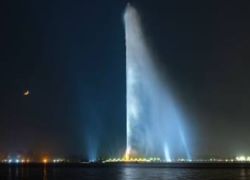
King Fahd Fountain, also called the Jeddah Fountain, is the iconic waterfront landmark of Jeddah. Rising from the Red Sea off the city’s Corniche, the fountain is famous for its enormous vertical jet of water and spectacular night-time illumination. It is a symbol of the city and a magnet for both locals and visitors who come to watch the water plume against the skyline. How to reach King Fahd Fountain The fountain sits just off the Jeddah Corniche on the western shore of the city. Most visitors reach it via the Corniche promenade (Al-Balad Corniche / North Corniche) where there are multiple vantage points, parks and seating areas. If you’re arriving by air, King Abdulaziz International Airport (JED) is the main airport serving Jeddah and is roughly 20–30 minutes by car to the Corniche depending on traffic. Taxis, ride-hailing apps and private cars are the most convenient way to get there. Many hotels in central Jeddah are also within a short taxi ride of the Corniche. Public transport options are limited compared with some cities; if you plan to rely on buses, check local routes in advance and allow extra time. Parking is available near several Corniche parks for visitors who drive. Weather and best time to visit Jeddah has a hot desert climate with very warm temperatures through much of the year. Winters (November–February) are the most pleasant for outdoor sightseeing with milder daytime temperatures and comfortable evenings. Summers (June–September) are hot and humid; if you visit then, plan to come in the evening when temperatures cool slightly. The fountain is particularly atmospheric at sunset and after dark when it is lit by spotlights. Evening visits will give you the best photographic and social experience, as locals gather on the Corniche to walk, dine and relax while watching the illuminated jets. Timing — when the fountain operates The fountain can be seen across the day but is most impressive from late afternoon through the night when lighting enhances the effect. Local listings and visitor reports indicate regular evening displays and illumination most nights; however, exact schedules may vary for maintenance, weather (high winds can reduce or suspend operation) or special events. If you want to be certain the fountain will be operating at a particular time, check local tourist information or your hotel for the latest status. Why it is famous King Fahd Fountain is renowned because of its remarkable height and engineering. Launched in the 1980s as a gift from King Fahd, the fountain shoots seawater high into the sky and became a defining visual symbol of modern Jeddah. Its combination of scale, location by the Red Sea and dramatic night illumination has made it one of the city’s best-known landmarks. Entry and visit details The area around King Fahd Fountain is a public waterfront zone; there is no entry fee to view the fountain from the Corniche. Visitors typically walk along the promenade, find a bench or settle into one of the adjacent parks or seaside cafés to watch. Because the fountain is in the sea, there is no direct access to its base—viewing points on the Corniche are the normal way to experience it. Facilities near the Corniche include public restrooms, food stalls and shaded seating in some park sections. During evenings and weekends the Corniche can become busy, so arrive a little early if you want a front-row spot for photography or a picnic. History and architecture Construction of the fountain took place in the early 1980s and it was brought into service in the mid-1980s. The fountain was commissioned as a gift from the late King Fahd bin Abdulaziz Al Saud and is designed both as an engineering feat and cultural symbol. The fountain’s base resembles a traditional mabkhara (an incense burner), a subtle nod to Arabian cultural motifs and local decorative arts. Technically it is an engineering achievement because it pumps and filters seawater, drives powerful pumps to project large volumes of water to very high altitudes, and withstands the corrosive marine environment. Lighting plays a major role in its design; hundreds of spotlights illuminate the jet at night creating a dramatic vertical column of light and spray. Things to do nearby The Jeddah Corniche is a lively waterfront with parks, walking paths, cafés and public art. Nearby activities include seaside walks, cycling along the promenade, enjoying local street food from vendors, and visiting nearby parks and sculptures. The Corniche also has viewpoints where you can photograph the fountain framed by the Red Sea and the sunset. For visitors interested in cultural sites, the historic Al-Balad district with its old souks and coral-architecture houses is a short drive away and makes for an excellent daytime excursion before or after a fountain visit. Facts and practical tips • Record height: The fountain is one of the tallest in the world and produces a single, towering jet that can be seen from many parts of the city. • Safety: The Corniche is generally safe for visitors, but keep an eye on belongings in busy areas and follow local guidance. Avoid getting too close to any fenced or restricted shoreline areas. • Dress code and local customs: Saudi Arabia has local customs and dress expectations; visitors should dress modestly in public. Women may choose loose, modest clothing; formal rules vary, but it’s respectful to follow local norms. • Weather considerations: Bring sun protection in daytime and a light layer for evenings during cooler months. In windy weather the fountain may spray salt-laden mist onto adjacent areas. • Photography tips: Arrive before sunset to capture the fountain in daylight and stay for the illuminated display. Use a tripod or steady surface for low-light shots. • No admission fee: Viewing the fountain from public Corniche areas is free. There are no dedicated visitor centres or ticketed platforms for the fountain itself. Summary King Fahd Fountain is a must-see when visiting Jeddah for its dramatic scale, cultural importance and the social life it creates along the Corniche in the evenings. Whether you come for photos, an evening walk, or a relaxed picnic by the sea, the fountain’s soaring spray and lights provide an unforgettable backdrop to Jeddah’s coastal life.
Explore More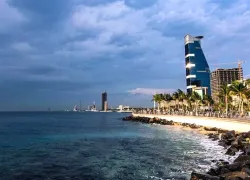
The Jeddah Waterfront, locally known as the New Jeddah Corniche, is one of Saudi Arabia’s most beautiful and modern coastal developments. Stretching along the Red Sea coast, it combines recreational areas, parks, walking tracks, beaches, and dining spaces in a scenic setting. The waterfront represents Jeddah’s progressive spirit, blending leisure, architecture, and natural beauty. It is a favorite destination for residents and tourists seeking relaxation, family fun, and picturesque sea views. How to reach Jeddah Waterfront Jeddah Waterfront is situated along the city’s western coast, easily accessible from most parts of Jeddah. It extends across several districts, including the North Corniche and parts near Al Nawras Square and the King Fahd Fountain. The site is approximately 25 minutes from King Abdulaziz International Airport (JED) and around 15 minutes from central Jeddah. Visitors can reach the waterfront via major routes such as Corniche Road and King Abdulaziz Road. Taxis, ride-hailing apps like Uber and Careem, and private cars are the most convenient ways to get there. For those driving, several parking lots are available along the Corniche, especially near popular areas such as the Jeddah Sign, Marina, and various beach zones. Weather and best time to visit Jeddah enjoys a warm coastal desert climate year-round. The most pleasant time to visit the Jeddah Waterfront is between November and March, when temperatures are cooler and humidity levels are comfortable. Daytime temperatures during this period range between 25°C and 32°C, perfect for walking, cycling, and outdoor dining. During the summer months (June to September), temperatures often exceed 40°C, so evenings are the best time to explore the waterfront when sea breezes make the environment more enjoyable. The sunsets over the Red Sea are especially beautiful, offering stunning photo opportunities. Timing — Opening hours Jeddah Waterfront is a public area and remains open 24 hours a day, seven days a week. However, specific attractions, cafés, restaurants, and recreational facilities within the waterfront have their own operating hours, typically from morning until midnight. The area is busiest in the evenings and weekends, when families and tourists gather to enjoy outdoor activities and the illuminated seaside ambiance. Why Jeddah Waterfront is famous The Jeddah Waterfront is famous for being one of the most ambitious and scenic urban redevelopment projects in Saudi Arabia. It symbolizes the modernization of Jeddah and its transformation into a global coastal destination. The project’s design integrates family-friendly recreation, public art installations, sculptures, jogging and cycling tracks, as well as clean beaches and gardens. Visitors appreciate the balance between modern infrastructure and natural charm. The presence of luxury cafés, international restaurants, and stunning views of the Red Sea make it a popular spot for leisure and social gatherings. The proximity of landmarks such as the King Fahd Fountain and Al Shallal Theme Park also adds to its fame. Entry and visit details Entry to the Jeddah Waterfront is completely free, making it an accessible attraction for everyone. Visitors can enjoy walking, picnicking, or relaxing along the promenade without any charge. However, certain sections such as private beaches, cafés, or activity centers may have their own pricing. Facilities available across the waterfront include clean restrooms, shaded seating, children’s playgrounds, prayer areas, and lifeguard-patrolled swimming zones. Bicycles and electric scooters can be rented for exploring longer stretches of the promenade. Evening security and maintenance crews ensure the area remains safe, clean, and welcoming at all times. History and architecture The Jeddah Waterfront project was inaugurated in 2017 as part of the city’s redevelopment initiative to enhance public spaces and promote tourism. Covering around 4.5 kilometers, the project transformed the old Corniche into a modern and multi-functional waterfront. It was designed by international landscape architects and incorporates eco-friendly features, open public art, and sustainable materials. Architecturally, the waterfront is divided into distinct zones — family areas, cultural zones, recreational beaches, and open parks. The design emphasizes accessibility, greenery, and harmony with the Red Sea environment. The inclusion of walking bridges, fountains, sculptures, and dedicated cycling paths showcases the city’s modern urban vision. Things to do at Jeddah Waterfront • Walking and Jogging: The long promenade along the Red Sea is perfect for walking, jogging, or simply relaxing while enjoying the sea breeze. • Beach activities: Families can swim in designated beach areas or sunbathe on clean sands equipped with seating and umbrellas. • Cycling and Scooter Rides: Dedicated tracks make cycling and e-scooter rides safe and enjoyable for all ages. • Dining and Cafés: Numerous cafés and restaurants line the waterfront, offering everything from Saudi coffee and sweets to international cuisines. Dining by the sea during sunset is one of the highlights. • Public Art and Sculptures: The area features impressive modern sculptures and artistic installations, making it a cultural as well as recreational spot. • Boating and Water Sports: Certain areas near the marina offer options for boating, jet skiing, and fishing. • Playgrounds and Parks: Families with children can enjoy playgrounds, gardens, and open lawns ideal for picnics and gatherings. • Events and Festivals: The waterfront hosts cultural festivals, sports events, and fireworks displays during national holidays and special occasions. Facts and Tips for Visitors • Free Access: The entire waterfront area is open to the public without entry fees. • Best visiting time: Evenings and weekends are most lively, especially around sunset when temperatures are cooler. • Safety: The area is family-friendly, with security and lifeguards on duty at popular zones. • Dress Code: Visitors should follow Saudi Arabia’s modest dress guidelines, particularly near family and beach zones. • Facilities: There are clean toilets, prayer areas, bike rentals, first-aid stations, and shaded rest areas. • Photography: Bring a camera or smartphone for panoramic photos, especially during sunset when the sky and sea merge beautifully. • Events Calendar: Check local tourism websites for seasonal events and entertainment schedules. Summary Jeddah Waterfront is one of the city’s greatest attractions — a perfect blend of relaxation, recreation, and modern design along the Red Sea coast. Whether you’re a tourist exploring Jeddah for the first time or a resident looking for a peaceful escape, the waterfront offers an exceptional experience filled with scenic views, outdoor activities, and cultural energy. Its beauty, accessibility, and vibrant atmosphere make it a must-visit destination that truly reflects the heart of Jeddah’s seaside lifestyle.
Explore More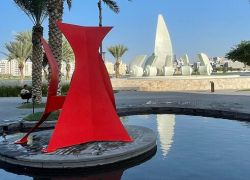
The Jeddah Sculpture Museum — often called the Jeddah Open Museum — is a celebrated open-air collection of public artworks and sculptures stretching along Jeddah’s Corniche. Featuring works by international masters and regional artists, the museum turns the seaside promenade into a walkable gallery where art and everyday life meet. It’s an accessible cultural highlight that combines coastal views, modern sculpture, and family-friendly public space. How to reach Jeddah Sculpture Museum Located on the Corniche, the Jeddah Sculpture Museum is easy to reach from central Jeddah. The Corniche runs along the western edge of the city; many landmarks such as the King Fahd Fountain, Jeddah Waterfront and the Floating Mosque are nearby and can be used as reference points. From King Abdulaziz International Airport (JED) it is typically a 20–30 minute drive depending on traffic. Taxis and ride-hailing services (Uber, Careem) are the most convenient way to get there. If you are driving, there are public parking areas near the Corniche parks and major sculpture clusters. The promenade is also pedestrian- and bicycle-friendly, making it pleasant to combine the sculpture visit with a seaside walk or cycle. Weather and best time to visit Jeddah’s climate is hot and humid much of the year. The most enjoyable months for an outdoor sculpture walk are from November to March when temperatures are milder. Early mornings and late afternoons offer softer light for photography and cooler walking conditions. In summer, dusk and evening visits are preferable to avoid daytime heat. The sculptures are outdoors and exposed to sea air; restoration and conservation work occasionally leads to temporary removals or restorations, so checking local notices or the museum’s website can help manage expectations before visiting. Timing — Opening hours As an open-air museum along a public promenade, the Jeddah Sculpture Museum does not have fixed opening hours — the Corniche is generally accessible 24/7. Most visitors choose daylight hours to examine details, although evening visits are popular for a relaxed atmosphere and waterfront lighting. Note that while access is free, individual indoor galleries or facilities nearby may have separate schedules. Why the Jeddah Sculpture Museum is famous The museum is famous for its exceptional collection of modern and contemporary sculptures displayed in a public setting. Commissioned and donated works by international figures such as Henry Moore, Joan Miró and Alexander Calder were installed along the Corniche during the 1970s and 1980s, transforming Jeddah into a global showcase for monumental public art. The project represented an ambitious cultural investment, bringing world-class sculpture to the city’s public realm. Beyond international names, the open-air museum supports regional artists and contemporary commissions, creating a dialogue between global art trends and Saudi cultural identity. The combination of striking art pieces and the Red Sea backdrop makes the museum a singular urban experience. Entry and visit details Visiting the Jeddah Sculpture Museum is free — the sculptures sit in public spaces along the Corniche and require no admission fee. There are maps and information panels at some locations, while guided walks may be available through local tour operators or arts organizations for visitors seeking deeper context. When planning your visit, allow at least 1–2 hours to stroll through the major clusters of sculptures; art lovers may spend longer studying plaques, textures and the relationship between each piece and its setting. Remember that some works have been moved for conservation or re-sited, so exact locations can change. History and architecture (curation & placement) The idea of a sculpture route along Jeddah’s Corniche dates back to the city’s modernisation efforts in the 1970s. Internationally renowned sculptors were invited to contribute monumental works for the public realm. Over time, Jeddah became famous for the scale and ambition of this public art programme. The collection initially included several hundred pieces placed across the city; later conservation projects and the establishment of curated open-air clusters refined the collection into what is commonly presented today as the Jeddah Sculpture Museum or Open Museum. Architecturally, the museum is not a single building but an urban landscape — sculptures are sited on plinths, lawns, plazas and promenades. This distributed approach lets viewers experience artworks in different spatial relationships: framed against the sea, silhouetted by the skyline, or nestled among parks and palms. Recent restoration efforts have focused on stabilising sculptures, improving bases, and adding interpretive signage for visitors. Things to do at the Jeddah Sculpture Museum • Guided tours: Join an art walk to learn about the artists, materials and stories behind each work. • Self-guided stroll: Download a map or use local signage to trace a route between major pieces while enjoying sea views. • Photography: The sculptures make dramatic subjects at sunrise and sunset; experiment with silhouettes against the Red Sea. • Picnics and relaxation: Many sculpture sites are near parks and seating areas — bring a blanket and enjoy a relaxed cultural afternoon. • Combine attractions: Pair the sculpture visit with nearby draws such as the Floating Mosque, King Fahd Fountain and the Jeddah Waterfront for a full-day itinerary. Facts and practical tips • Free access: The open-air museum is public and free to visit. No tickets or reservations are required. • Best time to visit: Late afternoon to early evening (sunset) for comfortable temperatures and beautiful light. • Conservation: Many sculptures have been restored and some are temporarily removed from display during conservation — check local resources if you are looking for a specific work. • Facilities: Public restrooms, cafés, bike rentals and parking are available at various points along the Corniche. • Etiquette: Treat artworks with respect — do not climb on sculptures and follow posted guidelines. Keep noise low in residential areas nearby. • Photography: Photography for personal use is generally allowed; be mindful of other visitors and avoid photographing people without permission. Summary The Jeddah Sculpture Museum transforms a coastal promenade into a living gallery where monumental art and everyday life coexist. Open, accessible and deeply atmospheric, it’s a must-visit for anyone interested in public art, modern sculpture and how creative interventions can animate public space. Whether you have an hour or an afternoon, the museum rewards slow, observant visits and offers an enduring reminder that art belongs to the city and its people.
Explore More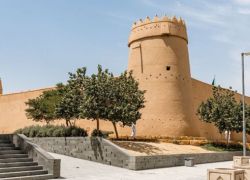
Masmak Fortress, also known as Al Masmak Fort, stands as one of the most important historical landmarks in Riyadh, Saudi Arabia. This clay and mud-brick citadel played a major role in the unification of the Kingdom under King Abdulaziz Al Saud. Located in the heart of Riyadh’s old quarter, the fortress is a symbol of Saudi heritage, courage, and resilience. Today, it serves as a museum that preserves the story of Riyadh’s past, showcasing traditional weapons, photographs, and artifacts that tell the tale of the Kingdom’s foundation. How to reach Masmak Fortress Masmak Fortress is situated in the Deira district of central Riyadh, near Souq Al Zal and the Grand Mosque. The location is easily accessible from most parts of the city. Visitors coming from King Khalid International Airport can reach the fortress by taxi or private car in about 30 to 40 minutes, depending on traffic. The route follows Airport Road, which connects to Al Imam Turki Bin Abdullah Road near the old city center. For those relying on public transport, Riyadh’s modern bus and metro systems provide convenient options. The closest metro stop is Qasr Al Hokm Station on Line 3, just a short walk from the fort. Taxis and ride-hailing apps such as Uber and Careem are also widely available and provide a comfortable way to reach the site. Weather and best time to visit Riyadh experiences a desert climate with hot summers and mild winters. The most pleasant time to visit Masmak Fortress is between November and March when daytime temperatures are moderate and evenings are cool. During this period, visitors can comfortably explore the fort and the nearby souqs on foot. Summer months, from May to September, can be extremely hot, with temperatures often exceeding 40°C (104°F). If visiting during summer, plan your trip early in the morning or late in the afternoon to avoid the midday heat. The fortress remains open year-round, and indoor exhibits are air-conditioned for visitor comfort. Timing — Visiting hours Masmak Fortress is open daily to the public. Visiting hours typically run from 8:00 AM to 9:00 PM on weekdays, with reduced hours on Fridays to accommodate prayer times. It is advisable to confirm current timings through the Riyadh tourism website or local information centers, as schedules may vary during holidays and Ramadan. Why Masmak Fortress is famous Masmak Fortress is famous as the site of one of the most significant events in Saudi history — the 1902 recapture of Riyadh by King Abdulaziz Al Saud. This victory marked the beginning of the unification of the Arabian Peninsula under his leadership. The battle is commemorated in Saudi heritage as a moment of courage, strategy, and national pride. Today, the fort stands not only as a historic monument but also as a symbol of Saudi Arabia’s transformation from a tribal territory to a modern kingdom. Its name, “Masmak,” means “strong” or “thick,” referring to its solid construction that has withstood the test of time. Entry and visit details Entry to Masmak Fortress is free of charge, making it one of the most accessible cultural attractions in Riyadh. Visitors can explore the various halls and exhibitions inside the fort at their own pace. Guided tours are sometimes available for school groups and international tourists, offering deeper insights into the fortress’s historical importance. The site includes several sections such as the main gate, courtyard, watchtowers, and the mosque inside the fortress. Informational displays, photographs, and dioramas depict the life and battles of early 20th-century Arabia. The museum also features a large wooden door pierced by a spearhead from the 1902 battle — one of its most famous exhibits. History and architecture Built around 1865 during the reign of Emir Abdulrahman ibn Sulaiman Al-Dabaan, Masmak Fortress was originally constructed to serve as a military stronghold. It reflects traditional Najdi architectural style, characterized by thick mud-brick walls, narrow windows, and a central courtyard. The fort’s design provided protection from heat and attacks, with high walls and corner towers offering excellent defense and visibility. The fortress played a key role during the late 19th and early 20th centuries as a seat of power and military base. After King Abdulaziz recaptured Riyadh, Masmak became the center of administration until the royal family moved to a new palace. In the 1980s, it was carefully restored and converted into a museum dedicated to Saudi heritage and unification. Things to do at Masmak Fortress • Explore the museum exhibits: Discover weapons, maps, traditional clothing, and photographs that narrate the story of Riyadh’s conquest and Saudi Arabia’s early years. • Admire traditional architecture: Observe the intricate wooden doors, palm trunk ceilings, and mud walls that showcase authentic Najdi craftsmanship. • Visit the courtyard: The central courtyard provides a glimpse into how the fortress functioned as a residential and defensive structure. • Explore nearby attractions: Souq Al Zal and Al Masmak Heritage Market are nearby, perfect for buying souvenirs and traditional handicrafts. • Photography: Capture the contrast between old Riyadh and the modern skyline surrounding the fort. Early morning and late afternoon light are ideal for photographs. • Attend cultural events: Occasionally, heritage festivals and national day celebrations feature performances and exhibitions at the fort. Facts and Tips for Visitors • Free entry: There is no entrance fee to visit the fortress or its museum exhibitions. • Best visiting time: Morning or late evening, especially in cooler months, ensures comfort and fewer crowds. • Dress code: Modest clothing is required. Women should wear abayas, and men should avoid sleeveless tops. • Accessibility: The site is generally accessible for visitors with mobility challenges, though some stairs may limit access to towers. • Nearby facilities: Restrooms, cafés, and souvenir shops are available near the fort and the adjacent market. • Guided tours: Check with the Riyadh Tourism Office for available English-language guided tours. • Respect local customs: Avoid loud noise and photography inside the prayer areas. Summary Masmak Fortress is not only a reminder of Riyadh’s origins but also a living museum of Saudi Arabia’s national identity. From its clay towers to its historical artifacts, every corner of the fort tells a story of determination, unity, and tradition. Whether you are a history enthusiast, culture lover, or first-time visitor to Riyadh, Masmak Fortress offers a rich and authentic glimpse into the Kingdom’s proud heritage.
Explore More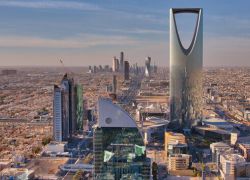
The Kingdom Center Tower, often called Kingdom Tower, is one of Riyadh’s most recognizable landmarks and a symbol of modern Saudi Arabia. Rising 302 meters (992 feet) into the sky, this stunning skyscraper dominates the Riyadh skyline with its unique inverted parabolic arch design. It houses a mix of luxury shopping outlets, fine dining restaurants, office spaces, the Four Seasons Hotel Riyadh, and the famous Sky Bridge observation deck that offers breathtaking views of the capital. The tower reflects Saudi Arabia’s rapid modernization and architectural innovation, making it a must-visit attraction for both locals and international visitors. How to reach Kingdom Center Tower Kingdom Center Tower is located in the heart of Riyadh, on King Fahd Road in the Al Olaya district — one of the city’s most prestigious business and commercial areas. Its central location makes it easily accessible from anywhere in the city. Visitors arriving from King Khalid International Airport can reach the tower in about 25–30 minutes by car, depending on traffic. The most convenient way to get there is by taxi, private car, or ride-hailing services like Uber and Careem. Ample parking is available at the Kingdom Center complex, including underground parking for shoppers and hotel guests. Riyadh’s bus and metro networks also connect to nearby areas. The closest metro station (once fully operational) will be the Olaya Station, making public transport access easier for future visitors. Weather and best time to visit Riyadh experiences a desert climate, characterized by very hot summers and mild winters. The best time to visit the Kingdom Center Tower is from November to March, when temperatures range between 15°C and 28°C, making outdoor exploration comfortable. During summer months (June to September), daytime temperatures can exceed 40°C, so visitors prefer to explore the indoor attractions and enjoy the tower’s air-conditioned facilities. The Sky Bridge is open year-round, and visiting during sunset or after dark offers spectacular city views when Riyadh’s skyline lights up beautifully. Timing — Visiting hours The Kingdom Center complex, including the mall, restaurants, and Sky Bridge, operates daily with varying schedules: Kingdom Center Mall: 10:00 AM to 11:00 PM (Saturday to Thursday), and 2:00 PM to 11:00 PM on Fridays. Sky Bridge: 12:00 PM to 11:00 PM (Saturday to Thursday), and 4:00 PM to 11:00 PM on Fridays. Four Seasons Hotel: 24 hours daily. Timings may vary during Ramadan and national holidays, so checking in advance is recommended. Why Kingdom Center Tower is famous The Kingdom Center Tower is famous for its bold and futuristic design that stands out among the world’s architectural icons. The most distinctive feature is the 65-meter-tall parabolic arch cut through the top of the building, crowned by the Sky Bridge that connects both sides. This dramatic design element symbolizes the unity of traditional values and modern progress in Saudi Arabia. The tower is also known for being home to the luxurious Four Seasons Hotel Riyadh, upscale shopping boutiques, and gourmet restaurants. Its Sky Bridge offers panoramic 360-degree views of Riyadh, making it one of the most visited observation decks in the country. The Kingdom Center is not only a shopping and leisure destination but also a cultural landmark that embodies the Kingdom’s vision for modernization. Entry and visit details Entry to the Kingdom Center Tower’s mall and public areas is free. However, there is an admission fee to access the Sky Bridge observation deck. Tickets can be purchased on-site from the ticket counter located inside the mall or online through official websites. The ticket price typically ranges between SAR 60–70 for adults and SAR 30–35 for children, though prices may change. Visitors ride two high-speed elevators that reach the 99th floor in less than a minute. The Sky Bridge is enclosed in glass, offering breathtaking views of Riyadh from 300 meters above the ground. Each visit usually lasts around 30 to 45 minutes, allowing ample time for sightseeing and photography. The Kingdom Center Mall features a variety of international luxury brands, restaurants, cafés, and a dedicated women-only floor offering privacy and comfort for female shoppers. History and architecture The Kingdom Center Tower was completed in 2002 and is owned by Prince Alwaleed bin Talal’s Kingdom Holding Company. Designed by the architectural firms Ellerbe Becket and Omrania, the building represents a fusion of modern design and regional influences. Standing at 302 meters (992 feet) with 99 floors, it was once the tallest building in Saudi Arabia and remains an architectural marvel. The tower’s structure incorporates a triangular base and curved sides that taper upward to the open arch. The Sky Bridge itself weighs around 300 tons and is suspended across the void at the tower’s crown, symbolizing a gateway between tradition and modernity. The building also follows advanced sustainability principles, featuring high-performance glass to reduce heat gain and energy consumption in the desert climate. Things to do at Kingdom Center Tower • Visit the Sky Bridge: Enjoy breathtaking panoramic views of Riyadh from one of the highest observation decks in the Middle East. • Shop at Kingdom Center Mall: Browse luxury fashion brands like Dior, Gucci, Louis Vuitton, and more. • Dine in style: Choose from fine dining restaurants, coffee lounges, and rooftop cafés offering international and local cuisine. • Stay at the Four Seasons Hotel: Experience five-star hospitality and unmatched views of the city. • Night photography: Capture the tower illuminated against the night sky — one of Riyadh’s most iconic photo opportunities. • Explore nearby attractions: Combine your visit with other city highlights such as Al Faisaliah Tower, Riyadh Boulevard, or the National Museum. Facts and Tips for Visitors • Height: 302 meters with 99 floors. • Construction completed: 2002. • Architects: Ellerbe Becket and Omrania. • Best visiting time: Sunset or evening for panoramic views and pleasant temperatures. • Dress code: Modest attire is recommended; women should wear abayas in public areas. • Photography: Allowed at the Sky Bridge; tripods may not be permitted. • Accessibility: Elevators and ramps make the site accessible to visitors with disabilities. • Parking: Multi-level parking available on-site for mall visitors and hotel guests. • Security: Bags may be checked upon entry; follow staff instructions for safety. Summary Kingdom Center Tower is more than just a skyscraper — it is a modern icon that defines Riyadh’s skyline and embodies Saudi Arabia’s vision of progress and innovation. Whether you visit for shopping, dining, luxury accommodation, or the unforgettable Sky Bridge experience, the tower offers something for everyone. It stands as a proud symbol of the Kingdom’s journey from its historical roots to its dynamic present, welcoming visitors to witness Riyadh from above and admire the city’s ever-evolving beauty.
Explore More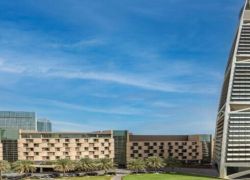
Al Faisaliah Tower is one of Riyadh’s most iconic landmarks and a striking example of Saudi Arabia’s modern architectural achievements. Standing tall at 267 meters (876 feet), it is easily recognized by its distinctive pyramid shape topped with a giant glass sphere. The tower is located in the prestigious Al Olaya district and symbolizes the city’s growth, innovation, and ambition. Al Faisaliah Tower is part of a larger complex that includes a luxury hotel, a high-end shopping mall, office spaces, and several fine dining restaurants — including the world-famous revolving restaurant inside the sphere. Completed in 2000, this architectural masterpiece continues to attract both business travelers and tourists who want to experience Riyadh’s contemporary side while enjoying panoramic views of the Saudi capital. How to reach Al Faisaliah Tower Al Faisaliah Tower is centrally located on King Fahd Road in the Al Olaya district, making it easily accessible from any part of Riyadh. It is about 35 kilometers from King Khalid International Airport, and the drive usually takes around 30 minutes depending on traffic conditions. Visitors can reach the tower by taxi, private car, or ride-hailing services such as Uber or Careem, which are widely available in Riyadh. The tower complex has ample parking space for visitors, and valet parking is available for hotel and restaurant guests. Public transportation options are gradually improving in Riyadh, and in the future, the metro system will have stations close to the Al Olaya district, making it even more convenient to visit Al Faisaliah Tower. Weather and best time to visit Riyadh has a desert climate, which means hot summers and mild winters. The best time to visit Al Faisaliah Tower is from November to March when the weather is pleasant, with average temperatures ranging between 15°C and 28°C. This is also the ideal time for sightseeing and exploring outdoor attractions nearby. During summer (May to September), temperatures can exceed 40°C during the day, but since most of the tower’s attractions are indoors and fully air-conditioned, visitors can still enjoy the facilities comfortably. Evening visits are recommended for those who want to enjoy the illuminated cityscape of Riyadh. Timings The Al Faisaliah complex operates daily, though different sections have specific hours: Al Faisaliah Mall: 10:00 AM to 11:00 PM (Saturday to Thursday), and 2:00 PM to 11:00 PM on Fridays. Globe Experience (Observation deck): 12:00 PM to 11:00 PM (Saturday to Thursday), and 4:00 PM to 11:00 PM on Fridays. Al Faisaliah Hotel: Open 24 hours daily. Restaurants: Most operate from 12:00 PM to 12:00 AM. It’s always wise to confirm current timings before your visit, as they can vary during Ramadan or public holidays. Why Al Faisaliah Tower is famous Al Faisaliah Tower is famous for being one of the first skyscrapers built in Saudi Arabia and for its unique and futuristic design. Its most recognizable feature is the large glass sphere near the top, which houses a high-end restaurant offering a 360-degree panoramic view of Riyadh. The tower symbolizes Riyadh’s modernization and economic development, reflecting Saudi Arabia’s commitment to innovation and design. It also stands as a cultural and commercial hub, attracting visitors for business meetings, luxury shopping, dining, and sightseeing. The tower’s architectural beauty and the breathtaking views from the Globe Restaurant have made it a must-visit attraction for locals and tourists alike. Entry and visit details Entry to the Al Faisaliah Tower complex and the shopping mall is free. However, access to the Globe Experience — which includes the glass observation sphere and restaurant — requires a ticket or a dining reservation. Tickets to the observation area can be purchased at the reception desk or online, usually costing around SAR 60–70 per adult. The Globe Restaurant offers an upscale dining experience, and reservations are recommended, especially during weekends. Visitors are advised to spend at least 1–2 hours to explore the tower complex, enjoy the observation deck, dine, and browse through the mall. History and architecture Al Faisaliah Tower was completed in 2000 and was developed by the Al Khereiji Group for the King Faisal Foundation. It was designed by the renowned British architectural firm Foster and Partners, led by Sir Norman Foster — the same firm responsible for London’s famous Gherkin building. The tower rises 267 meters tall and consists of 44 floors. Its design is inspired by a pyramid, with sleek lines and a perfect blend of steel and glass, symbolizing both tradition and progress. The building’s most famous element — the glass sphere — sits just below the tower’s peak, measuring 24 meters in diameter. This sphere is supported by four large angled columns, giving the impression that it is floating in mid-air. The complex also includes the luxurious Al Faisaliah Hotel, an elegant mall, and extensive office spaces. The architecture reflects Riyadh’s modern aspirations while respecting the simplicity and strength of Arabian design principles. Things to do at Al Faisaliah Tower • Enjoy the Globe Experience: Visit the observation deck and dine in the glass sphere for stunning panoramic views of Riyadh. • Shop at Al Faisaliah Mall: Explore high-end brands, jewelry boutiques, and local designer stores. • Dine at top restaurants: Savor fine dining at The Globe Restaurant or other restaurants within the complex offering international cuisines. • Stay at Al Faisaliah Hotel: Experience five-star luxury accommodation with world-class amenities. • Attend events: The tower hosts conferences, exhibitions, and business meetings, making it a major venue for corporate and cultural events. • Night photography: Capture the illuminated glass sphere and the surrounding skyline, one of Riyadh’s most beautiful sights at night. Facts and Tips for Visitors • Height: 267 meters with 44 floors. • Completed: 2000. • Architects: Foster and Partners. • Main feature: Glass sphere with revolving restaurant. • Best visiting time: Evening or sunset for breathtaking skyline views. • Dress code: Modest clothing is expected; women should wear abayas in public spaces. • Accessibility: The building provides ramps and elevators for easy access. • Photography: Allowed in most areas, but professional equipment may need prior approval. • Parking: Ample parking is available, including valet service. • Nearby attractions: Kingdom Center Tower, Riyadh Boulevard, and the National Museum are all within easy reach. Summary Al Faisaliah Tower is a masterpiece of modern Saudi architecture and a symbol of Riyadh’s vision for the future. Its elegant design, luxurious facilities, and panoramic views make it one of the most visited attractions in the city. Whether you are here to shop, dine, stay at the hotel, or simply enjoy the view from the Globe, the experience is unforgettable. A visit to Al Faisaliah Tower offers a perfect blend of sophistication, innovation, and Arabian hospitality — a true reflection of Riyadh’s vibrant and modern identity.
Explore More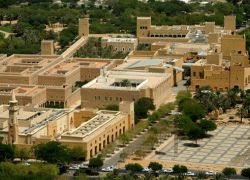
King Abdulaziz Historical Center
The King Abdulaziz Historical Center in Riyadh is one of the most important cultural and heritage landmarks in Saudi Arabia. It represents the country’s rich history and showcases its transformation from a desert kingdom into a modern nation. Located in the heart of Riyadh, the center was established to commemorate the unification of the Kingdom under the leadership of King Abdulaziz Al Saud in 1932. Today, it serves as both a museum complex and a cultural institution dedicated to preserving Saudi Arabia’s heritage, traditions, and national identity. The center combines historical architecture with modern facilities and covers several buildings, including the National Museum of Saudi Arabia, Murabba Palace, King Abdulaziz Library, and beautifully landscaped gardens. It provides a deep insight into the Kingdom’s past, from ancient civilizations to the birth of modern Saudi Arabia. How to reach King Abdulaziz Historical Center The King Abdulaziz Historical Center is located in the Al Murabba District, near the center of Riyadh. It is about 8 kilometers from the city’s commercial district and approximately 40 kilometers from King Khalid International Airport. The center’s convenient location makes it easily accessible by car or public transport. Visitors coming from the airport can reach the center in around 30–35 minutes via King Salman Road and Al Wadi Street. Taxis, private vehicles, or ride-hailing services like Uber and Careem are the most comfortable ways to reach the site. Free and paid parking areas are available near the main entrance. In the future, Riyadh’s developing metro network will make the center even easier to reach. Several bus routes already pass nearby, making it accessible for both tourists and residents without private transportation. Weather and best time to visit Riyadh experiences a hot desert climate with very high temperatures during summer and mild winters. The best time to visit the King Abdulaziz Historical Center is from November to March, when temperatures range between 15°C and 28°C. This period offers comfortable weather for walking around the outdoor sections and gardens. During summer (May to September), temperatures can reach above 40°C during the day. However, since most exhibits are indoors and air-conditioned, visitors can still enjoy the experience comfortably. Visiting in the late afternoon or evening is also a great idea, as the outdoor areas are beautifully lit after sunset. Timings The King Abdulaziz Historical Center is open daily, but timings may vary slightly depending on the specific building or museum section. National Museum: Saturday to Thursday — 9:00 AM to 8:00 PM; Friday — 4:00 PM to 10:00 PM. Murabba Palace: 8:00 AM to 8:00 PM daily. King Abdulaziz Library: 8:00 AM to 9:00 PM (Saturday to Thursday). Gardens and Courtyard: Open 24 hours for visitors. Timings may differ during Ramadan and public holidays, so checking ahead before your visit is recommended. Why King Abdulaziz Historical Center is famous The King Abdulaziz Historical Center is famous for being one of Saudi Arabia’s most comprehensive cultural complexes. It represents the country’s proud heritage and documents its journey from the early Arabian tribes to the foundation of the modern Kingdom. The center is a tribute to King Abdulaziz Al Saud, the founder and first ruler of Saudi Arabia. It is also well-known for housing the National Museum of Saudi Arabia — the country’s largest and most advanced museum — which contains rare artifacts, ancient manuscripts, and interactive exhibits. The restored Murabba Palace, once the royal residence of King Abdulaziz, adds immense historical significance to the site. The center is a place where history, culture, education, and architecture come together, making it a must-visit for anyone interested in Saudi heritage and identity. Entry and visit details Entry to the outdoor areas and gardens of the King Abdulaziz Historical Center is free of charge, allowing visitors to enjoy a peaceful environment with fountains, sculptures, and traditional Arabian landscaping. However, entry to the National Museum requires a small ticket fee, usually around SAR 10 for adults, while children and students may enter for free or at a discounted rate. Guided tours are available in both Arabic and English, providing valuable insights into the exhibits and historical background. Most visitors spend 2–3 hours exploring the various sections of the center. Photography is allowed in most areas, but flash photography and tripods may be restricted inside certain galleries. History and architecture The King Abdulaziz Historical Center was inaugurated in 1999 as part of the centennial celebrations of the Kingdom’s unification. The area chosen for the center was historically important because it included the site of the original Murabba Palace — a royal complex built by King Abdulaziz in the 1930s. Architecturally, the center combines traditional Najdi style with modern design. The buildings feature mud-brick facades, geometric patterns, and courtyards typical of old Arabian architecture, but with modern materials and air-conditioned interiors. The result is a harmonious blend of heritage and progress. The National Museum is one of the main attractions within the complex. Its eight galleries take visitors on a chronological journey through Saudi Arabia’s natural history, pre-Islamic civilizations, the birth of Islam, and the formation of the Saudi state. The museum’s design is inspired by the sand dunes of the Arabian Desert, reflecting the nation’s natural environment. Things to do at King Abdulaziz Historical Center • Explore the National Museum: Discover ancient artifacts, manuscripts, fossils, and digital exhibits that tell the story of Arabia’s past. • Visit Murabba Palace: Step inside the former royal residence of King Abdulaziz and see how the Saudi royal family lived in the early 20th century. • Relax in the gardens: The landscaped courtyards and palm-lined walkways provide a peaceful retreat in the city center. • Learn at King Abdulaziz Library: Browse one of the most significant collections of books, photographs, and rare documents about Saudi history. • Photography and sightseeing: Capture the elegant Najdi-style architecture and the beautifully restored heritage structures. • Attend cultural events: Occasionally, the center hosts exhibitions, heritage festivals, and educational programs for visitors. Facts and Tips for Visitors • Established: 1999 to commemorate the Kingdom’s unification centennial. • Key attractions: National Museum, Murabba Palace, King Abdulaziz Library, and Heritage Gardens. • Best visiting time: Morning or late afternoon during the cooler months (November to March). • Dress code: Modest clothing is required; women should wear an abaya, and men should dress conservatively. • Accessibility: The center is wheelchair-accessible, with ramps and elevators in all main buildings. • Facilities: Rest areas, souvenir shops, prayer rooms, and cafés are available inside the complex. • Nearby attractions: Masmak Fortress, Al Murabba District, and Riyadh’s old market (Souq Al Zal) are within short driving distance. • Photography: Allowed in most outdoor areas; check signage for museum photography rules. • Duration of visit: Plan around 2–3 hours to explore all sections comfortably. Summary The King Abdulaziz Historical Center is a place where the past and present meet harmoniously. It celebrates the legacy of Saudi Arabia’s founding king while showcasing the cultural evolution of the nation. From the grandeur of Murabba Palace to the modern exhibitions of the National Museum, the center provides an inspiring and educational experience for visitors of all ages. Whether you are a history enthusiast, a student, or a tourist exploring Riyadh, a visit to the King Abdulaziz Historical Center offers an unforgettable journey through time and culture.
Explore More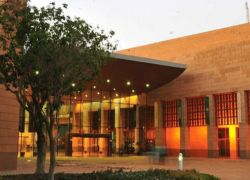
National Museum Of Saudi Arabia
The National Museum of Saudi Arabia is one of the most prominent cultural landmarks in Riyadh, showcasing the rich heritage, civilization, and history of the Arabian Peninsula. Located in the King Abdulaziz Historical Center, the museum provides a fascinating journey through time, from prehistoric eras to the modern Kingdom of Saudi Arabia. With its advanced exhibits, life-size reconstructions, and multimedia displays, the museum stands as a symbol of national pride and an educational center for visitors of all ages. How to Reach the National Museum of Saudi Arabia The museum is situated in the heart of Riyadh, within the King Abdulaziz Historical Center on King Abdulaziz Street, near Murabba Palace. It is easily accessible by various modes of transport. From King Khalid International Airport, the museum is approximately 40 kilometers away and can be reached in around 30–40 minutes by car or taxi. Visitors can use private taxis, ride-hailing services such as Careem or Uber, or public transport options. Riyadh’s bus network also provides routes that stop near the King Abdulaziz Historical Center. For those staying in central Riyadh, it is convenient to reach by driving or taking a short cab ride. Weather at the National Museum of Saudi Arabia Riyadh experiences a desert climate with hot summers and mild winters. During the summer months (May to September), temperatures can exceed 40°C (104°F), making indoor attractions like the National Museum an ideal choice. Winter (November to February) offers pleasant weather with temperatures ranging from 10°C to 25°C (50°F–77°F). The best time to visit the museum is during the cooler months, especially in the morning or late afternoon when the weather is most comfortable for exploring nearby attractions as well. Timing of the National Museum of Saudi Arabia The museum is generally open daily except on certain public holidays. Typical opening hours are from 9:00 AM to 8:00 PM on most days, with shorter hours on Fridays. It’s recommended to check the museum’s official website or local listings before visiting, as timings may vary during Ramadan or national holidays. Allow at least 2–3 hours to explore all sections of the museum thoroughly. Why the National Museum of Saudi Arabia is Famous The National Museum is renowned for its comprehensive representation of Saudi Arabia’s cultural and historical evolution. It highlights key moments in the development of human civilization in the Arabian Peninsula, the rise of Islam, and the unification of the Kingdom under King Abdulaziz Al Saud. The museum’s exhibitions use modern technology, stunning visuals, and archaeological artifacts to tell the story of the land and its people. It is also famous for being one of the most beautifully designed museums in the Middle East, attracting historians, students, and tourists eager to understand the roots of Saudi heritage. The museum plays an essential role in preserving and presenting the nation’s identity and promoting intercultural understanding. Entry and Visit Details about the National Museum of Saudi Arabia Entry to the National Museum is moderately priced, and in some cases, admission is free during special events or for educational visits. Tickets can be purchased at the entrance or online. Guided tours are available in both Arabic and English, helping visitors gain deeper insights into the exhibits. Facilities at the museum include a visitor information center, prayer rooms, rest areas, cafes, and souvenir shops. The museum is wheelchair accessible and equipped with modern amenities to ensure a comfortable visit for all guests. History and Architecture of the National Museum of Saudi Arabia The National Museum was inaugurated in 1999 as part of the King Abdulaziz Historical Center project, commemorating the centenary of the founding of the Kingdom of Saudi Arabia. Designed by the renowned architect Raymond Moriyama from Canada, the museum blends modern design with cultural symbolism. The architecture reflects the essence of Arabian landscapes — its curves and flowing forms resemble the sand dunes of the desert. The building is constructed with natural stone and features an elegant combination of traditional and modern elements. The museum spans over 28,000 square meters, comprising eight galleries that trace the story of Saudi Arabia from prehistoric times to the present day. Each gallery is thoughtfully designed, with thematic sections such as “Man and the Universe,” “Arab Kingdoms,” “Prophet Muhammad’s Mission,” and “The Unification of the Kingdom.” Interactive displays, models, and audiovisual aids make the learning experience engaging and memorable. Things to Do at the National Museum of Saudi Arabia Visitors can explore the various galleries to understand the chronological progression of Arabian history. The exhibits include fossils, rock carvings, ancient manuscripts, weapons, tools, and art pieces. A replica of the Kaaba interior and displays about the early Islamic period are particularly captivating. Photography enthusiasts will find several areas ideal for capturing the stunning interior design and detailed exhibits. Families can enjoy educational activities, while children can participate in interactive learning experiences offered by the museum. Additionally, the landscaped gardens and courtyards surrounding the museum provide a peaceful setting for relaxation after touring the galleries. The museum also hosts temporary exhibitions, cultural events, and educational workshops throughout the year. These events highlight contemporary Saudi art, traditional crafts, and the ongoing evolution of Saudi society. Facts and Tips about the National Museum of Saudi Arabia Facts: The museum houses over 3,700 artifacts that depict different historical periods of Saudi Arabia. It is part of the larger King Abdulaziz Historical Center, which also includes Murabba Palace, gardens, and a library. The museum’s design symbolizes the unity of the past and future of Saudi Arabia. It attracts thousands of visitors annually, including both locals and international tourists. The museum’s layout ensures a smooth flow of visitors through its galleries in a chronological order. Tips for Visitors: Visit early in the morning to avoid crowds and fully enjoy the exhibits. Wear comfortable shoes as the museum is large and requires walking through multiple halls. Respect local customs — modest clothing is recommended for both men and women. Take advantage of the guided tours or audio guides for a more insightful experience. Don’t forget to explore the nearby Murabba Palace and King Abdulaziz Park for a complete cultural experience. Conclusion The National Museum of Saudi Arabia stands as a beacon of knowledge and cultural preservation in Riyadh. Its extensive collections, modern design, and educational approach make it an essential stop for anyone wishing to understand the history and identity of Saudi Arabia. Whether you are a history enthusiast, a student, or a traveler exploring Riyadh’s landmarks, a visit to this remarkable museum promises a rewarding and enlightening experience.
Explore More
Riyadh Zoo is one of the oldest and most popular family attractions in Saudi Arabia’s capital city. Spread across a large green area, the zoo provides visitors with a chance to observe a wide variety of animal species from around the world while enjoying a relaxing day amid nature. Known for its clean environment, well-maintained facilities, and diverse collection of wildlife, the Riyadh Zoo plays an important role in recreation, education, and conservation within the Kingdom. It is a place where families, students, and tourists can learn about animals in an engaging and safe setting. How to Reach Riyadh Zoo The Riyadh Zoo is conveniently located in the Al Malaz district of Riyadh, near Prince Faisal bin Fahd Stadium. Its central location makes it easily accessible from most parts of the city. From King Khalid International Airport, the zoo is approximately 40 kilometers away, and the drive usually takes 30 to 40 minutes depending on traffic. Visitors can reach the zoo by private car, taxi, or ride-hailing apps like Uber and Careem. For those using public transport, several bus routes serve the Al Malaz area. There is ample parking space near the zoo entrance, and clear signboards guide travelers from major city roads. It is advisable to plan your trip early in the day to avoid the afternoon traffic and enjoy cooler temperatures. Weather at Riyadh Zoo Riyadh has a desert climate characterized by hot summers and mild winters. During the summer months (May to September), temperatures can exceed 40°C (104°F), making early mornings and late afternoons the best times to visit. The winter season (November to February) is ideal for outdoor activities, with pleasant temperatures ranging from 10°C to 25°C (50°F–77°F). Spring and autumn also provide comfortable weather for a zoo visit. Visitors should stay hydrated, wear sunscreen, and carry hats or umbrellas, especially during warmer months. Timing of Riyadh Zoo The Riyadh Zoo usually opens daily except on certain public holidays. The general visiting hours are from 8:30 AM to 6:00 PM, but timings may vary during weekends, Ramadan, or special maintenance days. Mondays are often reserved for families, while specific days may be allocated for school trips and women-only visits. It is advisable to check local listings or the official Riyadh Municipality website for the most current schedule before planning your trip. Why Riyadh Zoo is Famous Riyadh Zoo is famous for being one of the most comprehensive zoological parks in Saudi Arabia. It houses over 1,500 animals representing more than 40 species from around the world, including lions, tigers, giraffes, elephants, monkeys, reptiles, and exotic birds. The zoo’s environment mimics natural habitats to ensure animal welfare and visitor engagement. Another reason for its popularity is its role in environmental awareness and education. It helps visitors understand the importance of wildlife conservation and animal care. The zoo also attracts tourists and locals alike for its lush greenery, shaded pathways, and family-friendly atmosphere, making it one of Riyadh’s top recreational destinations. Entry and Visit Details about Riyadh Zoo Entry to Riyadh Zoo is reasonably priced, making it an affordable attraction for families and groups. Tickets can be purchased at the entrance, and discounts may be offered for children and students. The zoo offers separate entrances for men, women, and families, respecting local customs and traditions. The zoo premises are equipped with amenities such as restrooms, prayer areas, cafeterias, and seating zones. Visitors can also enjoy small shops selling snacks, beverages, and souvenirs. The zoo management ensures that the area is clean, safe, and well-organized. Wheelchair access is available for elderly visitors and those with special needs. Visitors are encouraged to follow zoo guidelines, which include not feeding animals, avoiding littering, and maintaining a respectful distance from enclosures. The average visit lasts about two to three hours, allowing time to explore different animal sections and enjoy the green surroundings. History and Architecture of Riyadh Zoo The Riyadh Zoo has a rich history dating back to the mid-20th century. Originally established as a small private zoo owned by the Saudi royal family, it later opened to the public after expansion and modernization. The zoo underwent significant renovations in the 1980s and again in the 2000s to improve facilities, expand animal habitats, and introduce new species. The architectural layout of the zoo is designed with wide walkways, shaded seating areas, and landscaped gardens. Enclosures are constructed to replicate natural habitats as closely as possible, ensuring both animal comfort and visitor visibility. Large trees, artificial ponds, and fountains create a serene ambiance throughout the park. The zoo also features miniature trains that transport visitors around the site, offering a fun and convenient way to explore the grounds. Things to Do at Riyadh Zoo There are plenty of engaging activities to enjoy at Riyadh Zoo. The main attraction is, of course, observing a wide variety of animals in well-designed enclosures. Educational boards and displays provide information about each species, making it a great learning experience for children and adults alike. Families can enjoy picnics in designated green areas within the zoo premises. The park also has a small train ride that takes visitors through different zones, allowing them to see more animals comfortably. Children especially love this train journey, which adds excitement to their visit. In addition to animal watching, visitors can enjoy photography, relax under shaded trees, or visit the snack kiosks for refreshments. The zoo sometimes organizes special events, school programs, and awareness campaigns to promote conservation and animal welfare. Evening visits offer a different experience with beautifully lit surroundings and a calm ambiance. Facts and Tips about Riyadh Zoo Facts: The zoo covers around 55 acres of land in the Al Malaz district. It is home to over 1,500 animals from more than 40 species, including rare and endangered ones. The zoo was officially opened to the public in 1987 after extensive modernization. It features a small train service that circles the park, offering a comfortable tour for visitors. The zoo participates in educational programs to raise awareness about wildlife conservation. Tips for Visitors: Visit during cooler months or early in the morning to avoid the midday heat. Carry drinking water, sunscreen, and light snacks for convenience. Wear comfortable clothing and walking shoes as you will spend time moving around large areas. Follow zoo rules, especially regarding feeding or disturbing animals. Plan to spend 2–3 hours to fully enjoy the zoo and nearby attractions like Al Malaz Park. Conclusion The Riyadh Zoo remains one of the most beloved destinations in Saudi Arabia’s capital. It combines education, entertainment, and environmental appreciation, making it ideal for families and tourists alike. With its impressive collection of wildlife, lush surroundings, and modern facilities, the zoo offers a refreshing escape from the urban pace of Riyadh. Whether you are an animal lover, a parent seeking a fun outing, or a visitor exploring Riyadh’s attractions, a trip to Riyadh Zoo promises a memorable and enjoyable experience.
Explore More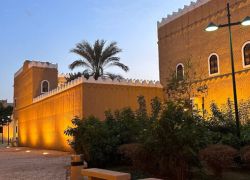
Al Murabba Palace is one of the most iconic historical landmarks in Riyadh, Saudi Arabia. It holds great cultural and historical importance as it was the official residence and administrative headquarters of King Abdulaziz Al Saud, the founder of modern Saudi Arabia. Today, it stands as a beautifully preserved heritage site within the King Abdulaziz Historical Center, offering visitors a glimpse into the life and times of the early Saudi Kingdom. With its traditional architecture, historical exhibits, and symbolic presence, Al Murabba Palace is a must-visit attraction for anyone interested in Saudi history and culture. How to Reach Al Murabba Palace Al Murabba Palace is located in the King Abdulaziz Historical Center in central Riyadh, near the National Museum of Saudi Arabia. The palace can be easily reached by car or taxi from any part of the city. It lies approximately 40 kilometers from King Khalid International Airport, which takes about 30–40 minutes to reach depending on traffic conditions. Visitors can use ride-hailing services such as Uber or Careem for convenience. For those using public transportation, several bus routes serve the area around King Abdulaziz Street and Al Murabba district. Clear road signs in both Arabic and English make it simple for tourists to navigate to the site. Parking is available near the entrance for private vehicles and tourist buses. Weather at Al Murabba Palace Riyadh has a desert climate characterized by hot summers and mild winters. During the summer months (May to September), temperatures can rise above 40°C (104°F), while winter (November to February) offers cooler and more comfortable weather with daytime temperatures between 10°C and 25°C (50°F–77°F). The best time to visit Al Murabba Palace is during the cooler months, from October to March, when walking through the open courtyards and gardens is more pleasant. Visitors are advised to carry drinking water, wear sunscreen, and dress modestly and comfortably, especially during warmer months. Timing of Al Murabba Palace Al Murabba Palace generally follows the same visiting hours as the King Abdulaziz Historical Center. It is open Saturday to Thursday from 9:00 AM to 8:00 PM and Fridays from 4:00 PM to 8:00 PM. The palace may close on certain public holidays or during maintenance periods, so checking the official website or local listings before visiting is recommended. Guided tours are often available in Arabic and English for those interested in a detailed historical experience. Why Al Murabba Palace is Famous Al Murabba Palace is famous for being one of the first modern royal residences built outside the old city walls of Riyadh. It represents a turning point in the architectural and cultural transformation of the Kingdom under King Abdulaziz. The palace became a symbol of modernization and national unity, serving not only as a royal home but also as a venue for major political and diplomatic events. It is also renowned for its distinctive Najdi architectural style — characterized by mud-brick walls, wooden beams, and gypsum decorations — which reflect the traditional building techniques of central Arabia. Today, Al Murabba Palace stands as a museum and heritage site showcasing the royal lifestyle, historic documents, furniture, and personal belongings of King Abdulaziz, making it an important place for historians and tourists alike. Entry and Visit Details about Al Murabba Palace Entry to Al Murabba Palace is either free or included with the ticket for the King Abdulaziz Historical Center or the National Museum. Tickets can be obtained at the museum’s main entrance. The palace is family-friendly and open to all visitors, including tourists, students, and researchers. Guided tours and educational programs are often organized for schools and cultural groups. The palace is equipped with visitor amenities such as restrooms, shaded rest areas, a café, and a gift shop. Wheelchair access is available for differently-abled visitors. Visitors are encouraged to respect local customs by wearing modest clothing and maintaining decorum inside the palace grounds. Photography is usually allowed in outdoor areas, but flash photography may be restricted inside certain exhibition halls. History and Architecture of Al Murabba Palace Al Murabba Palace was constructed between 1936 and 1938 under the orders of King Abdulaziz Al Saud. The name “Murabba” (meaning “square” in Arabic) refers to the area’s shape, as it was built on a square piece of land outside the old city walls of Riyadh. The palace was built using locally sourced materials such as clay, straw, palm trunks, and stones, following the traditional Najdi architectural style. The palace complex includes several buildings, courtyards, and gates surrounded by high walls for privacy and protection. The design features intricate wooden doors, arched windows, and decorative plasterwork that showcase the craftsmanship of the era. The layout includes residential quarters, administrative offices, guest rooms, and service areas. Water was supplied to the palace through one of Riyadh’s first modern water systems, which was a significant innovation at the time. After King Abdulaziz’s death in 1953, the palace became a historic monument and later part of the King Abdulaziz Historical Center. Restoration work has preserved its authentic appearance while adapting the interiors into a museum that highlights the history of the Saudi unification, royal life, and governance during the early years of the Kingdom. Things to Do at Al Murabba Palace Visitors to Al Murabba Palace can explore its beautifully restored rooms and courtyards that reflect the royal lifestyle of the early 20th century. The museum exhibits include historical photographs, artifacts, traditional furniture, and the personal belongings of King Abdulaziz. Audio-visual presentations and interactive displays provide an immersive experience into the life of the founder of Saudi Arabia. Walking around the palace’s open courtyards offers excellent opportunities for photography, especially with its traditional mud walls and wooden lattice windows as backdrops. The surrounding gardens and palm-lined walkways create a peaceful environment for relaxation. Visitors can also explore the nearby National Museum of Saudi Arabia and King Abdulaziz Park located within the same historical complex. Special events and cultural exhibitions are occasionally held at the palace, celebrating Saudi heritage, art, and architecture. School trips and history enthusiasts will find the palace an informative and inspiring destination that highlights the early days of the Kingdom’s formation. Facts and Tips about Al Murabba Palace Facts: Al Murabba Palace was completed in 1938 and served as the royal residence until 1953. The palace area covers more than 16,000 square meters and includes multiple buildings and gardens. It was one of the first structures in Riyadh to use cars and telephones, symbolizing modernization. The architectural style is traditional Najdi, typical of central Arabia. It is now part of the King Abdulaziz Historical Center and serves as a museum and cultural site. Tips for Visitors: Visit in the morning or late afternoon to avoid the heat and enjoy better lighting for photos. Dress modestly and respectfully, as it is a historical and cultural site. Allocate at least 1–2 hours to explore the palace and surrounding areas. Combine your visit with the nearby National Museum for a deeper understanding of Saudi history. Guided tours enhance the experience with detailed insights into the palace’s history and design. Conclusion Al Murabba Palace is a timeless symbol of Saudi Arabia’s transformation from a desert kingdom to a modern nation. With its rich history, architectural beauty, and cultural significance, it offers visitors a remarkable journey into the life and achievements of King Abdulaziz Al Saud. The palace stands as a proud reminder of Riyadh’s heritage and is an essential stop for anyone exploring the city’s historical attractions. Whether you are a history lover, an architecture enthusiast, or a curious traveler, Al Murabba Palace provides an enriching and memorable experience that connects the past with the present.
Explore More