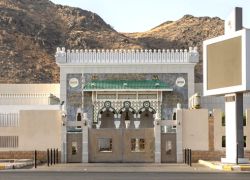
The Makkah Museum, located in Mecca, Saudi Arabia, is a significant cultural and historical site that offers visitors a unique glimpse into the rich heritage of Islam and the city of Mecca. The museum showcases the history of the holy city, its cultural evolution, and the religious artifacts that have played a central role in the development of Islam. It is an important destination for those looking to explore the Islamic roots and the heritage of one of the holiest cities in the world. As Mecca is home to the Masjid al-Haram, the Kaaba, and a myriad of significant Islamic landmarks, the Makkah Museum helps to contextualize the historical and religious importance of the city. It is a place where both pilgrims and history enthusiasts can learn about the city’s deep-rooted connections to Islamic civilization. How to Reach Makkah Museum The Makkah Museum is located in the heart of Mecca, near the famous Makkah Gate, a prominent entrance to the city. If you are staying within Mecca, you can easily access the museum by taxi, private car, or even by walking, depending on your proximity. The museum is situated in a central area, so it is not difficult to find. Many hotels and accommodations in the vicinity of the Masjid al-Haram also offer transport services to nearby attractions, including the museum. If you're traveling to Mecca from outside the city, the most convenient access point is King Abdulaziz International Airport in Jeddah. The airport is about 70 kilometers (43 miles) from Mecca, and taxis or private transfers from the airport to the museum usually take around 1 to 1.5 hours depending on traffic. Weather in Mecca The weather in Mecca is typical of a desert climate, with extremely hot summers and mild winters. Daytime temperatures during the summer months (May to September) often exceed 40°C (104°F), while nighttime temperatures can still remain relatively warm. The cooler months, from October to April, offer more pleasant conditions with average daytime temperatures ranging between 20°C to 30°C (68°F to 86°F), making it the ideal time to visit the museum and explore the city. It’s recommended to visit the Makkah Museum during the cooler months to avoid the intense summer heat. Be sure to dress appropriately for the weather and carry water, as you will likely be walking between different sites in the city. Why is Makkah Museum Famous? The Makkah Museum is famous for being a comprehensive cultural institution that narrates the rich history of Mecca, its religious significance, and its evolution through the centuries. Here are some key reasons why the Makkah Museum is such a renowned site: Historical Significance: The museum houses numerous exhibits that chronicle the history of Mecca, from its pre-Islamic origins to its establishment as the spiritual hub of the Muslim world. Visitors can explore exhibits related to the early history of the city, including artifacts from the time of the Prophet Muhammad (PBUH) and the establishment of Islam. Islamic Artifacts: The museum features a wide range of Islamic artifacts, including manuscripts, ancient coins, Islamic calligraphy, and relics from the Prophet Muhammad (PBUH). These items offer a tangible connection to the spiritual and historical legacy of Islam. Cultural Insight: The Makkah Museum provides visitors with a deeper understanding of the cultural and architectural developments of the city. It showcases the evolution of Mecca’s infrastructure and its role as a center for trade, pilgrimage, and scholarship. Entry and Visit Details About Makkah Museum The Makkah Museum is open to the public, and there are no significant entry restrictions. The museum welcomes visitors of all ages, and it is a popular stop for both pilgrims and tourists in Mecca. However, it is always a good idea to check for any changes in opening hours or special closures before your visit, especially during religious holidays or peak pilgrimage seasons. As of now, the museum offers free entry for most visitors, though some special exhibits may require a small admission fee. Inside, the museum is divided into several sections, each dedicated to different aspects of Mecca’s history, including archaeology, Islamic heritage, and the city’s role in the broader context of Islamic civilization. The museum has professional staff and guides available for those who want a more in-depth experience. Visitors can take guided tours to learn more about the exhibits and get a richer understanding of the historical significance of the items on display. History and Architecture of Makkah Museum The Makkah Museum was established to preserve the historical legacy of the city and to educate the public about its importance in Islam. The museum's design combines modern architecture with traditional Islamic elements, making it a beautiful space that complements the cultural heritage of the city. The building is spacious, with multiple halls showcasing artifacts from various periods in Mecca’s history. Its sleek, contemporary design incorporates Islamic geometric patterns, arches, and domes, while also being equipped with modern exhibition technology to enhance the visitor experience. The museum's permanent exhibits span several themes, including the early history of Mecca, the rise of Islam, and the city’s role in the annual Hajj pilgrimage. Additionally, the museum has a collection of traditional Islamic art, ancient pottery, and manuscripts that provide context for the city’s cultural and religious development. Things to Do at Makkah Museum While visiting the Makkah Museum, there are several activities and experiences to enjoy. Here are some things you can do during your visit: Explore the Exhibits: Take time to explore the museum’s diverse range of exhibits, from ancient artifacts to religious manuscripts. Each exhibit provides insight into the rich history of Mecca and its significance in the Islamic world. Learn About the History of Islam: One of the main attractions of the Makkah Museum is its collection of items related to the life of Prophet Muhammad (PBUH) and the early days of Islam. Visitors can see relics associated with the Prophet, as well as objects related to the development of Islamic culture. Photography: The museum allows visitors to take photos of certain exhibits (though photography may not be allowed in specific sections), so be sure to capture the memories of your visit. Attend Special Exhibits and Events: The museum occasionally hosts special events, lectures, and exhibitions related to Islamic culture and history. Check with the museum for any upcoming events during your visit. Facts About Makkah Museum The Makkah Museum is located in the heart of Mecca, near Makkah Gate, and is easily accessible for visitors. The museum is divided into several sections, each covering different aspects of Mecca’s history, including the life of Prophet Muhammad (PBUH), the development of the city, and its significance as a pilgrimage destination. The museum’s collection includes Islamic artifacts such as old Qur’anic manuscripts, coins, calligraphy, and pottery. It is one of the most important cultural institutions in Mecca, attracting pilgrims, tourists, and history enthusiasts alike. The museum is located near several important landmarks in Mecca, including the Masjid al-Haram, making it a convenient stop for visitors exploring the city. Tips for Visiting Makkah Museum Plan Your Visit: It’s advisable to allocate at least 1-2 hours for a visit to the museum, especially if you want to take in all the exhibits and gain a deeper understanding of the city’s history. Wear Comfortable Shoes: The museum may require a fair amount of walking, so be sure to wear comfortable footwear. Stay Hydrated: Given the heat in Mecca, be sure to carry water with you to stay hydrated during your visit. Respect the Sacred Environment: As with any place in Mecca, be sure to maintain respect and decorum while visiting the museum, especially in religious or culturally sensitive areas. Check for Special Events: The museum occasionally hosts special events and exhibitions. Be sure to check ahead for any events during your visit that may enhance your experience. Conclusion The Makkah Museum is an essential destination for those wishing to learn more about the historical, cultural, and religious significance of Mecca. Whether you're a history enthusiast, a pilgrim, or simply curious about the rich heritage of the Islamic world, a visit to the museum will provide valuable insights into one of the most important cities in history.
Explore More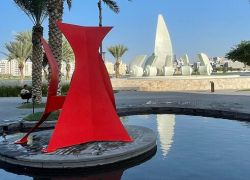
The Jeddah Sculpture Museum — often called the Jeddah Open Museum — is a celebrated open-air collection of public artworks and sculptures stretching along Jeddah’s Corniche. Featuring works by international masters and regional artists, the museum turns the seaside promenade into a walkable gallery where art and everyday life meet. It’s an accessible cultural highlight that combines coastal views, modern sculpture, and family-friendly public space. How to reach Jeddah Sculpture Museum Located on the Corniche, the Jeddah Sculpture Museum is easy to reach from central Jeddah. The Corniche runs along the western edge of the city; many landmarks such as the King Fahd Fountain, Jeddah Waterfront and the Floating Mosque are nearby and can be used as reference points. From King Abdulaziz International Airport (JED) it is typically a 20–30 minute drive depending on traffic. Taxis and ride-hailing services (Uber, Careem) are the most convenient way to get there. If you are driving, there are public parking areas near the Corniche parks and major sculpture clusters. The promenade is also pedestrian- and bicycle-friendly, making it pleasant to combine the sculpture visit with a seaside walk or cycle. Weather and best time to visit Jeddah’s climate is hot and humid much of the year. The most enjoyable months for an outdoor sculpture walk are from November to March when temperatures are milder. Early mornings and late afternoons offer softer light for photography and cooler walking conditions. In summer, dusk and evening visits are preferable to avoid daytime heat. The sculptures are outdoors and exposed to sea air; restoration and conservation work occasionally leads to temporary removals or restorations, so checking local notices or the museum’s website can help manage expectations before visiting. Timing — Opening hours As an open-air museum along a public promenade, the Jeddah Sculpture Museum does not have fixed opening hours — the Corniche is generally accessible 24/7. Most visitors choose daylight hours to examine details, although evening visits are popular for a relaxed atmosphere and waterfront lighting. Note that while access is free, individual indoor galleries or facilities nearby may have separate schedules. Why the Jeddah Sculpture Museum is famous The museum is famous for its exceptional collection of modern and contemporary sculptures displayed in a public setting. Commissioned and donated works by international figures such as Henry Moore, Joan Miró and Alexander Calder were installed along the Corniche during the 1970s and 1980s, transforming Jeddah into a global showcase for monumental public art. The project represented an ambitious cultural investment, bringing world-class sculpture to the city’s public realm. Beyond international names, the open-air museum supports regional artists and contemporary commissions, creating a dialogue between global art trends and Saudi cultural identity. The combination of striking art pieces and the Red Sea backdrop makes the museum a singular urban experience. Entry and visit details Visiting the Jeddah Sculpture Museum is free — the sculptures sit in public spaces along the Corniche and require no admission fee. There are maps and information panels at some locations, while guided walks may be available through local tour operators or arts organizations for visitors seeking deeper context. When planning your visit, allow at least 1–2 hours to stroll through the major clusters of sculptures; art lovers may spend longer studying plaques, textures and the relationship between each piece and its setting. Remember that some works have been moved for conservation or re-sited, so exact locations can change. History and architecture (curation & placement) The idea of a sculpture route along Jeddah’s Corniche dates back to the city’s modernisation efforts in the 1970s. Internationally renowned sculptors were invited to contribute monumental works for the public realm. Over time, Jeddah became famous for the scale and ambition of this public art programme. The collection initially included several hundred pieces placed across the city; later conservation projects and the establishment of curated open-air clusters refined the collection into what is commonly presented today as the Jeddah Sculpture Museum or Open Museum. Architecturally, the museum is not a single building but an urban landscape — sculptures are sited on plinths, lawns, plazas and promenades. This distributed approach lets viewers experience artworks in different spatial relationships: framed against the sea, silhouetted by the skyline, or nestled among parks and palms. Recent restoration efforts have focused on stabilising sculptures, improving bases, and adding interpretive signage for visitors. Things to do at the Jeddah Sculpture Museum • Guided tours: Join an art walk to learn about the artists, materials and stories behind each work. • Self-guided stroll: Download a map or use local signage to trace a route between major pieces while enjoying sea views. • Photography: The sculptures make dramatic subjects at sunrise and sunset; experiment with silhouettes against the Red Sea. • Picnics and relaxation: Many sculpture sites are near parks and seating areas — bring a blanket and enjoy a relaxed cultural afternoon. • Combine attractions: Pair the sculpture visit with nearby draws such as the Floating Mosque, King Fahd Fountain and the Jeddah Waterfront for a full-day itinerary. Facts and practical tips • Free access: The open-air museum is public and free to visit. No tickets or reservations are required. • Best time to visit: Late afternoon to early evening (sunset) for comfortable temperatures and beautiful light. • Conservation: Many sculptures have been restored and some are temporarily removed from display during conservation — check local resources if you are looking for a specific work. • Facilities: Public restrooms, cafés, bike rentals and parking are available at various points along the Corniche. • Etiquette: Treat artworks with respect — do not climb on sculptures and follow posted guidelines. Keep noise low in residential areas nearby. • Photography: Photography for personal use is generally allowed; be mindful of other visitors and avoid photographing people without permission. Summary The Jeddah Sculpture Museum transforms a coastal promenade into a living gallery where monumental art and everyday life coexist. Open, accessible and deeply atmospheric, it’s a must-visit for anyone interested in public art, modern sculpture and how creative interventions can animate public space. Whether you have an hour or an afternoon, the museum rewards slow, observant visits and offers an enduring reminder that art belongs to the city and its people.
Explore More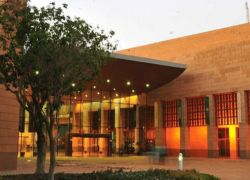
National Museum Of Saudi Arabia
The National Museum of Saudi Arabia is one of the most prominent cultural landmarks in Riyadh, showcasing the rich heritage, civilization, and history of the Arabian Peninsula. Located in the King Abdulaziz Historical Center, the museum provides a fascinating journey through time, from prehistoric eras to the modern Kingdom of Saudi Arabia. With its advanced exhibits, life-size reconstructions, and multimedia displays, the museum stands as a symbol of national pride and an educational center for visitors of all ages. How to Reach the National Museum of Saudi Arabia The museum is situated in the heart of Riyadh, within the King Abdulaziz Historical Center on King Abdulaziz Street, near Murabba Palace. It is easily accessible by various modes of transport. From King Khalid International Airport, the museum is approximately 40 kilometers away and can be reached in around 30–40 minutes by car or taxi. Visitors can use private taxis, ride-hailing services such as Careem or Uber, or public transport options. Riyadh’s bus network also provides routes that stop near the King Abdulaziz Historical Center. For those staying in central Riyadh, it is convenient to reach by driving or taking a short cab ride. Weather at the National Museum of Saudi Arabia Riyadh experiences a desert climate with hot summers and mild winters. During the summer months (May to September), temperatures can exceed 40°C (104°F), making indoor attractions like the National Museum an ideal choice. Winter (November to February) offers pleasant weather with temperatures ranging from 10°C to 25°C (50°F–77°F). The best time to visit the museum is during the cooler months, especially in the morning or late afternoon when the weather is most comfortable for exploring nearby attractions as well. Timing of the National Museum of Saudi Arabia The museum is generally open daily except on certain public holidays. Typical opening hours are from 9:00 AM to 8:00 PM on most days, with shorter hours on Fridays. It’s recommended to check the museum’s official website or local listings before visiting, as timings may vary during Ramadan or national holidays. Allow at least 2–3 hours to explore all sections of the museum thoroughly. Why the National Museum of Saudi Arabia is Famous The National Museum is renowned for its comprehensive representation of Saudi Arabia’s cultural and historical evolution. It highlights key moments in the development of human civilization in the Arabian Peninsula, the rise of Islam, and the unification of the Kingdom under King Abdulaziz Al Saud. The museum’s exhibitions use modern technology, stunning visuals, and archaeological artifacts to tell the story of the land and its people. It is also famous for being one of the most beautifully designed museums in the Middle East, attracting historians, students, and tourists eager to understand the roots of Saudi heritage. The museum plays an essential role in preserving and presenting the nation’s identity and promoting intercultural understanding. Entry and Visit Details about the National Museum of Saudi Arabia Entry to the National Museum is moderately priced, and in some cases, admission is free during special events or for educational visits. Tickets can be purchased at the entrance or online. Guided tours are available in both Arabic and English, helping visitors gain deeper insights into the exhibits. Facilities at the museum include a visitor information center, prayer rooms, rest areas, cafes, and souvenir shops. The museum is wheelchair accessible and equipped with modern amenities to ensure a comfortable visit for all guests. History and Architecture of the National Museum of Saudi Arabia The National Museum was inaugurated in 1999 as part of the King Abdulaziz Historical Center project, commemorating the centenary of the founding of the Kingdom of Saudi Arabia. Designed by the renowned architect Raymond Moriyama from Canada, the museum blends modern design with cultural symbolism. The architecture reflects the essence of Arabian landscapes — its curves and flowing forms resemble the sand dunes of the desert. The building is constructed with natural stone and features an elegant combination of traditional and modern elements. The museum spans over 28,000 square meters, comprising eight galleries that trace the story of Saudi Arabia from prehistoric times to the present day. Each gallery is thoughtfully designed, with thematic sections such as “Man and the Universe,” “Arab Kingdoms,” “Prophet Muhammad’s Mission,” and “The Unification of the Kingdom.” Interactive displays, models, and audiovisual aids make the learning experience engaging and memorable. Things to Do at the National Museum of Saudi Arabia Visitors can explore the various galleries to understand the chronological progression of Arabian history. The exhibits include fossils, rock carvings, ancient manuscripts, weapons, tools, and art pieces. A replica of the Kaaba interior and displays about the early Islamic period are particularly captivating. Photography enthusiasts will find several areas ideal for capturing the stunning interior design and detailed exhibits. Families can enjoy educational activities, while children can participate in interactive learning experiences offered by the museum. Additionally, the landscaped gardens and courtyards surrounding the museum provide a peaceful setting for relaxation after touring the galleries. The museum also hosts temporary exhibitions, cultural events, and educational workshops throughout the year. These events highlight contemporary Saudi art, traditional crafts, and the ongoing evolution of Saudi society. Facts and Tips about the National Museum of Saudi Arabia Facts: The museum houses over 3,700 artifacts that depict different historical periods of Saudi Arabia. It is part of the larger King Abdulaziz Historical Center, which also includes Murabba Palace, gardens, and a library. The museum’s design symbolizes the unity of the past and future of Saudi Arabia. It attracts thousands of visitors annually, including both locals and international tourists. The museum’s layout ensures a smooth flow of visitors through its galleries in a chronological order. Tips for Visitors: Visit early in the morning to avoid crowds and fully enjoy the exhibits. Wear comfortable shoes as the museum is large and requires walking through multiple halls. Respect local customs — modest clothing is recommended for both men and women. Take advantage of the guided tours or audio guides for a more insightful experience. Don’t forget to explore the nearby Murabba Palace and King Abdulaziz Park for a complete cultural experience. Conclusion The National Museum of Saudi Arabia stands as a beacon of knowledge and cultural preservation in Riyadh. Its extensive collections, modern design, and educational approach make it an essential stop for anyone wishing to understand the history and identity of Saudi Arabia. Whether you are a history enthusiast, a student, or a traveler exploring Riyadh’s landmarks, a visit to this remarkable museum promises a rewarding and enlightening experience.
Explore More