"Explore local heritage through stunning artworks."
The Nukus Museum of Art, located in the city of Nukus in Uzbekistan's autonomous Karakalpakstan region, is one of Central Asia's most important and unique cultural institutions. Known for its extensive collection of Soviet and Central Asian art, the museum provides a fascinating look into the region's artistic heritage and history. The museum's collection features thousands of pieces that cover a wide range of artistic styles, including avant-garde art, traditional Uzbek art, and a stunning array of works from the Soviet era. Whether you're an art enthusiast or someone interested in learning about the diverse culture of Central Asia, the Nukus Museum of Art is an essential stop in Uzbekistan.
How to Reach Nakus Museum of Art
The Nakus Museum of Art is located in Nukus, the administrative center of the Karakalpakstan region, in the western part of Uzbekistan. Nukus is relatively easy to reach by air, road, and rail from major cities like Tashkent, Bukhara, and Samarkand.
The most convenient way to reach Nukus is by flying into Nukus International Airport (NQS), which has regular flights from Tashkent, the capital of Uzbekistan. From the airport, visitors can take a taxi or arrange for transport to the museum, which is located in the city center, approximately 20-30 minutes away.
Alternatively, visitors can travel to Nukus by train. The city is well-connected by the rail network, with trains running from Tashkent, Bukhara, and other cities in Uzbekistan. Once in Nukus, taxis or local transport options can take you directly to the museum.
Weather in Nukus
Nukus has a hot desert climate, typical of the Central Asian region. Summers (from June to August) can be extremely hot, with temperatures often exceeding 40°C (104°F). The best times to visit the museum are in the cooler months, during spring (April to June) and autumn (September to November), when the temperatures are more comfortable, ranging from 20°C to 30°C (68°F to 86°F).
Winters (from December to February) in Nukus are typically cold, with temperatures dropping to around 0°C (32°F), although it rarely snows. Regardless of the season, it's always a good idea to bring light clothing for the day and a jacket for the evening, especially if you're visiting during the colder months.
Timing of Nakus Museum of Art
The Nukus Museum of Art is generally open to visitors from 9:00 AM to 6:00 PM, Tuesday through Sunday. It is closed on Mondays. It’s advisable to visit the museum earlier in the day to avoid crowds, especially during the tourist season.
The museum offers guided tours in Russian and Uzbek. If you wish to have a tour in English, it’s recommended to arrange this in advance. The museum can get busy during public holidays or weekends, so planning your visit on weekdays is often more peaceful.
Why Famous for Nakus Museum of Art
The Nukus Museum of Art is internationally famous for its impressive collection of Soviet-era avant-garde art, including works that were banned or suppressed during the Stalinist period. The museum was founded by the late Igor Savitsky, a Russian-born art collector and enthusiast, who dedicated his life to preserving and showcasing the unique artistic heritage of Central Asia. Savitsky’s efforts resulted in a collection that includes over 90,000 pieces of art, making it one of the largest and most comprehensive art collections in Central Asia.
What makes the museum truly remarkable is its focus on the art of Uzbekistan and the wider Central Asian region, with a particular emphasis on the works created during the Soviet era. Many of the artists featured in the museum were marginalized or persecuted for their avant-garde style, making their works even more significant in the context of art history. In addition to Soviet art, the museum showcases a large collection of traditional Uzbek art, including textiles, ceramics, and embroidery, reflecting the region's deep cultural heritage.
Entry and Visit Details about Nakus Museum of Art
Visiting the Nukus Museum of Art is affordable, with a small entrance fee for both local and international visitors. Tickets can be purchased at the museum entrance, and it’s recommended to check the opening hours in advance, especially if visiting during public holidays or busy tourist seasons.
The museum offers a range of exhibits that can be enjoyed by visitors of all ages, making it a great destination for families and students. There are also occasional temporary exhibits that focus on specific themes or artists, which can be an excellent way to experience new aspects of the museum’s vast collection.
For those who want a more in-depth experience, guided tours are available in Russian and Uzbek. While English-speaking guides are not always readily available, it's possible to arrange a tour in advance. Many visitors also choose to explore the museum at their own pace, as the exhibits are well-organized and easy to follow.
History and Architecture of Nakus Museum of Art
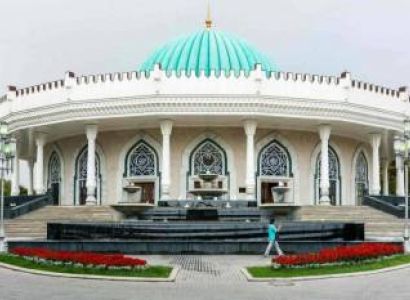
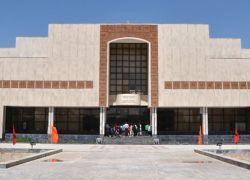
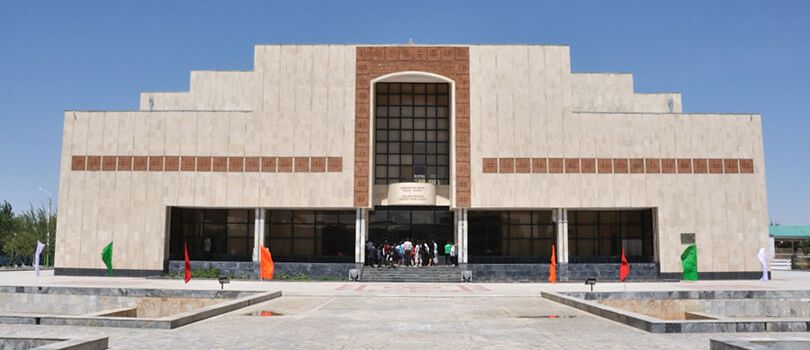
The museum itself is housed in a modern building that was designed to accommodate the growing collection of art. The building is spacious and features a clean, minimalist design, allowing the art to take center stage. The architecture of the museum is functional, with large halls that allow for the display of larger works of art and a design that creates a comfortable space for visitors to explore the exhibits at their own pace.
The museum’s collection includes both Soviet-era avant-garde art and traditional Central Asian artworks. One of the most fascinating aspects of the collection is the Soviet-era paintings, which were often considered subversive and banned in the Soviet Union for their avant-garde and experimental style. These works were rediscovered and preserved by Igor Savitsky, who believed that these artists should not be forgotten.
Additionally, the museum showcases a variety of traditional art forms, including textiles, pottery, and woodwork, reflecting the diverse culture of Uzbekistan. The collection also includes ancient artifacts and archaeological finds, giving visitors a comprehensive understanding of the region's artistic evolution over time.
Things to Do at Nakus Museum of Art
While at the Nakus Museum of Art, visitors can:
Facts about Nakus Museum of Art
Tips for Visiting Nakus Museum of Art
In conclusion, the Nakus Museum of Art is a must-visit cultural institution in Uzbekistan, offering a unique and comprehensive collection of art that spans both Soviet and traditional Uzbek styles. Its rich history, incredible collection, and peaceful ambiance make it a great place to learn more about the region's artistic legacy. Whether you’re an art lover or simply looking to explore the hidden gems of Uzbekistan, a visit to the Nakus Museum is sure to be an enriching and memorable experience.