
Welcome to Nrupatunga Betta, a hidden gem nestled in the vibrant city of Hubli. This enchanting tourist attraction offers a perfect blend of natural beauty, biodiversity, and historical significance, making it a must-visit destination for nature enthusiasts, birdwatchers, and wildlife lovers. History of Nrupatunga Betta Steeped in history, Nrupatunga Betta traces its origins back to the ancient times when it served as a royal hunting ground for the erstwhile rulers. Over the years, concerted conservation efforts have transformed this area into a thriving ecosystem, earning it recognition for its ecological importance. Architecture and Natural Beauty of Nrupatunga Betta As you explore Nrupatunga Betta, you will be mesmerized by its lush wetlands, dense forests, sprawling grasslands, and diverse bird habitats. The picturesque landscapes provide a perfect backdrop for the historical Keoladeo Temple, adding a touch of spirituality to the natural charm of the park. Why is Nrupatunga Betta Famous? Nrupatunga Betta has gained fame as a haven for birdwatchers, photographers, and nature enthusiasts due to its rich avian diversity and serene ambiance. The park offers a unique opportunity to witness a plethora of bird species in their natural habitat, making it a paradise for wildlife lovers. How to Reach Nrupatunga Betta Traveling to Nrupatunga Betta is convenient, with options for air, rail, and road transport. The city of Hubli is well-connected by air, and the park is easily accessible from nearby airports and railway stations, ensuring a hassle-free journey for visitors. Weather and Best Time to Visit Nrupatunga Betta Nrupatunga Betta experiences varied weather conditions throughout the year, with distinct summer, monsoon, and winter seasons. The best time to visit is during the cooler months when the weather is pleasant, allowing for an enjoyable exploration of the park. Timings of Nrupatunga Betta The park welcomes visitors during specified timings, with seasonal variations that may affect accessibility. It is advisable to plan your visit accordingly, taking into account the operational hours and any additional information provided for a seamless experience. Entry Fee and Visit Details Entry to Nrupatunga Betta is subject to specific procedures, with options for guide services, safari expeditions, bicycle rentals, and visitor facilities to enhance your visit. These amenities cater to the needs of tourists, ensuring a memorable and informative trip to the park. Things to Do at Nrupatunga Betta Engage in a variety of activities at Nrupatunga Betta, including birdwatching, photography, cycling, nature walks, and educational experiences that allow you to immerse yourself in the natural wonders of the park. Explore the diverse flora and fauna, capturing unforgettable moments along the way. Interesting Facts About Nrupatunga Betta Nrupatunga Betta is home to a myriad of migratory birds, showcasing the region's rich biodiversity and conservation success stories. The park's ecological significance highlights the importance of preserving natural habitats and fostering sustainable practices for future generations. Travel Tips for Visiting Nrupatunga Betta When planning your trip to Nrupatunga Betta, consider essential factors such as suitable clothing, photography equipment, ideal visiting seasons, and responsible tourism practices to ensure a fulfilling and respectful experience. Embrace the beauty of nature while treading lightly on this pristine landscape. Conclusion In conclusion, Nrupatunga Betta in Hubli stands as a testament to the harmonious coexistence of nature and history, offering visitors a chance to connect with the wilderness in a meaningful way. Embrace the tranquility of this picturesque destination, and discover the wonders that await you at Nrupatunga Betta.
Explore More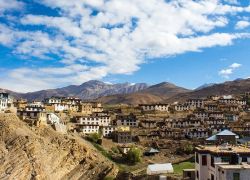
Located in the mesmerizing region of Lahaul & Spiti, Kibber Village stands as a hidden gem amidst the majestic Himalayas. This quaint village is renowned for its natural beauty, rich biodiversity, and unique cultural heritage, making it a must-visit destination for travelers seeking an offbeat and authentic experience. History of Kibber Village Steeped in history, Kibber Village traces its roots back to ancient times, with evidence of human settlement dating back centuries. Once a royal hunting ground, the village has transitioned into a conservation hub, focusing on preserving the delicate ecosystem of the region. Its efforts have garnered international recognition, with UNESCO acknowledging the village's commitment to sustainable development. Architecture and Natural Beauty of Kibber Village The natural environment surrounding Kibber Village is a sight to behold, with vast expanses of wetlands, lush forests, and picturesque grasslands. The region is a haven for birdwatchers, boasting diverse bird habitats that attract avian enthusiasts from around the globe. Amidst this scenic landscape lies the historic Keoladeo Temple, adding a touch of spirituality to the natural abundance of the village. Why is Kibber Village Famous? Kibber Village has gained fame for its unparalleled beauty and rich biodiversity, drawing nature enthusiasts, photographers, and wildlife lovers alike. The village's serene ambiance and untouched landscapes offer a unique opportunity to connect with nature and witness the wonders of the Himalayan ecosystem up close. How to Reach Kibber Village Traveling to Kibber Village is an adventure in itself, with options to reach by air, rail, or road. The nearest airports and railway stations provide convenient access to the region, allowing visitors to embark on a journey of discovery through the scenic routes leading to the village. Weather and Best Time to Visit Kibber Village The weather in Kibber Village varies across seasons, with summers offering pleasant temperatures, monsoons bringing lush greenery, and winters blanketing the region in snow. The best time to visit depends on personal preferences, but the months with moderate weather conditions are ideal for exploring the village and its surroundings. Timings of Kibber Village Kibber Village welcomes visitors throughout the year, with seasonal variations influencing the overall experience. Understanding the timings and planning accordingly ensures a hassle-free exploration of the village, allowing travelers to make the most of their visit. Entry Fee and Visit Details Entry to Kibber Village is a gateway to an enriching experience, with guide services, safari options, bicycle rentals, and visitor facilities enhancing the overall visit. Exploring the village with the help of local guides offers insights into the region's culture and natural heritage, making each visit memorable. Things to Do at Kibber Village Engaging in activities such as birdwatching, photography, cycling, walking trails, and nature observation in Kibber Village offers a unique perspective on the Himalayan ecosystem. The village's serene surroundings provide opportunities for immersive experiences and educational insights into the region's biodiversity. Interesting Facts About Kibber Village Kibber Village is home to a diverse array of migratory birds, showcasing the region's ecological importance and conservation efforts. The village's commitment to preserving its natural heritage has led to significant achievements in biodiversity conservation, making it a model for sustainable tourism practices. Travel Tips for Visiting Kibber Village When visiting Kibber Village, it is essential to pack appropriate clothing, carry birdwatching equipment, and be mindful of the visiting seasons to make the most of the experience. Practicing responsible tourism and respecting the local culture ensures a harmonious interaction with the village and its residents. Conclusion In conclusion, Kibber Village in Lahaul & Spiti is a destination that captivates the hearts of travelers with its natural charm, cultural heritage, and biodiversity. Exploring the village offers a unique opportunity to connect with nature, learn about conservation efforts, and witness the beauty of the Himalayas in all its glory.
Explore More
Hidden amidst the serene town of Bhimtal lies the enchanting tourist attraction known as Hidimba Parvat. This natural wonder is a haven for nature lovers, wildlife enthusiasts, and birdwatchers seeking a peaceful retreat in the lap of Mother Nature. History of Hidimba Parvat Steeped in history, Hidimba Parvat holds a significant place as a former royal hunting ground turned conservation area. The park's origin dates back to ancient times and has been a focal point for wildlife preservation efforts. Its rich biodiversity and cultural importance have garnered recognition from UNESCO for its conservation initiatives. Architecture and Natural Beauty of Hidimba Parvat The lush wetlands, dense forests, sprawling grasslands, and diverse bird habitats within Hidimba Parvat create a picturesque landscape that captivates visitors. Nestled within the park is the historic Keoladeo Temple, adding a touch of spirituality to the natural beauty of the surroundings. Why is Hidimba Parvat Famous? Hidimba Parvat's fame stems from its reputation as a paradise for birdwatchers, photographers, and nature enthusiasts. The park's diverse avian population, scenic landscapes, and tranquil ambiance make it a sought-after destination for wildlife lovers seeking a close encounter with nature. How to Reach Hidimba Parvat Traveling to Hidimba Parvat is convenient, with various options available. Visitors can access the park via air, rail, or road, with nearby airports and railway stations providing easy connectivity to this natural gem in Bhimtal. Weather and Best Time to Visit Hidimba Parvat The weather at Hidimba Parvat varies across seasons, offering unique experiences to visitors. While summer brings warmth and vibrant flora, the monsoon rejuvenates the surroundings with lush greenery. Winter casts a serene blanket over the park, making it an ideal time to visit and witness the beauty of nature in its tranquil state. Timings of Hidimba Parvat Hidimba Parvat welcomes visitors during specific hours, allowing them to explore the park's wonders at their leisure. Seasonal variations may affect timings, so it is advisable to plan your visit accordingly to make the most of your experience. Entry Fee and Visit Details Upon arrival, visitors can gain entry to Hidimba Parvat by following the designated procedures. Guide services, safari options, bicycle rentals, and visitor facilities are available to enhance your visit and ensure a memorable experience exploring the park. Things to Do at Hidimba Parvat Engage in a myriad of activities at Hidimba Parvat, including birdwatching, photography, cycling, walking trails, nature observation, and educational experiences. Each activity offers a unique perspective on the park's biodiversity and allows visitors to connect with nature on a deeper level. Interesting Facts About Hidimba Parvat Did you know that Hidimba Parvat is a crucial stop for migratory birds, playing a vital role in their annual journey? The park's conservation efforts have led to significant achievements in preserving biodiversity and highlighting the ecological importance of this natural sanctuary. Travel Tips for Visiting Hidimba Parvat When planning your visit to Hidimba Parvat, consider essential travel tips such as appropriate clothing, photography gear, birdwatching equipment, preferred visiting seasons, and responsible tourism practices. By following these tips, you can ensure a fulfilling and sustainable experience at this pristine destination. Conclusion In conclusion, Hidimba Parvat in Bhimtal stands as a testament to the harmonious coexistence of nature and wildlife. Its historical significance, natural beauty, and conservation efforts make it a must-visit destination for those seeking tranquility and a deeper connection with the environment. Explore the wonders of Hidimba Parvat and immerse yourself in the beauty of [Hotspots Name], [City].
Explore More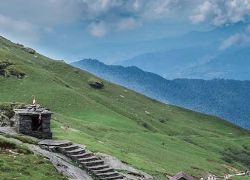
Chopta, nestled in the serene city of Rudraprayag, is a hidden gem in the lap of the Himalayas. This picturesque tourist attraction is known for its natural beauty, rich biodiversity, and tranquil environment, making it a paradise for nature lovers, birdwatchers, and photographers. History of Chopta The history of Chopta dates back to ancient times when it served as a royal hunting ground. Over the years, efforts have been made to conserve its natural habitat, leading to its recognition by UNESCO for its ecological significance and conservation initiatives. Architecture and Natural Beauty of Chopta Chopta is renowned for its lush forests, pristine wetlands, and diverse bird habitats. The region is also home to the historic Keoladeo Temple, adding a cultural touch to its natural splendor. Why is Chopta Famous? Chopta is famous for being a haven for birdwatchers, nature enthusiasts, and wildlife lovers. Its tranquil environment and diverse bird species attract visitors from around the world seeking a peaceful retreat amidst nature. How to Reach Chopta Travelling to Chopta is accessible via air, rail, and road. The nearest airports are located in Dehradun and Pantnagar, while the closest railway station is in Rishikesh. From there, visitors can opt for road transport to reach the enchanting destination. Weather and Best Time to Visit Chopta Chopta experiences pleasant weather during the summer, offering a cool escape from the scorching heat. Monsoons bring lush greenery to the region, while winters transform Chopta into a snowy wonderland, making the best time to visit between March to June and September to November. Timings of Chopta The timings for visiting Chopta vary based on the season. It is advisable to plan your trip during daylight hours to fully experience the natural beauty and wildlife that Chopta has to offer. Entry Fee and Visit Details Visitors can enter Chopta by following the designated procedures. Guide services are available for those seeking in-depth knowledge of the area, along with opportunities for safaris, bicycle rentals, and other visitor facilities for a memorable experience. Things to Do at Chopta Chopta offers a range of activities for visitors, including birdwatching, photography, cycling through scenic trails, walking amidst nature, and engaging in educational experiences to learn about the region's biodiversity and conservation efforts. Interesting Facts About Chopta Chopta is known for its diverse migratory birds, rich biodiversity, successful conservation projects, and its crucial role in maintaining ecological balance in the region. It stands as a testament to the harmony between nature and human intervention. Travel Tips for Visiting Chopta When visiting Chopta, it is advisable to carry appropriate clothing for changing weather conditions, photography equipment for capturing the scenic beauty, birdwatching essentials for bird enthusiasts, and to practice responsible tourism by respecting the natural environment and wildlife. Conclusion In conclusion, Chopta in Rudraprayag is a destination that offers a perfect blend of natural beauty, biodiversity, and tranquility. Whether you are a nature lover, birdwatcher, or simply seeking solace in the mountains, Chopta promises an enriching experience that will leave you rejuvenated and in awe of its natural splendor.
Explore More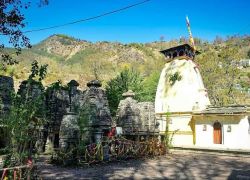
Welcome to Augustmuni, located in Rudraprayag, a mesmerizing tourist attraction nestled in the heart of nature. This enchanting destination offers a unique blend of history, natural beauty, and biodiversity, making it a must-visit for travelers seeking a serene escape into the wilderness. History of Augustmuni Augustmuni holds a rich historical background, once serving as royal hunting grounds for the former rulers. Over the years, concerted conservation efforts have transformed this area into a sanctuary for wildlife, earning recognition from UNESCO for its significant ecological value. Architecture and Natural Beauty of Augustmuni The natural environment of Augustmuni is a tapestry of wetlands, lush forests, expansive grasslands, and diverse bird habitats. Amidst this picturesque landscape lies the historical Keoladeo Temple, adding a touch of spirituality to the park's natural allure. Why is Augustmuni Famous? Augustmuni is renowned for its appeal to birdwatchers, photographers, nature enthusiasts, and wildlife lovers alike. The abundance of avian species, coupled with the serene ambiance, makes it a haven for those seeking communion with nature. How to Reach Augustmuni Traveling to Augustmuni is convenient, with options available by air, rail, and road. The nearest airports and railway stations provide easy access to this pristine destination, ensuring a seamless journey for visitors. Weather and Best Time to Visit Augustmuni Throughout the seasons, Augustmuni showcases its unique charm. While summers offer vibrant hues and active wildlife, monsoons bring a refreshing lushness. The winter months provide a tranquil setting, making it ideal for exploring the park's beauty. Timings of Augustmuni Visitors can explore Augustmuni during specific timings, with variations based on the season. Understanding these timings is crucial for planning a memorable and hassle-free visit to this natural paradise. Entry Fee and Visit Details Entry procedures to Augustmuni are straightforward, with guide services available for those seeking a deeper understanding of the park's offerings. Safari options, bicycle rentals, and visitor facilities ensure a fulfilling experience for all guests. Things to Do at Augustmuni Engage in a myriad of activities at Augustmuni, from immersive birdwatching sessions to capturing breathtaking photographs of the wildlife. Cycling through the park, exploring walking trails, and observing nature in its raw form are experiences not to be missed. Interesting Facts About Augustmuni Augustmuni boasts fascinating facts about migratory birds, biodiversity conservation milestones, and its pivotal role in preserving ecological balance. These insights offer a deeper appreciation for the park's significance in the natural world. Travel Tips for Visiting Augustmuni For a seamless visit to Augustmuni, remember to pack appropriate clothing, essential photography gear, and birdwatching equipment. Understanding the best visiting seasons and practicing responsible tourism ensures a memorable and sustainable travel experience. Conclusion In conclusion, Augustmuni in Rudraprayag stands as a beacon of natural beauty, history, and biodiversity. By immersing yourself in its serene ambiance, exploring its diverse offerings, and respecting its ecological sanctity, you embark on a journey of discovery and appreciation for this hidden gem in the lap of nature.
Explore More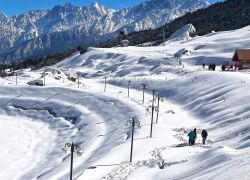
Chamoli, located near Joshimath, is a hidden gem in the heart of Uttarakhand, India. This picturesque destination is renowned for its natural beauty, biodiversity, and rich cultural heritage, making it a paradise for nature lovers and adventure enthusiasts alike. History of Chamoli Chamoli has a fascinating historical background, once serving as royal hunting grounds. Over the years, concerted conservation efforts have transformed this region, leading to its UNESCO recognition for its ecological significance and biodiversity conservation. Architecture and Natural Beauty of Chamoli The natural environment of Chamoli is a harmonious blend of wetlands, dense forests, sprawling grasslands, and diverse bird habitats. The historic Keoladeo Temple nestled within the park adds a touch of spirituality to the already mesmerizing landscapes. Why is Chamoli Famous? Chamoli is celebrated for its diverse avian population, attracting birdwatchers, photographers, and nature enthusiasts from around the globe. The region's wildlife and serene surroundings make it an ideal destination for those seeking a tranquil escape into nature. How to Reach Chamoli Reaching Chamoli is convenient with air, rail, and road connectivity. The nearest airports are located in Dehradun and Pantnagar, while the Rishikesh railway station serves as a major railhead. Well-maintained roads provide easy access to this natural haven. Weather and Best Time to Visit Chamoli Chamoli experiences pleasant weather during summer, with monsoons offering lush greenery, and winters providing a snowy charm. The best time to visit Chamoli is during the months of October to March when the weather is delightful for exploration. Timings of Chamoli Visitors can explore Chamoli during specific timings, ensuring an immersive experience amidst nature's bounty. Seasonal variations may impact accessibility, so it is advisable to plan your visit accordingly. Entry Fee and Visit Details Entry to Chamoli involves specific procedures, with guide services available for a more informed tour. Safari options, bicycle rentals, and well-equipped visitor facilities enhance the overall experience of exploring this natural wonder. Things to Do at Chamoli Chamoli offers a plethora of activities for visitors, including birdwatching, photography, cycling through scenic trails, walking amidst nature's wonders, and engaging in educational experiences that highlight the region's ecological importance. Interesting Facts About Chamoli Chamoli is home to a vast array of migratory birds, showcasing the region's rich biodiversity. Conservation achievements in Chamoli have been instrumental in preserving the delicate ecological balance of this enchanting destination. Travel Tips for Visiting Chamoli When visiting Chamoli, it is advisable to dress in comfortable clothing suitable for outdoor activities. Carrying photography and birdwatching equipment can enhance your experience, and familiarizing yourself with the best visiting seasons ensures a memorable trip while following responsible tourism practices. Conclusion In conclusion, Chamoli, in the city of Joshimath, stands as a testament to the beauty and importance of preserving natural ecosystems. Its rich biodiversity, fascinating history, and serene surroundings offer visitors a unique opportunity to connect with nature and create lasting memories in this untouched paradise.
Explore More
Madhatop, located near the picturesque city of Patnitop, is a hidden gem nestled in the heart of nature. This serene hotspot offers a perfect retreat for nature lovers, birdwatchers, and wildlife enthusiasts. With its lush landscapes, diverse biodiversity, and tranquil surroundings, Madhatop is a must-visit destination for those seeking a peaceful escape from the hustle and bustle of city life. History of Madhatop Madhatop has a rich historical background, once serving as royal hunting grounds for the Maharajas of the region. Over the years, concerted conservation efforts have transformed this area into a sanctuary for numerous bird species, leading to its UNESCO recognition for its ecological significance and preservation of avian habitats. Architecture and Natural Beauty of Madhatop The natural beauty of Madhatop is unparalleled, with vast wetlands, dense forests, and sprawling grasslands creating a harmonious ecosystem. The park is home to a myriad of bird species, making it a paradise for birdwatchers. Nestled within this natural haven is the historic Keoladeo Temple, adding a touch of cultural charm to the landscape. Why is Madhatop Famous? Madhatop has gained popularity among birdwatchers, photographers, and nature enthusiasts due to its diverse avian population and stunning landscapes. The park offers a unique opportunity to observe migratory birds in their natural habitat, making it a hotspot for wildlife lovers from around the world. How to Reach Madhatop Traveling to Madhatop is convenient, with various options available. Visitors can reach the destination by air, rail, or road, with nearby airports and railway stations providing easy access to the park. The scenic journey to Madhatop is as enchanting as the destination itself. Weather and Best Time to Visit Madhatop Madhatop experiences pleasant weather throughout the year, with distinct seasons offering unique experiences. While summer is ideal for birdwatching, the monsoon season brings lush greenery to the park. Winter months offer a tranquil ambiance, making it the best time to visit Madhatop. Timings of Madhatop Madhatop welcomes visitors throughout the year, with varying timings based on seasonal changes. It is advisable to plan your visit ahead to make the most of your time at the park. The park's timings ensure that visitors can enjoy the beauty of Madhatop at different times of the day. Entry Fee and Visit Details Entry to Madhatop is subject to nominal fees, with additional services such as guide assistance, safari options, and bicycle rentals available for visitors. The park offers well-equipped visitor facilities to ensure a comfortable and memorable experience for all guests. Things to Do at Madhatop Madhatop offers a plethora of activities for visitors to indulge in, including birdwatching, photography, cycling, walking trails, and nature observation. The park's serene ambiance and diverse wildlife make it an ideal destination for educational experiences and nature enthusiasts. Interesting Facts About Madhatop Madhatop is home to a wide range of migratory birds, contributing to the park's unique biodiversity. The conservation efforts at Madhatop have been recognized globally for their success in preserving avian habitats and promoting ecological sustainability, making it a model sanctuary for wildlife conservation. Travel Tips for Visiting Madhatop When visiting Madhatop, it is essential to pack appropriate clothing, photography equipment, and birdwatching essentials. Understanding the best visiting seasons and practicing responsible tourism are crucial for maintaining the park's ecological balance and preserving its natural beauty for future generations. Conclusion In conclusion, Madhatop in Patnitop is a tranquil haven for nature lovers and wildlife enthusiasts, offering a unique blend of natural beauty, biodiversity, and cultural heritage. A visit to Madhatop promises a rejuvenating experience amidst pristine landscapes and diverse bird species, making it a destination worth exploring and cherishing.
Explore More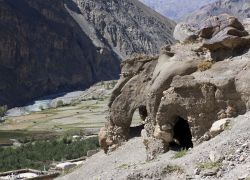
Located in the picturesque city of Tabo, the Tabo Caves stand as a testament to the natural beauty and historical significance of the region. This tourist attraction has captivated visitors from around the world with its unique blend of cultural heritage and breathtaking landscapes. History of Tabo Caves The Tabo Caves hold a rich historical background, believed to be ancient meditation caves used by Buddhist monks. These caves are steeped in spirituality and are considered sacred by many. With a history dating back centuries, the Tabo Caves have been a place of solace and reflection for generations. Architecture and Natural Beauty of Tabo Caves Surrounded by lush forests and serene landscapes, the Tabo Caves offer a tranquil retreat for visitors seeking to connect with nature. The caves are known for their intricate rock formations and the Keoladeo Temple, a historical gem nestled amidst the verdant surroundings. Why is Tabo Caves Famous? Tabo Caves have gained fame for being a haven for birdwatchers, photographers, and wildlife enthusiasts. The diverse ecosystem surrounding the caves attracts a myriad of bird species, making it a paradise for nature lovers seeking to witness the beauty of avian life. How to Reach Tabo Caves Traveling to Tabo Caves is convenient, with options available by air, rail, and road. The nearest airports and railway stations provide easy access to this natural wonder, allowing visitors to embark on a memorable journey to Tabo. Weather and Best Time to Visit Tabo Caves The weather at Tabo Caves varies throughout the year, with distinct seasons offering unique experiences. The best time to visit is during the mild months when the climate is pleasant, allowing travelers to explore the caves and surrounding areas comfortably. Timings of Tabo Caves The timings for visitors at Tabo Caves may vary seasonally, so it is advisable to plan your trip accordingly. Understanding the operational hours will help in optimizing your visit and ensuring a memorable experience at this renowned tourist spot. Entry Fee and Visit Details Entry procedures and visit details for Tabo Caves include guide services, safari options, bicycle rentals, and various visitor facilities. Exploring the caves with the assistance of knowledgeable guides enhances the overall experience, offering valuable insights into the history and ecology of the region. Things to Do at Tabo Caves Engage in a host of activities at Tabo Caves, from birdwatching and photography to cycling and nature walks. The caves provide ample opportunities for visitors to immerse themselves in the beauty of the surroundings and indulge in memorable experiences amidst nature. Interesting Facts About Tabo Caves Tabo Caves are home to a plethora of migratory birds and boast a rich biodiversity that highlights the importance of conservation efforts in the region. The caves serve as a reminder of the delicate balance of nature and the need to protect these natural treasures for future generations. Travel Tips for Visiting Tabo Caves When visiting Tabo Caves, it is advisable to dress appropriately for the weather, carry essential photography equipment, and adhere to responsible tourism practices. Understanding the best seasons for birdwatching and exploring the caves will enhance your overall experience at this enchanting destination. Conclusion In conclusion, the Tabo Caves in Tabo offer a unique blend of history, natural beauty, and wildlife, making it a must-visit destination for travelers seeking an enriching experience. Explore the wonders of Tabo Caves and immerse yourself in the tranquility and splendor of this remarkable tourist attraction.
Explore More
Welcome to Govind Ghat, a captivating tourist attraction nestled in the heart of Hemkund Sahib. This serene destination offers a unique blend of natural beauty, biodiversity, and cultural significance, making it a must-visit for travelers seeking an enriching experience in the lap of nature. History of Govind Ghat Govind Ghat boasts a rich historical background, once serving as royal hunting grounds for the erstwhile rulers. Over the years, concerted conservation efforts have transformed this area into a sanctuary of immense ecological importance. Its remarkable biodiversity and conservation initiatives have earned it recognition by UNESCO, further cementing its status as a valuable natural asset. Architecture and Natural Beauty of Govind Ghat The lush wetlands, dense forests, sprawling grasslands, and diverse bird habitats of Govind Ghat paint a picturesque landscape that mesmerizes visitors. Amidst this natural splendor lies the historic Keoladeo Temple, adding a touch of cultural heritage to the park's already stunning vistas. Why is Govind Ghat Famous? Govind Ghat has garnered fame as a hotspot for birdwatchers, photographers, nature enthusiasts, and wildlife lovers alike. Its abundance of avian species, scenic landscapes, and tranquil ambiance make it a magnet for those seeking solace in the lap of nature. How to Reach Govind Ghat Traveling to Govind Ghat is convenient, with options available by air, rail, and road. The nearest airports and railway stations provide easy access to this natural haven, ensuring a hassle-free journey for visitors from near and far. Weather and Best Time to Visit Govind Ghat Throughout the summer, monsoon, and winter seasons, Govind Ghat offers a different yet equally enchanting experience. The best time to visit varies with each season, providing visitors with unique perspectives of the park's natural beauty. Timings of Govind Ghat Visitors can explore Govind Ghat during specified timings, with variations based on the season. This information is crucial for planning a visit and ensuring a memorable experience amidst the park's diverse offerings. Entry Fee and Visit Details Entry procedures, guide services, safari options, bicycle rentals, and visitor facilities at Govind Ghat cater to the needs of tourists, ensuring a seamless and enjoyable visit for all. These services enhance the overall experience, making it convenient for visitors to explore the park's treasures. Things to Do at Govind Ghat Engage in popular activities such as birdwatching, photography, cycling, walking trails, nature observation, and educational experiences at Govind Ghat. These immersive experiences offer a deeper connection with nature and its inhabitants, leaving visitors with lasting memories of their time spent in this natural paradise. Interesting Facts About Govind Ghat Govind Ghat is home to a myriad of migratory birds, showcasing the park's rich biodiversity and conservation achievements. Its ecological importance cannot be understated, making it a vital sanctuary for the preservation of diverse species and habitats. Travel Tips for Visiting Govind Ghat When planning a visit to Govind Ghat, consider essential aspects such as clothing, photography gear, birdwatching equipment, ideal visiting seasons, and responsible tourism practices. These tips ensure a fulfilling and respectful experience, both for visitors and the park's natural environment. Conclusion In conclusion, Govind Ghat in Hemkund Sahib stands as a testament to the harmonious coexistence of nature and culture. Its historical significance, breathtaking landscapes, and diverse offerings make it a destination worth exploring for travelers seeking a genuine connection with the natural world. Visit Govind Ghat to immerse yourself in a world of beauty, tranquility, and ecological marvels.
Explore More
Located in Alipurduar, Jayanti Mahakal Cave is a mesmerizing tourist attraction that offers a unique blend of history, natural beauty, and biodiversity. This hidden gem in the heart of nature attracts visitors from far and wide due to its serene ambiance and captivating surroundings. History of Jayanti Mahakal Cave The history of Jayanti Mahakal Cave dates back to ancient times when it served as a sacred place for meditation and spiritual practices. It is believed to have been a significant site for religious ceremonies and retreats. Over the years, this mystical cave has become a symbol of tranquility and peace, drawing tourists seeking solace and spiritual rejuvenation. Architecture and Natural Beauty of Jayanti Mahakal Cave The natural environment surrounding Jayanti Mahakal Cave is a sight to behold. Lush green forests, meandering rivers, and diverse flora and fauna create a picturesque setting for visitors to explore. The cave itself is a marvel of ancient architecture, with intricate carvings and a serene atmosphere that transports visitors to a bygone era. Adjacent to the cave lies the historical Keoladeo Temple, adding to the cultural significance of the area. Why is Jayanti Mahakal Cave Famous? Jayanti Mahakal Cave is renowned for its natural beauty and serene surroundings, making it a popular destination for birdwatchers, photographers, nature enthusiasts, and wildlife lovers. The abundance of bird species, scenic landscapes, and peaceful ambiance make it a must-visit site for anyone looking to connect with nature. How to Reach Jayanti Mahakal Cave Traveling to Jayanti Mahakal Cave is convenient, with options available by air, rail, and road. The nearest airport is located in the nearby city, providing easy access for domestic and international travelers. For those preferring rail travel, several railway stations are within a reasonable distance from the attraction, making it easily accessible by train. Additionally, well-maintained roads connect the cave to major cities, offering a scenic journey for road travelers. Weather and Best Time to Visit Jayanti Mahakal Cave The weather at Jayanti Mahakal Cave varies throughout the year, with distinct summer, monsoon, and winter seasons. The best time to visit is during the cooler months when the weather is pleasant, and the natural surroundings are at their most vibrant. Avoiding extreme weather conditions ensures a comfortable and enjoyable visit to this stunning attraction. Timings of Jayanti Mahakal Cave Visitor timings at Jayanti Mahakal Cave are generally consistent, allowing tourists to explore the site during the day. However, seasonal variations may affect opening hours, so it is advisable to check ahead before planning your visit. Proper planning ensures that you make the most of your time at this captivating destination. Entry Fee and Visit Details Entry to Jayanti Mahakal Cave is subject to a nominal fee, which grants access to the cave and surrounding areas. Guide services are available for those seeking in-depth knowledge about the history and significance of the site. Additionally, safari options, bicycle rentals, and other visitor facilities are provided to enhance the overall experience. Things to Do at Jayanti Mahakal Cave Visitors to Jayanti Mahakal Cave can engage in a variety of activities that cater to different interests. Birdwatching enthusiasts can spot a diverse range of bird species, while photographers can capture the scenic beauty of the surroundings. Cycling, walking trails, and nature observation are popular choices for those looking to immerse themselves in the natural wonders of the area. Educational experiences are also available for those interested in learning more about the biodiversity and cultural heritage of the site. Interesting Facts About Jayanti Mahakal Cave One of the most fascinating aspects of Jayanti Mahakal Cave is its role as a sanctuary for migratory birds, which flock to the area in large numbers during certain seasons. The conservation efforts undertaken to protect the biodiversity of the region have been recognized for their importance in preserving the ecological balance. The cave's historical significance and unique blend of nature and culture make it a standout destination for eco-conscious travelers. Travel Tips for Visiting Jayanti Mahakal Cave When visiting Jayanti Mahakal Cave, it is advisable to dress comfortably and carry essential items such as sunscreen, hats, and insect repellent. Photography enthusiasts should bring their equipment to capture the stunning landscapes and wildlife. Depending on your interests, plan your visit during the best months to experience the beauty of the site fully. Responsible tourism practices, such as respecting the environment and local customs, are encouraged to ensure a harmonious experience for all visitors. Conclusion In conclusion, Jayanti Mahakal Cave in Alipurduar stands out as a remarkable destination that offers a blend of history, natural beauty, and biodiversity. From its ancient origins to its significance as a haven for wildlife and nature lovers, this attraction captivates visitors with its serene ambiance and cultural richness. Whether you are a history buff, a nature enthusiast, or a photography lover, Jayanti Mahakal Cave has something unique to offer, making it a must-visit hotspot in Alipurduar.
Explore More
Located in the city of Birbhum, Joychandi Pahar is a mesmerizing tourist attraction known for its natural beauty and rich biodiversity. This hotspot offers a serene escape for nature enthusiasts, birdwatchers, photographers, and wildlife lovers seeking a peaceful retreat amidst lush landscapes. History of Joychandi Pahar The history of Joychandi Pahar dates back to ancient times, believed to have been a former royal hunting ground. Over the years, concerted conservation efforts have transformed this area into a thriving ecosystem, earning recognition for its ecological significance. Architecture and Natural Beauty of Joychandi Pahar The natural environment of Joychandi Pahar is a harmonious blend of wetlands, forests, and grasslands, providing diverse habitats for a myriad of bird species. The historic Keoladeo Temple nestled within the park adds a cultural touch to the picturesque landscapes. Why is Joychandi Pahar Famous? Joychandi Pahar is renowned for its avian diversity, making it a paradise for birdwatchers. The tranquil surroundings and scenic vistas attract photographers and nature lovers, offering a unique opportunity to witness wildlife in its natural habitat. How to Reach Joychandi Pahar Travelers can reach Joychandi Pahar conveniently by air, rail, or road. The nearest airports and railway stations provide easy access to this nature haven, ensuring a hassle-free journey for visitors seeking a memorable experience. Weather and Best Time to Visit Joychandi Pahar Throughout the year, Joychandi Pahar experiences varying weather conditions during summer, monsoon, and winter. The best time to visit is during specific months when the climate is conducive for exploring the natural wonders of this enchanting destination. Timings of Joychandi Pahar Joychandi Pahar welcomes visitors during specific timings, with seasonal variations that may impact accessibility. Planning ahead and checking the operational hours ensures a well-organized visit to maximize the experience at this captivating hotspot. Entry Fee and Visit Details Upon arrival, visitors can obtain entry passes and avail guide services to enhance their exploration of Joychandi Pahar. Safari options, bicycle rentals, and visitor facilities cater to the diverse needs of guests, offering a comprehensive experience in the heart of nature. Things to Do at Joychandi Pahar Engaging in activities such as birdwatching, photography, cycling, and walking trails allows visitors to immerse themselves in the natural wonders of Joychandi Pahar. Educational experiences and nature observation opportunities provide valuable insights into the local ecosystem. Interesting Facts About Joychandi Pahar Joychandi Pahar is a hub for migratory birds, showcasing the importance of conservation efforts in preserving biodiversity. The park's ecological significance and conservation achievements underscore the need for sustainable practices to protect the delicate balance of nature. Travel Tips for Visiting Joychandi Pahar For a fulfilling visit to Joychandi Pahar, it is advisable to pack appropriate clothing, carry essential photography equipment, and be mindful of the best visiting seasons. Practicing responsible tourism ensures the preservation of this natural gem for future generations to enjoy. Conclusion In conclusion, Joychandi Pahar in Birbhum stands as a testament to the beauty of nature and the importance of conservation. Its rich biodiversity, cultural heritage, and immersive visitor experiences make it a must-visit destination for those seeking tranquility and natural marvels in the heart of [City].
Explore More
Welcome to Fossil Park in Khargone, a hidden gem for nature lovers and wildlife enthusiasts. This unique destination offers a glimpse into the ancient past while providing a serene environment for visitors to connect with nature. The park is known for its rich biodiversity, stunning landscapes, and historical significance, making it a must-visit attraction in Khargone. History of Fossil Park Fossil Park in Khargone holds a significant historical background as it was once a royal hunting ground for the local rulers. Over the years, efforts have been made to conserve and protect the natural habitat, leading to the park's recognition by UNESCO for its conservation initiatives and preservation of fossilized remains. Architecture and Natural Beauty of Fossil Park The park boasts a diverse natural environment comprising wetlands, forests, and grasslands that provide a home to a wide variety of bird species. Visitors can explore the picturesque landscapes and discover the historical Keoladeo Temple nestled within the park, adding a cultural touch to the natural beauty. Why is Fossil Park Famous? Fossil Park is renowned for its appeal to birdwatchers, photographers, and wildlife enthusiasts due to the abundance of bird habitats and diverse flora and fauna. The park offers a tranquil setting for nature lovers to observe and appreciate the wonders of the natural world. How to Reach Fossil Park Traveling to Fossil Park is convenient with multiple transportation options available. Visitors can reach Khargone by air, rail, or road, with nearby airports and railway stations providing easy access to the park. Local transportation services are also accessible for a seamless travel experience. Weather and Best Time to Visit Fossil Park Fossil Park experiences varying weather conditions throughout the year, with summers being warm, monsoons bringing rainfall, and winters offering a pleasant climate. The best time to visit is during the cooler months when the weather is favorable for outdoor activities and exploration. Timings of Fossil Park Fossil Park welcomes visitors during specific timings, allowing guests to plan their visit accordingly. Seasonal variations may impact the park's accessibility, so it is advisable to check for any updates or changes in timings before planning a trip. Entry Fee and Visit Details Entry procedures to Fossil Park are straightforward, with guide services available for those seeking expert knowledge and insights. Visitors can also opt for safari options, bicycle rentals, and utilize the various visitor facilities provided within the park for a comfortable and enjoyable experience. Things to Do at Fossil Park At Fossil Park, there are numerous activities to engage in, including birdwatching, photography, cycling, walking trails, and nature observation. Visitors can immerse themselves in the natural surroundings, explore the rich biodiversity, and participate in educational experiences offered within the park. Interesting Facts About Fossil Park Fossil Park is teeming with fascinating facts related to migratory birds, conservation efforts, and the ecological importance of preserving natural habitats. The park serves as a sanctuary for diverse wildlife and plays a crucial role in maintaining the ecological balance of the region. Travel Tips for Visiting Fossil Park When planning a visit to Fossil Park, consider practical tips such as suitable clothing for the weather, essential photography equipment for capturing memorable moments, and the best seasons for birdwatching and wildlife sightings. Practicing responsible tourism by respecting the environment and wildlife is essential for preserving the park's natural beauty. Conclusion In conclusion, Fossil Park in Khargone offers a unique blend of history, natural beauty, and wildlife conservation, making it a top choice for travelers seeking a peaceful retreat amidst nature. With its rich biodiversity, serene landscapes, and engaging activities, a visit to Fossil Park promises a memorable experience for all visitors exploring the wonders of Khargone.
Explore More
Silchar Tea Garden in Silchar is a mesmerizing tourist attraction that captivates visitors with its natural beauty and historical significance. Nestled amidst lush greenery, this tea garden offers a delightful escape into the lap of nature, making it a must-visit destination for travelers seeking tranquility and scenic charm. History of Silchar Tea Garden The history of Silchar Tea Garden dates back to its establishment as a royal hunting ground, later transformed into a flourishing tea estate. The conservation efforts to preserve its rich biodiversity have earned it recognition on the global stage, showcasing its importance in the realm of sustainable agriculture and environmental conservation. Architecture and Natural Beauty of Silchar Tea Garden The tea garden is not only renowned for its vast expanses of tea plantations but also for its diverse ecosystems that include wetlands, forests, and grasslands. It serves as a haven for numerous bird species, offering birdwatchers a paradise to explore. The historic Keoladeo Temple nestled within the garden adds a touch of spirituality to the serene landscape. Why is Silchar Tea Garden Famous? Silchar Tea Garden is celebrated for its picturesque landscapes that attract nature enthusiasts, photographers, and birdwatchers from around the world. The abundance of avian species and the tranquil ambiance make it a favored destination for those seeking a close encounter with nature. How to Reach Silchar Tea Garden Traveling to Silchar Tea Garden is convenient, with options to reach by air, rail, or road. The nearest airports and railway stations provide easy access to this enchanting destination, ensuring a hassle-free journey for visitors. Weather and Best Time to Visit Silchar Tea Garden The weather at Silchar Tea Garden exhibits seasonal variations, with summers being warm, monsoons bringing lush greenery, and winters offering a pleasant chill. The best time to visit is during the cooler months when the weather is ideal for exploring the garden's natural splendor. Timings of Silchar Tea Garden Silchar Tea Garden welcomes visitors during specific timings, allowing them to experience the beauty of the garden at their leisure. The timings may vary seasonally, so it's advisable to plan your visit accordingly to make the most of your trip. Entry Fee and Visit Details Visitors can gain entry to Silchar Tea Garden by following the designated procedures and may opt for guide services to enhance their experience. Safari options, bicycle rentals, and visitor facilities are available to ensure a comfortable and enjoyable visit for all. Things to Do at Silchar Tea Garden Engage in a variety of activities at Silchar Tea Garden, including birdwatching, photography, cycling, walking trails, and nature observation. Immerse yourself in the serene surroundings, taking in the sights and sounds of the diverse flora and fauna that call this garden home. Interesting Facts About Silchar Tea Garden Silchar Tea Garden boasts a rich tapestry of migratory birds, showcasing the importance of this habitat in supporting diverse wildlife. The conservation efforts undertaken within the garden have led to remarkable ecological achievements, further highlighting its significance in preserving biodiversity. Travel Tips for Visiting Silchar Tea Garden When visiting Silchar Tea Garden, it's advisable to dress comfortably for outdoor activities, carry essential photography equipment, and be mindful of the best seasons for birdwatching. Practicing responsible tourism ensures the preservation of this natural gem for future generations to appreciate. Conclusion In conclusion, Silchar Tea Garden in Silchar stands as a testament to the harmonious coexistence of nature and human endeavor. Its historical legacy, natural beauty, and role in conservation make it a destination that offers a unique blend of tranquility and ecological richness, promising visitors an unforgettable experience in the heart of nature.
Explore More
Welcome to the mesmerizing Tamia Hills nestled in the heart of Chhindwara. This enchanting tourist attraction is a paradise for nature lovers, offering a serene escape into the lush landscapes of central India. History of Tamia Hills Steeped in history, Tamia Hills has a rich legacy dating back to its origins as a former royal hunting ground. Over the years, concerted conservation efforts have transformed this area into a biodiversity hotspot, earning it recognition from UNESCO for its ecological significance. Architecture and Natural Beauty of Tamia Hills The natural environment of Tamia Hills is a harmonious blend of wetlands, dense forests, sprawling grasslands, and diverse bird habitats. One of the prominent attractions within the park is the historic Keoladeo Temple, adding a cultural touch to the picturesque landscapes. Why is Tamia Hills Famous? Tamia Hills has earned its fame as a haven for birdwatchers, photographers, and wildlife enthusiasts. The park's unparalleled natural beauty and rich biodiversity attract visitors from far and wide seeking to immerse themselves in the wonders of the natural world. How to Reach Tamia Hills Traveling to Tamia Hills is convenient, with options available by air, rail, and road. The nearest airports and railway stations provide easy access to this scenic destination, ensuring a hassle-free journey for visitors. Weather and Best Time to Visit Tamia Hills Experience varying weather conditions at Tamia Hills throughout the seasons, with summer, monsoon, and winter each offering a unique charm. The best time to visit is during the cooler months, providing pleasant weather for exploring the park. Timings of Tamia Hills Visitor timings at Tamia Hills allow for optimal exploration, with seasonal variations offering different experiences throughout the year. Plan your visit accordingly to make the most of your time in this natural wonderland. Entry Fee and Visit Details Entry procedures at Tamia Hills are straightforward, with guide services, safari options, bicycle rentals, and visitor facilities available to enhance your experience. Immerse yourself in the beauty of the surroundings with these convenient amenities. Things to Do at Tamia Hills Embark on a journey of discovery at Tamia Hills with an array of activities to enjoy. From birdwatching and photography to cycling, walking trails, and nature observation, there's something for every nature enthusiast to relish in this scenic paradise. Interesting Facts About Tamia Hills Delve into the fascinating world of Tamia Hills and uncover intriguing facts about migratory birds, biodiversity conservation efforts, and the ecological importance of preserving this natural treasure. Witness the wonders of nature up close in this breathtaking sanctuary. Travel Tips for Visiting Tamia Hills Prepare for your visit to Tamia Hills with helpful tips on clothing choices, photography essentials, birdwatching equipment, and responsible tourism practices. Make the most of your trip by following these practical guidelines for a memorable and sustainable experience. Conclusion In conclusion, Tamia Hills in Chhindwara stands as a testament to the beauty and significance of preserving natural habitats. Visitors are treated to a memorable experience surrounded by the wonders of nature, making it a must-visit destination for those seeking tranquility and biodiversity in the heart of central India.
Explore More
Welcome to the enchanting world of Timber Trail located in Kalka, a mesmerizing destination that beckons nature lovers and adventure seekers alike. Nestled amidst the serene landscapes of Kalka, Timber Trail offers a unique blend of natural beauty, biodiversity, and a tranquil ambiance that is sure to captivate your senses. History of Timber Trail With a rich historical background, Timber Trail traces its origins back to the former royal hunting grounds that have been transformed into a conservation area. The park's conservation efforts have garnered UNESCO recognition, highlighting its significance in preserving the region's natural heritage. Architecture and Natural Beauty of Timber Trail Timber Trail boasts of lush forests, picturesque wetlands, sprawling grasslands, and diverse bird habitats that make it a paradise for wildlife enthusiasts. The historical Keoladeo Temple nestled within the park adds to its architectural charm and cultural allure. Why is Timber Trail Famous? Timber Trail has earned fame as a favored destination among birdwatchers, photographers, and nature enthusiasts due to its abundant wildlife, rare bird species, and breathtaking landscapes. Its serene ambiance and varied biodiversity make it a haven for wildlife lovers. How to Reach Timber Trail Traveling to Timber Trail is convenient with options available by air, rail, and road. The nearest airports and railway stations provide easy access to this picturesque destination, ensuring a hassle-free journey for visitors. Weather and Best Time to Visit Timber Trail Experience Timber Trail's beauty in different seasons, from the vibrant hues of summer to the lush greenery of monsoon and the serene winter landscapes. The best time to visit is during the mild months when the weather is pleasant for exploring the park. Timings of Timber Trail Timber Trail welcomes visitors during specific timings, with seasonal variations that may impact accessibility. Plan your visit accordingly to make the most of your time exploring the park and its natural wonders. Entry Fee and Visit Details Entry to Timber Trail involves following specific procedures, with guide services available for a more informative experience. Explore the park through safari options, bicycle rentals, and take advantage of visitor facilities for a comfortable stay. Things to Do at Timber Trail Engage in a myriad of activities at Timber Trail, from birdwatching and photography to cycling along scenic trails. Immerse yourself in nature observation, take leisurely walks, and partake in educational experiences that offer insights into the park's unique ecosystem. Interesting Facts About Timber Trail Discover fascinating facts about Timber Trail, from the annual migration of birds to the park's conservation achievements and ecological importance in preserving biodiversity. Explore the wonders of nature and wildlife that thrive within this natural sanctuary. Travel Tips for Visiting Timber Trail When visiting Timber Trail, pack suitable clothing for varying weather conditions, carry essential photography and birdwatching equipment, and plan your trip during the ideal seasons for wildlife sightings. Embrace responsible tourism practices to help conserve the park's natural habitat. Conclusion In conclusion, Timber Trail in Kalka stands as a testament to the beauty of nature and the importance of conservation efforts in preserving our natural heritage. Immerse yourself in the tranquility of Timber Trail and witness the wonders of biodiversity unfold in this idyllic setting.
Explore More
Suraj Tal Lake, located near the city of Darcha, is a mesmerizing tourist attraction known for its natural beauty and serene environment. This high-altitude lake is a popular destination for nature lovers, photographers, and adventure enthusiasts seeking a peaceful retreat amidst the picturesque Himalayan landscape. History of Suraj Tal Lake Suraj Tal Lake has a rich historical background and is believed to have formed naturally due to glacial activity in the region. It holds significance as a former royal hunting ground and has been a focal point for conservation efforts to protect the unique ecosystem it harbors. The lake's pristine beauty and ecological importance have earned it recognition from UNESCO as a vital natural heritage site. Architecture and Natural Beauty of Suraj Tal Lake The natural environment surrounding Suraj Tal Lake is a blend of wetlands, forests, and grasslands, providing a habitat for a diverse range of bird species. Birdwatchers are drawn to the area for its avian diversity, while the historical Keoladeo Temple located nearby adds a cultural dimension to the landscape, making it a unique destination for visitors. Why is Suraj Tal Lake Famous? Suraj Tal Lake is renowned for its tranquil ambiance, stunning landscapes, and abundant birdlife, making it a paradise for nature enthusiasts and photographers. The lake's pristine waters, surrounded by snow-capped peaks, offer a serene setting for visitors to immerse themselves in the beauty of the natural world. How to Reach Suraj Tal Lake Traveling to Suraj Tal Lake can be done through a combination of air, rail, and road transport options. The nearest airports and railway stations provide convenient access to the city of Darcha, from where visitors can embark on a scenic journey to reach the lake and experience its breathtaking beauty. Weather and Best Time to Visit Suraj Tal Lake The weather around Suraj Tal Lake varies with the seasons, offering different experiences throughout the year. Summer brings pleasant temperatures, while monsoon showers enhance the lush greenery. Winter transforms the landscape into a snowy wonderland, making it an ideal time for winter sports enthusiasts to visit. Timings of Suraj Tal Lake Suraj Tal Lake welcomes visitors throughout the year, with seasonal variations in timings based on daylight hours. Planning a visit during the early morning or late afternoon allows for optimal wildlife viewing and photography opportunities, ensuring a memorable experience for all visitors. Entry Fee and Visit Details Entry to Suraj Tal Lake may require a nominal fee, with additional services such as guide assistance, safari options, bicycle rentals, and visitor facilities available on-site. Exploring the lake and its surroundings with the help of knowledgeable guides enhances the overall experience and provides valuable insights into the region's ecology. Things to Do at Suraj Tal Lake Visitors to Suraj Tal Lake can engage in a variety of activities, including birdwatching, photography, cycling, walking trails, and nature observation. The serene environment offers a peaceful retreat for those seeking to connect with nature and explore the diverse flora and fauna that thrive in this unique ecosystem. Interesting Facts About Suraj Tal Lake Suraj Tal Lake is home to a wide array of migratory birds that visit the region seasonally, adding to the biodiversity of the area. Conservation efforts around the lake have led to significant achievements in preserving the fragile ecosystem, highlighting the importance of sustainable practices for the region's ecological balance. Travel Tips for Visiting Suraj Tal Lake When visiting Suraj Tal Lake, it is advisable to dress in layers to accommodate temperature changes, carry appropriate photography and birdwatching equipment, and plan your trip during the best months to witness the beauty of the lake in its full splendor. Practicing responsible tourism by respecting the environment and wildlife ensures a memorable and sustainable visit to this pristine destination. Conclusion In conclusion, Suraj Tal Lake in Darcha stands out as a haven of natural beauty and tranquility, offering visitors a unique opportunity to immerse themselves in the serene surroundings of the Himalayas. With its rich history, diverse wildlife, and stunning landscapes, Suraj Tal Lake is a destination that captivates the hearts of all who venture to experience its enchanting allure.
Explore More
Chandra Taal Lake, located near the city of Darcha, is a mesmerizing tourist attraction nestled amidst the majestic Himalayas. This pristine lake, also known as the "Moon Lake," is renowned for its crystal-clear waters reflecting the surrounding snow-capped peaks, making it a paradise for nature lovers and adventure seekers. History of Chandra Taal Lake The history of Chandra Taal Lake dates back to ancient times, where it is believed to have been formed due to the melting glaciers. The area surrounding the lake was once a royal hunting ground for the local tribes and is now under conservation efforts to preserve its natural beauty. Chandra Taal Lake has gained recognition from UNESCO for its unique ecosystem and biodiversity. Architecture and Natural Beauty of Chandra Taal Lake The natural environment of Chandra Taal Lake is a sight to behold, with lush wetlands, dense forests, vast grasslands, and diverse bird habitats. The picturesque landscapes surrounding the lake offer a serene retreat for visitors, with the historic Keoladeo Temple adding a touch of spirituality to the area. Why is Chandra Taal Lake Famous? Chandra Taal Lake is famous for being a haven for birdwatchers, photographers, nature enthusiasts, and wildlife lovers. The rich biodiversity of the region, coupled with the stunning scenery, attracts visitors from far and wide for an unforgettable experience in the lap of nature. How to Reach Chandra Taal Lake Reaching Chandra Taal Lake is an adventurous journey, with travel options including air, rail, and road transport. The nearest airports are located in Bhuntar and Kullu, while the closest railway station is in Joginder Nagar. From there, a scenic road trip through the picturesque mountains will lead you to the enchanting Chandra Taal Lake. Weather and Best Time to Visit Chandra Taal Lake The weather conditions at Chandra Taal Lake vary with the seasons, with summers being pleasant, monsoons bringing lush greenery, and winters offering a snowy wonderland. The best time to visit is during the summer months from June to September when the weather is ideal for outdoor activities. Timings of Chandra Taal Lake Chandra Taal Lake is open to visitors from sunrise to sunset, with seasonal variations in accessibility depending on weather conditions. It is advisable to plan your visit during the daytime to fully immerse yourself in the beauty of the surroundings. Entry Fee and Visit Details Visitors to Chandra Taal Lake can enjoy the serene ambiance with entry procedures being simple and straightforward. Guide services are available for those interested in exploring the area in detail, while safari options and bicycle rentals offer unique ways to experience the natural wonders of the region. Things to Do at Chandra Taal Lake Popular activities at Chandra Taal Lake include birdwatching, photography, cycling around the lake, walking trails amidst nature, and engaging in educational experiences to learn more about the local flora and fauna. The lake provides a perfect setting for nature observation and relaxation. Interesting Facts About Chandra Taal Lake Chandra Taal Lake is a vital stopover for numerous migratory bird species, adding to the rich biodiversity of the region. Conservation efforts have helped preserve the ecological balance of the area, making it a significant location for research and environmental studies. Travel Tips for Visiting Chandra Taal Lake When visiting Chandra Taal Lake, it is advisable to dress in layers to prepare for changing weather conditions. Bringing along photography equipment and birdwatching gear can enhance your experience, especially during the peak migratory bird season. Practicing responsible tourism by respecting the natural environment and wildlife is essential for the preservation of this pristine ecosystem. Conclusion In conclusion, Chandra Taal Lake in Darcha offers a unique blend of natural beauty, biodiversity, and tranquility for visitors seeking a peaceful retreat amidst the Himalayas. Whether you are a nature enthusiast, photographer, or wildlife lover, a trip to Chandra Taal Lake promises an unforgettable experience that showcases the wonders of the natural world.
Explore More
Welcome to Changtongya, a mesmerizing tourist attraction located in Mokokchung. This hidden gem offers a unique blend of natural beauty, biodiversity, and historical significance, making it a must-visit destination for nature enthusiasts and wildlife lovers. History of Changtongya Changtongya has a rich historical background, once serving as royal hunting grounds. Over the years, significant conservation efforts have been made to protect its diverse ecosystem, leading to UNESCO recognition for its conservation value. Architecture and Natural Beauty of Changtongya The natural environment of Changtongya is awe-inspiring, featuring wetlands, lush forests, expansive grasslands, and diverse bird habitats. The park also houses the historical Keoladeo Temple, adding to its cultural and architectural charm. Why is Changtongya Famous? Changtongya is renowned for its appeal to birdwatchers, photographers, and nature enthusiasts. Its abundant wildlife, serene landscapes, and unique biodiversity make it a paradise for those seeking a closer connection with nature. How to Reach Changtongya Traveling to Changtongya is convenient, with options available by air, rail, and road. The nearest airports and railway stations provide easy access to this picturesque destination, ensuring a smooth journey for visitors. Weather and Best Time to Visit Changtongya Changtongya experiences varied weather conditions throughout the year, with distinct summer, monsoon, and winter seasons. The best time to visit is during [mention best months] when the weather is pleasant, and the natural beauty of the park is at its peak. Timings of Changtongya Visitor timings for Changtongya may vary seasonally, so it is advisable to plan your trip accordingly. Understanding the operational hours and seasonal changes can help optimize your experience at this enchanting location. Entry Fee and Visit Details Entry procedures for Changtongya are straightforward, with guide services and safari options available for visitors. Additionally, bicycle rentals and other visitor facilities ensure a comfortable and enjoyable stay within the park. Things to Do at Changtongya Changtongya offers a plethora of activities for visitors, including birdwatching, photography opportunities, cycling trails, nature walks, and engaging educational experiences. Exploring the diverse offerings of the park promises a memorable and immersive experience. Interesting Facts About Changtongya Changtongya is home to a remarkable array of migratory birds, showcasing the park's biodiversity and conservation success. Its ecological importance and conservation achievements make it a standout destination for eco-conscious travelers. Travel Tips for Visiting Changtongya When visiting Changtongya, it is advisable to dress appropriately, carry essential photography and birdwatching equipment, and be mindful of the best seasons for exploration. Practicing responsible tourism and respecting the park's natural habitat are key to preserving its beauty for future generations. Conclusion In conclusion, Changtongya in Mokokchung stands out as a remarkable tourist attraction, offering a harmonious blend of history, natural beauty, and wildlife diversity. A visit to Changtongya promises an enriching experience for travelers seeking to immerse themselves in the wonders of nature.
Explore More
Welcome to Bum La Pass, a mesmerizing tourist attraction located in the city of Tawang. This pass is not just a geographical landmark but a place of historical significance, thriving biodiversity, and immense tourism importance. Surrounded by natural beauty and offering a unique experience, Bum La Pass is a must-visit destination for nature enthusiasts and adventure seekers. History of Bum La Pass The history of Bum La Pass dates back to ancient times, with its origins deeply rooted in the rich cultural heritage of the region. Once serving as royal hunting grounds, the pass now stands as a symbol of conservation efforts and environmental preservation. Its exceptional value has been recognized by UNESCO, further highlighting its historical and cultural importance. Architecture and Natural Beauty of Bum La Pass Bum La Pass boasts a natural environment characterized by lush wetlands, dense forests, expansive grasslands, and diverse bird habitats. The breathtaking landscapes surrounding the pass create a picturesque setting for the historical Keoladeo Temple, adding a touch of architectural beauty to the natural surroundings. Why is Bum La Pass Famous? Bum La Pass has gained fame among birdwatchers, photographers, nature enthusiasts, and wildlife lovers due to its rich biodiversity and unique ecosystem. The pass offers a sanctuary for various bird species and provides a rare opportunity to witness the wonders of nature up close. How to Reach Bum La Pass Traveling to Bum La Pass is convenient, with options available by air, rail, and road. Nearby airports and railway stations provide easy access to the city of Tawang, from where visitors can embark on a memorable journey to the pass, soaking in the scenic beauty along the way. Weather and Best Time to Visit Bum La Pass The weather at Bum La Pass varies across summer, monsoon, and winter seasons, offering different experiences throughout the year. The best time to visit is during specific months when the weather is favorable, allowing visitors to explore the pass comfortably. Timings of Bum La Pass Bum La Pass welcomes visitors during specific timings, taking into account seasonal variations that may affect accessibility and visitor experience. Planning a trip to the pass involves considering these timings to make the most of the visit and enjoy the natural beauty it offers. Entry Fee and Visit Details Entry to Bum La Pass involves following specific procedures, including availing guide services, safari options, bicycle rentals, and utilizing visitor facilities. These details enhance the overall experience and ensure a smooth visit to the pass. Things to Do at Bum La Pass Engaging in various activities at Bum La Pass, such as birdwatching, photography, cycling, walking trails, and nature observation, allows visitors to immerse themselves in the beauty of the surroundings. Educational experiences further enrich the visit, providing insights into the diverse ecosystem of the pass. Interesting Facts About Bum La Pass Bum La Pass is home to fascinating migratory birds, showcases remarkable biodiversity, celebrates conservation achievements, and underscores the ecological importance of preserving natural habitats. These facts add depth to the visitor experience, highlighting the significance of the pass in the broader context of environmental conservation. Travel Tips for Visiting Bum La Pass Practical advice for visitors to Bum La Pass includes recommendations on clothing, photography equipment, birdwatching essentials, ideal visiting seasons, and responsible tourism practices. Following these tips ensures a memorable and respectful experience while exploring the pass. Conclusion In conclusion, Bum La Pass in Tawang stands as a testament to nature's beauty, historical legacy, and ecological diversity. Visiting this hotspot offers a unique opportunity to connect with the natural world, appreciate its wonders, and contribute to the preservation of our planet's precious resources. Explore Bum La Pass for an unforgettable journey into the heart of [City].
Explore More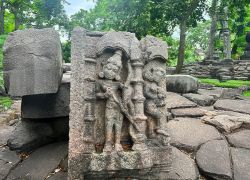
Welcome to Bamuni Hills in the charming city of Tezpur. This stunning tourist attraction is a paradise for nature lovers, bird enthusiasts, and anyone seeking a peaceful retreat surrounded by natural beauty. History of Bamuni Hills Bamuni Hills holds a rich historical significance, with its origins dating back to ancient times. Once serving as royal hunting grounds, this area has undergone significant conservation efforts over the years, leading to its recognition by UNESCO for its cultural and natural importance. Architecture and Natural Beauty of Bamuni Hills The landscape of Bamuni Hills is characterized by lush wetlands, dense forests, and sprawling grasslands, making it a haven for a diverse range of bird species. The historical Keoladeo Temple nestled within the park adds a touch of architectural beauty to this natural paradise. Why is Bamuni Hills Famous? Bamuni Hills has gained popularity among birdwatchers, photographers, and wildlife enthusiasts due to its rich biodiversity and serene environment. The park offers a unique opportunity to witness a variety of bird habitats and stunning landscapes. How to Reach Bamuni Hills Traveling to Bamuni Hills is convenient, with options available by air, rail, and road. The nearest airports and railway stations provide easy access to this picturesque destination, ensuring a hassle-free journey for visitors. Weather and Best Time to Visit Bamuni Hills The weather at Bamuni Hills varies across seasons, with summer, monsoon, and winter each offering a unique charm to visitors. The best time to explore this natural gem is during specific months when the weather is most favorable for outdoor activities. Timings of Bamuni Hills Visiting timings at Bamuni Hills cater to different seasons, ensuring that visitors can make the most of their experience regardless of the time of year. Understanding the seasonal variations can help in planning a memorable trip to this idyllic location. Entry Fee and Visit Details Entry procedures at Bamuni Hills are straightforward, with guide services and safari options available for those seeking a more immersive experience. Bicycle rentals and visitor facilities further enhance the overall visit, providing convenience and comfort to guests. Things to Do at Bamuni Hills Engage in a variety of activities at Bamuni Hills, including birdwatching, photography, cycling, walking trails, and nature observation. Educational experiences abound, offering a deeper understanding of the local ecosystem and its inhabitants. Interesting Facts About Bamuni Hills Bamuni Hills is home to a plethora of migratory birds, showcasing the region's rich biodiversity and conservation achievements. The ecological importance of this area highlights the need for sustainable practices to preserve its natural beauty for future generations. Travel Tips for Visiting Bamuni Hills When visiting Bamuni Hills, remember to dress appropriately for the weather, carry essential photography and birdwatching equipment, and plan your trip during the recommended seasons. Embracing responsible tourism practices ensures the sustainability of this pristine environment. Conclusion In conclusion, Bamuni Hills in Tezpur offers a serene escape into nature, where visitors can immerse themselves in the beauty of diverse landscapes and vibrant birdlife. Whether you are a nature enthusiast or a wildlife lover, a trip to Bamuni Hills promises an unforgettable experience in the heart of [City].
Explore More
Welcome to Takka Bench, a mesmerizing tourist attraction located in Una. This picturesque destination offers a unique blend of natural beauty, rich biodiversity, and a peaceful environment for visitors to explore and enjoy. Takka Bench has gained popularity among nature enthusiasts, birdwatchers, and photographers for its stunning landscapes and diverse wildlife. History of Takka Bench Takka Bench holds a significant historical background, once serving as royal hunting grounds. Over the years, dedicated conservation efforts have transformed the area into a thriving ecosystem, leading to its UNESCO recognition for its biodiversity and environmental importance. Architecture and Natural Beauty of Takka Bench The park is known for its lush wetlands, dense forests, expansive grasslands, and diverse bird habitats. Nestled within the park is the historic Keoladeo Temple, adding a touch of spirituality to the natural charm of the surroundings. Why is Takka Bench Famous? Takka Bench has gained fame for being a haven for birdwatchers, photographers, and wildlife lovers. The park's rich biodiversity, including numerous bird species, attracts visitors from around the globe seeking to witness nature's beauty up close. How to Reach Takka Bench Traveling to Takka Bench is convenient, with options available by air, rail, and road. The nearest airports and railway stations provide easy access to the park, ensuring a seamless journey for visitors. Weather and Best Time to Visit Takka Bench Takka Bench experiences varying weather conditions throughout the year, with distinct summer, monsoon, and winter seasons. The best time to visit is during the months when the weather is pleasant, allowing visitors to explore the park comfortably. Timings of Takka Bench Visitor timings at Takka Bench are structured to accommodate different preferences, with seasonal variations considered for a well-rounded experience. Planning a visit to the park involves understanding the timings to make the most of your trip. Entry Fee and Visit Details Entry procedures at Takka Bench are straightforward, with guide services available for those seeking expert insights. Safari options, bicycle rentals, and visitor facilities enhance the overall experience, providing convenience and comfort to guests. Things to Do at Takka Bench Visitors to Takka Bench can engage in a variety of activities, including birdwatching, photography, cycling, walking trails, nature observation, and educational experiences. These activities offer a chance to connect with nature and create lasting memories. Interesting Facts About Takka Bench Takka Bench is home to a plethora of migratory birds, showcasing the park's ecological significance and conservation achievements. The diverse wildlife and natural wonders within the park highlight the importance of preserving such pristine environments. Travel Tips for Visiting Takka Bench For a fulfilling experience at Takka Bench, visitors are advised to pack appropriate clothing, carry photography equipment, and be mindful of the best visiting seasons. Embracing responsible tourism practices ensures the conservation of the park's natural beauty for future generations to enjoy. Conclusion In conclusion, Takka Bench in Una stands as a symbol of natural splendor and ecological importance. This remarkable tourist attraction offers a sanctuary for wildlife enthusiasts and nature lovers, inviting visitors to immerse themselves in the serene beauty of the park.
Explore More
Dandeli, a picturesque city in Karnataka, India, is home to a hidden gem known as Syntheri Rocks. This mesmerizing tourist attraction is a favorite among nature enthusiasts, birdwatchers, and photographers due to its unparalleled natural beauty and rich biodiversity. History of Syntheri Rocks The history of Syntheri Rocks dates back to ancient times, believed to have been formed around 300 million years ago. It has served as a significant geological landmark and a testament to the region's natural heritage. The site holds historical importance and is a former royal hunting ground, now preserved for its ecological significance. Architecture and Natural Beauty of Syntheri Rocks The allure of Syntheri Rocks lies in its rugged terrain, dense forests, and the majestic Kaneri River flowing alongside. The region is home to a diverse range of flora and fauna, providing a sanctuary for numerous bird species and wildlife. The Keoladeo Temple, a historic site located within the park, adds a touch of spirituality to the natural landscape. Why is Syntheri Rocks Famous? Syntheri Rocks has gained fame for its breathtaking landscapes, unique rock formations, and the opportunity it provides for birdwatching and wildlife photography. Nature lovers are drawn to the park's serene ambiance and the chance to witness a variety of avian species in their natural habitat. How to Reach Syntheri Rocks Traveling to Syntheri Rocks is convenient, with options available by air, rail, and road. The nearest airport is in Hubli, approximately 70 kilometers away, while the closest railway station is in Londa. Visitors can also reach Dandeli by road and then proceed to Syntheri Rocks via local transportation. Weather and Best Time to Visit Syntheri Rocks The weather at Syntheri Rocks is pleasant throughout the year, with distinct summer, monsoon, and winter seasons. The ideal time to visit is during the winter months, from October to February, when the weather is mild, and the surroundings are lush and vibrant. Timings of Syntheri Rocks Syntheri Rocks is open to visitors from morning till evening, allowing ample time to explore the site's natural wonders. The timings may vary slightly based on seasonal changes and specific guidelines set by the park authorities. Entry Fee and Visit Details Entry to Syntheri Rocks involves a nominal fee, with options for guided tours and safari experiences. Visitors can avail themselves of guide services to enhance their exploration of the park, along with facilities for bicycle rentals and other amenities to ensure a comfortable visit. Things to Do at Syntheri Rocks At Syntheri Rocks, visitors can engage in a variety of activities, including birdwatching, photography, cycling through the scenic trails, walking amidst the lush greenery, and immersing themselves in the beauty of nature. The park offers educational experiences for those keen on learning about the region's biodiversity. Interesting Facts About Syntheri Rocks Syntheri Rocks is renowned for its diverse avifauna, with migratory birds flocking to the region during specific seasons. The conservation efforts at the park have contributed significantly to preserving the local ecosystem and promoting ecological balance, making it a vital ecological hotspot. Travel Tips for Visiting Syntheri Rocks When planning a trip to Syntheri Rocks, it is advisable to carry light clothing suitable for the prevailing weather conditions, along with essential photography equipment for capturing the scenic beauty of the park. Visitors should plan their visit during the recommended seasons and adhere to responsible tourism practices to help in the conservation efforts. Conclusion In conclusion, Syntheri Rocks in Dandeli stands out as a natural wonder that showcases the raw beauty of Karnataka's landscape. Its historical significance, rich biodiversity, and tranquil ambiance make it a must-visit destination for anyone seeking a peaceful retreat amidst nature's splendor.
Explore More
Saptasajya, located in Dhenkanal, is a hidden gem for nature lovers and wildlife enthusiasts. This picturesque destination offers a unique blend of natural beauty, rich biodiversity, and historical significance, making it a must-visit hotspot for those seeking tranquility and adventure in the heart of Odisha. History of Saptasajya The history of Saptasajya dates back to ancient times when it served as a royal hunting ground for the erstwhile rulers. Over the years, efforts towards conservation have transformed this area into a sanctuary for various species of flora and fauna. The park's commitment to preserving its natural heritage has garnered recognition from UNESCO, showcasing its importance in wildlife conservation. Architecture and Natural Beauty of Saptasajya Saptasajya boasts lush wetlands, dense forests, sprawling grasslands, and diverse bird habitats, creating a perfect haven for migratory and resident bird species. The park is also home to the historic Keoladeo Temple, adding a touch of spirituality to the natural landscape and attracting visitors with its architectural beauty and serene surroundings. Why is Saptasajya Famous? Saptasajya is renowned for its vibrant birdlife, making it a paradise for birdwatchers and photographers. The park's tranquil environment and rich biodiversity draw nature enthusiasts and wildlife lovers seeking to immerse themselves in the sights and sounds of the natural world. How to Reach Saptasajya Traveling to Saptasajya is convenient, with options available by air, rail, and road. The nearest airport is located in Bhubaneswar, while Dhenkanal Railway Station serves as the closest railhead. Visitors can also access the park via well-connected road networks, ensuring easy connectivity from major cities. Weather and Best Time to Visit Saptasajya Saptasajya experiences varied weather conditions throughout the year, with summers being warm, monsoons bringing lush greenery, and winters offering a pleasant climate. The best time to visit is during the winter months when the weather is ideal for exploring the park and enjoying its natural splendor. Timings of Saptasajya Saptasajya welcomes visitors during specific timings, allowing guests to plan their trips accordingly. The park may have seasonal variations in timings, so it is advisable to check for any updates before embarking on your journey to ensure a seamless and enjoyable experience. Entry Fee and Visit Details For those looking to explore Saptasajya, entry procedures are straightforward, with guide services available for a more enriching experience. Visitors can opt for safari options, rent bicycles for leisurely rides, and make use of visitor facilities within the park to enhance their stay and make the most of their visit. Things to Do at Saptasajya At Saptasajya, visitors can engage in a variety of activities, including birdwatching, photography, cycling through scenic trails, walking amidst nature, and participating in educational programs to learn more about the park's unique ecosystem. The park offers a range of experiences for nature enthusiasts of all ages. Interesting Facts About Saptasajya Saptasajya is not just a sanctuary for birds but also a hub of biodiversity, with numerous conservation achievements contributing to its ecological significance. The park's efforts in preserving its natural resources have led to the protection of various plant and animal species, making it a vital ecosystem in the region. Travel Tips for Visiting Saptasajya When planning a trip to Saptasajya, it is advisable to pack appropriate clothing for the prevailing weather conditions, carry essential photography and birdwatching equipment, visit during the recommended seasons for optimal sightings, and practice responsible tourism by respecting the park's rules and regulations to ensure a sustainable visit for future generations. Conclusion In conclusion, Saptasajya in Dhenkanal stands as a testament to the harmonious blend of natural beauty, historical heritage, and conservation efforts. This captivating hotspot offers visitors a chance to reconnect with nature, witness diverse wildlife, and create lasting memories in a pristine environment. Whether you are a birdwatcher, photographer, or simply a nature lover, Saptasajya promises an unforgettable experience that showcases the wonders of Odisha's rich biodiversity.
Explore More
Welcome to the enchanting destination of Living Root Bridges located in Cherrapunji, a place where nature's marvels come alive in the form of living bridges woven from the roots of ancient trees. These unique bridges are not only a testament to human ingenuity but also showcase the harmonious relationship between humans and the natural world. History of Living Root Bridges The history of Living Root Bridges dates back centuries when local tribes discovered the art of training the roots of rubber trees to grow in a specific direction to form sturdy bridges across rivers and streams. These bridges were initially built as a solution to the region's heavy rainfall and monsoon floods. Today, they stand as a living heritage symbolizing sustainable living and eco-friendly architecture. The conservation efforts to protect these natural wonders have gained international recognition, leading to the UNESCO World Heritage Site status. Architecture and Natural Beauty of Living Root Bridges Surrounded by lush wetlands, dense forests, and diverse bird habitats, the Living Root Bridges offer a unique blend of natural beauty and architectural wonder. The landscapes here are dotted with these living structures, creating a mesmerizing sight for visitors. The historical Keoladeo Temple nestled within the park adds a spiritual touch to the serene environment. Why is Living Root Bridges Famous? The Living Root Bridges have gained popularity among birdwatchers, photographers, nature enthusiasts, and wildlife lovers due to their unique construction and the rich biodiversity that thrives in the surrounding ecosystem. Visitors are drawn to the tranquil ambiance and the opportunity to witness nature's creativity at its best. How to Reach Living Root Bridges Traveling to Living Root Bridges is a memorable journey with options to reach by air, rail, or road. The nearest airports are located in Guwahati and Shillong, while the closest railway station is in Guwahati. From there, a scenic road trip through the picturesque landscapes of Meghalaya will lead you to this natural wonder. Weather and Best Time to Visit Living Root Bridges The weather at Living Root Bridges varies with distinct summer, monsoon, and winter seasons. The best time to visit is during the monsoon when the surroundings are lush green and the waterfalls are at their majestic best. However, the post-monsoon period also offers pleasant weather for exploration. Timings of Living Root Bridges The timings of Living Root Bridges are usually from dawn to dusk, allowing visitors to experience the beauty of the place throughout the day. It's advisable to check for any seasonal variations in timings and plan your visit accordingly. Entry Fee and Visit Details Visitors can enter Living Root Bridges after completing the necessary entry procedures. Guide services are available for those who wish to learn more about the history and significance of these natural wonders. Additionally, safari options, bicycle rentals, and visitor facilities are provided to enhance the overall experience. Things to Do at Living Root Bridges At Living Root Bridges, there are ample opportunities for activities such as birdwatching, photography, cycling along scenic trails, walking amidst the lush greenery, and observing the diverse flora and fauna. Educational experiences await those curious about the ecological importance of this unique ecosystem. Interesting Facts About Living Root Bridges Living Root Bridges are not just architectural marvels but also serve as crucial habitats for migratory birds and contribute to the conservation of the region's biodiversity. The symbiotic relationship between humans and nature showcased here is a reminder of the sustainable practices that can benefit both. Travel Tips for Visiting Living Root Bridges When visiting Living Root Bridges, it's essential to wear comfortable clothing suitable for outdoor exploration. Bringing along photography equipment to capture the beauty of the place is recommended. Different seasons offer unique experiences, so choosing the right time to visit is crucial. As responsible travelers, it's important to respect the environment and follow sustainable tourism practices. Conclusion In conclusion, Living Root Bridges in Cherrapunji stand as a remarkable example of nature's resilience and human innovation. The blend of architectural ingenuity and natural beauty makes it a must-visit destination for those seeking solace in the lap of nature. Witnessing the living bridges and exploring the lush surroundings will leave visitors in awe of the wonders that exist when man and nature coexist harmoniously.
Explore More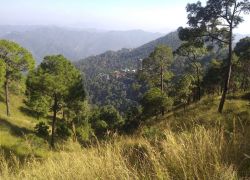
Kasauli, a serene hill station in India, is home to the breathtaking tourist attraction known as Gilbert Trail. This picturesque trail offers visitors a unique opportunity to immerse themselves in the natural beauty and rich biodiversity of the region. Situated amidst lush greenery and tranquil surroundings, Gilbert Trail is a paradise for nature lovers, birdwatchers, and wildlife enthusiasts. History of Gilbert Trail With a rich historical background, Gilbert Trail was once a royal hunting ground for the erstwhile rulers of the region. Over the years, concerted conservation efforts have transformed this area into a haven for various species of flora and fauna. Gilbert Trail's commitment to preserving its natural heritage has garnered recognition from UNESCO, highlighting its significance in the realm of ecological conservation. Architecture and Natural Beauty of Gilbert Trail The trail meanders through verdant wetlands, dense forests, and sprawling grasslands, offering visitors a glimpse into the diverse habitats within the park. Birdwatchers are in for a treat as the trail is home to a myriad of avian species, making it a perfect spot for bird photography. The historic Keoladeo Temple nestled within the park adds to the allure of this enchanting destination. Why is Gilbert Trail Famous? Gilbert Trail has earned its fame as a hotspot for birdwatchers, photographers, and nature enthusiasts due to its unparalleled beauty and rich biodiversity. The opportunity to witness a wide array of bird species in their natural habitat makes it a must-visit destination for wildlife lovers seeking an immersive experience in nature. How to Reach Gilbert Trail Traveling to Gilbert Trail is convenient, with options for air, rail, and road transport. The nearest airport is located in the nearby city, providing easy access for visitors arriving by air. Additionally, the well-connected railway network ensures hassle-free travel for those opting for train journeys. Roadways offer scenic routes for those driving to this nature haven. Weather and Best Time to Visit Gilbert Trail Throughout the year, Gilbert Trail showcases its beauty in different hues. Summer brings vibrant flora and pleasant weather, while monsoon transforms the landscape into a lush green paradise. Winter casts a serene charm over the trail, making it ideal for peaceful walks. The best time to visit Gilbert Trail is during the mild weather of spring and autumn. Timings of Gilbert Trail Visitors can explore Gilbert Trail during specific timings that vary seasonally. It is advisable to check for any updates in timings to plan your visit effectively. The trail offers different experiences during different times of the day, allowing visitors to witness the diverse wildlife in their natural habitats. Entry Fee and Visit Details Entry to Gilbert Trail is subject to nominal fees, with options for guide services to enhance your experience. Visitors can also opt for safari rides to explore the vast expanse of the trail or rent bicycles for a more active exploration. The park provides essential visitor facilities to ensure a comfortable and enjoyable visit. Things to Do at Gilbert Trail Engage in a myriad of activities at Gilbert Trail, including birdwatching, photography, cycling, nature walks, and educational experiences. The trail offers a perfect setting for immersing oneself in the beauty of nature, capturing stunning visuals, and learning about the diverse flora and fauna that call this place their home. Interesting Facts About Gilbert Trail Gilbert Trail boasts fascinating facts about migratory birds that visit the region, the conservation efforts to protect its biodiversity, and its crucial role in maintaining the ecological balance of the area. The trail stands as a testament to the harmonious coexistence of humans and wildlife in a natural setting. Travel Tips for Visiting Gilbert Trail When planning a visit to Gilbert Trail, remember to dress appropriately for the weather, carry essential photography equipment for capturing memorable moments, and respect the natural environment by practicing responsible tourism. It is advisable to visit during the recommended seasons to make the most of your experience at this natural haven. Conclusion In conclusion, Gilbert Trail in Kasauli offers a captivating blend of natural beauty, wildlife diversity, and serene surroundings, making it a must-visit destination for nature enthusiasts and wildlife lovers. The trail's historical significance, ecological importance, and engaging visitor experiences ensure a memorable and enriching journey for all who explore this enchanting hotspot.
Explore More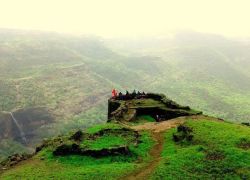
Welcome to Rajmachi Fort, a mesmerizing tourist attraction nestled in the city of Lonavala. This historical fort offers a blend of rich heritage, natural beauty, and biodiversity, making it a must-visit destination for travelers seeking a glimpse into the past and an escape into nature. History of Rajmachi Fort Rajmachi Fort holds a significant historical background, once serving as royal hunting grounds for the rulers of the region. Over the years, conservation efforts have preserved its cultural heritage, leading to its recognition by UNESCO for its historical importance and architectural marvels. Architecture and Natural Beauty of Rajmachi Fort The fort is surrounded by lush wetlands, dense forests, and sprawling grasslands that provide a habitat for diverse bird species. The picturesque landscapes offer a serene backdrop to the ancient Keoladeo Temple, adding to the charm of this historical site. Why is Rajmachi Fort Famous? Rajmachi Fort is renowned for its enchanting beauty that attracts birdwatchers, photographers, nature enthusiasts, and wildlife lovers. The diverse ecosystem within the fort's premises makes it a haven for those seeking to connect with nature. How to Reach Rajmachi Fort Traveling to Rajmachi Fort is convenient, with options available by air, rail, and road. The nearest airports and railway stations provide easy access to this historical gem, ensuring a smooth journey for visitors. Weather and Best Time to Visit Rajmachi Fort The fort experiences varying weather conditions throughout the year, with summers being warm, monsoons bringing lush greenery, and winters offering a pleasant chill. The best time to visit Rajmachi Fort is during the cooler months to enjoy the scenic beauty to the fullest. Timings of Rajmachi Fort Rajmachi Fort welcomes visitors at specific timings, with seasonal variations that may affect accessibility. It is recommended to plan your visit accordingly and make the most of your time exploring this historical marvel. Entry Fee and Visit Details Visitors can gain entry to Rajmachi Fort by following the designated procedures, with guide services available for a more informative experience. Safari options, bicycle rentals, and visitor facilities are provided to ensure a comfortable and enjoyable visit. Things to Do at Rajmachi Fort At Rajmachi Fort, visitors can engage in a variety of activities such as birdwatching, photography, cycling, walking trails, and nature observation. Educational experiences await those keen on learning about the fort's biodiversity and historical significance. Interesting Facts About Rajmachi Fort Rajmachi Fort is home to a myriad of migratory birds, showcasing the region's rich biodiversity. Conservation efforts have led to significant achievements in preserving this ecological hotspot, emphasizing the importance of sustainable tourism practices. Travel Tips for Visiting Rajmachi Fort When visiting Rajmachi Fort, it is advisable to dress comfortably, carry essential photography equipment, and be mindful of the best seasons for birdwatching. Responsible tourism practices play a key role in maintaining the fort's natural beauty for future generations to enjoy. Conclusion In conclusion, Rajmachi Fort in Lonavala stands as a testament to the region's historical legacy and natural splendor. By exploring this captivating destination, visitors can immerse themselves in a world of beauty, biodiversity, and cultural significance, creating lasting memories of their time spent at Rajmachi Fort.
Explore More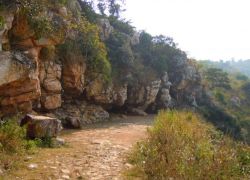
Rajgir, a city known for its historical and cultural significance, is home to the mesmerizing Saptaparni Cave. This tourist attraction is a haven for nature lovers, history enthusiasts, and those seeking a tranquil escape amidst the serene surroundings of Rajgir. History of Saptaparni Cave The Saptaparni Cave holds a deep historical background, believed to have been a former royal hunting ground. Over the years, conservation efforts have been made to preserve the natural beauty of this cave, leading to its recognition by UNESCO as a site of importance. Architecture and Natural Beauty of Saptaparni Cave The natural environment surrounding Saptaparni Cave is a blend of wetlands, forests, and grasslands, creating a diverse habitat for numerous bird species. The landscape is adorned with the historical Keoladeo Temple, adding to the charm and allure of the surroundings. Why is Saptaparni Cave Famous? Saptaparni Cave has gained fame among birdwatchers, photographers, nature enthusiasts, and wildlife lovers due to its rich biodiversity and the opportunity it provides to witness a wide variety of bird species in their natural habitat. How to Reach Saptaparni Cave Traveling to Saptaparni Cave is convenient, with options available by air, rail, and road. The nearest airports and railway stations provide easy access to this picturesque destination, making it accessible to visitors from various parts of the country. Weather and Best Time to Visit Saptaparni Cave The weather at Saptaparni Cave varies across seasons, with summer, monsoon, and winter each offering a unique experience. The best time to visit is during the months when the weather is pleasant and conducive to exploring the natural beauty of the surroundings. Timings of Saptaparni Cave Saptaparni Cave welcomes visitors during specific timings, ensuring that guests can enjoy the beauty of the cave and its surroundings to the fullest. Seasonal variations may affect the timings, so it's advisable to plan your visit accordingly. Entry Fee and Visit Details Entry to Saptaparni Cave involves following specific procedures and availing guide services for a more insightful experience. Safari options, bicycle rentals, and visitor facilities are available to enhance the overall visit and make it more enjoyable. Things to Do at Saptaparni Cave Engage in popular activities at Saptaparni Cave such as birdwatching, photography, cycling, walking trails, and nature observation. Immerse yourself in the beauty of the surroundings and indulge in educational experiences that offer a deeper understanding of the biodiversity present in the area. Interesting Facts About Saptaparni Cave Saptaparni Cave is home to numerous migratory birds, showcasing the rich biodiversity and the conservation efforts that have been successful in maintaining the ecological balance in the region. These facts make Saptaparni Cave a unique and important destination for nature lovers. Travel Tips for Visiting Saptaparni Cave When visiting Saptaparni Cave, it's essential to pack appropriate clothing, carry photography equipment, and be prepared for birdwatching adventures. Understanding the visiting seasons and practicing responsible tourism ensures a memorable and rewarding experience at this natural wonder. Conclusion In conclusion, Saptaparni Cave in Rajgir stands as a testament to the beauty of nature and the historical significance of the region. With its diverse wildlife, rich biodiversity, and serene surroundings, a visit to Saptaparni Cave promises an unforgettable experience for visitors exploring this gem in Rajgir.
Explore More
Welcome to the mystical land of Tiruvannamalai, home to the enchanting Virupaksha Cave. Nestled amidst the serene natural beauty of this city, the Virupaksha Cave is a haven for nature lovers, birdwatchers, and photography enthusiasts. This hidden gem offers a unique blend of historical significance, architectural beauty, and abundant biodiversity, making it a must-visit destination for travelers seeking tranquility and natural wonders. History of Virupaksha Cave The history of Virupaksha Cave dates back to ancient times, believed to have served as a sacred site for meditation and spiritual practices. Once a retreat for sages and ascetics, this cave holds deep historical roots and is revered for its serene ambiance. Formerly known as a royal hunting ground, the conservation efforts have transformed it into a sanctuary for wildlife and migratory birds. Virupaksha Cave has gained international recognition, being designated as a UNESCO World Heritage Site for its cultural and ecological significance. Architecture and Natural Beauty of Virupaksha Cave Surrounded by lush wetlands, dense forests, and sprawling grasslands, Virupaksha Cave boasts a diverse natural environment that supports a myriad of bird species and wildlife. The picturesque landscapes, coupled with the historical Keoladeo Temple situated nearby, add to the charm of this sanctuary. Visitors can immerse themselves in the tranquility of the surroundings and witness the harmonious coexistence of nature and ancient architecture. Why is Virupaksha Cave Famous? Virupaksha Cave is renowned for its rich biodiversity, making it a paradise for birdwatchers and nature enthusiasts. The park's diverse avian population, including rare migratory birds, attracts photographers and wildlife lovers from around the globe. The serene atmosphere and unspoiled natural beauty offer a unique experience, creating a deep connection with the wonders of the natural world. How to Reach Virupaksha Cave Traveling to Virupaksha Cave is convenient, with options for air, rail, and road transport. The nearest airport is located in the city, providing easy access for domestic and international visitors. For those opting for rail travel, the city boasts well-connected railway stations that cater to tourists. Additionally, a network of roads and highways offer seamless connectivity to Virupaksha Cave, ensuring a hassle-free journey for travelers. Weather and Best Time to Visit Virupaksha Cave The weather at Virupaksha Cave exhibits distinct seasonal variations, with summer, monsoon, and winter months offering unique experiences to visitors. The best time to visit is during the cooler months when the weather is pleasant, and the natural surroundings are at their vibrant best. Exploring the sanctuary during this period allows for comfortable sightseeing and wildlife observation. Timings of Virupaksha Cave Virupaksha Cave welcomes visitors during specific timings, ensuring a well-regulated flow of tourists and preserving the tranquil ambiance of the sanctuary. Seasonal variations may influence the operational hours, so it is advisable to check the timings before planning your visit. The management ensures a smooth experience for all guests, providing essential information for a memorable trip. Entry Fee and Visit Details Visitors to Virupaksha Cave can avail themselves of various services, including entry procedures, guide assistance, safari options, and bicycle rentals for exploring the park. The visitor facilities are designed to enhance the overall experience, catering to the diverse needs of tourists. Whether opting for a guided tour or self-exploration, the park offers a range of options to suit individual preferences. Things to Do at Virupaksha Cave There are numerous activities to indulge in at Virupaksha Cave, catering to different interests and preferences. From birdwatching and photography to cycling through the scenic trails, visitors can immerse themselves in the natural beauty of the sanctuary. Walking trails offer an opportunity for nature observation, while educational experiences provide insights into the conservation efforts and ecological significance of the park. Interesting Facts About Virupaksha Cave Virupaksha Cave is home to a diverse array of migratory birds, showcasing the rich biodiversity of the region. The conservation achievements within the sanctuary have contributed to the preservation of endangered species and the restoration of natural habitats. The ecological importance of Virupaksha Cave extends beyond its boundaries, serving as a symbol of harmony between humans and nature. Travel Tips for Visiting Virupaksha Cave When planning a trip to Virupaksha Cave, it is advisable to pack appropriate clothing for the varying weather conditions. Carrying essential photography and birdwatching equipment enhances the experience, allowing visitors to capture the beauty of the sanctuary. Understanding the visiting seasons and practicing responsible tourism ensures the conservation of the park's ecological balance, contributing to sustainable travel practices. Conclusion In conclusion, Virupaksha Cave in Tiruvannamalai stands as a testament to the harmonious coexistence of nature and heritage. The sanctuary's historical significance, architectural beauty, and abundant biodiversity offer a captivating experience for travelers seeking solace in the lap of nature. Whether exploring the wetlands, bird habitats, or ancient temples, Virupaksha Cave promises a memorable journey filled with serenity and natural wonders.
Explore More