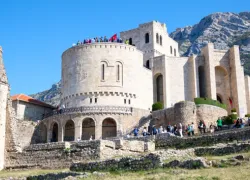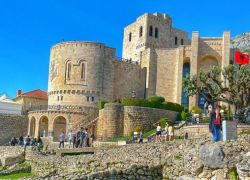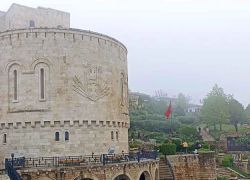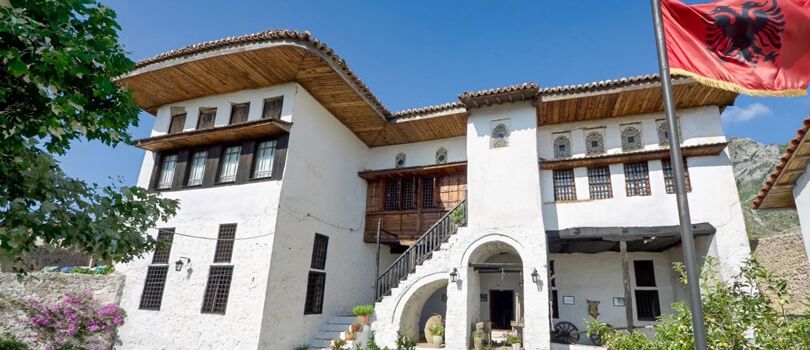
"Explore Albania's rich cultural heritage and history."
The Ethnographic Museum of Krujë is one of the most significant cultural institutions in Albania. Located in the historic town of Krujë, the museum offers a fascinating insight into the traditional way of life in Albania, showcasing the customs, crafts, and daily activities of the local people. Housed in an old Ottoman-era building, the museum not only highlights the cultural richness of Krujë but also represents the broader Albanian heritage. A visit to the Ethnographic Museum is a journey back in time, giving you the chance to experience the history and culture of this beautiful region in a way that is both educational and immersive.
How to Reach the Ethnographic Museum of Krujë
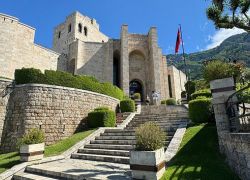
The Ethnographic Museum is located in the heart of Krujë, just a short walk from the famous Krujë Castle and the Skanderbeg Museum. If you are traveling from Tirana, the capital city of Albania, you can reach Krujë by car or bus. The drive from Tirana to Krujë takes approximately 30 minutes, covering a distance of 20 kilometers. If you prefer public transportation, you can take a bus from the Tirana Bus Station to Krujë. The bus will drop you near the center of Krujë, from where you can easily walk to the museum. Taxis are also a convenient option if you're looking for a direct route. Once in Krujë, the museum is within walking distance of many other historical landmarks, making it an ideal stop for those exploring the town.
Weather in Krujë
Krujë has a Mediterranean climate, which means that summers are hot and dry, while winters are mild and rainy. The best time to visit the Ethnographic Museum is during the spring (April to June) and fall (September to November), when the weather is pleasant and moderate. Summer temperatures can range from 25°C to 35°C (77°F to 95°F), so it's advisable to wear light, breathable clothing and carry sunscreen if you're visiting during this time. Winters are cooler but still comfortable, with temperatures ranging from 5°C to 15°C (41°F to 59°F). Since the museum is indoors, you can visit year-round, but it's a good idea to check the weather forecast to make the most of your trip.
Timing of the Visit
The Ethnographic Museum of Krujë is typically open every day from 9:00 AM to 6:00 PM. However, opening hours may vary depending on the time of year, so it's always a good idea to check in advance. During peak tourist season, which runs from late spring to early autumn, the museum may be busier, so visiting in the morning is recommended to avoid the crowds. If you visit in the off-season, you may find that it’s less crowded and you can take your time exploring the exhibits.
Why Is the Ethnographic Museum Famous?
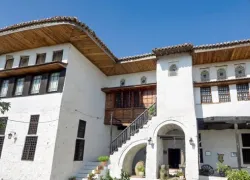
The Ethnographic Museum is famous for its authentic and comprehensive portrayal of traditional Albanian life, specifically that of the Krujë region. It is housed in a traditional 18th-century Ottoman-era building, which itself is an important part of the museum's appeal. The museum’s exhibits showcase a wide range of artifacts, from traditional clothing and household items to tools used in daily life. The museum also highlights the craftsmanship of the local people, including weaving, pottery, and metalwork. It provides visitors with a glimpse into the rural life of Albania, which has remained largely unchanged for centuries. The museum’s focus on the customs and traditions of the region makes it an essential stop for those interested in understanding Albanian culture and history.
Entry and Visit Details
The entry fee for the Ethnographic Museum of Krujë is generally around 200 Albanian Lek (approximately 2 USD). This ticket gives visitors access to the museum’s exhibits, which are spread out over multiple rooms in the building. Inside, you’ll find displays of traditional Albanian clothing, wooden furniture, tools, and items related to local farming, crafts, and daily life. The museum also features photographs and historical documents that help to tell the story of the people of Krujë. Guided tours are available for an additional fee and can help you get a deeper understanding of the exhibits. It's recommended to spend at least 1-1.5 hours exploring the museum and its rich cultural offerings.
History and Architecture of the Ethnographic Museum
The Ethnographic Museum of Krujë is located in a beautifully preserved building dating back to the 18th century, during the Ottoman period. The house itself is an excellent example of traditional Albanian architecture, with its wooden beams, stone floors, and intricately carved details. The building was originally a residence for a wealthy family, and the architecture reflects the local style of the time. The museum was established in 1989 and has since become an important cultural institution in Albania. The exhibits inside are arranged to give visitors a sense of what life would have been like for the people of Krujë during the Ottoman era and the following centuries. It’s a blend of history, culture, and local heritage, all beautifully preserved within an authentic setting.
Things to Do at the Ethnographic Museum
Aside from touring the museum’s exhibits, there are a few other things to do in and around the museum:
Interesting Facts about the Ethnographic Museum
Tips for Visiting the Ethnographic Museum of Krujë