"Uncover Albania's national hero's legacy."
The House of Skanderbeg, located in the historical town of Krujë, Albania, is a landmark that offers a glimpse into the life of one of Albania's greatest national heroes, Gjergj Kastrioti, more commonly known as Skanderbeg. This house is significant not only as the birthplace of Skanderbeg but also as a symbol of resistance against the Ottoman Empire. The House of Skanderbeg has been preserved as a museum, providing visitors with valuable insights into the life and legacy of this iconic figure in Albanian history. It stands as a tribute to his courage, leadership, and determination in the face of overwhelming odds.
How to Reach The House of Skanderbeg
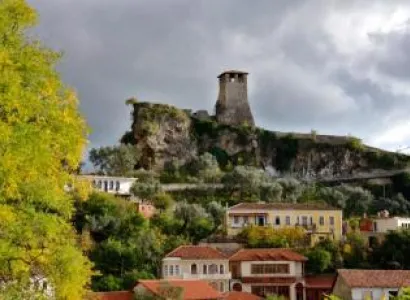
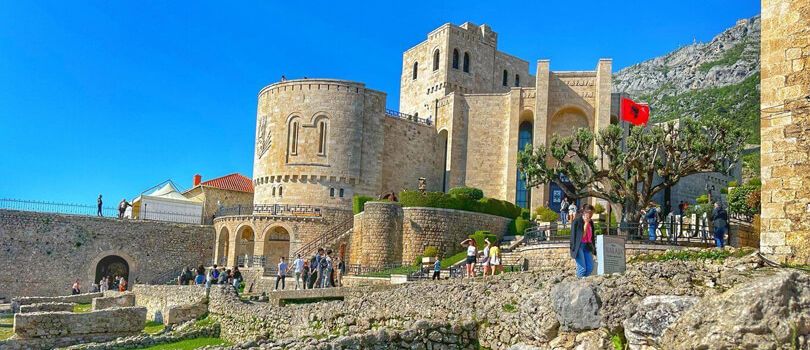
The House of Skanderbeg is located in the town of Krujë, approximately 20 kilometers (12 miles) north of Tirana, the capital city of Albania. To get there, the easiest method is by car or taxi, with a journey that takes about 30 minutes from Tirana. Public transportation, including buses, is available from the Tirana Bus Station to Krujë, but for a more direct route, taxis or private cars are the preferred choice. Once you reach Krujë, the House of Skanderbeg is located within the town's historical center, close to the famous Krujë Castle and the Skanderbeg Museum. You can easily walk to the house from the town's main square or the castle area.
Weather in Krujë
Krujë enjoys a Mediterranean climate, with hot, dry summers and mild, rainy winters. The best time to visit The House of Skanderbeg is during the spring and fall months (April to June and September to November), when the weather is pleasant and mild, making it ideal for sightseeing. Summer temperatures can range from 25°C to 35°C (77°F to 95°F), so if you're visiting during this time, remember to dress lightly, wear sunscreen, and stay hydrated. Winters are cooler, with temperatures ranging from 5°C to 15°C (41°F to 59°F), but the town remains relatively comfortable for sightseeing during the colder months. The climate and surrounding landscape make for beautiful views year-round, so it's a lovely destination no matter the season.
Timing of the Visit
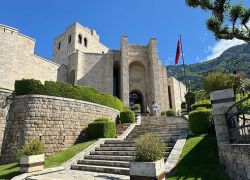
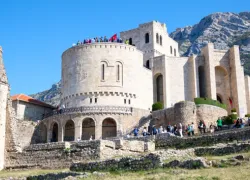
The House of Skanderbeg is open to visitors throughout the year, but its operating hours may vary, especially during the off-season or around public holidays. Typically, the house is open from 9:00 AM to 6:00 PM. However, it's a good idea to check the hours before visiting, particularly during the low tourist season. Since Krujë is a popular destination in Albania, visiting in the morning or late afternoon will allow you to avoid the busiest hours, particularly in the summer months. The house is part of the historical center, which includes nearby attractions such as the Krujë Castle and the Skanderbeg Museum, so it's possible to plan your visit to explore multiple locations in one day.
Why Is The House of Skanderbeg Famous?
The House of Skanderbeg is famous for its historical significance as the birthplace of one of the most important figures in Albanian and Balkan history. Skanderbeg, born in the early 1400s, led a remarkable resistance against the Ottoman Empire, uniting local Albanian tribes to fight for independence. Despite being born into a noble family and being raised in the Ottoman court as part of the devshirme system (a system where Christian boys were taken as soldiers or administrators), Skanderbeg’s loyalty to his homeland remained unshaken. His bravery, tactical genius, and ability to inspire his people against the formidable Ottoman forces made him a legendary figure. The house itself is not just a physical structure; it is a monument to the struggle for Albanian freedom, making it a must-visit site for those interested in the country’s history and national pride.
Entry and Visit Details
To visit The House of Skanderbeg, you will need to purchase an entry ticket, which typically costs around 200 Albanian Lek (approximately 2 USD). This ticket grants you access to the house, where you can explore the rooms and exhibits that showcase the life and achievements of Skanderbeg. Inside, you will find historical artifacts, weapons, and documents that highlight his military campaigns, as well as personal items believed to have belonged to him and his family. There are also detailed displays of the history of the Kastrioti family and the role they played in Albanian history. The house is part of the larger Krujë historical complex, which includes the nearby Krujë Castle and the Skanderbeg Museum, so you can plan a comprehensive visit to learn more about the hero and the town's rich history.
History and Architecture of The House of Skanderbeg
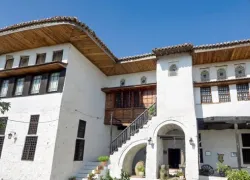
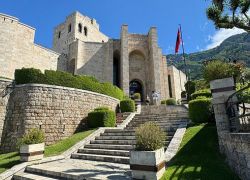
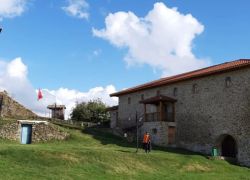
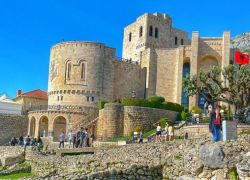
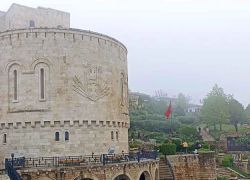
The House of Skanderbeg is a traditional Albanian house, built using local materials such as stone and wood, reflecting the architecture of the region during the 15th century. The house is located in the old town of Krujë, nestled at the foot of the Krujë Castle, which further emphasizes its historical importance. While the house has undergone some restoration over the years to preserve it for future generations, its original features have been maintained, offering a glimpse into how the Kastrioti family might have lived during Skanderbeg’s time.
The architecture of the house is modest but robust, with a characteristic Ottoman-style influence. It features thick stone walls and wooden beams, typical of the period's construction, and includes a central courtyard where the family would have gathered. The house provides a sense of the humble origins of Skanderbeg, showing that he grew up in a simple yet strategically placed home in the heart of Krujë. The structure is a symbol of Albanian identity and resilience, as it stands in a location that was central to the defense of the country against the Ottomans.
Things to Do at The House of Skanderbeg
In addition to visiting The House of Skanderbeg, there are several things to do in and around Krujë that will enhance your experience:
Interesting Facts about The House of Skanderbeg
Tips for Visiting The House of Skanderbeg