"Iconic structure steeped in local history."
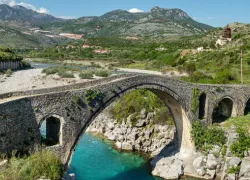
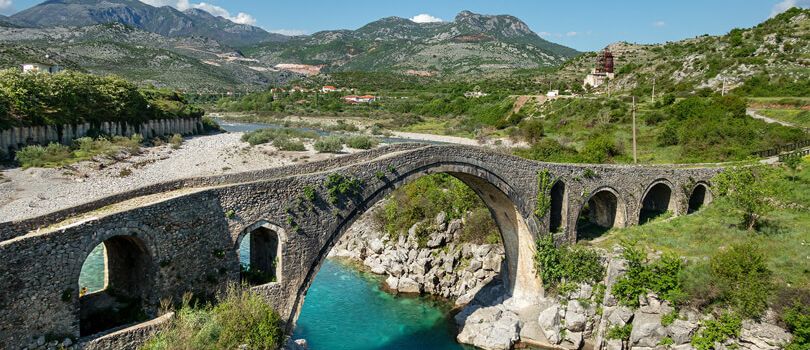
The Bridge of Mesi, also known as "Ura e Mesit," is one of the most iconic landmarks near Shkoder, Albania. This historical bridge, located just outside the city, spans the beautiful River Kir and is one of the most well-preserved Ottoman-era bridges in the country. With its elegant arch design and picturesque surroundings, The Bridge of Mesi offers visitors a fascinating glimpse into Albania's Ottoman past and its rich architectural heritage. Whether you are a history enthusiast, a photography lover, or simply looking for a peaceful spot in nature, The Bridge of Mesi is a must-visit destination in Shkoder.
How to Reach The Bridge of Mesi
The Bridge of Mesi is located approximately 17 kilometers (10.5 miles) south of Shkoder, making it easily accessible from the city center. Visitors can reach the bridge by car, taxi, or private transport. The drive to the bridge takes around 30 minutes, depending on traffic and road conditions. If you don’t have access to a car, there are local taxis available in Shkoder that can take you directly to the bridge for a reasonable fare. For those who prefer a more adventurous route, renting a bike or taking a local bus to the surrounding areas is also an option.
If you are using public transportation, you can take a bus or a shared taxi from the city center to the village of Mesi, which is located near the bridge. From there, it’s just a short walk to the bridge itself. Visitors should plan ahead and check schedules for public transportation to ensure the best route to the bridge.
Weather
Shkoder and the surrounding areas experience a Mediterranean climate, which means hot, dry summers and mild, wet winters. The best time to visit The Bridge of Mesi is during the spring (April to June) and fall (September to October) when the weather is pleasant, and the temperatures are moderate. During these months, the surrounding landscape is lush and green, providing stunning views of the river and nearby mountains.
Summer months (July and August) can be quite hot, with temperatures often exceeding 30°C (86°F), so visitors are advised to bring sun protection and stay hydrated if visiting during this time. Winters are mild, with occasional rainfall, making it an ideal time for a quieter visit to the bridge. Be sure to check the weather forecast before planning your trip to ensure the best experience.
Timing
The Bridge of Mesi is an outdoor attraction, and there are no specific opening or closing hours. Visitors can visit the bridge at any time of the day or night. However, for the best experience, it’s recommended to visit during daylight hours when the views are clearer, and the bridge is illuminated by natural light. The best time to take photographs is during the golden hour—shortly after sunrise or before sunset—when the soft light casts a magical glow on the bridge and its surroundings.
Why Famous for The Bridge of Mesi, Shkoder, Albania?
The Bridge of Mesi is famous for its stunning architecture and historical significance. It was built during the Ottoman era in the 18th century, and it is a prime example of Ottoman bridge-building techniques. The bridge is known for its impressive stone arch, which spans the River Kir, and its strategic location, which made it an important crossing point for travelers and traders in the past.
The bridge’s significance is not just in its history but also in its role in the local community. It has been a vital transportation route for centuries and remains a symbol of Shkoder’s rich cultural heritage. Today, the bridge is a popular tourist attraction and is often visited by those interested in exploring Albania’s Ottoman-era structures and its beautiful natural landscapes.
Entry and Visit Details about The Bridge of Mesi, Shkoder, Albania
Visiting The Bridge of Mesi is free of charge, and there are no entrance fees. It is an open-air attraction, making it accessible to everyone. However, visitors should be aware that there are no facilities at the bridge itself, such as restrooms or shops, so it’s best to bring any necessary supplies with you, such as water, snacks, and sun protection.
Although the bridge is free to visit, it is advisable to take a guided tour or do some research before visiting to learn more about the history and significance of the structure. Local guides may be available for a small fee, and their knowledge can enrich your visit by providing deeper insight into the bridge’s architectural features and its role in Albanian history.
History and Architecture
The Bridge of Mesi was constructed during the 18th century, most likely during the reign of the Ottoman Empire. The bridge’s design reflects typical Ottoman engineering techniques of the time, featuring a large central arch and smaller arches on either side. The structure is built entirely of stone, which has helped it withstand centuries of use and weathering. The bridge spans the River Kir and connects the villages on either side, serving as an important trade route for merchants and travelers.
The design of The Bridge of Mesi is both functional and beautiful. Its central arch is 20 meters (65 feet) wide, and the bridge is supported by several smaller arches, which distribute the weight evenly and help prevent structural damage. The stonework is finely crafted, and the bridge’s elegant design is a testament to the skill of its builders.
Over the years, The Bridge of Mesi has undergone several repairs and renovations to preserve its structural integrity. Despite the passage of time, much of the original architecture remains intact, and it continues to serve as a reminder of the region’s Ottoman heritage.
Things to Do
Facts and Tips about The Bridge of Mesi, Shkoder, Albania
In conclusion, The Bridge of Mesi is a historical gem that offers visitors a unique blend of Ottoman architectural beauty and natural tranquility. Its location along the River Kir, its impressive design, and its rich history make it a must-visit destination for anyone traveling to Shkoder. Whether you're interested in history, photography, or simply enjoying the outdoors, The Bridge of Mesi is an unforgettable experience that offers something for everyone.





Shkoder

Shkoder