"Explore historic architecture in a serene setting."
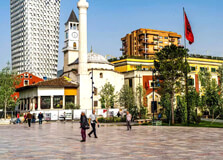
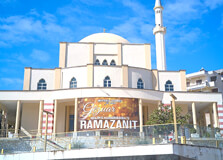
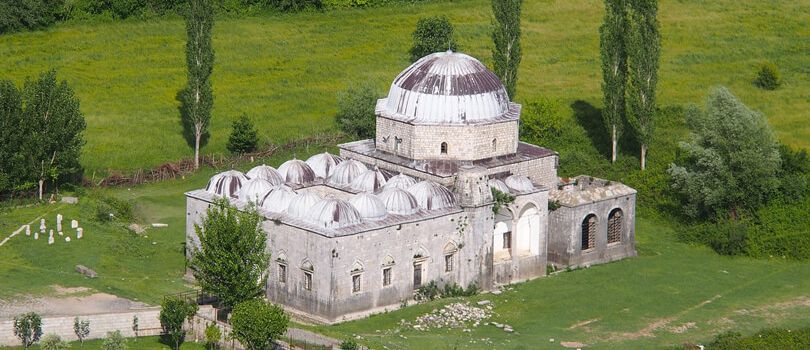
The Lead Mosque, known locally as "Xhamia e Plumbit," is one of the most iconic and historically significant mosques in Shkoder, Albania. Built during the Ottoman period, this mosque stands as a testament to the region's rich Islamic heritage and architectural style. The mosque is located in the heart of Shkoder and is not only a place of worship but also an important cultural and historical landmark that attracts both tourists and pilgrims alike. With its distinctive architectural features and fascinating history, The Lead Mosque is a must-see when visiting Shkoder.
How to Reach The Lead Mosque
The Lead Mosque is centrally located in Shkoder, making it easily accessible from the city center. It is just a short walk from other significant landmarks such as the Shkodra Castle and the city’s main square. If you are arriving by car, there are parking areas nearby, and public transport services, including taxis and buses, can take you close to the mosque. Visitors from other cities in Albania or Montenegro can reach Shkoder by bus, car, or train and then easily make their way to the mosque by foot or taxi.
Weather
Shkoder experiences a Mediterranean climate, with hot, dry summers and mild, wet winters. The best time to visit The Lead Mosque is during the spring (April to June) or fall (September to October) when the weather is pleasant, and the temperatures are moderate. During summer, temperatures can reach up to 30°C (86°F), so it's advisable to visit in the early morning or late afternoon when it's cooler. Winters are mild but may have occasional rain, so it’s recommended to bring an umbrella if you plan to visit during the colder months.
Timing
The Lead Mosque is open to visitors throughout the year. While it is primarily a place of worship, tourists are welcome to visit during non-prayer hours. Visitors can typically explore the mosque from 9:00 AM to 6:00 PM. However, if you wish to attend a prayer service or experience the mosque in its religious setting, you may want to check the local prayer schedule, as it is an active place of worship for the local Muslim community. The mosque is particularly busy during Islamic holidays such as Ramadan and Eid, so it’s best to plan accordingly if you wish to avoid the crowds.
Why Famous for The Lead Mosque, Shkoder, Albania?
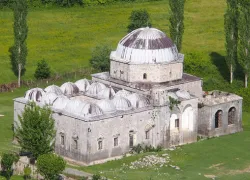
The Lead Mosque is famous for its unique architectural style and its historical significance. Built in the early 18th century, it is one of the oldest and most well-preserved Ottoman-era mosques in Shkoder. The mosque gets its name from the large lead sheets that cover its dome, which makes it stand out in terms of its construction and design. The mosque’s significance extends beyond its architecture, as it has played an important role in the religious and cultural life of Shkoder for centuries.
Additionally, the Lead Mosque’s central location in Shkoder and its proximity to other historical sites make it an essential stop for anyone interested in the city’s rich Islamic and Ottoman heritage. The mosque is one of the few Ottoman-era buildings in Albania that has maintained its original design and continues to serve as a place of worship.
Entry and Visit Details about The Lead Mosque, Shkoder, Albania
Visiting The Lead Mosque is free of charge, and there is no entry fee for tourists. However, visitors are asked to dress modestly as it is an active place of worship. Women may be required to cover their heads, and both men and women are encouraged to wear clothing that covers their shoulders and knees. Visitors should be respectful of local customs and religious practices when exploring the mosque.
The mosque is open to tourists during the day, but it is advisable to visit during non-prayer hours to avoid disrupting religious services. It is also recommended to take a guided tour or learn about the mosque’s history before visiting to gain a deeper understanding of its cultural and religious importance. Photography inside the mosque may be allowed, but it’s always best to ask permission from the mosque’s staff to avoid any misunderstandings.
History and Architecture
The Lead Mosque was built in 1773 by the Ottoman ruler of Shkoder, Hasan Pasha, and is one of the finest examples of Ottoman religious architecture in Albania. The mosque was constructed in the classic Ottoman style, with a large central dome and an elegant minaret that towers over the surrounding area. The mosque’s distinctive feature is its lead-covered dome, which gives it its name and makes it stand out from other mosques in the region.
The mosque’s interior is equally impressive, with intricately designed walls, wooden carvings, and a beautifully decorated mihrab (the niche in the wall indicating the direction of Mecca). The mosque is designed in a traditional Ottoman layout, with a large prayer hall and a courtyard. The minaret is a classic feature of Ottoman mosques and serves as a focal point for the surrounding area.
Over the years, The Lead Mosque has undergone several renovations to preserve its architectural integrity. Despite the passage of time, much of the original design has been preserved, and it remains an important symbol of Shkoder’s Islamic heritage.
Things to Do
Facts and Tips about The Lead Mosque, Shkoder, Albania
In conclusion, The Lead Mosque in Shkoder is a beautiful and historically significant landmark that offers visitors a glimpse into the city’s Islamic heritage. Whether you're interested in its unique architecture, rich history, or simply enjoying the peaceful atmosphere, the mosque is a must-visit destination in Shkoder. Its central location, free entry, and cultural significance make it a valuable stop for anyone exploring the region.







Shkoder