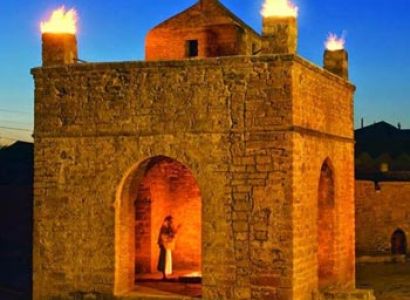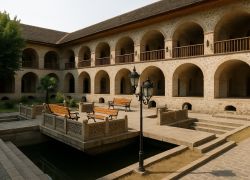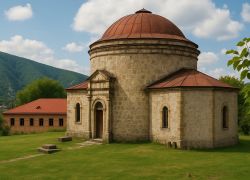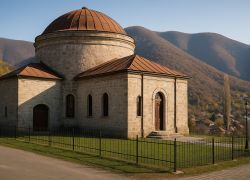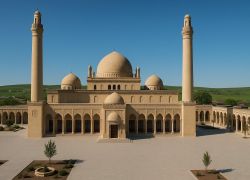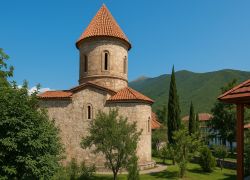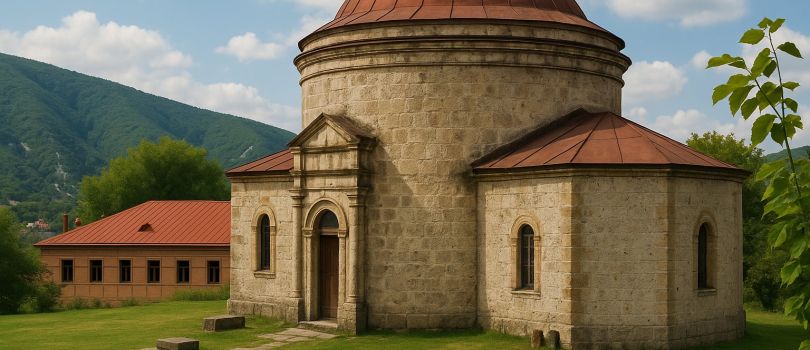
"Experience ancient architecture with stunning views."
Gelersen-Görersen Fortress is one of the most dramatic and historically rich landmarks in the Shaki region of Azerbaijan. Perched high on a rocky hill surrounded by deep valleys and lush greenery, this ancient fortress offers a perfect blend of history, legend, and natural beauty. Its unusual name, which translates to “Come and See,” adds to its mystery and charm, making it a fascinating destination for history lovers and adventure seekers alike.
Located a short distance from the city of Shaki, the fortress stands as a silent witness to centuries of battles, resistance, and regional power struggles. Today, its ruins attract visitors who want to explore Azerbaijan’s medieval past while enjoying panoramic views of the surrounding landscapes.
How to Reach Gelersen-Görersen Fortress
Gelersen-Görersen Fortress is situated about 10 kilometers from Shaki city center. The most convenient way to reach the fortress is by taxi or private car. The drive takes approximately 20–25 minutes and passes through scenic countryside roads.
For adventurous travelers, it is also possible to hike part of the way, although the terrain can be steep and uneven. Guided tours from Shaki are available and are highly recommended, as local guides can help navigate the route and explain the historical importance of the site.
Public transport options are limited, so visitors are advised to rely on taxis or tour services when planning their visit.
Weather Around Gelersen-Görersen Fortress
The weather around Gelersen-Görersen Fortress is influenced by Shaki’s mild mountain climate. Summers (June to August) are warm but comfortable, with temperatures ranging between 24°C and 30°C. Winters (December to February) can be cold, with temperatures sometimes dropping below freezing, especially at higher elevations.
Spring (April to June) and autumn (September to October) are the best times to visit the fortress. During these seasons, the weather is pleasant, and the surrounding hills and valleys are especially beautiful, making exploration more enjoyable.
Timing of Gelersen-Görersen Fortress
Gelersen-Görersen Fortress is an open historical site and does not have fixed opening or closing hours. Visitors can generally explore the area during daylight hours, from early morning until sunset.
It is strongly recommended to visit during the daytime for safety reasons, as the paths and ruins can be difficult to navigate in low light. A visit typically takes about 1 to 2 hours, depending on how much time you spend exploring and enjoying the views.
Why Gelersen-Görersen Fortress Is Famous
Gelersen-Görersen Fortress is famous for its strategic location, dramatic ruins, and historical legends. According to popular folklore, the fortress earned its name during a siege when a local ruler defiantly challenged invading forces by saying, “Come and see,” confident in the fortress’s natural defenses.
The fortress is also well-known for its role in defending the region during medieval times. Its elevated position made it nearly impossible for enemies to attack, and it served as a stronghold against foreign invasions.
Entry and Visit Details of Gelersen-Görersen Fortress
There is currently no official entry fee to visit Gelersen-Görersen Fortress, as it is an open archaeological site. Visitors are free to explore the ruins at their own pace.
However, hiring a local guide is highly recommended. Guides provide valuable historical insights and ensure a safer and more informative visit. Since the site is largely unprotected, visitors should take extra care while walking around the ruins.
History of Gelersen-Görersen Fortress
The history of Gelersen-Görersen Fortress dates back to the medieval period, although some historians believe the site may have been used even earlier. It played a crucial role in regional defense, particularly during conflicts involving local khanates and invading armies.
The fortress is closely associated with the resistance against Arab invaders in the Middle Ages. Over time, as political power shifted and military technology advanced, the fortress gradually lost its strategic importance and was eventually abandoned.
Despite centuries of exposure to natural elements, the ruins remain an important symbol of Shaki’s resilience and historical significance.
Architecture of Gelersen-Görersen Fortress
The architecture of Gelersen-Görersen Fortress reflects its military purpose rather than decorative design. Built primarily from local stone, the fortress walls were thick and strong, designed to withstand long sieges.
The layout follows the natural shape of the rocky hill, making use of steep cliffs and narrow access points to enhance defense. Although much of the structure is now in ruins, remnants of walls, towers, and defensive barriers can still be seen.
The fortress’s location provides a commanding view of the surrounding valleys, highlighting the strategic brilliance of its builders.
Things to Do at Gelersen-Görersen Fortress
Visitors can enjoy several activities while exploring the fortress:
Interesting Facts About Gelersen-Görersen Fortress
Tips for Visiting Gelersen-Görersen Fortress