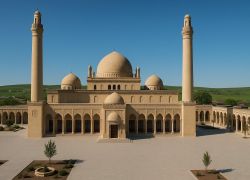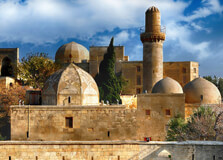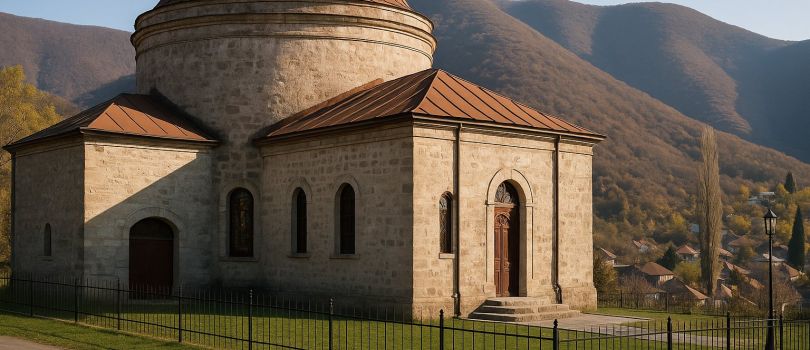
"Uncover the rich heritage of Sheki region."
Sheki History Museum is one of the most important cultural and educational attractions in the historic city of Shaki, Azerbaijan. The museum offers visitors a deep insight into the rich history, culture, and traditions of the Sheki region, which has played a vital role in Azerbaijan’s development for centuries. From ancient archaeological discoveries to exhibits from the medieval period and modern era, the museum presents a comprehensive story of Shaki’s past.
Located in the heart of the city, the Sheki History Museum is an ideal place for travelers who want to understand the historical background of Shaki before exploring other landmarks such as Sheki Khan’s Palace and the old caravanserais. The museum combines informative displays with a peaceful atmosphere, making it suitable for visitors of all ages.
How to Reach Sheki History Museum
Sheki History Museum is centrally located in Shaki city, making it easy to reach from most parts of the town. Visitors staying in the city center can walk to the museum within 10 to 15 minutes.
For those arriving from outside Shaki, the city is approximately 300 kilometers from Baku. Travelers can reach Shaki by bus, car, or taxi from Baku, with a travel time of about 5 to 6 hours. Once in Shaki, local taxis are affordable and convenient for reaching the museum.
Guided city tours often include a visit to the Sheki History Museum, which is a good option for first-time visitors.
Weather in Shaki
Shaki has a mild mountain climate influenced by its location near the Greater Caucasus Mountains. Summers (June to August) are warm and comfortable, with temperatures ranging between 25°C and 30°C. Winters (December to February) can be cold, with temperatures sometimes dropping below 0°C.
Spring (April to June) and autumn (September to October) are the best seasons to visit Sheki History Museum. During these months, the weather is pleasant, allowing visitors to enjoy both indoor museum visits and outdoor sightseeing.
Timing of Sheki History Museum
Sheki History Museum is generally open to visitors from 10:00 AM to 6:00 PM, except on certain public holidays. Opening hours may vary slightly during winter months.
Visitors are advised to arrive earlier in the day to explore the exhibits at a relaxed pace. A typical visit to the museum takes around 1 to 2 hours, depending on interest.
Why Sheki History Museum Is Famous
Sheki History Museum is famous for its extensive collection of artifacts that represent thousands of years of history. The museum showcases archaeological findings, traditional clothing, ancient tools, manuscripts, coins, weapons, and household items that highlight the lifestyle and culture of the Sheki region.
The museum is also well-known for its role in preserving and promoting local heritage. It helps visitors understand the importance of Shaki as a key city on the ancient Silk Road and its influence on trade, craftsmanship, and cultural exchange.
Entry and Visit Details of Sheki History Museum
Visitors are required to purchase an entry ticket to visit Sheki History Museum. Ticket prices are generally affordable, with separate rates for local and international visitors. Discounts may be available for students and children.
Photography inside the museum may be allowed in certain sections, sometimes for an additional fee. Guided tours are available and recommended for those who want detailed explanations of the exhibits and historical context.
History of Sheki History Museum
Sheki History Museum was established to collect, preserve, and display historical materials related to the city and surrounding regions. Over the years, the museum has expanded its collection through archaeological research and donations.
The exhibits cover a wide timeline, starting from prehistoric settlements to the era of the Sheki Khanate and the modern period. The museum plays an important role in academic research and cultural education, making it a valuable institution for both locals and tourists.
Architecture of Sheki History Museum
The building that houses Sheki History Museum reflects traditional Azerbaijani architectural style. Constructed with stone and brick, the structure blends well with the historic character of Shaki city.
The interior is designed to accommodate different exhibition halls, each dedicated to a specific historical period or theme. The layout is simple and functional, allowing visitors to move easily through the museum while focusing on the displays.
Things to Do at Sheki History Museum
Visitors can enjoy several activities at the museum:
Interesting Facts About Sheki History Museum
Tips for Visiting Sheki History Museum