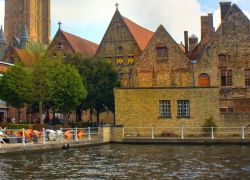
The Church of Our Lady (Onze-Lieve-Vrouwekerk) is one of the most iconic landmarks in Bruges, Belgium. This majestic Gothic church, which towers over the Bruges skyline, is renowned for its stunning architecture, historical significance, and for housing one of the most famous sculptures in the world – Michelangelo’s "Madonna and Child." Located in the heart of the city, the Church of Our Lady attracts thousands of visitors each year who come to admire its beauty, explore its rich history, and appreciate its artistic treasures. Whether you’re a history lover, an architecture enthusiast, or simply someone who enjoys exploring beautiful religious sites, the Church of Our Lady is a must-visit destination in Bruges. How to Reach the Church of Our Lady, Bruges The Church of Our Lady is centrally located in Bruges, making it easy to reach from anywhere in the city. If you are arriving by train, the Bruges Railway Station is around a 15-minute walk from the church. From the station, you can also take a local bus to get closer to the church. Bruges is a compact city, so walking or cycling is the best way to explore the area. The church is located in a beautiful square, making it easily accessible on foot, and it’s within walking distance from other popular attractions such as the Markt Square and the Belfry Tower. Weather in Bruges Bruges has a temperate maritime climate with mild summers and cold winters. The best time to visit the Church of Our Lady is during the spring and summer months (April to October), when the weather is pleasant and conducive for exploring the city and its outdoor attractions. The temperatures during this time typically range between 10°C (50°F) and 20°C (68°F), making it ideal for walking around the city. If you prefer fewer crowds, visiting during the winter months (November to March) is also an option, though it can be quite chilly, with temperatures often dipping below freezing. However, Bruges takes on a magical, festive atmosphere during the winter, especially around the Christmas season. Why the Church of Our Lady is Famous The Church of Our Lady is famous not only for its towering Gothic architecture but also for housing one of Michelangelo’s few sculptures that left Italy during his lifetime. The sculpture, "Madonna and Child," is a stunning example of Renaissance art and remains one of the most important pieces of art in Belgium. The church itself dates back to the 13th century and is an excellent example of medieval religious architecture. It is one of the tallest brick buildings in the world, with its spire reaching a height of 115.6 meters (379 feet), making it one of the tallest structures in Bruges. Entry and Visit Details for the Church of Our Lady Visitors can enter the Church of Our Lady for a small entry fee. The church is open to the public most days, although the exact opening hours may vary depending on the time of year and any special events or services. Typically, the church is open from 9:30 AM to 5:00 PM, with shorter hours on Sundays and holidays. While the church is free to enter during religious services, it is best to check ahead if you plan to visit during a service. There are also audio guides available in several languages to enhance your visit, providing detailed information about the church's history, architecture, and artwork. History and Architecture of the Church of Our Lady The Church of Our Lady was originally constructed between the 13th and 15th centuries and is a prime example of Gothic architecture. The church is built from brick, with a stunning white and red façade that contrasts beautifully with the darker tones of the surrounding buildings. The most remarkable feature of the church is its towering spire, which stands as a testament to the ingenuity of medieval builders. The spire was completed in the early 14th century and remains one of the tallest brick structures in the world. The interior of the Church of Our Lady is equally impressive, with soaring vaulted ceilings, intricate stained glass windows, and beautiful sculptures. The church houses numerous artworks, including the aforementioned "Madonna and Child" by Michelangelo, which is displayed in the right aisle. This statue, carved from marble, was created by Michelangelo in the 1500s and was originally commissioned by a wealthy Bruges merchant. It’s the only sculpture by Michelangelo in Belgium and one of only a handful of works by the artist that can be found outside of Italy. Another interesting feature of the church is its crypt, which contains the tombs of several members of the Bruges aristocracy. These tombs provide insight into the city’s history and the influential families that helped shape its development over the centuries. Things to Do Around the Church of Our Lady There are several things to do around the Church of Our Lady, making it an ideal stop on your Bruges itinerary: Admire the "Madonna and Child" by Michelangelo: Don’t miss the chance to see the iconic marble sculpture by Michelangelo. It’s one of the most famous works of art in Bruges and a must-see for any visitor interested in Renaissance art. Explore the Church’s Stunning Architecture: Take time to explore the church’s Gothic architecture, including its stunning brickwork, spire, stained glass windows, and beautiful interior decorations. Visit the Crypt: The church’s crypt is home to several fascinating tombs and is a peaceful, atmospheric place to reflect on the history of Bruges and its aristocracy. Walk Around the Square: The church is located in a picturesque square, which is a great spot to relax and take in the surrounding views. You can also visit nearby attractions, such as the Gruuthuse Museum or the Frietmuseum (Fries Museum). Attend a Service: If you’re in Bruges on a Sunday, consider attending a mass at the church. The church’s serene atmosphere and beautiful acoustics make it a wonderful place to experience local religious traditions. Facts and Tips About the Church of Our Lady Best Time to Visit: The church is often less crowded early in the morning or late in the afternoon, so visiting during these times can provide a more peaceful experience. If you're visiting during the peak tourist season (summer), try to arrive early to avoid the crowds. Photography: Photography is allowed in most parts of the church, except for areas where religious services are being held. Make sure to respect the sacred atmosphere if you’re taking photos during a mass or ceremony. Don’t Miss the Crypt: While many visitors focus on the church’s iconic spire and Michelangelo’s sculpture, the crypt is an important and often overlooked part of the church’s history. Take a moment to explore this quiet and historic space. Nearby Attractions: The Church of Our Lady is centrally located, so you can easily visit other nearby attractions like the Belfry Tower, Markt Square, and the Begijnhof, all within walking distance. Dress Modestly: As with most religious sites, it is advisable to dress modestly when visiting the Church of Our Lady. Avoid wearing shorts or sleeveless tops, especially during religious services. Conclusion The Church of Our Lady is one of Bruges' most cherished landmarks, offering a fascinating glimpse into the city’s rich history, stunning Gothic architecture, and artistic heritage. Whether you’re drawn to the church’s impressive architecture, its world-renowned Michelangelo sculpture, or its peaceful atmosphere, a visit to the Church of Our Lady is an unforgettable experience. It remains a central piece of Bruges’ historical and cultural identity, making it an essential stop for anyone visiting this beautiful Belgian city.
Explore More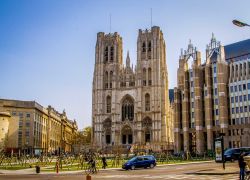
St. Gudula Cathedral, also known as the Cathedral of St. Michael and St. Gudula, is one of the most iconic and significant landmarks in Brussels, Belgium. This stunning Gothic cathedral, located in the heart of the city, is the primary religious site for Roman Catholics in Brussels. The cathedral is dedicated to St. Gudula, a 7th-century Christian saint, and St. Michael, the patron saint of the city. The cathedral’s grandeur and historical significance make it a must-visit location for both religious pilgrims and tourists. How to Reach St. Gudula Cathedral St. Gudula Cathedral is conveniently located in central Brussels, near the Brussels-Luxembourg train station. If you are traveling by train, you can easily reach the cathedral from Brussels Central Station, which is only a 10-minute walk away. Alternatively, you can take the Brussels Metro and get off at the "Trône" station (on Line 2), which is located just a few minutes’ walk from the cathedral. The cathedral is also within walking distance of several popular attractions, such as the Royal Palace and Parc de Bruxelles (Brussels Park), making it easy to incorporate into your sightseeing itinerary. Weather in Brussels The weather in Brussels is typically temperate, with cool winters and mild summers. Winter temperatures often range from 0°C to 5°C (32°F to 41°F), while summers are more moderate, with temperatures between 15°C and 25°C (59°F-77°F). Rain is common throughout the year, so visitors should come prepared with an umbrella or raincoat, especially during the spring and autumn months. The best time to visit Brussels, including St. Gudula Cathedral, is from April to October, when the weather is generally more pleasant for outdoor activities. Why St. Gudula Cathedral is Famous St. Gudula Cathedral is famous for both its historical and architectural significance. Its construction began in the 13th century, and the cathedral features stunning Gothic architecture, with towering spires, pointed arches, and intricate stained glass windows. The cathedral’s façade, with its two massive towers, is an iconic feature of Brussels' skyline. Inside, the cathedral is home to remarkable sculptures, a beautiful altar, and impressive stained-glass windows, many of which date back to the 16th century. The cathedral is also known for its association with the Belgian royal family, as it has hosted many important state ceremonies, including royal weddings and funerals. Its religious importance and stunning design make it one of the most visited sites in Brussels. Things to Do at St. Gudula Cathedral When visiting St. Gudula Cathedral, there are several activities and points of interest to explore. First, be sure to admire the cathedral's breathtaking architecture and design, both inside and out. The cathedral's interior features intricate carvings, beautiful stained glass windows, and remarkable altarpieces. The crypt is also worth visiting, as it contains the remains of saints and important figures from Brussels' history. For those interested in music, St. Gudula Cathedral hosts regular concerts and organ performances, which are a great way to experience the acoustics of the building. Visitors can also take part in a guided tour to learn more about the cathedral’s history, architecture, and significance in Brussels. Facts and Tips About St. Gudula Cathedral The cathedral’s construction began in the 13th century and was completed in the 16th century. St. Gudula Cathedral is renowned for its 16th-century stained glass windows, which depict scenes from the Bible. It is a functioning church and hosts regular Mass services, making it a living, active place of worship. Visitors can attend organ concerts, which are held regularly inside the cathedral. The cathedral’s two towers stand at 64 meters (210 feet) tall, making it one of the tallest structures in Brussels. It is free to visit the cathedral, although donations are welcomed to help maintain the building. Church of Our Lady, Bruges The Church of Our Lady (Onze-Lieve-Vrouwekerk) in Bruges is a masterpiece of Gothic architecture and one of the most important landmarks in the city. Located in the historic city center, the church is known for its towering spire and stunning art collection, including the famous Madonna and Child sculpture by Michelangelo. The church is a significant place of worship and a must-see attraction for visitors to Bruges. How to Reach Church of Our Lady from Brussels To reach the Church of Our Lady from Brussels, take a direct train from Brussels Central Station to Bruges, which takes approximately 1 hour. Once in Bruges, the church is just a short 10-minute walk from the station. Bruges is a pedestrian-friendly city, so it’s easy to navigate through its charming streets to reach the church. Weather in Bruges Bruges has a similar climate to Brussels, with mild summers and cold winters. Summer temperatures typically range from 15°C to 25°C (59°F-77°F), while winters can see temperatures drop to between 0°C and 5°C (32°F-41°F). Rain is common year-round, so visitors should bring an umbrella or raincoat, especially during the autumn and spring. The best time to visit Bruges is in the spring or summer when the weather is ideal for exploring the city’s picturesque canals and medieval streets. Why Church of Our Lady is Famous The Church of Our Lady is most famous for housing the Madonna and Child sculpture by Michelangelo, one of the few works by the renowned artist located outside of Italy. The sculpture was completed around 1504 and is one of the highlights of the church. In addition to the art collection, the church is also notable for its impressive Gothic architecture and its 122-meter (400 feet) tall spire, which is one of the tallest brick towers in the world. The church is also an important site for Bruges' religious history, as it is the final resting place of several prominent figures from the city’s past. Entry and Visit Details About Church of Our Lady The Church of Our Lady is open to visitors daily, with an entrance fee of approximately €6. Visitors can also attend regular church services, which are free to attend. For those interested in a more in-depth visit, guided tours are available, providing insight into the history, art, and architecture of the church. The church is open to visitors from early morning until evening, but it’s always advisable to check the specific opening hours, especially on religious holidays or when services are taking place. History and Architecture of Church of Our Lady The Church of Our Lady was built between the 13th and 15th centuries, making it one of the oldest churches in Bruges. The church’s Gothic design is characterized by soaring arches, intricate stone carvings, and stunning stained glass windows. The church’s most notable feature is its towering brick spire, which stands at 122 meters (400 feet) tall. Inside, visitors can admire the Madonna and Child sculpture, as well as other works of art, including paintings by the famous Flemish artist Hans Memling. Things to Do at Church of Our Lady When visiting the Church of Our Lady, don’t miss the opportunity to see Michelangelo’s Madonna and Child sculpture. Take time to explore the church’s crypt, which houses the tombs of several important figures, including members of the city’s aristocracy. Visitors can also enjoy the serene atmosphere of the church, which offers a peaceful space for reflection. For those interested in the church’s history, guided tours are available to learn more about its architecture, artwork, and role in Bruges' religious life. Facts and Tips About Church of Our Lady The Madonna and Child sculpture by Michelangelo was created around 1504 and is one of only a few works by Michelangelo outside of Italy. The church's spire is one of the tallest brick towers in the world, standing at 122 meters (400 feet). Visitors can enjoy the church’s impressive art collection, including works by Hans Memling and other famous Flemish artists. Be respectful of the church’s status as a functioning place of worship when visiting, especially during religious services. The Church of Our Lady is a must-see for art lovers, history enthusiasts, and anyone interested in exploring Bruges' rich cultural heritage.
Explore More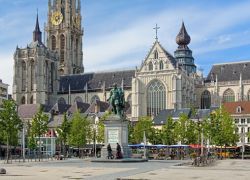
The Cathedral of Our Lady (Onze-Lieve-Vrouwekathedraal) in Antwerp is one of Belgium’s most iconic landmarks and a UNESCO World Heritage site. This stunning Gothic cathedral, located in the heart of Antwerp, is renowned for its architectural grandeur, intricate design, and historical significance. The cathedral is dedicated to the Virgin Mary and serves as a major religious site in Antwerp. It is also known for housing several masterpieces by the famous Baroque painter Peter Paul Rubens, making it a must-visit for both art and architecture enthusiasts. How to Reach the Cathedral of Our Lady The Cathedral of Our Lady is located in the historic center of Antwerp, making it easily accessible by public transport. If you're arriving by train, the **Antwerp Central Station** is the main railway station and is just a 20-minute walk from the cathedral. From the station, you can also take a tram or bus to reach the cathedral. For those traveling by metro, the closest metro stations are **Antwerp City Center** and **Meir**. Once in the city center, the cathedral is a short walk from most of the key attractions, including the **Grote Markt** and **Antwerp's Diamond District**. Weather in Antwerp Antwerp experiences a temperate maritime climate, with mild winters and cool summers. Winter temperatures typically range from 0°C to 5°C (32°F to 41°F), while summer temperatures average between 15°C and 25°C (59°F to 77°F). The weather is generally rainy, with the wettest months being between October and January. The best time to visit Antwerp, including the Cathedral of Our Lady, is during the spring or summer (April to September), when the weather is more favorable for outdoor sightseeing and walking around the city. Why Cathedral of Our Lady is Famous The Cathedral of Our Lady is famous for several reasons, the most notable being its architectural splendor and historical importance. The cathedral was built between the 14th and 16th centuries and showcases the best of Gothic architecture, with soaring spires, intricate stone carvings, and stunning stained glass windows. Inside, visitors can admire works by the renowned Flemish artist Peter Paul Rubens, including his famous altarpieces, *The Elevation of the Cross* and *The Descent from the Cross*. The cathedral also holds religious and cultural significance, serving as both a place of worship and a symbol of Antwerp’s rich history and heritage. Things to Do at the Cathedral of Our Lady When visiting the Cathedral of Our Lady, there are several things you can do to make the most of your experience. Begin by admiring the awe-inspiring architecture and the cathedral’s remarkable exterior, including its two towering spires that reach up to 123 meters (404 feet). Inside, take time to explore the church's stunning interior, which features incredible stained glass windows, detailed carvings, and altars dedicated to various saints. The cathedral also houses several important works of art by Peter Paul Rubens, including his altarpieces *The Elevation of the Cross* and *The Descent from the Cross*. Visitors can also explore the **cathedral treasury**, which houses sacred relics, religious artifacts, and vestments. If you're interested in the history of the cathedral, guided tours are available that provide deeper insights into the architecture, art, and religious significance of the site. Don’t forget to take a walk around the cathedral’s beautiful square, where you can enjoy the surrounding medieval buildings and picturesque views of Antwerp. Facts and Tips About the Cathedral of Our Lady The cathedral was completed in 1521, after more than 100 years of construction, and is considered one of the finest examples of Gothic architecture in Europe. The two spires of the cathedral stand 123 meters (404 feet) tall, making it one of the tallest buildings in Belgium. Inside the cathedral, you can find several masterpieces by Peter Paul Rubens, including *The Elevation of the Cross* and *The Descent from the Cross*. The cathedral is free to visit, though donations are encouraged, especially if you're interested in taking a guided tour. There is an entrance fee to visit the cathedral's treasury, where you can view sacred relics and religious artifacts. The cathedral hosts regular religious services, so be mindful of any ongoing Masses if you're visiting during service hours. The cathedral is centrally located and is within walking distance from Antwerp's **Grote Markt**, **Meir shopping street**, and the **Antwerp Central Station**. Church of Our Lady, Bruges The Church of Our Lady (Onze-Lieve-Vrouwekerk) in Bruges is one of the most famous churches in Belgium and is known for its stunning Gothic architecture and remarkable art collections. The church's most famous feature is Michelangelo's *Madonna and Child* sculpture, which is one of the few works by the artist located outside of Italy. The church is also notable for its towering spire, which reaches a height of 122 meters (400 feet), making it one of the tallest brick structures in the world. How to Reach the Church of Our Lady from Antwerp To reach the Church of Our Lady in Bruges from Antwerp, you can take a direct train from **Antwerp Central Station** to **Bruges Station**. The journey takes about 1 hour. Once you arrive at Bruges, the church is a 10-minute walk from the station. Bruges is a very walkable city, and the church is located in the historic center, surrounded by charming canals and medieval architecture. Weather in Bruges Bruges has a similar climate to Antwerp, with cool winters and mild summers. The temperature in winter typically ranges from 0°C to 5°C (32°F to 41°F), while summer temperatures average between 15°C and 25°C (59°F-77°F). The best time to visit Bruges is during the spring or summer when the weather is pleasant for walking around the city's medieval streets and canals. Why Church of Our Lady is Famous The Church of Our Lady is famous for its Michelangelo sculpture *Madonna and Child*, which is one of the most iconic artworks in Belgium. The church’s spire, at 122 meters (400 feet), is one of the tallest brick towers in the world. The church is also known for its beautiful stained-glass windows, impressive altars, and rich history as one of the oldest churches in Bruges. It is a major destination for art lovers and history enthusiasts, offering a glimpse into the city's artistic and religious heritage. Entry and Visit Details About Church of Our Lady The Church of Our Lady is open to visitors daily, with an entrance fee of approximately €6. Admission is free during Mass, but visitors are asked to be respectful during services. For those interested in a more in-depth experience, guided tours are available to help you understand the church's rich history, its artwork, and its role in Bruges' cultural heritage. The church is open year-round, but it's recommended to check opening hours during major religious events or holidays. History and Architecture of Church of Our Lady The Church of Our Lady was built between the 13th and 15th centuries and is one of the finest examples of Gothic architecture in Belgium. The church's most famous feature is its towering spire, which reaches 122 meters (400 feet) in height. Inside, the church is home to a wealth of religious art, including works by Hans Memling and the famous *Madonna and Child* by Michelangelo. The church also serves as the final resting place of several prominent figures from Bruges' history. Things to Do at Church of Our Lady When visiting the Church of Our Lady, don't miss the chance to see Michelangelo's *Madonna and Child*, one of the few works of the artist located outside of Italy. The church's interior is also worth exploring for its stunning stained-glass windows and altars. The crypt, where several notable figures are buried, is another highlight. Be sure to take a moment to appreciate the church’s serene atmosphere and impressive architecture. Facts and Tips About Church of Our Lady Michelangelo's *Madonna and Child* is one of the few works by the artist located outside of Italy. The church’s spire is one of the tallest brick towers in the world, standing at 122 meters (400 feet). The church is free to visit during Mass, but an entrance fee is required outside of service times. Guided tours are available to learn more about the church’s art, history, and architecture. The church is located in the historic center of Bruges, making it easy to combine a visit with other nearby attractions.
Explore More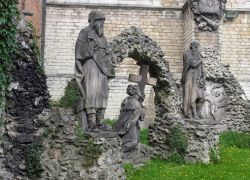
St. Paul’s Church (Sint-Pauluskerk) is one of the most beautiful and historic churches in Antwerp, Belgium. Located in the heart of the city, this 16th-century church is a stunning example of Baroque architecture, featuring intricate details that have attracted visitors from around the world. The church’s beauty is not only in its architectural design but also in the art it houses, including numerous masterpieces from the Baroque period. St. Paul’s Church is a must-visit for anyone interested in Antwerp’s rich religious and artistic heritage. How to Reach St. Paul’s Church, Antwerp St. Paul’s Church is conveniently located in the city center of Antwerp, making it easy to reach by various modes of transport. The church is located at Veemarkt 14, 2000 Antwerp, Belgium. By Public Transport: The church is easily accessible by public transport. Take tram line 8 or 10 to the Veemarkt stop, which is a short walk from the church entrance. Walking: If you’re already in the city center, St. Paul’s Church is about a 15-minute walk from the main square, Grote Markt. You can explore the streets of Antwerp while making your way to the church. By Car: For those traveling by car, there is limited parking around the church, but there are several paid parking lots nearby. It’s recommended to park and walk to the church to avoid traffic congestion. By Bicycle: Antwerp is a bike-friendly city, and there are plenty of bike racks near the church if you prefer cycling. Weather in Antwerp The weather in Antwerp is typical of a temperate maritime climate, with mild winters and relatively cool summers. Here’s a quick overview of what to expect: Summer (June - August): Expect pleasant weather with temperatures ranging from 18°C to 25°C (64°F to 77°F). Rain is common during this period, so it’s advisable to carry an umbrella or light raincoat. Winter (December - February): Winters are cold, with temperatures around 0°C (32°F), but the city rarely experiences heavy snowfall. Layers of clothing and warm accessories are recommended during this time. Spring (March - May) and Autumn (September - November): Both seasons are mild, with temperatures ranging from 8°C to 18°C (46°F to 64°F). Rain is frequent, so pack accordingly. Why Famous for Church of Our Lady, Bruges and Antwerp? Although St. Paul’s Church in Antwerp is not as globally recognized as the Church of Our Lady in Bruges, it holds a significant place in Belgian history. The Church of Our Lady in Bruges is famous for housing Michelangelo's Madonna and Child sculpture, one of his few works that left Italy during his lifetime. In contrast, St. Paul’s Church in Antwerp is renowned for its rich Baroque interior, which is considered one of the finest in Belgium, and its connection to the city’s religious and cultural history. Entry and Visit Details for St. Paul’s Church, Antwerp St. Paul’s Church is open to the public year-round, allowing visitors to explore its magnificent interior and learn about its history. Here are some important details for planning your visit: Opening Hours: The church is generally open from 10:00 AM to 5:00 PM, seven days a week. However, it’s recommended to check in advance for any changes to the schedule, especially during holidays or special events. Entry Fees: Entry to the church is typically free, but there may be a small fee if you wish to access specific areas, such as the crypt or special exhibitions. Donations are also appreciated. Guided Tours: For a deeper understanding of the church’s history and art, guided tours are available in multiple languages. These tours are highly recommended for those interested in the church's Baroque art and religious significance. History and Architecture of St. Paul’s Church St. Paul’s Church was built between 1614 and 1621 in the Baroque style, and it remains one of the finest examples of this architectural period in Antwerp. The church was designed by the famous architect Pieter Neefs the Younger and was originally intended to serve as a Jesuit church. Over the centuries, it has undergone various modifications, but its Baroque elegance has remained largely intact. The interior of St. Paul’s Church is breathtaking, with its ornate altars, gilded decorations, and stunning frescoes. The church is known for its impressive ceiling, painted by the renowned artist Peter Paul Rubens and his studio, which depicts scenes from the life of St. Paul. The church also houses numerous works of art, including paintings, sculptures, and relics that highlight the rich religious and cultural history of Antwerp. Things to Do in Antwerp Antwerp is a vibrant city full of history, culture, and things to do. Some of the top activities in Antwerp include: Visit the Cathedral of Our Lady: This stunning Gothic cathedral is another highlight of Antwerp and is home to several works by the famous artist Peter Paul Rubens. Explore the Museum aan de Stroom (MAS): This modern museum offers exhibits on Antwerp’s history, art, and culture. It also has an observation deck offering panoramic views of the city. Shop in the Diamond District: Antwerp is known as the diamond capital of the world. You can visit the Diamond District to learn about the city's diamond industry and purchase high-quality jewelry. Walk through the Zoo: Antwerp's zoo is one of the oldest in Europe, and it's located near the central train station. Facts and Tips About St. Paul’s Church, Antwerp The church was built by the Jesuits in the early 17th century and was intended to be their main church in Antwerp. St. Paul’s Church is not just a place of worship but also a venue for various cultural events, including concerts and exhibitions. Make sure to visit the crypt, which houses the remains of several notable individuals from Antwerp's history. Since the church is quite popular among tourists and locals alike, it’s recommended to visit early in the day to avoid crowds, especially during weekends. If you're visiting during a religious holiday, check the church's schedule as services may take place, which could affect visiting hours. Conclusion St. Paul’s Church in Antwerp is a must-see destination for anyone interested in the rich artistic and religious history of the city. With its stunning Baroque architecture, beautiful artwork, and connection to the city’s past, the church is a true gem in the heart of Antwerp. Whether you are an art lover, history buff, or simply a visitor looking to experience Antwerp’s charm, St. Paul’s Church offers something for everyone. Don’t forget to explore the surrounding areas of Antwerp, with its lively streets, historic sites, and world-class museums!
Explore More