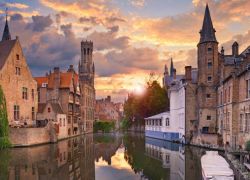
Choco-Story, located in the heart of Bruges, Belgium, is a delightful and immersive museum dedicated to the history and production of chocolate. This fascinating museum provides visitors with an in-depth look at the world of chocolate, from its ancient origins to its current place as one of the world’s favorite treats. Whether you are a chocolate enthusiast, a curious traveler, or a family looking for a fun and educational experience, Choco-Story offers something for everyone. The museum combines interactive displays, historical information, and the chance to watch live chocolate-making demonstrations, making it an engaging experience for people of all ages. How to Reach Choco-Story Chocolate Museum Choco-Story is centrally located in Bruges, making it easy to reach from most parts of the city. If you're traveling by train, the Bruges Railway Station is around a 15-minute walk from the museum. Alternatively, you can take a bus or taxi from the station for a quicker journey. The museum is located on Wijnzakstraat, just off the Markt Square, one of the most famous and vibrant squares in Bruges, making it a convenient stop while exploring the city. The walk to the museum from the Markt Square is just a few minutes, passing by charming streets and picturesque canals. Weather in Bruges Bruges experiences a temperate maritime climate, with mild summers and cool winters. The best time to visit Choco-Story is during the spring and summer months (April to September), when the weather is pleasant, and you can enjoy exploring the city on foot. During this period, temperatures generally range between 10°C (50°F) and 20°C (68°F), which is perfect for a leisurely stroll around Bruges. However, if you prefer fewer crowds, visiting in the autumn or winter months (October to March) is also a great option, as Bruges takes on a festive atmosphere, especially around Christmas. During winter, temperatures can drop below freezing, so be sure to bundle up when exploring the city. Why Choco-Story Chocolate Museum is Famous Choco-Story is famous for being one of the most interactive and educational chocolate museums in the world. The museum offers visitors the opportunity to learn about the fascinating journey of chocolate, from its origins as a bitter drink in ancient Mesoamerica to its transformation into the sweet treat we know today. The museum is also renowned for its live chocolate-making demonstrations, where expert chocolatiers show visitors how Belgian chocolates are crafted by hand. Visitors can also sample a variety of chocolates and discover the secrets behind high-quality chocolate production. The museum’s location in Bruges, one of the most beautiful and historic cities in Belgium, further adds to its appeal as a must-visit destination for chocolate lovers and tourists alike. Entry and Visit Details for Choco-Story Chocolate Museum The museum is open year-round, with specific hours depending on the season. During the peak tourist season (March to October), Choco-Story is typically open from 9:30 AM to 6:00 PM. During the off-season (November to February), the museum may have shorter hours, usually opening from 10:00 AM to 5:00 PM. It’s advisable to check the museum’s website for up-to-date opening hours before your visit. Admission to the museum requires an entry fee, which includes access to all exhibits and live chocolate-making demonstrations. The museum also offers a discount for children, making it an affordable family-friendly attraction. Additionally, visitors can purchase tickets online or at the museum’s entrance. History and Architecture of Choco-Story Chocolate Museum The Choco-Story Museum is housed in a beautifully restored 17th-century building, adding an element of historical charm to the modern experience. The building’s historic architecture, with its classic brick facades and wooden beams, provides the perfect backdrop for an immersive exploration of the history of chocolate. The museum itself is spread across several floors, each dedicated to different aspects of chocolate, including its ancient origins, its introduction to Europe, and the development of Belgian chocolate-making techniques. One of the key historical features of the museum is its collection of ancient chocolate artifacts, including tools used by early Mesoamerican civilizations to make chocolate beverages. The museum also covers the history of chocolate in Europe, focusing on the evolution of chocolate from a luxury item for the elite to a popular treat for all. The Belgian connection is strongly emphasized, with exhibits showcasing how Belgian chocolate became world-renowned for its quality and craftsmanship. The museum’s historical exhibits are complemented by modern, interactive displays that engage visitors of all ages. Things to Do Around Choco-Story Chocolate Museum While visiting Choco-Story, there are several activities and attractions nearby that you can explore: Explore the Markt Square: Just a few minutes away from the museum, the vibrant Markt Square is the heart of Bruges. It’s home to the iconic Belfry Tower, where you can climb to the top for panoramic views of the city. Visit the Belfry Tower: Standing tall in the Markt Square, the Belfry Tower is one of the most famous landmarks in Bruges. You can climb the 366 steps to the top for a spectacular view of the city’s medieval skyline. Take a Boat Tour of Bruges: Bruges is known for its scenic canals, and a boat tour is a great way to explore the city from a different perspective. Several boat tours depart from near the Markt Square and offer views of Bruges’ picturesque architecture and canals. Walk Along the Canal: The canals surrounding Choco-Story offer a peaceful setting for a stroll. Enjoy the tranquil water, charming bridges, and beautiful old buildings that line the canal. Visit the Basilica of the Holy Blood: Located just a short walk from the museum, this historic church is famous for housing a relic believed to be the blood of Christ. The basilica’s stunning architecture and rich history make it a must-see attraction in Bruges. Facts and Tips About Choco-Story Chocolate Museum Best Time to Visit: The best time to visit Choco-Story is during the off-peak months (November to February) when Bruges is less crowded, and you can enjoy a more relaxed experience. However, if you prefer the lively atmosphere of the summer months, visit during the spring or early autumn when the weather is pleasant. Bring an Appetite for Chocolate: You’ll have the opportunity to taste a variety of chocolates during your visit, so be sure to bring an appetite for sweets. Don’t miss the free samples offered during the live demonstrations. Interactive Experience: The museum offers a highly interactive experience, so be sure to engage with the exhibits. Try your hand at chocolate-making or participate in a tasting session for an even more immersive experience. Buy Souvenirs: After exploring the museum, stop by the gift shop to purchase some high-quality Belgian chocolate as a souvenir. You’ll find a wide variety of chocolates, from pralines to truffles, all made by local chocolatiers. Great for Families: Choco-Story is a family-friendly museum, with interactive exhibits that children will love. It’s a fun and educational experience for kids to learn about the history of chocolate and watch live chocolate-making demonstrations. Conclusion Choco-Story Chocolate Museum in Bruges is a must-visit destination for anyone who loves chocolate or wants to learn more about its fascinating history. With its engaging exhibits, live demonstrations, and rich history, the museum offers a unique and interactive experience that is both fun and educational. Whether you’re visiting as a family, with friends, or as a solo traveler, Choco-Story provides a delightful way to explore the world of chocolate while enjoying the charming city of Bruges. Don’t forget to indulge in some delicious Belgian chocolates before you leave, and take home a sweet souvenir from your trip.
Explore More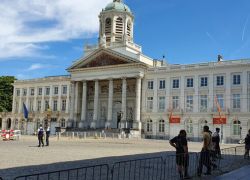
The Magritte Museum in Brussels is one of the most prominent and unique art museums in Belgium. Dedicated to the works of René Magritte, one of the most famous surrealist artists of the 20th century, the museum houses a vast collection of his paintings, drawings, and sculptures. Located in the heart of Brussels, the museum offers a deep dive into the mind of the surrealist artist, allowing visitors to explore the dreamlike and often paradoxical imagery that defined Magritte's work. Whether you’re an art lover or simply curious about the surrealist movement, the Magritte Museum is a must-visit destination for anyone in Brussels. How to Reach the Magritte Museum The Magritte Museum is centrally located in Brussels, making it easily accessible by public transport. If you’re traveling by train, Brussels Central Station is the nearest major train station, and it’s only a 10-minute walk to the museum. The museum is also well-served by the Brussels Metro, with the "Parc" station (Line 1) being just a short walk away. If you're staying in the European Quarter or near the Grand Place, you can easily walk to the museum, as it’s located in the historic Royal Square area, which is home to several key cultural institutions, including the Royal Palace. Weather in Brussels Brussels experiences a temperate maritime climate, characterized by mild winters and relatively cool summers. Winter temperatures typically range from 0°C to 5°C (32°F to 41°F), and summer temperatures average between 15°C and 25°C (59°F-77°F). Rain is common throughout the year, so it’s a good idea to carry an umbrella or raincoat when visiting. The best times to visit Brussels and the Magritte Museum are during the spring and summer months (May to September), when the weather is more pleasant for walking around the city and enjoying outdoor attractions. Why Magritte Museum is Famous The Magritte Museum is famous for its unparalleled collection of works by René Magritte, a key figure in the surrealist movement. The museum features over 200 works of art by Magritte, including some of his most iconic pieces, such as *The Son of Man*, *The Treachery of Images*, and *The Lovers*. Magritte's work often explores the relationship between reality and illusion, questioning the nature of perception and the meaning behind ordinary objects. The museum not only showcases his paintings but also offers a detailed insight into his life, creative process, and the development of his distinctive artistic style. It’s a great place to delve deeper into the world of surrealism and understand how Magritte’s works continue to influence modern art. Things to Do at the Magritte Museum When visiting the Magritte Museum, there are several things to see and do. Begin by exploring the core exhibition, which is divided into different sections based on various periods of Magritte’s career. You'll find many of his best-known paintings, including surrealist works that challenge traditional concepts of space, form, and time. You can also discover some of his lesser-known works, including sketches and drawings that provide a deeper understanding of his creative process. For a more interactive experience, take advantage of the museum's multimedia guides, which offer additional context and information about the artist and his work. The museum also hosts temporary exhibitions that explore themes related to surrealism and contemporary art, allowing visitors to engage with the broader cultural context in which Magritte worked. Don’t forget to visit the museum shop, where you can find unique art books, prints, and other souvenirs to remember your visit. Facts and Tips About Magritte Museum The Magritte Museum is part of the Royal Museums of Fine Arts of Belgium, which also includes several other important art museums in Brussels. The museum’s collection includes more than 200 paintings, drawings, and sculptures by René Magritte, along with works by his contemporaries and other surrealist artists. Magritte’s most famous works, such as *The Son of Man* (the painting of the man with an apple in front of his face) and *The Treachery of Images* (featuring the phrase "Ceci n'est pas une pipe"), are displayed in the museum. The museum also offers educational programs and activities for families, students, and art enthusiasts of all ages. While entry to the museum is not free, it is relatively affordable, and there are discounts available for students and seniors. It’s best to visit early in the day or during weekdays to avoid large crowds, especially on weekends and holidays. Church of Our Lady, Bruges The Church of Our Lady (Onze-Lieve-Vrouwekerk) in Bruges is one of the most famous and important landmarks in the city. This stunning Gothic church is renowned for its towering spire, which reaches a height of 122 meters (400 feet), making it one of the tallest brick buildings in the world. The church is home to some incredible artworks, including Michelangelo's famous sculpture *Madonna and Child*. As well as being a religious site, the church has historical significance and serves as the burial place for several notable figures from Bruges' past. How to Reach Church of Our Lady from Brussels The Church of Our Lady in Bruges is easily accessible by train from Brussels. The journey takes about one hour from Brussels Central Station to Bruges, and once you arrive at Bruges station, it’s just a 10-minute walk to the church. Bruges is a beautiful city to explore on foot, with many picturesque canals and cobblestone streets, making it easy to navigate from the train station to the church. Weather in Bruges Like Brussels, Bruges experiences a temperate climate, with cool winters and mild summers. Winter temperatures can drop to around 0°C to 5°C (32°F to 41°F), while summers tend to be comfortable, with temperatures averaging 15°C to 25°C (59°F-77°F). The best time to visit Bruges is during the spring or summer months when the weather is pleasant for exploring the city’s historic sites and beautiful canals. Why Church of Our Lady is Famous The Church of Our Lady is famous primarily for housing Michelangelo's *Madonna and Child*, one of the few works by the Italian artist located outside of Italy. The church's spire, which is one of the tallest brick towers in the world, is another key feature that makes the church stand out. Inside, the church is filled with beautiful stained-glass windows, sculptures, and paintings, and it also holds great historical and cultural significance as a site of religious worship and a place of burial for prominent Bruges residents. Entry and Visit Details About Church of Our Lady The Church of Our Lady is open daily to visitors, with an entrance fee of approximately €6. Admission is free during religious services, but visitors are asked to be respectful during Mass. The church is also a popular spot for tourists, so it's a good idea to arrive early in the day to avoid crowds. Visitors can enjoy exploring the church’s interior, crypt, and art collection, and there are also audio guides available for those who want to learn more about the church's history and artwork. History and Architecture of Church of Our Lady The Church of Our Lady was built over several centuries, with construction beginning in the 13th century and completing in the 15th century. The church features stunning Gothic architecture, including soaring arches, intricate stonework, and an impressive tower. Its interior is equally breathtaking, with beautiful stained-glass windows, altars, and sculptures. The *Madonna and Child* by Michelangelo is one of the most iconic works of art in the church, and it draws visitors from around the world. The church's spire, which reaches 122 meters (400 feet), is the tallest brick tower in the world, making the church an architectural marvel. Things to Do at Church of Our Lady When visiting the Church of Our Lady, be sure to take time to admire Michelangelo's *Madonna and Child* and explore the crypt, which contains the tombs of several important Bruges residents. The church also hosts regular services, and visitors can attend Mass if they wish. The church’s stunning architecture and serene atmosphere make it a perfect place for reflection and photography. Facts and Tips About Church of Our Lady The Madonna and Child sculpture by Michelangelo is one of the few works by the artist located outside of Italy. The church’s spire is the tallest brick tower in the world, standing at 122 meters (400 feet). Visitors should be mindful of religious services when visiting, as the church is an active place of worship. The church is home to beautiful stained-glass windows and works of art, including paintings by Hans Memling.
Explore More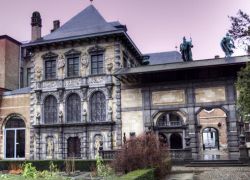
The **Rubenshuis** (Rubens House) in Antwerp is one of the most important museums dedicated to the life and work of **Peter Paul Rubens**, the renowned Flemish Baroque painter. The museum is located in the former home and studio of Rubens, where he lived and worked from 1610 until his death in 1640. Today, Rubenshuis showcases a collection of Rubens' masterpieces, his personal art collection, and a fascinating glimpse into the life of one of the greatest artists of the 17th century. Visiting the Rubenshuis offers a unique opportunity to explore the artistic legacy of Rubens and his influence on the Baroque movement. How to Reach Rubenshuis, Antwerp Rubenshuis is centrally located in Antwerp, making it easy to reach from any part of the city. If you are arriving by train, **Antwerp Central Station** is the main railway station, and the Rubenshuis is just a 15-minute walk from there. If you're coming from other parts of Antwerp, the museum is well-connected by public transportation, including buses and trams. The **Meir** shopping street and **Grote Markt** are both nearby, so it’s easy to combine a visit to the Rubenshuis with other major attractions in the city. For those who prefer to drive, there are several parking options available around the museum, although parking can be limited during peak times. Weather in Antwerp Antwerp has a temperate maritime climate, with mild winters and cool summers. In winter, temperatures usually range between 0°C and 5°C (32°F to 41°F), while in the summer months, temperatures typically hover between 15°C and 25°C (59°F-77°F). The weather can be unpredictable, with frequent rain, so it's always a good idea to carry an umbrella. The best time to visit Antwerp, including Rubenshuis, is during the spring and summer months, from April to September, when the weather is ideal for outdoor activities and sightseeing. Why Rubenshuis is Famous Rubenshuis is famous not only for its connection to Peter Paul Rubens, one of the most influential painters of the Baroque period, but also for being a stunning example of a 17th-century home and artist's studio. The house itself is a masterpiece of Baroque architecture, and its elegant gardens offer a glimpse into the lifestyle of the artist. Inside the museum, visitors can explore a remarkable collection of Rubens' works, including iconic paintings like *The Descent from the Cross*, *The Elevation of the Cross*, and *The Adoration of the Magi*. Rubens' personal collection of artwork, including pieces by other Renaissance and Baroque artists, is also on display, giving visitors a broader context for understanding his influence and taste. Things to Do at Rubenshuis When visiting Rubenshuis, there are several things to see and do. Start by exploring Rubens' personal studio, where he worked on many of his famous paintings. The studio has been meticulously preserved and offers an insight into the artist's creative process. The museum also displays many of Rubens' masterpieces, including the aforementioned paintings, as well as a number of his sketches and preparatory works. In addition to Rubens' works, the museum showcases pieces from his art collection, which included works by artists like **Titian**, **Van Dyck**, and **Jordaens**. Don't miss the beautiful **garden**, which was designed by Rubens himself. The garden provides a peaceful setting for reflection and is a great place to relax after touring the museum. If you're interested in learning more about Rubens’ life and career, you can also make use of the **multimedia guides** available at the museum, which provide additional context and insights into the exhibits. Facts and Tips About Rubenshuis The **Rubenshuis** was the home and studio of Peter Paul Rubens, where he lived from 1610 until his death in 1640. The museum's collection includes some of Rubens' most famous paintings, as well as works by other renowned artists from the same period. In addition to Rubens' artwork, the museum displays his personal collection, offering a glimpse into his tastes and interests. The museum's garden is an excellent spot to relax and enjoy the tranquil environment, much like Rubens did during his lifetime. Guided tours are available to help visitors gain a deeper understanding of Rubens' life, work, and legacy. The museum is located in the heart of Antwerp, making it easy to combine a visit to Rubenshuis with other nearby attractions like **Grote Markt** and **Antwerp Central Station**. Church of Our Lady, Bruges The **Church of Our Lady** (Onze-Lieve-Vrouwekerk) in Bruges is one of the most iconic and important religious landmarks in Belgium. Known for its stunning Gothic architecture and home to **Michelangelo's Madonna and Child**, the church is a must-visit for art lovers and history enthusiasts. The church was built between the 13th and 15th centuries, and its towering spire, which reaches 122 meters (400 feet), is one of the tallest brick structures in the world. Inside, the church features beautiful stained-glass windows, sculptures, and altars, including the famous Madonna and Child sculpture by Michelangelo, one of the few works by the artist located outside of Italy. How to Reach Church of Our Lady from Antwerp To visit the Church of Our Lady in Bruges from Antwerp, you can take a direct train from **Antwerp Central Station** to **Bruges Station**, which takes about one hour. Once you arrive at Bruges, it’s just a 10-minute walk to the church. Bruges is a small and walkable city, making it easy to explore the church and other attractions such as **Belfort Tower** and the **Market Square** during your visit. Weather in Bruges Bruges experiences a temperate maritime climate, similar to Antwerp, with cool winters and mild summers. Winter temperatures typically range from 0°C to 5°C (32°F to 41°F), while summer temperatures are usually between 15°C and 25°C (59°F-77°F). The best time to visit Bruges is during the spring or summer months, when the weather is most favorable for walking around the city and enjoying its beautiful canals. Why Church of Our Lady is Famous The Church of Our Lady is famous for several reasons, primarily its **Michelangelo sculpture Madonna and Child**, which is one of the few works by the artist located outside of Italy. The church is also known for its stunning Gothic architecture, with its towering spire being one of the tallest brick towers in the world. The church holds a significant place in Bruges' history and continues to be a prominent religious site, attracting visitors from all over the world. Entry and Visit Details About Church of Our Lady The Church of Our Lady is open to visitors year-round, with an entrance fee of approximately €6. Admission is free during Mass, but visitors are asked to be respectful during services. The church is home to beautiful stained-glass windows and altars, in addition to the iconic Madonna and Child sculpture by Michelangelo. It is also worth visiting the crypt, where several important historical figures from Bruges' past are buried. History and Architecture of Church of Our Lady Built between the 13th and 15th centuries, the Church of Our Lady is a prime example of Gothic architecture. Its soaring spire, standing at 122 meters (400 feet), is one of the tallest brick towers in the world. The church's interior is equally impressive, featuring stained-glass windows, altars, and sculptures, including the famous Madonna and Child sculpture by Michelangelo. The church is a must-see for anyone interested in art, history, and architecture. Things to Do at Church of Our Lady When visiting the Church of Our Lady, take the time to admire the Madonna and Child sculpture, explore the church’s beautiful stained-glass windows, and visit the crypt where several notable figures are buried. The church is also an excellent place for quiet reflection, offering a serene and peaceful atmosphere. Facts and Tips About Church of Our Lady The **Madonna and Child** sculpture by Michelangelo is one of the few works by the artist located outside of Italy. The church’s spire is the tallest brick tower in the world, standing at 122 meters (400 feet). Visitors should be mindful of religious services when visiting, as the church is an active place of worship. The church is home to beautiful stained-glass windows and works of art, including paintings by Hans Memling.
Explore More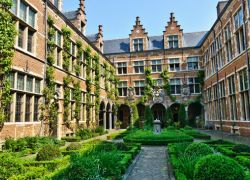
The **Museum Plantin-Moretus** in Antwerp is one of the most important historical museums dedicated to the history of printing. Located in the former residence and workshop of the famous 16th-century printers **Christoffel Plantin** and his successors, the museum provides an exceptional look at the development of the printing press and its impact on the spread of knowledge. The museum is housed in a beautiful building that has been recognized as a UNESCO World Heritage site and remains one of the most well-preserved printing houses in Europe. It showcases the legacy of the **Plantin-Moretus Press**, which was a pioneer in the printing industry and played a significant role in the diffusion of literature and scientific knowledge during the Renaissance. How to Reach Museum Plantin-Moretus The Museum Plantin-Moretus is located in the center of Antwerp, just a short walk from the city’s central attractions. If you're arriving by train, **Antwerp Central Station** is the main railway station, and the museum is about a 20-minute walk or a short tram ride away. The museum is easily accessible by public transportation, including tram lines **3, 5, 9**, and **15**. If you're walking around the city, it's only a 10-minute walk from the **Grote Markt** (the Grand Place). The museum is surrounded by beautiful streets with shops, cafes, and historic landmarks, so it’s easy to make it part of a broader sightseeing itinerary. Weather in Antwerp Antwerp experiences a temperate maritime climate, with mild winters and cool summers. The average winter temperature is between 0°C and 5°C (32°F to 41°F), and summer temperatures range from 15°C to 25°C (59°F to 77°F). The weather is typically rainy, especially in the fall and winter months. For those visiting the Museum Plantin-Moretus, the best time to go is between spring and early autumn (April to September), when the weather is warmer and ideal for exploring both indoor museums and the charming streets of Antwerp. Why Museum Plantin-Moretus is Famous The Museum Plantin-Moretus is famous for being one of the oldest printing presses in the world that is still intact. The building itself is a treasure trove of history, with printing presses, wooden type, and manuscripts that date back to the 16th century. It was here that **Christoffel Plantin**, one of the most influential printers of the Renaissance, worked with his team of craftsmen and scholars to produce high-quality books, including scientific works and religious texts. The museum offers visitors a rare opportunity to step inside a working 16th-century printing press and see how books were made during the period when printing revolutionized the world of communication and knowledge. It’s a must-see for those interested in the history of the printed word and the development of the publishing industry. Things to Do at Museum Plantin-Moretus When visiting the Museum Plantin-Moretus, there are several things you can do to immerse yourself in the history of printing. The first is to explore the **historic printing presses** located throughout the museum. Visitors can observe these fascinating machines, which were used to produce some of the most important works of the Renaissance period. The museum’s collection of **wooden and metal type** used for printing is also on display, offering insight into the technical innovations that changed the way people read and wrote. Another key feature of the museum is its collection of **manuscripts** and **books**, many of which were printed by the Plantin-Moretus Press itself. These books include rare works from the Renaissance, religious texts, scientific treatises, and classical literature. Visitors can view these books up close and appreciate the craftsmanship that went into their creation. The museum also displays the **library of the Plantin family**, which includes some of the most significant texts in European history. For those who are curious about the **history of the press** and the role of printing in society, the museum provides interactive exhibits and detailed explanations. There are multimedia guides available to help explain the history of the press, its importance in the spread of knowledge, and the way it transformed the world during the Renaissance and beyond. The museum also offers **workshops** where visitors can try their hand at printing using traditional methods, making it an educational and hands-on experience. Facts and Tips About Museum Plantin-Moretus The **Museum Plantin-Moretus** is housed in a 16th-century building that was once the home and workshop of Christoffel Plantin, one of the most renowned printers of the Renaissance. The museum's collection includes a number of **early printed books**, manuscripts, and rare texts, many of which were produced by the Plantin-Moretus Press. The **printing presses** on display at the museum are still functional and were used for centuries to produce books for scholars, the Church, and the general public. The museum is recognized as a **UNESCO World Heritage site** for its preservation of early printing techniques and its historical significance in the development of the printing industry. Visitors can also explore the **original library of the Plantin family**, which is filled with thousands of rare and important works from the Renaissance. There are **guided tours** available for a more in-depth experience of the museum’s history, or visitors can use multimedia guides to explore the exhibits at their own pace. The museum is located near **Grote Markt**, making it easy to visit other attractions in Antwerp, such as the **Cathedral of Our Lady** and **Rubenshuis**, as well as nearby shops and cafes. The museum is **child-friendly** and offers special educational programs for school groups and young visitors. Church of Our Lady, Bruges The **Church of Our Lady** (Onze-Lieve-Vrouwekerk) in Bruges is one of the most famous and important landmarks in Belgium. The church is known for its stunning **Gothic architecture** and houses **Michelangelo's Madonna and Child**, one of the most iconic sculptures of the Renaissance. The church was completed between the 13th and 15th centuries, and its towering spire is one of the tallest brick structures in the world, standing at 122 meters (400 feet). The church is not only a significant religious site but also an artistic treasure trove, attracting visitors from around the world. How to Reach Church of Our Lady from Antwerp To reach the Church of Our Lady in Bruges from Antwerp, you can take a direct train from **Antwerp Central Station** to **Bruges Station**, which takes about an hour. Once in Bruges, the church is just a 10-minute walk from the train station. Bruges is a small, walkable city, and the church is located near other key attractions like the **Belfort Tower** and **Market Square**. Weather in Bruges Bruges has a similar climate to Antwerp, with cool winters and mild summers. Average winter temperatures range from 0°C to 5°C (32°F to 41°F), and summer temperatures range between 15°C and 25°C (59°F-77°F). The best time to visit Bruges is during the spring or summer when the weather is more favorable for outdoor activities and sightseeing. Why Church of Our Lady is Famous The Church of Our Lady is famous for its **Michelangelo Madonna and Child sculpture**, which is one of the few works by the artist located outside of Italy. The church also has a stunning interior with remarkable stained-glass windows and altars. The church’s towering spire, which is one of the tallest brick towers in the world, is another iconic feature that draws visitors from around the globe. Entry and Visit Details About Church of Our Lady The Church of Our Lady is open year-round, and the entrance fee is approximately €6. Admission is free during Mass, but visitors are asked to be respectful of the ongoing services. The church is a popular tourist destination, and guided tours are available for those interested in learning more about its history and significance. History and Architecture of Church of Our Lady The Church of Our Lady was built over several centuries and features stunning Gothic architecture. The church’s spire, which stands at 122 meters (400 feet), is one of the tallest brick towers in the world. Inside, visitors can admire beautiful stained-glass windows and several important works of art, including the Madonna and Child sculpture by Michelangelo. The church’s interior also includes paintings by Hans Memling, making it a must-visit for art lovers. Things to Do at Church of Our Lady Visitors should make sure to see the **Madonna and Child** by Michelangelo, which is the highlight of the church. You can also explore the beautiful stained-glass windows and the crypt, where notable historical figures from Bruges' past are buried. The peaceful atmosphere inside the church makes it an ideal place for reflection.
Explore More
The Red Star Line Museum, located in Antwerp, Belgium, is a historical museum that offers a captivating insight into the lives of the millions of European emigrants who left for the New World during the 19th and 20th centuries. The museum is housed in the old buildings of the former Red Star Line shipping company, which operated passenger ships between Europe and America. Through its exhibits, the museum presents the emotional journey of those who sought a new life across the Atlantic, highlighting their dreams, hardships, and hopes for a better future. How to Reach Red Star Line Museum, Antwerp The Red Star Line Museum is centrally located in Antwerp, making it easy to reach from various parts of the city. The address of the museum is Red Star Line Museum, Montevideostraat 3, 2000 Antwerp, Belgium. Visitors can reach the museum by: Walking: If you're staying in the city center, the museum is just a 20-minute walk from the main square, Grote Markt. Public Transport: Take tram line 7 or 11 to the Reyndersstraat stop, or buses 17, 34, or 38 to the nearby Mas Museum stop. Taxi: Taxis are widely available throughout the city and can take you directly to the museum entrance. Parking: There is paid parking available nearby for those traveling by car. Church of Our Lady, Bruges The Church of Our Lady (Onze-Lieve-Vrouwekerk) is a renowned Gothic church located in the heart of Bruges, a charming medieval city in Belgium. The church is famous for its impressive architecture and is home to one of the most iconic sculptures by the famous Renaissance artist, Michelangelo—the Madonna and Child. Why Famous for Church of Our Lady, Bruges The Church of Our Lady is renowned not only for its beautiful architecture but also for its rich history and its connection to the world of art. Visitors are drawn to the church because of the breathtaking Madonna and Child sculpture by Michelangelo, which is the only one of his works to leave Italy during his lifetime. The church also houses several other artistic treasures, including tombs of the Belgian nobility and various works of religious art. How to Reach Church of Our Lady, Bruges The Church of Our Lady is located in the historic center of Bruges. If you're traveling to Bruges from Antwerp, here are some ways to reach it: By Train: From Antwerp Central Station, take a direct train to Bruges (around 1 hour). Once at Bruges Station, the church is about a 15-minute walk from the station. By Car: If you're driving, take the E40 highway and follow signs to Bruges. There is limited parking around the church, so it's advisable to park in a nearby public parking area and walk to the church. Weather in Antwerp and Bruges The weather in Antwerp and Bruges is temperate, with mild winters and moderate summers. However, both cities can experience a fair amount of rain throughout the year, so it's always a good idea to carry an umbrella or raincoat when visiting. Here's a quick overview: Summer (June-August): Temperatures range from 18°C to 25°C (64°F to 77°F), with occasional rain showers. Winter (December-February): Temperatures can drop to around 0°C (32°F), with some cold spells and snowfall. Opening Times and Entry Details for Church of Our Lady, Bruges The Church of Our Lady is open to the public year-round, and visitors can explore its beautiful interior and admire its art and architecture. The opening times typically are: Monday to Saturday: 9:30 AM to 5:00 PM Sunday: 1:00 PM to 5:00 PM Entry to the church is free, but there is a fee to see the Madonna and Child sculpture, which is displayed in a small chapel. The entry fee to the sculpture is usually around €6 for adults and €2 for children. Check for any special events or services that might affect opening hours. History and Architecture of the Church of Our Lady The Church of Our Lady was constructed between the 13th and 15th centuries, with its stunning brickwork and towering spire that reaches 115 meters, making it one of the tallest brick buildings in the world. The church is built in the Gothic style, featuring impressive stained-glass windows, intricate vaulting, and ornate chapels. The Madonna and Child sculpture by Michelangelo, made of marble, is a standout feature of the church and draws visitors from around the world. Things to Do in Antwerp Antwerp is a vibrant city that offers a wide range of activities and attractions for visitors. Here are some of the top things to do in Antwerp: Visit the Cathedral of Our Lady: Another iconic landmark in Antwerp, this Gothic cathedral features incredible artwork, including paintings by Peter Paul Rubens. Explore the Museum aan de Stroom (MAS): A modern museum that offers exhibitions on a variety of topics, including history, culture, and the city's maritime past. Discover the Diamond District: Antwerp is the diamond capital of the world, and you can visit the Diamond District to learn about the diamond trade and purchase exquisite jewelry. Walk through the Zoo: The Antwerp Zoo is one of the oldest in the world and is located near the central station. Facts and Tips About Red Star Line Museum, Antwerp The Red Star Line Museum is housed in two historic buildings—originally used as the headquarters and warehouses of the shipping company. The museum's exhibits are interactive, allowing visitors to experience what it was like for emigrants traveling across the Atlantic in search of a new life. Audio guides are available in multiple languages, providing deeper insights into the exhibits and personal stories of the emigrants. Visitors should plan at least 2 hours for a full experience of the museum, as the exhibits are rich in detail and historical context. Check the museum’s official website for information about temporary exhibitions, special events, and opening times. Conclusion The Red Star Line Museum in Antwerp and the Church of Our Lady in Bruges are two of the most remarkable attractions in Belgium, each offering unique insights into the country’s rich history and culture. Whether you are a history enthusiast, art lover, or just exploring Belgium’s beauty, both of these places provide unforgettable experiences. Make sure to plan your visit and enjoy the charm of Antwerp and Bruges!
Explore More