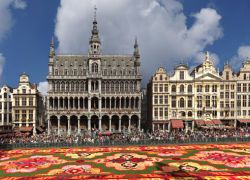
"Admire Gothic architecture in Brussels' heart."
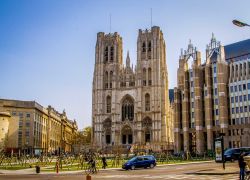
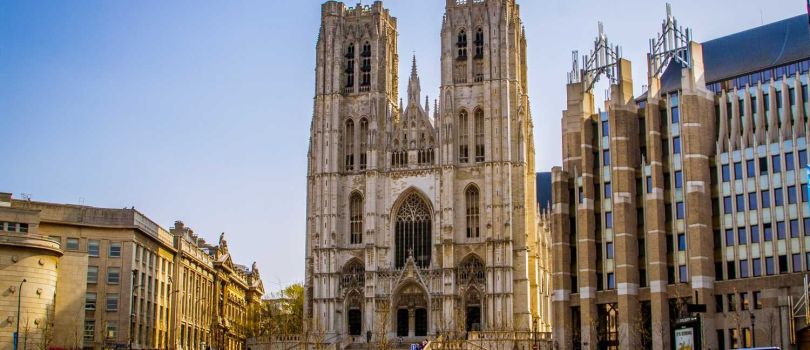
St. Gudula Cathedral, also known as the Cathedral of St. Michael and St. Gudula, is one of the most iconic and significant landmarks in Brussels, Belgium. This stunning Gothic cathedral, located in the heart of the city, is the primary religious site for Roman Catholics in Brussels. The cathedral is dedicated to St. Gudula, a 7th-century Christian saint, and St. Michael, the patron saint of the city. The cathedral’s grandeur and historical significance make it a must-visit location for both religious pilgrims and tourists.
How to Reach St. Gudula Cathedral
St. Gudula Cathedral is conveniently located in central Brussels, near the Brussels-Luxembourg train station. If you are traveling by train, you can easily reach the cathedral from Brussels Central Station, which is only a 10-minute walk away. Alternatively, you can take the Brussels Metro and get off at the "Trône" station (on Line 2), which is located just a few minutes’ walk from the cathedral. The cathedral is also within walking distance of several popular attractions, such as the Royal Palace and Parc de Bruxelles (Brussels Park), making it easy to incorporate into your sightseeing itinerary.
Weather in Brussels
The weather in Brussels is typically temperate, with cool winters and mild summers. Winter temperatures often range from 0°C to 5°C (32°F to 41°F), while summers are more moderate, with temperatures between 15°C and 25°C (59°F-77°F). Rain is common throughout the year, so visitors should come prepared with an umbrella or raincoat, especially during the spring and autumn months. The best time to visit Brussels, including St. Gudula Cathedral, is from April to October, when the weather is generally more pleasant for outdoor activities.
Why St. Gudula Cathedral is Famous
St. Gudula Cathedral is famous for both its historical and architectural significance. Its construction began in the 13th century, and the cathedral features stunning Gothic architecture, with towering spires, pointed arches, and intricate stained glass windows. The cathedral’s façade, with its two massive towers, is an iconic feature of Brussels' skyline. Inside, the cathedral is home to remarkable sculptures, a beautiful altar, and impressive stained-glass windows, many of which date back to the 16th century. The cathedral is also known for its association with the Belgian royal family, as it has hosted many important state ceremonies, including royal weddings and funerals. Its religious importance and stunning design make it one of the most visited sites in Brussels.
Things to Do at St. Gudula Cathedral
When visiting St. Gudula Cathedral, there are several activities and points of interest to explore. First, be sure to admire the cathedral's breathtaking architecture and design, both inside and out. The cathedral's interior features intricate carvings, beautiful stained glass windows, and remarkable altarpieces. The crypt is also worth visiting, as it contains the remains of saints and important figures from Brussels' history. For those interested in music, St. Gudula Cathedral hosts regular concerts and organ performances, which are a great way to experience the acoustics of the building. Visitors can also take part in a guided tour to learn more about the cathedral’s history, architecture, and significance in Brussels.
Facts and Tips About St. Gudula Cathedral
Church of Our Lady, Bruges
The Church of Our Lady (Onze-Lieve-Vrouwekerk) in Bruges is a masterpiece of Gothic architecture and one of the most important landmarks in the city. Located in the historic city center, the church is known for its towering spire and stunning art collection, including the famous Madonna and Child sculpture by Michelangelo. The church is a significant place of worship and a must-see attraction for visitors to Bruges.
How to Reach Church of Our Lady from Brussels
To reach the Church of Our Lady from Brussels, take a direct train from Brussels Central Station to Bruges, which takes approximately 1 hour. Once in Bruges, the church is just a short 10-minute walk from the station. Bruges is a pedestrian-friendly city, so it’s easy to navigate through its charming streets to reach the church.
Weather in Bruges
Bruges has a similar climate to Brussels, with mild summers and cold winters. Summer temperatures typically range from 15°C to 25°C (59°F-77°F), while winters can see temperatures drop to between 0°C and 5°C (32°F-41°F). Rain is common year-round, so visitors should bring an umbrella or raincoat, especially during the autumn and spring. The best time to visit Bruges is in the spring or summer when the weather is ideal for exploring the city’s picturesque canals and medieval streets.
Why Church of Our Lady is Famous
The Church of Our Lady is most famous for housing the Madonna and Child sculpture by Michelangelo, one of the few works by the renowned artist located outside of Italy. The sculpture was completed around 1504 and is one of the highlights of the church. In addition to the art collection, the church is also notable for its impressive Gothic architecture and its 122-meter (400 feet) tall spire, which is one of the tallest brick towers in the world. The church is also an important site for Bruges' religious history, as it is the final resting place of several prominent figures from the city’s past.
Entry and Visit Details About Church of Our Lady
The Church of Our Lady is open to visitors daily, with an entrance fee of approximately €6. Visitors can also attend regular church services, which are free to attend. For those interested in a more in-depth visit, guided tours are available, providing insight into the history, art, and architecture of the church. The church is open to visitors from early morning until evening, but it’s always advisable to check the specific opening hours, especially on religious holidays or when services are taking place.
History and Architecture of Church of Our Lady
The Church of Our Lady was built between the 13th and 15th centuries, making it one of the oldest churches in Bruges. The church’s Gothic design is characterized by soaring arches, intricate stone carvings, and stunning stained glass windows. The church’s most notable feature is its towering brick spire, which stands at 122 meters (400 feet) tall. Inside, visitors can admire the Madonna and Child sculpture, as well as other works of art, including paintings by the famous Flemish artist Hans Memling.
Things to Do at Church of Our Lady
When visiting the Church of Our Lady, don’t miss the opportunity to see Michelangelo’s Madonna and Child sculpture. Take time to explore the church’s crypt, which houses the tombs of several important figures, including members of the city’s aristocracy. Visitors can also enjoy the serene atmosphere of the church, which offers a peaceful space for reflection. For those interested in the church’s history, guided tours are available to learn more about its architecture, artwork, and role in Bruges' religious life.
Facts and Tips About Church of Our Lady