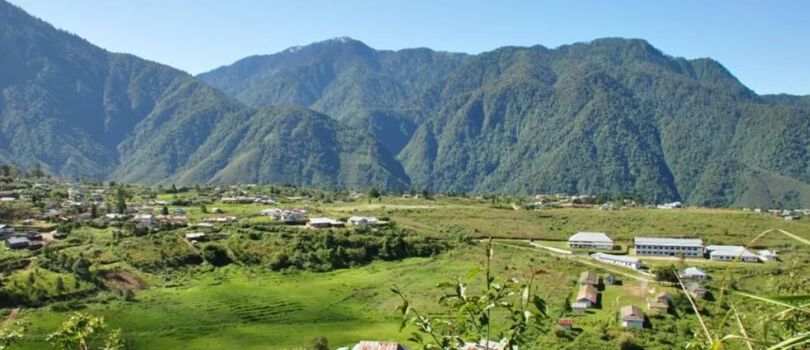
"Explore rich biodiversity in Arunachal Pradesh."
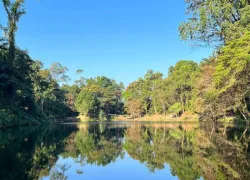
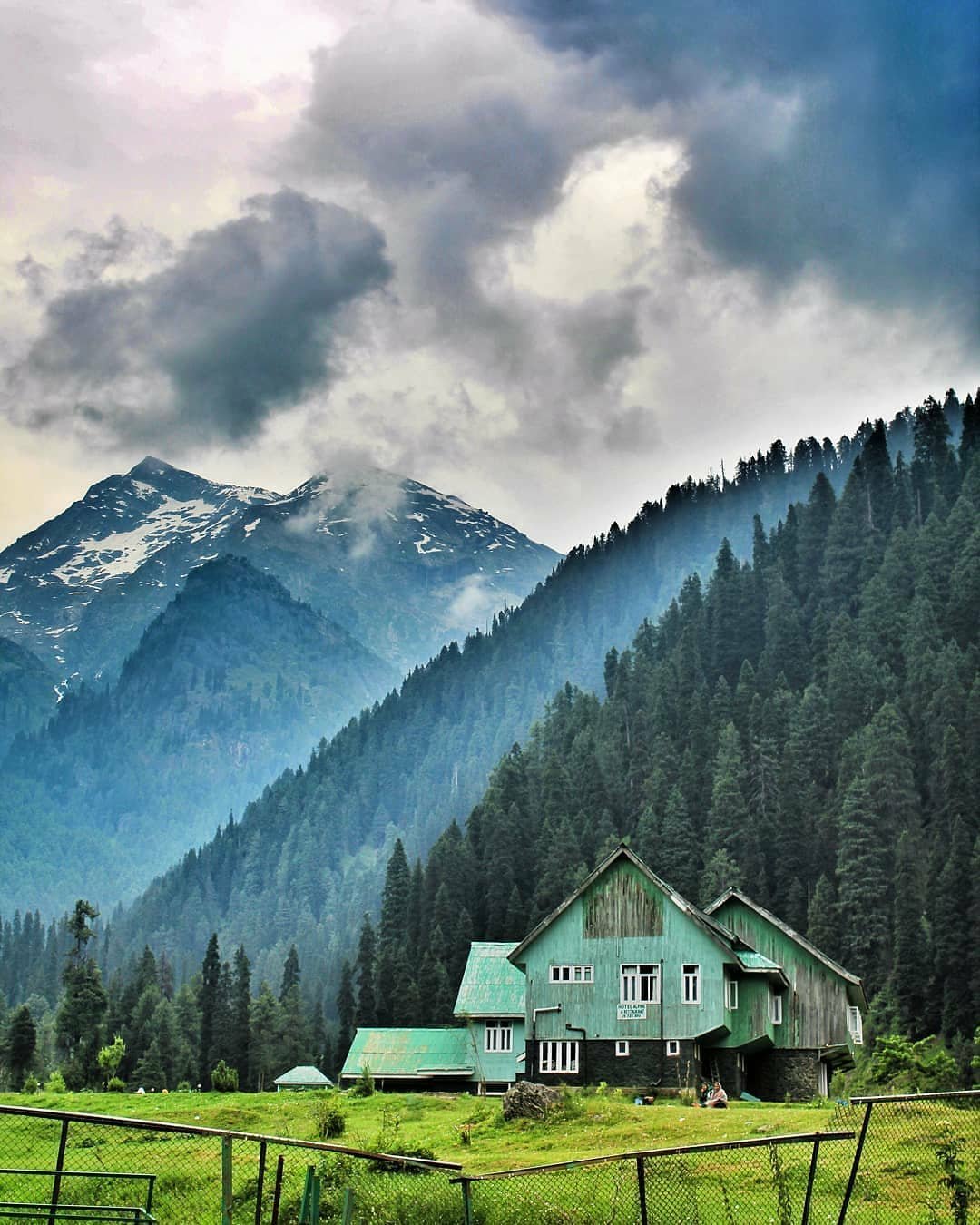
Dibang Wildlife Sanctuary is one of the largest and most remote wildlife sanctuaries in India, located in the Upper Dibang Valley district of Arunachal Pradesh. Spread across vast stretches of rugged mountains, deep valleys, alpine meadows, and dense forests, this sanctuary is a paradise for wildlife lovers, adventure seekers, and nature enthusiasts. Known for its untouched beauty and rare Himalayan species, Dibang Wildlife Sanctuary represents the raw and pristine side of Northeast India.
Why Famous for Dibang Wildlife Sanctuary, Dibang, Arunachal Pradesh?
Dibang Wildlife Sanctuary is famous for its incredible biodiversity and extreme altitudinal variation, ranging from subtropical forests to high alpine zones. It is one of the few places in India where elusive animals like the snow leopard, red panda, musk deer, and Asiatic black bear are found. The sanctuary is also well known for its rich birdlife, including rare pheasants and high-altitude Himalayan birds. Its untouched landscape and minimal human interference make it a globally significant conservation area.
History of Dibang Wildlife Sanctuary
Dibang Wildlife Sanctuary was officially notified in the year 1986 to protect the fragile ecosystem of the Upper Dibang Valley. The region has been traditionally inhabited by the Idu Mishmi tribe, who have lived in harmony with nature for centuries. Their traditional beliefs and practices have played a significant role in conserving wildlife and forests. Over time, the sanctuary gained national and international attention due to scientific discoveries of rare species and its ecological importance.
Geography and Natural Architecture
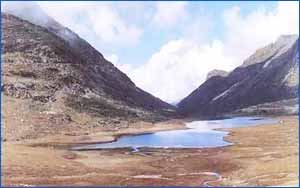
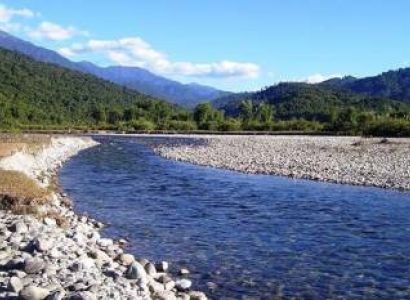
Unlike man-made monuments, the architecture of Dibang Wildlife Sanctuary is purely natural. The sanctuary covers an area of over 4,000 square kilometers, making it one of the largest protected areas in India. It features dramatic mountain ranges, snow-covered peaks, fast-flowing rivers, glacial streams, and dense forest cover. The terrain is rugged and challenging, with elevations ranging from around 1,800 meters to over 5,000 meters above sea level, creating diverse habitats within a single protected zone.
Flora and Fauna
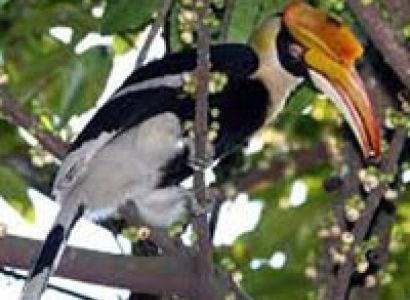
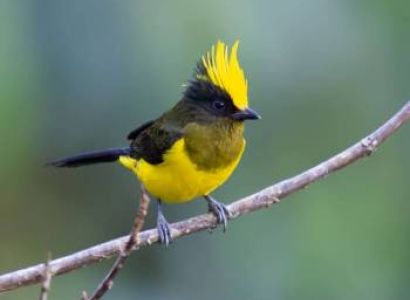
The sanctuary supports a wide range of vegetation types including tropical evergreen forests, temperate broadleaf forests, coniferous forests, and alpine meadows. These varied habitats support an extraordinary range of wildlife. Mammals such as snow leopards, clouded leopards, red pandas, musk deer, takins, and Himalayan black bears inhabit the area. Bird species include Mishmi wren-babbler, Blyth’s tragopan, Himalayan monal, and many migratory birds. Reptiles, amphibians, and rare insects further enrich the sanctuary’s biodiversity.
How to Reach Dibang Wildlife Sanctuary
Reaching Dibang Wildlife Sanctuary requires careful planning due to its remote location.
By Air: The nearest airport is Dibrugarh Airport in Assam, approximately 230 km away. From Dibrugarh, travelers can hire taxis or take shared vehicles to reach Roing or Anini.
By Rail: The nearest railway station is Tinsukia in Assam. From there, road transport is available to Roing and further towards Upper Dibang Valley.
By Road: The sanctuary is accessible by road via Roing and Anini. Roads are scenic but challenging, especially during monsoon. Inner Line Permit (ILP) is mandatory for entering Arunachal Pradesh.
Weather and Best Time to Visit
The weather in Dibang Wildlife Sanctuary varies greatly with altitude. Summers (April to June) are cool and pleasant in lower regions, while higher altitudes remain cold. Monsoon season (July to September) brings heavy rainfall, making travel difficult due to landslides. Winters (October to March) are cold, with snowfall in higher areas. The best time to visit is from October to April, when weather conditions are more stable and wildlife sightings are better.
Timing of Dibang Wildlife Sanctuary
There are no fixed daily visiting hours as Dibang Wildlife Sanctuary is a protected forest area rather than a typical tourist park. Entry is regulated by forest authorities, and visitors must follow permitted timings and routes as specified in their permits. Guided visits and research expeditions usually take place during daylight hours.
Entry and Visit Details
Entry into Dibang Wildlife Sanctuary requires prior permission from the Arunachal Pradesh Forest Department. Visitors must obtain Inner Line Permit (ILP) and additional forest entry permits. Entry fees may vary for Indian and foreign tourists. Hiring local guides is highly recommended and sometimes mandatory for safety and navigation. Camping and trekking are allowed only in designated areas with proper authorization.
Things to Do in Dibang Wildlife Sanctuary
Visitors can enjoy wildlife spotting, birdwatching, trekking, and nature photography. The sanctuary offers challenging trekking routes through alpine landscapes and forest trails. Cultural interaction with the Idu Mishmi tribe provides insights into traditional lifestyles and conservation practices. Researchers and nature lovers can explore rare flora and fauna, while adventure seekers enjoy the raw wilderness experience.
Facts about Dibang Wildlife Sanctuary
Dibang Wildlife Sanctuary is one of the least disturbed wildlife habitats in India. It is part of the Eastern Himalayan biodiversity hotspot. The sanctuary plays a crucial role in climate regulation and water conservation for the region. It is also considered an important area for scientific research due to its unique species and ecosystems.
Tips for Visiting Dibang Wildlife Sanctuary
Visitors should carry warm clothing throughout the year due to unpredictable weather. Hiring experienced local guides is essential for safety. Carry basic medical supplies, as healthcare facilities are limited. Mobile network connectivity is weak or unavailable, so inform family in advance. Respect local customs, wildlife, and forest rules to help preserve this fragile ecosystem.
Conclusion
Dibang Wildlife Sanctuary is a true hidden gem of Arunachal Pradesh, offering unmatched wilderness and biodiversity. Its remote location, breathtaking landscapes, and rare wildlife make it a dream destination for serious nature lovers and explorers. A visit to Dibang Wildlife Sanctuary is not just a journey into nature but also an experience of harmony between humans and the environment.








Dibang
Dibang
Dibang
Dibang
Dibang
Dibang
Dibang
Dibang
Dibang