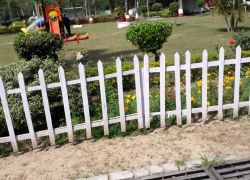
Kharga Park is a well-known recreational park located in Ambala Cantonment, Haryana. Popular among local residents, families, morning walkers, and tourists, the park is known for its lush greenery, open spaces, peaceful environment, and well-maintained walking tracks. It serves as an ideal destination for relaxation, outdoor exercise, picnics, and spending quality time with family and friends. Situated in the cantonment area, Kharga Park offers a refreshing natural atmosphere away from the busy city roads. The park is especially popular in the mornings and evenings when visitors come here for jogging, yoga, exercise, and leisure walks. Its clean surroundings and family-friendly environment make it one of the preferred public parks in Ambala. Why is Kharga Park Famous? Kharga Park is famous for: • Green lawns and landscaped gardens • Walking and jogging tracks • Family-friendly picnic atmosphere • Peaceful environment in Ambala Cantonment • Fitness and outdoor recreation • Children’s play areas The park is widely appreciated for offering a healthy and relaxing outdoor space in the city. History of Kharga Park Kharga Park was developed as a public recreational area within Ambala Cantonment to provide green open space for residents, army families, and visitors. Over the years, it has become one of the popular leisure destinations in the city. The cantonment region of Ambala has long been known for its organized planning, clean roads, greenery, and open spaces. Kharga Park reflects this urban planning approach by offering a peaceful park environment for public use. Today, the park continues to function as an important community space for relaxation and health activities. Landscape and Park Design Kharga Park is designed as a modern urban park with landscaped gardens and visitor-friendly amenities. Main features include: • Large green lawns • Walking and jogging paths • Flower beds and decorative plants • Benches and seating areas • Children’s play zone • Open exercise spaces The park layout is spacious and suitable for visitors of all age groups. Weather at Kharga Park Summer (April to June): 30°C to 42°C. Early morning or evening visits are recommended. Monsoon (July to September): 25°C to 34°C with greener surroundings. Winter (October to February): 8°C to 22°C, which is the best time to visit. The ideal time to visit Kharga Park is from October to March. Kharga Park Timings Opening Time: 5:00 AM to 6:00 AM Closing Time: 8:00 PM to 9:00 PM Timings may vary slightly depending on season and local management rules. Morning and evening are the most popular visiting hours. Entry Fee and Visit Details Entry Fee: Free or nominal entry fee depending on local management. Parking: Parking facilities may be available nearby. Suggested Visit Duration: 1 to 2 hours The park is suitable for daily visits, short family outings, and fitness routines. How to Reach Kharga Park, Ambala, Haryana By Air The nearest airport is Chandigarh International Airport, around 45 km away. By Train The nearest railway station is Ambala Cantonment Railway Station, located close to the park. Local autos and taxis are easily available from the station. By Road Kharga Park is located within Ambala Cantonment and is easily accessible by road. Distance from nearby cities: • Chandigarh – 45 km • Kurukshetra – 40 km • Karnal – 80 km • Delhi – 200 km Private vehicles, taxis, and buses are available regularly. Things to Do at Kharga Park 1. Morning Walk and Jogging Use the walking tracks for exercise and fitness. 2. Family Picnic Relax with family on the lawns and open areas. 3. Yoga and Meditation Practice yoga or meditation in peaceful surroundings. 4. Children’s Activities Kids can enjoy the play area and open spaces. 5. Photography Capture greenery, flowers, and park landscapes. Interesting Facts About Kharga Park • Popular urban park in Ambala Cantonment • Frequented by local residents daily • Ideal for jogging, yoga, and relaxation • Family-friendly recreational destination • Known for clean and green environment Travel Tips for Visitors Useful travel tips: • Visit early morning or evening • Carry water bottle in summer • Wear comfortable walking shoes • Keep park clean and avoid littering • Supervise children in play areas • Carry camera for photography Nearby Attractions Visitors can also explore nearby attractions such as: • St. Paul Church • Ambala Cloth Market • Rani Ka Talab Mandir • Sis Ganj Gurudwara • Ambala Cantonment Market Conclusion Kharga Park, Ambala, Haryana is a relaxing and refreshing destination ideal for families, fitness enthusiasts, and tourists looking for greenery and peaceful surroundings in the city. Whether you want to enjoy a morning walk, family outing, picnic, or simply spend time outdoors, Kharga Park offers a pleasant recreational experience in Ambala.
Explore More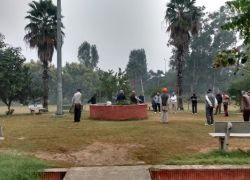
Herbal Park in Ambala, Haryana is a peaceful eco-tourism and educational destination designed to promote awareness about medicinal plants, nature conservation, and healthy living. Surrounded by greenery and well-maintained landscapes, the park attracts nature lovers, students, families, researchers, and tourists who are interested in herbal plants and environmental education. The park is known for its collection of medicinal herbs, walking paths, natural beauty, and relaxing atmosphere. It serves as both a recreational space and a knowledge center where visitors can learn about the importance of Ayurveda, herbal medicine, and biodiversity. Herbal Park is an excellent destination for a calm outing away from the city’s busy lifestyle. Why is Herbal Park Famous? Herbal Park is famous for: • Collection of medicinal and herbal plants • Educational value related to Ayurveda and herbal science • Green landscapes and walking tracks • Family-friendly eco-tourism destination • Peaceful natural environment • Photography and nature exploration The park is particularly popular among students, health enthusiasts, and people interested in medicinal plants. History of Herbal Park Herbal Park was developed as part of environmental awareness and green tourism initiatives in Haryana. The aim behind creating the park was to conserve medicinal plant species while educating the public about their health benefits and traditional uses. With the increasing importance of Ayurveda, natural remedies, and biodiversity conservation, Herbal Park has become an important educational attraction in Ambala. Today, the park serves as a center where visitors can explore different species of herbs and understand their medicinal significance. Landscape and Park Design Herbal Park is designed as an eco-friendly landscaped park with botanical and recreational features. Main features include: • Herbal plant sections • Labeled medicinal plants • Walking and jogging tracks • Green lawns • Seating areas and benches • Nature-friendly surroundings The park layout is spacious and organized, making it comfortable for educational tours and family visits. Weather at Herbal Park Summer (April to June): 30°C to 42°C. Morning visits are recommended. Monsoon (July to September): 25°C to 34°C with lush greenery. Winter (October to February): 8°C to 22°C, which is the best season to visit. The ideal time to visit Herbal Park is from October to March. Herbal Park Timings Opening Time: 6:00 AM to 7:00 AM Closing Time: 6:00 PM to 7:00 PM Timings may vary depending on local park management and seasonal changes. Morning and evening are considered the best visiting hours. Entry Fee and Visit Details Entry Fee: Free or nominal charges depending on park policies. Parking: Parking facilities may be available nearby. Suggested Visit Duration: 1 to 2 hours The park is suitable for educational trips, family outings, and leisure walks. How to Reach Herbal Park, Ambala, Haryana By Air The nearest airport is Chandigarh International Airport, approximately 45 km away. By Train The nearest railway station is Ambala Cantonment Railway Station, well connected to major cities. Local autos, taxis, and rickshaws are available from the station. By Road Herbal Park is easily accessible by road from different parts of Ambala. Distance from nearby cities: • Chandigarh – 45 km • Kurukshetra – 40 km • Karnal – 80 km • Delhi – 200 km Buses, taxis, and private vehicles are convenient options. Things to Do at Herbal Park 1. Explore Medicinal Plants Learn about different herbs and their traditional uses. 2. Nature Walks Enjoy peaceful walks through green pathways. 3. Photography Capture beautiful gardens, flowers, and plant collections. 4. Educational Visits Students and researchers can study medicinal plant species. 5. Relaxation Spend quality time in a calm natural environment. Interesting Facts About Herbal Park • Promotes awareness about Ayurveda and herbal medicine • Features medicinal plant collections • Eco-friendly recreational destination • Popular for educational trips • Suitable for families and health enthusiasts Travel Tips for Visitors Useful travel tips: • Visit during morning or evening hours • Carry water bottle • Wear comfortable walking shoes • Avoid littering • Carry camera for photography • Visit during winter for best experience Nearby Attractions Visitors can also explore nearby attractions such as: • Kharga Park • St. Paul Church • Ambala Cloth Market • Rani Ka Talab Mandir • Ambala Cantonment Market Conclusion Herbal Park, Ambala, Haryana is an ideal destination for travelers who appreciate greenery, medicinal plants, nature walks, and environmental education. With its peaceful atmosphere and educational value, the park offers a refreshing experience for visitors of all age groups. Whether you are a student, health enthusiast, family traveler, or nature lover, Herbal Park is worth adding to your Ambala travel itinerary.
Explore More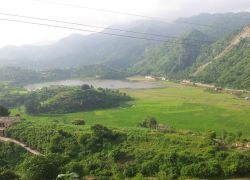
Morni Hills is the only hill station in Haryana and one of the most beautiful tourist destinations near Chandigarh and Panchkula. Located in the Shivalik range of the Himalayas, Morni Hills is known for its scenic landscapes, lush greenery, peaceful lakes, adventure activities, and cool climate. It is a perfect getaway for nature lovers, trekkers, families, couples, and weekend travelers looking to escape city life. Situated at an altitude of around 1,220 meters above sea level, Morni Hills offers panoramic mountain views, dense forests, pleasant weather, and multiple outdoor activities. The destination is named after a queen believed to have once ruled the region. Morni Hills is one of the most visited natural attractions in Haryana and attracts tourists throughout the year. Why is Morni Hills Famous? Morni Hills is famous for: • Only hill station in Haryana • Beautiful mountain landscapes • Tikkar Taal lakes • Trekking and adventure activities • Boating and nature tourism • Pleasant weather throughout the year • Weekend getaway near Chandigarh The destination is especially popular among travelers seeking nature, adventure, and relaxation. History of Morni Hills The name Morni is believed to come from a queen who once ruled the area. Historically, the region has cultural and mythological significance, with ancient temples and local folklore connected to the hills. Morni Hills remained relatively untouched for many years and was primarily inhabited by local communities. Over time, the Haryana government developed tourism infrastructure in the area to promote eco-tourism and adventure tourism. Today, Morni Hills has become a major tourist destination in North India, especially for visitors from Haryana, Punjab, Delhi, and Chandigarh. Natural Landscape and Environment Morni Hills is more famous for natural beauty than architecture. Main natural attractions include: • Forest-covered hills • Scenic valleys • Tikkar Taal lakes • Mountain viewpoints • Nature trails • Wildlife and birdwatching spots The area offers a peaceful environment ideal for eco-tourism and outdoor recreation. Weather at Morni Hills Summer (April to June): 18°C to 32°C with pleasant mornings and evenings. Monsoon (July to September): 18°C to 28°C with lush greenery and rainfall. Winter (October to February): 5°C to 18°C with cold and refreshing weather. The best time to visit Morni Hills is from September to March. Morni Hills Timings Open: 24 hours (hill destination) Individual attractions and activities within Morni Hills may have separate timings. Boating and activity zones generally operate from 9:00 AM to 5:00 PM. Entry Fee and Visit Details Entry Fee: No general entry fee for Morni Hills. Boating Charges: Separate charges applicable at lakes. Adventure Activities: Charges vary depending on activity. Parking: Paid parking may be available. Suggested Visit Duration: Half day to 2 days Visitors often stay overnight to enjoy the hill station experience. How to Reach Morni Hills, Panchkula, Haryana By Air The nearest airport is Chandigarh International Airport, around 50 km away. By Train The nearest railway station is Chandigarh Railway Station, approximately 45 km away. Panchkula and Kalka railway stations are also convenient. By Road Morni Hills is well connected by road from Panchkula and Chandigarh. Distance from nearby cities: • Panchkula – 35 km • Chandigarh – 45 km • Pinjore – 40 km • Delhi – 260 km Taxis, buses, bikes, and self-drive cars are common travel options. Things to Do at Morni Hills 1. Visit Tikkar Taal Enjoy boating and scenic lake views. 2. Trekking Explore trekking trails and forest routes. 3. Adventure Activities Try ziplining, rope activities, rock climbing, and more. 4. Bird Watching Spot local birds and wildlife species. 5. Photography Capture mountains, lakes, forests, and sunsets. 6. Camping Enjoy overnight camping and outdoor experiences. Interesting Facts About Morni Hills • Only hill station in Haryana • Located in Shivalik range • Famous weekend getaway from Chandigarh • Named after a local queen • Popular for lakes and adventure tourism Travel Tips for Visitors Useful travel tips: • Carry light jackets in winter • Wear comfortable trekking shoes • Carry water and snacks • Book accommodation in advance on weekends • Visit early for less crowd • Drive carefully on hilly roads Nearby Attractions Visitors can also explore nearby attractions such as: • Tikkar Taal • Adventure Park Morni • Gurudwara Nada Sahib • Pinjore Gardens • Kaushalya Dam Conclusion Morni Hills, Panchkula, Haryana is a perfect destination for travelers seeking nature, adventure, relaxation, and scenic mountain beauty. With its lakes, forests, trekking routes, and pleasant climate, it remains one of the top tourist attractions in Haryana. Whether you are planning a weekend trip, family vacation, or adventure getaway, Morni Hills offers an unforgettable travel experience near Chandigarh and Panchkula.
Explore More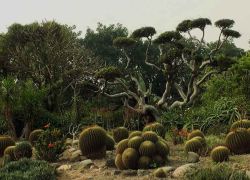
Cactus Garden, officially known as the National Cactus and Succulent Botanical Garden and Research Centre, is one of the most unique tourist attractions in Panchkula, Haryana. Located in Sector 5, Panchkula, this garden is famous for having one of Asia’s largest collections of cacti and succulent plants. Spread across a large landscaped area, the garden attracts nature lovers, botanists, students, photographers, and tourists throughout the year. The garden is not just a tourist spot but also an important center for plant conservation, research, and environmental awareness. With thousands of rare species of desert plants, decorative landscapes, rock arrangements, and themed sections, Cactus Garden offers a refreshing and educational experience. It is a must-visit destination for travelers exploring Panchkula and nearby Chandigarh. Why is Cactus Garden Famous? Cactus Garden is famous for: • One of Asia’s largest cactus gardens • Huge collection of cacti and succulents • Rare and exotic desert plants • Botanical research and conservation center • Beautiful landscaped gardens • Educational and photography destination The garden is especially popular among plant enthusiasts and tourists looking for something different from traditional parks. History of Cactus Garden Cactus Garden was established in 1987 by the Haryana Urban Development Authority (HUDA) to conserve endangered cactus and succulent species while promoting botanical awareness. The aim behind creating the garden was to protect rare desert plants from extinction and provide a research platform for students and scientists. Over the years, the garden expanded significantly and became one of the most important botanical attractions in India. Today, it houses thousands of plant species from different regions of the world. Garden Layout and Design Cactus Garden is thoughtfully designed with specialized plant sections and landscaped pathways. Main features include: • Cactus sections • Succulent collections • Rock gardens • Greenhouses • Walking paths • Water features and fountains • Educational signage The layout allows visitors to comfortably explore different species while learning about their characteristics and habitats. Weather at Cactus Garden Summer (April to June): 28°C to 40°C. Morning visits recommended. Monsoon (July to September): 24°C to 32°C with pleasant greenery. Winter (October to February): 7°C to 22°C, ideal for visiting. The best time to visit is from October to March. Cactus Garden Timings Opening Time: 8:00 AM Closing Time: 6:00 PM Timings may vary slightly depending on season and holidays. Morning and evening visits offer the most comfortable weather. Entry Fee and Visit Details Entry Fee: Usually free or nominal entry fee. Photography: Allowed for personal use. Parking: Parking available nearby. Suggested Visit Duration: 1 to 2 hours The garden is suitable for solo travelers, families, students, and educational tours. How to Reach Cactus Garden, Panchkula, Haryana By Air The nearest airport is Chandigarh International Airport, approximately 18 km away. By Train The nearest railway station is Chandigarh Railway Station, around 8 km away. Panchkula and Kalka railway stations are also nearby. By Road Cactus Garden is located in Sector 5, Panchkula and is easily accessible by road. Distance from nearby locations: • Chandigarh – 8 km • Panchkula Bus Stand – 3 km • Mansa Devi Temple – 6 km • Delhi – 250 km Taxis, autos, buses, and private vehicles are readily available. Things to Do at Cactus Garden 1. Explore Rare Plant Species Discover thousands of cactus and succulent varieties. 2. Photography Capture unusual plant shapes, flowers, and landscapes. 3. Educational Learning Learn about desert plants and conservation efforts. 4. Nature Walk Enjoy peaceful walks through themed sections. 5. Family Outing Spend quality time in a green and educational environment. Interesting Facts About Cactus Garden • Established in 1987 • One of Asia’s largest cactus gardens • Houses thousands of plant species • Research and conservation center • Popular educational tourism spot Travel Tips for Visitors Useful travel tips: • Visit in morning or evening • Wear comfortable walking shoes • Carry water bottle • Avoid touching cactus plants • Carry camera for photography • Visit during winter for best experience Nearby Attractions Visitors can also explore nearby attractions such as: • Mansa Devi Temple • Gurudwara Nada Sahib • Morni Hills • Pinjore Gardens • Chandigarh Rock Garden Conclusion Cactus Garden, Panchkula, Haryana is a unique and educational tourist attraction that combines botanical beauty, environmental awareness, and leisure. With its rare plant collections, scenic layout, and peaceful atmosphere, it offers a memorable experience for visitors of all ages. Whether you are a plant enthusiast, student, photographer, or casual traveler, Cactus Garden is a must-visit destination in Panchkula.
Explore More
Jurasik Park Inn is one of the most popular amusement and water parks in Haryana, located in Sonipat along the GT Karnal Road. Known for its thrilling water rides, adventure activities, family-friendly attractions, and unique dinosaur-themed design, Jurasik Park Inn is a favorite weekend destination for visitors from Delhi, Haryana, Punjab, and nearby states. Spread across a large area, the park offers a perfect mix of entertainment, relaxation, and adventure for visitors of all age groups. Whether you are looking for exciting roller coasters, fun water slides, rain dance zones, or relaxing pools, Jurasik Park Inn has something for everyone. Its convenient location near Delhi makes it a popular getaway for families, school groups, corporate outings, and tourists. Why is Jurasik Park Inn Famous? Jurasik Park Inn is famous for its dinosaur-themed amusement park, large water park, and adventure attractions. The park is designed around prehistoric dinosaur concepts, making it visually attractive and fun for children and families. Major attractions include: • Water slides and pools • Wave pool • Rain dance zone • Adventure rides • Dinosaur statues and themed décor • Kids’ play areas It is especially popular during summer when visitors come to enjoy water activities and beat the heat. History of Jurasik Park Inn Jurasik Park Inn was developed as a modern entertainment destination to provide amusement and water-based recreation near Delhi NCR and Haryana. With increasing demand for family entertainment and adventure parks, the management created a dinosaur-themed park combining water attractions, thrill rides, and resort-style facilities. Over the years, it has become one of the best-known amusement parks in the region. Architecture and Design The park’s architecture follows a fun and vibrant entertainment theme with prehistoric elements. Architectural highlights include: • Dinosaur-themed entrance • Giant dinosaur sculptures • Water park infrastructure • Colorful amusement zones • Spacious resort-style layout • Food courts and seating areas The park combines modern recreational design with playful prehistoric visuals. How to Reach Jurasik Park Inn By Air: Nearest airport is Indira Gandhi International Airport, Delhi, approximately 55 km away. By Train: Nearest railway station is Sonipat Railway Station, around 15 km from the park. By Road: Jurasik Park Inn is located on GT Karnal Road (NH 44) and is easily accessible by car, taxi, bus, and private transport from Delhi and Haryana. Distance from major cities: • Sonipat: 15 km • Delhi: 35 km • Panipat: 40 km • Chandigarh: 210 km Weather at Jurasik Park Inn Summer (March to June): Temperature ranges between 30°C to 43°C. Best time for water rides. Monsoon (July to September): Pleasant weather with occasional rain. Winter (October to February): Temperature ranges from 8°C to 22°C. Water activities may be limited depending on season. Timings of Jurasik Park Inn The park usually operates daily. Opening Time: 10:30 AM Closing Time: 6:30 PM Water rides and amusement rides may have separate operational timings. Entry Fee and Visit Details Entry charges vary depending on age group, season, and package. Approximate Ticket Prices: • Adults: INR 900 – 1200 • Children: INR 600 – 900 • Senior citizens/group packages: Special discounts may apply Packages may include: • Water park access • Amusement rides • Meal packages (optional) Visitors should verify latest ticket prices before visiting. Things to Do at Jurasik Park Inn 1. Enjoy Water Slides Experience thrilling water rides and slides. 2. Relax in Wave Pool Enjoy artificial wave pool fun with family. 3. Rain Dance Dance under water showers with music. 4. Adventure Rides Try amusement rides and thrill attractions. 5. Kids Activities Children can enjoy safe rides and themed play zones. 6. Photography Capture dinosaur sculptures and fun moments. Interesting Facts About Jurasik Park Inn • One of Haryana’s most popular water parks. • Located near Delhi NCR. • Dinosaur-themed park concept. • Ideal for school trips and family outings. • Offers both amusement and water park attractions. Travel Tips for Visitors • Carry swimwear and extra clothes. • Visit on weekdays for fewer crowds. • Book tickets online during weekends or holidays. • Apply sunscreen during summer visits. • Follow ride safety instructions carefully. Best Time to Visit Jurasik Park Inn The best time to visit is from April to September for water activities. Summer is peak season due to high temperatures and demand for water attractions. Nearby Attractions Visitors can also explore: • Murthal food hubs • Khwaja Khizr Tomb • Tilyar Lake • Sonipat city attractions Conclusion Jurasik Park Inn is a fantastic entertainment destination in Sonipat, Haryana, perfect for adventure seekers, families, and children. With thrilling rides, exciting water attractions, dinosaur-themed décor, and fun-filled activities, it offers a memorable day trip near Delhi NCR. If you are planning a refreshing outing with family or friends, Jurasik Park Inn is definitely worth visiting.
Explore More
Mojoland Adventure Park is one of the most exciting entertainment destinations in Sonipat, Haryana, offering a perfect blend of adventure rides, water activities, snow experiences, and family-friendly attractions. Located on GT Karnal Road near Murthal, Mojoland has become a popular weekend getaway for visitors from Delhi NCR, Haryana, Punjab, and nearby regions. The park is widely known for combining multiple entertainment zones in one place, including a water park, amusement park, adventure park, and snow park. This variety makes it suitable for families, school trips, corporate outings, and groups of friends looking for a fun-filled day. Its easy accessibility from Delhi and modern facilities have made Mojoland one of the top recreational attractions in Haryana. Why is Mojoland Adventure Park Famous? Mojoland Adventure Park is famous for its multi-theme entertainment zones and adventure experiences. Unlike traditional amusement parks, Mojoland offers visitors several unique attractions under one ticket or package. Major attractions include: • Water park rides and slides • Snow park experience • Adventure sports • Amusement rides • Rain dance zones • Family entertainment activities It is particularly famous for offering an artificial snow experience, which is rare in this region and highly attractive during summer. History of Mojoland Adventure Park Mojoland was developed as a modern entertainment and adventure destination near Delhi NCR to meet the growing demand for family recreation and adventure tourism. Its concept was designed around providing diverse entertainment experiences in a single location, making it convenient for day trips and group outings. Over time, the park expanded its attractions and became a preferred destination for visitors from Delhi, Sonipat, Panipat, and Chandigarh routes. Architecture and Layout Mojoland features colorful modern recreational architecture with separate themed zones. Architectural highlights include: • Water park infrastructure • Snow-themed indoor zone • Adventure activity setups • Spacious food courts • Landscaped open spaces • Organized entry and visitor facilities Its layout is designed to allow easy movement between multiple attractions. How to Reach Mojoland Adventure Park By Air: Nearest airport is Indira Gandhi International Airport, Delhi, approximately 55 km away. By Train: Nearest railway station is Sonipat Railway Station, located around 18 km away. By Road: Mojoland is situated on GT Karnal Road near Murthal, making it easily accessible by buses, taxis, and private vehicles. Distance from major cities: • Sonipat: 18 km • Delhi: 40 km • Panipat: 35 km • Chandigarh: 205 km Weather at Mojoland Adventure Park Summer (March to June): Temperature ranges from 30°C to 43°C. Water rides are most popular during this season. Monsoon (July to September): Pleasant weather with occasional rainfall. Winter (October to February): Temperature ranges between 8°C to 22°C. Snow park remains a major attraction. Timings of Mojoland Adventure Park The park usually remains open daily. Opening Time: 10:00 AM Closing Time: 7:00 PM Snow park and some activities may have separate schedules. Entry Fee and Visit Details Ticket prices vary depending on selected zones and package. Approximate Ticket Charges: • Adults: INR 1000 – 1500 • Children: INR 700 – 1200 • Group discounts available Packages may include: • Water park entry • Snow park access • Adventure park activities • Meal packages (optional) Online booking is recommended during weekends and holidays. Things to Do at Mojoland Adventure Park 1. Enjoy Water Rides Experience slides, pools, and wave attractions. 2. Visit Snow Park Enjoy artificial snow, snow slides, and winter-themed activities. 3. Adventure Sports Participate in rope activities, climbing, and adventure challenges. 4. Rain Dance Dance under showers with music and lights. 5. Family Recreation Spend quality time with children and family members. 6. Photography Capture memorable moments across themed zones. Interesting Facts About Mojoland Adventure Park • Offers snow park experience in Haryana. • Located near popular Murthal food zone. • Combines water, snow, and adventure parks. • Popular among Delhi NCR visitors. • Great for school and corporate outings. Travel Tips for Visitors • Carry swimwear and extra clothes. • Bring warm clothing for snow park. • Book tickets online in advance. • Visit on weekdays for fewer crowds. • Follow safety instructions for rides and adventure sports. Nearby Attractions Visitors can also explore: • Murthal famous dhabas • Jurasik Park Inn • Tilyar Lake • Sonipat city attractions Best Time to Visit Mojoland Adventure Park The best time to visit is from April to September for water activities, while the snow park can be enjoyed throughout the year. Conclusion Mojoland Adventure Park is one of the best entertainment destinations in Sonipat, Haryana, offering adventure, water fun, snow experiences, and family recreation all in one place. Whether you are planning a weekend outing, family vacation, school trip, or group adventure, Mojoland provides a memorable experience for visitors of all ages.
Explore More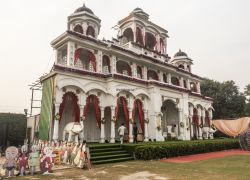
Kanak Garden is a popular leisure and event destination in Sonipat, Haryana, known for its spacious lawns, landscaped surroundings, and family-friendly atmosphere. It serves as both a recreational venue and a preferred location for weddings, social gatherings, celebrations, and local events. Visitors looking for a peaceful outdoor environment or an elegant venue in Sonipat often consider Kanak Garden a convenient option. Located within accessible distance from the city center, Kanak Garden is appreciated for its greenery, open spaces, decorative landscaping, and organized facilities. It is suitable for casual visits, event hosting, and spending relaxed time with family or friends. Why is Kanak Garden Famous? Kanak Garden is famous for its beautiful green lawns, event facilities, and pleasant environment. It is especially popular as a venue for weddings, receptions, parties, and family functions in Sonipat. The garden is known for: • Spacious landscaped lawns • Event hosting facilities • Decorative lighting and ambiance • Family gatherings and celebrations • Relaxing outdoor environment Its well-maintained surroundings make it attractive for both daytime and evening visits. History of Kanak Garden Kanak Garden was developed as a modern outdoor venue to cater to the increasing demand for organized event spaces and leisure venues in Sonipat. As Sonipat expanded as a residential and commercial city near Delhi NCR, venues like Kanak Garden became increasingly popular for hosting private and community events. Over time, it has gained recognition as a convenient and attractive event destination. Architecture and Layout Kanak Garden features practical landscape architecture designed for outdoor gatherings and comfort. Architectural and layout highlights include: • Large green lawns • Decorative pathways • Seating arrangements • Lighting installations • Event stage areas • Parking facilities The venue is designed to support both casual visits and large-scale functions. How to Reach Kanak Garden By Air: Nearest airport is Indira Gandhi International Airport, Delhi, approximately 50 km away. By Train: Nearest railway station is Sonipat Railway Station, located around 5–8 km away depending on route. By Road: Kanak Garden is easily accessible through Sonipat city roads and can be reached by local buses, taxis, auto-rickshaws, and private vehicles. Distance from major locations: • Sonipat Bus Stand: 5 km • Delhi: 45 km • Panipat: 45 km • Chandigarh: 210 km Weather at Kanak Garden Summer (March to June): Temperature ranges between 30°C to 43°C. Monsoon (July to September): Pleasant weather with occasional rain and greener surroundings. Winter (October to February): Temperature ranges from 7°C to 22°C, making it ideal for outdoor events. Timings of Kanak Garden Kanak Garden generally remains open depending on event schedules and visitor timings. Opening Time: 9:00 AM Closing Time: 10:00 PM Timings may vary during private functions or special bookings. Entry Fee and Visit Details General access policies may vary depending on events or bookings. Entry Fee: • Casual visits: Usually free or nominal charges • Event bookings: Charges applicable as per package Visitors planning events should contact management for updated pricing. Things to Do at Kanak Garden 1. Relax in Green Surroundings Enjoy open lawns and peaceful outdoor atmosphere. 2. Attend Events Participate in weddings, receptions, and celebrations. 3. Photography Capture decorative landscapes and event décor. 4. Family Gatherings Spend quality time during social functions. 5. Evening Visits Experience illuminated ambiance and cooler weather. Interesting Facts About Kanak Garden • Popular event venue in Sonipat. • Frequently used for weddings and receptions. • Features landscaped lawns and decorative lighting. • Conveniently located near city areas. • Suitable for both personal and community events. Travel Tips for Visitors • Confirm event schedules before visiting. • Visit during evening for better ambiance. • Carry light clothing in summer. • Book in advance for functions or events. • Follow venue guidelines during private events. Nearby Attractions Visitors can also explore: • Ancient Pandav Place • Khwaja Khizr Tomb • Mama Bhanja Dargah • Murthal famous dhabas Best Time to Visit Kanak Garden The best time to visit Kanak Garden is from October to March, when weather conditions are cool and ideal for outdoor activities and events. Conclusion Kanak Garden is a pleasant and functional outdoor destination in Sonipat, Haryana, offering beautiful green surroundings, event hosting facilities, and a relaxing environment. Whether you are attending a social function, planning a gathering, or simply looking for an open leisure space, Kanak Garden provides a comfortable and enjoyable experience in the city.
Explore More
Joygaon Picnic Park is a delightful recreational destination located in Jhajjar, Haryana. The park offers a perfect blend of nature, fun, and adventure, making it an ideal getaway for families, school groups, and corporate teams. Known for its lush greenery, outdoor activities, and serene ambiance, Joygaon Picnic Park provides an excellent opportunity for visitors to relax, enjoy nature, and participate in various recreational activities. Whether you're looking for a peaceful retreat, a day of fun-filled activities, or a venue for team-building events, Joygaon Picnic Park offers something for everyone. The park is especially popular for its picnic spots, vast open spaces, and easy access from nearby cities like Delhi, Gurugram, and Rohtak. Why is Joygaon Picnic Park Famous? Joygaon Picnic Park is famous for: • Peaceful environment and scenic views • Variety of outdoor recreational activities • Ideal for family outings and picnics • Picnic spots with modern amenities • Adventure activities like ziplining and rope courses • Cultural performances and events during weekends The park is known for providing a safe, enjoyable, and family-friendly environment for visitors of all ages. History of Joygaon Picnic Park Joygaon Picnic Park was developed as a recreational area to provide people with a place to escape the hustle and bustle of city life and experience nature. Over the years, it has become a popular spot for picnics, family outings, school excursions, and corporate events. Designed to offer a mix of natural beauty and modern amenities, the park has gradually gained popularity among people looking for short, affordable getaways. Natural Landscape and Features The park is characterized by its well-maintained green lawns, shady trees, and spacious open areas, ideal for outdoor games and relaxation. The landscape includes: • Lush gardens and lawns • Large open spaces for picnics and activities • Peaceful walking trails • Small lakes and water bodies • Adventure activity zones The park’s natural beauty makes it a great place to relax, take leisurely walks, and enjoy nature. Weather at Joygaon Picnic Park Summer (April to June): 28°C to 40°C. Early morning or evening visits are recommended. Monsoon (July to September): 25°C to 32°C with lush green surroundings. Winter (October to February): 8°C to 22°C, ideal for outdoor activities and picnics. The best time to visit is from October to March, when the weather is cool and pleasant. Joygaon Picnic Park Timings Opening Time: 9:00 AM Closing Time: 6:00 PM The park remains open throughout the week, though some services may be unavailable on specific holidays or during maintenance. Entry Fee and Visit Details Entry Fee: The entry fee is nominal, typically inclusive of access to picnic areas and basic facilities. Package Options: The park offers various packages that may include adventure activities, meals, and organized events. Parking: Adequate parking space is available for visitors' convenience. Suggested Visit Duration: 4 to 6 hours, depending on activities planned. Advance booking is advised for large groups, especially during weekends and holidays. How to Reach Joygaon Picnic Park, Jhajjar, Haryana By Air The nearest airport is Indira Gandhi International Airport, Delhi, about 60 km away from Joygaon Picnic Park. By Train The nearest railway station is Jhajjar Railway Station, approximately 15 km away from the park. By Road Joygaon Picnic Park is easily accessible by road from nearby cities, including Delhi, Gurugram, and Rohtak. Distance from nearby cities: • Delhi – 60 km • Gurugram – 45 km • Rohtak – 35 km Private vehicles, taxis, and buses are common modes of transportation to the park. Things to Do at Joygaon Picnic Park 1. Enjoy a Picnic Relax with family and friends in the park’s designated picnic spots, with food and refreshments available on-site. 2. Adventure Activities Try ziplining, rope courses, and other outdoor activities that bring excitement to your visit. 3. Participate in Cultural Events Attend traditional music, dance performances, and other cultural activities hosted on weekends and holidays. 4. Outdoor Games Engage in various outdoor sports like cricket, badminton, and volleyball. 5. Nature Walks Take a stroll through the park’s scenic walking trails and enjoy the lush surroundings. Interesting Facts About Joygaon Picnic Park • Popular for day trips and weekend getaways • Offers a wide range of outdoor activities and games • Provides family-friendly amenities and services • Known for its serene natural environment • Regular cultural performances and events Travel Tips for Visitors Useful travel tips: • Carry sunscreen and hats for sunny days • Wear comfortable clothing and shoes for outdoor activities • Bring a camera to capture the beautiful surroundings • Pre-book meals or activity packages if visiting in large groups • Stay hydrated, especially in summer Nearby Attractions Visitors to Joygaon Picnic Park can also explore nearby attractions, such as: • Sultanpur National Park • Bhindawas Wildlife Sanctuary • Pratapgarh Farms • Lohagarh Farms • Manesar and Gurgaon tourist spots Conclusion Joygaon Picnic Park, Jhajjar, Haryana is a fantastic destination for those seeking a mix of nature, relaxation, and outdoor activities. Whether you're looking to enjoy a peaceful picnic, engage in adventurous sports, or experience traditional cultural performances, the park offers a well-rounded experience for all ages. With its scenic beauty, modern facilities, and family-friendly environment, Joygaon Picnic Park is an ideal choice for a fun-filled day trip near Delhi NCR.
Explore More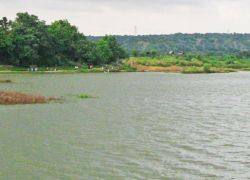
Damdama Lake is one of the most serene and picturesque destinations in Haryana, located near the city of Sohna. It is a perfect getaway for nature lovers, adventure enthusiasts, and those looking for a peaceful retreat away from the hustle and bustle of city life. Nestled in the Aravalli hills, Damdama Lake offers stunning landscapes, fresh air, and a variety of recreational activities that make it a popular tourist destination. How to Reach Damdama Lake, Sohna, Haryana Reaching Damdama Lake is quite convenient, as it is well-connected by road. The lake is situated approximately 24 kilometers from Gurugram and about 60 kilometers from Delhi. You can reach Damdama Lake by: By Car: The drive from Delhi or Gurugram is smooth and scenic, taking roughly 1–1.5 hours. The best route is via NH248A and Sohna Road. By Bus: Haryana Tourism buses and private operators run services to Sohna. From Sohna, local taxis or auto-rickshaws can take you directly to the lake. By Train: The nearest major railway station is Gurgaon Railway Station, from where you can hire a taxi or drive to Damdama Lake. Weather at Damdama Lake, Sohna The climate at Damdama Lake is moderate, but it is advisable to plan your visit according to the season: Summer (April to June): Temperatures can range from 25°C to 40°C. Early morning or late evening visits are recommended. Monsoon (July to September): The lake becomes lush and green, making it perfect for nature photography, though occasional heavy rains may cause temporary closures. Winter (October to February): This is the best time to visit, with temperatures ranging from 10°C to 25°C. The weather is pleasant, ideal for boating and trekking. Timing The lake is usually open for visitors throughout the day. However, the ideal visiting hours are: Morning: 6:00 AM – 10:00 AM Afternoon: 11:00 AM – 4:00 PM Evening: 4:30 PM – 7:00 PM Early morning or late afternoon visits are perfect for enjoying the sunrise, sunset, and calm waters. Why Damdama Lake is Famous Damdama Lake is famous for its natural beauty, adventure sports, and tranquil surroundings. It is one of the largest natural lakes in Haryana and is set amidst the Aravalli hills, offering breathtaking views of the hills and surrounding greenery. The lake attracts tourists for: Boating and water sports Trekking and rock climbing in the Aravalli hills Picnics and camping experiences Photography and birdwatching opportunities Entry and Visit Details Entry to Damdama Lake is usually free, but some adventure activities or boating facilities may require a nominal fee. Visitors can enjoy: Rowing and paddle boating Kayaking and other water sports Horse riding and camel rides nearby Camping with tents and bonfires arranged by local operators It is recommended to reach early in the day, especially on weekends, to avoid crowds and make the most of your visit. History and Architecture The lake itself is natural and does not have ancient architecture around it, but the area is rich in cultural history. Sohna is historically significant and was known for its hot springs and temples. Some nearby attractions that reflect the region’s history include: Sohna Fort: A historical fort dating back several centuries, showcasing medieval architecture and hilltop views. Hot Springs: Famous for their medicinal properties, adding a historical and spiritual appeal to the region. Things to Do at Damdama Lake Visitors can enjoy a wide range of activities at Damdama Lake: Boating: Paddle, row, or speed boats offer a relaxing time on the water. Trekking: Explore trails in the surrounding Aravalli hills suitable for beginners and experienced trekkers. Camping: Spend a night under the stars in tents arranged by local tourism operators. Picnics: Ideal spot for family outings with shaded areas and open spaces. Photography: Capture scenic sunrises, sunsets, and the lake’s reflection in the calm waters. Interesting Facts About Damdama Lake Damdama Lake is part of the Aravalli Biodiversity Park, home to many species of birds and flora. It is one of the few natural lakes in Haryana that retains its ecological significance. The lake expands during the monsoon, making it a seasonal attraction for boating and water activities. Tips for Visiting Damdama Lake Carry water, snacks, and sunscreen, especially if visiting during summer. Wear comfortable shoes if you plan to trek in the Aravalli hills. Check weather updates before visiting during the monsoon season. Plan early morning or late afternoon visits for the best views and photography opportunities. Ensure safety during water sports and follow local guidelines. Overall, Damdama Lake, Sohna, Haryana is an ideal destination for nature lovers, adventure enthusiasts, and families looking for a peaceful retreat. With its scenic beauty, adventure opportunities, and proximity to major cities like Delhi and Gurugram, it promises a memorable and rejuvenating experience.
Explore More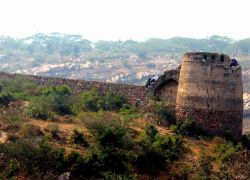
Sohna Hill Fort, also known as Sohna Fort or Bharatpur Hill Fort, is one of the hidden historical attractions in Sohna, Haryana. Located on the beautiful Aravalli hills, this fort is a popular weekend getaway for travelers from Gurugram, Delhi, and nearby areas. The fort is known for its old ruined walls, scenic hilltop views, peaceful surroundings, and historical importance. Though much of the fort is now in ruins, it still attracts history lovers, trekkers, photographers, and nature enthusiasts. Why is Sohna Hill Fort Famous? Sohna Hill Fort is famous for its unique hilltop location and historical ruins. The fort offers breathtaking panoramic views of Sohna town and the Aravalli hills. Visitors love this place for sunrise and sunset views, short trekking experiences, and peaceful photography spots. The fort is also historically important because it is believed to have been built by the rulers of Bharatpur State as a defensive structure on the Aravalli hills. Due to its strategic position, it was once used as a watchpoint over the surrounding region. Nearby attractions like Sohna Hot Springs and ancient temples make it an ideal combined day trip destination. History of Sohna Hill Fort The history of Sohna Hill Fort dates back several centuries. Historical records suggest that the fort was built by the rulers of Bharatpur on the Aravalli range to monitor trade routes and nearby settlements. Over time, due to lack of maintenance and changing political conditions, the fort gradually fell into ruins. Today, only parts of the walls, stone structures, and fortification remain. Despite this, the fort still carries historical charm and gives visitors a glimpse into Haryana’s lesser-known heritage. Sohna itself is an ancient town and has long been known for its sulfur hot springs and temples. The fort adds an extra layer of heritage to this already famous destination. Architecture of Sohna Hill Fort The architecture of Sohna Hill Fort is simple but historically interesting. Since the fort was primarily built for defense, its design focuses more on protection rather than luxury. Main architectural highlights include: • Stone walls: Thick stone walls built using local materials. • Hilltop fortification: Elevated position offering excellent visibility. • Watch points: Strategic points for observing surrounding areas. • Ruined structures: Old remnants that showcase ancient fort construction techniques. Though much of the original structure has deteriorated, the remaining ruins still create a historic atmosphere. How to Reach Sohna Hill Fort, Sohna By Air: Nearest airport is Indira Gandhi International Airport, Delhi, around 45-50 km away. Taxis and cabs are easily available from the airport. By Train: Nearest railway station is Gurugram Railway Station, located approximately 25-30 km from Sohna. By Road: Sohna is well connected by road to Delhi, Gurugram, Faridabad, and Jaipur. Distance from major cities: • Gurugram: 24 km • Delhi: 55 km • Faridabad: 35 km Private cars, taxis, and local buses are available. Visitors usually drive to Sohna and then trek a short distance uphill to reach the fort. Weather at Sohna Hill Fort Summer (April to June): Temperature ranges between 28°C to 42°C. Weather can be hot, so avoid afternoon visits. Monsoon (July to September): Pleasant weather with greenery all around. Light rain makes the hills look beautiful. Winter (October to February): Best time to visit. Temperature ranges between 8°C to 24°C with cool and comfortable weather. Best season to visit: October to March. Sohna Hill Fort Timings Opening Time: 6:00 AM Closing Time: 6:30 PM The fort area is generally open throughout the day as it is an open historical site. Best visiting hours: Early morning or evening for better weather and scenic views. Entry Fee and Visit Details Entry Fee: Free There is currently no official ticket required to visit Sohna Hill Fort. Visit Duration: 1 to 2 hours The fort is suitable for: • Families • Couples • Trekking lovers • Solo travelers • Photography enthusiasts Things to Do at Sohna Hill Fort 1. Trekking A short uphill trek makes the visit enjoyable for adventure lovers. 2. Photography Capture scenic landscapes, ruins, and sunset views. 3. Enjoy Sunset Views The fort offers one of the best viewpoints in Sohna. 4. Explore Ancient Ruins Walk through the remains of old fort walls and structures. 5. Visit Nearby Attractions Explore Sohna Hot Springs, Shiva Temple, and Damdama Lake. Interesting Facts About Sohna Hill Fort • Sohna Hill Fort is also called Bharatpur Hill Fort. • It is located on the Aravalli hills, one of the oldest mountain ranges in India. • The fort offers 360-degree views of Sohna town. • It is one of Haryana’s lesser-known historical sites. • The location is popular among local bikers and weekend travelers. Travel Tips for Visiting Sohna Hill Fort • Wear comfortable shoes as a short climb is required. • Carry water bottles, especially during summer. • Visit during sunrise or sunset for the best experience. • Avoid visiting alone after dark. • Carry a camera for scenic photography. • Keep the place clean and avoid littering. Conclusion Sohna Hill Fort is an excellent offbeat destination for people looking to enjoy history, nature, trekking, and panoramic hill views near Gurugram and Delhi. While the fort may be in ruins, its historical value, scenic beauty, and peaceful atmosphere make it worth visiting. If you are planning a quick weekend trip in Haryana, Sohna Hill Fort, Sohna is a simple yet rewarding destination where you can experience heritage and nature together.
Explore More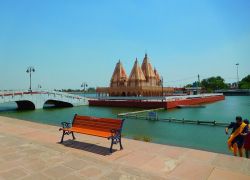
Brahma Sarovar is one of the most sacred water tanks and pilgrimage sites in Kurukshetra, Haryana. Known for its spiritual importance, historical significance, and peaceful surroundings, Brahma Sarovar attracts thousands of devotees, tourists, and history lovers throughout the year. It is believed to be the place where Lord Brahma created the universe, making it one of the holiest places in Hindu mythology. Located in the heart of Kurukshetra, Brahma Sarovar is a massive man-made water reservoir surrounded by ghats, temples, gardens, and walking paths. The site becomes especially crowded during solar eclipses, religious festivals, and major Hindu celebrations when pilgrims come here for holy bathing. Why is Brahma Sarovar Famous? Brahma Sarovar is famous for its deep religious significance and connection to Hindu mythology. According to beliefs, taking a dip in the sacred waters of Brahma Sarovar during important occasions helps devotees attain spiritual purification and blessings. Main reasons why Brahma Sarovar is famous: • Religious importance: Considered one of the holiest water bodies in India. • Mythological connection: Believed to be associated with Lord Brahma and creation of the universe. • Massive size: One of Asia’s largest man-made water tanks. • Evening light show: Beautiful lighting and fountains enhance the atmosphere. • Festivals: Popular during Gita Jayanti and solar eclipse events. History of Brahma Sarovar The history of Brahma Sarovar is deeply connected with the ancient city of Kurukshetra, which is mentioned in the Mahabharata and various Hindu scriptures. Kurukshetra is believed to be the land where the epic battle of Mahabharata took place and where Lord Krishna delivered the Bhagavad Gita to Arjuna. According to mythology, Lord Brahma performed a great yajna (sacred ritual) at this site after creating the universe. Because of this, the water tank came to be known as Brahma Sarovar. Over the centuries, rulers and governments renovated and expanded the sarovar to preserve its religious and tourism value. Today, it is a well-maintained pilgrimage and heritage destination. Architecture of Brahma Sarovar The architecture of Brahma Sarovar is both spiritual and practical. The huge rectangular water tank is beautifully developed with modern amenities while maintaining traditional religious design. Main architectural highlights include: • Large water reservoir: Massive sacred tank spread over a wide area. • Ghats: Wide stone steps for pilgrims to access the water. • Central island temple: Small temple structure located in the middle of the sarovar. • Walkways: Pathways around the water body for walking and sightseeing. • Lighting system: Decorative evening lights create a beautiful reflection on water. • Gardens: Landscaped green areas surrounding the site. How to Reach Brahma Sarovar, Kurukshetra By Air: Nearest airport is Chandigarh International Airport, around 90 km away. Delhi airport is another option. By Train: Nearest railway station is Kurukshetra Junction Railway Station, approximately 4 km from Brahma Sarovar. By Road: Kurukshetra is well connected by road to Delhi, Chandigarh, Ambala, and Karnal. Approximate distances: • Delhi: 160 km • Chandigarh: 90 km • Karnal: 40 km Local autos, taxis, and e-rickshaws are easily available from the railway station and bus stand. Weather at Brahma Sarovar Summer (April to June): Temperature ranges between 30°C to 43°C. Weather can be hot during daytime. Monsoon (July to September): Moderate rainfall with pleasant surroundings. Winter (October to February): Best time to visit with temperatures ranging from 7°C to 24°C. Best time to visit: October to March. Brahma Sarovar Timings Opening Time: 5:00 AM Closing Time: 9:00 PM The site is open daily for devotees and tourists. Best visiting hours: Early morning or evening for spiritual atmosphere and lighting views. Entry Fee and Visit Details Entry Fee: Free There is no entry fee to visit Brahma Sarovar. Average Visit Duration: 1 to 3 hours Suitable for: • Families • Pilgrims • Solo travelers • History lovers • Photographers Things to Do at Brahma Sarovar 1. Holy Bathing Take a sacred dip in the holy waters. 2. Temple Visit Visit nearby temples and the central island temple. 3. Evening Walk Enjoy peaceful walking paths around the sarovar. 4. Photography Capture reflections, lighting, and temple views. 5. Attend Festivals Experience Gita Jayanti celebrations and religious events. Interesting Facts About Brahma Sarovar • Brahma Sarovar is believed to be linked to creation mythology. • It is one of the largest man-made sacred water tanks in Asia. • Thousands of devotees visit during solar eclipses. • Kurukshetra is considered the land of the Mahabharata. • Evening lighting makes the sarovar visually stunning. Travel Tips for Visiting Brahma Sarovar • Wear modest clothing as it is a religious place. • Visit early morning for peaceful atmosphere. • Carry water bottles during summer visits. • Remove footwear where required near temples. • Keep surroundings clean and avoid littering. • Attend evening hours to enjoy lighting and fountains. Nearby Attractions Visitors can also explore nearby attractions: • Jyotisar • Sannihit Sarovar • Kurukshetra Panorama and Science Centre • Sheikh Chilli Tomb Conclusion Brahma Sarovar, Kurukshetra is not only a sacred pilgrimage site but also a peaceful destination rich in mythology, culture, and history. Its spiritual atmosphere, beautiful architecture, and historical importance make it one of Haryana’s top tourist attractions. Whether you are a devotee, traveler, or history enthusiast, Brahma Sarovar offers a meaningful and memorable experience in the holy city of Kurukshetra.
Explore More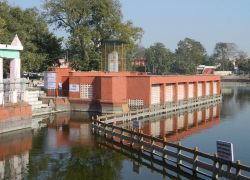
Sannihit Sarovar is one of the most sacred pilgrimage sites in Kurukshetra, Haryana. Known for its deep religious significance, holy waters, and mythological importance, this sarovar attracts thousands of devotees, pilgrims, and tourists throughout the year. Located near other famous religious attractions such as Brahma Sarovar and Bhadrakali Temple, Sannihit Sarovar is considered an important spiritual destination for Hindus. According to Hindu beliefs, Sannihit Sarovar is the meeting point of seven sacred rivers. It is believed that taking a holy dip here on special occasions washes away sins and brings spiritual blessings. Because of this, the sarovar becomes highly crowded during Amavasya, solar eclipses, and religious festivals. Why is Sannihit Sarovar Famous? Sannihit Sarovar is famous for its strong mythological and religious connection. Devotees believe that all sacred rivers, including the Ganga and Yamuna, meet spiritually at this holy water tank. Main reasons why Sannihit Sarovar is famous: • Sacred bathing site: Pilgrims visit to take holy dips for purification. • Religious importance: Important place for performing rituals for ancestors. • Mythological significance: Believed to be the confluence of seven sacred rivers. • Festival celebrations: Large gatherings during Amavasya and eclipses. • Peaceful atmosphere: Ideal for spiritual reflection and worship. History of Sannihit Sarovar The history of Sannihit Sarovar is closely linked with the ancient city of Kurukshetra, which is mentioned in Hindu scriptures, the Mahabharata, and Puranas. Kurukshetra has been an important religious and cultural center for thousands of years. According to mythology, Sannihit Sarovar is the sacred location where seven holy rivers unite. It is also believed to be the residence of Lord Vishnu during certain celestial alignments. For centuries, pilgrims have visited this sarovar to perform rituals, prayers, and pind daan ceremonies for ancestors. The site continues to remain an important center of Hindu devotion. Architecture of Sannihit Sarovar Sannihit Sarovar has a traditional and functional architectural design focused on pilgrimage activities. Main architectural highlights include: • Sacred water tank: Large holy pond used for ritual bathing. • Ghats: Stone steps around the sarovar for easy access to water. • Temple structures: Small temples and shrines near the water. • Covered areas: Spaces for devotees to sit and perform rituals. • Walkways: Paths surrounding the sarovar for visitors. The area is well maintained and designed to handle large numbers of pilgrims. How to Reach Sannihit Sarovar, Kurukshetra By Air: Nearest airport is Chandigarh International Airport, approximately 90 km away. Delhi airport is another major option. By Train: Nearest railway station is Kurukshetra Junction Railway Station, about 3-4 km from Sannihit Sarovar. By Road: Kurukshetra is well connected by highways and roads to Delhi, Chandigarh, Karnal, and Ambala. Approximate distances: • Delhi: 160 km • Chandigarh: 90 km • Karnal: 40 km Auto-rickshaws, taxis, and local buses are easily available. Weather at Sannihit Sarovar Summer (April to June): Temperature ranges between 30°C to 43°C. Hot afternoons should be avoided. Monsoon (July to September): Pleasant weather with moderate rainfall. Winter (October to February): Best season to visit with temperatures between 7°C to 24°C. Best time to visit: October to March. Sannihit Sarovar Timings Opening Time: 5:00 AM Closing Time: 9:00 PM The sarovar is open daily. Best visiting hours: Early morning or evening. Entry Fee and Visit Details Entry Fee: Free There is no entry fee for visiting Sannihit Sarovar. Average Visit Duration: 1 to 2 hours Suitable for: • Devotees • Families • Pilgrims • Spiritual travelers • Tourists Things to Do at Sannihit Sarovar 1. Holy Bathing Take a sacred dip in the holy waters. 2. Perform Rituals Offer prayers and perform ancestral rituals. 3. Temple Visit Explore nearby temples and shrines. 4. Spiritual Meditation Enjoy peaceful surroundings for prayer and reflection. 5. Photography Capture the beautiful ghats and religious atmosphere. Interesting Facts About Sannihit Sarovar • It is believed that seven sacred rivers meet here spiritually. • Holy bathing is considered highly auspicious on Amavasya. • Ancestor rituals are commonly performed here. • It is one of Kurukshetra’s oldest pilgrimage sites. • The sarovar is closely linked to Lord Vishnu traditions. Travel Tips for Visiting Sannihit Sarovar • Wear modest clothing suitable for religious sites. • Visit early morning for peaceful atmosphere. • Carry extra clothes if planning holy bathing. • Avoid littering and maintain cleanliness. • Remove footwear where required. • Respect religious customs and local traditions. Nearby Attractions in Kurukshetra Visitors can also explore: • Brahma Sarovar • Bhadrakali Temple • Jyotisar • Kurukshetra Panorama and Science Centre Conclusion Sannihit Sarovar, Kurukshetra is a spiritually significant destination known for its holy waters, religious rituals, and peaceful atmosphere. Its mythological importance and sacred traditions make it one of Haryana’s most visited pilgrimage attractions. Whether you are a devotee or a traveler exploring Kurukshetra’s religious heritage, Sannihit Sarovar offers a meaningful spiritual experience and cultural insight.
Explore MoreKinnaur - Kalpa Your
10 Days/ 9 Night
Howrah - Ambala - Narkanda - Sarahan - Sangla - Kalpa - Kalka - Rampur
Lahul Spiti Tour 2026
14 Days/ 13 Night
Howrah - Ambala - Shimla - Sarahan - Sangla - Kalpa - Kaza - Tabo - Manali - Kinnaur
Shimla - Kullu - Manali Tour 2026
11 Days/ 10 Night
Howrah - Ambala - Shimla - Kullu - Manali
4 Night - 5 Day Tour Of Haryana
5 Days/ 4 Night
Gurgaon - Kurukshetra - Panchkula
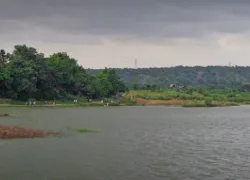
Badkhal Lake is one of the well-known tourist attractions in Faridabad, Haryana. Surrounded by the scenic Aravalli hills, this man-made lake has long been a popular picnic destination, weekend getaway, and nature spot for visitors from Delhi NCR, Haryana, and nearby regions. Though the lake has faced environmental challenges over the years, it still remains an important landmark and attractive sightseeing location in Faridabad. Badkhal Lake is appreciated for its peaceful natural setting, open landscape, birdwatching opportunities, and relaxing environment. Families, couples, photographers, and nature lovers often visit this destination to enjoy a refreshing break from city life. Why is Badkhal Lake Famous? Badkhal Lake is famous for its scenic beauty, man-made lake structure, and location amidst the Aravalli hills. Main reasons why Badkhal Lake is famous: • Natural beauty: Beautiful surroundings with hills and greenery. • Picnic destination: Popular weekend spot for families and groups. • Birdwatching: Seasonal birds and local wildlife can be spotted nearby. • Photography: Scenic landscape attracts photographers. • Delhi NCR getaway: Easily accessible from Delhi, Gurugram, and Noida. History of Badkhal Lake Badkhal Lake was developed as a man-made embankment lake in 1947. The lake was created by building an embankment to collect rainwater from the surrounding Aravalli hills. The name “Badkhal” comes from the Persian word meaning “without interference.” Over the years, the lake became one of Haryana’s major tourist destinations and a preferred picnic location. However, due to reduced rainfall, mining activities, and ecological changes in the Aravalli region, water levels declined significantly. Conservation and restoration efforts have been discussed to revive the lake and preserve its environmental value. Architecture and Landscape Badkhal Lake is primarily known for its natural and landscape-based appeal rather than architectural structures. Main highlights include: • Lake basin: Man-made water reservoir surrounded by hills. • Aravalli backdrop: Rocky hill landscapes and greenery. • Walking areas: Open spaces suitable for casual walks. • Picnic zones: Open areas for relaxing and outings. • Scenic viewpoints: Great for landscape photography. How to Reach Badkhal Lake, Faridabad By Air: Nearest airport is Indira Gandhi International Airport, Delhi, approximately 40 km away. By Train: Nearest railway station is Faridabad Railway Station, around 12 km away. By Metro: Nearest metro station is Badkhal Mor Metro Station on Delhi Metro Violet Line. By Road: Faridabad is well connected by highways and city roads. Approximate distances: • Delhi: 32 km • Gurugram: 35 km • Noida: 30 km Visitors can reach the lake by private car, taxi, metro plus auto, or local buses. Weather at Badkhal Lake Summer (April to June): Temperature ranges between 30°C to 44°C. Weather can be hot. Monsoon (July to September): Moderate rainfall and greener surroundings. Winter (October to February): Best time to visit with temperatures between 8°C to 24°C. Best time to visit: October to March. Badkhal Lake Timings Opening Time: 9:00 AM Closing Time: 6:00 PM Timings may vary depending on management and restoration activities. Best visiting hours: Morning and evening. Entry Fee and Visit Details Entry Fee: Usually free or minimal parking charges may apply. Average Visit Duration: 1 to 3 hours Suitable for: • Families • Couples • Nature lovers • Photographers • Weekend travelers Things to Do at Badkhal Lake 1. Nature Walks Enjoy fresh air and peaceful walking spaces. 2. Photography Capture scenic hills and landscapes. 3. Family Picnic Spend quality time in open surroundings. 4. Birdwatching Observe seasonal birds and local wildlife. 5. Relaxation Enjoy a quiet break away from city crowds. Interesting Facts About Badkhal Lake • Developed in 1947 as a man-made lake. • Located amidst the Aravalli hills. • Once one of Haryana’s top picnic destinations. • Popular among Delhi NCR travelers. • Known for beautiful sunrise and sunset views. Travel Tips for Visiting Badkhal Lake • Visit during winter or pleasant weather. • Carry water bottles and snacks. • Wear comfortable footwear for walking. • Carry camera or smartphone for photography. • Check current lake condition before visiting. • Avoid littering and help maintain cleanliness. Nearby Attractions in Faridabad • Surajkund • Raja Nahar Singh Palace • Town Park Faridabad • ISKCON Faridabad Conclusion Badkhal Lake, Faridabad is a refreshing destination for nature lovers and weekend travelers seeking a peaceful outing near Delhi NCR. Its scenic Aravalli surroundings, picnic atmosphere, and historical importance make it one of Faridabad’s iconic tourist attractions. Whether you want a short day trip, photography outing, or family picnic, Badkhal Lake offers a pleasant escape from urban life.
Explore More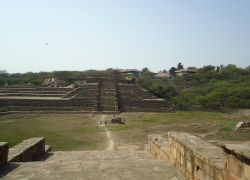
Surajkund Lake is one of the most famous heritage and tourist attractions in Faridabad, Haryana. Known for its historical reservoir, ancient architecture, scenic surroundings, and world-famous Surajkund International Crafts Mela, this destination attracts tourists, history lovers, photographers, and cultural enthusiasts from across India and abroad. Located amidst the beautiful Aravalli hills near Delhi NCR, Surajkund is a perfect blend of history, culture, and natural beauty. Though the lake is technically an ancient reservoir rather than a natural lake, it remains one of the most iconic landmarks in Haryana. Why is Surajkund Lake Famous? Surajkund Lake is famous for its ancient water reservoir, historical significance, and the globally recognized Surajkund International Crafts Mela. Main reasons why Surajkund Lake is famous: • Ancient heritage site: Historic reservoir built centuries ago. • Crafts Mela: Hosts one of India’s largest handicrafts fairs. • Aravalli location: Beautiful natural surroundings. • Photography attraction: Excellent landscape and heritage photography spot. • Cultural significance: Represents Haryana’s tourism identity. History of Surajkund Lake The history of Surajkund dates back to the 10th century. It was built by King Suraj Pal of the Tomar dynasty, who was a worshipper of the Sun God. The name “Surajkund” literally means “Lake of the Sun.” The reservoir was constructed in a semi-circular shape like the rising sun and was designed to collect rainwater for the nearby region. An ancient Sun Temple is also believed to have existed near the reservoir, though only limited remains survive today. Over time, Surajkund became a heritage landmark and later gained international recognition due to the Surajkund International Crafts Mela, organized every year. Architecture of Surajkund Lake The architecture of Surajkund is one of its most unique features. Main architectural highlights include: • Semi-circular reservoir: Designed in amphitheater style. • Stone embankments: Ancient stepped water storage system. • Traditional masonry: Built using local stone and historical techniques. • Terraced steps: Descending steps around the kund. • Heritage remains: Ancient architectural remnants nearby. The combination of historical engineering and scenic setting makes the site architecturally impressive. How to Reach Surajkund Lake, Faridabad By Air: Nearest airport is Indira Gandhi International Airport, Delhi, approximately 30 km away. By Train: Nearest railway station is Faridabad Railway Station, around 18 km away. By Metro: Nearest metro station is Badarpur Border Metro Station or nearby Delhi Metro connectivity. By Road: Surajkund is well connected by roads from Delhi, Noida, Gurugram, and Faridabad. Approximate distances: • Delhi: 20 km • Gurugram: 32 km • Noida: 28 km Taxis, private vehicles, autos, and buses are easily available. Weather at Surajkund Lake Summer (April to June): Temperature ranges between 30°C to 44°C. Weather is hot during daytime. Monsoon (July to September): Moderate rainfall and greener Aravalli surroundings. Winter (October to February): Best time to visit with temperatures between 8°C to 24°C. Best time to visit: October to March, especially during Crafts Mela season. Surajkund Lake Timings Opening Time: 9:00 AM Closing Time: 6:00 PM Timings may vary during special events and mela season. Best visiting hours: Morning and late afternoon. Entry Fee and Visit Details Entry Fee: Usually free for regular visits, but paid entry applies during Surajkund Mela. Average Visit Duration: 1 to 3 hours Suitable for: • Families • History lovers • Photographers • Cultural tourists • Weekend travelers Things to Do at Surajkund Lake 1. Explore Heritage Reservoir Walk around the historic kund and study architecture. 2. Attend Surajkund Crafts Mela Enjoy handicrafts, food, and cultural performances. 3. Photography Capture lake views, stone steps, and landscapes. 4. Nature Walks Enjoy surrounding Aravalli hills and greenery. 5. Cultural Exploration Experience local and international crafts during events. Interesting Facts About Surajkund Lake • Built in the 10th century by King Suraj Pal. • Designed like a rising sun. • Hosts the famous Surajkund International Crafts Mela. • Located in Aravalli hills near Delhi NCR. • One of Haryana’s most visited tourist sites. Travel Tips for Visiting Surajkund Lake • Visit during winter for pleasant weather. • Attend Crafts Mela for the best experience. • Wear comfortable shoes for walking on steps and open areas. • Carry water bottles and sun protection. • Reach early during festival season to avoid crowds. • Keep the heritage site clean. Nearby Attractions in Faridabad • Badkhal Lake • Raja Nahar Singh Palace • Town Park Faridabad • ISKCON Faridabad Conclusion Surajkund Lake, Faridabad is a unique destination where history, culture, architecture, and natural beauty come together. Its ancient reservoir, scenic Aravalli backdrop, and globally famous crafts fair make it one of the best tourist attractions in Haryana. Whether you are a history enthusiast, cultural traveler, or weekend explorer, Surajkund Lake offers a memorable experience near Delhi NCR.
Explore More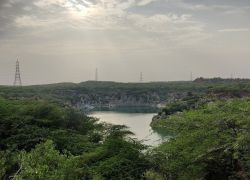
CITM Lake is a peaceful and lesser-known natural attraction located in Faridabad, Haryana, near the Aravalli hills. This scenic lake has gradually become a favorite spot for nature lovers, photographers, cyclists, birdwatchers, and people looking for a quiet escape from the busy urban life of Delhi NCR. Surrounded by rocky terrain, greenery, and open skies, CITM Lake offers visitors a refreshing outdoor experience. The lake is especially popular among local travelers and adventure enthusiasts who visit for morning walks, cycling, short treks, photography, and weekend relaxation. Due to its calm environment and natural surroundings, CITM Lake is considered one of Faridabad’s hidden gems. Why is CITM Lake Famous? CITM Lake is famous for its natural beauty, peaceful environment, and scenic location near the Aravalli hills. Main reasons why CITM Lake is famous: • Scenic lake views: Beautiful water body surrounded by hills. • Nature getaway: Quiet escape from city noise and pollution. • Photography spot: Popular for sunrise and landscape photography. • Cycling destination: Favored by local cycling groups. • Birdwatching: Birds and natural biodiversity in surrounding area. History of CITM Lake CITM Lake is more of a natural and recreational attraction rather than a historically significant monument. The lake area became popular among locals due to its natural water body, scenic setting, and location close to educational institutions and developing urban zones in Faridabad. Over time, social media exposure and local tourism interest helped increase the popularity of CITM Lake as an offbeat destination. Though it does not have a major documented historical background, its ecological and recreational value continues to attract visitors. Landscape and Natural Features CITM Lake is admired for its natural landscape rather than architectural structures. Main highlights include: • Natural lake: Calm water body surrounded by greenery. • Rocky hills: Scenic Aravalli terrain. • Open sky views: Great for sunrise and sunset watching. • Walking areas: Informal trails and natural paths. • Bird habitat: Supports local bird activity. The raw and natural environment makes it attractive for outdoor lovers. How to Reach CITM Lake, Faridabad By Air: Nearest airport is Indira Gandhi International Airport, Delhi, approximately 40 km away. By Train: Nearest railway station is Faridabad Railway Station, around 15 km away. By Metro: Nearest metro stations in Faridabad can be used, followed by local transport. By Road: CITM Lake is accessible by road from Faridabad, Delhi, Gurugram, and Noida. Approximate distances: • Delhi: 30 km • Gurugram: 35 km • Faridabad city center: 12 km Private vehicles, taxis, bikes, and autos are convenient options. Weather at CITM Lake Summer (April to June): Temperature ranges between 30°C to 44°C. Early mornings are recommended. Monsoon (July to September): Pleasant weather with greener surroundings. Winter (October to February): Best season to visit with temperatures between 8°C to 24°C. Best time to visit: October to March. CITM Lake Timings Opening Time: Open area, generally accessible from early morning. Suggested visiting hours: 6:00 AM to 6:00 PM Best visiting hours: Sunrise and sunset. Entry Fee and Visit Details Entry Fee: Usually free No formal ticketing is generally required. Average Visit Duration: 1 to 3 hours Suitable for: • Families • Couples • Nature lovers • Cyclists • Photographers Things to Do at CITM Lake 1. Photography Capture sunrise, lake reflections, and landscapes. 2. Morning Walks Enjoy peaceful walks near the lake. 3. Cycling Popular route for cycling enthusiasts. 4. Relaxation Spend time in natural surroundings away from city stress. 5. Birdwatching Observe birds and local nature. Interesting Facts About CITM Lake • One of Faridabad’s lesser-known natural attractions. • Popular among local cyclists and bikers. • Located near Aravalli landscape zones. • Known for sunrise photography. • Weekend getaway for Delhi NCR residents. Travel Tips for Visiting CITM Lake • Visit early morning for best weather and views. • Carry water bottles and snacks. • Wear sports shoes for walking and uneven terrain. • Carry camera or smartphone for photography. • Avoid littering. • Travel in groups if visiting early or late hours. Nearby Attractions in Faridabad • Surajkund Lake • Badkhal Lake • Asola Bhatti Wildlife Sanctuary • Raja Nahar Singh Palace Conclusion CITM Lake, Faridabad is an excellent offbeat destination for travelers seeking nature, peace, and scenic beauty near Delhi NCR. Its calm waters, natural surroundings, and outdoor activities make it a pleasant location for short trips and weekend relaxation. Whether you enjoy photography, cycling, or simply spending time in nature, CITM Lake offers a refreshing and budget-friendly escape in Haryana.
Explore More
Aravalli Biodiversity Park is one of the most beautiful eco-tourism attractions in Gurgaon, Haryana. Located near MG Road and DLF Phase 3, this park is a green paradise spread across the ancient Aravalli hills. It is known for its rich biodiversity, nature trails, native plants, birdwatching opportunities, and peaceful environment. The park serves as an important ecological zone in the Delhi NCR region and offers visitors a refreshing escape from the fast-paced urban life of Gurgaon. Developed over a reclaimed mining site, Aravalli Biodiversity Park is an excellent example of ecological restoration. Today, it attracts nature lovers, students, morning walkers, photographers, birdwatchers, and tourists looking for outdoor recreation in Gurgaon. Why is Aravalli Biodiversity Park Famous? Aravalli Biodiversity Park is famous for its environmental conservation and restoration of degraded land into a thriving natural habitat. It is especially known for: • Native flora and fauna conservation • Scenic walking and hiking trails • Birdwatching opportunities • Butterfly and insect diversity • Medicinal plant species • Aravalli hill landscape • Eco-tourism and environmental education The park contains forests, grasslands, wetlands, rocky hills, and water bodies, making it an important habitat for many species. History of Aravalli Biodiversity Park Aravalli Biodiversity Park was developed on land that was once heavily damaged due to mining activities. The area was ecologically degraded and lacked vegetation. Recognizing the importance of restoring the Aravalli ecosystem, environmental experts and local authorities initiated restoration work. The park was developed by the Municipal Corporation of Gurgaon with ecological restoration support from environmental experts. Native plants and trees were introduced to recreate the original Aravalli habitat. Today, the park stands as one of the finest examples of urban ecological restoration in India. Architecture and Landscape Design Aravalli Biodiversity Park is not built with traditional architecture but is admired for its natural landscape planning and eco-restoration design. Main landscape features include: • Nature walking trails • Rocky Aravalli terrain • Native forests and grasslands • Wetland zones • Water harvesting structures • Educational signboards • Seating and resting points The design preserves the natural terrain while allowing visitors to explore the ecosystem comfortably. Weather at Aravalli Biodiversity Park, Gurgaon Summer (April to June): Hot and dry with temperatures between 32°C to 45°C. Monsoon (July to September): Moderate rainfall with temperatures ranging from 25°C to 35°C. The park becomes lush green during this season. Winter (October to February): Pleasant weather with temperatures between 8°C to 25°C. This is the best season to visit. The ideal time to visit is from October to March. Aravalli Biodiversity Park Timings Opening Time: 6:00 AM Closing Time: 6:00 PM Open Days: Monday to Sunday Morning and evening visits are recommended for comfortable weather and birdwatching. Entry Fee and Visit Details Entry Fee: Free for all visitors. • Parking: Usually free or minimal charge depending on entry gate. • Guided visits: Available occasionally for educational groups. The average visit duration is around 2 to 4 hours depending on activities such as walking, photography, or birdwatching. How to Reach Aravalli Biodiversity Park, Gurgaon By Metro: The nearest metro station is Guru Dronacharya Metro Station on Delhi Metro Yellow Line. The park is located close to MG Road and can be reached by auto or cab. By Road: Address: MG Road, DLF Phase 3, Gurugram, Haryana Distance from Gurgaon Bus Stand: Approx. 10 km Distance from Delhi Airport: Approx. 12 km Private vehicles, taxis, and autos are easily available. By Train: Nearest railway station is Gurgaon Railway Station. By Air: Nearest airport is Indira Gandhi International Airport, New Delhi. Things to Do at Aravalli Biodiversity Park 1. Nature Walks Explore scenic trails surrounded by native vegetation and rocky landscapes. 2. Birdwatching Spot various resident and migratory bird species. 3. Photography Capture landscapes, wildlife, butterflies, and sunrise views. 4. Trekking and Hiking Walk through gentle trails and rocky pathways. 5. Environmental Learning Learn about biodiversity conservation and native ecosystems. 6. Meditation and Relaxation Enjoy peaceful surroundings away from city noise. Interesting Facts About Aravalli Biodiversity Park • Built on reclaimed mining land • Spread across more than 390 acres • Home to hundreds of plant species • Important biodiversity zone in NCR • Popular for birdwatching and eco-tourism Travel Tips for Visitors • Visit early morning or evening • Wear comfortable walking shoes • Carry water bottle and cap • Avoid littering • Carry binoculars for birdwatching • Follow marked trails only • Visit during winter for best experience Best Time to Visit Aravalli Biodiversity Park The best time to visit is from October to March, when the weather is pleasant and ideal for outdoor activities, birdwatching, and photography. Conclusion Aravalli Biodiversity Park is one of Gurgaon’s finest natural attractions, offering visitors a peaceful and educational experience amidst the ancient Aravalli hills. Its ecological importance, scenic beauty, and biodiversity make it a must-visit destination for nature lovers and tourists. Whether you want to enjoy nature walks, birdwatching, photography, or simply relax in greenery, Aravalli Biodiversity Park, Gurgaon is an excellent place to visit.
Explore More
Mughal Canal Park is one of the most beautiful and popular recreational attractions in Karnal, Haryana. Located along the historic Mughal Canal, this well-maintained park is a favorite destination for families, tourists, joggers, nature lovers, and local residents. The park is known for its lush greenery, landscaped gardens, walking tracks, fountains, boating areas, and peaceful environment. Situated in the heart of Karnal city, Mughal Canal Park offers an excellent combination of natural beauty, history, and leisure activities. It is a perfect place for morning walks, evening relaxation, family picnics, and outdoor photography. Why is Mughal Canal Park Famous? Mughal Canal Park is famous for its scenic beauty and historical connection with the Mughal Canal, which dates back to the Mughal era. The park is especially known for: • Beautiful canal-side landscaping • Green lawns and flower gardens • Walking and jogging tracks • Musical fountains • Family picnic areas • Boating and leisure activities • Peaceful atmosphere in city center The park is one of Karnal’s most visited public spaces and is especially crowded during evenings and weekends. History of Mughal Canal Park The park is built around the historic Mughal Canal, which was originally constructed during the Mughal period to improve irrigation and water management in the region. Over time, the canal became an important landmark in Karnal. Recognizing the tourism and recreational potential of the area, local authorities developed the surroundings into a landscaped public park. Today, Mughal Canal Park is one of the city’s top attractions and an important leisure destination. The historic canal gives the park a unique identity compared to ordinary city parks. Architecture and Landscape Design Mughal Canal Park is admired for its elegant landscaping and modern recreational design. Main features include: • Historic canal running through the park • Decorative fountains • Landscaped flower beds • Walking and jogging tracks • Bridges over canal sections • Open lawns and seating areas • Children’s play area The combination of historical water structure and modern park development makes it visually appealing. Weather at Mughal Canal Park, Karnal Summer (April to June): Hot weather with temperatures between 30°C to 43°C. Monsoon (July to September): Moderate rainfall with temperatures between 25°C to 35°C. Winter (October to February): Pleasant weather ranging from 7°C to 22°C. The best time to visit is from October to March. Mughal Canal Park Timings Opening Time: 5:00 AM Closing Time: 9:00 PM Open Days: Monday to Sunday Morning and evening are the best times for walks and relaxation. Entry Fee and Visit Details Entry Fee: Usually free or minimal fee depending on special events. Parking: Available near the park. Boating: Charges may apply if boating services are operational. The average visit duration is around 1 to 3 hours. How to Reach Mughal Canal Park, Karnal By Road: Mughal Canal Park is centrally located in Karnal city and easily accessible by local transport, taxis, autos, and private vehicles. Distance from Karnal Bus Stand: Approx. 4 km Distance from Karnal Railway Station: Approx. 5 km By Train: Nearest railway station is Karnal Railway Station. By Bus: Karnal Bus Stand is well connected with Delhi, Chandigarh, Panipat, and Kurukshetra. By Air: Nearest airports are Chandigarh Airport and Indira Gandhi International Airport, New Delhi. Things to Do at Mughal Canal Park 1. Walking and Jogging Enjoy peaceful walks along the canal and landscaped pathways. 2. Family Picnic Relax on lawns and spend time with family. 3. Photography Capture canal views, fountains, gardens, and sunset scenes. 4. Children’s Activities Kids can enjoy dedicated play zones. 5. Relaxation and Meditation Spend time in calm natural surroundings. 6. Evening Fountain Views Enjoy illuminated fountains and park lighting. Interesting Facts About Mughal Canal Park • Built around historic Mughal Canal • One of Karnal’s top recreational attractions • Popular for morning walks and evening outings • Combines heritage and modern landscaping • Family-friendly destination in Karnal Travel Tips for Visitors • Visit in evening for pleasant weather • Carry camera for photography • Wear comfortable footwear • Visit during winter for best experience • Avoid littering • Carry water bottle in summer Best Time to Visit Mughal Canal Park The ideal time to visit is from October to March, when the weather is pleasant and perfect for outdoor recreation. Conclusion Mughal Canal Park is one of Karnal’s finest public attractions, offering a perfect blend of greenery, history, and relaxation. Its canal views, gardens, and peaceful atmosphere make it a must-visit destination for tourists and locals alike. Whether you are looking for a family outing, picnic spot, morning walk destination, or peaceful leisure time, Mughal Canal Park, Karnal is an excellent place to visit.
Explore More
Welcome to Damdama Lake, situated in Manesar Village, a picturesque destination that offers a blend of natural beauty and tranquility. With its serene surroundings and diverse wildlife, Damdama Lake is a popular hotspot that attracts nature enthusiasts, birdwatchers, and photographers seeking a peaceful retreat amidst nature. History of Damdama Lake Damdama Lake has a rich historical background and is believed to have originated as a reservoir built by the British during the colonial era. It served as a former royal hunting ground for the rulers of the region. Over the years, concerted conservation efforts have been made to preserve the natural ecosystem of the lake, leading to its recognition for its biodiversity and ecological significance. Architecture and Natural Beauty of Damdama Lake The lake is surrounded by lush greenery, wetlands, and grasslands, creating a haven for a variety of bird species. The picturesque landscapes provide a perfect backdrop for visitors to enjoy the tranquility of nature. The historic Keoladeo Temple located near the lake adds to the charm of the surroundings. Why is Damdama Lake Famous? Damdama Lake is renowned for its biodiversity and serves as a paradise for birdwatchers, photographers, and wildlife lovers. The diverse bird habitats attract migratory birds, making it a sought-after destination for birdwatching enthusiasts seeking a glimpse of rare avian species in their natural habitat. How to Reach Damdama Lake Traveling to Damdama Lake is convenient, with options available by air, rail, and road. The nearest airports are located in Delhi and Jaipur, while the closest railway station is in Gurgaon. Visitors can easily access the lake via well-connected roads and enjoy a scenic drive to the destination. Weather and Best Time to Visit Damdama Lake The weather at Damdama Lake varies across seasons, with pleasant temperatures during the winter and monsoon seasons. The best time to visit is typically during the winter months when the weather is conducive for outdoor activities and exploration of the natural surroundings. Timings of Damdama Lake Damdama Lake welcomes visitors throughout the year, with timings varying based on seasonal factors. It is advisable to check for any specific timings or operational changes before planning your visit to ensure a seamless experience at the lake. Entry Fee and Visit Details Entry to Damdama Lake is subject to nominal fees, with additional services such as guide assistance, safari options, and bicycle rentals available for visitors. The lake offers well-equipped visitor facilities to enhance the overall experience and ensure a memorable trip for all guests. Things to Do at Damdama Lake Visitors to Damdama Lake can engage in a myriad of activities, including birdwatching, photography, cycling, walking trails, and nature observation. The lake provides ample opportunities for educational experiences, allowing guests to learn more about the local ecosystem and conservation efforts in the region. Interesting Facts About Damdama Lake Damdama Lake is home to a diverse range of migratory birds, showcasing the rich biodiversity of the region. The conservation achievements at the lake have contributed significantly to the preservation of natural habitats and the protection of vulnerable species, highlighting the ecological importance of this picturesque destination. Travel Tips for Visiting Damdama Lake When planning a visit to Damdama Lake, it is advisable to dress comfortably and carry essential items such as sunscreen, hats, and water bottles. For birdwatching enthusiasts, having binoculars and a camera handy can enhance the experience. It is recommended to visit during the recommended seasons and follow responsible tourism practices to preserve the natural beauty of the lake. Conclusion In conclusion, Damdama Lake in Manesar Village stands out as a serene retreat for nature lovers, offering a perfect blend of natural beauty and wildlife experiences. With its historical significance, diverse bird habitats, and engaging activities, Damdama Lake promises visitors a memorable and enriching journey amidst the tranquility of nature.
Explore More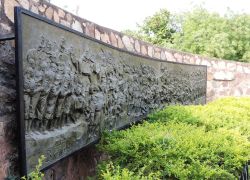
Kala Amb Park is one of the most historically significant tourist attractions in Panipat, Haryana. Located near the site of the famous Third Battle of Panipat (1761), this memorial park is dedicated to commemorating one of the most important battles in Indian history. The park is a major attraction for history lovers, students, researchers, tourists, and families visiting Panipat. Known for its landscaped gardens, historical memorial structures, and educational importance, Kala Amb Park offers visitors an opportunity to explore both history and leisure in one place. The site is peaceful, well-maintained, and deeply connected to the Maratha history of India. Why is Kala Amb Park Famous? Kala Amb Park is famous for being associated with the Third Battle of Panipat, fought on 14 January 1761 between the Marathas and the forces of Ahmad Shah Abdali. The park is especially known for: • Historical battlefield memorial • Third Battle of Panipat connection • Memorial pillar and structures • Landscaped gardens • Educational and heritage tourism • Peaceful environment for visitors The site is an important destination for understanding one of the most decisive military conflicts in Indian history. History of Kala Amb Park Kala Amb Park derives its name from a historic black mango tree ("Kala Amb"), believed to have stood near the battlefield site where the Third Battle of Panipat took place. According to historical accounts, the battle was fought between the Maratha Empire and Ahmad Shah Abdali (Durrani Empire). This battle significantly changed the political future of India and weakened Maratha expansion in North India. To preserve the memory of this important event, a memorial park was later developed at the battlefield site. Today, the park serves as both a remembrance site and tourist attraction. Architecture and Design of Kala Amb Park Kala Amb Park combines memorial architecture with landscaped park design. Main highlights include: • Historical memorial pillar • Battle commemoration plaques • Green lawns and gardens • Walking pathways • Seating areas • Educational display boards The layout is designed to preserve historical significance while offering a comfortable visitor experience. Weather at Kala Amb Park, Panipat Summer (April to June): Hot weather with temperatures ranging from 30°C to 44°C. Monsoon (July to September): Moderate rainfall with temperatures between 25°C to 35°C. Winter (October to February): Pleasant and cool weather ranging from 7°C to 22°C. The best time to visit is from October to March. Kala Amb Park Timings Opening Time: 8:00 AM Closing Time: 6:00 PM Open Days: Monday to Sunday Morning and evening visits are ideal for comfortable sightseeing. Entry Fee and Visit Details Entry Fee: Usually free or minimal maintenance fee depending on management updates. Parking: Available near the park. Photography: Allowed for personal use. The average visit duration is around 1 to 2 hours. How to Reach Kala Amb Park, Panipat By Road: Kala Amb Park is located on the outskirts of Panipat and is easily accessible by taxi, private vehicle, or auto-rickshaw. Distance from Panipat Bus Stand: Approx. 8 km Distance from Panipat Railway Station: Approx. 9 km By Train: Nearest railway station is Panipat Junction Railway Station. By Bus: Panipat is well connected with Delhi, Karnal, Sonipat, Kurukshetra, and Chandigarh. By Air: Nearest airport is Indira Gandhi International Airport, New Delhi. Things to Do at Kala Amb Park 1. Explore Historical Memorial Visit the memorial pillar and learn about the Third Battle of Panipat. 2. Heritage Learning Read historical information boards and understand battle significance. 3. Photography Capture park landscapes, monuments, and memorial structures. 4. Family Visit Enjoy peaceful gardens and open spaces. 5. Walking and Relaxation Take a walk through landscaped pathways. Interesting Facts About Kala Amb Park • Connected to Third Battle of Panipat (1761) • Named after historic black mango tree • Important Maratha memorial site • Educational destination for history students • One of Panipat’s key heritage attractions Travel Tips for Visitors • Visit during winter for pleasant weather • Carry water bottle during summer • Wear comfortable walking shoes • Read historical plaques carefully • Carry camera for photography • Combine with Panipat Museum and battlefield tour Best Time to Visit Kala Amb Park The ideal time to visit is from October to March, when the weather is comfortable for outdoor sightseeing and historical exploration. Conclusion Kala Amb Park is one of the most historically important destinations in Panipat, offering visitors a chance to connect with the legacy of the Third Battle of Panipat. Its memorial significance, landscaped environment, and educational value make it a must-visit attraction in Haryana. If you are interested in Indian history, battlefields, and heritage tourism, Kala Amb Park, Panipat is a destination worth exploring.
Explore More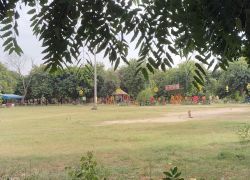
Rao Tula Ram Memorial Park is an important historical and cultural attraction located in Rewari, Haryana. Dedicated to Rao Tula Ram, one of the prominent freedom fighters of the Indian Rebellion of 1857, the memorial park honors his bravery, patriotism, and contribution to India’s struggle against British rule. The park serves as both a tribute site and a peaceful public space where visitors can learn about regional history while enjoying a relaxing environment. It is a place of pride for the people of Haryana, especially in Rewari, as Rao Tula Ram was closely associated with this region. The memorial park attracts students, history enthusiasts, families, and travelers interested in India’s freedom movement. Why is Rao Tula Ram Memorial Park Famous? Rao Tula Ram Memorial Park is famous for commemorating the legacy of Rao Tula Ram, a respected revolutionary leader during the 1857 uprising. The park is known for: • Historical importance • Tribute to freedom fighter Rao Tula Ram • Educational value • Landscaped park environment • Local pride and heritage significance It is one of the must-visit places in Rewari for understanding local history. History of Rao Tula Ram Memorial Park Rao Tula Ram was a ruler and freedom fighter from Rewari who played a major role in resisting British forces during the Indian Rebellion of 1857. He is remembered for organizing military resistance, supporting rebel forces, and becoming a symbol of courage and nationalism. To honor his contribution, the memorial park was established as a place of remembrance and public awareness. Today, the site stands as a reminder of Haryana’s role in India’s freedom struggle. Architecture and Layout The memorial park combines commemorative elements with landscaped recreational space. Main features include: • Statue or memorial structure of Rao Tula Ram • Landscaped gardens • Walking pathways • Seating areas • Open lawns • Informational sections Its layout is simple, spacious, and visitor-friendly. How to Reach Rao Tula Ram Memorial Park By Air: Nearest airport is Indira Gandhi International Airport, Delhi, approximately 75 km away. By Train: Nearest railway station is Rewari Junction, located within city limits. By Road: The memorial park is well connected by road and easily accessible via buses, taxis, auto-rickshaws, and private vehicles. Distance from major locations: • Rewari Bus Stand: 2–4 km • Rewari Junction: 3 km • Gurugram: 50 km • Delhi: 80 km Weather at Rao Tula Ram Memorial Park Summer (March to June): Temperature ranges between 30°C to 43°C. Monsoon (July to September): Pleasant greenery and occasional rain. Winter (October to February): Temperature ranges from 7°C to 22°C and is ideal for visiting. Timings of Rao Tula Ram Memorial Park The park is generally open daily. Opening Time: 6:00 AM Closing Time: 8:00 PM Morning and evening visits are recommended. Entry Fee and Visit Details Entry to Rao Tula Ram Memorial Park is generally free. Entry Fee: Free Parking: Usually available nearby Visitors typically spend 30 minutes to 1 hour here. Things to Do at Rao Tula Ram Memorial Park 1. Explore Historical Memorial Learn about Rao Tula Ram’s life and contribution. 2. Relax in the Park Enjoy greenery and open spaces. 3. Photography Capture memorial structures and landscaped areas. 4. Educational Visits Ideal for students and history lovers. 5. Walking and Leisure Take a peaceful walk through the park. Interesting Facts About Rao Tula Ram Memorial Park • Honors freedom fighter Rao Tula Ram. • Linked to the Indian Rebellion of 1857. • Important heritage attraction in Rewari. • Popular among students and families. • Represents Haryana’s freedom legacy. Travel Tips for Visitors • Visit during morning or evening hours. • Carry water in summer months. • Wear comfortable footwear. • Read historical displays carefully. • Combine with nearby Rewari attractions. Nearby Attractions Visitors can also explore: • Rewari Steam Locomotive Shed • Ghanteshwar Mandir • Bada Talab • Red Mosque (Lal Masjid) Best Time to Visit Rao Tula Ram Memorial Park The best time to visit is from October to March, when the weather is pleasant and suitable for outdoor sightseeing. Conclusion Rao Tula Ram Memorial Park is an important destination in Rewari, Haryana, blending history, patriotism, and recreation. Dedicated to one of India’s notable freedom fighters, the park offers visitors an educational and peaceful experience. Whether you are interested in Indian history, heritage tourism, or simply a relaxing outdoor visit, Rao Tula Ram Memorial Park is a worthwhile stop in Rewari.
Explore More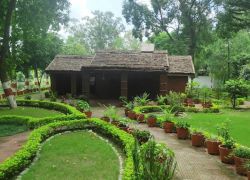
Chaudhary Devi Lal Herbal Nature Park
Chaudhary Devi Lal Herbal Nature Park is a popular eco-tourism and recreational destination located in Yamuna Nagar, Haryana. Known for its lush greenery, herbal plantations, walking trails, and peaceful natural surroundings, this park is an excellent place for families, fitness enthusiasts, students, and nature lovers. Spread across a large area, the park has been developed to promote environmental awareness, medicinal plants, biodiversity conservation, and healthy outdoor activities. The park is named after former Deputy Prime Minister of India Chaudhary Devi Lal, an important political leader from Haryana. It serves as both an educational and leisure destination where visitors can relax while learning about medicinal herbs, native plants, and sustainable ecology. Why is Chaudhary Devi Lal Herbal Nature Park Famous? The park is famous for its large collection of medicinal and herbal plants, well-maintained gardens, eco-friendly atmosphere, and recreational facilities. Unlike regular city parks, this destination focuses on nature conservation and awareness about herbal species used in Ayurveda and traditional medicine. Major attractions of the park include: • Herbal gardens • Jogging and walking tracks • Green lawns and landscaped gardens • Picnic spots • Educational plant displays • Children's activity areas It is especially popular among morning walkers, yoga groups, school tours, and families seeking a peaceful weekend outing. History of Chaudhary Devi Lal Herbal Nature Park The park was developed by the Haryana government as part of environmental conservation and urban green development initiatives. It was created to provide a green recreational space while also educating the public about the value of medicinal herbs and biodiversity. Named in honor of Chaudhary Devi Lal, the park symbolizes Haryana’s focus on environmental sustainability, public wellness, and eco-tourism. Over the years, it has become one of the most visited nature parks in Yamuna Nagar district. Architecture and Park Layout Though not a monument, the park features thoughtfully planned landscaping and eco-friendly design. Main architectural and layout features include: • Themed herbal gardens • Pathways lined with trees and plants • Water bodies and fountains • Seating zones and gazebos • Open lawns for relaxation • Signboards describing plant species The overall layout is designed to encourage walking, relaxation, learning, and nature appreciation. How to Reach Chaudhary Devi Lal Herbal Nature Park By Air: Nearest airport is Chandigarh International Airport, approximately 95 km away. By Train: Nearest railway station is Yamuna Nagar-Jagadhri Railway Station, located around 8 km from the park. By Road: The park is easily accessible by local transport, taxis, auto-rickshaws, and private vehicles from Yamuna Nagar city. Distance from major locations: • Yamuna Nagar Bus Stand: 7 km • Jagadhri: 9 km • Chandigarh: 95 km • Delhi: 200 km Weather at Chaudhary Devi Lal Herbal Nature Park Summer (March to June): Temperature ranges between 28°C to 42°C. Early morning visits are recommended. Monsoon (July to September): Moderate to heavy rainfall turns the park lush green and beautiful. Winter (October to February): Temperature ranges from 8°C to 22°C. This is the best season for walking, sightseeing, and picnics. Park Timings The park is generally open daily for visitors. Opening Time: 5:30 AM Closing Time: 7:30 PM Best visiting hours: • Morning: 6:00 AM to 10:00 AM • Evening: 4:00 PM to 7:00 PM Entry Fee and Visit Details The park is affordable and family-friendly. Approximate Entry Fee: • Adults: INR 10-20 • Children: INR 5-10 • Parking: Nominal charges may apply Visitors can spend around 1–3 hours enjoying the gardens, walking tracks, and picnic zones. Things to Do at Chaudhary Devi Lal Herbal Nature Park 1. Nature Walks Walk through scenic herbal gardens and green pathways. 2. Learn About Medicinal Plants Read educational boards and discover herbal species used in traditional medicine. 3. Morning Exercise and Yoga The peaceful environment is perfect for yoga, jogging, and fitness activities. 4. Family Picnic Spend quality time on green lawns with family and friends. 5. Photography Capture flowers, landscapes, fountains, and lush gardens. 6. Children's Activities Kids can enjoy open spaces and activity areas. Interesting Facts About the Park • The park promotes herbal awareness and eco-tourism. • It houses many medicinal plant varieties. • It is named after former Deputy PM Chaudhary Devi Lal. • Popular among fitness enthusiasts and families. • One of Yamuna Nagar’s best green recreational spaces. Travel Tips for Visitors • Visit during morning or evening for pleasant weather. • Carry water bottles and light snacks. • Wear comfortable walking shoes. • Avoid littering and respect park cleanliness. • Carry a camera for nature photography. • Visit in winter or monsoon for best greenery. Best Time to Visit The best time to visit Chaudhary Devi Lal Herbal Nature Park is from October to March when the climate is cool and ideal for outdoor activities. Monsoon also offers excellent greenery and refreshing views. Nearby Attractions Visitors can combine their trip with nearby attractions such as: • Kalesar National Park • Hathni Kund Barrage • Adi Badri • Bilaspur town attractions Conclusion Chaudhary Devi Lal Herbal Nature Park is a refreshing escape from urban life and one of the finest eco-friendly attractions in Yamuna Nagar, Haryana. Whether you are looking for a peaceful walk, family outing, fitness activity, or educational nature experience, this park offers something for everyone. Its beautiful gardens, herbal collections, and calm atmosphere make it a must-visit attraction in the region.
Explore More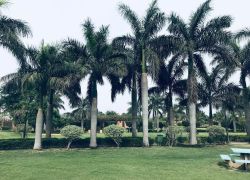
OP Jindal Park is one of the most popular recreational and family-friendly parks in Yamuna Nagar, Haryana. Known for its beautifully landscaped gardens, jogging tracks, fountains, open green spaces, and peaceful environment, this park serves as a refreshing urban escape for residents and tourists alike. Named after the renowned industrialist and philanthropist Om Prakash Jindal, the park is a well-maintained public attraction that offers relaxation, fitness opportunities, and leisure activities for all age groups. Located in a convenient part of Yamuna Nagar, OP Jindal Park is ideal for morning walks, evening outings, picnics, family gatherings, and spending quality time amidst greenery. It has become a favorite destination for locals looking to escape the rush of city life without traveling far. Why is OP Jindal Park Famous? OP Jindal Park is famous for its clean surroundings, beautiful landscaping, family-friendly atmosphere, and recreational facilities. The park is widely appreciated for being one of the most attractive public green spaces in Yamuna Nagar. The park is especially known for: • Lush green lawns • Walking and jogging tracks • Musical fountains and water features • Children's play areas • Peaceful picnic spots • Well-maintained flower gardens Its organized layout and relaxing environment make it ideal for both fitness enthusiasts and families. History of OP Jindal Park OP Jindal Park was developed as part of community welfare and urban beautification efforts inspired by the legacy of Om Prakash Jindal, founder of the Jindal Group and an influential industrialist. The park was created to offer a clean, green, and accessible recreational space for local residents. Over the years, it has become one of Yamuna Nagar’s best-known public parks and an important social gathering place. Today, the park is regularly maintained and visited by people from Yamuna Nagar, Jagadhri, and nearby towns. Architecture and Park Layout OP Jindal Park features a thoughtfully designed layout focused on greenery, accessibility, and recreation. Architectural and landscape highlights include: • Wide paved walking tracks • Decorative fountains • Landscaped gardens • Seating benches and gazebos • Open lawns • Kids' activity zone The park's design balances beauty with utility, creating a welcoming space for visitors of all ages. How to Reach OP Jindal Park By Air: Nearest airport is Chandigarh International Airport, around 95 km away. By Train: Nearest railway station is Yamuna Nagar-Jagadhri Railway Station, approximately 6 km from the park. By Road: The park is well connected by city roads and can be easily reached by taxis, auto-rickshaws, buses, and private vehicles. Distance from major places: • Yamuna Nagar Bus Stand: 5 km • Jagadhri: 7 km • Chandigarh: 95 km • Delhi: 200 km Weather at OP Jindal Park Summer (March to June): Temperature ranges from 28°C to 42°C. Morning and evening visits are recommended. Monsoon (July to September): Pleasant weather with lush greenery and fresh surroundings. Winter (October to February): Temperature ranges between 8°C to 22°C. Best season to visit the park. Timings of OP Jindal Park The park is generally open daily for visitors. Opening Time: 5:00 AM Closing Time: 9:00 PM Best visiting hours: • Morning: 5:30 AM to 9:00 AM • Evening: 4:30 PM to 8:00 PM Entry Fee and Visit Details OP Jindal Park is affordable and accessible for families. Approximate Entry Fee: • Adults: INR 10-20 • Children: INR 5-10 • Parking: Nominal charges may apply Visitors typically spend 1–3 hours in the park. Things to Do at OP Jindal Park 1. Morning Walks and Jogging Enjoy fresh air and well-maintained walking tracks. 2. Family Picnics Relax with family on spacious green lawns. 3. Photography Capture flowers, fountains, and scenic park views. 4. Children's Activities Kids can enjoy play zones and open spaces. 5. Yoga and Meditation The calm atmosphere is ideal for wellness activities. 6. Evening Relaxation Spend leisure time with friends or family. Interesting Facts About OP Jindal Park • Named after industrialist Om Prakash Jindal. • Popular among local families and fitness enthusiasts. • One of the best-maintained parks in Yamuna Nagar. • Features attractive fountains and flower gardens. • Serves as a major recreational hub in the city. Travel Tips for Visitors • Visit during morning or evening for best weather. • Carry drinking water during summer. • Wear comfortable shoes for walking. • Maintain cleanliness inside the park. • Supervise children near fountains or play areas. Nearby Attractions Visitors can combine their trip with nearby attractions such as: • Panchmukhi Hanuman Mandir • Sant Pura Gurudwara • Chaudhary Devi Lal Herbal Nature Park • Chaneti Buddhist Stupa Best Time to Visit OP Jindal Park The best time to visit OP Jindal Park is from October to March when the weather is pleasant and suitable for outdoor activities. Conclusion OP Jindal Park is one of the finest recreational destinations in Yamuna Nagar, Haryana. Whether you want a peaceful walk, family outing, fitness session, or picnic amidst greenery, this park offers a refreshing experience for all visitors. Its clean environment, attractive landscaping, and convenient location make it a must-visit urban attraction in the city.
Explore More
The Tilyar Lake at Rohtak, 70 kilometres away from Delhi, with facilities like boating and kayaking. In a different direction and located 64 kilometres from Delhi on the old highway to Alwar, is the Damdama Lake with cottages built on higher ground and mirrored in the calm waters of the lake. A camping complex for the adventurous is also there and facilities for sports such as rock climbing on the surrounding Aravali ranges, canoeing, kayaking, cycling and trekking are all available.
Explore More
Welcome to the serene oasis of Ch. Devi Lal Park nestled in the heart of Bhiwani. This natural haven offers a unique blend of biodiversity, tranquility, and historical significance, making it a must-visit destination for nature enthusiasts and wildlife lovers. History of Ch. Devi Lal Park Ch. Devi Lal Park has a rich historical background dating back to its origins as a former royal hunting ground. Over the years, concerted conservation efforts have transformed this area into a thriving ecosystem, earning it recognition for its ecological significance. Architecture and Natural Beauty of Ch. Devi Lal Park The park is renowned for its lush wetlands, verdant forests, sprawling grasslands, and diverse bird habitats. The picturesque landscapes are enhanced by the presence of the historical Keoladeo Temple, adding a touch of cultural heritage to the natural beauty of the park. Why is Ch. Devi Lal Park Famous? Ch. Devi Lal Park is celebrated for its abundant birdlife, making it a paradise for birdwatchers, photographers, and nature enthusiasts. The park's tranquil ambiance and rich biodiversity attract wildlife lovers from far and wide. How to Reach Ch. Devi Lal Park Traveling to Ch. Devi Lal Park is convenient, with options available via air, rail, and road. The park is easily accessible from nearby airports and railway stations, ensuring a smooth journey for visitors. Weather and Best Time to Visit Ch. Devi Lal Park Throughout the seasons, Ch. Devi Lal Park offers a unique experience. While summers bring vibrant colors and active wildlife, monsoons rejuvenate the landscape, and winters offer a peaceful retreat. The best time to visit varies depending on personal preferences, with each season offering its own charm. Timings of Ch. Devi Lal Park Ch. Devi Lal Park welcomes visitors during specific timings, ensuring a pleasant and organized experience. Seasonal variations may affect these timings, so it's advisable to plan ahead for an optimal visit. Entry Fee and Visit Details Visitors to Ch. Devi Lal Park can expect a seamless entry process, with guide services available for those seeking in-depth knowledge about the park. Safari options, bicycle rentals, and other visitor facilities enhance the overall experience, making it a memorable visit for all. Things to Do at Ch. Devi Lal Park Embark on a journey of exploration at Ch. Devi Lal Park through popular activities like birdwatching, photography, cycling, walking trails, and nature observation. Educational experiences await those curious about the park's rich biodiversity and ecological importance. Interesting Facts About Ch. Devi Lal Park Ch. Devi Lal Park is not just a sanctuary for migratory birds but also a testament to successful conservation efforts. The park's ecological importance and biodiversity achievements make it a beacon of environmental stewardship. Travel Tips for Visiting Ch. Devi Lal Park For a fulfilling visit to Ch. Devi Lal Park, remember to dress appropriately, carry essential photography and birdwatching equipment, and time your visit according to the seasons. Adopt responsible tourism practices to preserve the park's natural beauty for future generations. Conclusion In conclusion, Ch. Devi Lal Park in Bhiwani stands as a testament to the harmonious coexistence of nature, history, and conservation. Visitors to this enchanting destination are treated to a symphony of sights and sounds, making it a truly unforgettable experience in the lap of nature.
Explore MoreDalhousie - Khajjiar Tour Package From Delhi - 2Night 3Days
3 Days/ 2 Night
Ambala - Panipat - Dalhousie - Ludhiana - Kurukshetra - Pathankot
7N 8D Rajasthan Tour Package
8 Days/ 7 Night
Gurgaon - Jaipur - Jodhpur - Mount Abu - Udaipur
Char Dham Yatra By Helicopter 5 Night / 6 Day
6 Days/ 5 Night
Dehradun - Kedarnath - Badrinath - Yamuna Nagar - Gangotri
9N 10D Haridwar - Vaishno Devi - Amritsar Trip
10 Days/ 9 Night
Chandigarh City - Katra - Amritsar - Haridwar - Kurukshetra - Rishikesh