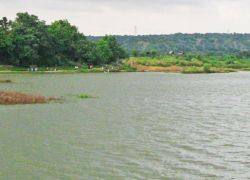
Damdama Lake is one of the most serene and picturesque destinations in Haryana, located near the city of Sohna. It is a perfect getaway for nature lovers, adventure enthusiasts, and those looking for a peaceful retreat away from the hustle and bustle of city life. Nestled in the Aravalli hills, Damdama Lake offers stunning landscapes, fresh air, and a variety of recreational activities that make it a popular tourist destination. How to Reach Damdama Lake, Sohna, Haryana Reaching Damdama Lake is quite convenient, as it is well-connected by road. The lake is situated approximately 24 kilometers from Gurugram and about 60 kilometers from Delhi. You can reach Damdama Lake by: By Car: The drive from Delhi or Gurugram is smooth and scenic, taking roughly 1–1.5 hours. The best route is via NH248A and Sohna Road. By Bus: Haryana Tourism buses and private operators run services to Sohna. From Sohna, local taxis or auto-rickshaws can take you directly to the lake. By Train: The nearest major railway station is Gurgaon Railway Station, from where you can hire a taxi or drive to Damdama Lake. Weather at Damdama Lake, Sohna The climate at Damdama Lake is moderate, but it is advisable to plan your visit according to the season: Summer (April to June): Temperatures can range from 25°C to 40°C. Early morning or late evening visits are recommended. Monsoon (July to September): The lake becomes lush and green, making it perfect for nature photography, though occasional heavy rains may cause temporary closures. Winter (October to February): This is the best time to visit, with temperatures ranging from 10°C to 25°C. The weather is pleasant, ideal for boating and trekking. Timing The lake is usually open for visitors throughout the day. However, the ideal visiting hours are: Morning: 6:00 AM – 10:00 AM Afternoon: 11:00 AM – 4:00 PM Evening: 4:30 PM – 7:00 PM Early morning or late afternoon visits are perfect for enjoying the sunrise, sunset, and calm waters. Why Damdama Lake is Famous Damdama Lake is famous for its natural beauty, adventure sports, and tranquil surroundings. It is one of the largest natural lakes in Haryana and is set amidst the Aravalli hills, offering breathtaking views of the hills and surrounding greenery. The lake attracts tourists for: Boating and water sports Trekking and rock climbing in the Aravalli hills Picnics and camping experiences Photography and birdwatching opportunities Entry and Visit Details Entry to Damdama Lake is usually free, but some adventure activities or boating facilities may require a nominal fee. Visitors can enjoy: Rowing and paddle boating Kayaking and other water sports Horse riding and camel rides nearby Camping with tents and bonfires arranged by local operators It is recommended to reach early in the day, especially on weekends, to avoid crowds and make the most of your visit. History and Architecture The lake itself is natural and does not have ancient architecture around it, but the area is rich in cultural history. Sohna is historically significant and was known for its hot springs and temples. Some nearby attractions that reflect the region’s history include: Sohna Fort: A historical fort dating back several centuries, showcasing medieval architecture and hilltop views. Hot Springs: Famous for their medicinal properties, adding a historical and spiritual appeal to the region. Things to Do at Damdama Lake Visitors can enjoy a wide range of activities at Damdama Lake: Boating: Paddle, row, or speed boats offer a relaxing time on the water. Trekking: Explore trails in the surrounding Aravalli hills suitable for beginners and experienced trekkers. Camping: Spend a night under the stars in tents arranged by local tourism operators. Picnics: Ideal spot for family outings with shaded areas and open spaces. Photography: Capture scenic sunrises, sunsets, and the lake’s reflection in the calm waters. Interesting Facts About Damdama Lake Damdama Lake is part of the Aravalli Biodiversity Park, home to many species of birds and flora. It is one of the few natural lakes in Haryana that retains its ecological significance. The lake expands during the monsoon, making it a seasonal attraction for boating and water activities. Tips for Visiting Damdama Lake Carry water, snacks, and sunscreen, especially if visiting during summer. Wear comfortable shoes if you plan to trek in the Aravalli hills. Check weather updates before visiting during the monsoon season. Plan early morning or late afternoon visits for the best views and photography opportunities. Ensure safety during water sports and follow local guidelines. Overall, Damdama Lake, Sohna, Haryana is an ideal destination for nature lovers, adventure enthusiasts, and families looking for a peaceful retreat. With its scenic beauty, adventure opportunities, and proximity to major cities like Delhi and Gurugram, it promises a memorable and rejuvenating experience.
Explore More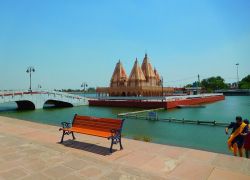
Brahma Sarovar is one of the most sacred water tanks and pilgrimage sites in Kurukshetra, Haryana. Known for its spiritual importance, historical significance, and peaceful surroundings, Brahma Sarovar attracts thousands of devotees, tourists, and history lovers throughout the year. It is believed to be the place where Lord Brahma created the universe, making it one of the holiest places in Hindu mythology. Located in the heart of Kurukshetra, Brahma Sarovar is a massive man-made water reservoir surrounded by ghats, temples, gardens, and walking paths. The site becomes especially crowded during solar eclipses, religious festivals, and major Hindu celebrations when pilgrims come here for holy bathing. Why is Brahma Sarovar Famous? Brahma Sarovar is famous for its deep religious significance and connection to Hindu mythology. According to beliefs, taking a dip in the sacred waters of Brahma Sarovar during important occasions helps devotees attain spiritual purification and blessings. Main reasons why Brahma Sarovar is famous: • Religious importance: Considered one of the holiest water bodies in India. • Mythological connection: Believed to be associated with Lord Brahma and creation of the universe. • Massive size: One of Asia’s largest man-made water tanks. • Evening light show: Beautiful lighting and fountains enhance the atmosphere. • Festivals: Popular during Gita Jayanti and solar eclipse events. History of Brahma Sarovar The history of Brahma Sarovar is deeply connected with the ancient city of Kurukshetra, which is mentioned in the Mahabharata and various Hindu scriptures. Kurukshetra is believed to be the land where the epic battle of Mahabharata took place and where Lord Krishna delivered the Bhagavad Gita to Arjuna. According to mythology, Lord Brahma performed a great yajna (sacred ritual) at this site after creating the universe. Because of this, the water tank came to be known as Brahma Sarovar. Over the centuries, rulers and governments renovated and expanded the sarovar to preserve its religious and tourism value. Today, it is a well-maintained pilgrimage and heritage destination. Architecture of Brahma Sarovar The architecture of Brahma Sarovar is both spiritual and practical. The huge rectangular water tank is beautifully developed with modern amenities while maintaining traditional religious design. Main architectural highlights include: • Large water reservoir: Massive sacred tank spread over a wide area. • Ghats: Wide stone steps for pilgrims to access the water. • Central island temple: Small temple structure located in the middle of the sarovar. • Walkways: Pathways around the water body for walking and sightseeing. • Lighting system: Decorative evening lights create a beautiful reflection on water. • Gardens: Landscaped green areas surrounding the site. How to Reach Brahma Sarovar, Kurukshetra By Air: Nearest airport is Chandigarh International Airport, around 90 km away. Delhi airport is another option. By Train: Nearest railway station is Kurukshetra Junction Railway Station, approximately 4 km from Brahma Sarovar. By Road: Kurukshetra is well connected by road to Delhi, Chandigarh, Ambala, and Karnal. Approximate distances: • Delhi: 160 km • Chandigarh: 90 km • Karnal: 40 km Local autos, taxis, and e-rickshaws are easily available from the railway station and bus stand. Weather at Brahma Sarovar Summer (April to June): Temperature ranges between 30°C to 43°C. Weather can be hot during daytime. Monsoon (July to September): Moderate rainfall with pleasant surroundings. Winter (October to February): Best time to visit with temperatures ranging from 7°C to 24°C. Best time to visit: October to March. Brahma Sarovar Timings Opening Time: 5:00 AM Closing Time: 9:00 PM The site is open daily for devotees and tourists. Best visiting hours: Early morning or evening for spiritual atmosphere and lighting views. Entry Fee and Visit Details Entry Fee: Free There is no entry fee to visit Brahma Sarovar. Average Visit Duration: 1 to 3 hours Suitable for: • Families • Pilgrims • Solo travelers • History lovers • Photographers Things to Do at Brahma Sarovar 1. Holy Bathing Take a sacred dip in the holy waters. 2. Temple Visit Visit nearby temples and the central island temple. 3. Evening Walk Enjoy peaceful walking paths around the sarovar. 4. Photography Capture reflections, lighting, and temple views. 5. Attend Festivals Experience Gita Jayanti celebrations and religious events. Interesting Facts About Brahma Sarovar • Brahma Sarovar is believed to be linked to creation mythology. • It is one of the largest man-made sacred water tanks in Asia. • Thousands of devotees visit during solar eclipses. • Kurukshetra is considered the land of the Mahabharata. • Evening lighting makes the sarovar visually stunning. Travel Tips for Visiting Brahma Sarovar • Wear modest clothing as it is a religious place. • Visit early morning for peaceful atmosphere. • Carry water bottles during summer visits. • Remove footwear where required near temples. • Keep surroundings clean and avoid littering. • Attend evening hours to enjoy lighting and fountains. Nearby Attractions Visitors can also explore nearby attractions: • Jyotisar • Sannihit Sarovar • Kurukshetra Panorama and Science Centre • Sheikh Chilli Tomb Conclusion Brahma Sarovar, Kurukshetra is not only a sacred pilgrimage site but also a peaceful destination rich in mythology, culture, and history. Its spiritual atmosphere, beautiful architecture, and historical importance make it one of Haryana’s top tourist attractions. Whether you are a devotee, traveler, or history enthusiast, Brahma Sarovar offers a meaningful and memorable experience in the holy city of Kurukshetra.
Explore More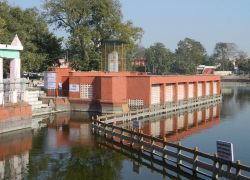
Sannihit Sarovar is one of the most sacred pilgrimage sites in Kurukshetra, Haryana. Known for its deep religious significance, holy waters, and mythological importance, this sarovar attracts thousands of devotees, pilgrims, and tourists throughout the year. Located near other famous religious attractions such as Brahma Sarovar and Bhadrakali Temple, Sannihit Sarovar is considered an important spiritual destination for Hindus. According to Hindu beliefs, Sannihit Sarovar is the meeting point of seven sacred rivers. It is believed that taking a holy dip here on special occasions washes away sins and brings spiritual blessings. Because of this, the sarovar becomes highly crowded during Amavasya, solar eclipses, and religious festivals. Why is Sannihit Sarovar Famous? Sannihit Sarovar is famous for its strong mythological and religious connection. Devotees believe that all sacred rivers, including the Ganga and Yamuna, meet spiritually at this holy water tank. Main reasons why Sannihit Sarovar is famous: • Sacred bathing site: Pilgrims visit to take holy dips for purification. • Religious importance: Important place for performing rituals for ancestors. • Mythological significance: Believed to be the confluence of seven sacred rivers. • Festival celebrations: Large gatherings during Amavasya and eclipses. • Peaceful atmosphere: Ideal for spiritual reflection and worship. History of Sannihit Sarovar The history of Sannihit Sarovar is closely linked with the ancient city of Kurukshetra, which is mentioned in Hindu scriptures, the Mahabharata, and Puranas. Kurukshetra has been an important religious and cultural center for thousands of years. According to mythology, Sannihit Sarovar is the sacred location where seven holy rivers unite. It is also believed to be the residence of Lord Vishnu during certain celestial alignments. For centuries, pilgrims have visited this sarovar to perform rituals, prayers, and pind daan ceremonies for ancestors. The site continues to remain an important center of Hindu devotion. Architecture of Sannihit Sarovar Sannihit Sarovar has a traditional and functional architectural design focused on pilgrimage activities. Main architectural highlights include: • Sacred water tank: Large holy pond used for ritual bathing. • Ghats: Stone steps around the sarovar for easy access to water. • Temple structures: Small temples and shrines near the water. • Covered areas: Spaces for devotees to sit and perform rituals. • Walkways: Paths surrounding the sarovar for visitors. The area is well maintained and designed to handle large numbers of pilgrims. How to Reach Sannihit Sarovar, Kurukshetra By Air: Nearest airport is Chandigarh International Airport, approximately 90 km away. Delhi airport is another major option. By Train: Nearest railway station is Kurukshetra Junction Railway Station, about 3-4 km from Sannihit Sarovar. By Road: Kurukshetra is well connected by highways and roads to Delhi, Chandigarh, Karnal, and Ambala. Approximate distances: • Delhi: 160 km • Chandigarh: 90 km • Karnal: 40 km Auto-rickshaws, taxis, and local buses are easily available. Weather at Sannihit Sarovar Summer (April to June): Temperature ranges between 30°C to 43°C. Hot afternoons should be avoided. Monsoon (July to September): Pleasant weather with moderate rainfall. Winter (October to February): Best season to visit with temperatures between 7°C to 24°C. Best time to visit: October to March. Sannihit Sarovar Timings Opening Time: 5:00 AM Closing Time: 9:00 PM The sarovar is open daily. Best visiting hours: Early morning or evening. Entry Fee and Visit Details Entry Fee: Free There is no entry fee for visiting Sannihit Sarovar. Average Visit Duration: 1 to 2 hours Suitable for: • Devotees • Families • Pilgrims • Spiritual travelers • Tourists Things to Do at Sannihit Sarovar 1. Holy Bathing Take a sacred dip in the holy waters. 2. Perform Rituals Offer prayers and perform ancestral rituals. 3. Temple Visit Explore nearby temples and shrines. 4. Spiritual Meditation Enjoy peaceful surroundings for prayer and reflection. 5. Photography Capture the beautiful ghats and religious atmosphere. Interesting Facts About Sannihit Sarovar • It is believed that seven sacred rivers meet here spiritually. • Holy bathing is considered highly auspicious on Amavasya. • Ancestor rituals are commonly performed here. • It is one of Kurukshetra’s oldest pilgrimage sites. • The sarovar is closely linked to Lord Vishnu traditions. Travel Tips for Visiting Sannihit Sarovar • Wear modest clothing suitable for religious sites. • Visit early morning for peaceful atmosphere. • Carry extra clothes if planning holy bathing. • Avoid littering and maintain cleanliness. • Remove footwear where required. • Respect religious customs and local traditions. Nearby Attractions in Kurukshetra Visitors can also explore: • Brahma Sarovar • Bhadrakali Temple • Jyotisar • Kurukshetra Panorama and Science Centre Conclusion Sannihit Sarovar, Kurukshetra is a spiritually significant destination known for its holy waters, religious rituals, and peaceful atmosphere. Its mythological importance and sacred traditions make it one of Haryana’s most visited pilgrimage attractions. Whether you are a devotee or a traveler exploring Kurukshetra’s religious heritage, Sannihit Sarovar offers a meaningful spiritual experience and cultural insight.
Explore More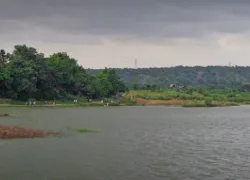
Badkhal Lake is one of the well-known tourist attractions in Faridabad, Haryana. Surrounded by the scenic Aravalli hills, this man-made lake has long been a popular picnic destination, weekend getaway, and nature spot for visitors from Delhi NCR, Haryana, and nearby regions. Though the lake has faced environmental challenges over the years, it still remains an important landmark and attractive sightseeing location in Faridabad. Badkhal Lake is appreciated for its peaceful natural setting, open landscape, birdwatching opportunities, and relaxing environment. Families, couples, photographers, and nature lovers often visit this destination to enjoy a refreshing break from city life. Why is Badkhal Lake Famous? Badkhal Lake is famous for its scenic beauty, man-made lake structure, and location amidst the Aravalli hills. Main reasons why Badkhal Lake is famous: • Natural beauty: Beautiful surroundings with hills and greenery. • Picnic destination: Popular weekend spot for families and groups. • Birdwatching: Seasonal birds and local wildlife can be spotted nearby. • Photography: Scenic landscape attracts photographers. • Delhi NCR getaway: Easily accessible from Delhi, Gurugram, and Noida. History of Badkhal Lake Badkhal Lake was developed as a man-made embankment lake in 1947. The lake was created by building an embankment to collect rainwater from the surrounding Aravalli hills. The name “Badkhal” comes from the Persian word meaning “without interference.” Over the years, the lake became one of Haryana’s major tourist destinations and a preferred picnic location. However, due to reduced rainfall, mining activities, and ecological changes in the Aravalli region, water levels declined significantly. Conservation and restoration efforts have been discussed to revive the lake and preserve its environmental value. Architecture and Landscape Badkhal Lake is primarily known for its natural and landscape-based appeal rather than architectural structures. Main highlights include: • Lake basin: Man-made water reservoir surrounded by hills. • Aravalli backdrop: Rocky hill landscapes and greenery. • Walking areas: Open spaces suitable for casual walks. • Picnic zones: Open areas for relaxing and outings. • Scenic viewpoints: Great for landscape photography. How to Reach Badkhal Lake, Faridabad By Air: Nearest airport is Indira Gandhi International Airport, Delhi, approximately 40 km away. By Train: Nearest railway station is Faridabad Railway Station, around 12 km away. By Metro: Nearest metro station is Badkhal Mor Metro Station on Delhi Metro Violet Line. By Road: Faridabad is well connected by highways and city roads. Approximate distances: • Delhi: 32 km • Gurugram: 35 km • Noida: 30 km Visitors can reach the lake by private car, taxi, metro plus auto, or local buses. Weather at Badkhal Lake Summer (April to June): Temperature ranges between 30°C to 44°C. Weather can be hot. Monsoon (July to September): Moderate rainfall and greener surroundings. Winter (October to February): Best time to visit with temperatures between 8°C to 24°C. Best time to visit: October to March. Badkhal Lake Timings Opening Time: 9:00 AM Closing Time: 6:00 PM Timings may vary depending on management and restoration activities. Best visiting hours: Morning and evening. Entry Fee and Visit Details Entry Fee: Usually free or minimal parking charges may apply. Average Visit Duration: 1 to 3 hours Suitable for: • Families • Couples • Nature lovers • Photographers • Weekend travelers Things to Do at Badkhal Lake 1. Nature Walks Enjoy fresh air and peaceful walking spaces. 2. Photography Capture scenic hills and landscapes. 3. Family Picnic Spend quality time in open surroundings. 4. Birdwatching Observe seasonal birds and local wildlife. 5. Relaxation Enjoy a quiet break away from city crowds. Interesting Facts About Badkhal Lake • Developed in 1947 as a man-made lake. • Located amidst the Aravalli hills. • Once one of Haryana’s top picnic destinations. • Popular among Delhi NCR travelers. • Known for beautiful sunrise and sunset views. Travel Tips for Visiting Badkhal Lake • Visit during winter or pleasant weather. • Carry water bottles and snacks. • Wear comfortable footwear for walking. • Carry camera or smartphone for photography. • Check current lake condition before visiting. • Avoid littering and help maintain cleanliness. Nearby Attractions in Faridabad • Surajkund • Raja Nahar Singh Palace • Town Park Faridabad • ISKCON Faridabad Conclusion Badkhal Lake, Faridabad is a refreshing destination for nature lovers and weekend travelers seeking a peaceful outing near Delhi NCR. Its scenic Aravalli surroundings, picnic atmosphere, and historical importance make it one of Faridabad’s iconic tourist attractions. Whether you want a short day trip, photography outing, or family picnic, Badkhal Lake offers a pleasant escape from urban life.
Explore More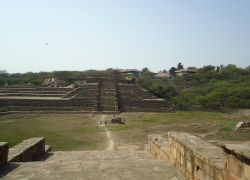
Surajkund Lake is one of the most famous heritage and tourist attractions in Faridabad, Haryana. Known for its historical reservoir, ancient architecture, scenic surroundings, and world-famous Surajkund International Crafts Mela, this destination attracts tourists, history lovers, photographers, and cultural enthusiasts from across India and abroad. Located amidst the beautiful Aravalli hills near Delhi NCR, Surajkund is a perfect blend of history, culture, and natural beauty. Though the lake is technically an ancient reservoir rather than a natural lake, it remains one of the most iconic landmarks in Haryana. Why is Surajkund Lake Famous? Surajkund Lake is famous for its ancient water reservoir, historical significance, and the globally recognized Surajkund International Crafts Mela. Main reasons why Surajkund Lake is famous: • Ancient heritage site: Historic reservoir built centuries ago. • Crafts Mela: Hosts one of India’s largest handicrafts fairs. • Aravalli location: Beautiful natural surroundings. • Photography attraction: Excellent landscape and heritage photography spot. • Cultural significance: Represents Haryana’s tourism identity. History of Surajkund Lake The history of Surajkund dates back to the 10th century. It was built by King Suraj Pal of the Tomar dynasty, who was a worshipper of the Sun God. The name “Surajkund” literally means “Lake of the Sun.” The reservoir was constructed in a semi-circular shape like the rising sun and was designed to collect rainwater for the nearby region. An ancient Sun Temple is also believed to have existed near the reservoir, though only limited remains survive today. Over time, Surajkund became a heritage landmark and later gained international recognition due to the Surajkund International Crafts Mela, organized every year. Architecture of Surajkund Lake The architecture of Surajkund is one of its most unique features. Main architectural highlights include: • Semi-circular reservoir: Designed in amphitheater style. • Stone embankments: Ancient stepped water storage system. • Traditional masonry: Built using local stone and historical techniques. • Terraced steps: Descending steps around the kund. • Heritage remains: Ancient architectural remnants nearby. The combination of historical engineering and scenic setting makes the site architecturally impressive. How to Reach Surajkund Lake, Faridabad By Air: Nearest airport is Indira Gandhi International Airport, Delhi, approximately 30 km away. By Train: Nearest railway station is Faridabad Railway Station, around 18 km away. By Metro: Nearest metro station is Badarpur Border Metro Station or nearby Delhi Metro connectivity. By Road: Surajkund is well connected by roads from Delhi, Noida, Gurugram, and Faridabad. Approximate distances: • Delhi: 20 km • Gurugram: 32 km • Noida: 28 km Taxis, private vehicles, autos, and buses are easily available. Weather at Surajkund Lake Summer (April to June): Temperature ranges between 30°C to 44°C. Weather is hot during daytime. Monsoon (July to September): Moderate rainfall and greener Aravalli surroundings. Winter (October to February): Best time to visit with temperatures between 8°C to 24°C. Best time to visit: October to March, especially during Crafts Mela season. Surajkund Lake Timings Opening Time: 9:00 AM Closing Time: 6:00 PM Timings may vary during special events and mela season. Best visiting hours: Morning and late afternoon. Entry Fee and Visit Details Entry Fee: Usually free for regular visits, but paid entry applies during Surajkund Mela. Average Visit Duration: 1 to 3 hours Suitable for: • Families • History lovers • Photographers • Cultural tourists • Weekend travelers Things to Do at Surajkund Lake 1. Explore Heritage Reservoir Walk around the historic kund and study architecture. 2. Attend Surajkund Crafts Mela Enjoy handicrafts, food, and cultural performances. 3. Photography Capture lake views, stone steps, and landscapes. 4. Nature Walks Enjoy surrounding Aravalli hills and greenery. 5. Cultural Exploration Experience local and international crafts during events. Interesting Facts About Surajkund Lake • Built in the 10th century by King Suraj Pal. • Designed like a rising sun. • Hosts the famous Surajkund International Crafts Mela. • Located in Aravalli hills near Delhi NCR. • One of Haryana’s most visited tourist sites. Travel Tips for Visiting Surajkund Lake • Visit during winter for pleasant weather. • Attend Crafts Mela for the best experience. • Wear comfortable shoes for walking on steps and open areas. • Carry water bottles and sun protection. • Reach early during festival season to avoid crowds. • Keep the heritage site clean. Nearby Attractions in Faridabad • Badkhal Lake • Raja Nahar Singh Palace • Town Park Faridabad • ISKCON Faridabad Conclusion Surajkund Lake, Faridabad is a unique destination where history, culture, architecture, and natural beauty come together. Its ancient reservoir, scenic Aravalli backdrop, and globally famous crafts fair make it one of the best tourist attractions in Haryana. Whether you are a history enthusiast, cultural traveler, or weekend explorer, Surajkund Lake offers a memorable experience near Delhi NCR.
Explore More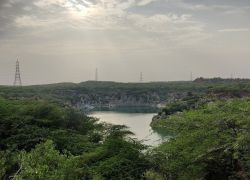
CITM Lake is a peaceful and lesser-known natural attraction located in Faridabad, Haryana, near the Aravalli hills. This scenic lake has gradually become a favorite spot for nature lovers, photographers, cyclists, birdwatchers, and people looking for a quiet escape from the busy urban life of Delhi NCR. Surrounded by rocky terrain, greenery, and open skies, CITM Lake offers visitors a refreshing outdoor experience. The lake is especially popular among local travelers and adventure enthusiasts who visit for morning walks, cycling, short treks, photography, and weekend relaxation. Due to its calm environment and natural surroundings, CITM Lake is considered one of Faridabad’s hidden gems. Why is CITM Lake Famous? CITM Lake is famous for its natural beauty, peaceful environment, and scenic location near the Aravalli hills. Main reasons why CITM Lake is famous: • Scenic lake views: Beautiful water body surrounded by hills. • Nature getaway: Quiet escape from city noise and pollution. • Photography spot: Popular for sunrise and landscape photography. • Cycling destination: Favored by local cycling groups. • Birdwatching: Birds and natural biodiversity in surrounding area. History of CITM Lake CITM Lake is more of a natural and recreational attraction rather than a historically significant monument. The lake area became popular among locals due to its natural water body, scenic setting, and location close to educational institutions and developing urban zones in Faridabad. Over time, social media exposure and local tourism interest helped increase the popularity of CITM Lake as an offbeat destination. Though it does not have a major documented historical background, its ecological and recreational value continues to attract visitors. Landscape and Natural Features CITM Lake is admired for its natural landscape rather than architectural structures. Main highlights include: • Natural lake: Calm water body surrounded by greenery. • Rocky hills: Scenic Aravalli terrain. • Open sky views: Great for sunrise and sunset watching. • Walking areas: Informal trails and natural paths. • Bird habitat: Supports local bird activity. The raw and natural environment makes it attractive for outdoor lovers. How to Reach CITM Lake, Faridabad By Air: Nearest airport is Indira Gandhi International Airport, Delhi, approximately 40 km away. By Train: Nearest railway station is Faridabad Railway Station, around 15 km away. By Metro: Nearest metro stations in Faridabad can be used, followed by local transport. By Road: CITM Lake is accessible by road from Faridabad, Delhi, Gurugram, and Noida. Approximate distances: • Delhi: 30 km • Gurugram: 35 km • Faridabad city center: 12 km Private vehicles, taxis, bikes, and autos are convenient options. Weather at CITM Lake Summer (April to June): Temperature ranges between 30°C to 44°C. Early mornings are recommended. Monsoon (July to September): Pleasant weather with greener surroundings. Winter (October to February): Best season to visit with temperatures between 8°C to 24°C. Best time to visit: October to March. CITM Lake Timings Opening Time: Open area, generally accessible from early morning. Suggested visiting hours: 6:00 AM to 6:00 PM Best visiting hours: Sunrise and sunset. Entry Fee and Visit Details Entry Fee: Usually free No formal ticketing is generally required. Average Visit Duration: 1 to 3 hours Suitable for: • Families • Couples • Nature lovers • Cyclists • Photographers Things to Do at CITM Lake 1. Photography Capture sunrise, lake reflections, and landscapes. 2. Morning Walks Enjoy peaceful walks near the lake. 3. Cycling Popular route for cycling enthusiasts. 4. Relaxation Spend time in natural surroundings away from city stress. 5. Birdwatching Observe birds and local nature. Interesting Facts About CITM Lake • One of Faridabad’s lesser-known natural attractions. • Popular among local cyclists and bikers. • Located near Aravalli landscape zones. • Known for sunrise photography. • Weekend getaway for Delhi NCR residents. Travel Tips for Visiting CITM Lake • Visit early morning for best weather and views. • Carry water bottles and snacks. • Wear sports shoes for walking and uneven terrain. • Carry camera or smartphone for photography. • Avoid littering. • Travel in groups if visiting early or late hours. Nearby Attractions in Faridabad • Surajkund Lake • Badkhal Lake • Asola Bhatti Wildlife Sanctuary • Raja Nahar Singh Palace Conclusion CITM Lake, Faridabad is an excellent offbeat destination for travelers seeking nature, peace, and scenic beauty near Delhi NCR. Its calm waters, natural surroundings, and outdoor activities make it a pleasant location for short trips and weekend relaxation. Whether you enjoy photography, cycling, or simply spending time in nature, CITM Lake offers a refreshing and budget-friendly escape in Haryana.
Explore More
Welcome to Damdama Lake, situated in Manesar Village, a picturesque destination that offers a blend of natural beauty and tranquility. With its serene surroundings and diverse wildlife, Damdama Lake is a popular hotspot that attracts nature enthusiasts, birdwatchers, and photographers seeking a peaceful retreat amidst nature. History of Damdama Lake Damdama Lake has a rich historical background and is believed to have originated as a reservoir built by the British during the colonial era. It served as a former royal hunting ground for the rulers of the region. Over the years, concerted conservation efforts have been made to preserve the natural ecosystem of the lake, leading to its recognition for its biodiversity and ecological significance. Architecture and Natural Beauty of Damdama Lake The lake is surrounded by lush greenery, wetlands, and grasslands, creating a haven for a variety of bird species. The picturesque landscapes provide a perfect backdrop for visitors to enjoy the tranquility of nature. The historic Keoladeo Temple located near the lake adds to the charm of the surroundings. Why is Damdama Lake Famous? Damdama Lake is renowned for its biodiversity and serves as a paradise for birdwatchers, photographers, and wildlife lovers. The diverse bird habitats attract migratory birds, making it a sought-after destination for birdwatching enthusiasts seeking a glimpse of rare avian species in their natural habitat. How to Reach Damdama Lake Traveling to Damdama Lake is convenient, with options available by air, rail, and road. The nearest airports are located in Delhi and Jaipur, while the closest railway station is in Gurgaon. Visitors can easily access the lake via well-connected roads and enjoy a scenic drive to the destination. Weather and Best Time to Visit Damdama Lake The weather at Damdama Lake varies across seasons, with pleasant temperatures during the winter and monsoon seasons. The best time to visit is typically during the winter months when the weather is conducive for outdoor activities and exploration of the natural surroundings. Timings of Damdama Lake Damdama Lake welcomes visitors throughout the year, with timings varying based on seasonal factors. It is advisable to check for any specific timings or operational changes before planning your visit to ensure a seamless experience at the lake. Entry Fee and Visit Details Entry to Damdama Lake is subject to nominal fees, with additional services such as guide assistance, safari options, and bicycle rentals available for visitors. The lake offers well-equipped visitor facilities to enhance the overall experience and ensure a memorable trip for all guests. Things to Do at Damdama Lake Visitors to Damdama Lake can engage in a myriad of activities, including birdwatching, photography, cycling, walking trails, and nature observation. The lake provides ample opportunities for educational experiences, allowing guests to learn more about the local ecosystem and conservation efforts in the region. Interesting Facts About Damdama Lake Damdama Lake is home to a diverse range of migratory birds, showcasing the rich biodiversity of the region. The conservation achievements at the lake have contributed significantly to the preservation of natural habitats and the protection of vulnerable species, highlighting the ecological importance of this picturesque destination. Travel Tips for Visiting Damdama Lake When planning a visit to Damdama Lake, it is advisable to dress comfortably and carry essential items such as sunscreen, hats, and water bottles. For birdwatching enthusiasts, having binoculars and a camera handy can enhance the experience. It is recommended to visit during the recommended seasons and follow responsible tourism practices to preserve the natural beauty of the lake. Conclusion In conclusion, Damdama Lake in Manesar Village stands out as a serene retreat for nature lovers, offering a perfect blend of natural beauty and wildlife experiences. With its historical significance, diverse bird habitats, and engaging activities, Damdama Lake promises visitors a memorable and enriching journey amidst the tranquility of nature.
Explore More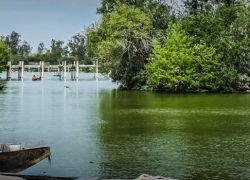
The Tilyar Lake at Rohtak, 70 kilometres away from Delhi, with facilities like boating and kayaking. In a different direction and located 64 kilometres from Delhi on the old highway to Alwar, is the Damdama Lake with cottages built on higher ground and mirrored in the calm waters of the lake. A camping complex for the adventurous is also there and facilities for sports such as rock climbing on the surrounding Aravali ranges, canoeing, kayaking, cycling and trekking are all available.
Explore MoreHimachal Pradesh 8 Nights / 9 Days Tour (shimla • Manali • Dalhousie • Amritsar)
9 Days/ 8 Night
Amritsar - Dalhousie - Khajjiar - Kufri - Kullu - Manali - Pinjore - Shimla - Fagu
Kinnaur - Kalpa Your
10 Days/ 9 Night
Howrah - Ambala - Narkanda - Sarahan - Sangla - Kalpa - Kalka - Rampur
Lahul Spiti Tour 2026
14 Days/ 13 Night
Howrah - Ambala - Shimla - Sarahan - Sangla - Kalpa - Kaza - Tabo - Manali - Kinnaur
Shimla - Kullu - Manali Tour 2026
11 Days/ 10 Night
Howrah - Ambala - Shimla - Kullu - Manali