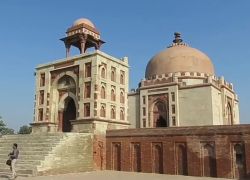
Khwaja Khizr Tomb is an important historical and religious monument located in Sonipat, Haryana. This ancient tomb is dedicated to Khwaja Khizr, a revered spiritual figure in Islamic tradition who is often associated with wisdom, immortality, and protection of travelers and water bodies. The tomb is an architectural and cultural landmark in Sonipat, attracting devotees, historians, and travelers interested in Indo-Islamic heritage. Situated in the heart of Sonipat, the monument reflects the region’s rich medieval history and spiritual traditions. The site offers visitors a peaceful atmosphere, historical significance, and an opportunity to admire traditional Mughal-era architecture. Why is Khwaja Khizr Tomb Famous? Khwaja Khizr Tomb is famous for its historical importance, religious significance, and beautiful architectural style. Devotees visit the tomb to offer prayers and seek blessings, while tourists come to explore its cultural heritage. The tomb is especially known for: • Indo-Islamic architecture • Spiritual significance • Historical importance in Sonipat • Decorative domes and arches • Peaceful surroundings It is considered one of the notable historical monuments in the district. History of Khwaja Khizr Tomb The Khwaja Khizr Tomb is believed to date back several centuries and is associated with medieval Islamic architecture in North India. Khwaja Khizr, also known as Al-Khidr in Islamic belief, is considered a saintly guide and protector figure. Historically, structures dedicated to Khwaja Khizr were often built near water bodies or important settlements. The Sonipat tomb became an important spiritual destination for local communities and travelers. Over time, the monument has remained a respected heritage site representing Sonipat’s multicultural history. Architecture of Khwaja Khizr Tomb The monument showcases traditional Indo-Islamic architectural features with elegant detailing and symmetry. Architectural highlights include: • Large central dome • Arched entrances • Decorative stonework • Islamic motifs and carvings • Elevated platform • Open courtyard Its design reflects Mughal and regional influences, creating an aesthetically pleasing historical structure. How to Reach Khwaja Khizr Tomb By Air: Nearest airport is Indira Gandhi International Airport, Delhi, approximately 50 km away. By Train: Nearest railway station is Sonipat Railway Station, around 3–5 km from the tomb. By Road: Khwaja Khizr Tomb is well connected by local roads and easily accessible via buses, taxis, auto-rickshaws, and private vehicles. Distance from major places: • Sonipat Bus Stand: 3 km • Delhi: 45 km • Panipat: 45 km • Chandigarh: 210 km Weather at Khwaja Khizr Tomb Summer (March to June): Temperature ranges from 30°C to 43°C. Monsoon (July to September): Moderate rainfall with relatively pleasant weather. Winter (October to February): Temperature ranges between 7°C to 22°C and is the best time to visit. Timings of Khwaja Khizr Tomb The monument is generally open during daytime hours. Opening Time: 8:00 AM Closing Time: 6:00 PM Morning and evening visits are most comfortable. Entry Fee and Visit Details Entry to Khwaja Khizr Tomb is generally free. Entry Fee: Free Photography: Usually allowed in outdoor areas Visitors can explore the site comfortably in 30 minutes to 1 hour. Things to Do at Khwaja Khizr Tomb 1. Explore Historical Architecture Admire the tomb’s arches, dome, and intricate stonework. 2. Spiritual Visit Offer prayers and seek blessings. 3. Photography Capture the heritage monument and surrounding views. 4. Heritage Learning Learn about Islamic architecture and Sonipat history. 5. Peaceful Reflection Enjoy quiet moments in the calm surroundings. Interesting Facts About Khwaja Khizr Tomb • Dedicated to the spiritual figure Khwaja Khizr. • Important historical monument in Sonipat. • Reflects Indo-Islamic architecture. • Popular among devotees and heritage enthusiasts. • Represents Sonipat’s diverse cultural history. Travel Tips for Visitors • Dress modestly while visiting religious sites. • Visit during winter or early morning in summer. • Carry drinking water. • Respect monument cleanliness and silence. • Combine visit with nearby Sonipat attractions. Nearby Attractions Visitors can also explore: • Jurasik Park Inn • Mojoland Adventure Park • Tilyar Lake • Murthal food hubs Best Time to Visit Khwaja Khizr Tomb The best time to visit is from October to March when the weather is pleasant and ideal for heritage exploration. Conclusion Khwaja Khizr Tomb is an important historical and spiritual attraction in Sonipat, Haryana. With its beautiful architecture, peaceful atmosphere, and cultural significance, the monument offers visitors a meaningful experience of local history and religious heritage. Whether you are a devotee, photographer, or history enthusiast, this site is worth including in your Sonipat itinerary.
Explore More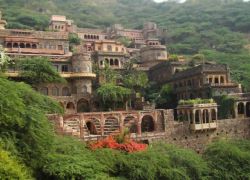
Kamboj Ruins is one of the lesser-known historical attractions located in Sohna, Haryana. Surrounded by the scenic Aravalli hills and peaceful natural landscapes, these ruins attract history lovers, photographers, explorers, and travelers looking for offbeat places near Gurugram and Delhi. The site reflects traces of ancient settlements, old architectural remains, and regional heritage connected to the historical communities that once lived in this region. Kamboj Ruins may not be as famous as major forts or monuments, but its historical atmosphere and mysterious remains make it an interesting destination for visitors who enjoy exploring forgotten heritage sites. Why is Kamboj Ruins Famous? Kamboj Ruins is famous for its ancient remains, old stone structures, and cultural significance in the Sohna region. The site is believed to have connections with early settlements and communities that once occupied this area. Visitors are drawn to Kamboj Ruins because of: • Historical importance: The ruins offer a glimpse into older architectural styles and settlement patterns. • Peaceful location: Away from city noise, the site is ideal for quiet exploration. • Photography opportunities: Broken walls, stone remains, and surrounding landscapes create beautiful photography spots. • Heritage value: The ruins are part of Sohna’s hidden cultural attractions. History of Kamboj Ruins The history of Kamboj Ruins is linked to the old settlements in and around Sohna. Historical accounts suggest that this region was once inhabited by ancient communities and local rulers due to its strategic location near the Aravalli hills and trade routes. The ruins are believed to represent remains of old residential or defense-related structures used by earlier inhabitants. Over time, due to natural decay, lack of preservation, and changing settlements, much of the original architecture collapsed, leaving behind stone fragments and structural remains. Though limited official historical documentation is available, local stories and heritage enthusiasts consider Kamboj Ruins an important reminder of the region’s historical roots. Architecture of Kamboj Ruins The architecture of Kamboj Ruins is simple yet historically interesting. Since much of the site is in ruined condition, only portions of the original construction remain visible. Main architectural features include: • Stone walls: Thick stone blocks and partially standing walls. • Old foundations: Base structures indicating ancient buildings or enclosures. • Traditional construction: Use of locally available stone and basic building methods. • Open layouts: Spread-out remains suggesting settlement or courtyard-style spaces. The rugged appearance of the ruins gives the site a historic and mysterious feel. How to Reach Kamboj Ruins, Sohna, Haryana By Air: Nearest airport is Indira Gandhi International Airport, Delhi, approximately 45-50 km away from Sohna. Taxis and cabs are easily available. By Train: Nearest railway station is Gurugram Railway Station, located around 25-30 km from Sohna. By Road: Sohna is well connected by roads to Gurugram, Delhi, Faridabad, and other nearby cities. Approximate distances: • Gurugram: 24 km • Delhi: 55 km • Faridabad: 35 km Visitors can travel by private vehicle, taxi, or local transport to Sohna and then reach the ruins through local roads. Weather at Kamboj Ruins Summer (April to June): Temperature ranges between 30°C to 42°C. The weather can be very hot during the daytime. Monsoon (July to September): Moderate rainfall and pleasant greenery around the ruins. Winter (October to February): Best season to visit with temperatures between 8°C to 24°C. Best time to visit: October to March. Kamboj Ruins Timings Opening Time: 7:00 AM Closing Time: 6:00 PM The site is generally open during daylight hours as it is an outdoor historical location. Best visiting hours: Morning or late afternoon. Entry Fee and Visit Details Entry Fee: Free No official ticket is generally required to visit Kamboj Ruins. Average Visit Duration: 1 to 2 hours This destination is suitable for: • History enthusiasts • Solo travelers • Photographers • Weekend explorers • Students and researchers Things to Do at Kamboj Ruins 1. Explore Ancient Structures Walk around the ruins and observe old walls, foundations, and stone remains. 2. Photography Capture unique ruin landscapes and natural surroundings. 3. Heritage Walk Enjoy a peaceful historical walk through the site. 4. Nature Viewing The surrounding Sohna area offers scenic Aravalli landscapes. 5. Visit Nearby Attractions Explore Sohna Hot Springs, Sohna Hill Fort, and Damdama Lake. Interesting Facts About Kamboj Ruins • Kamboj Ruins is one of Sohna’s hidden heritage locations. • The site is popular among local explorers and photographers. • The ruins are surrounded by natural beauty and Aravalli hills. • It remains relatively unexplored compared to major monuments. • The site gives insight into the historical settlement patterns of the region. Travel Tips for Visiting Kamboj Ruins • Wear comfortable walking shoes as the ground may be uneven. • Carry drinking water, especially during warm weather. • Visit in daylight only for safety and better exploration. • Carry a camera for photography opportunities. • Avoid touching or damaging ruins to preserve heritage. • Do not litter and help keep the site clean. Conclusion Kamboj Ruins in Sohna, Haryana, is a peaceful and historically interesting place for travelers who enjoy offbeat destinations. While it may not be a fully developed tourist site, its old architectural remains, quiet atmosphere, and historical mystery make it worth visiting. If you are planning a short heritage trip near Gurugram or Delhi, Kamboj Ruins, Sohna offers a unique opportunity to explore forgotten history while enjoying the natural beauty of Haryana’s Aravalli region.
Explore More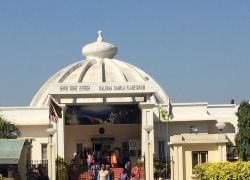
Kalpana Chawla Memorial Planetarium
Kalpana Chawla Memorial Planetarium is one of the most interesting educational and tourist attractions in Kurukshetra, Haryana. Dedicated to honoring the life and achievements of astronaut Kalpana Chawla, the first woman of Indian origin to travel to space, this planetarium is a popular destination for students, science enthusiasts, families, and tourists. Located in the historic city of Kurukshetra, the planetarium offers visitors an exciting opportunity to learn about astronomy, space science, planets, stars, satellites, and the universe through interactive exhibits, sky shows, and educational displays. The attraction is not only a memorial to Kalpana Chawla’s inspiring journey but also an important science education center in Haryana. Why is Kalpana Chawla Memorial Planetarium Famous? The planetarium is famous for being dedicated to Kalpana Chawla, who inspired millions with her achievements in space exploration. Main reasons why the planetarium is famous: • Tribute to Kalpana Chawla: Celebrates her life, career, and achievements. • Astronomy education: Offers knowledge about planets, stars, galaxies, and space missions. • Interactive exhibits: Engaging displays for students and visitors. • Sky shows: Popular planetarium shows about the universe. • Family attraction: Educational and entertaining for all age groups. History of Kalpana Chawla Memorial Planetarium The Kalpana Chawla Memorial Planetarium was established by the Haryana Government to honor the memory of Kalpana Chawla after her tragic death in the Space Shuttle Columbia disaster in 2003. Kalpana Chawla was born in Karnal, Haryana, and became a global inspiration for aspiring scientists, engineers, and astronauts. The planetarium was built as a tribute to her legacy and as a center for science education. Since its opening, it has become an important educational landmark in Haryana. Architecture of Kalpana Chawla Memorial Planetarium The planetarium features modern educational architecture with a functional design suitable for science exhibitions and visitor engagement. Main architectural highlights include: • Dome-shaped theater: Special dome for astronomy and sky shows. • Exhibition halls: Indoor galleries featuring science displays. • Spacious campus: Open and well-maintained surroundings. • Interactive learning zones: Science models and exhibits. • Memorial displays: Information related to Kalpana Chawla. The building is designed to create an immersive learning experience. How to Reach Kalpana Chawla Memorial Planetarium, Kurukshetra By Air: Nearest airport is Chandigarh International Airport, approximately 90 km away. By Train: Nearest railway station is Kurukshetra Junction Railway Station, around 5 km away. By Road: Kurukshetra is well connected by road to Delhi, Chandigarh, Karnal, and Ambala. Approximate distances: • Delhi: 160 km • Chandigarh: 90 km • Karnal: 40 km Visitors can take local taxis, autos, or buses to reach the planetarium. Weather at Kalpana Chawla Memorial Planetarium Summer (April to June): Temperature ranges between 30°C to 43°C. Indoor exhibits make summer visits manageable. Monsoon (July to September): Pleasant weather with moderate rainfall. Winter (October to February): Best season to visit with temperatures ranging from 7°C to 24°C. Best time to visit: October to March. Kalpana Chawla Memorial Planetarium Timings Opening Time: 10:00 AM Closing Time: 5:00 PM Closed on: Mondays and public holidays (may vary). Best visiting hours: Morning or early afternoon. Entry Fee and Visit Details Entry Fee: A nominal ticket fee may apply for entry and planetarium shows. Average Visit Duration: 2 to 3 hours Suitable for: • Families • Students • Science enthusiasts • School groups • Tourists Things to Do at Kalpana Chawla Memorial Planetarium 1. Watch Sky Shows Enjoy astronomy and universe-based dome presentations. 2. Explore Exhibits Learn about planets, satellites, stars, and space science. 3. Visit Kalpana Chawla Gallery Understand her inspiring journey and achievements. 4. Educational Tour Great learning experience for children and students. 5. Photography Capture the building exterior and campus. Interesting Facts About Kalpana Chawla Memorial Planetarium • Dedicated to India-born astronaut Kalpana Chawla. • Promotes astronomy awareness in Haryana. • Features dome theater for sky simulation shows. • Popular destination for school educational trips. • Combines science learning with memorial tribute. Travel Tips for Visiting Kalpana Chawla Memorial Planetarium • Check show timings before visiting. • Visit during weekdays for less crowd. • Carry student ID if discounts are available. • Spend enough time in exhibits. • Follow photography rules inside. • Combine visit with nearby attractions in Kurukshetra. Nearby Attractions in Kurukshetra • Krishna Museum • Brahma Sarovar • Sannihit Sarovar • Jyotisar Conclusion Kalpana Chawla Memorial Planetarium, Kurukshetra is a perfect destination for science lovers, students, and families looking for an educational yet enjoyable experience. Its tribute to Kalpana Chawla, interactive exhibits, and astronomy programs make it one of Haryana’s top science attractions. If you are visiting Kurukshetra, this planetarium offers a refreshing break from religious tourism while inspiring visitors through science and space exploration.
Explore More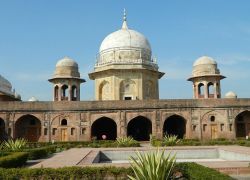
Sheikh Chilli's Tomb is one of the most famous historical monuments in Kurukshetra, Haryana. Known for its beautiful Mughal architecture, peaceful gardens, and historical significance, this monument attracts tourists, history lovers, photographers, and students from different parts of India. The tomb is often associated with the legendary character Sheikh Chilli, a popular figure in Indian folklore, though the actual historical connection is different. Located near Thanesar in Kurukshetra, Sheikh Chilli's Tomb is a protected monument maintained by the Archaeological Survey of India. The complex includes a mausoleum, mosque, museum, gardens, and archaeological remains, making it one of the most important heritage sites in Haryana. Why is Sheikh Chilli's Tomb Famous? Sheikh Chilli's Tomb is famous for its stunning Persian-influenced Mughal architecture and historical importance. Main reasons why Sheikh Chilli's Tomb is famous: • Beautiful Mughal design: Features elegant domes, arches, and marble work. • Historical significance: Tomb of Sufi saint Sheikh Chehli. • Photography attraction: Popular for architecture and garden photography. • Museum complex: Includes archaeological artifacts and historical exhibits. • Folklore popularity: Associated with the famous comic folk character Sheikh Chilli. History of Sheikh Chilli's Tomb The tomb was built in memory of Sheikh Abd-ur-Rahim, popularly known as Sheikh Chehli or Sheikh Chilli, a respected Sufi saint and spiritual teacher. He was believed to be the mentor of Mughal prince Dara Shikoh, the eldest son of Emperor Shah Jahan. The monument was constructed during the Mughal period in the 17th century. Its architecture reflects Persian and Mughal influences that were highly popular during that era. Over time, the site became associated with the humorous folk character Sheikh Chilli, which increased its popularity among visitors. Architecture of Sheikh Chilli's Tomb The architecture of Sheikh Chilli's Tomb is one of its main highlights. The monument showcases classic Mughal design combined with Persian elements. Main architectural features include: • White marble dome: Elegant dome visible from a distance. • Red sandstone structures: Traditional Mughal construction material. • Arched gateways: Decorative entrance arches. • Charbagh gardens: Symmetrical Mughal-style gardens. • Mosque: Beautiful mosque inside the complex. • Museum: Houses archaeological findings and artifacts. The entire complex is aesthetically pleasing and historically rich. How to Reach Sheikh Chilli's Tomb, Kurukshetra By Air: Nearest airport is Chandigarh International Airport, approximately 90 km away. By Train: Nearest railway station is Kurukshetra Junction Railway Station, around 4 km from the tomb. By Road: Kurukshetra is well connected by highways and roads to major cities. Approximate distances: • Delhi: 160 km • Chandigarh: 90 km • Karnal: 40 km Visitors can hire taxis, autos, or local transport from the station and bus stand. Weather at Sheikh Chilli's Tomb Summer (April to June): Temperature ranges between 30°C to 43°C. Hot afternoons should be avoided. Monsoon (July to September): Pleasant weather with greenery around the monument. Winter (October to February): Best time to visit with temperatures ranging from 7°C to 24°C. Best time to visit: October to March. Sheikh Chilli's Tomb Timings Opening Time: 9:00 AM Closing Time: 5:00 PM The monument is open on most days. Best visiting hours: Morning or late afternoon. Entry Fee and Visit Details Entry Fee: Nominal ticket charges may apply for Indian and foreign visitors. Average Visit Duration: 1 to 2 hours Suitable for: • Families • History enthusiasts • Students • Photographers • Tourists Things to Do at Sheikh Chilli's Tomb 1. Explore the Tomb Admire Mughal architecture and historical details. 2. Visit the Museum See archaeological artifacts and historical displays. 3. Photography Capture architecture, domes, gardens, and arches. 4. Relax in Gardens Enjoy peaceful surroundings and landscaped areas. 5. Heritage Learning Learn about Mughal history and Sufi traditions. Interesting Facts About Sheikh Chilli's Tomb • Built during the Mughal era in the 17th century. • Dedicated to Sufi saint Sheikh Abd-ur-Rahim. • Associated with Mughal prince Dara Shikoh. • Maintained by Archaeological Survey of India. • One of Haryana’s finest Mughal monuments. Travel Tips for Visiting Sheikh Chilli's Tomb • Visit during winter or pleasant weather. • Carry a camera for photography. • Wear comfortable footwear for walking around the complex. • Maintain cleanliness inside the heritage site. • Check ticket prices and timings before visiting. • Spend time in the museum for a complete experience. Nearby Attractions in Kurukshetra • Krishna Museum • Brahma Sarovar • Sannihit Sarovar • Bhadrakali Temple Conclusion Sheikh Chilli's Tomb, Kurukshetra is an excellent destination for travelers interested in architecture, Mughal history, and heritage tourism. Its elegant tomb structure, peaceful gardens, and museum make it one of the best places to visit in Kurukshetra. Whether you are a photographer, history enthusiast, or casual traveler, Sheikh Chilli's Tomb offers a memorable cultural experience in Haryana.
Explore More
Baba Farid’s Tomb is an important spiritual and historical site located in Faridabad, Haryana. The place is associated with the revered Sufi saint Baba Fariduddin Ganjshakar, one of the most respected saints in South Asian Sufi tradition. Although Baba Farid is most strongly associated with Pakpattan in present-day Pakistan, local traditions in the Faridabad region also connect the city’s name and heritage with his spiritual influence. This site attracts devotees, spiritual seekers, history lovers, and tourists who are interested in Sufi culture, peaceful religious places, and local heritage. The tomb area offers a calm atmosphere for prayer, reflection, and cultural exploration. Why is Baba Farid’s Tomb Famous? Baba Farid’s Tomb is famous for its spiritual importance and association with the teachings of Baba Farid, known for peace, humility, devotion, and humanity. Main reasons why Baba Farid’s Tomb is famous: • Spiritual significance: Associated with a highly respected Sufi saint. • Religious importance: Popular among devotees of different communities. • Peaceful atmosphere: Ideal for meditation and prayer. • Heritage attraction: Represents the Sufi history of the region. • Cultural value: Reflects syncretic traditions of North India. History of Baba Farid’s Tomb Baba Fariduddin Ganjshakar was a 12th–13th century Sufi saint and an important figure in the Chishti order. His teachings emphasized kindness, devotion to God, service to humanity, and simplicity. Faridabad is believed by some local traditions to have historical connections to Baba Farid. It is said that the city was named in his honor during the Mughal period, though historical interpretations vary. The tomb and associated memorial structures in the region became places of local devotion over time. Visitors come here to pay respect and seek blessings. Architecture of Baba Farid’s Tomb The architecture of Baba Farid’s Tomb reflects traditional Indo-Islamic and Sufi shrine design. Main architectural highlights include: • Tomb chamber: Central resting place with religious decoration. • Dome structure: Traditional rounded dome over the shrine. • Arched entrances: Elegant entryways typical of Islamic architecture. • Courtyard: Open area for visitors and devotees. • Prayer area: Space for offering prayers and spiritual gatherings. The design is simple, devotional, and focused on spiritual ambiance rather than grand ornamentation. How to Reach Baba Farid’s Tomb, Faridabad By Air: Nearest airport is Indira Gandhi International Airport, Delhi, approximately 35-40 km away. By Train: Nearest railway station is Faridabad Railway Station, well connected to Delhi and other cities. By Metro: Delhi Metro Violet Line connects Faridabad to Delhi. Nearby metro stations can be used depending on route. By Road: Faridabad is easily accessible by road from Delhi NCR. Approximate distances: • Delhi: 30 km • Gurugram: 35 km • Noida: 28 km Visitors can use taxis, autos, metro, buses, or private vehicles. Weather at Baba Farid’s Tomb Summer (April to June): Temperature ranges from 30°C to 44°C. Daytime can be hot. Monsoon (July to September): Moderate rainfall and pleasant surroundings. Winter (October to February): Best season to visit with temperatures between 8°C to 24°C. Best time to visit: October to March. Baba Farid’s Tomb Timings Opening Time: 6:00 AM Closing Time: 8:00 PM Timings may vary during festivals and religious events. Best visiting hours: Morning and evening prayers. Entry Fee and Visit Details Entry Fee: Free No ticket is generally required for entry. Average Visit Duration: 30 minutes to 1.5 hours Suitable for: • Families • Devotees • Spiritual travelers • History lovers • Tourists Things to Do at Baba Farid’s Tomb 1. Offer Prayers Pay respects and seek blessings at the shrine. 2. Experience Peaceful Atmosphere Spend time in reflection and meditation. 3. Learn About Sufi Heritage Understand the teachings and legacy of Baba Farid. 4. Photography Capture architecture and surrounding areas where permitted. 5. Attend Religious Gatherings Visit during special observances or Urs celebrations if organized. Interesting Facts About Baba Farid’s Tomb • Baba Farid is one of the most respected Sufi saints in South Asia. • His verses are included in the Guru Granth Sahib. • He is associated with the Chishti Sufi order. • Faridabad is believed by local tradition to be named after him. • The site promotes interfaith harmony and spirituality. Travel Tips for Visiting Baba Farid’s Tomb • Wear modest clothing suitable for a religious site. • Remove footwear before entering shrine areas. • Maintain silence and respect local customs. • Avoid photography inside restricted zones. • Visit during weekdays for a quieter experience. • Keep surroundings clean. Nearby Attractions in Faridabad • Surajkund Lake • Badkhal Lake • Raja Nahar Singh Palace • ISKCON Faridabad Conclusion Baba Farid’s Tomb, Faridabad is a peaceful spiritual destination that combines faith, history, and cultural heritage. Its connection with Sufi traditions and Baba Farid’s teachings makes it a meaningful place for devotees and visitors alike. Whether you are interested in spirituality, history, or quiet places for reflection, Baba Farid’s Tomb offers a calming and culturally enriching experience in Faridabad, Haryana.
Explore More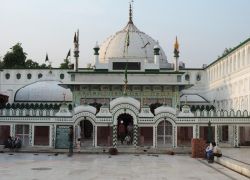
Kalander Shah's Tomb is one of the most historically significant monuments in Karnal, Haryana. Located in the heart of Karnal city, this tomb is dedicated to the famous Sufi saint Bu-Ali Shah Kalandar, a respected spiritual figure whose influence spread across North India. The monument attracts history lovers, spiritual seekers, architecture enthusiasts, and tourists interested in exploring Karnal’s rich cultural heritage. Known for its peaceful surroundings, Mughal-style design, and religious importance, Kalander Shah's Tomb is an important landmark in Karnal. The site reflects the deep connection between spirituality, history, and architecture in Haryana. Why is Kalander Shah's Tomb Famous? Kalander Shah's Tomb is famous for its historical and spiritual significance. It is especially known for: • Tomb of revered Sufi saint • Mughal-era architecture • Religious and cultural importance • Beautiful domes and arches • Peaceful spiritual environment • Heritage tourism in Karnal The monument is visited by devotees and tourists who come to admire its historical beauty and seek blessings. History of Kalander Shah's Tomb Kalander Shah's Tomb is associated with the revered Sufi saint Bu-Ali Shah Kalandar, who was widely respected for his spiritual teachings, wisdom, and influence in the region. His followers and local rulers later built the tomb in his honor. The structure reflects the Indo-Islamic architectural style common during the medieval and Mughal periods. Over time, the tomb became an important religious and historical landmark in Karnal. The site continues to hold cultural significance and remains an example of Haryana’s Sufi heritage. Architecture of Kalander Shah's Tomb The tomb is admired for its elegant Mughal and Indo-Islamic architecture. Main architectural highlights include: • Large central dome • Arched entrances • Decorative carvings • Symmetrical layout • Stone and brick construction • Traditional Islamic design elements The monument has a calm and balanced structure, reflecting both spiritual simplicity and artistic beauty. Weather at Kalander Shah's Tomb, Karnal Summer (April to June): Hot weather with temperatures ranging from 30°C to 43°C. Monsoon (July to September): Moderate rainfall with temperatures between 25°C to 35°C. Winter (October to February): Pleasant and cool weather with temperatures between 7°C to 22°C. The best time to visit is from October to March. Kalander Shah's Tomb Timings Opening Time: 8:00 AM Closing Time: 6:00 PM Open Days: Monday to Sunday Morning and evening visits are recommended for a peaceful experience. Entry Fee and Visit Details Entry Fee: Free for all visitors. Photography: Usually allowed for personal use. Parking: Available nearby. The average visit duration is around 30 minutes to 1 hour. How to Reach Kalander Shah's Tomb, Karnal By Road: Kalander Shah's Tomb is located within Karnal city and can be easily reached by local transport, private cars, taxis, and auto-rickshaws. Distance from Karnal Bus Stand: Approx. 3 km Distance from Karnal Railway Station: Approx. 4 km By Train: Nearest railway station is Karnal Railway Station. By Bus: Karnal Bus Stand is well connected with Delhi, Chandigarh, and nearby cities. By Air: Nearest airport is Chandigarh Airport or Indira Gandhi International Airport, New Delhi. Things to Do at Kalander Shah's Tomb 1. Explore Historical Architecture Admire Mughal-style arches, dome, and design elements. 2. Spiritual Visit Pay respects and experience the peaceful atmosphere. 3. Photography Capture architectural details and monument surroundings. 4. Heritage Exploration Learn about Karnal’s cultural and Sufi history. 5. Quiet Reflection Spend time in meditation and relaxation. Interesting Facts About Kalander Shah's Tomb • Dedicated to a revered Sufi saint • Important heritage site in Karnal • Reflects Indo-Islamic architecture • Popular among devotees and tourists • Symbol of spiritual history in Haryana Travel Tips for Visitors • Dress modestly while visiting • Maintain silence and respect the site • Visit during morning or evening • Carry water in summer • Wear comfortable footwear • Combine with nearby attractions in Karnal Best Time to Visit Kalander Shah's Tomb The best time to visit is between October and March when the weather is pleasant and suitable for sightseeing. Conclusion Kalander Shah's Tomb is an important historical and spiritual attraction in Karnal. Its Mughal-inspired architecture, peaceful surroundings, and cultural significance make it a must-visit destination for history enthusiasts and spiritual travelers. If you want to explore heritage monuments and peaceful spiritual sites, Kalander Shah's Tomb, Karnal is worth visiting.
Explore More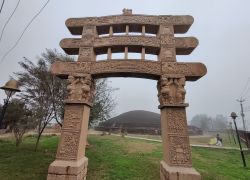
Chaneti Buddhist Stupa is an ancient historical monument located in Chaneti village near Yamuna Nagar, Haryana. This lesser-known archaeological site is one of the oldest surviving Buddhist structures in North India and holds great historical and religious importance. The stupa is believed to date back to the 3rd century BCE and is associated with the spread of Buddhism during the Mauryan period. Surrounded by peaceful rural landscapes, the Chaneti Buddhist Stupa attracts history lovers, archaeology enthusiasts, students, spiritual travelers, and tourists interested in ancient Indian heritage. Though simple in appearance, this monument offers a fascinating glimpse into India’s Buddhist past and architectural traditions. Why is Chaneti Buddhist Stupa Famous? Chaneti Buddhist Stupa is famous for being one of Haryana’s oldest Buddhist monuments and an important archaeological site. The stupa is believed to contain relics or commemorate Buddhist teachings and is often linked to Emperor Ashoka’s efforts in spreading Buddhism across India. It is especially known for: • Ancient Buddhist heritage • Mauryan-era historical importance • Unique brick stupa architecture • Peaceful spiritual surroundings • Archaeological significance The monument is protected by the Archaeological Survey of India (ASI), preserving its cultural and historical value. History of Chaneti Buddhist Stupa The Chaneti Stupa is believed to have been constructed around the 3rd century BCE during or after the reign of Emperor Ashoka, one of the greatest patrons of Buddhism in Indian history. According to historical records and archaeological findings, Emperor Ashoka commissioned numerous stupas throughout India after embracing Buddhism following the Kalinga War. These stupas served as religious monuments to preserve sacred relics and promote Buddhist teachings. Chaneti Stupa is considered one of the surviving examples of this architectural and spiritual movement. Over centuries, the monument weathered natural conditions but still stands as a testimony to early Buddhist influence in Haryana. Architecture of Chaneti Buddhist Stupa The Chaneti Buddhist Stupa is built entirely of small burnt bricks, which were common in ancient Indian construction. Architectural highlights include: • Circular stupa structure • Conical dome-like design • Ancient baked brick construction • Raised mound platform • Minimalistic Buddhist architectural style The stupa stands approximately 8–10 meters high and has a diameter of around 20 meters. Though partially weathered, its original structural form remains visible. Unlike elaborate later Buddhist monuments, Chaneti Stupa reflects the simple yet meaningful design of early Buddhist architecture. How to Reach Chaneti Buddhist Stupa By Air: Nearest airport is Chandigarh International Airport, approximately 100 km away. By Train: Nearest railway station is Yamuna Nagar-Jagadhri Railway Station, located around 12 km from the stupa. By Road: Chaneti village is well connected by local roads. Visitors can hire taxis, auto-rickshaws, or drive from Yamuna Nagar city. Distance from major locations: • Yamuna Nagar: 12 km • Jagadhri: 14 km • Chandigarh: 100 km • Delhi: 210 km Weather at Chaneti Buddhist Stupa Summer (March to June): Temperature ranges from 28°C to 42°C. Afternoon visits should be avoided. Monsoon (July to September): Moderate rainfall with pleasant greenery in surrounding fields. Winter (October to February): Temperature ranges between 8°C to 22°C. This is the ideal season to visit. Timings of Chaneti Buddhist Stupa The monument is usually accessible during daytime. Opening Time: 8:00 AM Closing Time: 5:30 PM Best time to visit: • Morning: 8:00 AM to 11:00 AM • Evening: 3:30 PM to 5:30 PM Entry Fee and Visit Details Chaneti Buddhist Stupa generally has free or minimal entry access. Entry Fee: Usually free Parking: Limited parking available nearby Visitors can comfortably explore the monument in 30 minutes to 1 hour. Things to Do at Chaneti Buddhist Stupa 1. Explore Ancient Architecture Observe the brick construction and stupa design dating back over 2,000 years. 2. Photography Capture historical architecture and rural surroundings. 3. Heritage Learning Learn about Buddhism, Emperor Ashoka, and ancient Indian history. 4. Meditation and Quiet Reflection The peaceful setting makes it ideal for spiritual reflection. 5. Educational Visits A great destination for students of archaeology, history, and architecture. Interesting Facts About Chaneti Buddhist Stupa • It dates back to the 3rd century BCE. • Believed to be associated with Emperor Ashoka. • Made entirely of ancient burnt bricks. • Protected archaeological monument in Haryana. • One of the oldest Buddhist structures in the region. Travel Tips for Visitors • Visit during winter for comfortable weather. • Carry drinking water as facilities are limited. • Wear comfortable footwear. • Respect the historical monument and avoid climbing on structures. • Combine visit with nearby attractions in Yamuna Nagar. Nearby Attractions Visitors can also explore: • Kalesar National Park • Hathni Kund Barrage • Adi Badri • Chaudhary Devi Lal Herbal Nature Park Best Time to Visit Chaneti Buddhist Stupa The best time to visit is from October to March when the weather is pleasant and ideal for exploring outdoor heritage sites. Conclusion Chaneti Buddhist Stupa is a hidden historical treasure in Haryana that offers visitors a rare opportunity to witness ancient Buddhist heritage and early Indian architecture. Though less commercialized, its historical significance, peaceful atmosphere, and archaeological value make it an excellent destination for history enthusiasts and cultural travelers visiting Yamuna Nagar.
Explore MoreKinnaur - Kalpa Your
10 Days/ 9 Night
Howrah - Ambala - Narkanda - Sarahan - Sangla - Kalpa - Kalka - Rampur
Lahul Spiti Tour 2026
14 Days/ 13 Night
Howrah - Ambala - Shimla - Sarahan - Sangla - Kalpa - Kaza - Tabo - Manali - Kinnaur
Shimla - Kullu - Manali Tour 2026
11 Days/ 10 Night
Howrah - Ambala - Shimla - Kullu - Manali
4 Night - 5 Day Tour Of Haryana
5 Days/ 4 Night
Gurgaon - Kurukshetra - Panchkula