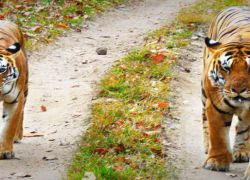
About Kanha National Park Kanha National Park is a renowned wildlife sanctuary located in the Mandla district of Madhya Pradesh, India. It is one of the largest national parks in India, covering an area of 940 square kilometers. Established in 1955, the park is famous for its diverse range of flora and fauna, including the majestic Royal Bengal Tiger. The lush green forests, meadows, and streams make it a haven for nature lovers and wildlife enthusiasts. Location and Geographical Overview Kanha National Park is situated in the Maikal Hills of the Satpura Range. It is located near the towns of Mandla and Balaghat in the state of Madhya Pradesh. The park is characterized by its dense forests, grasslands, and numerous watering holes, providing a conducive habitat for a wide variety of wildlife. Opening and Closing Time The park is open for visitors from October to June every year. The timings are from 6:30 am to 10:30 am for the morning safari and from 2:30 pm to 6:00 pm for the evening safari. Entry Fee The entry fee for Indian nationals is INR 1530 per person for a safari. Foreign nationals are charged INR 3060 per person. Additional charges apply for cameras and vehicles. Species-Flora/Fauna Availability Kanha National Park is home to a diverse range of flora and fauna. Some of the species found here include tigers, leopards, wild dogs, swamp deer, barasingha, jackals, hyenas, and more. The park is also known for its rich vegetation, including sal forests, bamboo groves, and grasslands. Activities Performed Visitors to Kanha National Park can enjoy a variety of activities such as jeep safaris, nature walks, birdwatching, and photography. The park also offers guided tours and wildlife presentations for a more immersive experience. Jeep Safari Charges The cost of a jeep safari in Kanha National Park varies depending on the zone and duration of the safari. On average, the prices range from INR 2000 to INR 5000 per person. Age Criterion for Male, Female, Children, and Entry Fee Children below the age of 5 years are not allowed entry into the park. The entry fee for children between 5-12 years is INR 1530. For adults (male and female), the entry fee is INR 3060. Senior Citizen Facilities Kanha National Park offers special facilities for senior citizens, including wheelchair access, designated rest areas, and priority seating on safari vehicles. Discounted rates may also be available for senior citizens. Best Time to Visit The best time to visit Kanha National Park is during the winter months from November to February. The weather is pleasant, and wildlife sightings are more frequent during this time. The park is closed during the monsoon season from July to September. Nearby Places to Visit Some of the nearby attractions to Kanha National Park include the Bamni Dadar viewpoint, Sonf Meadows, and Kawardha Palace. These places offer scenic beauty, cultural insights, and opportunities for relaxation and exploration. Vehicle Parking Facility Kanha National Park provides designated parking areas for private vehicles near the entrance gate. Visitors can safely park their cars and proceed to the safari vehicles provided by the park authorities. Rules and Regulations Visitors to Kanha National Park are required to follow certain rules and regulations to ensure the safety of wildlife and maintain the ecological balance. Some of the common rules include maintaining silence during safaris, refraining from feeding or disturbing animals, and adhering to designated safari routes. How to Reach and Other Related Information Kanha National Park is well-connected by road, rail, and air. The nearest airport is Jabalpur Airport, approximately 160 kilometers away. The nearest railway station is Bilaspur Junction, around 150 kilometers from the park. Visitors can also opt for private or public transport to reach the park from nearby towns and cities. It is advisable to make advance bookings for safari permits and accommodations to avoid any last-minute hassles. Additionally, carrying essential items such as water bottles, hats, sunscreen, and binoculars can enhance your wildlife viewing experience at Kanha National Park.
Explore More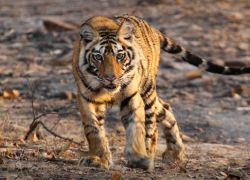
About Bandhavgarh National Park Bandhavgarh National Park, located in Umaria district of Madhya Pradesh, is one of the most popular national parks in India. It covers an area of 105 square kilometers and is known for its dense forest, hilly terrain, and rich biodiversity. The park is famous for its high population of Royal Bengal tigers and is a popular destination for wildlife enthusiasts and nature lovers. Location and Geographical Overview Bandhavgarh National Park is located in the Vindhya Hills of Madhya Pradesh, India. It is approximately 197 kilometers away from the city of Jabalpur and 35 kilometers from the town of Umaria. The park is spread across the tropical forests and grasslands of the region, with streams, rocky hills, and meadows making up its diverse landscape. Open and Closing Time The park remains open from October to June every year. The opening and closing timings of the park vary depending on the season. Generally, the park is open for visitors from 6:30 AM to 10:00 AM in the morning and from 3:00 PM to 6:00 PM in the evening. Entry Fee The entry fee for Bandhavgarh National Park varies for Indian and foreign nationals. For Indian visitors, the entry fee is INR 1500 per person, while for foreign nationals, the fee is INR 2500 per person. Additionally, there may be charges for vehicle entry and camera fees. Species-Flora/Fauna Availability Bandhavgarh National Park is home to a wide variety of flora and fauna. The park is known for its dense vegetation, including Sal trees, bamboo, and grasslands. The park is also home to numerous animal species, including the Royal Bengal tiger, Indian bison, leopard, sambar deer, and various species of birds and reptiles. Activities Performed Visitors to Bandhavgarh National Park can indulge in a range of activities, including jeep safaris, elephant safaris, bird watching, and nature walks. The park is ideal for wildlife photography and offers opportunities to witness the diverse wildlife in their natural habitat. Jeep Safari Charges The charges for jeep safari in Bandhavgarh National Park vary depending on the zone and the duration of the safari. On average, the cost of a jeep safari ranges from INR 4000 to INR 6000 per safari. It is advisable to book safari tickets in advance to avoid any last-minute hassles. Age Criterion and Entry Fee For entry into Bandhavgarh National Park, the age criteria and entry fees are as follows: Male Adults: 18-60 years, Entry Fee - INR 1500 Female Adults: 18-60 years, Entry Fee - INR 1500 Children (6-17 years): Entry Fee - INR 750 Senior Citizen Facilities Bandhavgarh National Park provides special facilities for senior citizens, including discounted entry fees, wheelchair access, and assistance from park staff. Senior citizens above the age of 60 can avail of these facilities by presenting valid identification documents. Best Time to Visit The best time to visit Bandhavgarh National Park is during the winter months from November to February when the weather is pleasant and the wildlife sightings are more frequent. However, the park remains open from October to June, allowing visitors to explore its beauty throughout the year. Nearby Places to Visit There are several places of interest near Bandhavgarh National Park that visitors can explore, including: Bandhavgarh Fort: An ancient fort located within the park premises Manpur Village: A nearby village known for its local culture and traditions Khajuraho Temples: A UNESCO World Heritage Site known for its intricate sculptures Vehicle Parking Facility Bandhavgarh National Park provides ample parking facilities for visitors who wish to bring their vehicles. There are designated parking areas near the park entrance where visitors can safely park their cars or bikes while they explore the park. Rules and Regulations Visitors to Bandhavgarh National Park are required to adhere to the following rules and regulations: Do not litter or disturb wildlife Do not feed or taunt animals Follow the instructions of park guides and officials Respect the natural environment and maintain silence during wildlife sightings How to Reach and Other Related Information Bandhavgarh National Park can be easily reached by road, rail, or air. The nearest airport is in Jabalpur, approximately 197 kilometers away from the park. Umaria is the nearest railway station, located 35 kilometers from the park. Visitors can also travel by road from nearby cities like Jabalpur, Katni, and Rewa to reach the park. For accommodation, there are several wildlife resorts and lodges near Bandhavgarh National Park that offer comfortable stay options for visitors. It is advisable to book accommodation in advance, especially during the peak tourist season. Overall, Bandhavgarh National Park is a must-visit destination for nature lovers and wildlife enthusiasts, offering a unique opportunity to witness the majestic Royal Bengal tigers in their natural habitat amidst the lush greenery of the park.
Explore More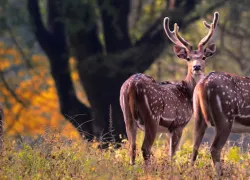
About Kanha Kisli National Park Kanha Kisli National Park is a renowned wildlife sanctuary located in Jabalpur, Madhya Pradesh, India. The park is famous for being the inspiration behind Rudyard Kipling's classic novel, "The Jungle Book". Kanha Kisli National Park is spread over an area of 940 square kilometers and is home to a diverse range of flora and fauna. Location and Geographical Overview The park is situated in the Maikal Hills of the Satpura Range and is divided into two sanctuaries - the Kanha National Park and the Kisli National Park. The park is characterized by lush forests, rolling meadows, and the Banjaar River running through it, providing a picturesque setting for wildlife enthusiasts. Open and Closing Time The park is open to visitors from October to June every year. The timings for entry and exit vary depending on the season, with the park generally open from 6:30 am to 10:30 am and from 3:00 pm to 6:00 pm. Entry Fee The entry fee for Kanha Kisli National Park varies for Indian and foreign tourists. Indian nationals are charged a nominal fee while foreign tourists have to pay a higher fee. Additionally, there are separate charges for cameras and vehicles entering the park. Species-Flora/Fauna Availability Kanha Kisli National Park is home to a rich variety of flora and fauna. The park is famous for its population of Bengal tigers, as well as species like leopards, wild dogs, Indian bison, and various species of deer and birds. Activities Performed Visitors to the park can engage in a variety of activities such as jeep safaris, nature walks, bird watching, and guided tours. The park also offers opportunities for photography and nature enthusiasts to explore the beauty of the surrounding wilderness. Jeep Safari Charges The park offers jeep safaris for visitors to explore the wildlife sanctuary. The charges for jeep safaris vary based on the duration of the safari and the number of people in the vehicle. Age Criterion for Male, Female, Children and Entry Fee There is no specific age criterion for entry into Kanha Kisli National Park. However, there are separate entry fees for male, female, and children visitors. Children below a certain age may be eligible for discounted entry fees. Senior Citizen Facilities The park provides special facilities for senior citizens, including wheelchair access and designated seating areas. Senior citizens may also be eligible for discounted entry fees to the park. Best Time to Visit The best time to visit Kanha Kisli National Park is during the winter months from November to February when the weather is pleasant and wildlife sightings are more frequent. The park is closed during the monsoon season from July to September. Nearby Places to Visit There are several other attractions near Kanha Kisli National Park that visitors can explore, including the Bamni Dadar viewpoint, Kanha Museum, and the famous Mandla Fort. These places offer a glimpse into the rich history and culture of the region. Vehicle Parking Facility The park provides ample parking facilities for visitors bringing their vehicles. There are designated parking areas near the entrance where visitors can safely park their cars and proceed to explore the park. Rules and Regulations Visitors to Kanha Kisli National Park are required to follow certain rules and regulations to ensure the safety of the wildlife and the environment. This includes not disturbing the animals, not littering, and following the instructions of the park guides and officials. How to Reach and Other Related Information Kanha Kisli National Park is easily accessible by road from Jabalpur, which is the nearest major city. Visitors can hire taxis or take buses to reach the park. The nearest airport to the park is in Jabalpur, which is well-connected to major cities in India. Additionally, there are accommodation options near the park for visitors looking to spend the night in the wilderness. Overall, Kanha Kisli National Park offers a unique opportunity to experience the beauty of nature and witness the majestic wildlife of India in their natural habitat. Whether you are a nature lover, wildlife enthusiast, or adventure seeker, a visit to this national park is sure to be a memorable experience.
Explore More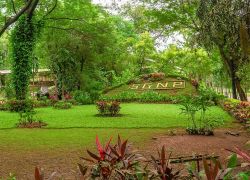
Welcome to the natural paradise of Sanjay Gandhi National Park located in Khargone, a haven for wildlife enthusiasts and nature lovers. This sprawling sanctuary is a perfect blend of history, biodiversity, and natural beauty, making it a must-visit destination for anyone seeking a peaceful retreat amidst the wilderness. History of Sanjay Gandhi National Park Steeped in history, Sanjay Gandhi National Park was once a royal hunting ground before being declared a protected area for conservation efforts. The park has a rich heritage and is recognized by UNESCO for its significant contribution to wildlife preservation. Architecture and Natural Beauty of Sanjay Gandhi National Park The park boasts of lush wetlands, dense forests, expansive grasslands, and diverse bird habitats that attract a myriad of avian species. Amidst this natural splendor lies the ancient Keoladeo Temple, adding a touch of historical charm to the picturesque landscapes. Why is Sanjay Gandhi National Park Famous? Sanjay Gandhi National Park is renowned for its abundant birdlife, making it a hotspot for birdwatchers and photographers. Nature enthusiasts flock to the park to witness the rich biodiversity and experience the serene beauty of the wilderness. How to Reach Sanjay Gandhi National Park Traveling to Sanjay Gandhi National Park is convenient, with options for air, rail, and road transport. The park is easily accessible from nearby airports and railway stations, ensuring a hassle-free journey for visitors. Weather and Best Time to Visit Sanjay Gandhi National Park The park experiences varying weather conditions throughout the year, with distinct seasons of summer, monsoon, and winter. The best time to visit is during the cooler months when the flora and fauna are at their vibrant best. Timings of Sanjay Gandhi National Park Visitors can explore the park during specified timings, with seasonal variations in schedules if applicable. It is advisable to plan your visit accordingly to make the most of your time at this natural haven. Entry Fee and Visit Details Entry procedures to the park are straightforward, with guide services, safari options, bicycle rentals, and visitor facilities available for a memorable experience. Explore the wilderness with ease and enjoy the beauty of nature up close. Things to Do at Sanjay Gandhi National Park Engage in popular activities such as birdwatching, photography, cycling, walking trails, nature observation, and educational experiences within the park. Immerse yourself in the tranquility of the surroundings and discover the hidden gems of the wilderness. Interesting Facts About Sanjay Gandhi National Park Sanjay Gandhi National Park is home to a diverse range of migratory birds, showcasing the park's rich biodiversity. Conservation efforts have led to significant achievements in preserving the natural ecosystem, highlighting the park's ecological importance. Travel Tips for Visiting Sanjay Gandhi National Park When visiting Sanjay Gandhi National Park, remember to dress appropriately, carry essential photography and birdwatching equipment, and adhere to responsible tourism practices. Choose the right season to explore the park and make the most of your visit sustainably. Conclusion In conclusion, Sanjay Gandhi National Park in Khargone is a treasure trove of natural wonders, offering a unique blend of history, biodiversity, and scenic beauty. Explore this enchanting sanctuary to witness the magic of the wilderness and create unforgettable memories amidst the serene landscapes.
Explore More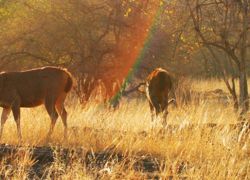
About Panna National Park Panna National Park is located in the state of Madhya Pradesh in India. It covers an area of approximately 542.67 square kilometers and is known for its rich biodiversity and stunning landscapes. The park was established in 1981 and is home to a variety of wildlife species, including tigers, leopards, deer, and over 200 species of birds. Location and Geographical Overview Panna National Park is located in the Vindhya Ranges, near the town of Panna in Madhya Pradesh. The park is spread across the districts of Panna and Chhatarpur and is situated along the banks of the River Ken. The terrain of the park mainly consists of tropical forests, rocky gorges, and plateaus, making it a diverse and picturesque landscape. Open and Closing Time The park is open to visitors from October to June, with the specific timings being from 6:30 AM to 10:30 AM in the morning and from 2:30 PM to 5:30 PM in the evening. Entry Fee The entry fee for Panna National Park is Rs. 15 for Indian nationals and Rs. 150 for foreign nationals. Additionally, there is a vehicle fee of Rs. 250 for Indian nationals and Rs. 1,500 for foreign nationals. Species-Flora/Fauna Availability Panna National Park is home to a diverse range of flora and fauna. The park is known for its population of tigers, leopards, chital, sambar, and various species of birds. The landscape of the park includes dry deciduous forests, grasslands, and rocky outcrops, providing a habitat for a wide variety of plant and animal species. Activities Performed Visitors to Panna National Park can engage in a variety of activities, including jeep safaris, nature walks, and bird watching. The park also offers guided tours and boat rides along the River Ken, providing visitors with an opportunity to explore the diverse landscape and wildlife of the park. Jeep Safari Charges The charges for a jeep safari in Panna National Park are Rs. 1,500 for Indian nationals and Rs. 3,000 for foreign nationals. The safari typically lasts for 3-4 hours and is led by a trained guide who helps visitors spot wildlife and learn about the park's ecosystem. Age Criterion and Entry Fee For entry into Panna National Park, the criteria and entry fees are as follows: - Male adults: Rs. 15 for Indian nationals and Rs. 150 for foreign nationals - Female adults: Rs. 15 for Indian nationals and Rs. 150 for foreign nationals - Children (6-12 years): Rs. 250 for Indian nationals and Rs. 1,500 for foreign nationals Senior Citizen Facilities Panna National Park offers special facilities for senior citizens, including discounted entry fees and assistance with transportation within the park. Senior citizens can also opt for guided tours and safari rides tailored to their needs and preferences. Best Time to Visit The best time to visit Panna National Park is during the winter months, from November to February, when the weather is mild and the wildlife is more active. This period also offers a higher chance of spotting tigers and other animals in their natural habitat. Nearby Places to Visit Some of the nearby places to visit when in Panna National Park include the Pandava Falls, Raneh Falls, and the ancient temples of Khajuraho. These attractions offer a unique blend of natural beauty and cultural heritage, making them popular destinations for tourists visiting the region. Vehicle Parking Facility Panna National Park provides ample parking facilities for visitors, with designated parking lots located near the park entrance. Visitors can park their vehicles securely and conveniently before embarking on their safari or nature walk within the park. Rules and Regulations Visitors to Panna National Park are required to adhere to certain rules and regulations to ensure the safety of wildlife and maintain the ecological balance of the park. Some of the common guidelines include refraining from littering, avoiding loud noises, and following the instructions of park authorities and guides during safaris and tours. How to Reach and Other Related Information Panna National Park is easily accessible by road from major cities like Khajuraho and Satna. The nearest airport is located in Khajuraho, approximately 25 kilometers away from the park. Visitors can also reach the park by train, with the nearest railway station being Satna, around 90 kilometers from the park. Accommodation options are available near the park, including forest lodges and resorts, for visitors looking to stay overnight and explore the park at their leisure.
Explore More
Satpura National Park, located near Pipariya, is a mesmerizing tourist attraction known for its rich biodiversity and natural beauty. This park offers a unique experience for nature enthusiasts, wildlife lovers, and birdwatchers, making it a must-visit destination for those seeking a peaceful retreat in the heart of nature. History of Satpura National Park Satpura National Park has a fascinating historical background, originally serving as a former royal hunting ground. Over the years, it has transformed into a significant conservation area, showcasing efforts to preserve the region's natural heritage. The park's conservation initiatives have earned it recognition from UNESCO for its commitment to protecting the environment and wildlife. Architecture and Natural Beauty of Satpura National Park The park boasts diverse landscapes, including lush wetlands, dense forests, expansive grasslands, and unique bird habitats. One of the architectural marvels within the park is the historic Keoladeo Temple, adding a cultural dimension to the natural beauty that surrounds it. Why is Satpura National Park Famous? Satpura National Park is renowned for its abundant bird species, making it a paradise for birdwatchers and photographers. The park's tranquil surroundings and diverse wildlife attract nature enthusiasts and wildlife lovers seeking an immersive experience in the lap of nature. How to Reach Satpura National Park Traveling to Satpura National Park is convenient, with options to reach by air, rail, or road. The nearest airports are located in Bhopal and Indore, while Pipariya serves as the closest railway station. Visitors can easily access the park via well-connected road networks. Weather and Best Time to Visit Satpura National Park Satpura National Park experiences varied weather conditions throughout the year, with distinct summer, monsoon, and winter seasons. The best time to visit is during the cooler months, typically from October to March, when the weather is pleasant for exploring the park's natural wonders. Timings of Satpura National Park The park has specific visitor timings that may vary seasonally. It is advisable to plan your visit accordingly to make the most of your experience. Timely information about the park's operating hours ensures a well-organized and enjoyable trip. Entry Fee and Visit Details Visitors can access the park by following the designated entry procedures. Guide services are available for those seeking expert insights into the park's flora and fauna. Additionally, safari options, bicycle rentals, and visitor facilities enhance the overall experience for guests exploring Satpura National Park. Things to Do at Satpura National Park Satpura National Park offers a range of activities for visitors, including birdwatching, photography, cycling, walking trails, and nature observation. Engage in educational experiences to learn more about the park's ecosystem and wildlife, ensuring a fulfilling visit for nature lovers. Interesting Facts About Satpura National Park The park is home to a diverse range of migratory birds and boasts impressive biodiversity, reflecting its conservation achievements. Satpura National Park plays a crucial role in preserving the region's ecological balance, making it a significant area for environmental conservation. Travel Tips for Visiting Satpura National Park When visiting Satpura National Park, it is advisable to dress comfortably and carry essential items such as sunscreen, hats, and water bottles. Ensure you have the necessary photography and birdwatching equipment to capture the park's beauty. Follow responsible tourism practices to contribute to the park's conservation efforts. Conclusion In conclusion, Satpura National Park in Pipariya is a captivating destination that offers a blend of natural wonders, cultural heritage, and wildlife experiences. Whether you are a nature enthusiast or a wildlife lover, a visit to this park promises a memorable and enriching journey amidst the pristine beauty of nature.
Explore More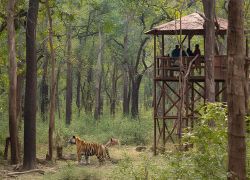
Welcome to Pench National Park, a renowned wildlife sanctuary located near Chhindwara. This park is not only a treat for nature lovers but also holds immense significance in the conservation of biodiversity. The natural environment here is a blend of lush forests, diverse flora and fauna, and picturesque landscapes that attract tourists from far and wide. History of Pench National Park Originally established as a wildlife sanctuary in 1977, Pench National Park has a rich historical background. It was once a former royal hunting ground for the rulers of the Central Provinces. Over the years, significant conservation efforts have been made to protect the wildlife in the park, leading to its recognition by UNESCO as an important natural reserve. Architecture and Natural Beauty of Pench National Park Pench National Park boasts of a varied ecosystem comprising wetlands, dense forests, open grasslands, and diverse bird habitats. The park is also home to the ancient Keoladeo Temple, adding a touch of history and spirituality to its natural beauty. Why is Pench National Park Famous? Pench National Park is famous for its rich birdlife, making it a paradise for birdwatchers and photographers. Nature enthusiasts and wildlife lovers are drawn to the park for its unique biodiversity and the chance to witness various species in their natural habitat. How to Reach Pench National Park Reaching Pench National Park is convenient with options for travel by air, rail, and road. The nearest airports are located in Nagpur and Jabalpur, while Chhindwara is the closest railway station. Visitors can also access the park via well-connected road networks. Weather and Best Time to Visit Pench National Park Pench National Park experiences varied weather conditions throughout the year. The best time to visit is during the winter months from November to February when the weather is pleasant and ideal for wildlife sightings. Timings of Pench National Park The park is open for visitors during specific timings, typically from sunrise to sunset. It's advisable to check for any seasonal variations in timings and plan your visit accordingly to make the most of your experience. Entry Fee and Visit Details Entry to Pench National Park involves following designated procedures. Guide services are available for those seeking assistance, and safari options offer a closer look at the wildlife. Additionally, bicycle rentals and visitor facilities are provided for a comfortable visit. Things to Do at Pench National Park Visitors to Pench National Park can engage in a variety of activities such as birdwatching, photography, cycling through scenic trails, walking amidst nature, and participating in educational experiences to learn more about the park's ecosystem. Interesting Facts About Pench National Park Pench National Park is known for hosting a significant number of migratory birds, showcasing the park's ecological importance. Conservation efforts have led to remarkable achievements in preserving the biodiversity of the region, making it a standout destination for nature conservationists. Travel Tips for Visiting Pench National Park When visiting Pench National Park, it's advisable to wear comfortable clothing suitable for outdoor activities. Bringing along photography equipment and birdwatching gear can enhance your experience. Understanding the best visiting seasons and practicing responsible tourism are essential for a fulfilling trip. Conclusion In conclusion, Pench National Park in Chhindwara is a treasure trove of natural beauty and wildlife diversity. From its historical significance to the plethora of activities it offers, the park promises a memorable experience for all visitors, emphasizing the importance of conservation and appreciation for the natural world.
Explore More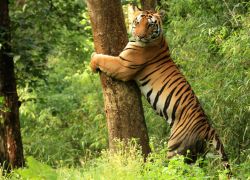
Kanha Tiger Reserve, located in the city of Kanha, is a renowned tourist attraction that attracts nature lovers, wildlife enthusiasts, and photographers from around the world. This biodiverse reserve is not only famous for its tiger population but also for its rich flora and fauna, making it a must-visit destination for those seeking a glimpse of India's natural beauty. History of Kanha Tiger Reserve The history of Kanha Tiger Reserve dates back to its origins as a former royal hunting ground. Over the years, the area has transformed into a conservation hub dedicated to protecting the endangered species that call it home. The reserve's efforts have earned it recognition from UNESCO for its conservation achievements and commitment to preserving India's natural heritage. Architecture and Natural Beauty of Kanha Tiger Reserve The Kanha Tiger Reserve boasts a diverse landscape that includes lush forests, sprawling grasslands, and serene wetlands. This natural environment provides a habitat for a wide variety of bird species, making it a paradise for birdwatchers. The reserve is also home to the historic Keoladeo Temple, adding a cultural touch to its already stunning surroundings. Why is Kanha Tiger Reserve Famous? Kanha Tiger Reserve is famous for its thriving biodiversity and is a hotspot for birdwatchers, photographers, and wildlife enthusiasts. The opportunity to witness majestic tigers in their natural habitat, along with a myriad of other wildlife species, makes it a sought-after destination for nature lovers looking to immerse themselves in the beauty of the Indian wilderness. How to Reach Kanha Tiger Reserve Traveling to Kanha Tiger Reserve is convenient, with options available by air, rail, and road. The nearest airports are located in Jabalpur and Raipur, while the closest railway stations are in Jabalpur and Bilaspur. Visitors can easily access the reserve via well-connected road networks, providing a hassle-free journey to this natural oasis. Weather and Best Time to Visit Kanha Tiger Reserve The weather at Kanha Tiger Reserve varies across seasons, with hot summers, humid monsoons, and cool winters. The best time to visit is during the cooler months from October to February when the flora is lush, and wildlife sightings are at their peak, offering visitors an unforgettable safari experience. Timings of Kanha Tiger Reserve Kanha Tiger Reserve welcomes visitors during specific timings that may vary seasonally. It is advisable to plan your visit accordingly and make necessary arrangements to ensure a smooth and enjoyable experience exploring the reserve's natural wonders. Entry Fee and Visit Details Entry into Kanha Tiger Reserve involves following designated procedures, which may include availing guide services, safari options, and bicycle rentals for a more immersive experience. The reserve also provides visitor facilities to enhance the overall visit and ensure the comfort of guests during their stay. Things to Do at Kanha Tiger Reserve Visitors to Kanha Tiger Reserve can engage in a variety of activities, including birdwatching, photography, cycling, walking trails, and nature observation. The reserve offers educational experiences that provide valuable insights into its biodiversity, making it an ideal destination for both leisure travelers and wildlife enthusiasts. Interesting Facts About Kanha Tiger Reserve Kanha Tiger Reserve is home to a plethora of migratory birds, rare species, and boasts significant conservation achievements. Its ecological importance extends beyond its boundaries, contributing to the preservation of India's natural heritage and serving as a model for sustainable wildlife management practices. Travel Tips for Visiting Kanha Tiger Reserve When visiting Kanha Tiger Reserve, it is essential to pack suitable clothing, photography equipment, and birdwatching gear to make the most of your experience. Understanding the best visiting seasons and practicing responsible tourism ensures the protection of the reserve's delicate ecosystem for future generations to enjoy. Conclusion In conclusion, Kanha Tiger Reserve in Kanha offers a unique opportunity to witness the untamed beauty of India's wilderness. With its rich history, diverse landscapes, and abundant wildlife, the reserve promises an enriching experience for visitors seeking a deeper connection with nature and a chance to encounter the majestic tigers that roam its forests.
Explore More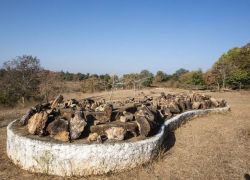
Mandla Plant Fossils National Park
Welcome to the serene and captivating Mandla Plant Fossils National Park nestled in the heart of Mandla. This hidden gem is a paradise for nature lovers, wildlife enthusiasts, and birdwatchers seeking a tranquil retreat amidst the lush greenery and diverse ecosystems of central India. History of Mandla Plant Fossils National Park The history of Mandla Plant Fossils National Park dates back to ancient times, with the park's origins rooted in the rich geological past of the region. Once a royal hunting ground, this park now stands as a testament to conservation efforts aimed at preserving the plant fossils that offer a glimpse into the prehistoric world. With its unique significance, the park has garnered UNESCO recognition for its contribution to the study of ancient plant life. Architecture and Natural Beauty of Mandla Plant Fossils National Park As you explore the park, you will be mesmerized by the stunning wetlands, dense forests, sprawling grasslands, and vibrant bird habitats that make up its natural landscape. The historical Keoladeo Temple, nestled within the park, adds a touch of mystique to the surroundings, making it a perfect blend of cultural heritage and natural beauty. Why is Mandla Plant Fossils National Park Famous? Mandla Plant Fossils National Park is renowned for its rich biodiversity and is a haven for birdwatchers, photographers, and nature enthusiasts. The park's diverse flora and fauna, coupled with its tranquil ambiance, make it a popular destination for those seeking a close encounter with nature's wonders. How to Reach Mandla Plant Fossils National Park Traveling to Mandla Plant Fossils National Park is convenient, with options available by air, rail, and road. The nearest airports and railway stations provide easy access to the park, ensuring a seamless journey for visitors from near and far. Weather and Best Time to Visit Mandla Plant Fossils National Park Throughout the seasons, Mandla Plant Fossils National Park offers a different yet enchanting experience. While summers can be warm, the monsoon brings lush greenery, and winters offer a cool and pleasant climate, making it ideal to visit during the cooler months to explore the park comfortably. Timings of Mandla Plant Fossils National Park The park welcomes visitors during specific hours, allowing ample time to immerse oneself in the beauty of the surroundings. Be sure to check for any seasonal variations in timings to plan your visit accordingly. Entry Fee and Visit Details Upon arrival, visitors can avail themselves of various facilities, including guide services, safari options, bicycle rentals, and other amenities to enhance their experience. Entry procedures are straightforward, ensuring a smooth start to your exploration of the park. Things to Do at Mandla Plant Fossils National Park Engage in a myriad of activities at Mandla Plant Fossils National Park, from birdwatching and photography to cycling along scenic trails. Delve into nature observation and educational experiences that offer a deeper understanding of the park's ecological significance. Interesting Facts About Mandla Plant Fossils National Park Did you know that Mandla Plant Fossils National Park is a vital habitat for migratory birds, contributing to the region's biodiversity and conservation efforts? Explore the park's remarkable achievements in preserving ecological balance and fostering a sustainable environment for generations to come. Travel Tips for Visiting Mandla Plant Fossils National Park When planning your visit to Mandla Plant Fossils National Park, consider essential tips such as suitable clothing, photography equipment, ideal visiting seasons, and the importance of responsible tourism practices to ensure a memorable and respectful exploration of this natural wonder. Conclusion In conclusion, Mandla Plant Fossils National Park in Mandla offers a captivating blend of history, natural beauty, and biodiversity that promises an unforgettable experience for all visitors. Embrace the tranquility of this enchanting destination, immerse yourself in its wonders, and create lasting memories amidst the splendor of nature.
Explore More
Jagdalpur, located in the heart of Chhattisgarh, houses the mesmerizing Kanger Ghati National Park. This park is a haven for nature enthusiasts, photographers, and wildlife lovers, boasting a rich biodiversity amidst stunning natural landscapes. History of Kanger Ghati National Park Steeped in history, Kanger Ghati National Park was once a royal hunting ground. Over time, it transformed into a conservation area dedicated to protecting the region's flora and fauna. This park's efforts towards conservation have garnered international recognition, with UNESCO acknowledging its significance. Architecture and Natural Beauty of Kanger Ghati National Park The park's allure lies in its diverse ecosystems, including wetlands, forests, and grasslands. Birdwatchers flock to witness the vibrant avian life, while the historic Keoladeo Temple within the park adds a touch of cultural charm to the natural beauty that surrounds it. Why is Kanger Ghati National Park Famous? Kanger Ghati National Park is renowned for its unparalleled birdwatching opportunities. The park's scenic landscapes and rich biodiversity make it a favorite destination for nature lovers seeking to immerse themselves in the wonders of the natural world. How to Reach Kanger Ghati National Park Traveling to Kanger Ghati National Park is convenient, with options including air, rail, and road routes. The nearest airports and railway stations provide easy access to this picturesque destination, ensuring a hassle-free journey for visitors. Weather and Best Time to Visit Kanger Ghati National Park Throughout the seasons, Kanger Ghati National Park offers a unique experience. From the vibrant hues of summer to the lush greenery of monsoon and the serene winter landscapes, each season has its charm. The best time to visit varies, with different months showcasing different facets of the park's beauty. Timings of Kanger Ghati National Park Visitors can explore Kanger Ghati National Park during specific timings, ensuring an optimal experience. Seasonal variations may impact these timings, so it is advisable to plan ahead to make the most of your visit. Entry Fee and Visit Details Upon entry, visitors can avail themselves of guide services, safari options, and bicycle rentals to enhance their exploration of Kanger Ghati National Park. The park's visitor facilities cater to the needs of guests, ensuring a comfortable and enjoyable stay. Things to Do at Kanger Ghati National Park Engage in a myriad of activities at Kanger Ghati National Park, from birdwatching and photography to cycling through scenic trails. The park offers opportunities for nature observation and educational experiences, allowing visitors to connect with the environment on a deeper level. Interesting Facts About Kanger Ghati National Park Kanger Ghati National Park is home to a diverse range of migratory birds, showcasing the park's ecological importance. Conservation efforts have led to significant achievements in preserving the region's biodiversity, making it a crucial sanctuary for various species. Travel Tips for Visiting Kanger Ghati National Park When planning a trip to Kanger Ghati National Park, consider essentials such as appropriate clothing, photography equipment, and birdwatching gear. Understanding the best visiting seasons and practicing responsible tourism ensures a fulfilling and sustainable travel experience. Conclusion In conclusion, Kanger Ghati National Park in Jagdalpur stands as a testament to the beauty of nature and the importance of conservation. Visitors can immerse themselves in the park's rich biodiversity, picturesque landscapes, and cultural heritage, making it a must-visit destination for those seeking an unforgettable experience in the heart of Chhattisgarh.
Explore More6 Night - 7 Days The Indian Panorama Tour
7 Days/ 6 Night
Jaipur - Ranthambore - Agra - Varanasi - Khajuraho - Sawai Madhopur
Ayodhya Prayagraj Chitrakoot Varanasi
6 Days/ 5 Night
Chitrakoot - Varanasi - Ayodhya - Prayagraj
Bhopal 2N - 3D Tour
3 Days/ 2 Night
Bhopal - Sanchi
Panna National Park 1N - 2D Tour
2 Days/ 1 Night
Panna