
About The Jai Vilas Palace The Jai Vilas Palace is a grand and majestic palace located in Gwalior, Madhya Pradesh, India. Built in 1874 by Maharaja Jayaji Rao Scindia of Gwalior, this palace is known for its blend of European and Indian architectural styles. The palace is spread across an area of 12,40,771 square feet and is one of the largest palaces in India. Timings Of Jai Vilas Palace The Jai Vilas Palace is open to visitors from 10:00 AM to 4:30 PM on all days of the week except Mondays and public holidays. Entry Fee The entry fee for Jai Vilas Palace is Rs. 100 for Indian nationals and Rs. 600 for foreign nationals. There is an additional fee for photography and videography inside the palace. Required Time And Restricted Items It takes around 2-3 hours to explore the Jai Vilas Palace thoroughly. Visitors are not allowed to carry any food items, cameras, or electronic devices inside the palace. Architecture Of Jai Vilas Palace The Jai Vilas Palace is a stunning example of European architecture with a touch of Indian design elements. The palace features intricately designed interiors, marble flooring, ornate chandeliers, and a beautiful Durbar Hall that can accommodate up to 500 guests. The palace also houses a silver train, which is one of the major attractions. Best Time To Visit The best time to visit Jai Vilas Palace is during the winter months from October to March when the weather is pleasant and ideal for exploring the palace. How To Reach The Jai Vilas Palace is located in the heart of Gwalior city and is easily accessible by road. The nearest railway station is Gwalior Junction, which is well-connected to major cities in India. The nearest airport is Gwalior Airport, which is around 15 km away from the palace. History Of Jai Vilas Palace The Jai Vilas Palace was commissioned by Maharaja Jayaji Rao Scindia in 1874 and was designed by Sir Michael Filose, a British architect. The palace served as the residence of the Scindia royal family and has now been converted into a museum showcasing the rich heritage and culture of Gwalior. Inside Jai Vilas Palace Inside the Jai Vilas Palace, visitors can explore the various rooms and galleries that display the royal artifacts, paintings, furniture, and weapons of the Scindia dynasty. The Durbar Hall is the highlight of the palace with its opulent decor and grandeur. Traveling Tips It is advisable to wear comfortable footwear as the palace grounds are expansive and require a fair amount of walking. Visitors are also recommended to hire a guide to get detailed insights into the history and significance of the palace. Hotels Near Jai Vilas Palace There are several hotels near Jai Vilas Palace where visitors can stay during their trip. Some of the popular hotels include: 1. Taj Usha Kiran Palace 2. Hotel Grace 3. Hotel Adityaz 4. Hotel Gwalior Regency 5. The Central Park Hotel Nearby Tourist Spots Of Jai Vilas Palace There are several tourist spots near Jai Vilas Palace that visitors can explore: 1. Gwalior Fort 2. Sun Temple 3. Sas Bahu Temple 4. Tansen's Tomb 5. Gujari Mahal Archaeological Museum
Explore More
About The Gohar Mahal The Gohar Mahal, located in Bhopal, India, is a beautiful historical palace that showcases the rich cultural heritage of the region. Built in the 19th century by Gohar Begum, the first female ruler of Bhopal, the palace is a fine example of Mughal and Hindu architecture. Timings Of Gohar Mahal The Gohar Mahal is open to visitors from 10:00 AM to 5:00 PM, seven days a week. Entry Fee The entry fee for Gohar Mahal is INR 20 for Indian nationals and INR 250 for foreign tourists. Required Time And Restricted Items Visitors typically spend around 1-2 hours exploring the Gohar Mahal. However, photography is not allowed inside the palace, and visitors are required to deposit their cameras and phones at the entrance. Architecture Of Gohar Mahal Gohar Mahal's architecture reflects a blend of Mughal and Hindu styles, featuring intricate carvings, delicate jharokhas (balconies), and beautiful arches. The palace's striking facade and grandeur make it a must-visit for architecture enthusiasts. Best Time To Visit The best time to visit Gohar Mahal is during the winter months (October to March) when the weather is pleasant, making it ideal for exploring the palace and its surroundings. How To Reach Gohar Mahal is easily accessible by road, located in the heart of Bhopal city. Visitors can take a taxi, auto-rickshaw, or public transport to reach the palace. History Of Gohar Mahal The Gohar Mahal was constructed in the 19th century by Gohar Begum, a powerful female ruler of Bhopal. The palace served as a royal residence and later became a cultural hub for artists, musicians, and poets during the Nawabi era. Inside Gohar Mahal Inside Gohar Mahal, visitors can explore the intricately designed chambers, courtyards, and halls that once hosted grand events and festivities. The palace also houses a museum showcasing artifacts and relics from the bygone era. Traveling Tips It is advisable to wear comfortable footwear as exploring the palace involves walking through narrow corridors and staircases. Additionally, carrying a bottle of water and sunscreen is recommended, especially during the summer months. Hotels Near Gohar Mahal With Names Some of the hotels near Gohar Mahal include Hotel Sarthak, Jehan Numa Palace Hotel, and Hotel Shubh Inn. These hotels offer comfortable accommodations and are situated near the palace. Nearby Tourist Spots Of Gohar Mahal There are several other attractions near Gohar Mahal that visitors can explore, such as the Upper Lake, Bhojpur Temple, and Taj-ul-Masajid. These sites offer a glimpse into the rich history and culture of Bhopal.
Explore More
About The Gwalior Fort The Gwalior Fort, located in the city of Gwalior in the state of Madhya Pradesh, India, is one of the most impressive forts in the country. The fort stands on an isolated rock outcrop overlooking the city and is considered an architectural marvel. It has been ruled by various dynasties over the centuries and has witnessed many historical events. Timings Of Gwalior Fort The Gwalior Fort is open to visitors from 8:00 am to 6:00 pm every day of the week. It is advisable to visit the fort during the daytime to enjoy the panoramic views of the city and surrounding areas. Entry Fee The entry fee for the Gwalior Fort is INR 75 for Indian nationals and INR 250 for foreign tourists. There is an additional charge for carrying a camera inside the fort premises. Required Time And Restricted Items It is recommended to spend at least 2-3 hours exploring the Gwalior Fort to fully appreciate its beauty and historical significance. Visitors are not allowed to carry any food items or alcoholic beverages inside the fort. Architecture Of Gwalior Fort The architecture of the Gwalior Fort is a blend of Hindu and Muslim styles, reflecting the rich cultural heritage of the region. The fort complex includes several palaces, temples, water tanks, and reservoirs, all built with stunning craftsmanship. Best Time To Visit The best time to visit the Gwalior Fort is during the winter months of October to March when the weather is pleasant and ideal for exploring the fort and its surroundings. Avoid visiting during the summer months as the temperatures can be quite high. How To Reach The Gwalior Fort is easily accessible by road, rail, and air. The nearest airport is Gwalior Airport, which is well-connected to major cities in India. The Gwalior Railway Station is also well-connected to various parts of the country. Visitors can hire a taxi or auto-rickshaw to reach the fort from the city center. History Of Gwalior Fort The Gwalior Fort has a rich history dating back to the 8th century when it was founded by the Tomar dynasty. It has been ruled by various dynasties such as the Mughals, Marathas, and British, each leaving their mark on the fort's architecture and structure. Inside Gwalior Fort Inside the Gwalior Fort, visitors can explore various attractions such as the Man Singh Palace, Gujari Mahal, Teli-ka-Mandir, Sas-Bahu Temples, and the Scindia School. Each of these structures has unique architectural features and historical significance. Traveling Tips It is advisable to wear comfortable clothing and footwear while visiting the Gwalior Fort as there is a fair amount of walking involved. Carry a bottle of water and sunscreen to stay hydrated and protected from the sun. Hire a local guide to learn more about the fort's history and significance. Hotels Near Gwalior Fort There are several hotels near the Gwalior Fort that offer comfortable accommodation options for visitors. Some of the popular hotels in the vicinity include Taj Usha Kiran Palace, Neemrana's Deo Bagh, and Hotel Grace. Nearby Tourist Spots Of Gwalior Fort After visiting the Gwalior Fort, travelers can explore other nearby tourist spots such as the Jai Vilas Palace, Tomb of Tansen, Gwalior Zoo, and Sarod Ghar. These attractions offer a glimpse into the rich cultural heritage of Gwalior and are worth a visit.
Explore More
About The Lal Baug Palace The Lal Baug Palace is a stunning architectural marvel located in Indore, Madhya Pradesh. Also known as the "Lal Baag Ka Kila," this palace was built by the Holkar dynasty, who ruled the region. The palace is a perfect blend of European and Indian architectural styles, making it a unique attraction for history buffs, architecture enthusiasts, and tourists alike. Timings Of Lal Baug Palace The Lal Baug Palace is open to visitors from 10:00 AM to 5:00 PM on all days of the week except Mondays. Entry Fee The entry fee for Lal Baug Palace is INR 10 for Indian nationals and INR 250 for foreign tourists. Required Time And Restricted Items It takes around 1-2 hours to explore the entire Lal Baug Palace. Visitors are not allowed to carry outside food, pets, or any sharp objects inside the palace premises. Architecture Of Lal Baug Palace The Lal Baug Palace showcases a unique blend of Gothic, Renaissance, and Palladian architectural styles. The palace features intricate carvings, beautiful gardens, grand courtyards, and opulent interiors, reflecting the grandeur of the Holkar dynasty. Best Time To Visit The best time to visit Lal Baug Palace is during the winter months from October to March when the weather is pleasant, making it ideal for exploring the palace and its surroundings. How To Reach The Lal Baug Palace is located in the heart of Indore city, making it easily accessible by road. Visitors can hire a cab, auto-rickshaw, or public transportation to reach the palace. History Of Lal Baug Palace The Lal Baug Palace was built in the early 20th century by the Holkar dynasty rulers as their residence. The palace served as the seat of the Holkar dynasty until India gained independence in 1947. Today, it stands as a symbol of the rich cultural heritage of Madhya Pradesh. Inside Lal Baug Palace Inside the Lal Baug Palace, visitors can explore the grand Durbar Hall, the royal bedrooms, the royal kitchen, the ballroom, and the royal stables. The palace also houses a museum showcasing artifacts, paintings, and sculptures from the Holkar era. Traveling Tips It is advisable to wear comfortable footwear while exploring the palace as there is a lot of walking involved. Visitors are encouraged to hire a guide to learn about the history and significance of different sections of the palace. Hotels Near Lal Baug Palace With Names Some of the hotels near Lal Baug Palace include Hotel Infiniti, Sayaji Hotel, Radisson Blu Hotel, and Lemon Tree Hotel. These hotels offer comfortable accommodations and easy access to the palace. Nearby Tourist Spots Of Lal Baug Palace Some of the nearby tourist spots of Lal Baug Palace include Rajwada Palace, Kanch Mandir, Annapurna Temple, Central Museum, and Patalpani Waterfall. Visitors can explore these attractions to get a glimpse of the rich history and culture of Indore.
Explore More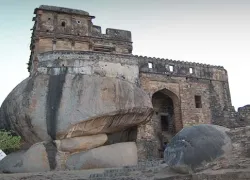
Constructed during the era of the Gond Dynasty, Madan Mahal is a famous fort in Jabalpur. It was built in the 11th century as a watchtower. It has a close association with Rani Durgavati and her son Madan Mohan, after whom the palace is named. This fort, though not an architectural marvel in terms of its architecture, but is a magnificent example of the ancient monuments that were built in the ancient times.Why Is It Famous? Madan Mahal is famous because of its location atop the hill. According to its strategic location, the entire town of Garha, where the fort is located, can be viewed. In the bygone times, the royal army used to keep an eye on the entire town of Garha, including its outskirts to make sure that the kingdom is safe from the enemies. It also had some military posts and horse stables that clearly indicated of this fort being a watchtower. Even today, the remnants of the cannons can be seen in this fort.Best Time To Visit:-Madan Mahal is a huge crowd puller and attracts the visitors extensively. Although it is a place that can be visited throughout the year, the apt time for making the trip rewarding is between October-March. This is the season that allows visitors to see the fort without any discomfort.Reaching There:-Madan Mahal has a well-established connection to the roadways and railways. Such connectivity and the frequent service of the local transit like the buses and cabs make it convenient for commuting to & from the destination easily.Nearest Railway Station:- Jabalpur JunctionNearest Airport:- Jabalpur Airport
Explore More
Hoshangabad Fort, located in the city of Hoshangabad, is a mesmerizing tourist attraction that offers a perfect blend of history, natural beauty, and biodiversity. This fort holds significant historical importance and is renowned for its architectural splendor, making it a must-visit destination for travelers seeking a unique experience. History of Hoshangabad Fort The history of Hoshangabad Fort dates back to ancient times, serving as a symbol of power and grandeur. Originally built as a royal hunting ground, the fort has witnessed the rise and fall of dynasties over the centuries. Efforts towards its conservation have been recognized by UNESCO, highlighting its historical and cultural significance. Architecture and Natural Beauty of Hoshangabad Fort The fort is surrounded by lush wetlands, dense forests, and sprawling grasslands that provide a serene natural environment. Birdwatchers are in for a treat as the fort is home to diverse bird habitats, offering stunning landscapes for photography enthusiasts. The magnificent Keoladeo Temple within the premises adds to the architectural charm of the fort. Why is Hoshangabad Fort Famous? Hoshangabad Fort has gained popularity among birdwatchers, photographers, nature enthusiasts, and wildlife lovers due to its rich biodiversity and picturesque surroundings. The abundance of bird species and the tranquil ambiance make it a haven for those seeking a close encounter with nature. How to Reach Hoshangabad Fort Traveling to Hoshangabad Fort is convenient with options available by air, rail, and road. The nearest airports and railway stations provide easy access to the city, allowing visitors to embark on a memorable journey to this historical gem. Weather and Best Time to Visit Hoshangabad Fort The weather at Hoshangabad Fort varies across summer, monsoon, and winter seasons. The best time to visit is during the mild months when the natural beauty of the surroundings is at its peak, offering a delightful experience for tourists. Timings of Hoshangabad Fort Hoshangabad Fort welcomes visitors at specific timings, ensuring a well-planned exploration of the site. Seasonal variations may affect these timings, so it is advisable to check in advance for updated information to make the most of your visit. Entry Fee and Visit Details Visitors can gain entry to Hoshangabad Fort by following the designated procedures. Guide services, safari options, bicycle rentals, and essential visitor facilities are available to enhance the overall experience and facilitate a memorable trip to this historical marvel. Things to Do at Hoshangabad Fort Engage in popular activities at Hoshangabad Fort such as birdwatching, photography, cycling, walking trails, and nature observation. Immerse yourself in the beauty of the surroundings and indulge in educational experiences that offer insights into the rich biodiversity of the region. Interesting Facts About Hoshangabad Fort Hoshangabad Fort boasts fascinating facts related to migratory birds, conservation achievements, and its ecological importance. The conservation efforts undertaken to preserve the biodiversity of the area contribute to its unique charm and allure for visitors. Travel Tips for Visiting Hoshangabad Fort When visiting Hoshangabad Fort, consider practical tips such as appropriate clothing, photography gear, birdwatching equipment, ideal visiting seasons, and responsible tourism practices. These tips will ensure a fulfilling and respectful experience at this historical site. Conclusion In conclusion, Hoshangabad Fort in Hoshangabad stands as a testament to the rich history and natural beauty of the region. Its significance, architectural marvels, and abundant biodiversity make it a captivating destination for travelers seeking an enriching experience amidst the wonders of nature and heritage.
Explore More
Adamgarh Hills, located in Hoshangabad, is a mesmerizing tourist attraction that offers a blend of natural beauty, biodiversity, and historical significance. This destination is a paradise for nature lovers, photographers, birdwatchers, and wildlife enthusiasts, attracting visitors from far and wide. History of Adamgarh Hills With a rich historical background, Adamgarh Hills was once the royal hunting grounds for the rulers of this region. Over the years, concerted conservation efforts have transformed it into a sanctuary for various species of flora and fauna. The park's commitment to preserving its natural heritage has garnered recognition, including UNESCO accolades for its conservation initiatives. Architecture and Natural Beauty of Adamgarh Hills Adamgarh Hills boasts a diverse landscape featuring wetlands, forests, and grasslands that provide habitats for a wide array of bird species. The historical Keoladeo Temple nestled within the park adds a touch of cultural significance to the natural beauty that surrounds it. Why is Adamgarh Hills Famous? Adamgarh Hills is renowned for its abundant birdlife, making it a hotspot for birdwatchers keen on observing both resident and migratory species. The picturesque landscapes and varied ecosystems also draw photographers, nature enthusiasts, and wildlife lovers seeking a unique and enriching experience. How to Reach Adamgarh Hills Traveling to Adamgarh Hills is convenient, with options available by air, rail, and road. The nearest airports and railway stations provide easy access to the park, ensuring that visitors can reach this natural haven with relative ease. Weather and Best Time to Visit Adamgarh Hills Throughout the year, Adamgarh Hills showcases different facets of its beauty with distinct weather conditions during summer, monsoon, and winter. The best time to visit varies based on personal preferences, but certain months offer optimal conditions for exploring this natural wonder. Timings of Adamgarh Hills Understanding the visitor timings and any seasonal variations is crucial for planning a trip to Adamgarh Hills. This information allows visitors to make the most of their visit, ensuring a fulfilling experience immersed in the splendor of nature. Entry Fee and Visit Details Visitors to Adamgarh Hills can expect a seamless entry procedure along with access to guide services, safari options, bicycle rentals, and other visitor facilities. These amenities enhance the overall experience, providing opportunities to explore the park efficiently. Things to Do at Adamgarh Hills Engaging in popular activities such as birdwatching, photography, cycling, walking trails, and nature observation allows visitors to immerse themselves in the beauty and tranquility of Adamgarh Hills. Educational experiences further enrich the visit, offering insights into the park's biodiversity. Interesting Facts About Adamgarh Hills Adamgarh Hills is teeming with fascinating facts, from the seasonal arrival of migratory birds to the conservation achievements that have contributed to the park's ecological importance. These insights shed light on the significance of preserving such natural treasures. Travel Tips for Visiting Adamgarh Hills When planning a visit to Adamgarh Hills, it is advisable to pack appropriate clothing, essential photography gear, and birdwatching equipment to enhance the experience. Understanding the best visiting seasons and practicing responsible tourism ensures a sustainable and enjoyable trip. Conclusion In conclusion, Adamgarh Hills in Hoshangabad stands out as a must-visit destination that encapsulates the beauty of nature, rich biodiversity, and historical allure. This enchanting hotspot offers a harmonious blend of natural wonders and cultural heritage, promising visitors a memorable and immersive experience.
Explore More
Welcome to Ahilya Fort, a magnificent tourist attraction located in Khargone, known for its rich history, architectural beauty, and diverse natural environment. This historical fort offers a unique blend of heritage, wildlife, and stunning landscapes, making it a must-visit destination for travelers seeking an immersive experience. History of Ahilya Fort Steeped in history, Ahilya Fort boasts a fascinating past dating back to ancient times. Originally a royal hunting ground, the fort has been meticulously preserved over the years, showcasing the architectural prowess of the bygone era. Its conservation efforts have garnered international recognition, with UNESCO acknowledging its cultural significance. Architecture and Natural Beauty of Ahilya Fort The fort is surrounded by lush wetlands, dense forests, and picturesque grasslands, creating a haven for a myriad of bird species. The Keoladeo Temple, a historic gem nestled within the fort premises, adds to the charm of this architectural marvel, offering visitors a glimpse into the region's rich heritage. Why is Ahilya Fort Famous? Ahilya Fort is renowned for its enchanting beauty, making it a paradise for birdwatchers, photographers, and nature enthusiasts. The diverse wildlife and serene landscapes make it a favored destination for wildlife lovers looking to immerse themselves in the natural wonders of Khargone. How to Reach Ahilya Fort Traveling to Ahilya Fort is convenient, with multiple options available. Visitors can access the fort via air, rail, or road transport, with nearby airports and railway stations providing easy connectivity to this enchanting destination. Weather and Best Time to Visit Ahilya Fort The weather at Ahilya Fort varies across seasons, offering visitors a unique experience throughout the year. While summers can be warm, the monsoon season brings lush greenery, making it an ideal time for nature lovers. Winter, with its pleasant climate, is considered the best time to visit Ahilya Fort. Timings of Ahilya Fort Ahilya Fort welcomes visitors during specific timings, ensuring a pleasant and organized experience for all. Seasonal variations may impact the operating hours, so it is advisable to plan your visit accordingly to make the most of your time at this historic site. Entry Fee and Visit Details Entry to Ahilya Fort involves following specific procedures, with guide services, safari options, and bicycle rentals available for a more personalized experience. Visitor facilities are well-maintained, offering convenience and comfort to those exploring the fort and its surroundings. Things to Do at Ahilya Fort Visitors to Ahilya Fort can engage in a host of activities, including birdwatching, photography, cycling, and nature observation. The fort's serene ambiance and scenic beauty provide the perfect backdrop for educational experiences and leisurely walks, allowing visitors to connect with nature on a deeper level. Interesting Facts About Ahilya Fort Ahilya Fort is home to a diverse range of migratory birds, highlighting its ecological importance and biodiversity. The conservation efforts undertaken at the fort have led to significant achievements in preserving the region's natural heritage, making it a beacon of sustainable tourism practices. Travel Tips for Visiting Ahilya Fort When planning a trip to Ahilya Fort, it is advisable to pack appropriate clothing, photography equipment, and birdwatching essentials to make the most of your visit. Understanding the best visiting seasons and practicing responsible tourism ensures a memorable and respectful experience for all travelers. Conclusion In conclusion, Ahilya Fort in Khargone stands as a testament to the region's rich history, architectural splendor, and natural beauty. This enchanting destination offers visitors a unique opportunity to explore the past, connect with nature, and create lasting memories amidst the serene surroundings of this historic fort.
Explore More
Welcome to the majestic Deogarh Fort, located in the beautiful city of Chhindwara. This historical marvel offers a glimpse into the rich heritage and natural beauty of the region, making it a must-visit destination for travelers seeking a unique and enriching experience. History of Deogarh Fort The history of Deogarh Fort dates back to ancient times, with its origins deeply rooted in the royal heritage of the region. Initially established as a royal hunting ground, the fort has witnessed centuries of history and has been a symbol of power and grandeur. Over the years, conservation efforts have been made to preserve the architectural and historical significance of the fort, leading to its recognition by UNESCO as a valuable cultural site. Architecture and Natural Beauty of Deogarh Fort Surrounded by picturesque wetlands, lush forests, and vibrant grasslands, Deogarh Fort is a paradise for nature lovers. The fort's surroundings serve as habitats for a diverse range of bird species, offering a unique opportunity for birdwatchers and photographers to explore and capture the beauty of the avian world. The historical Keoladeo Temple nestled within the fort adds to its charm and cultural significance. Why is Deogarh Fort Famous? Deogarh Fort is renowned for its natural beauty and biodiversity, attracting birdwatchers, photographers, nature enthusiasts, and wildlife lovers from around the globe. The fort's serene environment and abundant bird habitats make it a popular destination for those seeking a peaceful retreat amidst nature's wonders. How to Reach Deogarh Fort Traveling to Deogarh Fort is convenient, with options available by air, rail, and road. The city is well-connected to nearby airports and railway stations, ensuring easy access for visitors coming from various parts of the country. Weather and Best Time to Visit Deogarh Fort Deogarh Fort experiences varying weather conditions throughout the year, with distinct summer, monsoon, and winter seasons. The best time to visit is during the cooler months when the weather is pleasant, allowing visitors to explore the fort and its surroundings comfortably. Timings of Deogarh Fort Visitors can explore Deogarh Fort during designated timings, with seasonal variations if applicable. It is advisable to plan your visit in advance and check for any specific timings or restrictions to make the most of your experience at the fort. Entry Fee and Visit Details Entry to Deogarh Fort involves following specific procedures, with guide services, safari options, bicycle rentals, and visitor facilities available for a convenient and enjoyable visit. Ensure you have all the necessary information before embarking on your exploration of this historical gem. Things to Do at Deogarh Fort Engage in a variety of activities at Deogarh Fort, including birdwatching, photography, cycling, walking trails, and nature observation. Immerse yourself in the natural beauty and historical charm of the fort while indulging in educational experiences that highlight the region's significance. Interesting Facts About Deogarh Fort Deogarh Fort is home to a plethora of migratory birds, showcasing the region's rich biodiversity and conservation efforts. The fort's ecological importance and conservation achievements make it a valuable destination for those interested in learning about the environment and its inhabitants. Travel Tips for Visiting Deogarh Fort When visiting Deogarh Fort, remember to dress appropriately for the weather, carry essential photography and birdwatching equipment, and adhere to responsible tourism practices. Familiarize yourself with the best seasons to visit and make the most of your trip by respecting the natural surroundings and wildlife. Conclusion In conclusion, Deogarh Fort in Chhindwara stands as a testament to the region's historical significance and natural beauty. With its rich heritage, diverse wildlife, and serene environment, the fort offers visitors a unique opportunity to explore, learn, and appreciate the wonders of this hidden gem in Central India.
Explore More
Welcome to Datia Palace, a captivating tourist attraction located in the charming city of Datia. This historical gem offers visitors a unique blend of rich heritage, architectural splendor, and natural beauty, making it a must-visit destination for history buffs, nature lovers, and photography enthusiasts. History of Datia Palace Steeped in history, Datia Palace boasts a fascinating historical background dating back to ancient times. Originally serving as royal hunting grounds, the palace has witnessed centuries of regal grandeur and architectural marvels. Efforts towards conservation have ensured the preservation of this cultural heritage, leading to UNESCO recognition for its historical significance. Architecture and Natural Beauty of Datia Palace Set amidst lush wetlands, dense forests, and picturesque grasslands, Datia Palace offers a harmonious blend of natural beauty and architectural magnificence. The park is home to diverse bird habitats, offering a paradise for birdwatchers. The historical Keoladeo Temple within the park adds to its allure, attracting visitors with its ancient charm. Why is Datia Palace Famous? Datia Palace has gained popularity as a hotspot for birdwatchers, photographers, nature enthusiasts, and wildlife lovers. The abundance of bird species, scenic landscapes, and tranquil surroundings make it a sought-after destination for those seeking a peaceful retreat in the lap of nature. How to Reach Datia Palace Traveling to Datia Palace is convenient, with options available by air, rail, and road. The nearest airports and railway stations provide easy access to this enchanting destination, allowing visitors to embark on a memorable journey to explore its wonders. Weather and Best Time to Visit Datia Palace Throughout the summer, monsoon, and winter seasons, Datia Palace showcases varying weather conditions. The best time to visit is during the pleasant months when the natural beauty of the park is at its peak, offering an ideal setting for exploration and discovery. Timings of Datia Palace Visitors can explore Datia Palace during specified timings, with seasonal variations possibly affecting accessibility. Planning ahead and checking for updated information ensures a smooth and enjoyable visit to this historical and natural treasure. Entry Fee and Visit Details Entry procedures to Datia Palace are straightforward, with guide services and safari options available for a more immersive experience. Bicycle rentals and visitor facilities cater to the needs of guests, enhancing their stay and exploration of the park. Things to Do at Datia Palace Engage in a variety of activities at Datia Palace, including birdwatching, photography, cycling, walking trails, nature observation, and educational experiences. These pursuits offer visitors a chance to connect with nature and appreciate the unique offerings of this scenic destination. Interesting Facts About Datia Palace Discover fascinating facts about migratory birds, biodiversity conservation efforts, and the ecological importance of Datia Palace. These insights shed light on the significance of preserving this natural habitat and its inhabitants for future generations to enjoy. Travel Tips for Visiting Datia Palace When planning a visit to Datia Palace, consider practical advice on clothing choices, photography essentials, birdwatching equipment, ideal visiting seasons, and responsible tourism practices. By following these tips, visitors can make the most of their experience while respecting the environment and local culture. Conclusion In conclusion, Datia Palace in Datia stands as a testament to the rich history, architectural beauty, and natural splendor of this captivating destination. From exploring the palace's heritage to immersing oneself in the serene surroundings, a visit to Datia Palace promises an unforgettable journey filled with cultural insights and natural wonders.
Explore More
Welcome to the mesmerizing world of Kawardha Palace, located in the enchanting city of Kanha. This majestic tourist attraction is a blend of history, natural beauty, and rich biodiversity, making it a must-visit destination for travelers seeking a unique and immersive experience. History of Kawardha Palace Steeped in history, Kawardha Palace stands as a testament to the grandeur of a bygone era. Originally serving as the royal hunting grounds, the palace has witnessed centuries of royal heritage. Today, the palace is not only a symbol of architectural brilliance but also a conservation hotspot, recognized by UNESCO for its efforts in preserving the region's flora and fauna. Architecture and Natural Beauty of Kawardha Palace The palace is surrounded by lush wetlands, dense forests, and sprawling grasslands that provide a natural habitat for a myriad of bird species. The picturesque landscapes, coupled with the historical Keoladeo Temple nestled within the park, offer visitors a glimpse into the rich cultural and natural heritage of the region. Why is Kawardha Palace Famous? Kawardha Palace is renowned for its diverse birdlife, making it a haven for birdwatchers, photographers, nature enthusiasts, and wildlife lovers alike. The park's serene ambiance and abundant wildlife create a perfect setting for unforgettable experiences in the lap of nature. How to Reach Kawardha Palace Traveling to Kawardha Palace is convenient, with options available by air, rail, and road. The nearest airports and railway stations provide easy access to the city, ensuring a smooth journey for visitors from various parts of the country. Weather and Best Time to Visit Kawardha Palace Kawardha Palace experiences varying weather conditions throughout the year, with distinct summer, monsoon, and winter seasons. The best time to visit is during the favorable months when the weather is pleasant, and the wildlife sightings are at their peak. Timings of Kawardha Palace Visitor timings at Kawardha Palace are designed to accommodate different preferences, with seasonal variations taken into account for a well-rounded experience. Planning your visit during optimal timings ensures a fulfilling exploration of the park. Entry Fee and Visit Details Entry procedures at Kawardha Palace are hassle-free, with guide services available for those seeking expert insights. Safari options, bicycle rentals, and other visitor facilities enhance the overall experience, making your visit both comfortable and memorable. Things to Do at Kawardha Palace Engage in a host of activities at Kawardha Palace, including birdwatching, photography, cycling, walking trails, nature observation, and educational experiences that offer a deeper understanding of the park's ecosystem. Each activity promises a unique and enriching encounter with nature. Interesting Facts About Kawardha Palace Did you know that Kawardha Palace is home to a diverse range of migratory birds, highlighting the region's ecological significance? The park's conservation achievements and biodiversity make it a hub of environmental preservation and awareness. Travel Tips for Visiting Kawardha Palace When visiting Kawardha Palace, remember to dress appropriately for the weather, carry essential photography and birdwatching equipment, and adhere to responsible tourism practices. Understanding the visiting seasons and following local guidelines ensure a sustainable and respectful exploration of this natural gem. Conclusion In conclusion, Kawardha Palace in Kanha offers a blend of history, natural beauty, and biodiversity that captivates visitors from around the globe. Whether you are a nature enthusiast, a history buff, or a wildlife lover, a visit to this enchanting destination promises an unforgettable journey through the heart of India's rich cultural and ecological heritage.
Explore More
Welcome to Ramnagar Fort, a historical gem nestled in the heart of Mandla. This iconic landmark holds centuries of stories within its walls, attracting visitors from far and wide. The fort is not only a testament to the rich history of the region but also a haven for nature lovers and wildlife enthusiasts. History of Ramnagar Fort With a history dating back to ancient times, Ramnagar Fort stands as a symbol of Mandla's royal past. Originally built as a hunting lodge for the kings, it later transformed into a conservation area to protect the region's diverse flora and fauna. The fort's efforts towards wildlife preservation have garnered recognition from UNESCO, highlighting its historical and ecological significance. Architecture and Natural Beauty of Ramnagar Fort Surrounded by lush wetlands, dense forests, and sprawling grasslands, Ramnagar Fort offers a picturesque setting for visitors. The fort's surroundings are teeming with birdlife, making it a paradise for birdwatchers. The historic Keoladeo Temple within the premises adds to the charm of the place, blending spirituality with natural beauty. Why is Ramnagar Fort Famous? Ramnagar Fort has gained fame for being a hotspot for birdwatching, photography, and nature exploration. Its diverse habitats attract a myriad of bird species, making it a favorite destination for ornithologists and wildlife photographers. Nature enthusiasts flock to the fort to witness the harmonious coexistence of history and biodiversity. How to Reach Ramnagar Fort Traveling to Ramnagar Fort is convenient, with options available by air, rail, and road. The nearest airports and railway stations provide easy access to the city of Mandla. Visitors can choose from various transport modes to reach this historical marvel and immerse themselves in its beauty. Weather and Best Time to Visit Ramnagar Fort The weather at Ramnagar Fort varies across seasons, offering unique experiences throughout the year. Summer brings warm days, while the monsoon transforms the landscape into a verdant paradise. The winter months provide pleasant weather, making it the best time to visit and explore the fort's natural splendor. Timings of Ramnagar Fort Ramnagar Fort welcomes visitors during specific timings, allowing them to plan their trip effectively. Seasonal variations may affect the fort's accessibility, so it's advisable to check for any updates before planning a visit. Proper planning ensures a memorable experience at this historical site. Entry Fee and Visit Details Entry to Ramnagar Fort involves specific procedures to ensure a hassle-free visit. Guide services, safari options, and bicycle rentals are available for visitors to explore the fort and its surroundings. The fort's visitor facilities cater to the needs of travelers, enhancing their overall experience. Things to Do at Ramnagar Fort Visitors to Ramnagar Fort can engage in a host of activities that cater to all interests. From birdwatching and photography to cycling and nature trails, there's something for everyone to enjoy. The fort offers educational experiences that enrich visitors' knowledge of the region's biodiversity and conservation efforts. Interesting Facts About Ramnagar Fort Ramnagar Fort is not just a historical site but a sanctuary for migratory birds and wildlife. The fort's conservation initiatives have led to significant biodiversity conservation achievements, showcasing the importance of preserving natural habitats. Its ecological significance continues to draw attention from conservationists worldwide. Travel Tips for Visiting Ramnagar Fort When visiting Ramnagar Fort, it's essential to dress appropriately for the weather conditions and carry necessary photography and birdwatching equipment. Understanding the best visiting seasons and practicing responsible tourism ensures a sustainable travel experience. By following these tips, visitors can make the most of their trip to this captivating destination. Conclusion In conclusion, Ramnagar Fort in Mandla is a harmonious blend of history, nature, and conservation. Its rich heritage, diverse ecosystems, and cultural significance make it a must-visit destination for travelers seeking a holistic experience. Exploring the fort offers a unique opportunity to connect with nature, history, and wildlife, leaving visitors with lasting memories of this enchanting place.
Explore MoreBhopal 2N - 3D Tour
3 Days/ 2 Night
Bhopal - Sanchi
Panna National Park 1N - 2D Tour
2 Days/ 1 Night
Panna
Varanasi - Bodhgaya - Ayodhya - Prayagraj 7 Nights - 8 Days Tour
8 Days/ 7 Night
Prayagraj - Varanasi - Khajuraho - Bodhgaya - Ayodhya
3 Nights 4 Days Pachmarhi Tour Package
4 Days/ 3 Night
Pachmarhi
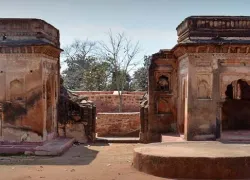
About The Dauji Ki Haveli The Dauji Ki Haveli is a historical mansion located in Orchha, a town in the Indian state of Madhya Pradesh. This haveli is known for its stunning architecture and intricate design, making it a popular tourist attraction in the region. Timings Of Dauji Ki Haveli The Dauji Ki Haveli is open to visitors from 9:00 AM to 5:00 PM on all days of the week. Entry Fee The entry fee for Dauji Ki Haveli is INR 20 for Indian nationals and INR 250 for foreign tourists. Required Time And Restricted Items It is recommended to spend at least 1-2 hours exploring the Dauji Ki Haveli. Visitors are not allowed to carry food, beverages, or photography equipment inside the haveli. Architecture Of Dauji Ki Haveli The architecture of Dauji Ki Haveli showcases a blend of Rajput and Mughal styles. The haveli features beautifully carved stone pillars, intricate frescoes, and ornate jharokhas. Best Time To Visit The best time to visit Dauji Ki Haveli is during the winter months from October to March when the weather is pleasant and ideal for sightseeing. How To Reach Orchha is well-connected by road, rail, and air. The nearest airport is in Gwalior, approximately 120 kilometers away. Jhansi is the nearest railway station, located about 16 kilometers from Orchha. Visitors can also reach Orchha by road via well-maintained highways. History Of Dauji Ki Haveli The Dauji Ki Haveli was built during the 17th century by the Bundela rulers of Orchha. It served as a residence for the royal family and later became a heritage site preserving the rich cultural heritage of the region. Inside Dauji Ki Haveli Inside the Dauji Ki Haveli, visitors can admire the intricate wall paintings depicting mythological tales, ornate mirror work, and beautiful lattice windows. The haveli also houses a collection of antique furniture and artifacts. Traveling Tips It is advisable to wear comfortable footwear while visiting the Dauji Ki Haveli as there may be uneven surfaces and stairs to navigate. Additionally, carrying a bottle of water and sunscreen is recommended, especially during the summer months. Hotels Near Dauji Ki Haveli There are several hotels and guesthouses near Dauji Ki Haveli that offer comfortable accommodation options for tourists. Some of the popular hotels include Hotel Sheesh Mahal, Orchha Palace and Convention Centre, and Amar Mahal. Nearby Tourist Spots While visiting Dauji Ki Haveli, tourists can also explore other nearby attractions in Orchha such as the Orchha Fort, Chaturbhuj Temple, Ram Raja Temple, and Betwa River. These sites offer a glimpse into the rich history and culture of the region.
Explore More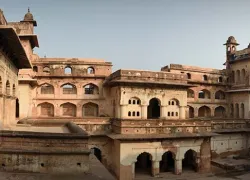
About The Sunder Mahal The Sunder Mahal is a beautiful palace located in Orchha, a historic town in the state of Madhya Pradesh, India. It is a significant historical monument that reflects the rich cultural heritage of the region. Built in the 16th century, the Sunder Mahal is a fine example of Mughal architecture and is dedicated to the memory of the famous saint, Syed Mohammad Hadi. Timings Of Sunder Mahal The Sunder Mahal is open to visitors from 9:00 AM to 5:00 PM every day of the week. Entry Fee The entry fee to visit the Sunder Mahal is minimal, making it accessible to all visitors. Required Time And Restricted Items It is recommended to spend at least an hour exploring the Sunder Mahal and its surroundings. Visitors are advised not to carry any prohibited items inside the monument. Architecture Of Sunder Mahal The Sunder Mahal exhibits a unique blend of Mughal and Rajput architectural styles. The palace features intricate carvings, beautiful domes, and delicate marble work that leave visitors in awe of its grandeur. Best Time To Visit The best time to visit the Sunder Mahal is during the winter months, from October to March, when the weather is pleasant and ideal for sightseeing. How To Reach Orchha is well-connected by road and rail. The nearest airport is in Gwalior, which is approximately 120 kilometers away from Orchha. Visitors can hire taxis or take public transport to reach the Sunder Mahal. History Of Sunder Mahal The Sunder Mahal was constructed by the Bundela ruler, Maharaja Bir Singh Deo, in memory of his spiritual guru, Syed Mohammad Hadi. The palace served as a place of worship and pilgrimage for followers of the saint. Inside Sunder Mahal Inside the Sunder Mahal, visitors can explore the beautifully decorated chambers, intricate wall paintings, and the serene prayer hall dedicated to Syed Mohammad Hadi. The palace provides a peaceful and spiritual ambiance that transports visitors back in time. Traveling Tips Visitors are advised to wear comfortable clothing and footwear while exploring the Sunder Mahal, as there are several stairs and pathways to navigate. It is also recommended to carry water and sunscreen, especially during the hot summer months. Hotels Near Sunder Mahal There are several hotels and guesthouses near the Sunder Mahal that offer comfortable accommodation options for visitors. Some of the popular hotels in Orchha include Amar Mahal, Orchha Palace, and Bundelkhand Riverside. Nearby Tourist Spots Of Sunder Mahal While visiting the Sunder Mahal, tourists can also explore other attractions in Orchha, such as the Orchha Fort, Chaturbhuj Temple, and Raja Mahal. The town of Orchha is known for its rich history, stunning architecture, and tranquil surroundings that make it a must-visit destination for history and culture enthusiasts.
Explore More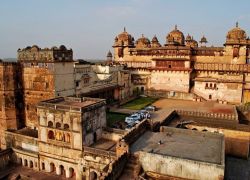
Welcome to Orchha Fort, a magnificent historical site located in the charming city of Orchha. This iconic fort holds a significant place in history and is a popular tourist destination for nature lovers, history enthusiasts, and photographers alike. The fort is known for its stunning architecture, natural beauty, and rich biodiversity, making it a must-visit hotspot in Orchha. History of Orchha Fort Orchha Fort has a fascinating historical background that dates back to ancient times. Originally built as a fortress, it served as the former royal hunting grounds for the rulers of Orchha. Over the years, the fort has undergone various conservation efforts to preserve its architectural grandeur. Its historical importance has been recognized by UNESCO, further enhancing its value as a cultural heritage site. Architecture and Natural Beauty of Orchha Fort The fort is surrounded by lush wetlands, dense forests, and sprawling grasslands that provide a natural habitat for a diverse range of bird species. One of the highlights within the fort complex is the historic Keoladeo Temple, known for its intricate architecture and religious significance. The scenic landscapes and bird habitats make Orchha Fort a paradise for nature lovers and photographers. Why is Orchha Fort Famous? Orchha Fort is famous for being a haven for birdwatchers, photographers, nature enthusiasts, and wildlife lovers. The fort's serene surroundings and abundant biodiversity attract visitors from around the world who come to witness the beauty of nature in its purest form. How to Reach Orchha Fort Traveling to Orchha Fort is convenient with options available by air, rail, and road. The nearest airports are located in Gwalior and Khajuraho, while Jhansi Railway Station serves as the primary railhead. Visitors can easily access the fort by road through well-connected highways that link it to major cities in the region. Weather and Best Time to Visit Orchha Fort Orchha experiences varied weather conditions throughout the year, with distinct summer, monsoon, and winter seasons. The best time to visit Orchha Fort is during the winter months when the weather is pleasant, making it ideal for exploring the fort and its surroundings. Timings of Orchha Fort Orchha Fort is open to visitors during specific timings, with seasonal variations that may affect the visiting hours. It is advisable to plan your trip accordingly and check for any updates on timing changes before visiting the fort. Entry Fee and Visit Details Visitors can access Orchha Fort by paying an entry fee, which may vary based on the services availed. Guide services, safari options, bicycle rentals, and visitor facilities are available to enhance the overall experience of exploring the fort and its natural surroundings. Things to Do at Orchha Fort There are plenty of activities to indulge in at Orchha Fort, including birdwatching, photography, cycling, walking trails, nature observation, and engaging in educational experiences. Visitors can immerse themselves in the beauty of nature and capture unforgettable moments within the fort complex. Interesting Facts About Orchha Fort Orchha Fort is home to a wide range of migratory birds, showcasing the rich biodiversity of the region. Conservation efforts have been instrumental in preserving the ecological balance within the fort premises, highlighting its importance in sustaining diverse flora and fauna. Travel Tips for Visiting Orchha Fort When visiting Orchha Fort, it is recommended to carry appropriate clothing, photography equipment, and birdwatching gear to make the most of your experience. Understanding the visiting seasons and practicing responsible tourism are essential for preserving the natural beauty of the fort and its surroundings. Conclusion In conclusion, Orchha Fort in Orchha is a gem that encapsulates the essence of history, architecture, and nature in one mesmerizing destination. Its historical significance, architectural marvels, and rich biodiversity make it a must-visit location for travelers seeking a blend of heritage and natural beauty. Explore Orchha Fort to discover the magic of the past intertwined with the splendor of nature.
Explore More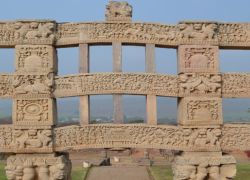
Four Gate Ways of Sanchi are the gates that are known as Toranas which surround the Great Stupa. The gates are named as northern, southern, eastern and western. Every gate has its own meaning and significance. Architecture: As we have informed in the aforementioned paragraph, there are four gates and each one of them has its own significance. The Northern Gateway is crowned by a wheel of law and displays all the marvels related to Buddha. On the other hand, the Southern Gateway has statues that depict the birth of Gautama Buddha. The Eastern Gateway, which was erected in 35 BC, is one of the four gateways located in Sanchi, which showcases the different incidents of Gautama Buddha’s life. Tis gate also displays the time when Gautama left his palace for enlightenment. In addition to this, it also displays the dream of Maya, Gautama’s mother before he was born. Moreover, there are four elephants, which offer support to the architraves of the gate. The Western Gateway demonstrates the seven embodiments of Lord Buddha. Once you visit Four Gate Ways Of Sanchi, you would definitely enjoy the incarnations and the projection. The place scores full marks on all counts, be it creativity, architecture, cleanliness and what not. Best Time to Visit: Best time to visit Four Gateways of Sanchi is during the months from November to February. Visitor Information: For those who are wondering about the entry fees of Four Gate Ways of Sanchi then let us tell you, there is no entry fee. Moreover, it would take you for over 30 minutes for the sightseeing of this place. Moreover, if you plan to purchase anything, it is advised to cross check the prices with the locals and only then go for it. Traveller Tips: One of the most suggested travelling tips for everyone is that one should carry their own high quality camera and plenty of water. How to Reach: Sanchi is a place that is well-connected by all means of transportation. For those who are travelling by bus, there are deluxe A/C buses that are available from many big cities of India to Sanchi. For those who are traveling via rail, the nearest railway station to Sanchi is also Bhopal, which helps in easily accessibility to Sanchi. Moreover, there are tourist taxi services also available from Bhopal to Sanchi that would charge you for upto INR 1000. Sanchi doesn’t have its own airport, so if you are planning to reach there by air, then Raja Bhoj is the airport in Bhopal that happens to be the nearest one for about 67 kms. In addition to this, the taxi fare is about INR 1,000 from Bhopal airport to Sanchi. Nearby Attractions: Belo are a few nearby places to Four Gate Ways of Sanchi that one must add on their list of places to visit. Scroll down and have a look: Sanchi Stupa The Great Bowl Ashoka Pillar Sanchi Museum Buddhist Vihara Gupta Temple
Explore More
Bandhavgarh Fort, located in the city of Bandhavgarh, is a prominent tourist attraction known for its rich history, natural beauty, and diverse wildlife. This historical fort holds significance not only for its architectural marvel but also for being a former royal hunting ground transformed into a conservation area. History of Bandhavgarh Fort The history of Bandhavgarh Fort dates back to ancient times, with mentions in mythological texts like the Ramayana. Once a royal abode, it later served as a hunting ground for the Maharajas of Rewa. The fort's transformation into a national park and subsequent recognition by UNESCO for its conservation efforts showcases its historical and ecological importance. Architecture and Natural Beauty of Bandhavgarh Fort Bandhavgarh Fort is not just about its historical structures but also about its natural surroundings. The fort is nestled amidst lush forests, grasslands, and wetlands, creating a picturesque landscape. The park is renowned for its diverse bird habitats and is home to the historic Keoladeo Temple, adding to its cultural significance. Why is Bandhavgarh Fort Famous? Bandhavgarh Fort is a favorite destination for birdwatchers, photographers, and wildlife enthusiasts due to its incredible biodiversity. The park's diverse flora and fauna, along with its conservation efforts, make it a haven for nature lovers seeking to witness the beauty of the wilderness. How to Reach Bandhavgarh Fort Traveling to Bandhavgarh Fort is convenient, with options for air, rail, and road transport. The nearest airports are located in Jabalpur and Khajuraho, while the Umaria and Katni railway stations provide easy access by train. Road connectivity is good, allowing visitors to reach the fort by buses or private vehicles. Weather and Best Time to Visit Bandhavgarh Fort The weather at Bandhavgarh Fort varies across seasons. Summers can be hot, while monsoons bring lush greenery to the park. The best time to visit is during the winter months from October to March when the weather is pleasant, and wildlife sightings are more frequent. Timings of Bandhavgarh Fort Bandhavgarh Fort welcomes visitors during specific timings that may vary seasonally. It is advisable to check for any changes in timings before planning your visit to make the most of your experience at the park. Entry Fee and Visit Details Visitors to Bandhavgarh Fort can enjoy guided tours, safari options, and other visitor facilities for a memorable experience. Entry procedures are in place to ensure the safety of both visitors and the wildlife within the park. Additionally, bicycle rentals are available for those looking to explore the area at their own pace. Things to Do at Bandhavgarh Fort At Bandhavgarh Fort, visitors can engage in a variety of activities such as birdwatching, photography, cycling, and nature walks. The park offers numerous walking trails where one can observe the flora and fauna up close, making it a paradise for nature enthusiasts and wildlife photographers. Interesting Facts About Bandhavgarh Fort Bandhavgarh Fort is home to a significant population of migratory birds, contributing to its ecological importance. The conservation efforts undertaken in the park have led to the preservation of various species, making it a success story in wildlife conservation. The park's ecological significance and biodiversity make it a must-visit for those interested in nature and wildlife. Travel Tips for Visiting Bandhavgarh Fort When visiting Bandhavgarh Fort, it is essential to pack appropriate clothing for the prevailing weather conditions. Carrying photography and birdwatching equipment can enhance your experience in capturing the beauty of the park. Being aware of the best visiting seasons and practicing responsible tourism can contribute to the conservation efforts of this natural habitat. Conclusion In conclusion, Bandhavgarh Fort in Bandhavgarh stands as a testament to India's rich history and vibrant biodiversity. Combining architectural splendor with natural beauty, the fort offers visitors a unique experience to explore the wilderness and witness the wonders of wildlife. A visit to Bandhavgarh Fort promises not just a journey through time but also a deep connection with nature in all its glory.
Explore More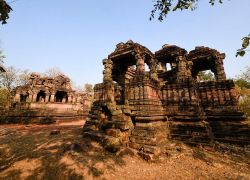
Welcome to Ajaygarh Fort, a magnificent historical treasure located in Chhatarpur, India. This fort stands as a testament to the rich heritage and grandeur of the region, attracting visitors from far and wide to explore its fascinating history and natural beauty. History of Ajaygarh Fort Steeped in history, Ajaygarh Fort dates back to ancient times and holds significant importance as a former royal hunting ground. The fort has witnessed the rise and fall of dynasties, withstanding the test of time and preserving the cultural legacy of Chhatarpur. Efforts towards conservation have been paramount, leading to UNESCO recognition for its historical significance. Architecture and Natural Beauty of Ajaygarh Fort The fort is not just a historical marvel but also boasts stunning natural surroundings. From lush wetlands to dense forests and sprawling grasslands, Ajaygarh Fort is a haven for bird habitats and diverse landscapes. The presence of the Keoladeo Temple within the fort adds a spiritual touch to its already captivating aura. Why is Ajaygarh Fort Famous? Ajaygarh Fort has earned its fame as a paradise for birdwatchers, photographers, nature enthusiasts, and wildlife lovers. The diverse ecosystem within the fort offers a unique opportunity to witness a plethora of bird species in their natural habitat, making it a sought-after destination for nature lovers. How to Reach Ajaygarh Fort Traveling to Ajaygarh Fort is convenient, with options available by air, rail, and road. Nearby airports and railway stations provide easy access to the fort, ensuring a smooth journey for visitors looking to explore this historical gem in Chhatarpur. Weather and Best Time to Visit Ajaygarh Fort The weather at Ajaygarh Fort varies across seasons, with summers being warm, monsoons bringing lush greenery, and winters offering a pleasant climate. The best time to visit is during the cooler months when the fort is at its picturesque best, allowing visitors to enjoy the beauty of both its history and nature. Timings of Ajaygarh Fort Ajaygarh Fort welcomes visitors during specific timings, ensuring a memorable experience for all. Seasonal variations may affect these timings, so it is advisable to plan your visit accordingly and make the most of your time exploring this historical marvel. Entry Fee and Visit Details Entry procedures at Ajaygarh Fort are straightforward, with guide services available for those seeking in-depth knowledge about the fort's history and surroundings. Safari options, bicycle rentals, and visitor facilities add to the overall experience, making it a well-rounded destination for travelers. Things to Do at Ajaygarh Fort Visitors to Ajaygarh Fort can indulge in a variety of activities, from birdwatching and photography to cycling, walking trails, and nature observation. The fort offers a range of experiences for all ages, allowing everyone to immerse themselves in the beauty and tranquility of this historical site. Interesting Facts About Ajaygarh Fort Ajaygarh Fort is not just a historical site but a hub of biodiversity, hosting migratory birds and showcasing conservation achievements. The fort's ecological importance cannot be understated, making it a vital landmark for both history buffs and nature lovers. Travel Tips for Visiting Ajaygarh Fort When visiting Ajaygarh Fort, it is advisable to dress comfortably and carry essential photography and birdwatching equipment to make the most of your experience. Understanding the visiting seasons and practicing responsible tourism will ensure a memorable and sustainable visit to this iconic destination. Conclusion In conclusion, Ajaygarh Fort in Chhatarpur stands as a beacon of history and natural beauty, inviting travelers to explore its grandeur and significance. With a rich past, diverse ecosystem, and myriad of visitor experiences, Ajaygarh Fort remains a must-visit destination for those seeking a blend of heritage and nature in one spectacular location.
Explore More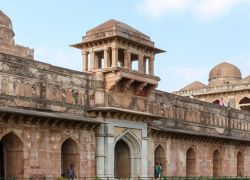
About The Dhar Fort The Dhar Fort, also known as Dhar Palace, is a historical fort located in the town of Dhar in Madhya Pradesh, India. It was built by the Parmar rulers in the late 18th century and served as the residence of the rulers of Dhar. The fort is an architectural masterpiece and reflects the rich cultural heritage of the region. Timings Of Dhar Fort The Dhar Fort is open to visitors from 10:00 AM to 6:00 PM on all days of the week. Entry Fee The entry fee for the Dhar Fort is INR 20 for Indian tourists and INR 250 for foreign tourists. Required Time And Restricted Items It is recommended to spend at least 1-2 hours exploring the Dhar Fort. Visitors are not allowed to carry weapons, inflammable items, or alcohol inside the fort premises. Architecture Of Dhar Fort The Dhar Fort showcases a blend of Rajput and Mughal architectural styles. The fort is made of red sandstone and features intricately carved pillars, domes, and arches. The walls of the fort are adorned with beautiful paintings and sculptures. Best Time To Visit The best time to visit the Dhar Fort is during the winter months from October to March when the weather is pleasant and suitable for exploring the historical site. How To Reach The Dhar Fort is easily accessible by road. The nearest railway station is Dhar Junction, which is about 2 kilometers away from the fort. Indore Airport is the closest airport, located approximately 56 kilometers from Dhar. History Of Dhar Fort The Dhar Fort was built by Raja Bhoj in the late 18th century and later served as the residence of the Parmar rulers of Dhar. The fort has witnessed many historical events and played a significant role in the region's history. Inside Dhar Fort Inside the Dhar Fort, visitors can explore the various structures including the palaces, temples, and gardens. The fort also houses a museum that displays artifacts, weapons, and paintings from the bygone era. Traveling Tips It is advisable to wear comfortable footwear as there is a fair amount of walking involved in exploring the Dhar Fort. Carry a water bottle and sunscreen to stay hydrated and protected from the sun. Hotels Near Dhar Fort There are several hotels near the Dhar Fort where visitors can stay during their visit. Some of the popular hotels include Hotel Sheetal Palace, Hotel Trishul, and Hotel Aanchal. Nearby Tourist Spots Of Dhar Fort There are several tourist attractions near the Dhar Fort that visitors can explore, including the Bhoj Shala, Bagh Caves, and Mandu Fort. These sites offer a glimpse into the rich history and culture of the region.
Explore More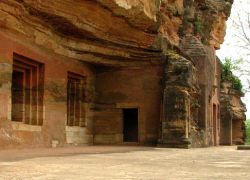
About The Bagh Caves The Bagh Caves, located in the Dhar district of Madhya Pradesh, are a group of nine rock-cut caves that date back to the 5th-7th century AD. These caves are renowned for their exquisite Buddhist murals and carvings, which provide a glimpse into the rich cultural heritage of ancient India. Timings Of Bagh Caves The Bagh Caves are open to visitors from 9:00 am to 5:00 pm on all days of the week. Entry Fee The entry fee for Indian visitors is Rs. 15 per person, while foreign tourists are charged Rs. 200 per person. Additionally, there is a nominal fee for carrying cameras inside the caves. Required Time And Restricted Items It is recommended to allocate at least 2-3 hours to explore the Bagh Caves thoroughly. Visitors are not allowed to carry food, beverages, or pets inside the caves. Smoking and littering are strictly prohibited. Architecture Of Bagh Caves The architecture of the Bagh Caves reflects a blend of Indian rock-cut architecture and Buddhist art. The caves feature intricately carved pillars, doorways, and sculptures that showcase the craftsmanship of the ancient artisans. Best Time To Visit The best time to visit the Bagh Caves is during the winter months, from October to March, when the weather is pleasant and ideal for exploring the caves. How To Reach The Bagh Caves are easily accessible by road from Dhar, which is well-connected to major cities like Indore and Bhopal. Visitors can also hire a taxi or take a bus to reach the caves from nearby towns. History Of Bagh Caves The Bagh Caves were excavated during the ancient Gupta period, between the 5th and 7th centuries AD. These caves served as monastic retreats for Buddhist monks and were adorned with elaborate paintings depicting scenes from the life of Buddha. Inside Bagh Caves Inside the Bagh Caves, visitors can admire the stunning murals that adorn the walls and ceilings of the caves. These paintings depict various Buddhist motifs, divine figures, and mythical creatures, offering a fascinating insight into ancient Indian art and culture. Traveling Tips It is advisable to wear comfortable clothing and footwear while exploring the Bagh Caves, as there is some walking involved. Additionally, carrying a bottle of water, sunscreen, and a camera is recommended to make the most of your visit. Hotels Near Bagh Caves Some of the hotels near the Bagh Caves include: 1. Hotel Shreenath Palace 2. Hotel Meera Palace 3. Hotel Anjushree Nearby Tourist Spots Of Bagh Caves While visiting the Bagh Caves, tourists can also explore other nearby attractions such as the Dhar Fort, Bhoj Shala, and the Mandu Fort, which are steeped in history and offer a glimpse into the rich cultural heritage of Madhya Pradesh.
Explore More
About The Jhira Bagh Palace Located in the city of Dhar in the state of Madhya Pradesh, the Jhira Bagh Palace is a magnificent heritage property that offers a glimpse into the grandeur and opulence of the past. Originally built as a hunting lodge by the Maratha rulers of Dhar, the palace has now been converted into a luxurious hotel that offers guests a unique experience of living like royalty. Timings of Jhira Bagh Palace The Jhira Bagh Palace is open to visitors from 9:00 AM to 6:00 PM on all days of the week. Entry Fee The entry fee for visiting the Jhira Bagh Palace is INR 100 per person for Indian nationals and INR 300 per person for foreign tourists. Required Time and Restricted Items Visitors usually spend around 2-3 hours exploring the palace and its surroundings. It is advisable to carry a valid ID proof for entry. Smoking, alcoholic beverages, and pets are not allowed inside the palace premises. Architecture of Jhira Bagh Palace The architecture of the Jhira Bagh Palace is a beautiful blend of Maratha and Mughal styles, featuring intricate carvings, stunning archways, and majestic domes. The palace is surrounded by lush gardens, serene lakes, and cascading waterfalls, creating a picturesque setting that transports visitors to a bygone era. Best Time to Visit The best time to visit the Jhira Bagh Palace is during the winter months from October to March when the weather is pleasant and ideal for exploring the palace and its surroundings. How to Reach The Jhira Bagh Palace is located in Dhar, which is well-connected by road to major cities like Indore and Bhopal. The nearest airport is Devi Ahilya Bai Holkar Airport in Indore, approximately 60 kilometers away. The nearest railway station is Dhar Railway Station, which is well-connected to major cities in the region. History of Jhira Bagh Palace The Jhira Bagh Palace was built in the 18th century by the Maratha rulers of Dhar as a hunting lodge. Over the years, the palace has been renovated and restored to its former glory, showcasing the rich cultural heritage of the region. Inside Jhira Bagh Palace Inside the Jhira Bagh Palace, visitors can explore the beautiful courtyards, ornate halls, and intricately designed rooms that once served as the residence of the royal family. The palace also houses a museum that displays artifacts, paintings, and sculptures from the Maratha era. Traveling Tips - Wear comfortable footwear as the palace grounds can be extensive to explore. - Carry a water bottle and sunscreen to stay hydrated and protected from the sun. - Respect the heritage property by refraining from littering or causing any damage to the structures. Hotels Near Jhira Bagh Palace with Names 1. The Renest River Country Resort 2. The Grand Bhagwati Palace 3. Hotel Shri Radhe Krishna Palace Nearby Tourist Spots of Jhira Bagh Palace 1. Mandu Fort: A historical fort known for its architectural marvels 2. Dhar Fort: A majestic fort offering panoramic views of the city 3. Bhoj Shala: An ancient educational institution with intricate carvings
Explore More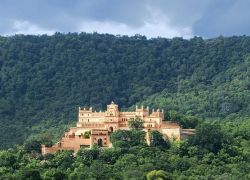
Welcome to the mesmerizing Rajgarh Palace located in the city of Dhar, a place known for its rich historical heritage and natural beauty. This majestic palace stands as a testament to the grandeur of the bygone era, offering visitors a glimpse into the royal past of the region. History of Rajgarh Palace The Rajgarh Palace holds a significant historical background, originally serving as the royal hunting grounds for the rulers of Dhar. Over the years, efforts have been made to conserve the natural environment and wildlife within the palace premises. This dedication to preservation has garnered recognition from UNESCO for its conservation efforts. Architecture and Natural Beauty of Rajgarh Palace Surrounded by lush wetlands, dense forests, and sprawling grasslands, Rajgarh Palace is a haven for bird habitats and diverse landscapes. The historical Keoladeo Temple nestled within the palace grounds adds to the serene ambiance of the area, attracting visitors with its architectural beauty and spiritual significance. Why is Rajgarh Palace Famous? Rajgarh Palace has gained popularity among birdwatchers, photographers, nature enthusiasts, and wildlife lovers due to its abundance of avian species, picturesque landscapes, and tranquil surroundings. The palace offers a unique opportunity to witness the beauty of nature up close. How to Reach Rajgarh Palace Traveling to Rajgarh Palace is convenient with various options available. Visitors can reach the city of Dhar by air, rail, or road, with nearby airports and railway stations providing easy access to this enchanting destination. Weather and Best Time to Visit Rajgarh Palace Rajgarh Palace experiences varying weather conditions throughout the year, with summer, monsoon, and winter seasons offering distinct experiences to visitors. The best time to visit is during the cooler months when the natural beauty of the palace is at its peak. Timings of Rajgarh Palace The visitor timings of Rajgarh Palace may vary seasonally, so it is advisable to check in advance before planning your trip. Understanding the timings will help you make the most of your visit and explore the palace grounds efficiently. Entry Fee and Visit Details Entry procedures to Rajgarh Palace are simple, with guide services and safari options available for visitors to enhance their experience. Bicycle rentals and visitor facilities ensure a comfortable and enjoyable visit to this historical site. Things to Do at Rajgarh Palace Engage in popular activities such as birdwatching, photography, cycling, walking trails, and nature observation at Rajgarh Palace. Immerse yourself in the beauty of the surroundings and enjoy educational experiences that showcase the ecological diversity of the region. Interesting Facts About Rajgarh Palace Rajgarh Palace is home to a myriad of migratory birds, showcasing the rich biodiversity of the area. The conservation achievements of the palace highlight its commitment to preserving the natural environment and its ecological importance in the region. Travel Tips for Visiting Rajgarh Palace When visiting Rajgarh Palace, it is recommended to dress comfortably, carry necessary photography equipment, and be mindful of the best seasons for birdwatching and exploration. Practicing responsible tourism ensures the sustainability of this beautiful destination for future generations. Conclusion In conclusion, Rajgarh Palace in Dhar offers a unique blend of history, natural beauty, and wildlife conservation, making it a must-visit destination for travelers seeking a serene and enriching experience. Explore the wonders of Rajgarh Palace and create lasting memories in this captivating city.
Explore More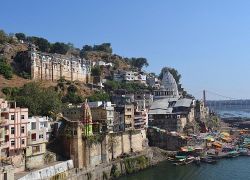
Khandwa Fort, located in the city of Khandwa, is a historical marvel that offers a unique blend of rich heritage, natural beauty, and diverse biodiversity. This ancient fort has stood the test of time and continues to attract tourists, history enthusiasts, nature lovers, and birdwatchers from far and wide. History of Khandwa Fort The history of Khandwa Fort dates back to ancient times, with its origins shrouded in tales of valor and conquest. Initially serving as a strategic outpost for various rulers, the fort later transformed into a symbol of architectural grandeur and cultural significance. Once a royal hunting ground, the fort now stands as a testament to the conservation efforts aimed at preserving its historical legacy. The UNESCO recognition further solidifies its importance as a heritage site worth exploring. Architecture and Natural Beauty of Khandwa Fort Surrounded by lush wetlands, dense forests, sprawling grasslands, and vibrant bird habitats, Khandwa Fort offers a picturesque setting that captivates visitors. The historic Keoladeo Temple nestled within the fort complex adds to its architectural charm, providing a glimpse into the region's cultural heritage amidst breathtaking landscapes. Why is Khandwa Fort Famous? Khandwa Fort has gained fame for being a haven for birdwatchers, photographers, nature enthusiasts, and wildlife lovers. Its diverse ecosystem and avian population make it a sought-after destination for those seeking to immerse themselves in the wonders of nature and capture stunning moments amidst a historical backdrop. How to Reach Khandwa Fort Traveling to Khandwa Fort is convenient, with options available by air, rail, and road. The nearby airports and railway stations provide easy access to the city, ensuring that visitors can reach this historical gem with ease and embark on a memorable journey through time. Weather and Best Time to Visit Khandwa Fort Understanding the weather conditions at Khandwa Fort is crucial for planning a visit. While the summer months can be hot and dry, the monsoon season brings a refreshing touch to the surroundings. Winter is considered the best time to explore the fort, with pleasant temperatures and clear skies enhancing the visitor experience. Timings of Khandwa Fort The timings of Khandwa Fort cater to visitors' needs, ensuring that they can explore the site comfortably. Seasonal variations may impact the operational hours, but proper planning and timely visits can help maximize the experience of delving into the fort's historical and natural wonders. Entry Fee and Visit Details Entry procedures at Khandwa Fort are straightforward, with guide services, safari options, bicycle rentals, and visitor facilities available to enhance the overall visit. These amenities ensure that guests can make the most of their time at the fort and delve deeper into its captivating offerings. Things to Do at Khandwa Fort Engaging in activities such as birdwatching, photography, cycling, walking trails, nature observation, and educational experiences can enrich the visit to Khandwa Fort. These immersive pursuits allow visitors to connect with the surroundings, appreciate the biodiversity, and create lasting memories within the fort's historic confines. Interesting Facts About Khandwa Fort Khandwa Fort boasts a wealth of interesting facts, from the presence of migratory birds to the conservation achievements that have safeguarded its ecological importance. Exploring these facets of the fort provides insights into its significance and the efforts dedicated to preserving its natural and historical treasures. Travel Tips for Visiting Khandwa Fort When planning a trip to Khandwa Fort, consider essential travel tips such as appropriate clothing, photography gear, birdwatching equipment, visiting seasons, and responsible tourism practices. These tips can enhance the overall experience, ensuring a memorable and respectful exploration of this cultural and natural gem. Conclusion In conclusion, Khandwa Fort stands as a testament to the rich history, architectural beauty, and ecological diversity found in the heart of Khandwa. By delving into its past, exploring its natural surroundings, and immersing oneself in its tranquil ambiance, visitors can embark on a journey of discovery and appreciation for this remarkable tourist attraction.
Explore More
Welcome to Garhkundar Fort, a historical gem nestled in the heart of Tikamgarh. This magnificent fort has a rich heritage and offers a glimpse into the region's past while providing a haven for nature enthusiasts and history buffs alike. History of Garhkundar Fort The history of Garhkundar Fort dates back to ancient times when it served as a royal hunting ground for the local rulers. Over the years, the fort has undergone various conservation efforts to preserve its architectural and cultural significance. The site's historical importance has been recognized by UNESCO, adding to its allure. Architecture and Natural Beauty of Garhkundar Fort Surrounded by lush wetlands, dense forests, and sprawling grasslands, Garhkundar Fort boasts a diverse ecosystem that is a paradise for bird species. The fort's stunning landscapes are complemented by the presence of the historic Keoladeo Temple, adding to the natural beauty of the surroundings. Why is Garhkundar Fort Famous? Garhkundar Fort is renowned for its abundant birdlife, making it a popular destination for birdwatchers and photographers. Nature enthusiasts and wildlife lovers are drawn to the fort's serene ambiance and the opportunity to witness a wide variety of avian species in their natural habitat. How to Reach Garhkundar Fort Travelling to Garhkundar Fort is convenient, with options available by air, rail, and road. The nearest airports and railway stations provide easy access to this picturesque location, allowing visitors to explore its beauty with ease. Weather and Best Time to Visit Garhkundar Fort The weather at Garhkundar Fort varies across seasons, with distinct experiences during summer, monsoon, and winter. The best time to visit is during [mention best months here] when the weather is pleasant, and the natural surroundings are at their most vibrant. Timings of Garhkundar Fort Garhkundar Fort welcomes visitors during specific timings, with seasonal variations that may affect accessibility. It is advisable to plan your visit accordingly to make the most of your time at this historical site. Entry Fee and Visit Details Entry procedures at Garhkundar Fort are straightforward, with options for guide services, safari experiences, bicycle rentals, and visitor facilities to enhance your visit. These amenities ensure a comfortable and informative exploration of the fort and its surroundings. Things to Do at Garhkundar Fort At Garhkundar Fort, visitors can indulge in a range of activities such as birdwatching, photography, cycling, walking trails, and nature observation. The fort offers a serene environment for educational experiences and wildlife encounters, catering to diverse interests. Interesting Facts About Garhkundar Fort Garhkundar Fort is a haven for migratory birds, contributing to its biodiversity and conservation significance. The site's ecological importance and conservation achievements add to its charm, making it a must-visit destination for nature lovers. Travel Tips for Visiting Garhkundar Fort When visiting Garhkundar Fort, remember to pack suitable clothing, photography equipment, and birdwatching essentials. Familiarize yourself with the best visiting seasons and practice responsible tourism to preserve the sanctity of this historical and natural site. Conclusion In conclusion, Garhkundar Fort in Tikamgarh stands as a testament to the region's rich history and natural beauty. Whether you are a history enthusiast, nature lover, or avid birdwatcher, this destination offers a unique blend of cultural heritage and ecological wonders for an unforgettable visitor experience.
Explore MoreMadhya Pradesh Heritage - Pilgrimage Tour - 5 Nights - 6 Days
6 Days/ 5 Night
Dhar - Indore - Ujjain - Omkareshwara
Shivpuri 1N - 2D Tour
2 Days/ 1 Night
Shivpuri
8D A Cultural Pachmarhi - Kanha - Jabalpur Tour
8 Days/ 7 Night
Jabalpur - Pachmarhi - Kanha - Mandla
Golden Triangle with Khajuraho & Varanasi Tour
10 Days/ 9 Night
New Delhi - Jaipur - Agra - Jhansi - Chhatarpur - Varanasi
Welcome to the historical marvel of Baldeogarh Fort located in the city of Tikamgarh. This ancient fort holds a significant place in the region's heritage and offers a glimpse into the rich history and natural beauty of the surroundings. History of Baldeogarh Fort Baldeogarh Fort has a captivating historical background, once serving as a royal hunting ground for the erstwhile rulers of the region. Over the years, concerted conservation efforts have helped preserve the fort's architectural grandeur, leading to its recognition by UNESCO as a site of historical importance. Architecture and Natural Beauty of Baldeogarh Fort Surrounded by picturesque wetlands, lush forests, and sprawling grasslands, Baldeogarh Fort offers a unique blend of historical charm and natural splendor. The fort also houses the ancient Keoladeo Temple, adding to its architectural and spiritual significance. Why is Baldeogarh Fort Famous? Baldeogarh Fort is renowned for its diverse bird habitats, making it a popular destination for birdwatchers, photographers, and nature enthusiasts. The fort's surroundings teem with wildlife, attracting visitors from far and wide to witness the beauty of the avian species that call this place home. How to Reach Baldeogarh Fort Traveling to Baldeogarh Fort is convenient via air, rail, and road. The city of Tikamgarh is well-connected to major cities, with nearby airports and railway stations offering easy access to this historical hotspot. Weather and Best Time to Visit Baldeogarh Fort The weather at Baldeogarh Fort varies across seasons, with summer, monsoon, and winter each offering a unique experience. The best time to visit is during the cooler months when the natural beauty of the fort and its surroundings shines brightest. Timings of Baldeogarh Fort The visitor timings at Baldeogarh Fort ensure that guests can explore the site comfortably, with seasonal variations accounted for to enhance the overall experience. Planning your visit ahead of time can help you make the most of your trip to this historical gem. Entry Fee and Visit Details Entry procedures at Baldeogarh Fort are straightforward, with guide services and safari options available for those seeking a more in-depth exploration. Bicycle rentals and visitor facilities cater to the needs of guests, ensuring a comfortable and enjoyable visit. Things to Do at Baldeogarh Fort Engage in popular activities such as birdwatching, photography, cycling, and walking trails to immerse yourself in the natural beauty and historical charm of Baldeogarh Fort. Educational experiences await those keen on nature observation and learning about the region's ecological significance. Interesting Facts About Baldeogarh Fort Baldeogarh Fort is home to a myriad of migratory birds, showcasing the region's biodiversity and conservation achievements. The fort's ecological importance is evident in its role as a sanctuary for diverse wildlife, making it a must-visit destination for nature lovers. Travel Tips for Visiting Baldeogarh Fort When visiting Baldeogarh Fort, remember to dress comfortably for the weather, carry essential photography and birdwatching equipment, and adhere to responsible tourism practices. Understanding the best visiting seasons and respecting the natural environment can enhance your overall experience at this historical site. Conclusion In conclusion, Baldeogarh Fort in Tikamgarh stands as a testament to the region's rich past and natural beauty. A visit to this historical marvel offers a blend of architectural splendor, biodiversity, and cultural significance, providing visitors with a memorable and enlightening experience.
Explore More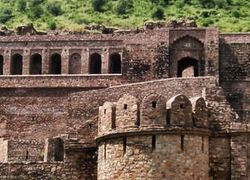
Welcome to the mesmerizing destination of Bandhavgarh Fort located in the city of Umaria. This historical fort not only boasts a rich past but also offers a serene natural environment that attracts tourists from all around the globe. History of Bandhavgarh Fort The Bandhavgarh Fort holds a significant historical background as it served as the former royal hunting grounds of the Maharajas of Rewa. Over the years, it has become an important site for wildlife conservation efforts, leading to its UNESCO recognition as a protected area. Architecture and Natural Beauty of Bandhavgarh Fort Surrounded by lush forests, grasslands, and wetlands, Bandhavgarh Fort is not only known for its architectural marvel but also for its diverse biodiversity. The fort is home to various bird habitats and is adorned by the historical Keoladeo Temple, adding to its natural charm. Why is Bandhavgarh Fort Famous? Bandhavgarh Fort is renowned for its exceptional beauty and is a paradise for birdwatchers, photographers, nature enthusiasts, and wildlife lovers. The unique blend of historical significance and natural splendor makes it a must-visit destination. How to Reach Bandhavgarh Fort Traveling to Bandhavgarh Fort is convenient with options available by air, rail, and road. The nearest airports are located in Jabalpur and Khajuraho, while Umaria serves as the closest railway station. Road transport is also well-connected to the fort. Weather and Best Time to Visit Bandhavgarh Fort The weather at Bandhavgarh Fort varies with distinct summer, monsoon, and winter seasons. The best time to visit is during the cooler months, from October to March, to enjoy pleasant weather and optimal wildlife sightings. Timings of Bandhavgarh Fort Bandhavgarh Fort welcomes visitors during specific timings, with variations based on seasons. It is advisable to plan your visit accordingly and make the most of your time exploring this magnificent site. Entry Fee and Visit Details Visitors can access Bandhavgarh Fort by following the entry procedures and avail guide services for a more insightful experience. Safari options, bicycle rentals, and essential facilities are available to ensure a comfortable visit for all guests. Things to Do at Bandhavgarh Fort Engage in a range of activities at Bandhavgarh Fort, including birdwatching, photography, cycling, walking trails, and nature observation. The fort offers educational experiences that allow visitors to connect with nature on a deeper level. Interesting Facts About Bandhavgarh Fort Bandhavgarh Fort is filled with fascinating facts, from hosting migratory birds to its crucial role in biodiversity conservation. The fort's ecological importance and conservation achievements further highlight its significance in the region. Travel Tips for Visiting Bandhavgarh Fort When visiting Bandhavgarh Fort, remember to pack appropriate clothing, carry necessary photography and birdwatching equipment, and be aware of the best seasons for exploration. Embrace responsible tourism practices to preserve the beauty of this historic site. Conclusion In conclusion, Bandhavgarh Fort in Umaria stands as a remarkable tourist attraction that offers a harmonious blend of history, architecture, and natural beauty. Embark on a journey to this enchanting destination to witness the wonders of wildlife and immerse yourself in the tranquility of nature.
Explore More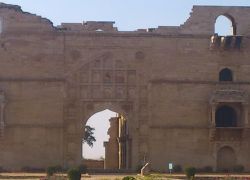
About The Chanderi Fort The Chanderi Fort, located in the town of Chanderi in the state of Madhya Pradesh, is an ancient hill fort known for its historical significance and architectural beauty. The fort stands at an altitude of 71 meters and offers panoramic views of the surrounding landscapes. Timings Of Chanderi Fort The Chanderi Fort is open to visitors from 9:00 AM to 6:00 PM every day of the week. Entry Fee The entry fee for Chanderi Fort is INR 25 per person for Indian nationals and INR 200 per person for foreign tourists. Required Time And Restricted Items It takes approximately 2-3 hours to explore the Chanderi Fort. Visitors are advised not to carry large bags or food items inside the fort premises. Architecture Of Chanderi Fort The Chanderi Fort showcases a blend of Rajput and Mughal architectural styles. The fort features massive gates, bastions, and intricate carvings that reflect the grandeur of the bygone era. Best Time To Visit The best time to visit Chanderi Fort is during the winter months from October to March when the weather is pleasant and suitable for sightseeing. How To Reach Chanderi is well-connected to major cities like Delhi, Mumbai, and Jaipur by road. The nearest railway station is in Lalitpur, located approximately 40 kilometers away from Chanderi. The closest airport is in Gwalior, about 230 kilometers from Chanderi. History Of Chanderi Fort The Chanderi Fort has a rich history dating back to the 11th century when it was built by the Bundela Rajputs. Over the centuries, the fort has witnessed numerous battles and changes in rulership, including the Mughals and the Marathas. Inside Chanderi Fort Inside the Chanderi Fort, visitors can explore various structures such as the Kirti Dwar, Hawa Paur, and the Badal Mahal. The fort also houses several temples, water reservoirs, and underground passages. Traveling Tips Visitors are advised to wear comfortable footwear as the fort premises involve walking on uneven terrain. It is also recommended to carry water bottles and sunscreen to stay hydrated and protected from the sun. Hotels Near Chanderi Fort Some of the hotels near Chanderi Fort include Hotel Grand Samrat, Hotel Yuvraj Palace, and Hotel Shri Krishna Royal Stay. These hotels offer comfortable accommodations and modern amenities for travelers. Nearby Tourist Spots Of Chanderi Fort Some of the nearby tourist spots to visit along with Chanderi Fort are the Chanderi Museum, Jama Masjid, and the Koshak Mahal. These attractions provide further insights into the rich cultural heritage of Chanderi.
Explore More