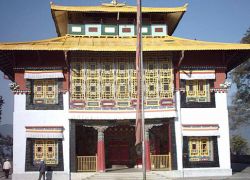
Tusk-La-Khang is a beautiful and impressive building, which is the principal place of worship and assembly for Buddhists. It is the Royal Chapel that lies behind the former Royal Palace of the Kings of Sikkim. It is the repository of a large collection of scriptures. The main shrine of worship is interesting in terms of its architecture and lavish decorations with woodcarvings and murals. It houses the statues of Buddha, Bodhisattvas and Tantric deities. Formerly, all the religious functions were observed here and the royal marriages and crowning of the kings of the state took place in its precincts. This monastery is located in the Royal Palace premises near the Ridge Park in Gangtok. It is two storied and was used during royal function like weddings and coronations. The chapel is the site of many festivals, the most interesting of them being one dedicated to the God of Kanchenjunga. The other important festival is the celebration of New Year, when the famous Black Hat dance is performed demonstrating the triumph of good over evil.
Explore More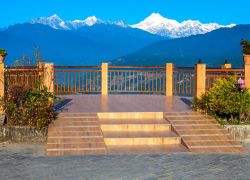
Tashi View Point is a famous tourist spot located just a few kilometers away from Gangtok, the capital city of Sikkim. It offers panoramic views of the Kanchenjunga mountain range, one of the highest peaks in the world. The view point is named after the Tashi family, which owns the land on which the viewpoint stands. The site attracts visitors with its breathtaking scenery, tranquility, and serene ambiance, making it a must-visit place in Gangtok. How to Reach Tashi View Point, Gangtok The Tashi View Point is easily accessible from Gangtok. It is located about 8 kilometers from the main town, and one can reach there by hiring a taxi or booking a local vehicle. The road leading to the view point is well-maintained, and the drive itself offers picturesque views of the surrounding hills and valleys. For those interested in trekking, a few trails lead to the viewpoint, adding an adventurous touch to the journey. Weather at Tashi View Point The weather at Tashi View Point is typically cool and pleasant throughout the year, making it a perfect spot to visit at any time. In the summer months (March to June), the temperature ranges from 10°C to 20°C, while winters (November to February) can be cold with temperatures dropping to 0°C or lower. During winter, you might also experience snowfall, which adds to the beauty of the place. It’s always a good idea to carry warm clothing if visiting during colder months. Timing to Visit Tashi View Point The Tashi View Point is open for visitors throughout the year, and it’s best to visit early in the morning or late in the afternoon to enjoy the mesmerizing views of the sun rising or setting over the mountains. The timing for the view point generally starts from 6 AM to 6 PM. However, the exact hours may vary depending on weather conditions and the season, so it’s recommended to check locally before planning your visit. Why is Tashi View Point Famous? Tashi View Point is famous for offering some of the most spectacular views of the Kanchenjunga range, which is often considered the third highest mountain in the world. The viewpoint gives a clear sight of not only the peaks but also the surrounding valleys and lush green forests. This place is often visited by photographers, nature enthusiasts, and trekkers. The sunrise and sunset views from this point are a major attraction, with the mountains taking on a golden hue in the early morning light and changing colors during sunset. Entry and Visit Details There is a nominal entry fee to visit the Tashi View Point, which is collected by the local authorities. The fee helps maintain the area and ensures that the site remains clean and well-maintained for tourists. The viewpoint is accessible to everyone, including families with children and elderly visitors. Though there is no specific dress code, it is advisable to wear comfortable clothing and shoes for easy exploration of the area. History and Architecture of Tashi View Point The Tashi View Point has historical significance due to its association with the Tashi family. The family played an important role in the cultural and political history of Sikkim. Architecturally, the view point is simple yet charming, featuring a few structures that provide shelter and seating for visitors. These structures are built in a traditional style, blending well with the surrounding natural beauty. The area around the viewpoint has been developed to offer basic amenities, including small stalls selling local souvenirs and refreshments. Things to Do at Tashi View Point While visiting the Tashi View Point, visitors can enjoy the following activities: Photography: The breathtaking views of the Kanchenjunga range make this spot a photographer’s paradise. Capture stunning shots of the mountains and the surrounding landscape. Nature Walks: Explore the trails around the viewpoint that offer a serene and peaceful environment. Visit Nearby Monasteries: The Rumtek Monastery and other Tibetan Buddhist sites are located nearby and are worth visiting. Shopping: Local markets around the viewpoint offer a variety of souvenirs, including hand-crafted items, woollen garments, and traditional Tibetan artifacts. Facts and Tips About Tashi View Point Best Time to Visit: The best time to visit is during the spring and autumn months (March to May and September to November), when the weather is ideal for sightseeing. Pack Essentials: Don’t forget to carry a camera to capture the views, a hat and sunscreen for protection from the sun, and warm clothing in colder months. Stay Hydrated: There are no major hotels at the viewpoint, so it’s advisable to carry water and snacks along with you. Respect the Environment: Keep the area clean and dispose of your waste properly to maintain the beauty of the location.
Explore More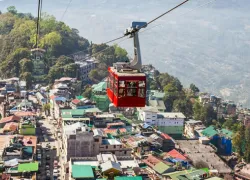
The Gangtok Ropeway, also known as the Sikkim Ropeway, is a popular tourist attraction in the capital city of Gangtok, Sikkim. Offering a unique experience, it is one of the best ways to explore the stunning landscapes of the region while gliding above the city. The cable car ride provides an aerial view of Gangtok, with spectacular views of the surrounding mountains, valleys, and lush green hills. A visit to the Gangtok Ropeway offers a chance to experience the natural beauty of the region while enjoying the thrill of a ropeway ride. How to Reach Gangtok Ropeway, Gangtok The Gangtok Ropeway is located in the heart of Gangtok, making it easily accessible from the city center. It is situated near the famous Deorali Bazar, which is around 1.5 kilometers from the main Gangtok town. Visitors can reach the Gangtok Ropeway by hiring a taxi or taking a local bus from anywhere in the city. The ride to the base of the ropeway is short and scenic, offering glimpses of the city’s beautiful landscape. Once you reach the starting point, you can board the cable cars to start your journey. Weather at Gangtok Ropeway The weather around the Gangtok Ropeway is pleasant year-round. The summer months (March to June) are ideal for a visit, with temperatures ranging from 10°C to 20°C, making it a great time to explore the area. During the winter months (November to February), the temperatures can dip below freezing, and snow is often seen in the region, creating a magical winter wonderland. The monsoon season (June to September) can bring heavy rainfall, which may cause some disruptions in the ropeway operations due to safety concerns, so it’s better to avoid visiting during this time. Timing to Visit Gangtok Ropeway The Gangtok Ropeway operates every day from 9:00 AM to 4:30 PM, giving visitors ample time to experience the ride. The best time to visit is in the morning or late afternoon when the weather is cooler and the views are clearer. It’s recommended to avoid visiting during heavy rainfall or strong winds, as the ropeway may be temporarily closed for safety reasons. The cable car rides are not operational during adverse weather conditions, so it’s best to check the weather forecast before planning your visit. Why is Gangtok Ropeway Famous? The Gangtok Ropeway is famous for offering panoramic views of the city, valleys, and surrounding snow-capped peaks. It is one of the most popular tourist attractions in Gangtok due to its scenic ride, which allows visitors to experience the natural beauty of the region in a unique way. The ropeway provides an aerial view of Gangtok's landscapes, including the majestic Kanchenjunga mountain range in the distance. The views are particularly mesmerizing during sunrise and sunset, making the Gangtok Ropeway a favorite spot for photographers and nature lovers. Entry and Visit Details The entry to the Gangtok Ropeway is ticket-based, and visitors can purchase tickets at the ticket counter near the base of the ropeway. The price of the ticket depends on the type of ride you choose, with options for a single ride or a round trip. The ropeway also offers a special ticket for a more exclusive ride to the highest point on the cable car. It is advisable to book tickets in advance during the peak tourist season (March to June) to avoid long queues. Visitors can enjoy the ride to the top, where they can take in the stunning views and explore the surrounding areas. History and Architecture of Gangtok Ropeway The Gangtok Ropeway was inaugurated in 2003 and was built to enhance the tourism experience in Gangtok. It was developed by the Sikkim Government to provide a unique way for tourists to enjoy the panoramic views of the city and the surrounding landscapes. The ropeway is a part of the city’s overall development plan to boost tourism. Architecturally, the Gangtok Ropeway is a well-constructed system, with modern cable cars and a strong infrastructure that ensures the safety and comfort of its passengers. The cable car system is designed to provide smooth rides with minimal environmental impact, blending seamlessly with the natural surroundings. Things to Do at Gangtok Ropeway While visiting the Gangtok Ropeway, there are several things you can enjoy: Enjoy the Scenic Views: The main attraction of the Gangtok Ropeway is the stunning aerial views of Gangtok, the valleys, and the majestic Kanchenjunga mountain range. Take plenty of photographs during the ride. Relax and Explore: Once at the top of the ropeway, enjoy the tranquility and beauty of the surrounding mountains. You can also explore nearby viewpoints and enjoy the natural surroundings. Photography: The panoramic views make this a great spot for photography. Capture the vibrant landscape, the city below, and the snow-capped peaks in the distance. Shopping: The ropeway station area has a few souvenir shops where you can purchase local handicrafts, clothing, and souvenirs. Facts and Tips About Gangtok Ropeway Best Time to Visit: The best time to visit the Gangtok Ropeway is during the spring and autumn months (March to June and September to November), when the weather is pleasant, and the views are clear. Be Prepared for the Weather: Wear warm clothing if visiting during winter, and carry a light jacket during the cooler months of spring and autumn. Stay Safe: Always follow the safety instructions provided by the staff. The ropeway is safe and well-maintained, but it’s important to stay seated and avoid making sudden movements during the ride. Book Tickets in Advance: To avoid long waits, especially during peak tourist season, it’s a good idea to book your tickets in advance. Carry a Camera: Don’t forget to bring a camera or smartphone to capture the breathtaking views from the cable car.
Explore More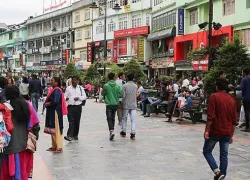
MG Road (Mahatma Gandhi Road) is the heart of Gangtok, the capital city of Sikkim. It is one of the most popular and vibrant streets in the region, offering a delightful blend of shopping, dining, and cultural experiences. Lined with colorful shops, cafes, and restaurants, MG Road is a pedestrian-only zone that is ideal for leisurely strolls. The road stretches through the heart of Gangtok, offering visitors a perfect place to experience the local culture, traditions, and the scenic beauty of the surrounding mountains. MG Road is a must-visit destination for tourists who wish to enjoy the local flavors, shop for souvenirs, or simply soak in the vibrant atmosphere of Gangtok. How to Reach MG Road, Gangtok MG Road is located in the center of Gangtok, making it easily accessible from all parts of the city. The road is a pedestrian-friendly zone, and most visitors prefer to walk to it from nearby areas. If you're arriving by taxi or local vehicle, MG Road is only a short ride away from the main bus stand or the nearest taxi stands. From the airport (Pakyong Airport), MG Road is about 31 kilometers away, and it takes approximately 1 hour to reach by taxi. The nearest railway station is in New Jalpaiguri, about 120 kilometers away, from where taxis or buses can be taken to reach Gangtok. Weather at MG Road, Gangtok The weather around MG Road is generally pleasant, with cool temperatures throughout the year. Summer (March to June) sees temperatures ranging from 10°C to 20°C, making it an ideal time for tourists to explore the road and enjoy shopping or sightseeing. The monsoon season (June to September) brings heavy rainfall, which may disrupt travel plans, and the region is known to be prone to landslides. Winter (November to February) sees chilly temperatures, with the possibility of snowfall, which adds to the charm of Gangtok. MG Road, however, remains accessible year-round, but visitors should be prepared for cold weather during the winter months. Timing to Visit MG Road, Gangtok MG Road is open to visitors throughout the day, but it is most vibrant in the evening when the area is lit up and bustling with activity. The shops and restaurants along the road typically open around 10:00 AM and close by 8:00 PM. The best time to visit MG Road is in the late afternoon or evening when the weather is cooler, and the street is lively with street vendors, performers, and tourists. If you prefer to avoid the crowds, early mornings are a peaceful time to take a walk along the road and enjoy the quiet atmosphere. Why is MG Road Famous? MG Road is famous for being the cultural and commercial hub of Gangtok. The road offers a wide range of experiences, from shopping for unique Sikkimese handicrafts and souvenirs to savoring local delicacies at the cafes. It is a perfect blend of modern and traditional elements. Visitors come here to shop for handwoven textiles, woolen clothes, and ethnic jewelry. The area also hosts local festivals and cultural events, making it a vibrant spot in the heart of Gangtok. Its pedestrian-only nature makes it a safe and comfortable place to explore without the hassle of traffic. The surrounding views of the snow-capped mountains add to the charm of the road, making it a popular spot for photography and sightseeing. Entry and Visit Details There is no entry fee to visit MG Road, as it is a public street. The road is open to everyone, and visitors are free to walk, shop, and explore the area at their own pace. The road is well-maintained and has ample seating spaces for tourists to relax and enjoy the view. Various shops, restaurants, and local markets can be explored along the way. Visitors can also enjoy traditional street food like momos (dumplings), thukpa (noodle soup), and other Sikkimese treats while strolling down the road. For those looking for souvenirs, MG Road offers a range of handicrafts, local artifacts, and woolen garments, making it a great place to buy gifts for loved ones. History and Architecture of MG Road MG Road has a historical significance in Gangtok, as it has been the main commercial center for years. Named after Mahatma Gandhi, the road symbolizes the importance of freedom and peace, just like its namesake. Over the years, MG Road has evolved from a modest street into a vibrant cultural and shopping destination, reflecting the growth and development of Gangtok. Architecturally, the road features a mix of modern buildings and traditional Sikkimese structures. The colorful shopfronts, restaurants, and cafes line the road, offering a warm and inviting atmosphere to visitors. The architecture reflects a blend of local Himalayan and contemporary styles, making it an intriguing place to visit. Things to Do at MG Road, Gangtok There are several things you can do while visiting MG Road in Gangtok: Shopping: MG Road is home to numerous shops selling local handicrafts, Tibetan souvenirs, woolen garments, and jewelry. Don’t forget to shop for some unique keepsakes to remember your visit. Dining: The road is lined with cafes and restaurants offering a wide range of cuisine, including local Sikkimese food, Tibetan dishes, and international flavors. Photography: With its vibrant atmosphere, scenic views, and lively street scenes, MG Road is an excellent place for photography. Street Performances: Enjoy performances by local artists and street performers who often entertain tourists along the road. Relaxing: Take a leisurely walk along the road, sit in the public spaces, and enjoy the views of the city and the surrounding mountains. Facts and Tips About MG Road, Gangtok Best Time to Visit: The best time to visit MG Road is during the summer and autumn months (March to June and September to November), when the weather is pleasant. Wear Comfortable Shoes: As MG Road is best explored on foot, make sure to wear comfortable shoes for walking around the area. Stay Hydrated: If you plan to explore the road for an extended period, carry a water bottle and stay hydrated, especially during the summer months. Watch for Traffic: Although MG Road is a pedestrian-only zone, be cautious of street vendors and occasional vehicles during busy times. Try Local Foods: Don’t miss out on sampling some local delicacies like momos, thukpa, and the famous Sikkimese tea while strolling down the road.
Explore More
MG Marg is the most popular and vibrant street in Gangtok, Sikkim. It is a pedestrian-only boulevard known for its clean environment, colorful shops, cafes, restaurants, and lively atmosphere. MG Marg is the heart of Gangtok where tourists and locals gather to shop, walk, relax, and enjoy the beauty of the Himalayan capital city. About MG Marg MG Marg (Mahatma Gandhi Marg) is the central shopping and cultural street of Gangtok. It is beautifully maintained and completely free from vehicles, making it one of the cleanest public spaces in India. The road is lined with benches, flower beds, street lights, and open spaces where visitors can sit and enjoy the surroundings. :contentReference[oaicite:0]{index=0} is the main commercial and tourist hub of the city, attracting thousands of visitors every day. :contentReference[oaicite:1]{index=1} is the capital city of Sikkim, known for its Himalayan views, monasteries, and vibrant tourism culture. History of MG Marg MG Marg was developed as part of Gangtok’s modernization and urban development plan to create a clean and organized public space. Over time, it became a fully pedestrianized zone to promote tourism, cleanliness, and eco-friendly urban planning. Earlier, the area had normal traffic, but it was later converted into a walking street to improve air quality and enhance the tourist experience. Today, it stands as a model of sustainable urban tourism in India. Architecture and Design MG Marg is designed as an open pedestrian boulevard with no vehicle traffic. The architecture focuses on simplicity, cleanliness, and comfort. The entire street is paved with stone tiles and decorated with flower beds, seating areas, and decorative lighting. The buildings along MG Marg follow modern Himalayan architectural styles, featuring colorful facades, wooden balconies, and traditional Sikkimese design influences. Why MG Marg is Famous MG Marg is famous for its clean, vehicle-free environment and vibrant atmosphere. It is the main shopping hub of Gangtok, offering handicrafts, woolens, souvenirs, and local food. It is also famous as a social gathering place where tourists enjoy evening walks, cultural performances, and views of the surrounding mountains. Entry and Visit Details Entry Fee: Free for all visitors Timings: Open 24 hours (shops usually open from 9:00 AM to 9:00 PM) Best Time to Visit: Evening hours for lights and lively atmosphere How to Reach MG Marg By Air: The nearest airport is Pakyong Airport (about 30 km) and Bagdogra Airport (about 120 km). From there, taxis and shared cabs are available to Gangtok. By Train: New Jalpaiguri (NJP) is the nearest railway station. From NJP, visitors can hire taxis or shared vehicles to reach Gangtok. By Road: MG Marg is located in the heart of Gangtok and is easily accessible by local taxis from any part of the city. Weather and Best Time to Visit Gangtok has a cool and pleasant climate throughout the year due to its Himalayan location. Summer (March to June): 15°C to 25°C – Ideal for sightseeing and walking Monsoon (July to September): Heavy rainfall; occasional travel delays Winter (October to February): 5°C to 15°C – Cold but scenic with clear views The best time to visit MG Marg is during spring and autumn when the weather is pleasant and the city looks vibrant. Things to Do at MG Marg • Enjoy evening walks in a clean, vehicle-free zone • Shop for Sikkim handicrafts, woolens, and souvenirs • Try local Sikkimese and Tibetan cuisine • Relax in cafes with Himalayan views • Experience street performances and cultural events • Photography of colorful streets and mountain backdrop Interesting Facts About MG Marg • It is one of India’s cleanest public streets • Completely vehicle-free pedestrian zone • Major commercial and tourist hub of Gangtok • Designed to promote eco-friendly tourism • Hosts festivals and cultural events throughout the year Travel Tips for Visitors • Visit in the evening for the best atmosphere • Wear comfortable walking shoes • Carry light warm clothing due to changing weather • Try local food from hygienic restaurants • Avoid littering and keep the area clean • Bargain politely while shopping in local stores Conclusion MG Marg is the heart of Gangtok and a perfect blend of shopping, culture, and relaxation. Its clean, peaceful, and vibrant environment makes it a must-visit destination in Sikkim. Whether you are a shopper, foodie, or traveler, MG Marg offers a delightful experience in the lap of the Himalayas.
Explore More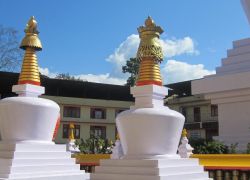
The Do Drul Chorten Stupa is one of the most important and sacred Buddhist monuments in Gangtok, Sikkim. Surrounded by peaceful hills and prayer flags, this beautiful white stupa attracts pilgrims, tourists, and spiritual seekers from around the world. It is a symbol of peace, enlightenment, and protection, making it a must-visit destination in Sikkim’s capital city. About Do Drul Chorten Stupa Do Drul Chorten Stupa is a large Buddhist shrine located near the Tibetan Institute of Higher Studies in Gangtok. It is one of the most prominent stupas in Sikkim and is surrounded by 108 prayer wheels, which are turned by devotees as part of their spiritual practice. The stupa is beautifully built on a hilltop and is surrounded by monks’ quarters, meditation halls, and prayer flags that flutter in the mountain wind. It offers a peaceful environment for meditation and reflection. :contentReference[oaicite:0]{index=0} is a major spiritual landmark known for its sacred relics and serene atmosphere. :contentReference[oaicite:1]{index=1} is the capital city of Sikkim and is famous for its monasteries, Himalayan views, and rich Buddhist culture. History of Do Drul Chorten Stupa Do Drul Chorten Stupa was built in 1945 by Trulshik Rinpoche, a highly respected Buddhist master of the Nyingma tradition. The stupa was constructed to promote peace, compassion, and spiritual enlightenment. Inside the stupa are sacred relics, including religious texts, ritual objects, and other spiritual artifacts. These relics are believed to bring blessings and protection to devotees who visit the site. Architecture of Do Drul Chorten Stupa The architecture of Do Drul Chorten Stupa follows traditional Tibetan Buddhist design. The structure is a large white dome symbolizing enlightenment and purity. The stupa is surrounded by 108 prayer wheels engraved with Buddhist mantras. Devotees spin these wheels clockwise while chanting prayers, believing it brings spiritual merit. The complex also includes golden prayer flags, small shrines, and monastic buildings that enhance its spiritual atmosphere. Why Do Drul Chorten Stupa is Famous Do Drul Chorten Stupa is famous for its religious importance, peaceful environment, and sacred relics. It is one of the most important stupas in Sikkim and is frequently visited by monks and pilgrims. It is also known for its 108 prayer wheels, which represent spiritual purification and are an important part of Buddhist practice. Entry and Visit Details Entry Fee: Free for all visitors Timings: 8:00 AM to 6:00 PM (approx.) Best Time to Visit: March to June and September to December How to Reach Do Drul Chorten Stupa By Air: The nearest airport is Pakyong Airport (around 30 km) and Bagdogra Airport (around 125 km). From there, taxis are available to Gangtok. By Train: The nearest railway station is New Jalpaiguri (NJP) in West Bengal. From NJP, visitors can take taxis or shared vehicles to Gangtok. By Road: Gangtok is well connected by road with Siliguri, Darjeeling, and other nearby cities. Local taxis are available within Gangtok to reach the stupa easily. Weather and Best Time to Visit Gangtok has a pleasant Himalayan climate with cool summers and cold winters. Summer (March to June): 15°C to 25°C – Best for sightseeing Monsoon (July to September): Heavy rainfall; travel may be affected Winter (October to February): 5°C to 15°C – Cold but clear views of mountains The best time to visit Do Drul Chorten Stupa is during spring and autumn when the weather is pleasant and skies are clear. Things to Do at Do Drul Chorten Stupa • Spin the 108 prayer wheels for spiritual blessings • Meditate in peaceful surroundings • Explore nearby monasteries and institutes • Enjoy Himalayan views around Gangtok • Take photography of architecture and prayer flags • Learn about Tibetan Buddhist culture Interesting Facts About Do Drul Chorten Stupa • Built in 1945 by Trulshik Rinpoche • Contains sacred Buddhist relics inside the stupa • Surrounded by 108 prayer wheels • One of the most important stupas in Sikkim • Represents peace, enlightenment, and protection Travel Tips for Visitors • Dress modestly while visiting religious sites • Walk clockwise around the stupa as per tradition • Maintain silence and respect the spiritual environment • Carry light warm clothing due to changing weather • Avoid littering and respect local customs • Visit early morning for a peaceful experience Conclusion Do Drul Chorten Stupa is a powerful symbol of peace and spirituality in Gangtok. With its sacred relics, prayer wheels, and peaceful surroundings, it offers visitors a deeply calming and spiritual experience. Whether you are a traveler, pilgrim, or culture enthusiast, this stupa is a must-visit destination in Sikkim that reflects the essence of Tibetan Buddhism.
Explore More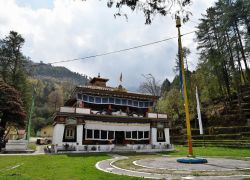
Welcome to the serene town of Lachung, nestled in the beautiful state of Sikkim, India. Lachung is home to a hidden gem known as Lachung Monastery, a place of peace and spirituality that attracts tourists and pilgrims alike. Surrounded by majestic mountains and pristine nature, Lachung Monastery offers a tranquil retreat for those seeking solace and cultural enrichment. History of Lachung Monastery Steeped in history, Lachung Monastery has been a spiritual hub for centuries, serving as a sacred place of worship and reflection for the local community. Originally built as a retreat center for monks, the monastery has evolved into a significant religious site, preserving Buddhist traditions and teachings. The former royal hunting grounds of Lachung now stand as a symbol of conservation and cultural heritage, drawing visitors from far and wide. The monastery's cultural significance has earned it recognition from UNESCO for its contribution to the region's rich history. Architecture and Natural Beauty of Lachung Monastery Surrounded by lush wetlands, dense forests, and sprawling grasslands, Lachung Monastery is a harmonious blend of spirituality and natural beauty. The serene ambiance of the monastery is enhanced by the melodious chirping of birds and the rustling of leaves in the gentle breeze. Within the monastery complex lies the historic Keoladeo Temple, a revered site that adds to the architectural charm of the surroundings. Why is Lachung Monastery Famous? Lachung Monastery is renowned for its serene environment and spiritual aura, making it a popular destination for birdwatchers, photographers, nature enthusiasts, and wildlife lovers. The monastery's peaceful surroundings offer a perfect setting for meditation and introspection, attracting visitors seeking solace and tranquility amidst nature's embrace. How to Reach Lachung Monastery Traveling to Lachung Monastery is a delightful journey through scenic landscapes. The nearest airports to Lachung are in Bagdogra and Kolkata, while the closest railway station is located in New Jalpaiguri. From there, visitors can opt for a picturesque road trip to Lachung, enjoying the breathtaking views along the way. Weather and Best Time to Visit Lachung Monastery The weather in Lachung varies with the seasons, offering different experiences throughout the year. Summer brings pleasant temperatures, while the monsoon season showcases the lush greenery of the region. Winter blankets the monastery in snow, creating a magical winter wonderland. The best time to visit Lachung Monastery is during the spring and autumn months when the weather is mild and ideal for exploration. Timings of Lachung Monastery Lachung Monastery welcomes visitors throughout the year, with varying timings based on the season. It is advisable to check the monastery's schedule in advance to plan your visit accordingly and make the most of your experience. Entry Fee and Visit Details Visitors can explore Lachung Monastery by following the prescribed entry procedures and availing of guide services for a more enriching experience. Safari options, bicycle rentals, and visitor facilities are available to ensure a comfortable and enjoyable visit for all guests. Things to Do at Lachung Monastery At Lachung Monastery, visitors can indulge in a variety of activities that cater to different interests. From birdwatching and photography to cycling and walking trails, there are ample opportunities to connect with nature and immerse oneself in the spiritual ambiance of the surroundings. Educational experiences are also available for those keen on learning more about the monastery's cultural heritage and ecological significance. Interesting Facts About Lachung Monastery Lachung Monastery is a haven for migratory birds, boasting a rich biodiversity that supports various species of flora and fauna. The monastery's conservation efforts have been instrumental in preserving the region's natural beauty and ecological balance, making it a significant site for environmental enthusiasts and conservationists. Travel Tips for Visiting Lachung Monastery When visiting Lachung Monastery, it is advisable to dress comfortably and carry essential items such as a camera for capturing the scenic beauty and birdwatching equipment for observing the diverse avian species. Understanding the best visiting seasons and practicing responsible tourism ensures a memorable and sustainable experience for both visitors and the environment. Conclusion In conclusion, Lachung Monastery in Lachung offers a unique blend of spirituality, natural beauty, and cultural heritage that captivates visitors from around the world. Whether you are a nature lover, a photography enthusiast, or a seeker of inner peace, Lachung Monastery promises a fulfilling and enriching experience that lingers in your heart long after you depart from this tranquil sanctuary.
Explore More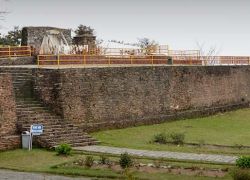
Resting in the Southeast direction of Pemayangste Monastery, Rabdentse Ruins are a major place of interest in Sikkim. Rabdentse, in the previous times, was the second capital of the former kingdom of Sikkim. At present, the entire complex is in a ruined state but it has not lost the charm of attracting visitors on a large scale. It is now managed by Archaeological Survey of India as it has been declared as a monument of national interest. It Is Known For:- 1) Rebdentse is known for Taphap Chorten. It was the place that marked the entrance to the palace. All those who entered the palace had to dismount from horses and remove their headgear as a gesture to respect the kings 2) The standing stones called Namphogang also catch the attention of visitors. It was the royal court of justice where the judges pronounced their sentences to criminals 3) Dab Lhagang is the present-day ruined shrine that was used for offering prayers to deities. Best Time To Visit:- The best time for visiting Rabdentse Ruins is throughout the year. Tourists can visit this place in any season keeping in mind the comfort level. There is a lot to know from the ruins of Rabdentse. Reaching There:- Reaching Rabdentse Ruins isn’t a hassle. Due to the wider web of roadways, it is connected to all the major parts of the town that makes it simpler for visitors to reach this place easily. One can go to Rabdentse via bus or taxi. Nearest Railway Station - New Jalpaiguri Railway StationNearest Airport - Bagdogra Railway Station
Explore More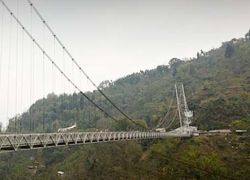
An amazing man-made marvel, Singshore Bridge is the highest bridge in Pelling (Sikkim). It has a height of 7, 200 feet and a vast length of beyond 240 meters that makes it the second-highest bridge in Asia. It is surrounded by beautiful green surroundings that provide calmness to tired souls. Singshore Bridge is widely visited by locals and tourists alike. Why Is It Famous? Singshore Bridge is famous because it is the highest man-made structure in the city of Sikkim. Its delightful surroundings never fail to attract tourists on a huge scale. Its construction connects two small hills in the valley. The engineers took a long time for building a sturdy frame for this amazing bridge. Due to its location on a higher altitude, one can witness a marvelous view of the mighty cloud-kissing peaks of Kanchenjunga. Best Time To Visit:- Singshore Bridge can be visited during any day of the year. It attracts tourists and locals alike. To enjoy the view of lush green small hills, one can visit it during the rainy season. However, it is advisable by the local authorities to not visit Singshore Bridge during a heavy monsoon or on a windy day. Watch Out! Apart from the beautiful views offered here, you shouldn’t forget visiting the local weekly markets. Different items like handmade baskets, clothes, toys etc. are sold. You can also treat your taste buds by savoring different food items. Reaching There:- Pelling city is well-connected via roadways, railways, and airways with entire Sikkim. Different trains, state-run buses, and flights are available for commuting to & from the city. Nearest Railway Station - New Jalpaiguri Railway StationNearest Airport - Bagdogra Airport
Explore More
The Pemayangtse Monastery in the West Sikkim district is widely renowned for its Hevajra art, a painting particular to the state of Sikkim. This art mainly represents Shakti. This art form commemorates the popular deity, Hevajra, belonging to the class of Yi-dam (tutelary). The conversion of Khubilai, the Mongolian emperor to Tibetan Buddhism which took place in Thirteenth century A.D. lies at the core of this art form. This very event is associated to the Hevajra Tantra, the sutra of which is used to describe Hevajra in compliance to the rites and ceremonies associated to him.
Explore More
As per its name, Kheunpheling Carpet Center is a remarkable carpet manufacturing cum tourist site in Ravangla. It came into existence long back and is a well-known center for the production of the finest carpets manufactured all over Sikkim. It also serves as a refugee camp for the Tibetan people. It is an awe-inspiring and a colorful place due to the presence of numerous carpets. A flying visit to this place is not a bad deal. It Is Known For:-1) Kheunpheling Carpet Center is a famous tourist site in Ravangla that has provided refuge to the Tibetan refugees2) At this place, tourists witness an intriguing amalgam of the Tibetan & Sikkimese culture. It can be seen in the designs of the carpets that are manufactured here3) Apart from the carpets, kurtas, beautiful shawls, and other woolens are also manufactured at Kheunpheling Carpet Center4) The nearby market is another place where visitors can quench the hanker of the traditional Sikkimese and Tibetan food Best Time To Visit:-Kheunpheling Carpet Center welcomes the tourists across the calendar year. Right from January till December, this place is visited by numerous local as well as international visitors. However, it is recommended that an individual should avoid visiting this place during extreme summers. Reaching There:-Kheunpheling Carpet Center is well-connected via roadways and railways. Therefore, there lies no hassle in visiting the place. The tourists can hire the taxis on a rental basis for more convenience. Nearest Railway Station- New Jalpaiguri StationNearest Airport- Bagdogra Airport
Explore More
Aritar Monastery, located in the serene town of Aritar, is a hidden gem nestled amidst the picturesque landscapes of Sikkim. This quaint monastery is not only a spiritual retreat but also a haven for nature lovers and wildlife enthusiasts. Surrounded by lush greenery and majestic mountains, Aritar Monastery offers a tranquil escape from the hustle and bustle of city life. History of Aritar Monastery The history of Aritar Monastery dates back to ancient times when it served as a sacred place for meditation and religious practices. Once a royal hunting ground, this monastery has now been transformed into a conservation area to protect the rich biodiversity it houses. Aritar Monastery's significance has been recognized by UNESCO for its efforts in preserving the natural beauty of the region. Architecture and Natural Beauty of Aritar Monastery The monastery is surrounded by pristine wetlands, dense forests, and sprawling grasslands that provide a habitat for a diverse range of bird species. The landscape around Aritar Monastery is breathtaking, with panoramic views that captivate visitors. The historic Keoladeo Temple, located within the monastery premises, adds to the architectural marvel of this sacred site. Why is Aritar Monastery Famous? Aritar Monastery is renowned for its rich avian population, making it a paradise for birdwatchers and photographers. Nature enthusiasts flock to this destination to witness the beauty of migratory birds and immerse themselves in the tranquil surroundings. The monastery's serene ambiance and natural charm attract wildlife lovers from far and wide. How to Reach Aritar Monastery Traveling to Aritar Monastery is convenient, with options available by air, rail, and road. The nearest airport is located in Bagdogra, while the closest railway station is in New Jalpaiguri. Visitors can also opt for a scenic road journey to reach Aritar, enjoying the mesmerizing views along the way. Weather and Best Time to Visit Aritar Monastery Aritar Monastery experiences pleasant weather throughout the year, with distinct summer, monsoon, and winter seasons. The best time to visit is during the spring and autumn months when the weather is mild, and the surroundings are at their vibrant best. Timings of Aritar Monastery Aritar Monastery welcomes visitors throughout the year, with timings varying slightly based on the season. It is advisable to plan your visit during the early hours to witness the beauty of the surroundings and avoid crowds. Entry Fee and Visit Details Visitors can enter Aritar Monastery by following the designated procedures and avail guide services for a better understanding of the site. Safari options, bicycle rentals, and other visitor facilities are available to enhance the overall experience of exploring this serene sanctuary. Things to Do at Aritar Monastery Popular activities at Aritar Monastery include birdwatching, photography, cycling through scenic trails, walking amidst nature, and engaging in educational experiences to learn more about the region's biodiversity. The monastery offers a host of opportunities for visitors to immerse themselves in the natural beauty of the surroundings. Interesting Facts About Aritar Monastery Aritar Monastery is home to a wide variety of migratory birds, contributing to the region's ecological significance. The conservation efforts undertaken at the monastery have led to the preservation of several endangered species, making it a beacon of hope for wildlife conservation in the area. Travel Tips for Visiting Aritar Monastery When visiting Aritar Monastery, it is advisable to carry appropriate clothing for changing weather conditions, along with photography equipment to capture the beauty of the surroundings. Understanding the best seasons for birdwatching and practicing responsible tourism are essential for a fulfilling experience at this sanctuary. Conclusion In conclusion, Aritar Monastery in Aritar stands as a testament to the harmonious coexistence of spirituality and nature. Its historical significance, architectural beauty, and natural charm make it a must-visit destination for those seeking tranquility and a deeper connection with the environment. Aritar Monastery offers a unique blend of cultural heritage and ecological diversity, providing visitors with an enriching experience that lingers in their memories long after they depart.
Explore More4 Night - 5 Days Gangtok - Darjeeling Tour
5 Days/ 4 Night
Gangtok - Darjeeling
North Sikkim Tour Package
5 Days/ 4 Night
Gangtok - Lachung - Lachen
Darjeeling - Gangtok Tour 5 Nights - 6 Days
6 Days/ 5 Night
Gangtok - Darjeeling
North Sikkim - Gangtok Tour Package
6 Days/ 5 Night
Gangtok - Lachung - Lachen
Aritar Gumpa, located in the charming city of Aritar, is a hidden gem nestled in the heart of nature. This enchanting tourist attraction offers a tranquil retreat for visitors seeking solace amidst breathtaking landscapes and rich biodiversity. The pristine surroundings of Aritar Gumpa make it a must-visit destination for nature lovers, birdwatchers, and photography enthusiasts. History of Aritar Gumpa The history of Aritar Gumpa dates back to ancient times, with the site being a significant part of the region's cultural heritage. Originally a royal hunting ground, Aritar Gumpa has undergone extensive conservation efforts to preserve its natural splendor. The park's historical significance and ecological value have garnered recognition from UNESCO, highlighting its importance on a global scale. Architecture and Natural Beauty of Aritar Gumpa Aritar Gumpa is renowned for its diverse ecosystems, including lush wetlands, dense forests, and sprawling grasslands that provide a habitat for a myriad of bird species. The park's striking landscapes offer a picturesque setting for visitors to explore, with the historic Keoladeo Temple adding a touch of cultural charm to the natural beauty of the surroundings. Why is Aritar Gumpa Famous? Aritar Gumpa has gained popularity among birdwatchers, photographers, and wildlife enthusiasts due to its rich avian diversity and scenic vistas. The park's tranquil ambiance and abundance of bird habitats make it a paradise for those seeking to immerse themselves in the wonders of nature. How to Reach Aritar Gumpa Traveling to Aritar Gumpa is convenient, with options available by air, rail, and road. The nearest airports and railway stations provide easy access to the city of Aritar, from where visitors can embark on a short journey to reach this natural haven. Weather and Best Time to Visit Aritar Gumpa Aritar Gumpa experiences varying weather conditions throughout the year, with pleasant summers, refreshing monsoons, and chilly winters. The best time to visit the park is during the cooler months when the natural beauty is at its peak, offering a delightful experience for visitors. Timings of Aritar Gumpa Aritar Gumpa welcomes visitors during specific timings, allowing them to explore the park's wonders at their leisure. Seasonal variations may apply, so it is advisable to plan your visit accordingly to make the most of your time at this captivating destination. Entry Fee and Visit Details Entry to Aritar Gumpa involves simple procedures, with guide services and safari options available for those seeking a more immersive experience. Bicycle rentals and visitor facilities are provided to ensure a comfortable and enjoyable visit for all guests. Things to Do at Aritar Gumpa Visitors to Aritar Gumpa can engage in a variety of activities, including birdwatching, photography, cycling, and walking trails that offer a closer look at the park's natural wonders. Nature observation and educational experiences further enhance the visitor's connection to the beauty of the surroundings. Interesting Facts About Aritar Gumpa Aritar Gumpa is home to a plethora of migratory birds, showcasing the park's importance in biodiversity conservation. The park's ecological achievements and efforts to protect its natural resources underscore its significance in preserving the region's rich heritage. Travel Tips for Visiting Aritar Gumpa When visiting Aritar Gumpa, it is advisable to dress comfortably and carry essential photography and birdwatching equipment to make the most of your experience. Understanding the visiting seasons and practicing responsible tourism ensures a memorable and sustainable trip to this idyllic destination. Conclusion In conclusion, Aritar Gumpa in Aritar stands as a testament to the beauty of nature and the importance of conservation efforts in preserving our natural heritage. A visit to this enchanting hotspot promises a rejuvenating experience for visitors, allowing them to reconnect with the wonders of the natural world in a serene and picturesque setting.
Explore More