Highlights of the Tour Tourist hub Pokhara Sunrise views of Annapurna ranges - including Dhaulagiri I (8,167m / 26,795ft) , Annapurna I (8,091m / 26,545m), Nilgiri (7,061m / 23,166ft) from the Poon Hill viewpoint Annapurna Base Camp (4,130m) Rich flora and fauna Hot springs at Jhinu Danda Amazing views of Hiunchuli, Annapurna South Annapurna I, Khangsar, Gangapurna, Annapurna III and Machhapuchhare Pretty villages and farmland at Ghandrunk Insight into rural Nepali life 10 Nights/11 Days Max People : 30 ANNAPURNA REGION The Annapurna Base Camp Trek is one of those journeys that stays with you long after you leave the mountains. Over 11 days, the trail takes you through peaceful villages, terraced hillsides, dense rhododendron forests, and deep river valleys before opening into the breathtaking Annapurna Sanctuary. Each day brings a different landscape and a new perspective of the Himalayas, making the trek feel constantly rewarding rather than repetitive. As you climb higher, magnificent views of Annapurna I (8,091m), Machhapuchhre (6,993m), Hiunchuli (6,441m), Annapurna South (7,219m), and Dhaulagiri (8,167m) become an unforgettable part of the experience. The trek also includes a sunrise visit to Poon Hill (3,210m), where the first light of day illuminates the snow-covered peaks, creating one of Nepal’s most iconic mountain panoramas. After days on the trail, soaking in the natural hot springs at Jhinu Danda offers a welcome chance to relax before completing this remarkable Himalayan adventure. Annapurna Base Camp Trek at a Glance The Annapurna Base Camp Trek is one of Nepal’s most popular trekking adventures, combining spectacular mountain scenery, traditional Gurung villages, rhododendron forests, and the iconic Annapurna Sanctuary. Before diving into the itinerary and planning details, here are the essential facts every trekker should know. Quick Facts Annapurna Base Camp (4,130m) sits inside the famous Annapurna Sanctuary. The trek covers approximately 115 km (71 miles) over 11 days. Suitable for trekkers with moderate fitness and no technical climbing experience. Passes through traditional Gurung and Magar villages. Features close-up views of Annapurna I (8,091m), Machhapuchhre (6,993m), Hiunchuli (6,441m), and Annapurna South (7,219m). Traverses the protected Annapurna Conservation Area, Nepal’s most visited conservation region. Teahouse accommodation is available throughout the route. Spring offers blooming rhododendron forests, while autumn provides the clearest mountain views. Requires both Annapurna Conservation Area Permit (ACAP) and TIMS Card. Considered one of the best first high-altitude treks in Nepal. How Difficult Is the Annapurna Base Camp Trek? The Annapurna Base Camp Trek is considered a moderate trek that is suitable for trekkers with a reasonable level of fitness. While the route does not involve technical climbing or mountaineering skills, it includes several long days of walking, thousands of stone steps, and significant elevation gain. Most trekkers find the challenge manageable with proper preparation and a steady pace. The trek becomes more demanding due to the continuous ascents and descents rather than the altitude itself. With a highest elevation of 4,130m at Annapurna Base Camp, the risk of severe altitude sickness is lower than on Everest Base Camp or Manaslu Circuit, making it one of Nepal’s most accessible high-altitude treks. Trail Difficulty The Annapurna Base Camp trail is well-established and easy to follow, but certain sections can be physically demanding. The stone staircases at Ulleri are often the first major challenge, requiring a sustained uphill climb. The ascent and descent around Chhomrong involve long sections of steep stone steps. The route to Annapurna Base Camp gradually gains altitude, which can make walking more tiring as the days progress. The return journey includes several steep downhill sections that can be hard on the knees. Weather conditions and trail conditions can increase the overall difficulty during peak trekking days. Fitness Requirements The Annapurna Base Camp Trek is achievable for most people who maintain an active lifestyle and prepare before their trip. Beginners Suitable for first-time trekkers with basic fitness. Regular walking, hiking, or cardio training before the trek is recommended. A steady pace and proper acclimatization help ensure a comfortable experience. Intermediate Trekkers Well-suited to hikers who regularly participate in outdoor activities. The daily walking distances are generally manageable. Recovery between trekking days is usually easier. Experienced Trekkers Most experienced trekkers find the route moderately challenging rather than difficult. The trek offers excellent scenery without the extreme altitude of more demanding Himalayan routes. It is often used as a warm-up trek before attempting Everest Base Camp or Manaslu Circuit. Is Annapurna Base Camp Suitable for Beginners? Yes, Annapurna Base Camp is one of the best high-altitude treks in Nepal for beginners. The combination of moderate difficulty, excellent teahouse infrastructure, and gradual altitude gain makes it accessible to trekkers with no previous Himalayan experience. With basic fitness, proper preparation, and realistic expectations, most first-time trekkers successfully complete the Annapurna Base Camp Trek and consider it one of the most rewarding adventures in Nepal. Altitude Sickness on Annapurna Base Camp Trek Altitude sickness is one of the most important health considerations on the Annapurna Base Camp Trek. Although the trek reaches a lower elevation than Everest Base Camp or the Manaslu Circuit, trekkers still ascend to Annapurna Base Camp (4,130m), where reduced oxygen levels can affect the body. Understanding the symptoms and taking proper precautions can help ensure a safe and enjoyable trekking experience. Most trekkers experience no serious problems if they follow a gradual itinerary and stay well hydrated. However, everyone reacts differently to altitude, regardless of age or fitness level, so it is important to recognize early warning signs and respond appropriately. Common AMS Symptoms Acute Mountain Sickness (AMS) usually develops after gaining altitude too quickly. Symptoms often begin mildly but can worsen if ignored. Common symptoms include: Persistent headache Loss of appetite Nausea Dizziness Fatigue Difficulty sleeping Shortness of breath during activity Reduced energy and motivation How to Prevent Altitude Sickness The best way to prevent AMS is to give your body enough time to adapt to higher elevations. The Annapurna Base Camp itinerary naturally allows for gradual altitude gain, which helps reduce risk. To minimize the chances of altitude sickness: Walk slowly and maintain a steady pace. Drink 3–4 liters of water daily. Avoid excessive alcohol consumption. Eat regular meals even if your appetite decreases. Get adequate rest each night. Listen to your guide and communicate any symptoms early. Avoid rushing to higher elevations. Hydration and Acclimatization Hydration plays a critical role in acclimatization. The dry mountain air and increased physical exertion can lead to dehydration, which may worsen altitude-related symptoms. Many experienced guides encourage trekkers to drink regularly throughout the day rather than waiting until they feel thirsty. While the Annapurna Base Camp Trek does not usually require a dedicated acclimatization day, the gradual ascent through villages such as Chhomrong, Dovan, and Deurali helps the body adjust naturally. Following the itinerary and avoiding unnecessary altitude gains improves acclimatization success. When Should You Descend? Descending is the most effective treatment for worsening altitude sickness. Mild symptoms may improve with rest and hydration, but severe symptoms should never be ignored. Immediate descent is recommended if you experience: Severe headache that does not improve Repeated vomiting Loss of coordination Confusion or unusual behavior Difficulty breathing while resting Extreme weakness or inability to continue walking Wilderway Guide Recommendation Our guides closely monitor trekkers as they move above 3,000 meters, particularly between Deurali, Machhapuchhre Base Camp, and Annapurna Base Camp. Most altitude-related issues can be managed successfully when symptoms are identified early and appropriate action is taken. The key to a safe Annapurna Base Camp Trek is simple: walk slowly, stay hydrated, eat well, and never ignore symptoms. A steady pace is often the best altitude medicine in the Himalayas. Best Time for Annapurna Base Camp Trek The best time for the Annapurna Base Camp Trek is during spring (March–May) and autumn (October–November) when the weather is stable, mountain views are crystal clear, and trekking conditions are at their best. These months offer comfortable temperatures, excellent visibility, and the safest conditions for reaching Annapurna Base Camp (4,130m). Choosing the right month can significantly improve your trekking experience. While the trail remains accessible for most of the year, weather patterns, crowd levels, mountain visibility, and trail conditions vary from season to season. Spring (March–May) Spring is one of the most popular seasons for the Annapurna Base Camp Trek. Hillsides are covered with blooming rhododendrons, temperatures are comfortable, and the mountains are often visible throughout the day. April is widely considered the best month of the spring season because it combines excellent visibility, pleasant weather, and vibrant scenery. May remains a great option for trekkers who prefer slightly warmer temperatures. Autumn (September–November) Autumn is generally regarded as the best overall trekking season in Nepal. After the monsoon rains clear the atmosphere, the Annapurna range appears exceptionally sharp and the weather remains stable for extended periods. October offers the clearest mountain views of the year, while November provides excellent trekking conditions with fewer crowds and cooler temperatures. Winter (December–February) Winter trekking brings colder temperatures and occasional snowfall near Annapurna Base Camp. The trails are quieter, and snow-covered landscapes add a different level of beauty to the trek. Trekkers should be prepared for freezing temperatures during mornings and nights, particularly above Deurali and Machhapuchhre Base Camp. Monsoon (June–August) Monsoon is the least popular time for the Annapurna Base Camp Trek due to frequent rainfall, muddy trails, leeches, and reduced mountain visibility. Weather conditions can change rapidly, especially in the lower forested sections. However, the region becomes incredibly green during this period, and trekkers who don’t mind occasional rain can enjoy quieter trails and fewer visitors. Accommodation During Annapurna Base Camp Trek Accommodation on the Annapurna Base Camp Trek is provided through teahouses and mountain lodges located in villages along the route. Compared to many other trekking regions in Nepal, the Annapurna region offers some of the best trekking infrastructure, with comfortable lodging, reliable food services, and basic modern amenities available in most settlements. Facilities generally decrease as you gain altitude. Lower villages often provide private rooms with attached bathrooms, while higher-altitude locations focus on basic accommodation designed for trekkers crossing through the Annapurna Sanctuary. What Are the Rooms Like? Most teahouses offer simple twin-sharing rooms with two single beds, pillows, blankets, and basic furnishings. Rooms are comfortable but not luxurious, and insulation becomes more limited at higher elevations. Lower villages generally provide larger rooms and better facilities, while lodges near Annapurna Base Camp focus on providing shelter and warmth in a challenging mountain environment. Are Attached Bathrooms Available? Attached bathrooms are commonly available in lower sections of the trek, particularly in Tikhedhunga, Ulleri, Ghorepani, and Chhomrong. These rooms are popular during peak trekking seasons and may require advance booking. Above Bamboo and Dovan, attached bathrooms become less common, and most trekkers should expect shared toilet facilities. Is Heating Available? Bedrooms are generally not heated on the Annapurna Base Camp Trek. Instead, teahouses provide a heated communal dining room where trekkers gather during the evenings. The dining hall is usually warmed by a central stove, making it the most comfortable place to relax, socialize, and escape the cold after a day on the trail. Charging Facilities Most villages offer charging facilities for phones, cameras, and other electronic devices. Charging is often free in lower villages but may require an additional fee at higher elevations due to limited electricity supply. Carrying a power bank is highly recommended, especially for trekkers who use cameras, GPS devices, or smartphones frequently. Is WiFi Available? WiFi is available in many villages along the Annapurna Base Camp route, particularly in lower and mid-altitude settlements. Connection quality varies depending on weather, location, and network coverage. While internet access is generally better than on remote treks such as Manaslu, speeds may be slow at higher elevations. Trekkers should not expect reliable high-speed internet near Machhapuchhre Base Camp or Annapurna Base Camp. Food on Annapurna Base Camp Trek Food on the Annapurna Base Camp Trek is one of the highlights of the journey. The Annapurna region has a well-developed teahouse network, allowing trekkers to enjoy a wide variety of freshly prepared meals throughout the route. Menus are generally more diverse than those found on many remote Himalayan treks, with both local Nepali dishes and international favorites available in most villages. As you gain altitude, food prices increase because supplies must be transported by porters or mules. However, trekkers can still expect nutritious meals that provide the energy needed for long days on the trail. Breakfast Options Breakfast is usually served early before the day’s trek begins. Most teahouses offer hearty meals designed to provide steady energy throughout the morning. Popular choices include Tibetan bread with honey or jam, porridge, eggs prepared in various styles, pancakes, toast, muesli, and hot drinks such as tea or coffee. Many trekkers prefer a combination of carbohydrates and protein to stay energized during the climb. Lunch and Dinner Options Lunch and dinner menus are often similar throughout the trek. The most popular meal is Dal Bhat, Nepal’s traditional dish consisting of rice, lentil soup, vegetables, and seasonal side dishes. Other common options include fried rice, noodle dishes, momos, pasta, vegetable curries, chow mein, garlic soup, and potato-based meals. These foods provide the calories and nutrients needed for trekking at higher elevations. Vegetarian and Vegan Options Vegetarian food is widely available throughout the Annapurna Base Camp Trek. Since many local dishes are naturally plant-based, vegetarian trekkers rarely have difficulty finding suitable meals. Common vegetarian and vegan options include: Dal Bhat with vegetables Vegetable fried rice Vegetable noodles Vegetable momos Potato dishes Garlic soup Lentil soup Chapati with vegetable curry Porridge Tibetan bread with jam Many teahouses can also prepare vegan meals upon request, although options may become more limited at higher elevations. What Do Local Guides Recommend? Experienced guides often recommend Dal Bhat as the best meal on the trail. It is freshly prepared, nutritionally balanced, and provides sustained energy for long trekking days. The famous saying among trekkers “Dal Bhat Power, 24 Hour”exists for a reason. For acclimatization and hydration, guides also encourage drinking warm fluids regularly. Garlic soup, ginger tea, lemon tea, and hot water are popular choices, especially above 3,000 meters where staying hydrated becomes increasingly important. Annapurna Base Camp Trek Cost Breakdown A typical 11-day Annapurna Base Camp Trek costs between USD 650–1,500 per person, depending on group size, accommodation standard, guide and porter services, transportation choices, and the season of travel. While some trekkers focus only on package prices, understanding where your money goes helps you compare operators and plan your budget more accurately. The Annapurna Base Camp Trek is generally more affordable than Everest Base Camp and Manaslu Circuit because it does not require domestic flights or restricted-area permits. However, costs can still vary significantly depending on the level of service and support you choose. What Affects the Total Trek Cost? Several factors influence the final cost of an Annapurna Base Camp Trek: Group size and number of trekkers Private or shared guide services Whether a porter is hired Standard or premium accommodation Private vehicle versus tourist bus transportation Trekking season and availability Inclusion of meals and permits Is Hiring a Porter Worth It? Many trekkers find that hiring a porter significantly improves their experience. Carrying a lighter daypack allows you to enjoy the scenery, conserve energy, and reduce fatigue during long ascents and descents. A porter typically carries up to 20–25 kg shared between two trekkers, making the trail more comfortable, especially on sections with steep stone staircases. Annapurna Base Camp Trek Packing List To have a comfortable journey rather than an unnecessarily difficult one, make sure you follow our guide on what to pack for abc trek. Weather conditions can vary from warm subtropical valleys to freezing temperatures near Annapurna Base Camp (4,130m), so layering is essential. Clothing Checklist Moisture-wicking trekking shirts (2–3) Thermal base layers Fleece jacket or insulated mid-layer Down jacket for cold evenings Waterproof and windproof outer shell Trekking pants (2 pairs) Thermal leggings Warm hat or beanie Sun hat or cap Neck buff or scarf Warm gloves Trekking socks (3–5 pairs) Lightweight camp clothes Undergarments Footwear Checklist Waterproof trekking boots with ankle support Lightweight camp shoes or sandals Gaiters (optional during winter or monsoon) Extra hiking socks Blister treatment supplies Electronics Checklist Mobile phone Camera Spare batteries Power bank Charging cables Universal travel adapter Headlamp with spare batteries GPS watch (optional) Documents Checklist Passport Nepal visa Travel insurance certificate ACAP Permit TIMS Card (if required) Flight or transportation tickets Emergency contact information Passport-size photos Cash in Nepalese Rupees First Aid Checklist Personal medications Diamox (if prescribed) Pain relievers Band-aids and blister pads Antiseptic cream Rehydration salts Cold and flu medication Anti-diarrheal medication Sunscreen (SPF 30+) Lip balm with SPF Hand sanitizer Optional but Recommended Trekking poles Sunglasses with UV protection Reusable water bottles Water purification tablets or filter Lightweight towel Snacks and energy bars Earplugs Small daypack Rain cover for backpack Wilderway Guide Recommendation Focus on lightweight, layered clothing rather than packing bulky items. The most commonly forgotten essentials on the Annapurna Base Camp Trek are a quality down jacket, power bank, sunscreen, trekking poles, and water purification tablets. Packing smart keeps your backpack lighter and makes the trek significantly more enjoyable. Why Choose Wilderway Trekking for the Annapurna Base Camp Trek? Choosing the right trekking company can make a significant difference to your experience in the Himalayas. At Wilderway Trekking, we combine local expertise, experienced guides, and personalized service to ensure every trek is safe, enjoyable, and memorable from arrival to departure. Local Trekking Company Wilderway Trekking is a locally operated Nepal-based trekking company with deep roots in the Himalayas. Our team understands the mountains, local culture, weather patterns, and trail conditions because we live and work in these regions throughout the year. Licensed and Experienced Guides Every Annapurna Base Camp Trek is led by licensed, government-certified trekking guides with extensive experience in Nepal’s mountain regions. Our guides provide route knowledge, cultural insights, altitude awareness, and practical support throughout the journey. Safety Comes First Your safety is our highest priority. Our guides are trained to recognize early signs of altitude sickness and monitor trekkers carefully as they gain elevation. We follow proven acclimatization practices and maintain communication throughout the trek to ensure quick responses when needed. Small Group Experience We keep our trekking groups small to provide a more personal and enjoyable experience. Smaller groups allow for greater flexibility on the trail, better guide support, and more meaningful interactions with local communities. Personalized Service Every trekker has different goals, fitness levels, and travel preferences. Whether you are a first-time visitor to Nepal or an experienced mountain traveler, we tailor our service to match your needs and help you get the most from your Annapurna adventure. Emergency Response Support Our team maintains established emergency procedures for illness, injury, and evacuation situations. When required, we coordinate directly with local authorities, medical facilities, insurance providers, and helicopter rescue operators to ensure fast and effective assistance. What You Can Expect with Wilderway Licensed local trekking guides Small group departures Transparent pricing with no hidden costs Personalized pre-trip support Safety-focused trekking itineraries Local cultural knowledge and insights Emergency response coordination Responsible and sustainable tourism practices
After an early breakfast, we take a tourist bus (probably a 6-7 hours journey) to Pokhara. On our way, we can see the picturesque Trishuli and Marsyangdi rivers along the green, rocky mountains, rivers connecting each other, and small springs. Pokhara is a beautiful valley known for several lakes - including Phewa and Begnas, and it sits on the laps of Annapurna (8,091m), Machapuchare (6,993m), Dhaulagiri (8,169m), Manaslu (8,156m), and Lamjung Himal (6,983m). Pokhara is a tourist paradise with all modern amenities providing all comforts. We encourage you to explore Pokhara to experience different cultures and visit various centers of attractions.
Activities : Trekking
After a nourishing breakfast on the banks of Phewa Lake, we take a short drive through the beautiful landscapes and head to Tikhedhunga. The road is quite gentle and passes through Nayapul and then Birethanti. While on the road, you will see stunning terraced farms along the Bhurungdi Khola. After Birethanti, it is an offroad drive that takes us to Tikhedunga. The hike starts at Tikhedhunga passes through Sudame and Hile villages, and ends at Ulleri (2073 meters). You will be hiking for about three hours.
Activities : Trekking

Today's trek will be exciting as the trail slowly ascends. From the path, you can savor the views of Annapurna, Machhapuchre, and Hiunchuli snow peaks. As we walk through the rhododendron forest, we can see several wild animals, refreshing springs, and rivers. The path then leads us to Ghorepani, which is a spectacular settlement that lies on a ridgeline. The views of the Himalayas from this village are breathtaking allowing heavenly sights of Dhaulagiri I, II, III, IV, V, Tukuche, Dhampus, Nilgiri, Annapurna South, Barah Sikhar, Machhapuchhre (commonly known as Fishtail).
Activities : Trekking
If you love sunrises, today is your day. Early in the morning, before sunrise, we ascend Poon Hill just in time to view the sunrise on the Himalayas. From Poon Hill, you can see dawn breaking at more than 32 Annapurna ranges along with Dhaulagiri, Nilgiri, and Machhapuchre mountains. Poon Hill is a famous spot for photography, so we will make the most of our visit to Poon Hill by clicking pictures to our hearts' content. After spending time on Poon Hill, we descend to our lodge, have our breakfast, and start the trek to Tadapni (2,630m / 8,630ft). But to reach Tadapani, we will be passing through Deurali (2960m) and Bandthanti. If we arrive early at Tadapani, we will trek a little further to Chuile Village.
Activities : Trekking
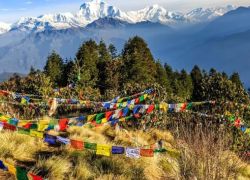
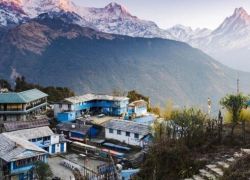
Today's trek will slightly differ based on where we stayed last night. If at Tadapani, we will have our breakfast, and continue our journey to Chomrong (2,165m / 7,105ft), passing Chuile on the way. At first, we pass the beautiful Ghandruk Village and then take a steep descent to the Kimron River before reaching Chomrong. From the way, you will see mind-blowing views of Annapurna South and Fishtail. Chomrong village lies on the lap of the mighty Annapurna massif and is a popular overnight spot for those ascending to Annapurna Base Camp. However, if we stayed at Chuile last night, we stop at Sinuwa to spend the night.
Activities : Trekking
Today's trek is going to be a bit longer. It also differs a bit based on your previous night's stay. If you stayed at Chomorong, you will follow the trail down to Chomrong Khola on steep stones, but then the path ascends through the bamboo, oak, and rhododendron forests to reach Sinuwa. However, if you spent the night at Sinuwa, the trek starts from Sinuwa. You will get to enjoy the views of Machhapuchre and Annapurna snowcaps from the route. The way passes Khuldigar village, descends to Bamboo Lodge settlements, and ascends to Himalaya (2,890 m / 9,425ft). If you start the trek from Sinuwa, you will stay at Deurali for the night.
Activities : Trekking
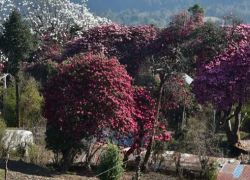
If we spent the last night in Himalaya, we will follow a route through the narrow gorge along the Modi Khola Glacier Valley, past more forests. We will also be passing a large overhanging rock known as Hinku Cave and the lodges of Deurali before making it to the entryway of the Annapurna Sanctuary, which ultimately takes us to ABC. However, if we slept at Deurali, the trek starts from Deurali itself. Throughout the day, we will be walking close to the Annapurna glaciers. On our way, Machhapuchhre Base Camp offers us a stunning panoramic view of the surrounding mountains. However, we continue our journey northwest to eventually reach ABC. From ABC, we get a 360-degree view of Hiunchuli, Annapurna South to Annapurna I (8,097m/26,566ft), and Khangsar Kang, Gangapurna, Annapurna III, and Machhapuchhare. Today's trek takes you close to several huge mountains - including Annapurna Massif (Annapurna I-IV), Dhaulagiri, Machhapuchhre, Manaslu, Gangapurna, Tilicho Peak, Pisang Peak, Paungda Danda, and numerous other peaks ranging from 6000 to 8000m in elevation. This might be the day, which you will never forget in your entire life due to the sheer beauty of the snow-capped mountains that surround you. We will spend the night at the Base Camp.
Activities : Trekking
After leaving our footprints on ABC, it is time to climb down. We will take a path that takes us out of the Annapurna Sanctuary and out of the Modi River Valley. Eventually, we will make it to our serene stopover point called Bamboo (2,350m / 7,700 ft) - our destination for the day.
Activities : Trekking
After a long journey from ABC to Bamboo last day, we continue our way towards Jhinu Danda. First, we take a path that takes us down to Kimrong Khola and then ascends through the serene rhododendron, bamboo, and oak forests, eventually reaching Jhinu Danda. Jhinu Danda consistently attracts thousands of visitors each year as an exotic place famous for its soothing natural hot springs, where we will also let our tired muscles relax. From the hot springs, you can enjoy the views of rhododendron forest and lush vegetation.
Activities : Trekking
We have reached our final day on the trekking trails. After leaving Jhinu Danda, we follow the plain dust road along the right of Modi Khola. This part of the trek forms the most relaxing walk of the entire trip. After trekking for about three hours, we will reach Siwa/Ghandruk Phedi, where we will bid goodbye to the trails and drive through the picturesque countryside to Pokhara. We will be spending the night at Pokhara.
Activities : Trekking
Early in the morning, we leave Pokhara and head to Kathmandu on a tourist bus. The 200 km route first follows the Marsyangdi River and then the Trishuli river providing great views of the natural scenery and terraced farmlands. The bus makes one last climb, and we finally arrive at Kathmandu - the exact place where the journey began. Your trip concludes, and we hope that your journey was pleasurable and rewarded you with lifelong memories. Later in the day, Wilder Way Trekking will be organizing a farewell dinner. Note- You can take a 20-minute flight from Pokhara to Kathmandu at an extra cost.
Activities : Trekking
* 20% Advance Percentage of total booking amount
* Upon cancellation, refund will be made after deducting the Retention Amount.
Wilderway trekking & Expedition Pvt Ltd, based in Kathmandu, offers a wide range of tour programs across India, specializing in customized holiday packages at affordable prices. Whether you're planning a heritage tour, pilgrimage trip, beach holiday, Know more..

Kathmandu & Mount Kailash & Lake Manasarovar 16 Days Budget Tour Package
Kathmandu - Mount Kailash - Lake Manasarovar
16 Days / 15 Nights
45 Days Kathmandu & Shigatse & Lhasa & Tingri Budget Tour Package
Kathmandu - Shigatse - Lhasa - Tingri
45 Days / 44 Nights
Kathmandu & Lukla & Solukhumbu 27 Days Budget Holiday Package
Kathmandu - Lukla - Solukhumbu
27 Days / 26 Nights
15 Days Kathmandu & Lukla & Solukhumbu Tour Package Budget
Kathmandu - Lukla - Solukhumbu
15 Days / 14 Nights

11 Days Antalya & Cappadocia Luxury Tour Package
Cappadocia - Antalya - Fethiye - Istanbul
11 Days / 10 Nights

11 Days Bhopal & Chhatarpur Tour Package Luxury
Bhopal - Pachmarhi - Jabalpur - Gwalior - Chhatarpur - Tikamgarh - Umaria
11 Days / 10 Nights
11 Days Agra & Jaipur Luxury Tour Package
New Delhi - Jaipur - Agra - Ranthambore
11 Days / 10 Nights

11 Days Luxury Bangkok & Kuala Lumpur Tour Package
Singapore - Kuala Lumpur - Bangkok
11 Days / 10 Nights
11 Days Standard Chandigarh & Dalhousie Tour Package
Shimla - Manali - Dharamshala - Dalhousie - Chandigarh - Kullu
11 Days / 10 Nights
11 Days Anantnag & Baramulla Tour Package Standard
Jammu - Anantnag - Srinagar - Ganderbal - Baramulla
11 Days / 10 Nights
Bomdila & Cherrapunji 11 Days Standard Holiday Package
Guwahati - Shillong - Tawang - Bomdila - Cherrapunji - Kaziranga
11 Days / 10 Nights
Ayodhya & Chitwan Tour Package - 12 Days Standard
Prayagraj - Gorakhpur - Varanasi - Ayodhya - Kathmandu - Pokhara - Chitwan - janakp..
12 Days / 11 Nights
Ayodhya & Chitwan 12D/11N Standard Travel Package
Prayagraj - Gorakhpur - Varanasi - Ayodhya - Kathmandu - Pokhara - Chitwan - janakp..
12 Days / 11 Nights
12 Days Standard Ayodhya & Chitwan Tour Package
Prayagraj - Gorakhpur - Varanasi - Ayodhya - Kathmandu - Pokhara - Chitwan - janakp..
12 Days / 11 Nights
Chitwan & janakpur 8D/7N Standard Travel Package
Kathmandu - Pokhara - Lumbini - Chitwan - janakpur
8 Days / 7 Nights
Divine Nepal with Muktinath Spiritual Yatra
Kathmandu - Pokhara - Jomsom - janakpur - Nagarkot
8 Days / 7 Nights
Ayodhya & Chitwan 12 Days Standard Holiday Package
Prayagraj - Gorakhpur - Varanasi - Ayodhya - Kathmandu - Pokhara - Chitwan - janakpur
12 Days / 11 Nights