Highlights of the Tour The exquisiteness of one of the world’s prominent peaks, Mt. AmaDablam (6,856m/22,494ft). A close view of magnificent mountains - Lhotse (27,883 ft/8,498 m), Everest (29,035 ft./8,848m), AmaDablam (22,487 ft./6,854 m), and Makalu (27,838 ft./8,485 m) Ama Dablam Base Camp (4,600m) Explore the culture and lifestyles of the local Sherpas UNESCO World Heritage Site - Sagarmatha National Park The famous Sherpa monastery at Tengboche Rare animals such as snow leopard, musk deer, wild yak, and Himalayan black bear 12 Nights/13 Days Max People : 30 EVEREST REGION The Ama Dablam Base Camp trek offers breathtaking views of the Himalayan range in the Khumbu region. This alternative trek allows you to witness the natural beauty while passing through the Kongma La Pass and reaching the base camp of Mount Ama Dablam. Ama Dablam Base Camp via Kongma La Pass trek is a strenuous yet rewarding trek in the Everest region. This less crowded trek route serves beautifully for adventure enthusiasts, as the trail passes through steep rocky slopes, often covered by snow and ice. You will also pass through several small traditional villages inhabited by ethnic groups, mostly Sherpas. This 13-day Ama Dablam Base Camp Trek guide explains the full itinerary, cost, permits, difficulty, accommodation, and useful trekking tips in simple language. The route is perfect for trekkers who want Everest region scenery without going all the way to Everest Base Camp. Along the trail, trekkers enjoy close views of Ama Dablam, Everest, Lhotse, Thamserku, and other Himalayan peaks. Ama Dablam Base Camp Trek at a Glance The Ama Dablam Base Camp Trek is a 13-day trekking adventure in Nepal’s Everest region that reaches a maximum altitude of 4,600 meters at Ama Dablam Base Camp. The trail passes through famous Sherpa villages, Buddhist monasteries, pine forests, and mountain valleys while offering close views of the iconic Ama Dablam peak. This trek is considered moderate to challenging because of the daily walking hours and gradual altitude gain in the Khumbu region. Compared to the busy Everest Base Camp trail, the route toward Ama Dablam Base Camp feels quieter and more peaceful after Tengboche. Trekkers enjoy beautiful Himalayan scenery, local culture, and comfortable tea house trekking during the journey. Trip Detail Information Duration 12 Nights / 13 Days Region Everest / Khumbu Max Elevation 4,600m (15,092 ft) Difficulty Moderate to Challenging Group Size 2–16 trekkers Starting From $1,250 per person Pricing TAXES INCL/PERS Highlights of the Ama Dablam Base Camp Trek The Ama Dablam Base Camp Trek offers some of the best close-up mountain scenery in the Everest region without the heavy crowds of the Everest Base Camp trail. Trekkers walk through peaceful Sherpa villages, ancient monasteries, forests, and alpine valleys while enjoying direct views of Ama Dablam throughout most of the journey. Another major highlight of this trek is the balance between culture and adventure. The route passes through Tengboche Monastery, traditional Sherpa settlements, and protected areas inside Sagarmatha National Park. Trekkers also experience quieter trails compared to the busy Everest Base Camp route, especially after Pangboche village. Major Trek Highlights Close-up views of Ama Dablam, a mountain Experience Sherpa culture and monasteries Visit Sagarmatha National Park Less crowded trekking trails Scenic forests, rivers, and suspension bridges Opportunity to see Himalayan wildlife Ama Dablam Base Camp Trek Route and Map The Ama Dablam Base Camp Trek follows a loop-style route in Nepal’s Everest region, starting with a scenic flight to Tenzing-Hillary Airport. From Lukla, trekkers walk through well-known Sherpa villages like Namche Bazaar and Tengboche before reaching Pangboche, which is the main access point for Ama Dablam Base Camp. The route stays inside the broader Everest region, one of the most famous trekking areas in Nepal: Everest Region. The trail is well-marked and follows historic paths used by Everest expedition teams for decades. From Pangboche, trekkers hike up to Ama Dablam Base Camp and then return via a quieter descent through Phortse. This creates a natural loop, so trekkers do not repeat the same path and instead experience different landscapes and village life on the way back. Permits Required for the Ama Dablam Base Camp Trek The Ama Dablam Base Camp Trek needs two official permits because the route goes inside a protected Himalayan area in the Everest region. These permits are checked at different points on the trail, so every trekker must carry them before starting the journey. Most trekking companies arrange both permits, so trekkers do not need to worry about paperwork during the trip. These permits are important because they help control tourism, protect nature, and support local Sherpa communities living in the mountains. Without these permits, you cannot enter the trekking route leading to Ama Dablam Base Camp and other parts of the Everest region. Sagarmatha National Park Entry Permit This permit is required to enter Sagarmatha National Park, which is the protected area around Mount Everest and nearby peaks. The park is a UNESCO World Heritage Site, and it is home to rare wildlife, glaciers, forests, and high mountain landscapes. The permit fee is used for conservation work like protecting trails, cleaning waste, and preserving the natural environment. You will need to show this permit at checkpoints while trekking through villages like Monjo and Namche Bazaar. It is a very important document for safety and legal entry. Khumbu Pasang Lhamu Rural Municipality Permit This permit is issued by the local government of the Khumbu region and replaced the older TIMS card system. It is required for all trekkers entering villages like Lukla, Namche Bazaar, and Pangboche on the way to Ama Dablam Base Camp. The money collected from this permit goes directly to local development. It helps build trails, support schools, maintain bridges, and improve services for Sherpa communities living in remote mountain areas. This makes your trek more responsible and directly benefits the people who live along the route. How Difficult Is the Ama Dablam Base Camp Trek The trek grades as moderate to challenging. Several factors determine how hard it feels: Altitude: The maximum elevation of 4,600 meters means thinner air and reduced oxygen. Daily trekking hours: Expect 5–7 hours of walking on most days. Terrain: Stone steps, dirt paths, and suspension bridges make up the trail. Technical skills: None required. This is a trekking route, not a mountaineering expedition. Compared to other Khumbu treks, Ama Dablam Base Camp is easier than the Three Passes Trek and similar in difficulty to the lower sections of the Everest Base Camp route. Best Time for the Ama Dablam Base Camp Trek The best time for the Ama Dablam Base Camp Trek is mainly spring (March to May) and autumn (September to November) because these seasons give stable weather, safe trails, and clear views of Ama Dablam mountain. During these months, the sky stays mostly clear, and trekking conditions in the Everest region are comfortable for walking long distances at altitude. Spring is known for flowers and warmer days, while autumn is known for the clearest mountain views after the monsoon. These two seasons are also the busiest, so lodges can be full. Winter and monsoon are less suitable because of cold weather, snow, rain, and flight delays. Spring Season (March to May) Spring is one of the best trekking seasons for the Ama Dablam Base Camp Trek because the weather becomes warmer and the skies start clearing after winter. The trails pass through blooming rhododendron forests, and visibility improves as you move higher into the Khumbu region. During this season, trekking conditions are generally stable, but afternoons can get cloudy. It is also a peak climbing time, so you may see expedition teams near base camp. Nights are still cold at higher elevations, so warm clothing is necessary. Autumn Season (September to November) Autumn is the most popular time for the Ama Dablam Base Camp Trek because the weather is stable and the mountain views are extremely clear. After the monsoon, dust and clouds disappear, giving sharp views of the Himalayan peaks. This is the best season for photography and long-distance visibility in the Everest region. However, trails and lodges can be crowded in October and November, so booking early is important. Temperatures are comfortable during the day but become cold at night. Winter Season (December to February) Winter is a quiet but very cold season for the Ama Dablam Base Camp Trek. The trails are less crowded, giving a peaceful trekking experience, but temperatures drop significantly, especially at night in higher villages. Some teahouses may close in upper areas, and snow can make trekking more challenging. However, the skies are often very clear, offering beautiful mountain views for experienced trekkers who can handle cold conditions. Monsoon Season (June to August) Monsoon is the least suitable time for the Ama Dablam Base Camp Trek because heavy rainfall affects the trails and reduces visibility. The lower forest sections become slippery, and leeches are common in wet areas. Flight delays and cancellations are also frequent during this period. Clouds often block mountain views, so trekkers cannot fully enjoy the scenery of the Everest region, including Sagarmatha National Park. Food and Accommodation Along the Trek Food and accommodation on the Ama Dablam Base Camp Trek are simple but reliable, designed mainly for trekkers in high mountains. You stay in teahouse lodges and eat basic meals that give enough energy for long walking days in the Everest region. Comfort is not luxury here, but it is warm and safe. Everything is arranged in a way that helps you survive cold weather and high-altitude conditions near Ama Dablam Base Camp. Teahouse Lodges in the Khumbu Teahouse lodges are small mountain guesthouses where trekkers sleep during the journey. Rooms are usually twin-sharing with simple beds, blankets, and shared toilets. A dining hall is the main social place where everyone eats and warms up near a stove. As you go higher in the route inside Sagarmatha National Park, facilities become more basic because everything is carried by porters or animals. Lower villages like Namche Bazaar have better comfort, while higher places focus more on warmth and safety. Typical Meals and Safe Drinking Water Food on the trek is simple, fresh, and made to give energy for walking. The most common meal is dal bhat, which gives strong stamina for long trekking days. Other foods like noodles, soup, rice, and potatoes are also available in most lodges. Water is available everywhere but should not be drunk directly. Trekkers use purification tablets or filters to stay safe while trekking near Ama Dablam, where clean water access becomes limited at higher altitudes. How to Prepare for the Ama Dablam Base Camp Trek Preparation is very important because this trek involves long walking days and high-altitude conditions. Good fitness and mental strength make the journey much easier and safer in the Everest region. If you prepare properly, you will enjoy the trek instead of struggling with tiredness or altitude issues. Small preparation steps before the journey make a big difference. Physical Fitness and Cardio Training Physical fitness is needed because you walk several hours every day on uphill and downhill trails. Cardio exercises like running, cycling, or hiking help build stamina before the trek. Leg strength and endurance training also reduce fatigue during long trekking days. This helps you enjoy the scenery around Ama Dablam Base Camp instead of feeling exhausted. Mental Preparation and Mindset Mental preparation means getting ready for basic facilities, cold weather, and slow travel days. The trek is not a luxury trip, so comfort is simple and conditions can change quickly. A calm and patient mindset helps you adjust better to altitude, weather, and basic food options. This makes the overall trekking experience more enjoyable and less stressful. Altitude Acclimatization Strategy “Acclimatization” means giving your body time to adjust to lower oxygen at high altitude. The “climb high, sleep low” rule is used to reduce altitude sickness risk. This means you can hike higher during the day but sleep at a lower elevation. Rest days are very important while trekking in the Everest region to stay safe and healthy. Ama Dablam Base Camp Trek Packing List Packing correctly is very important because weather changes quickly in the mountains. You need layers, safety gear, and basic personal items for the whole journey. Good packing helps you stay warm, dry, and safe while trekking in remote areas near Ama Dablam Base Camp. Clothing and Layering Essentials Layered clothing helps you adjust to changing temperatures during the trek. You wear light layers during walking and add warm layers when it gets cold. Warm jackets, gloves, hats, and waterproof clothing are necessary because temperatures drop quickly in high areas of Ama Dablam, especially at night and early morning. Trekking Gear and Equipment Trekking gear helps you walk safely on uneven mountain trails. Items like boots, trekking poles, and backpacks reduce pressure on your body during long hikes. A good sleeping bag and headlamp are also important because nights are cold and villages are basic in remote parts of the Everest region. Health, Hygiene, and First Aid Health items help you stay clean and safe during the trek. Basic medicines, sunscreen, and sanitizer are important because medical facilities are limited on the trail. These items protect you from sunburn, infections, and small injuries that can happen during long trekking days. Documents, Cash, and Electronics Important documents like a passport and insurance are required for trekking in Nepal. These are checked at different points in the Everest region. Cash is needed because ATMs are limited in higher areas like Namche Bazaar. Electronics like phones and power banks help you stay connected and capture memories. Safety and Altitude Sickness Tips on the Trail Altitude sickness is a common risk when trekking in high mountains like Ama Dablam Base Camp. It happens when your body does not adjust quickly to low oxygen levels. Understanding safety rules helps you complete the trek safely and comfortably inside Sagarmatha National Park. 1. Ascend Slowly and Follow Rest Days You should always walk slowly and never rush altitude gain. Rest days are very important because they give your body time to adapt. Skipping rest increases the risk of altitude sickness, which can make trekking dangerous in the Everest region. 2. Drink Enough Water Daily Drinking enough water helps your body stay strong at high altitudes. It supports oxygen flow and reduces tiredness. Avoid alcohol because it reduces hydration and increases the risk of altitude-related problems. 3. Recognize Early Symptoms Early symptoms include headache, dizziness, nausea, and loss of appetite. These signs should never be ignored. If symptoms appear, you should immediately inform your guide and take rest or descend if needed. 4. Carry Proper Insurance Travel insurance is important because emergencies can happen in remote mountain areas. Helicopter evacuation coverage is required for high-altitude trekking. This ensures you can get fast medical help if serious problems occur during the trek. 5. Trek With Guide and Porter Support A guide helps manage pace, safety, and navigation on the trail. A porter carries heavy bags so you can walk comfortably. This support makes trekking safer, especially in difficult sections of the Ama Dablam Base Camp route. Ama Dablam Base Camp Trek vs Everest Base Camp Trek The Ama Dablam Base Camp Trek and Everest Base Camp Trek are both popular routes in the Khumbu region, but they offer very different experiences. Ama Dablam Base Camp is quieter, shorter, and focuses on close views of the iconic mountain, while Everest Base Camp trek goes higher and follows a more crowded and classic expedition route. Both treks start from Lukla and pass through Namche Bazaar and Tengboche, but after that the routes separate. Ama Dablam Base Camp stays in a quieter valley, while Everest Base Camp continues deeper toward the Khumbu Glacier and Sagarmatha National Park main climbing zone. Combining Ama Dablam Base Camp With Everest Base Camp It is possible to combine both treks into one long adventure by extending the route after visiting Ama Dablam Base Camp. From Pangboche area, trekkers continue north toward Lobuche, Gorak Shep, and finally Everest Base Camp. This combination allows you to experience both the quiet Ama Dablam region and the famous Everest trail in one journey. It requires better fitness and extra time because altitude increases gradually in the Everest region near Ama Dablam. Extra Days and Preparation Needed Combining both treks usually adds around 4–5 extra trekking days. This includes additional acclimatization time because you move to higher elevations like Everest Base Camp and Kala Patthar. You also need stronger endurance and proper planning because the trek becomes longer and more demanding. However, it gives one of the most complete trekking experiences in the Himalayas. Why Book the Ama Dablam Base Camp Trek With Affordable Company Choosing a reliable trekking company ensures safety, comfort, and responsible travel in the mountains. Responsible trekking means respecting nature, following leave-no-trace rules, and supporting local Sherpa communities along the route. It also means you get proper guidance on altitude, pacing, and safety throughout the trek inside Sagarmatha National Park, where weather and terrain can change quickly. Why Choose Wilderway Trekking Service Responsible tourism with support for local communities Affordable pricing with clear and transparent cost structure Licensed and experienced Khumbu-based guides 24/7 support during the entire trek journey Flexible packages for solo, group, and private treks Booking with a trusted local operator makes the journey smoother, safer, and more enjoyable from start to finish.
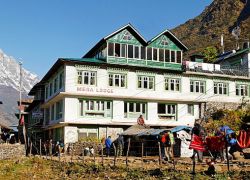
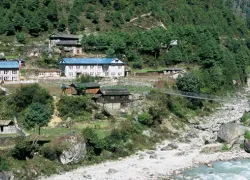
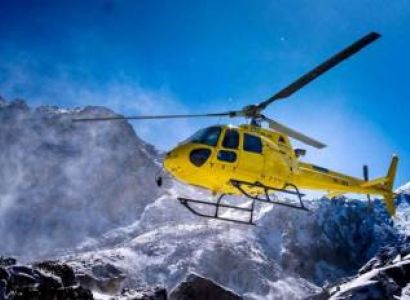
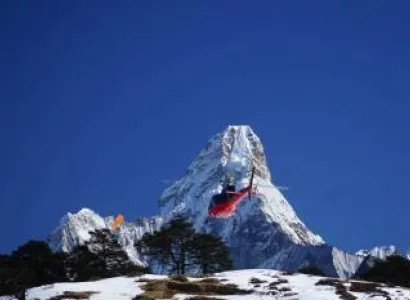
For Ama Dablam Base Camp Trek. During the trekking seasons (March, April, May, September, October, and November), due to congestion at Tribhuvan International Airport (TIA) in Kathmandu, flights to Lukla may be redirected from Manthali. To catch the early morning Lukla flight from Manthali, we'll pick you up from your hotel around 12:30 am for a 5-hour drive to Manthali Airport. The subsequent 20-minute flight from Manthali will take you to Lukla. You can hire a helicopter from Kathmandu to Lukla to avoid the Kathmandu-Manthali-Lukla route. It comes at an approximate cost of 550 USD per person when shared among five individuals. In December, January, February, June, July, or August, your flight from Kathmandu to Lukla will be direct. After breakfast, we'll take you to Tribhuvan International Airport (TIA) for a picturesque 40-minute flight to Tenzing Hillary Airport in Lukla. From Lukla, you will hike for approximately 3 hours to reach Phakding, passing through smaller villages - including Chaurikharka. Phakding is the starting point for all Everest region treks, and the Phakding market is full of shops selling gear and souvenirs, cafes, restaurants, and other facilities. After reaching Phakding, you are free to explore this town. Do not skip visiting Rimishung Monastery. Trek Distance 6.2km /3.8miles Flight Hours 40/20 Minutes Highest Altitude 2,850m / 9,350ft Trek Duration 3 hours Overnight stay at Khumbu Travel lodge (room with attached bathroom) Included standard meals (Breakfast + Lunch + Dinner)
Activities : Trekking
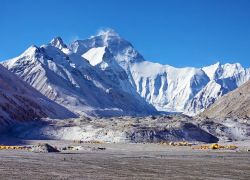
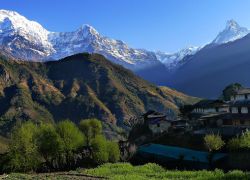
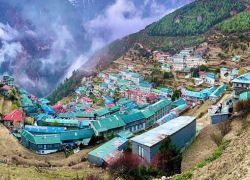
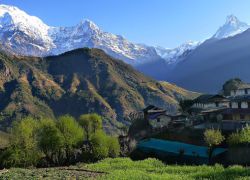
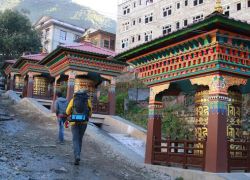
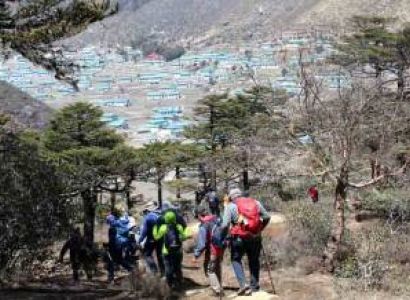
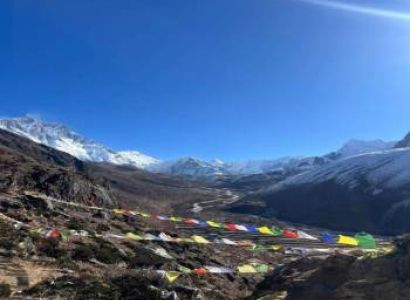
After a warm cup of tea on a chilled morning, we begin our actual hike today. We continue along the northern bank of the Dudh Koshi River crossing several suspension bridges embellished with prayer flags. The lively and vibrant color of the prayer flags all along the trail will make it remarkably exciting. After a few hours of walking, we reach Monjo Village, from where the Sagarmatha National Park starts. We register our permit at Sagarmatha National Park and follow the trail through a dense jungle. From this jungle, we get the first views of Mount Everest. We will continue hiking until we reach Namche Bazaar - the gateway to Everest. Trek Distance 7.4km / 4.6miles Highest Altitude 3,440m / 11,285ft Trek Duration 6 hours Overnight stay at Sakura Guest House (room with attached bathroom) Included standard meals (Breakfast + Lunch + Dinner)
Activities : Trekking
We acclimatize at Namche Bazaar to cope with the thinning air. Namche Bazaar offers a wide range of facilities. From hotels and restaurants to souvenirs and gifts shops, Namche has almost everything available in the city areas. Even though it is an acclimatizing day, you will not stay idle. You can have an optional yet suggested hike to the Khumjung and visit the Sagarmatha National Park Visitor Center. Similarly, you can also visit the Hillary school and old monasteries on your way to Khumjung. As you hike up to Khumjung, you will pass by a famous monastery that people believe houses a Yeti-scalp. Furthermore, you will also visit one of the world's highest airports - Syangboche Airport. If you want to view mount Everest some more, you should trek to Everest View Hotel. To conclude the day on a fine note, you can enjoy the bakery products from famous bakeries in Namche. Overnight stay at Sakura Guest House (room with attached bathroom) Included standard meals (Breakfast + Lunch + Dinner)
Activities : Trekking
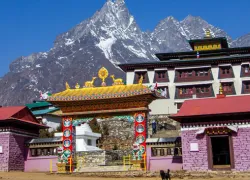
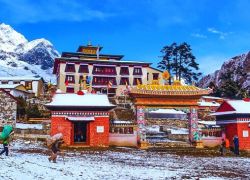
Today, we trek to Deboche on a trail full of uphills and downhills. The splendid views of the Himalayas and the chances of spotting high-altitude animals mean you will complete the trek without even realizing it. When you reach Phunki Tenga, you will find yourself surrounded by picturesque mountains like Everest (8,848m), Ama Dablam (6,812m), Lhotse (8,516), Nuptse (7,861), and Thamserku (6,623m). The trail passes through Tengboche Monastery, also called the "Monastery on the top of the hill." It is the largest Gompa in the Khumbu region. We will loosen up at the monastery for a while. Then we will continue until we reach Deboche. Trek Distance 9km / 5.4miles Highest Altitude 3,820m / 12,533ft Trek Duration 5 hours Overnight stay at Paradise Lodge Included standard meals (Breakfast + Lunch + Dinner)
Activities : Trekking
We head to Dingboche through several villages - including the Pangboche (3,985m), past many stupas and mani walls while enjoying the magical views of the Himalayas. We will witness the up-close view of Ama Dablam (6,812m) from the path. The trek becomes lighter as we enter the Imja Valley, following the Lobuche River. We descend to the river and then climb a steep uphill to Dingboche (4,360m). Dingboche, also known as the summer valley of Khumbu, comprises of fields enclosed by stone walls protecting crops like barley, buckwheat, and potatoes. The view from Dingboche is impressive, with the Himalayas surrounding the entire valley. Trek Distance 11km / 7.40miles Highest Altitude 4,360m / 14,290ft Trek Duration 7-8 hours Overnight stay at Hotel Good Luck Included standard meals (Breakfast + Lunch + Dinner)
Activities : Trekking
We start this day early. As the sun rises slowly from behind the mountains, we witness an amplified beauty of the landscape. A few hundred meters up from Dingboche, we get a gorgeous view of the entire valley. The trail is a little difficult, but it should not be tough. As you trek to Chhukung, you pass by several Buddhist stupas with prayer flags stretching across. If you manage to hike early, you can witness a remarkable view with the sun backlighting the stupa and flags, forming a warm, golden halo around them. With a comfortable walk, we reach Chhukung. Trek Distance 11km / 7.40miles Highest Altitude 4,730m / 15,580ft Trek Duration 7-8 hrs Overnight stay at the best possible lodge/hotel Included standard meals (Breakfast + Lunch + Dinner)
Activities : Trekking
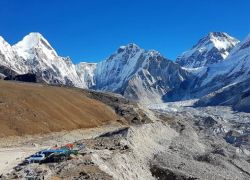
Chukkung village is a bucket of wonders, and it also serves as an alternative acclimatization point for Everest Base Camp trekkers. This village provides spectacular views of snow-capped mountains, rivers, and glaciers. You also have the option to hike to Chukkung Ri, from where you can get exceptional views of Mount Lhotse (8,516m), Island Peak (6,189m), Ama Dablam (6,812m), Makalu (8,463m), and others. We will also be following the principle of trekking hike high and sleep low. A blend of extraordinary landscape and people, Chukkung is a great place to adjust to the elevation while relaxing the body. Overnight stay at the best possible lodge/hotel Included standard meals (Breakfast + Lunch + Dinner)
Activities : Trekking
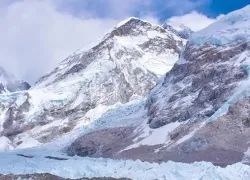
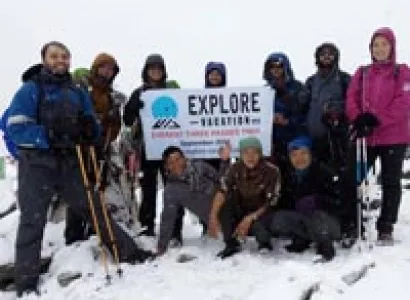
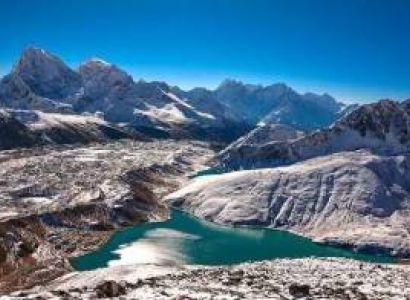
We start our trek early to traverse through one of the most famous passes of this trek - Kongma La Pass. Kongma La Pass (5,535m) can be challenging with heavy snow on the trail. Though the hike will be challenging, the views will be equally rewarding. Situated right behind Chukkung, we pass through a small stream that leads us to a landslide trail. Moving ahead of this steep trail, we come across a hill from where the views of Dingboche and Tengboche look exceptional. As we continue our hike, we face the hardest part of the trek- just before reaching Kongma La Pass. From the pass, on one side, you will see Kongma La Lake surrounded by several snow peaks, and on the other side, you see the Lobuche Village along with Khumbu Glacier. We climb up the moraine and then walk past the Khumbu glacier for an hour to reach Lobuche. The view from Lobuche is especially alluring, with Kala Patthar and Mount Everest dazzling in the setting sun. The shimmering mountains will make you forget the hardships you faced during today's trek. Highest Altitude 5,535m / 18,159ft Trek Duration 7-8 hrs Overnight stay at Mother Earth House Hotel Included standard meals (Breakfast + Lunch + Dinner)
Activities : Trekking
As you get closer to the destination, the excitement increases, and you will find yourself a little excited. From Lobuche, we start fresh and eager to step on the foothills of Mount Ama Dablam. On the adventurous trail, you will move further to Pangboche. The walk should be comfortable compared to the previous day. You might even see yaks bathing in the river or grazing in the meadows. We halt at Pangboche and prepare for our final ascent to the base of Ama Dablam. Trek Distance 16km / 10miles Highest Altitude 4,930m / 16,175ft Trek Duration 6-7 hours Overnight stay at the best possible lodge/hotel Included standard meals (Breakfast + Lunch + Dinner)
Activities : Trekking
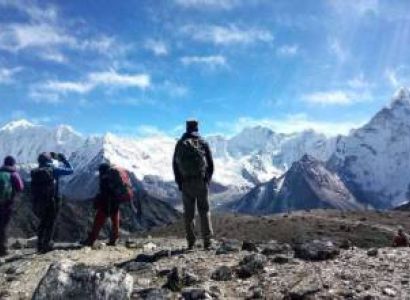
The way from Pangboche to Ama Dablam Base Camp is divinely beautiful while offering a thrilling experience. As you get closer to Ama Dablam, you can observe the details of this mountain and understand the reason behind its name - 'Mother's Necklace". For trekkers, Ama Dablam Base Camp trekking is one of the most sought-after and enjoyed alternatives to the Everest Base Camp trek. We cross Imja Khola before starting with the ascent to Ama Dablam from Pangboche. You will reach the base camp in no time and enjoy the views from the top. The scenic beauty of Everest (8,848m), Amadablam (6,812m), Lhotse (8,516m), Kantega(6,782m), and other peaks will impress you beyond your imagination. After spending good quality time enjoying the beauty of the snow-capped mountains, we head back to Pangboche. We conclude our hike to Ama Dablam with a heart filled with fresh memories of the base camp. However, the trail back to our home awaits. Trek Distance 6 to 7 hrs Highest Altitude 5,120m /16,797ft Trek Duration 6 to 7 hrs Overnight stay at the best possible lodge/hotel Included standard meals (Breakfast + Lunch + Dinner)
Activities : Trekking
The trail from Pangboche to Namche Bazaar is mostly downhill. It will be no surprise that you might wonder how you climbed all those steps. With the views of vibrant color of prayer flags and elegant Stupas, the tip of Mount Everest, and the back of Mount Lhotse, this hike will be as memorable. We halt at Namche Bazaar for this day and enjoy a variety of cuisines. After all, we deserve something delicacy for accomplishing this trek. Trek Distance 5.9km / 3.6miles Highest Altitude 3,985m / 13,075ft Trek Duration 5-6 hrs Overnight stay at Sakura Guest House (room with attached bathroom) Included standard meals (Breakfast + Lunch + Dinner)
Activities : Trekking
This day will be the last day on the trails. We trek through small villages and narrow forests, passing through the thrilling suspension bridges. As you continue your trek, you will reach Benkar, and little ahead lies Phakding. However, we continue our trek past Phakding to Toktok. The views from Toktok are unique and enticing. While appreciating these views, we hike forward to reach Lukla. Lukla is the starting and ending point for the trails in the Everest region, and it is just the right town for this. Trek Distance 13.5km / 8.3miles Highest Altitude 3,440m / 11,285ft Trek Duration 6-7 hrs Overnight stay at Comfort Inn (room with attached bathroom) Included standard meals (Breakfast + Lunch + Dinner)
Activities : Trekking
After returning to Lukla, you will fly to Manthali or Kathmandu, depending on the ongoing trekking season. If your trek is in March, April, May, September, October, or November, you'll board a plane to Manthali, followed by a five-hour drive to Kathmandu. For the remaining months (December, January, February, June, July, and August), you will fly from Lukla to Kathmandu directly. Should you choose to bypass the Lukla-Manthali-Kathmandu route, you can team up with four other individuals to collectively book a helicopter, incurring an additional cost of around 550 USD per person. With no more uphills or downhills to conquer, you can enjoy your journey back in complete peace. With a heart filled with pleasant memories, your trek will conclude in Kathmandu. You can wander in and around the alleys of Kathmandu on your own and end the day with good food and a little music. Flight Hours 40/20 Minutes
Activities : Trekking
* 20% Advance Percentage of total booking amount
* Upon cancellation, refund will be made after deducting the Retention Amount.
Wilderway trekking & Expedition Pvt Ltd, based in Kathmandu, offers a wide range of tour programs across India, specializing in customized holiday packages at affordable prices. Whether you're planning a heritage tour, pilgrimage trip, beach holiday, Know more..

Guwahati - Shillong - Tawang - Cherrapunji - Bomdila - Golaghat - Mandla
13 Days / 12 Nights
12 Night / 13 Days Haven Himachal Family Package
Shimla - Sangla - Kalpa - Kinnaur - Manali - Dharamshala - Dalhousie - Amritsar - K..
13 Days / 12 Nights
Manali - Shimla - Jispa - Leh - Tabo - Kalpa - Candolim - Mararikulam - Neeleshwar
13 Days / 12 Nights
Shimla - Narkanda - Rampur - Sarahan - Manali
13 Days / 12 Nights
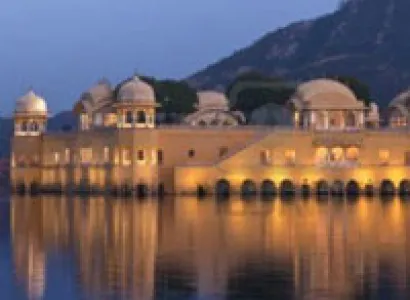
Agra - Jaipur - Jodhpur - Jaisalmer - New Delhi - Udaipur
13 Days / 12 Nights
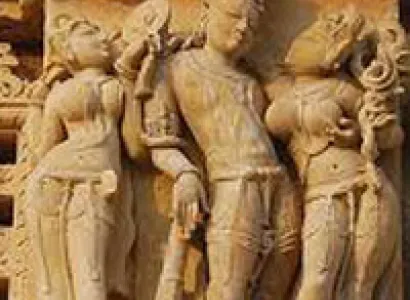
Golden Triangle Tour with Khajuraho
New Delhi - Jaipur - Fatehpur Sikri - Agra - Jhansi - Orchha - Khajuraho - Varanasi
13 Days / 12 Nights
Amritsar - Dalhousie - Dharamshala - Manali - Shimla - Chandigarh City - Kullu
13 Days / 12 Nights
Kathmandu - Lukla - Phakding - Kusum Kanguru - Kwongde Range - Namche Bazaar - Saga..
15 Days / 14 Nights
Everest Basecamp Helicopter Tour
Kathmandu - Lukla - Kalapatthar - Everest Base Camp - Everest Base Camp
2 Days / 1 Nights
Kathmandu - Lukla - Solukhumbu - Namchebazaar
4 Hours