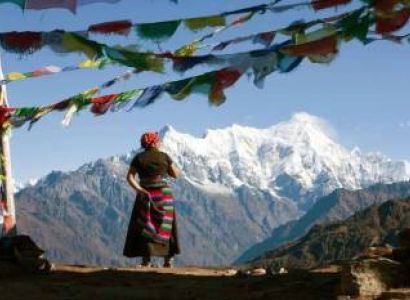
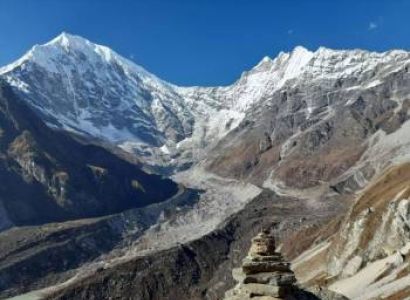
Highlights of the Tour One of the world’s highest airports at Syangboche (3,780m / 12.402ft) Chance to explore local Sherpa culture, tradition, and architecture The magnificent views of the world’s highest peak, Everest (8,848.68m/29,029ft), and others, such as Mt. Lhotse(8,516m), Cho Oyu (8,201m), and Mt. Makalu (8,463m) Explore Sagarmatha National Park and appreciate the diverse flora and fauna (including musk deer, colorful pheasants, snow leopards, and Himalayan Tahrs) Prayer wheels, colorful flags, Mani stones, high suspension bridges, ancient monasteries, including Tengboche Monastery, Khumjung Monastery, and others The highest glacier on Earth- Khumbu Glacier (4,900 m) Amazing panoramic views from Kala Patthar (5,555m) Amazing views from Gokyo Ri (5,357m / 17,575ft) Pristine Gokyo Valley, Gokyo Lake, Gokyo Ri Viewpoint, and Cho La Pass (5,420m) Edmund Hillary funded schools and hospital 14 Nights/ 15 Days Max People : 30 EVEREST REGION There is a moment on the Gokyo Ri summit when the sun breaks over Everest and the turquoise lakes below catch the first light. Most trekkers on the classic Everest Base Camp route never see it; they are walking the same valley up and back while this quieter, more dramatic alternative exists just one ridge over. The 15-day Everest Base Camp Trek via Gokyo Lakes combines two of the Khumbu’s most iconic experiences into a single loop: the sacred high-altitude lakes of Gokyo Valley and the legendary trail to Everest Base Camp, connected by the thrilling Cho La Pass crossing. This guide covers the complete day-by-day itinerary, altitude challenges, permit requirements, packing essentials, and everything else you need to plan this trek with confidence. Trek Overview and Quick Facts The 15-day Everest Base Camp Trek via Gokyo Lakes is a spectacular but physically demanding alternative to the classic EBC route. Instead of walking up a single valley and back, this itinerary loops through the quieter Gokyo Valley, crosses the challenging Cho La Pass at 5,420 meters, and finishes at Kala Pattharthe famous viewpoint at 5,545 meters where four of the world’s highest peaks line the horizon. Detail Information Duration 14 Nights / 15 Days Region Everest (Khumbu) Max Elevation 5,545m (Kala Patthar) Difficulty Moderate to Challenging Best Seasons March-May, October-November Starting From $1,450 per person TAXES INCL/PERS What makes this route different from the standard EBC trek? You get two summit viewpoints instead of one, six high-altitude turquoise lakes, and a glacier crossing that most Everest trekkers never experience. Top Highlights of the Gokyo Lakes and Everest Base Camp Trek This combined route delivers experiences the standard Everest Base Camp trail simply cannot offer. You walk alongside Nepal’s longest glacier, summit two iconic viewpoints, and cross a high mountain pass connecting two of the Khumbu’s most dramatic valleys. Turquoise Sacred Lakes: Six high-altitude lakes considered holy by Buddhists and Hindus Dual Summit Viewpoints: Both Gokyo Ri and Kala Patthar offer panoramic Himalayan vistas Cho La Pass Adventure: A thrilling glacier crossing that few EBC trekkers experience Fewer Crowds: The Gokyo Valley sees significantly less foot traffic than the main corridor Turquoise Gokyo Lakes and Ngozumpa Glacier The Gokyo Lakes are a system of six emerald and turquoise pools sitting between 4,700 and 5,000 meters. They rest alongside the Ngozumpa Glacier, which stretches 36 kilometers, the longest glacier in Nepal. Walking beside this river of ice while the lakes shimmer in thin mountain air creates a landscape unlike anything on the classic route. Sunrise Views from Gokyo Ri Gokyo Ri is a 5,357-meter peak rising directly above Gokyo Village. The pre-dawn climb takes roughly two hours, and the reward is a 360-degree panorama of four 8,000-meter peaks: Everest, Lhotse, Makalu, and Cho Oyu. Many trekkers consider this viewpoint equal to or better than Kala Patthar because of the lake reflections below. Cho La Pass Crossing Cho La Pass sits at 5,420 meters and serves as the dramatic connection between the Gokyo Valley and the main Everest trail, one of three high passes in the Khumbu. The crossing involves a glacier section requiring crampons and careful footing. While it sounds intimidating, thousands of trekkers complete this pass each season with guide assistance and no prior technical experience. Kala Patthar and Everest Base Camp Kala Patthar, at 5,545 meters, offers the classic Everest photograph, the one on postcards and documentaries. Everest Base Camp itself sits among expedition tents and the Khumbu Icefall, though mountain views are actually better from Kala Patthar. This route gives you both experiences. Why the Gokyo Lakes Route Beats the Classic Everest Base Camp Trail The standard EBC trek follows a single valley up and back or a shorter 10-day version for trekkers with limited time. The Gokyo route creates a loop that maximizes variety while providing natural acclimatization through the gradual altitude gain of the Gokyo Valley. Fewer crowds: Gokyo Valley sees roughly 30% of the foot traffic compared to the Gorak Shep corridor More diverse scenery: Lakes, glaciers, and high passes versus a single valley approach Better acclimatization: Natural altitude progression through Gokyo before tackling Cho La Two iconic viewpoints: Both Gokyo Ri and Kala Patthar instead of just one Day by Day Itinerary for the 15 Day Gokyo and EBC Trek This itinerary moves through the Gokyo Valley first, crosses Cho La Pass, then reaches Everest Base Camp before descending. The structure provides optimal acclimatization and saves the iconic EBC moment for the trek’s climax. Fly to Lukla and Trek to Phakding The morning flight to Lukla’s Tenzing-Hillary Airport is an adventure in itself; the runway is carved into a mountainside with a 12% gradient. From Lukla, a gentle three-hour walk through pine forests leads to Phakding, where tea houses line the Dudh Koshi River. Trek From Phakding to Namche Bazaar Today brings the famous suspension bridges of the Khumbu, including one hanging 140 meters above the river. The trail climbs steadily to Namche Bazaar, the Sherpa capital and gateway to the Everest region. First views of Everest appear on the final ascent. Acclimatization Day in Namche Bazaar Rest days are essential above 3,000 meters. An optional hike to the Everest View Hotel or the Sherpa Culture Museum helps the body adjust while keeping legs active. Namche offers bakeries, gear shops, and the last reliable ATM on the trail. Trek From Namche to Dole The trail diverges from the main EBC route here, heading northwest into the quieter Gokyo Valley. Rhododendron forests give way to yak pastures as the path climbs through Khumjung and Phortse Thanga. Trek From Dole to Machhermo The landscape becomes increasingly alpine as the trail passes through small settlements. Machhermo has a rescue post and basic medical support, making it a strategic overnight stop before higher elevations. Trek From Machhermo to Gokyo The first Gokyo Lake appears mid-morning, its turquoise water startling against the brown moraine. By afternoon, you reach Gokyo Village at 4,790 meters, with the massive Ngozumpa Glacier stretching to the north. Gokyo Ri Hike and Lakes Exploration A pre-dawn start for Gokyo Ri rewards early risers with sunrise over four 8,000-meter peaks. The afternoon allows exploration of the sacred lake system and rest before the demanding Cho La crossing. Trek From Gokyo to Thangnak This short day covers technical terrain as the trail transitions to moraine and boulder fields. Thangnak serves as the staging point for the Cho La crossing, and an early night is essential. Cross Cho La Pass to Dzongla The most physically demanding day begins before dawn. The glacier crossing requires crampons (provided by guides) and careful attention to footing. The steep descent into Dzongla tests tired legs, but the sense of accomplishment is immense. Trek From Dzongla to Lobuche The route rejoins the classic EBC trail here, passing memorial cairns honoring climbers who lost their lives on Everest. This relatively short day allows recovery after Cho La. Trek to Everest Base Camp and Back to Gorak Shep The long-awaited arrival at Everest Base Camp comes mid-day, with expedition tents and the Khumbu Icefall as backdrop. Since no lodges exist at Base Camp, trekkers return to Gorak Shep for the night. Kala Patthar Sunrise and Trek to Pheriche Another pre-dawn climb delivers the classic Everest viewpoint photograph. The rapid descent to Pheriche at 4,240 meters provides relief for altitude-stressed bodies. Trek From Pheriche to Namche Bazaar This long descent day covers familiar terrain in reverse. The thicker air feels noticeably easier to breathe, and celebration awaits at Namche’s tea houses. Trek From Namche to Lukla The final trail day returns to Lukla through forests and across suspension bridges. A celebration dinner at a local lodge marks the trek’s completion. Fly Back to Kathmandu Morning flight delays due to weather are common at Lukla. Building a buffer day in Kathmandu before international departure is strongly recommended. First-time visitors should also review essential travel tips for visiting Nepal to streamline arrival logistics. Trek Cost, Inclusions, and Exclusions Package prices typically range from $1,300 to $1,800 per person depending on group size, season, and customization level. What the Package Includes Domestic flights: Kathmandu-Lukla roundtrip Accommodation: Tea house lodging throughout trek Meals: Full board on trail (breakfast, lunch, dinner) Permits: Sagarmatha National Park and local permits Guide and porter: English-speaking guide and porter service Airport transfers: Kathmandu pickup and dropoff What the Package Excludes International airfare Nepal visa fees Travel insurance (mandatory) Personal gear and equipment Tips for guide and porter Hot showers and charging (paid locally) Difficulty Level and Cho La Pass Challenges This route is harder than the classic EBC trek because of the Cho La crossing. The difficulty rating sits at moderate-challenging, meaning solid baseline fitness is essential but no technical climbing experience is required. Daily Walking Hours and Trail Terrain Expect five to seven hours of walking most days across varied terrain: stone paths, suspension bridges, moraine fields, and snow sections. The cumulative effect of consecutive hiking days at altitude creates fatigue that builds throughout the trek. Cho La Pass Technical Sections The glacier crossing at Cho La involves fixed ropes and crampon use. Fixed ropes are ropes anchored to the mountain that trekkers hold for stability. Guides provide crampons and assist throughout the crossing. High Altitude Exposure Multiple days above 4,500 meters create cumulative stress on the body. Proper acclimatization, built into this itinerary through rest days and gradual altitude gain, significantly reduces risk. Best Time to Trek Everest Base Camp via Gokyo Lakes The Himalayan seasons dramatically affect trail conditions, visibility, and comfort. Spring Season March through May brings rhododendron blooms at lower elevations and warming temperatures. Weather windows are generally stable, though afternoon clouds can obscure views. Autumn Season October and November deliver the clearest skies and driest trails of the year. Post-monsoon conditions mean excellent visibility, though this is peak season with the highest number of trekkers. Winter Season December through February brings cold temperatures and fewer trekkers. Some tea houses close at higher elevations, and Cho La may be impassable due to snow. Monsoon Season June through August is not recommended. Heavy rain, leeches at lower elevations, and obscured mountain views make this period unsuitable for the Gokyo-EBC route. Permits Required for the Gokyo and Everest Base Camp Trek Two permits are required for this trek. Sagarmatha National Park Entry Permit All trekkers entering the Everest region require this permit. Sagarmatha is the Nepali name for Mount Everest, and the national park protects the entire Khumbu ecosystem. Khumbu Pasang Lhamu Rural Municipality Permit This local government permit replaced the old TIMS card system. It supports local communities along the trekking route. Physical and Mental Preparation for High Altitude Trekking This trek is not a technical climb, but it does require solid baseline fitness. Starting preparation three to four months before departure makes a significant difference. Cardio and Endurance Training Sustained effort activities like hiking, stair climbing, and cycling build the aerobic base needed for consecutive days at altitude. Aim for sessions of 45 minutes or longer, three to four times weekly. Strength and Hiking Practice Leg strength and core stability help manage the thousands of stone steps on the trail. Practice hikes with a loaded backpack simulate actual trekking conditions. Mental Readiness and Mindset Discomfort is part of high-altitude trekking: cold mornings, altitude headaches, and basic lodging are normal. Mental resilience matters as much as physical fitness. Packing List for the Gokyo Lakes and EBC Trek The layering system is essential for managing temperature swings between sunny afternoons and freezing mornings. Gear can be purchased or rented in Kathmandu or Namche. Head gear: Sun hat, warm beanie, balaclava, Category 4 glacier sunglasses Upper body: Moisture-wicking base layers, insulating fleece or down jacket, waterproof shell Lower body: Trekking pants, thermal leggings, waterproof pants for Cho La Footwear: Broken-in trekking boots, wool hiking socks, camp sandals Essentials: Four-season sleeping bag, headlamp, trekking poles Accommodation, Food, and Trail Facilities Tea house standards are basic but comfortable. Tea House Lodging Along the Route A tea house is a basic mountain lodge with shared rooms and communal dining areas. Private rooms are more available at lower elevations. Blankets are provided, but a sleeping bag is recommended for warmth and hygiene. Typical Meals on the Trail Dal bhatlentil soup with riceis the staple meal and provides excellent energy for trekking. Noodle dishes, pancakes, and eggs are also available. Meal costs increase with altitude. Drinking Water, Wi-Fi, and Charging Points Boiled water and purification tablets are the standard options. Wi-Fi is available at most lodges but becomes slower at higher elevations. Charging stations exist at most tea houses as a paid service above Namche. Altitude Sickness Prevention and Trail Safety Acute Mountain Sickness (AMS) can affect anyone regardless of fitness level. Symptoms of Acute Mountain Sickness Headache: The most common early sign Nausea and loss of appetite: Digestive disruption at altitude Fatigue and dizziness: Beyond normal tiredness Difficulty sleeping: Common above 4,000 meters Acclimatization Strategy The “climb high, sleep low” principle guides the itinerary design. Built-in rest days allow the body to adjust. Hydration and a slow, steady pace reduce risk. Travel Insurance and Emergency Evacuation Insurance covering helicopter evacuation at high altitude is mandatory for this trek. Lukla and Manthali Flight Logistics Lukla’s Tenzing-Hillary Airport is the primary departure point, though flights sometimes operate from Manthali (Ramechhap) during peak season. Weather delays are normal, not exceptional. Building buffer days into travel plans before international departure is essential. Plan Your Gokyo Lakes and Everest Base Camp Trek with Wilder Way Trekking Wilder Way Trekking brings local expertise, 24/7 support, and all-inclusive packages to this iconic route. Our guides know the Khumbu intimately: the best tea houses, the optimal timing for Cho La, and the strategies that make high-altitude trekking safer and more enjoyable.
The journey begins with a breathtaking flight from Kathmandu or Manthali to Lukla, a thrilling experience as you soar above the majestic Himalayas. The exact flight depends on the trek seasons. During peak trekking seasons (March, April, May, Sept, October, and November), Lukla flights departing from Tribhuvan International Airport (TIA) mostly get redirected to Manthali Airport due to increased air traffic. Consequently, in these months, our guide will pick you up from your hotel in Kathmandu around 12:30 am for a five-hour drive to Manthali. From Manthali, a brief 20-minute flight will take you to Lukla. In contrast, during other months (December, January, February, June, July, and August), the direct flight duration from Kathmandu to Lukla is around 40 minutes. If you want to bypass the drive to Manthali, booking a helicopter to Lukla is a convenient alternative. However, this option incurs an additional cost of approximately 550 USD when shared among five persons. As you deboard at Lukla Airport, the excitement builds up, and you will head to the charming Chaurikharka village and descend to Dudhkoshi Ghat (2,530m / 8,300ft) before reaching Phakding. This first day of the trek is short and enjoyable, providing an opportunity for acclimatization. You can explore local monasteries, like Rimishung Monastery, during your spare time and prepare for the upcoming adventurous trekking days.
Activities : Trekking
From Phakding, you will traverse the northern bank of the Dudh Koshi River, cross suspension bridges, and meander through enchanting forests and small Sherpa settlements. After Monjo Village, you will reach the Sagarmatha National Park checkpost, where we will register our permits before reaching Namche Bazaar (3,440m). Namche is a bustling mountain town nestled in the heart of the Khumbu region that welcomes you with panoramic views of snow-capped peaks and is a gateway to the Everest trekking experience.
Activities : Trekking
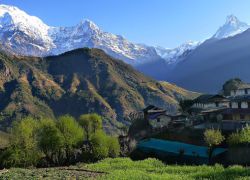
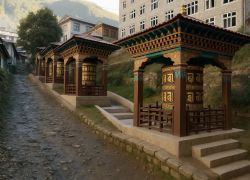
Namche is a perfect town to acclimatize. There are plenty of activities you can participate in. We encourage you to explore vibrant Namche streets, adorned with cafes, souvenir shops, and the Sherpa architecture. You can also hike to Everest View Hotel to see Mt. Everest. There are other hiking options, such as Syangboche Airport, Hillary School, Khumjung, and Khunde villages. The Khumjung Monastery is believed to house a Yeti scalp.
Activities : Trekking
You will leave Namche early morning and trek inside the Sagarmatha National Park alongside trekkers, porters, and yaks. From the path, you can get views of several mountains such as Ama Dablam, Lhotse, Nuptse, and Everest. The trails are ridden with several thrilling suspension bridges. You will traverse several steep rocky sections to arrive at Tengboche. If you want, you can also visit the Tengboche monastery.
Activities : Trekking
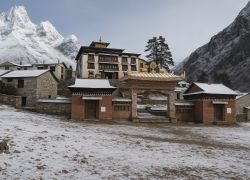
We leave Tengboche early morning and head to Dingboche, passing through many chortens, mani walls, and small settlements, including Mt. Ama Dablam. As you near Dingboche, you will see a field surrounded by stone walls. These walls protect crops such as barley, potatoes, and buckwheat from wild animals and cold winds.
Activities : Trekking
You will have gained a significant altitude as you reach Dingboche. Hence, it is a perfect day to acclimatize at this Sherpa village. There are no roads to this village, only trails, which locals use to transport daily necessities via yaks and mules. You can rest, hydrate, and soak in the beauty. If you want, you can hike to Nangkartshang Peak (5,083 m), from where you can view Everest, Makalu, Cho Oyu, Lhotse, and Ama Dablam.
Activities : Trekking
After a rest day at Dingboche, it is time to trek further - to Lobuche. You will be hiking northwest above the Pheriche Village and to Dugla, a small settlement. Dugla offers fantastic views of Ama Dablam, and you should certainly enjoy those. From Dugla, you will continue on a zig-zag path northwards on the Khumbu Glacier moraine to the Thukla Pass, famous for a memorial dedicated to those who perished on this rough terrain. As you move forward for about an hour, you will reach Lobuche.
Activities : Trekking
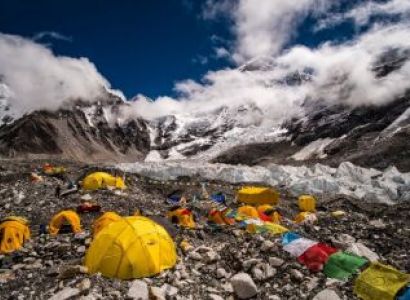
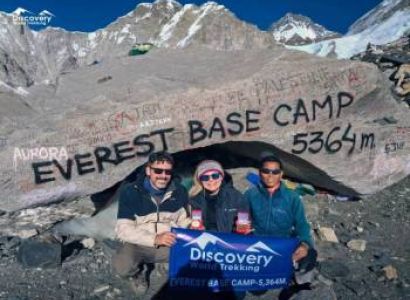
Today will be the most significant day on your trek or even in your life as you will reach the Everest base Camp. After breakfast, you will follow the Khumbu Glacier moraines and reach Gorak Shep, the nearest settlement from Everest Base Camp. You will leave your belongings at Gorak Shep and trek to the Everest Base Camp. As you stand on the Everest Base Camp, you will feel overwhelmed with emotions as you have toiled for several days to reach this place. From EBC, you can enjoy the grand views of some of the tallest mountains on Earth. After taking many pictures and soaking in the views, you will return to Gorak Shep for the night.
Activities : Trekking
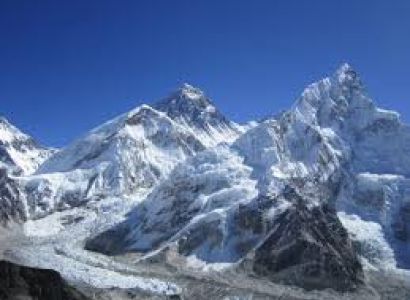
To enjoy the views of Everest and the surrounding peaks, early in the morning, you will wake up at Gorak Shep and head to Kala Patthar. From Kala Patthar, you will enjoy the views of dawn breaking behind the world’s tallest mountains, including Everest, Lhotse, and Makalu. The views look otherworldly and beyond words. After enjoying the views of your content, you will return to Gorak Shep for breakfast, rest for a while, and descend to Dzongla. The trails from Gorak Shep to Dzongla are challenging and kindle your adventurous spirit. You will traverse along the glaciers, keeping the Khumbu Glacier to the left, and arrive at Lobuche. From Lobuche, the left route takes you to Dingboche, and the right takes you to Dzongla. You will take the right route.
Activities : Trekking
After breakfast, you will leave Dzongla and head to Cho La Pass. The trails are quite challenging, but the views are equally stunning. After the rugged journey through the Cho La Pass, you enter a serene valley and continue on the trails, enjoying the pristine landscapes until you arrive at Thangnak.
Activities : Trekking
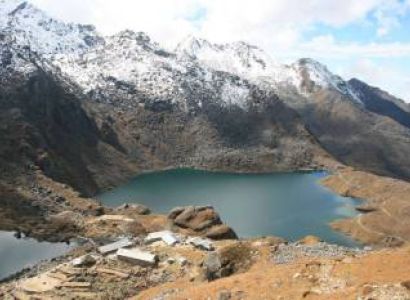
The trail to Gokyo leads through rugged terrain, weaving past glacial moraines and rocky landscapes. Along the journey, the breathtaking vistas of towering peaks and pristine alpine lakes captivate the senses. As trekkers ascend, the allure of Gokyo's turquoise waters becomes increasingly palpable. Upon reaching Gokyo, you will be greeted by the warmth of local teahouses, offering a haven of rest and rejuvenation. As the day draws to a close, the ethereal beauty of Gokyo casts its spell, leaving an indelible impression of tranquility and wonder on all who journey through its majestic realms. play
Activities : Trekking
We set off early from Gokyo and gradually ascend towards Gokyo Ri. The trail, well-marked and steady, leads you to the Gokyo Ri summit at approximately 5,360 meters (17,585 feet). From this vantage point, you can get a breathtaking panoramic view of Gokyo Lakes, surrounding glaciers, and towering peaks like Cho Oyu, Everest, Lhotse, and Makalu. After soaking in the views, you will descend to the base of Ngozumpa Glacier and further through the juniper bushes to the stunning Gokyo Lakes. After crossing the Gokyo Lakes, you will arrive at Machhermo.
Activities : Trekking
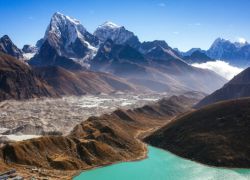
We bid farewell to the tranquil village of Machhermo and set out towards Namche Bazaar through rocky trails, verdant forests, and meandering rivers. Along the way, be mesmerized by the majestic Himalayan vistas and the serene beauty of the surroundings. As you trek, you can witness the rich cultural heritage while passing by traditional Sherpa villages adorned with colorful prayer flags and intricately carved mani stones. As you approach Namche Bazaar, you will again catch the views of this bustling market. At Namche Bazaar, the trek nears its closure, so we encourage you to soak in the lively atmosphere. You can explore the narrow alleyways, lined with shops, restaurants, and even pubs.
Activities : Trekking
The trek is almost over. You will leave the vibrant town of Namche Bazaar and towards Lukla. You will follow the paved stones until the foothill and follow the same route you used at the beginning of the trek. After about an hour of trekking, you will get the final views of Mt Everest. The path will mostly be downhill and often alongside the Dudh Koshi River as you trek through smaller Sherpa villages and a few suspension bridges. The path slightly ascends before reaching Lukla, the last town in the trek region.
Activities : Trekking
You will return to Kathmandu on this day. The flight path from Lukla varies depending on the trekking season. During March, April, May, September, October, or November, it's likely you'll fly to Manthali, from where we'll drive you to Kathmandu. However, in December, January, February, June, July, and August, you will fly from Lukla to Kathmandu directly. For those wishing to bypass the Lukla-Manthali-Kathmandu route, helicopter bookings are available at an additional cost of approximately 800 USD per person, assuming five individuals split the fare. Your return journey to Kathmandu will be a comfortable one, providing ample time for you to reflect on your trek to Everest Base Camp. You might also have the anticipation of reuniting with loved ones at home. Later in the day, Discovery World Trekking will arrange a farewell dinner for you in Kathmandu to commemorate your memorable adventure.
Activities : Trekking
* 20% Advance Percentage of total booking amount
* Upon cancellation, refund will be made after deducting the Retention Amount.
Wilderway trekking & Expedition Pvt Ltd, based in Kathmandu, offers a wide range of tour programs across India, specializing in customized holiday packages at affordable prices. Whether you're planning a heritage tour, pilgrimage trip, beach holiday, Know more..

54 Days Kathmandu & Lukla & Solukhumbu Budget Holiday
Kathmandu - Lukla - Solukhumbu
54 Days / 53 Nights
30 Days Kathmandu & Solukhumbu & Lukla Tour Package Budget
Kathmandu - Solukhumbu - Lukla
30 Days / 29 Nights
15 Days Agra & Aurangabad Luxury Holiday
New Delhi - Agra - Gwalior - Bhopal - Indore - Mumbai - Tikamgarh - Chhatarpur - Au..
15 Days / 14 Nights
15 Days Amsterdam & Brussels Budget Tour Package
Rome - Pisa - Lucerne - Paris - Brussels - Amsterdam - London - Innsbruck - Vatican..
15 Days / 14 Nights

15 Days Agra & Haridwar Tour Package Budget
New Delhi - Haridwar - Rishikesh - Shivpuri - Agra - Jaipur
15 Days / 14 Nights
15 Days Budget Tour Jammu & Katra
Jammu - Patnitop - Srinagar - Pahalgam - Katra
15 Days / 14 Nights
15 Days Amritsar & Chandigarh Budget Tour Package
Chandigarh - Shimla - Manali - Dalhousie - Amritsar - Dharamshala
15 Days / 14 Nights
15 Days Kathmandu & Lukla Budget Tour Package
Kathmandu - Lukla - Phakding - Kusum Kanguru - Kwongde Range - Namche Bazaar - Saga..
15 Days / 14 Nights
2 Days Kathmandu & Lukla Luxury Tour Package
Kathmandu - Lukla - Kalapatthar - Everest Base Camp - Everest Base Camp
2 Days / 1 Nights
15 Days Lukla & Solukhumbu Tour Package Luxury
Lukla - Solukhumbu - namche bazaar - dingboche - tengboche - pheriche - everest bas..
15 Days / 14 Nights
14 Days Kathmandu & Lukla Luxury Tour Package
Kathmandu - Lukla - Solukhumbu - Namche
14 Days / 13 Nights