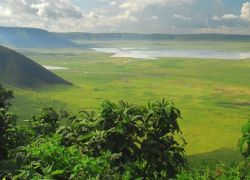
The Ngorongoro Crater, often referred to as the "Garden of Eden," is one of the most remarkable geological features on Earth. Located in the Arusha Region of Tanzania, this UNESCO World Heritage Site is a stunning caldera formed millions of years ago when a massive volcano erupted and collapsed. The crater is home to an incredible array of wildlife and is one of the most iconic destinations for safari enthusiasts and nature lovers. How to Reach Ngorongoro Crater Ngorongoro Crater is situated about 190 kilometers (118 miles) west of Arusha, making it easily accessible from the city. There are several ways to reach the crater: By Road: The most common way to reach the Ngorongoro Crater from Arusha is by road. The journey takes approximately 3 to 4 hours and is usually conducted via a safari vehicle. You can hire a tour operator to take you on a guided safari, or if you’re traveling independently, you can rent a car. By Air: For those looking to save time, there are daily flights from Arusha to the nearby Lake Manyara Airport or Ngorongoro Crater Airstrip. From there, you can take a short drive to the crater. By Bus: Several tour companies also offer bus transport to Ngorongoro, though this is less common and typically slower than traveling by car or air. Weather in Ngorongoro Crater Ngorongoro Crater is located at a high altitude, which gives it a temperate climate compared to the surrounding areas. The weather can be quite variable depending on the time of year. Here’s what to expect: Dry Season (June to October): This is the best time to visit the crater as the weather is dry and mild, with daytime temperatures ranging from 20°C to 30°C (68°F to 86°F). The dry season also makes it easier to spot wildlife, as animals gather around water sources. Rainy Season (November to May): The rainy season brings lush greenery to the crater, with occasional showers, especially in April and May. Temperatures are slightly cooler, ranging from 15°C to 25°C (59°F to 77°F). While it’s a less popular time for tourists, the crater is less crowded, and the wildlife is still abundant. Why Ngorongoro Crater is Famous for Arusha The Ngorongoro Crater is famous for several reasons that make it one of the top attractions in Tanzania and the entire African continent: Wildlife Diversity: The crater is home to over 25,000 animals, including the "Big Five" (lion, elephant, buffalo, leopard, and rhino), making it one of the best places in Africa for wildlife viewing. It’s often referred to as a "natural zoo" due to its dense concentration of wildlife. Unique Ecosystem: The Ngorongoro Crater is a closed ecosystem, which means that the animals that live within it are confined to the caldera, creating a self-sustaining population of wildlife. The diverse landscapes within the crater—such as grasslands, swamps, and forests—support a variety of animal species. Historical Significance: Ngorongoro is not only a natural wonder but also a site of cultural and historical importance. It is home to the indigenous Maasai people, who have lived in the area for centuries, and it offers a glimpse into the relationship between humans and nature. Entry and Visit Details about Ngorongoro Crater When planning your visit to Ngorongoro Crater, here’s what you should know: Entry Fee: There is an entry fee to visit the Ngorongoro Crater, which helps in the conservation and protection of the area. The fee is paid at the Ngorongoro Conservation Area Authority (NCAA) gate, and prices may vary depending on your nationality and whether you are a Tanzanian resident or a foreign visitor. The fees typically cover both entry to the crater and a vehicle permit for your safari. Operating Hours: The Ngorongoro Crater is open year-round, and safari vehicles can enter from sunrise to sunset. Visitors can spend a full day in the crater, as the roads are well-maintained, and there are numerous viewpoints to explore. It’s advisable to arrive early to maximize your chances of spotting wildlife. Safari Tours: Visitors can explore the crater on a guided safari. While self-drive is allowed, it is recommended to hire a local guide who is knowledgeable about the terrain and wildlife. There are also several options for group tours or private safaris. History and Architecture of Ngorongoro Crater The Ngorongoro Crater is the remains of an ancient volcano, believed to have erupted over two million years ago. The collapse of the volcano created a large caldera, which is the largest unbroken volcanic caldera in the world. The geological history of the crater is fascinating, as it provides a glimpse into the Earth’s natural processes that shaped the region. In terms of architecture, the Ngorongoro Crater is not known for human-made structures, but the Maasai people have traditionally lived in the area. They have built circular, thatched-roof houses called "enkangs," which are designed to provide shelter from the elements while blending with the natural surroundings. These structures are still visible today, as the Maasai continue to inhabit parts of the conservation area. Things to Do at Ngorongoro Crater Visiting Ngorongoro Crater offers a range of exciting and enriching activities for nature lovers, adventure seekers, and photography enthusiasts: Game Drive Safari: The primary activity in the crater is the safari. Visitors can embark on a thrilling game drive in a 4x4 vehicle and see a wide variety of wildlife, including lions, elephants, zebras, giraffes, and flamingos. Photography: Ngorongoro Crater offers incredible opportunities for wildlife photography. The dense wildlife and beautiful landscapes provide stunning backdrops for photographs, particularly during the golden hour at sunrise or sunset. Visit the Maasai Villages: Some tours offer the chance to visit the Maasai communities that reside in and around the crater. Here, you can learn about the Maasai culture, traditions, and way of life. Hiking: Though most visitors explore the crater by vehicle, there are a few hiking routes around the rim of the crater offering incredible panoramic views of the caldera. This is perfect for those looking for a more active and rewarding experience. Interesting Facts about Ngorongoro Crater The Ngorongoro Crater is often referred to as a "natural zoo" because of its high concentration of wildlife within the caldera. The crater floor is about 600 meters (1,970 feet) below the rim, and it spans approximately 260 square kilometers (100 square miles). Over 25,000 animals live within the crater, including rare species like the black rhino. Ngorongoro is also an important archaeological site, as early human fossils have been discovered in the region, most notably at the nearby Olduvai Gorge. The Maasai people have lived in the Ngorongoro region for hundreds of years and continue to live within the conservation area to this day. Tips for Visiting Ngorongoro Crater Bring Warm Clothing: The altitude of the crater means it can get quite chilly, especially in the early mornings and evenings, so pack layers of clothing. Be Prepared for Bumpy Roads: The roads in and around the crater can be rough, so make sure to bring motion sickness tablets if you're prone to nausea. Stay Safe: Always follow the guidance of your safari guide and stay inside your vehicle when viewing wildlife to ensure your safety. Book in Advance: The Ngorongoro Crater is a popular destination, so it's recommended to book your safari and accommodation in advance, especially during peak tourist seasons. Conclusion Ngorongoro Crater is one of Africa’s most extraordinary natural wonders, offering an unparalleled wildlife experience. Its rich biodiversity, stunning landscapes, and unique geological history make it a must-visit destination for anyone traveling to Tanzania. Whether you're on a safari, enjoying photography, or learning about Maasai culture, the crater provides an unforgettable adventure for every visitor.
Explore More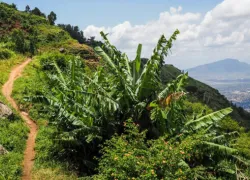
Kilombero Valley, located in the Morogoro Region of Tanzania, is a stunning geographical feature that offers visitors a breathtaking view of the natural beauty of the country. This fertile valley is renowned for its rich biodiversity, including lush floodplains, rivers, wetlands, and expansive savannahs. The valley is situated between the Udzungwa Mountains and the Selous Game Reserve, making it an ideal destination for those looking to experience Tanzania’s untouched nature. It is also one of the most important agricultural regions in the country, known primarily for rice cultivation. How to Reach Kilombero Valley Reaching Kilombero Valley is relatively straightforward. If you're traveling from Dar es Salaam, you can either take a long bus ride or hire a car. The valley is approximately 300 kilometers west of Dar es Salaam, and the journey by car typically takes around 6 to 7 hours, depending on road conditions. The nearest town to Kilombero Valley is Ifakara, which serves as a base for exploring the valley. Alternatively, you can fly into the nearest airport in Morogoro, and from there, take a taxi or local transport to Kilombero Valley. Ifakara, the largest town within the valley, has an airstrip with limited flights, so it's easier to get there by road. Once in Ifakara, you can hire a local guide or arrange for transport to take you around the valley to explore its various attractions. Weather at Kilombero Valley The weather in Kilombero Valley is tropical and humid, with a distinct wet and dry season. The wet season runs from November to April, and during this time, the valley is lush and green, making it an excellent time for birdwatching and observing the natural beauty of the area. However, access to some areas can be difficult during heavy rains. On the other hand, the dry season (from May to October) is the best time to visit Kilombero Valley for activities like safaris, walking tours, and exploring the wetlands. The temperatures during the dry months are warm but more bearable, ranging from 25°C to 30°C (77°F to 86°F). The dry season also offers more accessible travel conditions and better visibility for wildlife sightings. Timing to Visit Kilombero Valley The ideal time to visit Kilombero Valley is during the dry season, which runs from May to October. During this period, the weather is perfect for outdoor activities, and the wildlife is easier to spot since animals tend to gather around water sources. The valley is also less likely to be muddy or flooded, making it easier to explore and enjoy the natural scenery. If you are interested in birdwatching, the wet season (November to April) is also an excellent time to visit as the valley becomes home to numerous migratory bird species. However, the roads can become challenging during this time due to rain, so if you’re looking for an adventurous experience, visiting during the wet season could be rewarding. Why Kilombero Valley is Famous Kilombero Valley is famous for several reasons. One of the key features is its agricultural significance, as it is the primary rice-producing region in Tanzania. The valley’s fertile soil and abundant water sources from the Kilombero River make it ideal for rice farming, which is one of the most important crops in the country. Additionally, Kilombero Valley is known for its diverse and vibrant ecosystem. It’s home to a large variety of wildlife, including elephants, buffaloes, leopards, and various bird species, especially around the Kilombero River wetlands. The valley’s proximity to both the Selous Game Reserve and the Udzungwa Mountains creates a unique environment for flora and fauna. The region’s wetlands and forests also provide an essential habitat for migratory birds and aquatic species. The valley is also a great spot for eco-tourism, offering opportunities for trekking, birdwatching, cultural experiences, and wildlife observation. The landscape, dominated by the vast floodplains and the flowing rivers, makes it a haven for nature lovers and those looking to escape from the busy city life. Entry and Visit Details for Kilombero Valley Visiting Kilombero Valley does not require a specific entry fee for the general public. However, for those planning to visit protected areas such as the surrounding forests and wetlands, there may be fees for conservation areas or national park entrances. The fees are usually minimal and vary depending on whether you’re visiting the Selous Game Reserve or other nearby protected areas. Most travelers choose to visit the valley as part of an organized tour that includes transportation, guided walks, and wildlife safaris. These tours can be arranged from Ifakara or Morogoro, and they typically last anywhere from a day to several days, depending on the level of exploration you wish to do. If you're planning to stay overnight, there are several lodges and guesthouses in the area. These accommodations cater to various budgets, from basic camping options to more luxurious eco-lodges. It is advisable to book accommodations and tours in advance, especially during peak tourist seasons. History and Architecture of Kilombero Valley Kilombero Valley has a long history of human settlement and agricultural development. Traditionally, the valley was inhabited by various ethnic groups, including the Zaramo, the Ndengereko, and the Ngindo people, who have lived in the area for centuries. These groups have historically relied on agriculture and fishing for their livelihoods, and their cultural practices are still present in the region today. The architecture in Kilombero Valley is a reflection of local traditions and practical needs. Traditional homes in the valley are often made from mud, thatch, and local materials, designed to withstand the humid climate. However, modern buildings and infrastructure are now becoming more common, particularly in Ifakara, which has seen some urban growth in recent years due to the increased interest in tourism and agriculture. Things to Do in Kilombero Valley There is a wide range of activities to enjoy in Kilombero Valley, making it an exciting destination for nature lovers and adventure seekers alike. Some of the top activities include: Wildlife Safaris: Kilombero Valley is home to a variety of wildlife, including elephants, giraffes, buffalo, and more. The nearby Selous Game Reserve provides excellent opportunities for safaris. Birdwatching: The valley is a prime spot for birdwatching, especially during the wet season when migratory birds flock to the area. Trekking: Exploring the valley’s forests and wetlands on foot is an excellent way to experience the beauty of the area and spot local wildlife. Cultural Tours: Visit the villages around the valley to learn about the local cultures, traditions, and agricultural practices of the people living in the region. Fishing: The Kilombero River offers fishing opportunities, with many species of fish found in its waters. Facts about Kilombero Valley Kilombero Valley covers over 4,000 square kilometers and is one of the most fertile regions in Tanzania. The valley is home to the Kilombero River, which plays a crucial role in the agricultural and ecological systems of the region. It is a key area for rice production in Tanzania, with large-scale rice farming operations taking place throughout the valley. Due to its proximity to Selous Game Reserve, it is also an important habitat for wildlife, including several endangered species. Tips for Visiting Kilombero Valley Bring insect repellent, especially during the wet season, as the area is prone to mosquitoes. If you're traveling by road, be prepared for bumpy or unpaved roads, particularly during the rainy season. For birdwatchers, bring binoculars and a good camera with a zoom lens to capture the many species found in the area. Consider hiring a local guide for your visit to the valley to get the most out of your experience and support the local community. Respect local customs and be mindful of the natural environment by avoiding littering and following eco-friendly practices. Conclusion Kilombero Valley is a hidden gem in Tanzania, offering visitors a chance to explore some of the country's most pristine natural environments. With its lush wetlands, diverse wildlife, and rich cultural heritage, it is an excellent destination for anyone looking to experience the beauty and serenity of rural Tanzania. Whether you're an adventurer, nature lover, or cultural enthusiast, Kilombero Valley has something to offer everyone.
Explore More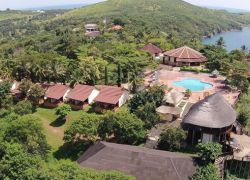
Kigoma Hill is one of the most iconic landmarks in the Kigoma-Ujiji region of Tanzania. Located on the shores of Lake Tanganyika, this hill offers stunning panoramic views of the surrounding landscape, including the bustling town of Kigoma and the vast lake. It is a popular destination for tourists who are keen to explore the natural beauty of Tanzania, as well as those interested in the historical significance of the region. With its rich cultural heritage, spectacular views, and tranquil environment, Kigoma Hill is an essential stop for anyone visiting the area. How to Reach Kigoma Hill from Muscat, Oman To reach Kigoma Hill from Muscat, Oman, the most convenient route is to fly into Julius Nyerere International Airport (DAR) in Dar es Salaam, Tanzania, and then take a domestic flight to Kigoma Airport (TKQ), which is approximately 5 km from the town center. There are several airlines that offer flights from Muscat to Dar es Salaam with layovers in cities such as Addis Ababa or Dubai. Once you arrive in Kigoma, reaching the hill is straightforward. The town of Kigoma is located at the base of the hill, and a short drive or hike will take you to the summit. You can hire a taxi or a local guide to reach the starting point of the trail that leads to the hilltop. The hike up is not very strenuous and can be completed in about 30 minutes to 1 hour, depending on your pace. Weather and Best Time to Visit Kigoma Hill Kigoma experiences a tropical climate, with two main seasons: the wet season and the dry season. The wet season typically runs from March to May, bringing heavy rainfall to the region. The dry season, from June to October, is considered the best time to visit. During this period, the weather is mild and dry, making outdoor activities like hiking up Kigoma Hill more enjoyable. Temperatures in Kigoma typically range from 25°C (77°F) to 30°C (86°F) throughout the year. Even during the dry season, the weather can be humid, especially near Lake Tanganyika. If you plan to visit during the wet season, be prepared for occasional rainfall, which can make the trail up the hill slippery. It’s a good idea to bring waterproof clothing and sturdy shoes. Why Kigoma Hill is Famous Kigoma Hill is famous not only for its breathtaking views of Lake Tanganyika and the surrounding landscape but also for its historical significance. The hill is closely associated with the famous explorer Dr. David Livingstone, who passed through the region in the 19th century during his expeditions to Africa. In fact, it is said that Livingstone used the hill as a vantage point to survey the region. The hill is also a symbol of the rich cultural heritage of the people living in the Kigoma-Ujiji region. The region is home to the Wagogo, Wazaramo, and other ethnic groups, each of which has its own unique customs, traditions, and history. Additionally, the nearby town of Ujiji is historically significant as the place where Dr. Livingstone famously met Henry Morton Stanley in 1871 with the famous words, "Dr. Livingstone, I presume?" Entry and Visit Details about Kigoma Hill The entrance to Kigoma Hill is located in the town of Kigoma, which is easily accessible by road or air from various parts of Tanzania. The hill itself is part of a larger protected area, and while there is no official park fee for visiting the hill, visitors are encouraged to make a small donation to the local community, especially if they are using a guide to hike up the hill. Most visitors to Kigoma Hill come for a half-day or full-day trip, depending on the activities they wish to enjoy in the area. It is recommended to hire a local guide, as they can provide valuable insights into the history, culture, and geography of the region. Guides are usually available at the base of the hill or through local tour operators in Kigoma. The hill is open year-round, and visitors can hike up during daylight hours. While the hike is not difficult, it can get hot in the midday sun, so it is best to plan your visit early in the morning or later in the afternoon to avoid the heat. History and Architecture of Kigoma Hill Kigoma Hill holds a deep historical connection to Tanzania’s colonial past and the exploration of Africa. The hill is closely associated with the British explorer Dr. David Livingstone, who made several visits to the area in the 19th century during his search for the source of the Nile. The hill served as an important observation point for Livingstone as he surveyed the surrounding area, which was at the time largely unexplored by Europeans. Architecturally, the hill is a natural formation, and there are no man-made structures at the top other than a few benches and viewing platforms that allow visitors to take in the spectacular views. The landscape is dotted with tropical trees, and the area is a haven for birdwatchers and nature lovers. The nearby town of Kigoma has a rich colonial legacy, with many buildings dating back to the early 20th century, reflecting the period when the region was under German and later British control. The architecture in Kigoma combines colonial-era structures with traditional African designs, giving the town a unique character. Things to Do at Kigoma Hill Visiting Kigoma Hill offers a range of activities for those interested in history, nature, and scenic views. Some of the best things to do when visiting the hill include: Hike to the Summit: The primary activity at Kigoma Hill is hiking to the summit, where you can enjoy panoramic views of the surrounding area, including Lake Tanganyika, the town of Kigoma, and the distant hills. Photography: The hill offers some of the best photo opportunities in the region. Whether you are capturing the stunning landscape or the vibrant local culture, Kigoma Hill is a perfect location for photography. Birdwatching: The area surrounding the hill is home to a variety of bird species, including both migratory and native birds. Birdwatchers will find plenty to observe while hiking up the hill or relaxing at the summit. Learn About the History of the Area: Local guides provide fascinating stories about the region’s history, including the arrival of Dr. Livingstone and the historical significance of Ujiji as a key location in East African exploration. Explore the Town of Kigoma: After visiting the hill, take some time to explore the town of Kigoma, with its bustling markets, colonial architecture, and laid-back atmosphere. Interesting Facts About Kigoma Hill Kigoma Hill is named after the nearby town of Kigoma, which itself is located along the shores of Lake Tanganyika, Africa’s second-largest freshwater lake. The hill is a popular spot for watching the sunset, as the setting sun reflects beautifully off Lake Tanganyika. The region around Kigoma Hill is home to several ethnic groups, including the Sukuma, Nyamwezi, and Wazaramo, each with its own rich cultural traditions. Ujiji, which is close to Kigoma Hill, is historically famous as the location where Dr. Livingstone was famously greeted by Henry Morton Stanley in 1871 with the famous words, "Dr. Livingstone, I presume?" The hill provides one of the best views of the surrounding area, including the vast Lake Tanganyika, which is bordered by four countries: Tanzania, the Democratic Republic of the Congo, Burundi, and Zambia. Tips for Visiting Kigoma Hill Wear Comfortable Shoes: The hike up Kigoma Hill is relatively easy, but it’s essential to wear sturdy, comfortable shoes, especially if you plan to hike during the rainy season. Bring Water and Snacks: The hike can take around 30 minutes to an hour, so be sure to bring water and light snacks to stay hydrated and energized. Book a Local Guide: It’s highly recommended to hire a local guide who can provide information about the area’s history and natural beauty, making your visit more enriching. Plan for the Early Morning or Late Afternoon: To avoid the midday heat, plan your visit either early in the morning or later in the afternoon. Respect Local Customs: When visiting the hill and surrounding areas, be mindful of local traditions and respect the communities that live in the region. Conclusion Kigoma Hill is an extraordinary destination for travelers interested in exploring both the natural beauty and historical significance of Tanzania. With its stunning views, rich history, and proximity to Lake Tanganyika, it is a must-visit spot for anyone traveling to the Kigoma-Ujiji region. Whether you're hiking to the summit, learning about the area's past, or simply enjoying the breathtaking scenery, Kigoma Hill offers an unforgettable experience for visitors of all ages.
Explore More
Welcome to Mbeya Peak, a breathtaking tourist attraction located in the city of Mbeya. This natural wonder offers visitors a unique opportunity to immerse themselves in the beauty of the surrounding environment and witness a diverse range of flora and fauna. History of Mbeya Peak With a rich historical background, Mbeya Peak was once a royal hunting ground and has since been transformed into a conservation area to protect its natural beauty. The park's conservation efforts have been recognized by UNESCO, highlighting its importance in preserving the region's biodiversity. Architecture and Natural Beauty of Mbeya Peak Mbeya Peak is known for its stunning wetlands, lush forests, expansive grasslands, and diverse bird habitats. The park is also home to the historic Keoladeo Temple, adding a cultural element to its natural beauty. Why is Mbeya Peak Famous? Mbeya Peak has gained popularity among birdwatchers, photographers, nature enthusiasts, and wildlife lovers due to its abundance of bird species, picturesque landscapes, and unique biodiversity. Visitors flock to the park to witness its natural wonders firsthand. How to Reach Mbeya Peak Traveling to Mbeya Peak is convenient, with options available by air, rail, and road. Nearby airports and railway stations provide easy access to the park, ensuring a smooth journey for visitors. Weather and Best Time to Visit Mbeya Peak The weather at Mbeya Peak varies across seasons, with summer, monsoon, and winter each offering a different experience. The best time to visit is during the months when the weather is most favorable for exploring the park's natural beauty. Timings of Mbeya Peak Visitor timings at Mbeya Peak may vary seasonally, so it is essential to plan your trip accordingly. Understanding the park's operational hours will help you make the most of your visit. Entry Fee and Visit Details Entry procedures to Mbeya Peak are straightforward, with guide services, safari options, bicycle rentals, and visitor facilities available to enhance your experience. Exploring the park is made easy with these convenient amenities. Things to Do at Mbeya Peak Embark on popular activities at Mbeya Peak, including birdwatching, photography, cycling, walking trails, nature observation, and engaging in educational experiences. Each activity offers a unique way to connect with the park's natural wonders. Interesting Facts About Mbeya Peak Discover fascinating facts about Mbeya Peak, from the migration patterns of birds to the park's conservation achievements and ecological significance. These insights provide a deeper appreciation for the park's natural heritage. Travel Tips for Visiting Mbeya Peak Prepare for your visit to Mbeya Peak with practical advice on clothing, photography equipment, birdwatching essentials, ideal visiting seasons, and tips for practicing responsible tourism. These tips will ensure a memorable and fulfilling experience at the park. Conclusion In conclusion, Mbeya Peak in Mbeya is a must-visit destination for nature lovers and wildlife enthusiasts. Its historical significance, diverse ecosystems, and array of activities make it a top choice for those seeking an unforgettable outdoor experience. Plan your trip to Mbeya Peak and immerse yourself in the beauty of this natural gem.
Explore More
Welcome to the breathtaking Great Rift Valley View Point in Mbeya, a destination that beckons with its natural beauty and rich biodiversity, making it a must-visit for nature enthusiasts and adventure seekers alike. History of Great Rift Valley View Point With a historical background dating back centuries, the Great Rift Valley View Point holds significance as a former royal hunting ground turned conservation area that has garnered UNESCO recognition for its conservation efforts and preservation of the natural environment. Architecture and Natural Beauty of Great Rift Valley View Point The park boasts stunning wetlands, lush forests, expansive grasslands, diverse bird habitats, and captivating landscapes that are home to a myriad of flora and fauna, including the historical Keoladeo Temple that adds to its charm. Why is Great Rift Valley View Point Famous? The Great Rift Valley View Point is renowned for its appeal to birdwatchers, photographers, nature enthusiasts, and wildlife lovers who flock here to witness the diverse avian species, picturesque vistas, and the unique blend of natural wonders it offers. How to Reach Great Rift Valley View Point Traveling to the Great Rift Valley View Point is convenient with options for air, rail, and road transport, with nearby airports and railway stations ensuring easy accessibility to this natural haven. Weather and Best Time to Visit Great Rift Valley View Point Experience the varying weather conditions of summer, monsoon, and winter at the Great Rift Valley View Point and plan your visit during the best months to enjoy the beauty of this destination to the fullest. Timings of Great Rift Valley View Point Learn about the visitor timings, any seasonal variations to be mindful of, and gather useful planning information to make the most of your visit to the Great Rift Valley View Point. Entry Fee and Visit Details Discover the entry procedures, avail guide services, explore safari options, rent bicycles for a leisurely ride, and make use of visitor facilities to enhance your experience at the Great Rift Valley View Point. Things to Do at Great Rift Valley View Point Engage in popular activities like birdwatching, photography sessions, cycling through scenic trails, leisurely walks for nature observation, and embark on educational experiences that offer insights into the wonders of this natural paradise. Interesting Facts About Great Rift Valley View Point Delve into the fascinating world of migratory birds, the rich biodiversity that thrives within the park, the conservation achievements that have been made, and the ecological importance that the Great Rift Valley View Point holds in preserving natural heritage. Travel Tips for Visiting Great Rift Valley View Point Prepare for your journey with practical advice on clothing choices, essential photography gear, birdwatching equipment recommendations, the ideal visiting seasons, and the importance of responsible tourism practices to ensure a memorable and sustainable visit. Conclusion In conclusion, the Great Rift Valley View Point in Mbeya stands as a testament to the beauty of nature, offering visitors a chance to immerse themselves in the wonders of the natural world while appreciating the importance of conservation and preservation efforts in this serene setting.
Explore More
Mount Rungwe, located in Mbeya, is a captivating tourist attraction known for its natural beauty and biodiversity. Rising majestically in the southern highlands of Tanzania, this hotspot offers visitors a unique experience in the heart of nature. History of Mount Rungwe The history of Mount Rungwe dates back to ancient times when it served as a significant landmark in the region. Originally a royal hunting ground, the area has undergone remarkable conservation efforts to protect its rich flora and fauna. Mount Rungwe's conservation importance has been recognized by UNESCO, highlighting its ecological significance. Architecture and Natural Beauty of Mount Rungwe The natural environment of Mount Rungwe is a blend of wetlands, lush forests, expansive grasslands, and diverse bird habitats. The picturesque landscapes offer a serene escape for visitors, with the historic Keoladeo Temple nestled within the park, adding a touch of cultural charm to the surroundings. Why is Mount Rungwe Famous? Mount Rungwe has gained popularity among birdwatchers, photographers, nature enthusiasts, and wildlife lovers due to its diverse avian population and stunning natural vistas. The park's serene ambiance and abundant wildlife make it a sought-after destination for those seeking a peaceful retreat in the lap of nature. How to Reach Mount Rungwe Travelling to Mount Rungwe is convenient, with options for air, rail, and road transport. Nearby airports and railway stations provide easy access to the park, ensuring a hassle-free journey for visitors eager to explore this natural gem. Weather and Best Time to Visit Mount Rungwe The weather at Mount Rungwe varies across seasons, with distinct conditions during summer, monsoon, and winter. The best time to visit is typically during the cooler months when the weather is pleasant, allowing visitors to fully enjoy the natural beauty of the park. Timings of Mount Rungwe Visitor timings at Mount Rungwe are designed to optimize the tourist experience, with seasonal variations considered to enhance the overall visit. Planning a trip to the park involves understanding these timings and making the most of your time exploring its wonders. Entry Fee and Visit Details Entry procedures at Mount Rungwe are straightforward, with guide services available for those seeking a more informative tour. Safari options, bicycle rentals, and visitor facilities further enhance the experience, ensuring a memorable visit for all. Things to Do at Mount Rungwe Popular activities at Mount Rungwe include birdwatching, photography, cycling, walking trails, and nature observation. Visitors can immerse themselves in the park's tranquility while engaging in educational experiences that deepen their appreciation for the natural world. Interesting Facts About Mount Rungwe Mount Rungwe is teeming with fascinating facts, from the presence of migratory birds to the park's crucial role in biodiversity conservation. Its ecological importance underscores the need for sustainable practices to preserve this natural treasure for future generations. Travel Tips for Visiting Mount Rungwe When planning a trip to Mount Rungwe, consider practical advice on clothing choices, photography equipment, ideal visiting seasons, and the importance of responsible tourism practices. By following these tips, visitors can make the most of their experience while minimizing their impact on the environment. Conclusion In conclusion, Mount Rungwe in Mbeya stands out as a remarkable destination that offers a harmonious blend of natural wonders and cultural heritage. Its significance in biodiversity conservation, coupled with the memorable visitor experience it provides, makes it a must-visit for anyone seeking to reconnect with nature in a serene and captivating setting.
Explore More
Welcome to the mesmerizing destination of Mahale Mountains nestled in the charming city of Uvinza. This picturesque location is a paradise for nature lovers, offering a unique blend of natural beauty and rich biodiversity that captivates visitors from around the globe. History of Mahale Mountains The history of Mahale Mountains dates back to its origins as former royal hunting grounds, evolving into a conservation area dedicated to preserving its natural wonders. The park's significant conservation efforts have been recognized by UNESCO, highlighting its importance in protecting the region's diverse wildlife. Architecture and Natural Beauty of Mahale Mountains Encompassing lush wetlands, dense forests, expansive grasslands, and diverse bird habitats, Mahale Mountains showcase a stunning array of landscapes. Within the park lies the historical Keoladeo Temple, adding a touch of cultural heritage to the natural beauty of the surroundings. Why is Mahale Mountains Famous? Mahale Mountains has gained fame as a hotspot for birdwatchers, photographers, nature enthusiasts, and wildlife lovers due to its incredible biodiversity and pristine natural environment. The park offers a unique opportunity to witness a wide variety of bird species and wildlife in their natural habitats. How to Reach Mahale Mountains Traveling to Mahale Mountains is convenient with options available by air, rail, and road. The nearest airports and railway stations provide easy access to the park, ensuring a seamless journey for visitors seeking to explore this natural gem. Weather and Best Time to Visit Mahale Mountains Throughout the year, Mahale Mountains experiences varying weather conditions across summer, monsoon, and winter seasons. The best time to visit is during specific months when the weather is favorable, offering an ideal setting for exploring the park's beauty. Timings of Mahale Mountains Visitors can enjoy Mahale Mountains during specified timings, with seasonal variations that may impact the park's accessibility. It is advisable to plan your visit accordingly and make the most of your time exploring the wonders of this enchanting destination. Entry Fee and Visit Details Upon arrival, visitors can obtain information about entry procedures, guide services, safari options, bicycle rentals, and other visitor facilities available within Mahale Mountains. These services enhance the overall experience and provide valuable assistance during your exploration. Things to Do at Mahale Mountains Engage in a variety of activities at Mahale Mountains, including birdwatching, photography, cycling, walking trails, nature observation, and educational experiences that offer a deeper insight into the park's ecosystem. Immerse yourself in the beauty of nature and create unforgettable memories during your visit. Interesting Facts About Mahale Mountains Discover fascinating facts about Mahale Mountains, from the migration patterns of birds to the park's role in biodiversity conservation and ecological balance. These insights shed light on the significance of preserving this natural treasure for future generations to appreciate. Travel Tips for Visiting Mahale Mountains Before embarking on your journey, remember to pack suitable clothing, essential photography equipment, and birdwatching gear to enhance your experience at Mahale Mountains. Familiarize yourself with the best seasons to visit and adopt responsible tourism practices to ensure the preservation of this pristine environment. Conclusion In conclusion, Mahale Mountains in Uvinza stands as a testament to the beauty of nature and the importance of conservation efforts in preserving our natural heritage. Explore this enchanting destination, immerse yourself in its wonders, and create unforgettable memories that will last a lifetime.
Explore More
Livingstone & Kipengere Mountains
Welcome to the mesmerizing destination of Livingstone & Kipengere Mountains situated in Njombe, a place that beckons with its natural beauty and rich biodiversity. Embraced by stunning landscapes and flourishing ecosystems, this hotspot offers a unique experience for travelers seeking a blend of tranquility and adventure. History of Livingstone & Kipengere Mountains The Livingstone & Kipengere Mountains have a rich historical background, once serving as royal hunting grounds. Over the years, dedicated conservation efforts have transformed this area into a haven for wildlife and nature enthusiasts. The park's significance has been acknowledged by UNESCO, further enhancing its global recognition. Architecture and Natural Beauty of Livingstone & Kipengere Mountains From expansive wetlands to dense forests and vast grasslands, Livingstone & Kipengere Mountains boast a diverse natural environment. Bird habitats thrive in this region, offering a paradise for birdwatchers. Notably, the historical Keoladeo Temple adds a cultural touch to the park's natural beauty. Why is Livingstone & Kipengere Mountains Famous? This destination is renowned for its appeal to birdwatchers, photographers, and wildlife lovers. The abundance of avian species, scenic landscapes, and untouched wilderness make it a preferred choice for those seeking a close encounter with nature. How to Reach Livingstone & Kipengere Mountains Traveling to Livingstone & Kipengere Mountains is accessible via air, rail, and road. Nearby airports and railway stations provide convenient options for reaching this natural paradise, ensuring a seamless journey for visitors. Weather and Best Time to Visit Livingstone & Kipengere Mountains The weather at Livingstone & Kipengere Mountains varies across summer, monsoon, and winter seasons. To experience the best of this destination, it is recommended to plan your visit during specific months known for ideal weather conditions and optimal wildlife sightings. Timings of Livingstone & Kipengere Mountains Visitors can explore Livingstone & Kipengere Mountains during designated timings, with possible seasonal variations to consider. Understanding the operational hours and planning your visit accordingly will enhance your overall experience at this natural wonder. Entry Fee and Visit Details Entry procedures, guide services, safari options, bicycle rentals, and visitor facilities are available to ensure a comfortable and enriching visit to Livingstone & Kipengere Mountains. Exploring the park with the assistance of knowledgeable guides can enhance your wildlife encounters. Things to Do at Livingstone & Kipengere Mountains Engage in various activities such as birdwatching, photography, cycling, walking trails, and nature observation to immerse yourself in the beauty of Livingstone & Kipengere Mountains. Educational experiences await those curious about the park's biodiversity and ecological significance. Interesting Facts About Livingstone & Kipengere Mountains Livingstone & Kipengere Mountains are home to a myriad of migratory birds, showcasing the park's role in bird conservation. The park's ecological importance and conservation achievements contribute to its significance in preserving natural habitats. Travel Tips for Visiting Livingstone & Kipengere Mountains When visiting Livingstone & Kipengere Mountains, pack appropriate clothing, essential photography equipment, and birdwatching gear to maximize your experience. Understanding the best visiting seasons and practicing responsible tourism will help preserve the park's natural integrity. Conclusion In conclusion, Livingstone & Kipengere Mountains in Njombe stand as a testament to nature's magnificence and the importance of conservation efforts. By exploring this enchanting destination, visitors can connect with the wonders of wildlife and immerse themselves in the serene beauty of this natural sanctuary.
Explore More