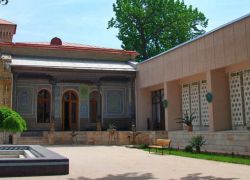
The Museum of Applied Arts in Tashkent is a premier cultural institution that showcases the rich and diverse artistic traditions of Uzbekistan and Central Asia. Housed in a beautiful building with intricate architecture, the museum is dedicated to preserving and promoting Uzbekistan's historical crafts, textiles, and applied arts. It is a must-visit for anyone interested in learning about the cultural heritage of the region and the creative traditions that have been passed down for centuries. How to Reach Museum of Applied Arts, Tashkent The Museum of Applied Arts is centrally located in Tashkent, making it easily accessible to visitors from all parts of the city. If you’re traveling to Tashkent by air, you will arrive at Tashkent International Airport (TAS), located approximately 10 kilometers (6 miles) from the museum. From the airport, you can take a taxi or use ride-sharing apps like Yandex to get to the museum, which will take around 20–25 minutes depending on traffic. If you are already in the city, the museum is well-served by public transport, including buses and taxis. The nearest metro station to the Museum of Applied Arts is Amir Timur on the Red Line, which is about a 10-minute walk from the museum. Alternatively, you can take a taxi or use local buses to reach the museum directly from various parts of the city. Weather and Timing for Museum of Applied Arts Tashkent experiences a continental climate with hot summers and cold winters. The Museum of Applied Arts is an indoor attraction, making it a great place to visit year-round, regardless of the weather conditions. Summer (June to August): Summer temperatures in Tashkent can exceed 40°C (104°F), so the museum provides a cool, air-conditioned escape from the heat. If you’re visiting during summer, it’s best to go early in the day or later in the evening to avoid the midday heat. Autumn (September to November): Autumn is a great time to visit the museum as temperatures are mild, ranging from 20°C to 30°C (68°F to 86°F). The weather is comfortable, and you can explore the museum and its surrounding areas without the extreme heat or cold. Winter (December to February): Winter temperatures can dip below freezing, but the museum remains warm and welcoming. It’s an ideal place to spend time indoors if you're looking to avoid the cold. Spring (March to May): Spring offers mild temperatures, typically between 10°C and 20°C (50°F to 68°F), and is another excellent time to explore the museum. The surrounding gardens and parks also start to bloom, offering a beautiful contrast to the museum’s interior displays. Why Famous for Museum of Applied Arts, Tashkent? The Museum of Applied Arts in Tashkent is famous for its exceptional collection of Uzbek applied arts and handicrafts. The museum is housed in a stunning 19th-century building that itself is a work of art, with intricate architectural details and a beautiful tiled facade. It is one of the most prominent museums in Uzbekistan and showcases traditional Uzbek crafts such as ceramics, textiles, jewelry, metalwork, carpets, and embroidery. The museum’s collection highlights the rich artistic traditions of Central Asia, with a focus on the history of Uzbekistan’s crafts. Visitors can marvel at the intricate designs and craftsmanship of the exhibits, which showcase the skilled work of artisans from across the country. The museum also offers insights into the cultural and historical significance of each art form, making it a valuable resource for understanding Uzbekistan’s heritage. Entry and Visit Details about Museum of Applied Arts, Tashkent The Museum of Applied Arts is open to the public, and visitors can explore its impressive collection for a small entrance fee. The museum is typically open from 10:00 AM to 6:00 PM, Tuesday to Sunday. It is closed on Mondays, so make sure to plan your visit accordingly. Tickets to the museum are affordable, and visitors can pay the entrance fee at the museum’s ticket counter. There may be an additional fee for photography or guided tours. The museum is also an excellent place for school groups, as it offers educational programs about Uzbekistan’s cultural heritage. History and Architecture of Museum of Applied Arts The Museum of Applied Arts was founded in 1937 and has since grown into one of the most important cultural institutions in Uzbekistan. The museum is housed in a grand building that was originally a private residence built in the late 19th century for the Russian diplomat Konstantin von der Brüggen. The building is a stunning example of Islamic architecture, featuring ornate tilework, arches, and carved wooden elements that reflect traditional Central Asian design. The museum’s collection includes over 7,000 items, many of which are rare and historically significant. The exhibits cover various forms of applied arts, from textiles and pottery to metalwork and woodcarving. The collection spans several centuries, with a particular focus on the Timurid and Safavid periods. Visitors can see beautiful examples of traditional Uzbek suzani (embroidered textiles), ceramics from Samarkand and Bukhara, and intricate jewelry and metalwork that showcase the skilled craftsmanship of Uzbekistan’s artisans. Things to Do at Museum of Applied Arts, Tashkent Admire the Architecture: Take time to appreciate the beauty of the museum building itself. The intricate tilework, stunning arches, and ornate wooden details make it a masterpiece of Uzbek architecture. Explore the Exhibits: Wander through the museum’s various halls and explore the diverse range of exhibits, including ceramics, textiles, metalwork, and jewelry. Each exhibit provides insights into the cultural and historical significance of the art forms. Learn About Uzbek Culture: The museum offers a great opportunity to learn about Uzbekistan’s cultural history. The exhibits provide detailed information about the evolution of local crafts and their role in daily life. Take Photographs: With its stunning architecture and beautiful exhibits, the museum is a great place for photography. Don’t forget to take pictures of the unique and colorful items on display. Visit the Museum’s Gift Shop: The museum has a small gift shop where visitors can purchase souvenirs such as handmade crafts, jewelry, textiles, and books about Uzbekistan’s rich artistic traditions. Facts About Museum of Applied Arts The museum was founded in 1937 and is one of the oldest museums in Uzbekistan. The museum’s collection includes over 7,000 items, showcasing the rich artistic traditions of Uzbekistan and Central Asia. The building itself is a 19th-century mansion that was designed in the traditional Islamic architectural style. The museum is a key destination for tourists looking to learn more about Uzbekistan’s heritage and craftsmanship. The museum is home to an impressive collection of suzanis (embroidered textiles), which are a symbol of Uzbek art and culture. Tips for Visiting Museum of Applied Arts, Tashkent Check the Opening Hours: The museum is closed on Mondays, so make sure to plan your visit for another day. Book a Guided Tour: To make the most of your visit, consider hiring a local guide who can provide detailed information about the exhibits and the history of the museum. Respect the Museum Etiquette: Be mindful of the museum's rules, such as not touching the exhibits and refraining from taking photos in restricted areas. Wear Comfortable Shoes: There are several floors and rooms to explore in the museum, so make sure to wear comfortable shoes for walking around. Allow Time to Explore: The museum is home to a vast collection of items, so plan to spend at least 1–2 hours exploring the exhibits and learning about the crafts.
Explore More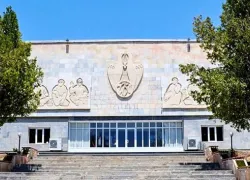
The Afrasiab Museum in Samarkand, Uzbekistan is one of the most important archaeological and historical museums in Central Asia. It is dedicated to the ancient city of Afrasiab, the original site of Samarkand, which existed long before the arrival of Amir Timur and the rise of the Timurid Empire. The museum showcases the city’s remarkable past, from the 7th century BCE to the 13th century CE, when it was destroyed during the Mongol invasions. With its impressive collection of murals, artifacts, and historical exhibits, the Afrasiab Museum offers visitors a journey through more than 2,500 years of Samarkand’s history and culture. Located near the archaeological site of ancient Afrasiab, the museum stands as a symbol of Uzbekistan’s rich heritage, revealing the evolution of one of the world’s oldest continuously inhabited cities. For history enthusiasts, archaeologists, and curious travelers, the Afrasiab Museum is a must-visit destination in Samarkand. History of Afrasiab and the Museum The ancient city of Afrasiab was founded around the 7th century BCE and served as the early settlement of Samarkand. It was a major center of trade, culture, and politics along the Silk Road. The city flourished under various empires, including the Achaemenids, Greeks under Alexander the Great, Sogdians, and later the Islamic Caliphate. Its strategic location made it a hub of interaction between East and West. However, in the 13th century, Genghis Khan’s Mongol armies invaded and destroyed the ancient city, leaving it in ruins. The present-day Samarkand was later rebuilt slightly south of the original site. Excavations in the 20th century uncovered fascinating remains of the lost city, including walls, pottery, weapons, coins, and most notably, 7th-century murals that depict scenes of royal life, foreign delegations, and daily activities. The Afrasiab Museum was established in 1970 near the excavation site to preserve and display these discoveries. The museum’s construction was assisted by French archaeologists, and today it remains one of the most informative places to understand Samarkand’s ancient heritage and the early Sogdian civilization. Architecture of Afrasiab Museum The Afrasiab Museum is a fine example of Soviet-era architectural design blended with local Uzbek elements. The building is modest in scale but purposefully designed to harmonize with its archaeological surroundings. Its spacious halls and high ceilings provide an ideal environment for displaying large wall paintings and fragile ancient artifacts. The museum’s main attraction is its hall containing the famous Afrasiab murals, which were discovered in the 1960s. These murals, originally from a royal palace, are among the most significant archaeological finds in Central Asia. They illustrate scenes of diplomacy, hunting, and religion from the 7th century and showcase the sophisticated culture of the Sogdian people. The museum also includes sections dedicated to the early Iron Age, Hellenistic influences, Islamic periods, and daily life in ancient Samarkand. Why Afrasiab Museum is Famous The Afrasiab Museum is famous for its priceless collection of artifacts and murals that tell the story of Samarkand’s early civilization. The most famous exhibit, the Sogdian mural panels, offers a rare visual representation of the diplomatic and cultural exchanges that took place in Central Asia over 1,300 years ago. These artworks depict rulers receiving foreign envoys, symbolic animals, and religious motifs that reflect the coexistence of Zoroastrian, Buddhist, and early Islamic beliefs in the region. The museum is also known for its proximity to the actual archaeological site of Afrasiab, where visitors can still see ancient walls, fortifications, and remnants of the original Samarkand settlement. It serves as a living connection between Uzbekistan’s prehistoric roots and its later medieval glory under Timur. How to Reach Afrasiab Museum The Afrasiab Museum is located in the northeastern part of Samarkand, about 4 km from Registan Square and close to the Shah-i-Zinda Necropolis. It is easily accessible from the city center by car, taxi, or public transport. By Air: The nearest airport is Samarkand International Airport, approximately 8 km from the museum. Taxis are available at the airport and can reach the museum in about 15–20 minutes. By Train: Samarkand Railway Station is around 6 km from the Afrasiab Museum. High-speed trains such as the Afrosiyob connect Samarkand with Tashkent and Bukhara. A taxi ride from the station to the museum takes roughly 10–15 minutes. By Road: Local buses, shared taxis, and private vehicles can reach the museum easily. Visitors can also include the museum as part of a day tour that covers nearby attractions like Shah-i-Zinda and Ulugh Beg Observatory. Weather in Samarkand Samarkand experiences a continental climate with hot, dry summers and cold winters. The best times to visit the Afrasiab Museum are during spring (April to June) and autumn (September to October), when temperatures range between 20°C to 30°C (68°F to 86°F). These seasons provide comfortable conditions for exploring both indoor and outdoor archaeological sites. Summer can be quite hot, while winter brings cooler temperatures, occasionally dropping below 0°C (32°F). Timing, Entry, and Visit Details The Afrasiab Museum is open daily except for Mondays. Typical visiting hours are from 9:00 AM to 5:00 PM. It is advisable to check current timings with local guides or official tourism websites before visiting, as they may vary during holidays or maintenance periods. An entry fee is charged for visitors — usually around 25,000–30,000 Uzbek Som (approximately 2–3 USD) for foreign tourists. Discounts are available for students and local visitors. Photography inside the museum may require an additional fee, especially in rooms containing the ancient murals. The average visit takes about 1 to 1.5 hours, allowing enough time to explore the exhibits and learn about the ancient history of Samarkand. Things to Do at Afrasiab Museum View the famous Sogdian wall paintings that illustrate life in 7th-century Samarkand. Explore the archaeological site of ancient Afrasiab located behind the museum. Learn about the Silk Road connections that shaped Samarkand’s culture and trade. Visit nearby attractions like the Shah-i-Zinda Necropolis and Ulugh Beg Observatory. Browse through maps, ancient coins, ceramics, weapons, and inscriptions displayed in the museum’s various halls. Interesting Facts about Afrasiab Museum The Afrasiab murals are considered one of the oldest surviving wall paintings in Central Asia, dating back to the 7th century. The museum stands on the site of the ancient Sogdian capital, destroyed by the Mongols in the 13th century. The artifacts displayed span more than 2,000 years of history, from the Bronze Age to the early Islamic period. The museum collaborates with international archaeologists, including French and Japanese teams, to study and preserve the site. The name "Afrasiab" is derived from a legendary Persian king mentioned in the epic “Shahnameh.” Travel Tips for Visitors Wear comfortable shoes as the area includes both indoor galleries and outdoor archaeological sites. Carry water, especially during hot summer months, as the museum is located on a hilltop area. Hiring a local guide is highly recommended to fully understand the murals and historical context. Photography of murals should be done carefully — avoid flash to protect the paintings. Combine your visit with nearby attractions like Shah-i-Zinda and the Ulugh Beg Observatory for a complete historical experience. Conclusion The Afrasiab Museum in Samarkand, Uzbekistan offers a captivating glimpse into the city’s ancient origins and its vital role along the Silk Road. Through its stunning murals, artifacts, and archaeological findings, visitors can explore the daily lives, art, religion, and diplomacy of the early civilizations that once thrived here. Whether you are a history lover, an archaeology enthusiast, or a curious traveler, the Afrasiab Museum provides an unforgettable journey into the heart of ancient Samarkand — a city that continues to inspire and amaze with its timeless legacy.
Explore More
The Urganch Archaeological Museum, located in the city of Urganch in the Khorezm region of Uzbekistan, is an essential stop for anyone interested in the ancient history and culture of the region. The museum is dedicated to preserving and showcasing the rich archaeological findings of the Khorezm region, which has a long and storied history dating back thousands of years. Urganch, being one of the key cities of the ancient Khorezm civilization, has a treasure trove of artifacts that offer insight into the region’s role in the ancient world, especially as it was a significant hub along the Silk Road. How to Reach Urganch Archaeological Museum The Urganch Archaeological Museum is located in the heart of Urganch, the administrative center of the Khorezm region. Urganch is well-connected by road, rail, and air, making it accessible for both domestic and international travelers. The easiest way to reach the museum is to fly into Urganch International Airport (URT), which is approximately 5 kilometers (3 miles) from the city center and offers regular domestic flights to and from Tashkent, Bukhara, and Samarkand. From the airport, you can reach the museum by taking a taxi or a local minibus (marshrutka). If you're traveling from other parts of Uzbekistan, you can also take a train to the Urganch railway station, which is well-connected with major cities like Bukhara and Samarkand. Once in Urganch, the museum is easily accessible by a short walk or a local taxi from the city center. Weather at Urganch Urganch, like much of Uzbekistan, experiences a continental climate with hot summers and cold winters. The best time to visit the Urganch Archaeological Museum is during the spring (April to June) and autumn (September to November), when temperatures are more moderate, ranging from 20°C to 30°C (68°F to 86°F). These seasons are ideal for sightseeing as the weather is comfortable and the city is less crowded. In the summer months (July and August), temperatures can soar above 40°C (104°F), which can be challenging for outdoor activities. If visiting during the summer, it's recommended to go early in the morning or later in the afternoon to avoid the extreme heat. Winter (December to February) can be cold, with temperatures often dropping below freezing, but the museum remains open throughout the year for those who can brave the chill. Timings of the Urganch Archaeological Museum The Urganch Archaeological Museum is typically open to visitors from 9:00 AM to 6:00 PM, seven days a week, allowing ample time for exploring its exhibits. The museum remains open during public holidays, though it’s always a good idea to confirm specific hours in advance, especially during national holidays or special events. The museum offers a quiet, educational environment, perfect for those looking to delve deep into the region’s archaeological past. It’s recommended to visit early in the day to avoid crowds, particularly in the high tourist season. The museum’s exhibits are well-lit and organized, giving visitors enough time to appreciate the displays and learn about the area’s fascinating history. Why Urganch Archaeological Museum is Famous The Urganch Archaeological Museum is famous for its extensive collection of artifacts from the ancient Khorezm civilization, which flourished for over a thousand years in Central Asia. The museum houses a wide range of items dating from the 3rd millennium BCE to the Islamic period, showcasing the rich cultural heritage of the region. It offers a fascinating glimpse into the life of the people who once lived in this strategic area of the Silk Road, which acted as a crossroads for trade, culture, and ideas. The museum is particularly known for its collection of pottery, tools, sculptures, and inscriptions found during excavations in the region. Many of these artifacts were discovered in ancient sites such as the Khorezm oasis and the nearby city of Toprak-Kala, an ancient fortress city of the Khorezmian Kingdom. These objects help to tell the story of the region’s importance as a center of trade, governance, and religion throughout history. Entry and Visit Details about Urganch Archaeological Museum To visit the Urganch Archaeological Museum, tourists are required to purchase an entry ticket. The cost of entry is usually around 20,000 to 30,000 Uzbek som for foreign tourists, which includes access to the museum’s main exhibits. The museum offers guided tours for an additional fee, and having a guide is recommended for visitors interested in understanding the context and history behind the exhibits. Many of the guides are fluent in English, Russian, and Uzbek, and can provide insightful information about the history of the Khorezm civilization and its significance. In addition to the main exhibit halls, the museum also has a small gift shop selling locally made handicrafts and souvenirs, such as pottery, textiles, and replicas of ancient artifacts. The museum's grounds are spacious, and visitors can also explore the surrounding area, which is home to several other archaeological sites in the city. History and Architecture of Urganch Archaeological Museum The Urganch Archaeological Museum itself is an architectural gem, showcasing a blend of traditional Central Asian and Soviet-era designs. The museum building was constructed in the 1970s and features clean lines, spacious exhibition halls, and high ceilings that help display the region’s treasures in the best possible light. The exterior is modest, but the structure’s interior is well-designed to accommodate both permanent and temporary exhibits that highlight the region’s archaeological history. The museum’s exhibits focus on the history of Khorezm, which dates back to ancient times when it was part of the early civilizations that thrived along the Amu Darya River. It served as an important cultural and economic hub for centuries, with successive kingdoms and empires, including the Khorezmian Kingdom, leaving behind a rich archaeological legacy. Things to Do in Urganch and the Museum In addition to exploring the Urganch Archaeological Museum, visitors can enjoy several other activities in and around Urganch: Take a guided tour of the museum to learn about the ancient Khorezm civilization and see the rich collection of artifacts. Visit the nearby Toprak-Kala, an ancient fortress city that played a crucial role in the region’s history. Explore the Khiva city, a UNESCO World Heritage site that is just a short drive away, and discover the historical monuments that make it one of Uzbekistan’s most famous cities. Stroll through the bazaar in Urganch, where you can shop for local handicrafts, traditional textiles, and other souvenirs. Visit the Khorezm Museum in Khiva, another important archaeological site, which displays artifacts from the region’s ancient past. Facts about Urganch Archaeological Museum The Urganch Archaeological Museum was established in 1970 to preserve and showcase the findings from the Khorezm region. The museum holds over 20,000 artifacts, including pottery, tools, weapons, and ancient inscriptions. Key archaeological sites in the area include the ancient cities of Toprak-Kala and Koykrylgan Kala. The museum is located near Khiva, making it an excellent starting point for those exploring the region’s history and culture. Tips for Visiting Urganch Archaeological Museum Wear comfortable shoes as the museum is large, and you will be walking around the exhibition halls. Bring a hat and sunscreen if you plan to explore the outdoor areas surrounding the museum, especially during the summer months. Consider hiring a guide to gain a deeper understanding of the exhibits and the historical context of the artifacts. Bring a camera (without flash) to capture the beautiful artifacts, but be mindful of museum rules regarding photography. In conclusion, the Urganch Archaeological Museum is a must-visit destination for those interested in the ancient history of Uzbekistan and the Khorezm region. With its fascinating collection of artifacts and its central location near other key historical sites, the museum provides a comprehensive overview of the area’s role in Central Asia’s cultural and trade networks.
Explore More
Khorezm Regional History musuem
The Khorezm Regional History Museum, located in Urganch, the administrative center of the Khorezm region of Uzbekistan, is a fascinating place for those interested in learning about the rich history and culture of the Khorezmian civilization. This museum offers an extensive collection of artifacts, historical exhibits, and art pieces that highlight the region's history from ancient times through to the modern era. Whether you are a history enthusiast or simply curious about the past of Uzbekistan, the Khorezm Regional History Museum is a must-visit attraction. How to Reach Khorezm Regional History Museum The Khorezm Regional History Museum is located in the city of Urganch, which is easily accessible by several forms of transportation. The most convenient way to reach Urganch is by flying into Urganch International Airport (URT), which offers both domestic and international flights. From the airport, visitors can take a taxi or rent a car to reach the museum, which is located in the city center, just a short drive from the airport. Alternatively, visitors can take a train to Urganch Railway Station, which connects to other major cities in Uzbekistan, such as Tashkent, Bukhara, and Samarkand. From the train station, taxis and local transportation can take you to the museum. Local buses and shared taxis are also available for travel around Urganch, providing another way to reach the museum. Weather in Urganch The weather in Urganch is typically dry and continental, with hot summers and mild winters. Summer temperatures can soar above 40°C (104°F) from June to August, making it one of the hottest regions in Uzbekistan. If you're planning to visit the Khorezm Regional History Museum during these months, it's recommended to visit early in the morning or later in the afternoon to avoid the intense heat. The best times to visit are during spring (April to June) or autumn (September to November) when temperatures are more moderate, between 20°C and 30°C (68°F to 86°F), making outdoor exploration more comfortable. Winter (December to February) is generally cold, but the weather is still relatively mild compared to other parts of Uzbekistan, making it possible to visit the museum year-round. Timings of Khorezm Regional History Museum The Khorezm Regional History Museum is typically open to visitors from 9:00 AM to 6:00 PM daily, with a break for lunch in the afternoon. It is recommended to check in advance for any changes to the schedule, as the museum may occasionally close for holidays or special events. It is also advisable to visit the museum in the morning, as it tends to be less crowded during this time. The museum is open to both local and international visitors, and it offers guided tours in Uzbek and Russian. If you prefer a tour in English, it's a good idea to request this when planning your visit, as English-speaking guides may be available upon request. Why Famous for Khorezm Regional History Museum The Khorezm Regional History Museum is famous for its extensive collection of artifacts that showcase the rich cultural heritage of the Khorezm region. The museum is a treasure trove of historical objects, ranging from ancient archaeological finds to medieval Islamic art, offering a comprehensive overview of the region's development through the centuries. One of the most famous exhibits at the museum is its collection of artifacts from the Khorezmian civilization, which flourished in the region for over a thousand years. The museum also showcases the history of the Khorezmian rulers, the region’s role in the Silk Road trade, and the cultural exchanges that shaped the region's development. Additionally, the museum has exhibits on the history of the Soviet era and Uzbekistan’s independence. The museum also features important archaeological finds from the ancient city of Urganch and other Khorezmian settlements, including pottery, tools, jewelry, and coins. These objects provide valuable insights into the daily life, art, and technology of the ancient Khorezmians, offering a glimpse into a civilization that was both advanced and influential in the region. Entry and Visit Details about Khorezm Regional History Museum Entry to the Khorezm Regional History Museum is affordable, with a small fee for both local and foreign visitors. Tickets can be purchased at the entrance of the museum, and it’s a good idea to check with the museum staff about any discounts or group rates if traveling with a larger party. Visitors are encouraged to take a guided tour for a deeper understanding of the exhibits, although self-guided visits are also possible. While exploring the museum, visitors are welcome to take photographs of most exhibits, although flash photography may not be allowed to preserve the delicate artifacts. The museum staff are friendly and knowledgeable, and they can provide you with helpful information about the displays if you have questions. If you are visiting with children, the museum can be a great educational experience. The exhibits are designed to engage all ages, and there are often interactive displays that make learning about the region’s history more enjoyable for young visitors. History and Architecture of Khorezm Regional History Museum The Khorezm Regional History Museum is housed in a modern building that blends contemporary design with traditional architectural elements. The building itself is spacious, with multiple halls dedicated to different periods of the region’s history. The museum’s architecture reflects the city's rich cultural heritage, with intricate tilework, arches, and decorative elements that echo the Islamic architectural style of the region. The museum’s collection covers a wide range of periods, from ancient times to the present day. Its historical exhibits trace the rise and fall of various civilizations that inhabited the Khorezm region, with a focus on the Khorezmian Kingdom, one of the most powerful and influential empires in Central Asia. The museum also explores the region’s connections to the Silk Road, highlighting the cultural exchange and trade that took place along this ancient route. Some of the most significant historical sections of the museum focus on the medieval period, when the Khorezmian Empire flourished. During this time, the region was known for its advanced architecture, science, and art. The museum showcases this era with artifacts that include finely crafted ceramics, ornate metalwork, and manuscripts. Things to Do at Khorezm Regional History Museum While visiting the Khorezm Regional History Museum, there are several activities to enhance your experience: Take a guided tour to learn more about the history of the Khorezm region and the ancient civilizations that lived there. Admire the intricately designed exhibits, including pottery, coins, and manuscripts from various historical periods. Explore the museum’s collection of Islamic art, which showcases the beauty of Central Asian design and architecture. Attend special events or exhibitions that are occasionally held at the museum, offering a deeper insight into specific topics related to the region’s history. Visit the museum’s gift shop, where you can purchase books, souvenirs, and other items related to the history and culture of Khorezm. Facts about Khorezm Regional History Museum The Khorezm Regional History Museum was established to preserve and showcase the cultural heritage of the Khorezm region. The museum’s collection includes over 10,000 artifacts, spanning more than 3,000 years of history. The museum features exhibits on the ancient Khorezmian Kingdom, the Silk Road, the Islamic period, and the Soviet era. Many of the artifacts on display were discovered through archaeological excavations at ancient Khorezmian sites such as Ayaz Kala and Toprak-Kala. The museum is an essential educational resource for those interested in the history of Uzbekistan and Central Asia. Tips for Visiting Khorezm Regional History Museum Plan your visit early in the day to avoid crowds, especially on weekends or public holidays. Wear comfortable shoes, as there is a lot to explore inside the museum. If you're interested in a more in-depth experience, consider hiring a local guide who can explain the significance of the exhibits. Respect the museum’s rules about photography, especially in areas where artifacts are delicate. Check for any special events or temporary exhibitions that may be taking place during your visit. In conclusion, the Khorezm Regional History Museum in Urganch offers a unique opportunity to dive deep into the cultural and historical richness of the Khorezm region. Whether you're an avid history buff or just curious about Central Asia’s past, the museum provides an unforgettable experience that combines art, history, and culture in one accessible location.
Explore More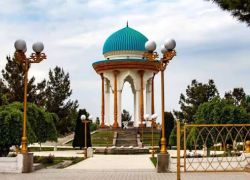
The Margilan Historical Museum is one of the most significant cultural institutions in Margilan, located in the Fergana Valley of Uzbekistan. This museum offers a deep dive into the rich history, culture, and traditions of the region. With its extensive collection of artifacts, manuscripts, and exhibits, the Margilan Historical Museum provides visitors with a unique opportunity to explore the historical and cultural legacy of the Fergana Valley. In this article, we will explore how to reach the museum, its history, architecture, what to do during your visit, and useful tips to make the most of your experience. How to Reach Margilan Historical Museum Reaching the Margilan Historical Museum is relatively easy, as Margilan is a well-connected city in the Fergana Valley. To get to Margilan, visitors can take a bus, train, or private vehicle from Tashkent, Fergana, or other cities in Uzbekistan. The train journey from Tashkent to Margilan takes approximately 5 to 6 hours, while buses can take 6 hours depending on the road conditions. Once you arrive in Margilan, the museum is located in the central part of the city, making it easily accessible from most parts of the town. You can hire a taxi or use local transport to reach the museum. If you're already in the city, it's also possible to walk to the museum as it is located near many other key landmarks. Weather in Margilan Margilan experiences a continental climate with hot summers and cold winters. The best time to visit the Margilan Historical Museum is during the spring (April to June) and autumn (September to November) when the weather is mild and pleasant. During these months, the temperature usually ranges between 20°C to 30°C (68°F to 86°F), making it ideal for sightseeing. In summer (July to August), the temperatures can rise above 35°C (95°F), so visitors are advised to take necessary precautions like wearing sunscreen, drinking plenty of water, and visiting in the early morning or late afternoon when it's cooler. Winter temperatures can fall below freezing, so if you are visiting in the winter, make sure to dress warmly. Why Famous for Margilan Historical Museum The Margilan Historical Museum is renowned for its extensive collection of artifacts that showcase the history, culture, and traditions of the Fergana Valley and the wider region of Central Asia. The museum is home to a variety of exhibitions that cover the ancient history of the region, including artifacts from the Silk Road, Islamic history, and the various dynasties that once ruled the area. In addition to its rich collection of historical items, the museum also offers insight into the daily life of the people of Margilan, with exhibits on traditional crafts, clothing, and domestic items. The museum is famous for preserving the heritage of the region and educating visitors about the cultural and historical significance of the Fergana Valley. Visitors often come to the museum to learn about the local history, the development of the city of Margilan, and the important role the region has played in the broader history of Uzbekistan. The museum offers a comprehensive and accessible experience for both local and international visitors interested in Central Asia’s rich past. Entry and Visit Details About Margilan Historical Museum The Margilan Historical Museum is open to visitors every day except for certain holidays, with the typical opening hours being from 9:00 AM to 6:00 PM. The entry fee is relatively affordable, making it accessible to both locals and tourists. Visitors should be aware that while the museum is open to all, it is advisable to arrive early in the day to avoid crowds, especially during peak tourist seasons. Entry to the museum is free for local residents, but foreigners are usually required to pay a small entrance fee. It is a good idea to bring a valid ID or passport when visiting to ensure smooth entry. Additionally, while there are no strict dress codes, modest attire is recommended, especially if you plan to visit religious or sacred sections of the museum. You may also want to bring a camera to capture the beautiful exhibits and the architecture of the building. However, it is advisable to check with the staff regarding the museum's photography policy before taking pictures. History and Architecture of Margilan Historical Museum The Margilan Historical Museum is housed in a traditional Central Asian building that reflects the region’s architectural heritage. The museum building itself is a fine example of local architecture, featuring elements like high arches, decorative tilework, and expansive courtyards. The building’s design is based on traditional Islamic architecture, with intricate patterns and colorful tiles that are characteristic of Central Asian monuments. The museum's history dates back to the late 20th century when it was established to preserve the cultural heritage of the Fergana Valley. The museum has since become one of the most important cultural institutions in the region, attracting both local and international visitors. It is a major center for preserving the history and traditions of the area and educating the public about the cultural significance of the Fergana Valley. Inside the museum, visitors can explore a variety of exhibits that showcase the region’s archaeological finds, including artifacts from the ancient city of Margilan, pottery, ancient weapons, textiles, and manuscripts. The museum also houses exhibits on the region’s prominent historical figures, local crafts, and the traditional way of life in Margilan. Things to Do at Margilan Historical Museum Explore the Exhibits: Take your time exploring the wide array of exhibits showcasing the region’s history, including ancient artifacts from the Silk Road, Islamic art, and traditional crafts. Learn About the History of Margilan: Learn about the development of Margilan, one of Uzbekistan's oldest cities, and its role in the broader context of Central Asian history. Enjoy Local Culture: The museum offers an excellent opportunity to experience the cultural heritage of Margilan, including traditional clothing, textiles, and handicrafts that are still produced in the city today. Visit the Courtyard: Relax in the museum's tranquil courtyard, a great place to unwind after touring the exhibits. Facts About Margilan Historical Museum The museum was established to preserve the rich cultural and historical heritage of the Fergana Valley and Margilan. The building itself is a representation of traditional Central Asian architecture, with high arches and intricate tilework. The museum has an extensive collection of ancient artifacts, including pottery, weapons, textiles, and manuscripts from the Silk Road era. The museum is an important center for learning about the history, culture, and traditions of Margilan and the surrounding region. The exhibits at the museum also cover the cultural and historical significance of famous figures and events in the history of Margilan and Uzbekistan. Tips for Visiting Margilan Historical Museum It is recommended to visit the museum early in the day, especially if you're traveling during the peak tourist season, to avoid crowds. Bring a valid ID or passport, as foreigners may be required to pay a small entrance fee. Consider hiring a local guide to get a more in-depth understanding of the museum's exhibits and history. Wear comfortable shoes as you will be walking through several rooms and sections of the museum. Don't forget to bring a camera to capture the beautiful exhibits and architecture, but be sure to check the photography policy at the museum. Dress modestly out of respect for local customs, especially if you plan to visit any religious sections of the museum.
Explore More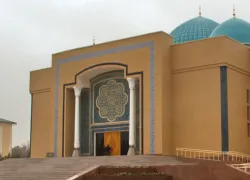
The Termez Archaeological Museum is a fascinating destination for history enthusiasts and travelers seeking to explore the ancient cultural heritage of Uzbekistan. Located in the city of Termez, in the southern part of the country, the museum is home to a rich collection of artifacts from the ancient civilizations that once thrived in the region. Termez, historically situated on the borders of ancient Persia, India, and the Greco-Roman world, has a rich history that spans thousands of years. The museum offers an extensive look at the archaeological treasures from these civilizations, including those from the Greco-Bactrian Kingdom, the Kushan Empire, and the Islamic period. How to Reach Termez Archaeological Museum The Termez Archaeological Museum is conveniently located within the city of Termez, which is in the southernmost part of Uzbekistan, close to the borders of Afghanistan. Getting to Termez is relatively straightforward for travelers from other major cities in Uzbekistan. The most common ways to reach Termez are by train, plane, or private transport: By Train: Termez is well-connected to other cities in Uzbekistan by train, with regular services from Tashkent (approximately 12-14 hours). The train ride is a scenic and comfortable way to travel through Uzbekistan. By Air: Termez has its own airport, Termez International Airport (TMJ), which offers flights from Tashkent (about 1.5 hours). This is a faster option for those who prefer air travel. By Private Transport: Taxis or private cars are available for hire from Tashkent and other major cities, which will take around 10-12 hours by road to reach Termez. Once you are in Termez, the museum is easily accessible by taxi or on foot, depending on where you are staying. Many hotels and guesthouses in Termez offer tour packages that include a visit to the museum, and local taxis can be hired to take you directly to the museum. Weather in Termez Termez has a continental climate, characterized by hot summers and cold winters. The best time to visit the Termez Archaeological Museum is during the spring (March to May) or autumn (September to November) when the temperatures are more moderate. During these months, daytime temperatures are usually between 20°C and 30°C (68°F to 86°F), which makes it comfortable for outdoor activities. Summer temperatures (June to August) can be extremely hot, often exceeding 40°C (104°F). It is advisable to visit early in the morning or in the late afternoon to avoid the midday heat if you plan to explore the museum and surrounding areas. Winter months (December to February) can be quite cold, with temperatures dropping below freezing, so visitors should prepare for chilly weather. Why Famous for Termez Archaeological Museum The Termez Archaeological Museum is famous for housing a diverse collection of artifacts that reflect the rich and varied history of the Termez region. This region has been a crossroads of civilizations for centuries, with influences from Persian, Indian, Greco-Roman, and Central Asian cultures. The museum's collection spans several periods, from the ancient Greco-Bactrian era to the Kushan Empire, Islamic rule, and beyond. One of the most notable aspects of the museum is its collection of Buddhist relics from the region's time as a major center of Buddhism. Termez and its surroundings were once part of the Kushan Empire, and the museum features many items related to the spread of Buddhism in Central Asia, including Buddhist statues, stupas, and ancient manuscripts. In addition to the Buddhist artifacts, the museum also houses Greek, Roman, and Persian items, showcasing the region's historical importance as a melting pot of different cultures and religions. The museum’s exhibits not only provide a fascinating look at the ancient history of Termez but also shed light on the Silk Road's role in facilitating cultural exchange between East and West. Visitors can learn about the different civilizations that passed through the region, contributing to its unique cultural heritage. Entry and Visit Details About Termez Archaeological Museum The Termez Archaeological Museum is open to visitors throughout the year. The museum charges a small entry fee, which helps to maintain the site and its collections. It is recommended to check the museum's opening hours before visiting, as they may vary depending on the time of year or any special events. The museum is generally open from 9:00 AM to 6:00 PM, with a break for lunch in the afternoon. It is closed on Mondays, so visitors should plan their visit accordingly. It is also a good idea to arrive early to avoid the crowds, especially during the peak tourist season. Guided tours are available for an additional fee and are highly recommended, as they provide in-depth information about the exhibits and the historical significance of the artifacts on display. The museum staff is knowledgeable and can provide insights into the artifacts' historical context and the role of Termez in the development of various cultures and religions. History and Architecture of Termez Archaeological Museum The Termez Archaeological Museum itself is an architectural masterpiece. The museum is housed in a modern building with a traditional Uzbek architectural style, featuring intricate tile work, decorative arches, and spacious courtyards. The museum was established to showcase the rich cultural history of Termez and the surrounding region. The building is well-designed to accommodate a large collection of artifacts while also providing a comfortable space for visitors to explore. The museum’s exhibits are organized chronologically, allowing visitors to trace the region’s history from prehistoric times to the medieval period. The museum showcases a variety of objects, including pottery, coins, statues, jewelry, and tools, all of which tell the story of Termez's long history. The displays are arranged thematically, with sections dedicated to the ancient Bactrian, Greco-Roman, Kushan, and Islamic periods. In addition to its permanent exhibits, the museum hosts temporary exhibits that feature artifacts from various archaeological digs in the region. These exhibits provide visitors with an up-to-date look at the ongoing research and excavations taking place in Termez and its surroundings. Things to Do at Termez Archaeological Museum Explore the Artifacts: Spend time viewing the museum’s extensive collection of artifacts, including Buddhist statues, pottery, coins, and ancient manuscripts that shed light on the history of the region. Take a Guided Tour: Enhance your experience by taking a guided tour. A local guide will offer valuable insights into the significance of the objects and the historical context of Termez. Learn About Ancient Civilizations: Discover how Termez was a melting pot for various cultures, including Persian, Greek, Roman, and Indian civilizations, and how it played a pivotal role in the spread of Buddhism across Central Asia. Photography: The museum is a great place to take photos of the exhibits and the stunning architecture. Make sure to ask for permission before taking photos in the galleries. Facts About Termez Archaeological Museum The Termez Archaeological Museum houses over 10,000 artifacts from the ancient history of the region. Many of the exhibits are from the Kushan Empire, which ruled over Termez during the 1st to 3rd centuries AD and played a major role in the spread of Buddhism in Central Asia. The museum also features artifacts from the Greco-Roman and Persian periods, highlighting Termez's position as a crossroads for various ancient civilizations. Termez was an important center of Buddhist learning, and many of the museum's exhibits showcase Buddhist relics, such as statues and inscriptions. Tips for Visiting Termez Archaeological Museum Dress comfortably and wear sunscreen, as the museum is located in a sunny region, and there is minimal shade outside. Consider visiting in the early morning or late afternoon to avoid the midday heat, especially during the summer months. Hire a local guide to make the most of your visit and gain a deeper understanding of the museum’s exhibits and their historical significance. Bring a bottle of water with you, especially during the summer months, to stay hydrated during your visit. Check for any special events or temporary exhibits at the museum before your visit, as these can offer additional insights into the history of the region.
Explore More