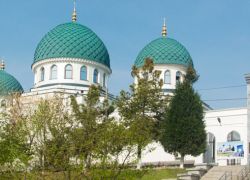
The Juma Mosque, also known as the Friday Mosque, is one of the oldest and most significant Islamic landmarks in Tashkent, Uzbekistan. Located in the heart of the city, the mosque has played an important role in the religious and cultural life of the people of Tashkent for centuries. Its unique blend of ancient architectural styles and modern features makes it a popular attraction for visitors interested in the history and heritage of Uzbekistan. How to Reach Juma Mosque, Tashkent The Juma Mosque is centrally located in the city of Tashkent, making it easily accessible from most parts of the city. If you’re traveling to Tashkent by air, you will arrive at Tashkent International Airport (TAS), which is about 12 kilometers (7.5 miles) from the mosque. From the airport, you can take a taxi or use a ride-sharing service like Yandex or Uber to get to the mosque in approximately 20-25 minutes. If you're already in Tashkent, the mosque is located near several key landmarks, including the Khast Imam Complex. You can take a taxi, use public transport, or even walk to the mosque if you are staying in the city center. The nearest metro station to the Juma Mosque is Alisher Navoi, which is around a 10-minute walk away. Weather and Timing for Juma Mosque Tashkent experiences a continental climate with hot summers and cold winters, so the best time to visit the Juma Mosque depends on your preferences. However, since the mosque is an indoor attraction, it remains open and accessible throughout the year regardless of the weather. Summer (June to August): Summers in Tashkent can be very hot, with temperatures often exceeding 40°C (104°F). Early morning or late afternoon visits are recommended to avoid the heat. The mosque is air-conditioned, so you can enjoy your visit comfortably. Autumn (September to November): The fall season is one of the most pleasant times to visit Tashkent, with temperatures ranging from 20°C to 30°C (68°F to 86°F). The weather is mild, and you can comfortably explore the mosque and other surrounding attractions. Winter (December to February): Winters in Tashkent can be cold, with temperatures sometimes falling below freezing. Despite the chilly weather, the mosque remains a warm and inviting space for visitors. Spring (March to May): Spring is another excellent time to visit, with temperatures ranging from 10°C to 20°C (50°F to 68°F). The pleasant weather makes it ideal for sightseeing around Tashkent and visiting the mosque. Why Famous for Juma Mosque, Tashkent? The Juma Mosque is renowned not only for its age and historical significance but also for its architectural beauty. The mosque's roots date back to the 9th century, although the current structure was built in the 19th century and has been renovated several times over the years. It is one of the oldest functioning mosques in Tashkent and an important religious site for the Muslim community in the city. The mosque is particularly famous for its stunning wooden columns and intricate carvings, which showcase the craftsmanship of Central Asian artisans. Unlike many other mosques, the Juma Mosque does not feature traditional domes but instead has a flat roof supported by wooden beams. The mosque’s distinctive features and peaceful atmosphere attract both worshippers and tourists alike. Entry and Visit Details about Juma Mosque, Tashkent The Juma Mosque is open to visitors throughout the week, but it is most active during prayer times, especially on Fridays. The mosque does not charge an entry fee, but donations are appreciated. Visitors are encouraged to dress modestly and respect the sacred nature of the mosque. Non-Muslim visitors are generally welcome to explore the mosque, but they should be mindful of prayer times and avoid disturbing the worshippers. The mosque is open daily from 9:00 AM to 6:00 PM, with breaks during prayer times. It is recommended to visit the mosque in the morning or late afternoon to avoid the busy prayer times and to take in the peaceful atmosphere of the mosque. History and Architecture of Juma Mosque The Juma Mosque is one of the oldest places of worship in Tashkent, with its history dating back to the 9th century. The mosque was initially built during the early Islamic period and has been renovated and expanded several times over the centuries. The mosque's current form was largely shaped during the 19th century, with further renovations made in the 20th century to preserve its structure. The mosque’s most striking feature is its architectural style, which combines Islamic, Persian, and Central Asian design elements. The mosque has a unique flat roof supported by large wooden beams, a characteristic that distinguishes it from other mosques in the region. The wooden columns inside the mosque are intricately carved, and the mosque’s interior is adorned with beautiful tilework and calligraphy. One of the most impressive aspects of the mosque is its large central prayer hall, which is filled with natural light. The mosque’s serene and spacious interior creates a peaceful environment for worshippers and visitors alike. The exterior of the mosque is equally beautiful, with a traditional courtyard, a large central entrance, and a series of arches and domes surrounding the mosque’s main building. Things to Do at Juma Mosque, Tashkent Admire the Architecture: Spend time appreciating the unique design of the mosque, from its wooden columns to the intricate tilework. It’s a great place to photograph the traditional Islamic architectural elements. Learn About the History: Learn about the history of the mosque and its importance in the religious and cultural life of Tashkent. Take a moment to reflect on the centuries of history that the mosque represents. Attend a Prayer: If you are in Tashkent on a Friday, consider attending the Friday prayers at the mosque. It’s a great way to experience the mosque’s atmosphere and participate in the local religious practices. Explore the Surrounding Area: The mosque is located near the Khast Imam Complex, which houses several other important religious buildings and historical sites. Take a walk around the complex to explore the surrounding gardens and structures. Facts About Juma Mosque, Tashkent The Juma Mosque is one of the oldest mosques in Tashkent, with its origins dating back to the 9th century. Unlike many mosques, the Juma Mosque does not have a traditional dome but features a flat roof supported by wooden beams. The mosque is known for its beautiful wooden columns, which are intricately carved with Islamic patterns and calligraphy. It is located in the heart of the city, near other significant landmarks such as the Khast Imam Complex. The mosque is an important place of worship for the Muslim community in Tashkent and a popular destination for visitors interested in Islamic architecture and history. Tips for Visiting Juma Mosque, Tashkent Dress Modestly: As the Juma Mosque is a place of worship, visitors are advised to dress modestly. Women should cover their heads with a scarf. Visit During Off-Peak Hours: To avoid the crowds during prayer times, try visiting in the early morning or late afternoon. Be Respectful: Respect the sacred nature of the mosque by speaking quietly and avoiding any actions that might disrupt worshippers. Check Prayer Times: If you’re interested in attending a prayer service, check the local prayer times before your visit to ensure you arrive at the right moment. Take a Guide: Hiring a local guide can enrich your experience as they can provide valuable insights into the history and architecture of the mosque.
Explore More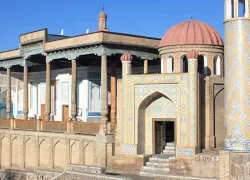
The Hazrat Khizr Mosque is one of the oldest and most beautiful religious structures in Samarkand, Uzbekistan. Overlooking the serene banks of the Siyob River and located near the famous Shah-i-Zinda necropolis, this mosque holds great historical and spiritual importance. It is named after Hazrat Khizr, a revered Islamic prophet and an immortal saint who is believed to have helped those in need and guided travelers. With its picturesque wooden columns, elegant frescoes, and breathtaking views of the ancient city, the Hazrat Khizr Mosque stands as a fine example of traditional Islamic and Uzbek architectural styles. The mosque remains an active place of worship and an important pilgrimage site for locals and visitors alike, symbolizing Samarkand’s spiritual heritage and artistic mastery. History of Hazrat Khizr Mosque The original Hazrat Khizr Mosque was built in the early Islamic period, around the 8th century, shortly after the Arab conquest of Samarkand. It is believed to be one of the first mosques constructed in the region. Unfortunately, the early structure was destroyed during the Mongol invasion led by Genghis Khan in the 13th century, which devastated much of the city. The current version of the mosque was rebuilt in the 19th century under the rule of the Emir of Bukhara. Over the years, it underwent several renovations, the most recent one being in the early 21st century. These restorations preserved the mosque’s original design while enhancing its artistic features. The site also gained renewed significance after Islam Karimov, the first President of independent Uzbekistan, was buried in its courtyard in 2016. This event turned the mosque into a national symbol of reverence and respect. Architecture of Hazrat Khizr Mosque The architecture of the Hazrat Khizr Mosque is a masterpiece that reflects a blend of traditional Central Asian and Persian styles. Built on an elevated platform, the mosque offers stunning panoramic views of Samarkand’s landmarks, including Registan Square and Shah-i-Zinda. Its exterior features a beautiful combination of red brick walls and blue tile decorations that give it a distinct and elegant appearance. One of the mosque’s most remarkable features is its wooden veranda supported by intricately carved pillars. Each wooden column is adorned with fine geometric and floral carvings that showcase the skill of Uzbek craftsmen. The roof and ceilings are richly painted with vibrant floral motifs and colorful frescoes, creating an atmosphere of serenity and spiritual charm. Inside, the prayer hall is modest yet beautifully decorated, with traditional Islamic calligraphy and delicate patterns. The mosque’s design allows natural light to flow through, creating a warm and peaceful environment for prayer. The minaret, though smaller than those of grander mosques, adds to the architectural harmony of the site. The surrounding gardens and courtyards enhance the beauty and tranquility of this sacred space. Why Hazrat Khizr Mosque is Famous The Hazrat Khizr Mosque is famous for its deep spiritual and historical significance. It is dedicated to Khizr (Khidr), a figure revered in Islamic tradition as a guide and protector of travelers. Many people believe that Hazrat Khizr brings good fortune and blessings, making the mosque an important pilgrimage destination. The mosque gained international recognition after the burial of Islam Karimov, Uzbekistan’s first President, within its complex. This event made it a site of national importance and a place where locals pay their respects to the leader who shaped modern Uzbekistan. Additionally, its location on a hilltop overlooking the ancient city and its striking architecture make it one of the most photographed landmarks in Samarkand. How to Reach Hazrat Khizr Mosque The Hazrat Khizr Mosque is conveniently located in central Samarkand, close to several major attractions. By Air: The nearest airport is Samarkand International Airport, approximately 7 km from the mosque. Taxis or private transfers can take you there in about 15–20 minutes. By Train: The mosque is about 5 km from the Samarkand Railway Station, which connects the city with Tashkent, Bukhara, and Khiva via the Afrosiyob high-speed train. You can take a taxi or local bus from the station. By Road: The mosque is easily accessible by car or taxi from anywhere in Samarkand. Many guided city tours include it as part of their itinerary, often combined with visits to Shah-i-Zinda and Registan Square. Weather in Samarkand Samarkand experiences a continental climate, with distinct seasonal changes. The best times to visit the Hazrat Khizr Mosque are during spring (April to June) and autumn (September to October). During these months, the weather is mild, and the skies are clear, offering excellent conditions for sightseeing. Summer months (June to August) can be quite hot, with temperatures rising above 35°C (95°F), while winters (December to February) can be cold, sometimes dropping below freezing. The mosque, with its elevated location, provides pleasant breezes in spring and fall, making those seasons ideal for visiting. Timing, Entry, and Visit Details The Hazrat Khizr Mosque is open daily to both worshippers and tourists. The typical visiting hours are from 9:00 AM to 6:00 PM, though prayer times may slightly affect accessibility to the interior. An entry fee of around 20,000–25,000 Uzbek Som (approximately 2–3 USD) is generally charged for tourists. Locals may have free or discounted access. Visitors are expected to dress modestly, covering shoulders and knees, as the mosque remains an active place of worship. Women are encouraged to bring a headscarf. Guided tours are available, providing deeper insights into the mosque’s history, legends, and architecture. The site is also well-lit at night, offering a different yet equally beautiful perspective. Things to Do at Hazrat Khizr Mosque Admire the carved wooden columns and colorful frescoes that decorate the mosque’s veranda and ceilings. Enjoy panoramic views of Samarkand from the elevated courtyard, especially at sunrise or sunset. Visit the tomb of Islam Karimov and pay your respects to Uzbekistan’s first president. Explore nearby attractions such as Shah-i-Zinda, Bibi-Khanym Mosque, and the Siyob Bazaar. Attend prayer sessions or local cultural gatherings to experience the spiritual essence of Samarkand. Interesting Facts about Hazrat Khizr Mosque The mosque is named after Hazrat Khizr, a legendary Islamic saint associated with immortality and guidance. It is believed to be one of the first mosques ever built in Samarkand, dating back to the early Islamic period. The current structure’s wooden pillars are considered some of the finest examples of traditional Uzbek woodcarving. From the mosque’s terrace, visitors can see the Registan Ensemble and Shah-i-Zinda complex. It is now a significant national monument because it houses the tomb of President Islam Karimov. Travel Tips for Visitors Visit early in the morning or late in the afternoon to avoid crowds and enjoy cooler weather. Dress respectfully; modest attire is required for both men and women. Photography is allowed, but avoid taking pictures during prayer times. Hire a local guide to learn about the mosque’s legends and historical importance. Carry some cash in Uzbek Som for entry fees and local souvenirs. Don’t miss the scenic views from the mosque’s elevated platform — perfect for panoramic photos of Samarkand. Conclusion The Hazrat Khizr Mosque is more than just an architectural gem; it is a living symbol of Samarkand’s spiritual and cultural continuity. Its elegant design, centuries-old history, and serene atmosphere make it a must-visit destination for travelers exploring Uzbekistan. Whether you come to admire its intricate craftsmanship, to learn about its legends, or to experience a moment of peace overlooking the city, the Hazrat Khizr Mosque promises a truly enriching experience that connects you to the timeless soul of Samarkand.
Explore More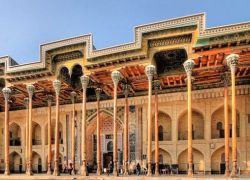
The Bolo Haouz Mosque is one of the most beautiful and historically significant landmarks in Bukhara, Uzbekistan. Located just opposite the grand Ark Fortress, this mosque is an exceptional example of traditional Central Asian Islamic architecture blended with Persian artistic elements. Known for its elegant wooden pillars, intricate ceiling carvings, and a reflecting pool (“haouz”) in front, the mosque creates a serene and picturesque atmosphere that captivates every visitor. Built in the early 18th century, the Bolo Haouz Mosque has been an important place of worship for centuries. Its name translates to “Mosque of the Children’s Pond,” referring to the small reservoir located in front of it, which adds both beauty and symbolism—representing purity and life. Even today, it stands as a spiritual and architectural gem of Bukhara, attracting worshippers and travelers alike with its peaceful ambiance and artistic brilliance. History of Bolo Haouz Mosque The Bolo Haouz Mosque was constructed in 1712 during the reign of Emir Shakhmurad, one of the last rulers of the Bukhara Khanate before Russian influence began to spread across Central Asia. The mosque was originally built as a Friday mosque, where the Emir and his court would attend the weekly congregational prayers. The pond in front of the mosque, known as the “haouz,” was part of a larger network of water reservoirs that once dotted the old city of Bukhara. These ponds provided both drinking water and social gathering places for residents. However, during the Soviet era, most of Bukhara’s ponds were drained to control malaria, but the one in front of Bolo Haouz survived, making it even more unique today. The mosque underwent restoration in the early 20th century, particularly during the reign of Emir Alim Khan. During this period, the iconic wooden columns and the decorated ceiling of the iwan (porch) were added, giving the mosque its distinctive and photogenic appearance. The building was later closed during the Soviet regime but reopened after Uzbekistan gained independence in 1991. Today, it is fully functional as a mosque and a popular tourist attraction. Architecture of Bolo Haouz Mosque The architecture of the Bolo Haouz Mosque reflects a harmonious blend of simplicity and grandeur. The mosque consists of a prayer hall, a winter hall, and a beautifully designed iwan (entrance portico). The most striking feature of the structure is the façade supported by twenty slender wooden columns, which are exquisitely carved and painted. These pillars were crafted from elm and feature intricate floral and geometric patterns, showcasing the skills of Bukharan artisans. The ceiling of the iwan is a masterpiece in itself, decorated with colorful ornamental paintings in red, gold, and turquoise hues. The reflection of the wooden pillars in the pond creates a mesmerizing visual effect, especially during sunrise and sunset. The main prayer hall is adorned with traditional Islamic motifs and calligraphy. The mihrab (niche indicating the direction of Mecca) is decorated with stucco work and delicate floral carvings. The combination of the mosque’s architectural proportions, symmetry, and artistic detailing makes it one of the finest examples of 18th-century Bukharan design. Why Bolo Haouz Mosque is Famous The Bolo Haouz Mosque is famous for its stunning wooden columned façade and picturesque location beside the reflecting pool. It stands as a symbol of Bukhara’s spiritual devotion and artistic excellence. The mosque is one of the few surviving monuments that combine both religious significance and unique architectural aesthetics. It is also notable for being the Emir’s official Friday mosque during the later periods of the Bukhara Khanate, where royal processions would take place. The structure’s visual harmony with the surrounding old city and its reflection in the pond make it one of the most photographed monuments in Uzbekistan. How to Reach Bolo Haouz Mosque The Bolo Haouz Mosque is conveniently located in the heart of old Bukhara, directly opposite the Ark Fortress and within walking distance from many of the city’s main attractions. By Air: The nearest airport is Bukhara International Airport, located about 5 kilometers from the city center. Taxis or private transfers take around 10–15 minutes to reach the mosque. By Train: The Afrosiyob high-speed train connects Bukhara with Samarkand, Tashkent, and Khiva. From the Bukhara Railway Station, it takes approximately 20 minutes by taxi to reach the mosque. By Road: Bukhara is accessible by bus, taxi, or private car from other major cities in Uzbekistan. Once in the old city, most attractions, including Bolo Haouz Mosque, are within walking distance. Weather in Bukhara Bukhara experiences a continental desert climate, with very hot summers and cold winters. The best seasons to visit the Bolo Haouz Mosque are spring (April to June) and autumn (September to October), when the weather is mild and ideal for sightseeing. During summer, daytime temperatures can rise above 38°C (100°F), so visiting in the early morning or late afternoon is recommended. Winters can be chilly, with temperatures dropping below 0°C (32°F), though the city takes on a calm and mystical charm during this season. Timings, Entry, and Visit Details The Bolo Haouz Mosque is open daily to visitors and worshippers. Visiting hours are typically from 9:00 AM to 6:00 PM, though entry may be restricted during prayer times, especially on Fridays. There is no fixed entry fee for visitors, but a small donation is appreciated to support the maintenance of the mosque. Photography is generally allowed outside and in the courtyard, but it is polite to ask permission before taking pictures inside the prayer hall. Visitors should dress modestly and remove their shoes before entering the mosque. Women are advised to cover their heads with a scarf out of respect for local customs. Things to Do at Bolo Haouz Mosque Admire the wooden pillars and painted ceiling, considered masterpieces of Bukharan craftsmanship. Take stunning photographs of the mosque and its reflection in the pond, especially during sunrise or sunset. Explore the nearby Ark Fortress and Registan Square, both within walking distance. Observe or participate respectfully in Friday prayers to experience the mosque’s spiritual atmosphere. Relax by the pond and enjoy the peaceful ambiance of old Bukhara. Interesting Facts about Bolo Haouz Mosque The mosque’s name means “Mosque of the Children’s Pond.” It is the only surviving mosque in Bukhara with an original pond still intact. The wooden columns are over 10 meters tall and were added during Emir Alim Khan’s restoration in the early 20th century. The mosque was included in the UNESCO World Heritage Site listing for the Historic Centre of Bukhara. The mosque continues to be an active place of worship, hosting regular prayers and religious gatherings. Travel Tips for Visitors Visit early morning for the best lighting and fewer crowds. Dress modestly to respect local customs and religious traditions. Carry water, especially in the summer months, as the area can get hot. Respect prayer times; avoid loud conversations or photography during worship. Combine your visit with nearby attractions like Ark Fortress and Po-i-Kalyan Complex. Conclusion The Bolo Haouz Mosque in Bukhara, Uzbekistan is a magnificent monument that beautifully reflects the city’s rich religious and artistic heritage. With its majestic wooden pillars, vibrant ceiling art, and tranquil pond, it offers a perfect blend of spirituality and architectural beauty. Whether you visit to admire its craftsmanship, learn about its history, or simply enjoy its peaceful surroundings, the Bolo Haouz Mosque promises an unforgettable experience that connects visitors to the timeless soul of Bukhara.
Explore More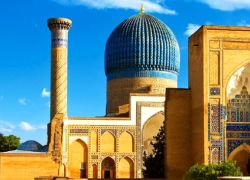
Chor Minor, Bukhara, Uzbekistan Chor Minor, also known as “Four Minarets,” is one of the most unique and picturesque landmarks in Bukhara, Uzbekistan. Unlike traditional mosques, this structure was originally part of a madrasa complex built in the early 19th century. Its charm lies in its four small towers crowned with beautiful blue domes, each representing a different style from various parts of the Islamic world. The monument is a symbol of Bukhara’s rich architectural diversity and spiritual legacy, and it continues to attract travelers with its distinct charm and serene atmosphere. History and Architecture of Chor Minor, Bukhara, Uzbekistan Chor Minor was built in 1807 by Khalif Niyazkul, a wealthy Bukharan merchant, as part of a madrasa complex. The name “Chor Minor” literally translates to “Four Minarets,” though the towers are not true minarets used for calls to prayer. Instead, they were constructed for decorative and symbolic purposes. The central building served as the entrance gate to the now-lost madrasa courtyard, while the four towers symbolized unity and diversity within the Islamic world. Each tower has a distinct design, reflecting architectural influences from Persia, India, and Central Asia. The turquoise domes glisten under the Uzbek sun, and the intricate brickwork adds depth and texture to the overall design. Though the main madrasa was destroyed over time, the gatehouse (which is the current Chor Minor structure) remains remarkably preserved and continues to be a treasured historical site. How to Reach Chor Minor, Bukhara, Uzbekistan Chor Minor is located on Khalifa Niyazkul Street in the heart of Bukhara’s old town, approximately 1.5 kilometers east of Lyabi-Hauz, one of the city’s main squares. Visitors can easily reach the site by walking, as most historical attractions in Bukhara are located within a compact area. If you’re traveling from Bukhara International Airport, the mosque is about 7 kilometers away, which takes around 15–20 minutes by taxi. Local taxis and private cars are available throughout the city. For those exploring on foot, following the signs from the Lyabi-Hauz complex will lead you directly to Chor Minor through charming narrow streets lined with traditional houses and souvenir shops. Weather at Chor Minor, Bukhara, Uzbekistan Bukhara experiences a desert climate, meaning it has long, hot summers and short, mild winters. The best time to visit Chor Minor is between April and June or from September to October, when the weather is pleasant and temperatures range between 20°C and 30°C. Summers can get quite hot, with temperatures soaring above 40°C, making early mornings or evenings the best times to explore. Winters are cooler, averaging between 5°C and 10°C, but still suitable for sightseeing. Timing and Entry Details of Chor Minor, Bukhara, Uzbekistan Chor Minor is open to visitors daily, generally from 9:00 AM to 6:00 PM. The opening hours may vary slightly depending on the season and maintenance schedules. The entrance fee is modest, often around 10,000 Uzbek Som for tourists, which may include access to a small souvenir shop inside the complex. The interior of the gatehouse features a small exhibition space where local crafts and artifacts are sometimes displayed. Why Famous for Chor Minor, Bukhara, Uzbekistan Chor Minor is famous for its architectural uniqueness and symbolic representation of cultural harmony. Unlike most Islamic monuments, it does not feature a grand prayer hall or massive dome, but instead, captivates visitors with its compact structure and whimsical design. The four towers, each different in decoration, are believed to represent the four directions or the four major schools of Islamic thought. The mosque has also become one of the most photographed landmarks in Uzbekistan due to its striking blue domes and tranquil surroundings. Things to Do at Chor Minor, Bukhara, Uzbekistan Visitors to Chor Minor can enjoy various activities that enhance their cultural experience: Explore the Architecture: Take time to admire the detailed brick patterns and the contrasting blue domes that create a perfect composition. Photography: The structure’s symmetry and colors make it a dream spot for photographers, especially during sunrise and sunset. Visit the Souvenir Shop: Inside the main gatehouse, local artisans sell traditional Uzbek handicrafts, ceramics, and textiles. Walk Around the Neighborhood: The narrow streets surrounding Chor Minor lead to traditional homes, tea houses, and small workshops offering a glimpse into daily Bukharan life. Learn Local Legends: Locals often share fascinating stories about the symbolism of the four towers and the life of the merchant who built the structure. Facts about Chor Minor, Bukhara, Uzbekistan Chor Minor was built in 1807 as part of a madrasa complex by Khalif Niyazkul, a wealthy merchant. The four towers are not actual minarets but decorative towers with individual motifs. Each tower’s dome is designed differently, possibly representing four corners of the world or four schools of Islamic law. The main building once served as a gateway to the madrasa, which was destroyed over time. It has been restored several times, especially after an earthquake damaged parts of the structure in the early 20th century. Chor Minor appears on the 200-som Uzbek banknote, symbolizing its national significance. Tips for Visiting Chor Minor, Bukhara, Uzbekistan Visit early in the morning or late afternoon to avoid crowds and capture the best photos in natural light. Wear comfortable footwear as the area around the monument is cobblestoned. Combine your visit with nearby attractions such as Lyabi-Hauz, Nadir Divan-Begi Madrasa, and Magoki-Attari Mosque for a complete heritage experience. Respect local customs when visiting religious or historical sites; modest clothing is recommended. Engage with local guides or vendors—they often share lesser-known stories about the monument’s past. Conclusion Chor Minor, with its distinct architecture and rich history, stands as a timeless treasure of Bukhara’s cultural landscape. Its four iconic towers, symbolic of unity and diversity, continue to inspire awe among travelers and historians alike. Visiting Chor Minor is not just about exploring a monument—it’s about experiencing the essence of Uzbekistan’s artistic heritage and spiritual legacy. Whether you are an architecture lover, a photographer, or a cultural explorer, Chor Minor offers a memorable glimpse into the heart of Bukhara’s glorious past.
Explore More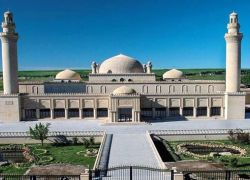
The Juma Mosque, also known as the Friday Mosque, is one of the most iconic and spiritually significant landmarks in Khiva, Uzbekistan. Located in the center of Ichan Kala—the inner walled city of Khiva and a UNESCO World Heritage Site—the mosque stands as a symbol of Islamic devotion and traditional Central Asian architecture. Unlike most mosques that feature tall domes and towering minarets, the Juma Mosque is unique for its simplicity and mystical atmosphere created by hundreds of wooden columns. Originally built in the 10th century and reconstructed in the late 18th century, the mosque is admired for its vast prayer hall supported by intricately carved wooden pillars, making it one of the most remarkable wooden structures in Central Asia. A visit to Juma Mosque provides travelers with a deep sense of peace, history, and artistic beauty. How to Reach Juma Mosque Juma Mosque is located within Ichan Kala, the ancient walled city of Khiva. The nearest airport is Urgench International Airport, about 35 kilometers from Khiva. From Urgench, visitors can take a taxi or minibus to reach Khiva in around 40 minutes. Regular train services also operate between Khiva, Bukhara, Samarkand, and Tashkent, making travel between Uzbekistan’s historical cities convenient and scenic. Once in Khiva, the mosque is easily accessible on foot since Ichan Kala is a compact, pedestrian-only area filled with historical monuments. The mosque lies close to other famous attractions like the Kunya-Ark Citadel and Kalta Minor Minaret, making it easy to explore as part of a walking tour. Weather at Juma Mosque Khiva experiences a desert continental climate characterized by hot summers and cold winters. The ideal time to visit Juma Mosque is during spring (April to June) and autumn (September to October) when temperatures are mild and comfortable. In summer, temperatures can soar above 40°C, so visitors are advised to carry water, wear light clothing, and use sunscreen. Winters, on the other hand, can be quite cold, often dropping below 0°C, so warm clothing is essential. The mosque’s interior remains cool during summer thanks to its design, while in winter, the thick walls help retain warmth, allowing visitors to explore comfortably throughout the year. Timings of Juma Mosque The Juma Mosque is generally open daily from 9:00 AM to 6:00 PM, although hours may vary during religious holidays or special prayers. Visitors are encouraged to visit early in the morning or late in the afternoon to enjoy a quieter atmosphere and better lighting for photography. Since the mosque is still used for prayers, visitors should respect prayer times and dress modestly when entering the sacred space. Why Juma Mosque is Famous The Juma Mosque is famous for its extraordinary architectural design and historical significance. Its most distinguishing feature is the vast prayer hall supported by 213 wooden pillars, each uniquely carved and some dating back to the 10th century. These pillars create a mystical, forest-like interior that symbolizes unity and endurance. The mosque’s flat roof, supported entirely by these wooden columns, is a rare architectural choice in Islamic construction, setting Juma Mosque apart from other mosques in Central Asia. Additionally, the mosque holds immense spiritual importance as the central Friday mosque of Khiva, where the local community gathers for congregational prayers. It stands as a symbol of Khiva’s deep-rooted Islamic traditions and artistic heritage. Entry and Visit Details about Juma Mosque Visitors can access Juma Mosque with a general entrance ticket to Ichan Kala, which usually costs between 50,000 and 100,000 Uzbek som for foreign tourists. The ticket covers access to most of the city’s monuments, including Juma Mosque. Additional fees may apply for guided tours. The mosque is well-maintained, and informational plaques in English, Russian, and Uzbek provide historical context. It is advisable to remove shoes before entering the prayer hall, as the site remains an active place of worship. Photography is allowed but should be done respectfully, avoiding prayer times. Restrooms, souvenir shops, and small cafes are located nearby, ensuring a convenient visit. History and Architecture of Juma Mosque The Juma Mosque has a rich history that traces back to the 10th century when it was first built to serve as the main congregational mosque of Khiva. The current structure, however, dates from the late 18th century, reconstructed under the rule of Khan Abdurahman Mekhtar. The mosque’s design reflects the ancient tradition of early Islamic architecture adapted to the desert environment of Khiva. It has no large dome or tall minaret but rather a flat roof supported by hundreds of wooden pillars, a design ideal for regulating temperature and providing stability against strong desert winds. Each of the 213 wooden pillars is a masterpiece of craftsmanship. Some of these columns were repurposed from older buildings or imported from ancient cities, featuring intricate carvings of floral motifs, geometric designs, and Arabic inscriptions. The prayer hall is illuminated by skylights carved into the roof, allowing natural light to filter in soft beams, creating a serene and spiritual atmosphere. The mihrab (niche indicating the direction of Mecca) is modestly decorated with carved stucco and tilework. This simplicity enhances the spiritual focus of the mosque while reflecting Khiva’s distinctive architectural elegance. Things to Do at Juma Mosque Visitors to Juma Mosque can engage in a variety of enriching activities: Admire the intricate wooden columns, each uniquely carved and representing centuries of artistic tradition. Experience the tranquil atmosphere inside the prayer hall, where sunlight streams through small openings in the ceiling. Learn about Islamic history and architecture from the museum exhibits and informational panels. Participate in a guided tour to gain insights into the mosque’s spiritual and architectural significance. Capture photographs of the mosque’s interiors and the surrounding Ichan Kala streets for lasting memories. Visit nearby attractions such as the Kunya-Ark Citadel, Kalta Minor Minaret, and Islam Khodja Minaret to complete your exploration of Khiva’s heritage. Facts about Juma Mosque Here are some fascinating facts about Juma Mosque: The mosque was originally constructed in the 10th century but reconstructed in the late 18th century by Khan Abdurahman Mekhtar. It contains 213 carved wooden columns, some of which are over a thousand years old. The mosque covers an area of approximately 55 meters by 46 meters. Juma Mosque has no domes or high minarets, making it architecturally unique among Islamic mosques. Natural light enters through small openings in the ceiling, giving the prayer hall a mystical glow. Tips for Visiting Juma Mosque Dress modestly, covering shoulders and knees, as the mosque is still a functioning place of worship. Remove your shoes before entering the prayer area. Hire a local guide to understand the mosque’s history, symbolism, and unique architectural features. Visit early in the day to avoid crowds and capture stunning photographs in soft natural light. Respect prayer times and avoid loud conversations inside the mosque. Carry a water bottle and wear comfortable shoes for exploring other nearby monuments in Ichan Kala. In conclusion, Juma Mosque in Khiva, Uzbekistan, stands as a timeless example of Islamic architecture and spiritual devotion. Its forest of carved wooden columns, serene atmosphere, and historical depth make it one of the most enchanting and distinctive mosques in Central Asia. Whether you are a history enthusiast, an architecture lover, or a spiritual traveler, visiting the Juma Mosque offers a truly unforgettable experience that connects you with the soul of ancient Khiva and the enduring heritage of the Silk Road.
Explore More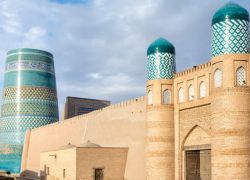
The Kuhna Ark Mosque, located inside the historic Ichan Kala of Khiva, Uzbekistan, is one of the most remarkable landmarks that reflect the grandeur of Khiva’s royal and religious life. Part of the larger Kuhna Ark Citadel complex, this mosque once served as the private place of worship for the Khans of Khiva and their royal court. The word “Kuhna Ark” translates to “Old Fortress,” symbolizing its position as the earliest fortified structure in Khiva. The mosque stands as a fine example of traditional Khorezm architectural design, showcasing intricate tilework, wooden columns, and beautifully painted ceilings. Visiting the Kuhna Ark Mosque allows travelers to step back into the glorious past of the Khiva Khanate, witnessing where rulers once prayed, discussed matters of state, and observed religious ceremonies. Today, it remains one of the most photographed and historically significant sites in Uzbekistan. How to Reach Kuhna Ark Mosque The Kuhna Ark Mosque is conveniently located within the Ichan Kala, the walled inner city of Khiva, a UNESCO World Heritage Site. The nearest airport is Urgench International Airport, situated around 35 kilometers from Khiva. From Urgench, travelers can reach Khiva in about 40 to 45 minutes by taxi, private car, or shared minibus. Train services also connect Khiva to other major Uzbek cities, such as Tashkent, Bukhara, and Samarkand, making the journey comfortable and scenic. Once in Khiva, the old town is entirely walkable, and the Kuhna Ark Mosque lies near the western gate of Ichan Kala, easily accessible by foot. The site is clearly signposted and often visited first due to its proximity to the main entrance of the citadel. Weather at Kuhna Ark Mosque Khiva has a desert climate characterized by hot, dry summers and cold winters. The best time to visit the Kuhna Ark Mosque is during spring (April to June) and autumn (September to October), when temperatures range between 20°C and 30°C, creating pleasant sightseeing conditions. In the summer months (July and August), temperatures can rise above 40°C, so it is advisable to visit early in the morning or late in the afternoon to avoid the heat. Winters (December to February) can be cold, with temperatures dropping below freezing, but the low tourist crowd makes for a peaceful and reflective visit. Regardless of the season, the clear blue skies and golden sunlight of Khiva make the Kuhna Ark Mosque a stunning sight throughout the year. Timings of Kuhna Ark Mosque The Kuhna Ark Mosque is open daily from 9:00 AM to 6:00 PM. Since it is located within Ichan Kala, visitors can easily explore it along with other nearby monuments such as the Kunya-Ark Citadel, Kalta Minor Minaret, and Juma Mosque. Early morning visits are ideal for photography, as the sunlight highlights the mosque’s intricate designs. Evening hours, especially during sunset, offer a magical atmosphere as the golden rays illuminate the blue tiles and domes of the complex. It’s advisable to check local timings during public holidays or festivals, as hours may vary slightly. Why Kuhna Ark Mosque is Famous The Kuhna Ark Mosque is famous for being an integral part of Khiva’s royal fortress and for its elegant blend of spiritual and architectural beauty. It was used by the Khiva Khans and their courtiers for Friday prayers and private religious gatherings. The mosque represents the spiritual heart of the citadel, where the rulers combined governance with devotion. What makes it particularly unique is its placement within the fortress itself—a symbol of the Khans’ divine right to rule. Its strikingly simple yet majestic design, adorned with turquoise tiles, intricate calligraphy, and carved wooden columns, showcases the craftsmanship of Khorezm artisans. Today, it attracts historians, architects, and travelers who come to admire its serene atmosphere and exceptional artistry. Entry and Visit Details about Kuhna Ark Mosque Entry to the Kuhna Ark Mosque is included in the general ticket for the Ichan Kala complex. The ticket usually costs between 50,000 and 100,000 Uzbek som for foreign visitors and gives access to most of the historical monuments in the walled city. The mosque is situated within the larger Kuhna Ark Citadel, which also houses a throne room, harem quarters, and a watchtower offering panoramic views of Khiva. Visitors are encouraged to explore the entire complex to appreciate the mosque’s historical significance in its original context. Modest dress is recommended, as this is a religious site. Photography is allowed, but it is advisable to be respectful when taking pictures, especially in areas where people may be praying or meditating. History and Architecture of Kuhna Ark Mosque The Kuhna Ark Mosque dates back to the 17th century and was constructed during the reign of Arang Khan. It was part of the royal fortress that served as both a residence and a center of governance for the Khiva Khans. The mosque played an important role in royal religious ceremonies, Friday prayers, and state events. It stands as one of the earliest surviving religious structures in the city and showcases the architectural evolution of Khiva during the Khorezm dynasty. Architecturally, the Kuhna Ark Mosque reflects the typical Khorezmian style, known for its delicate tilework, wooden columns, and symmetrical layout. The main prayer hall is covered with a flat wooden ceiling supported by carved columns, each one unique in its design. The mihrab (prayer niche) is beautifully decorated with intricate blue and white glazed tiles, symbolizing the direction of Mecca. The exterior walls are constructed of baked bricks, creating a robust yet elegant appearance. The use of natural light within the prayer hall enhances the spiritual experience, as sunlight filters through small windows, casting soft patterns on the floor. The design emphasizes both simplicity and sacredness, making it a fine representation of Central Asian Islamic architecture. Things to Do at Kuhna Ark Mosque Visitors to the Kuhna Ark Mosque can enjoy a variety of activities that combine history, architecture, and spirituality. Here are some recommended things to do: Explore the mosque’s prayer hall and admire its beautifully carved wooden columns and intricate ceiling designs. Study the mihrab area, which features exquisite tilework and Islamic calligraphy. Climb the nearby watchtower of Kuhna Ark Citadel for panoramic views of Ichan Kala and the Khiva skyline. Learn about the religious practices of the Khiva Khans and their connection between faith and governance. Capture the stunning architecture in photographs, especially during sunrise and sunset. Visit nearby historical landmarks such as the Kunya Ark Citadel, Kalta Minor Minaret, and the Juma Mosque for a deeper cultural experience. Facts about Kuhna Ark Mosque Here are some interesting facts about the Kuhna Ark Mosque: The Kuhna Ark Mosque was part of the royal citadel and served as the private mosque of the Khiva Khans. It dates back to the 17th century and is one of the oldest structures within Ichan Kala. The mosque’s prayer hall features intricately carved wooden columns, each one unique in design. The mosque combines religious function with architectural beauty, showcasing Khiva’s distinctive Khorezm style. It remains a symbol of Khiva’s royal and spiritual history, drawing both pilgrims and tourists. Tips for Visiting Kuhna Ark Mosque Wear modest clothing that covers shoulders and knees as a sign of respect for the religious site. Remove your shoes before entering the main prayer area. Visit early in the morning to enjoy quiet surroundings and take advantage of soft natural light for photography. Hire a local guide to learn about the mosque’s connection to Khiva’s royal history and religious traditions. Carry water and wear comfortable shoes as you will be walking through the Ichan Kala complex. Respect local customs and avoid loud conversations inside the mosque premises. In conclusion, the Kuhna Ark Mosque in Khiva, Uzbekistan, stands as a timeless symbol of faith, power, and artistry. It beautifully blends spirituality with history, offering visitors an authentic experience of the city’s royal heritage. With its elegant design, serene ambiance, and fascinating past, the mosque remains one of the must-visit attractions in Khiva. A visit here allows travelers to connect deeply with the cultural and religious soul of Uzbekistan, making it an unforgettable highlight of any journey through Central Asia.
Explore More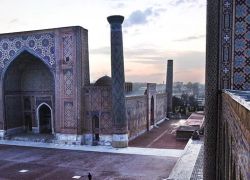
Amu Darya River and Urganch Central Mosque
The Amu Darya River and the Urganch Central Mosque are two iconic features of the city of Urganch, located in the Khorezm region of Uzbekistan. While the Amu Darya River is one of the largest rivers in Central Asia, shaping the landscape and economy of the region, the Urganch Central Mosque stands as a symbol of religious and architectural significance in the heart of the city. These two landmarks offer visitors a fascinating journey into the cultural, historical, and natural heritage of this area of Uzbekistan. How to Reach Amu Darya River and Urganch Central Mosque Reaching Urganch, where both the Amu Darya River and the Urganch Central Mosque are located, is relatively straightforward. The city is well-connected by road, rail, and air, making it accessible from various parts of Uzbekistan. The Urganch International Airport (URT) is the nearest airport, and it serves both domestic and regional flights, including from major cities like Tashkent, Samarkand, and Bukhara. From the airport, visitors can take a taxi or arrange for transport to reach the city center, where the mosque is located and where the Amu Darya River flows nearby. If traveling from other cities within Uzbekistan, you can take a train to Urganch Railway Station, which is well-connected with several major cities. Once in Urganch, you can take a short drive to reach both the Amu Darya River and the Central Mosque. The river runs along the outskirts of the city, and the mosque is situated in the city center, so they are easily accessible by taxi or on foot if you are staying nearby. Weather in Urganch The weather in Urganch is typically hot and dry, with a continental climate that features extreme temperature variations. Summers (June to August) can be particularly harsh, with temperatures often reaching over 40°C (104°F), making it one of the hottest regions in Uzbekistan. The best times to visit are during spring (April to June) and autumn (September to November), when the weather is more moderate, with temperatures ranging between 20°C and 30°C (68°F to 86°F). During winter (December to February), temperatures can drop below freezing, although the region is generally not as cold as other areas in Central Asia. Despite the desert climate, the river and the city offer a unique beauty that can be appreciated year-round, but visiting in the cooler months is more comfortable for sightseeing. Timings of Amu Darya River and Urganch Central Mosque The Amu Darya River is an open natural feature, and it can be visited at any time of the day. However, it’s best to visit early in the morning or late in the afternoon to avoid the harsh midday sun, especially during the summer months. There are various viewpoints along the river where visitors can enjoy panoramic views of the waterway and the surrounding landscape, making it an ideal place for photography and relaxation. The Urganch Central Mosque, on the other hand, is a religious site that generally operates according to prayer times. The mosque is open to visitors during daylight hours, typically from 9:00 AM to 6:00 PM, although it is closed during prayer times, particularly on Fridays. Visitors are welcome to observe the architectural beauty of the mosque, and if desired, they can also attend a prayer service. It is advisable to check the timings in advance to ensure a smooth visit, particularly if you're interested in experiencing a prayer session. Why Famous for Amu Darya River and Urganch Central Mosque The Amu Darya River, one of the most important rivers in Central Asia, is famous for its historical significance. It flows through Uzbekistan and serves as the lifeline for many regions, including Khorezm. The river has played a crucial role in shaping the geography, agriculture, and settlements in the region for centuries. The Amu Darya also has cultural and environmental importance, being a primary water source for the cities and villages along its banks. The river was historically important for trade routes, including the Silk Road, and served as a vital connection between Central Asia, Persia, and the rest of the world. The Urganch Central Mosque, on the other hand, is famous for its impressive architectural design and religious significance. The mosque is a beautiful example of modern Islamic architecture, incorporating both traditional elements and contemporary aesthetics. Its large domes, intricate tile work, and grand prayer hall make it one of the most important landmarks in Urganch. The mosque serves as the center of religious activity for the local Muslim population, and it is an important spiritual site for both residents and visitors. Entry and Visit Details about Amu Darya River and Urganch Central Mosque Entry to the Amu Darya River is free, as it is a natural feature and open to the public. Visitors can explore the riverbanks, take boat trips, or simply enjoy the scenic beauty surrounding the river. There are several viewpoints along the river where visitors can take photographs and observe the life around the river. While the river is an open site, it’s recommended to visit with a local guide or arrange a tour for better understanding and exploration. Visiting the Urganch Central Mosque is also free of charge, though donations are welcomed to support the upkeep of the mosque and its activities. Non-Muslim visitors are allowed to enter and admire the architectural beauty of the mosque, though it’s important to dress modestly when visiting. Women are generally expected to cover their heads, and both men and women should wear respectful clothing, covering shoulders and knees. Visitors may also wish to attend the mosque's prayer services, which are a unique cultural experience, particularly during the Friday Jumu'ah prayer. History and Architecture of Amu Darya River and Urganch Central Mosque The Amu Darya River is rich in history and plays a central role in the development of Central Asia. It has been the lifeblood of the region, supporting agriculture and settlements for thousands of years. The river's basin was home to the ancient Khorezmian civilization, which thrived along its banks. The river was also a critical part of the Silk Road, with trade caravans crossing its waters as they traveled between East and West. The architecture of the Urganch Central Mosque is a beautiful blend of traditional Islamic design and modern construction. The mosque features large prayer halls with intricate tile work, grand arches, and expansive domes. The design incorporates elements from various architectural styles found throughout the Islamic world, from the Central Asian region to the Middle East. Its grandeur and beauty make it a remarkable example of contemporary Islamic architecture in Uzbekistan. The mosque is a place of reflection and community for the Muslim population of Urganch and a must-visit for anyone interested in the religious and cultural architecture of the region. Things to Do Around Amu Darya River and Urganch Central Mosque There are several activities to enjoy around the Amu Darya River and the Urganch Central Mosque: Take a boat ride on the Amu Darya River and explore the surrounding landscapes, which offer breathtaking views of the desert and riverbanks. Visit the local bazaar in Urganch to experience the vibrant culture of the city and shop for local handicrafts, textiles, and traditional Uzbek products. Explore the nearby historical sites, including the ancient Khorezmian fortresses such as Ayaz Kala and Toprak-Kala, to learn about the region's rich history. Walk through the city center and admire the modern and traditional buildings, including the impressive Urganch Central Mosque. Engage in a peaceful afternoon by the river, watching the locals go about their daily lives along the Amu Darya's banks. Facts about Amu Darya River and Urganch Central Mosque The Amu Darya is one of the longest rivers in Central Asia, flowing for over 2,400 kilometers (1,500 miles) and crossing through several countries, including Uzbekistan, Turkmenistan, and Tajikistan. The Urganch Central Mosque was built in the late 20th century and is known for its blend of modern and traditional Islamic architectural styles. Both the Amu Darya River and Urganch Central Mosque play an important role in the cultural and religious life of the Khorezm region. The region surrounding the river is home to several important archaeological sites, including the ruins of ancient Khorezmian cities and fortresses. Tips for Visiting Amu Darya River and Urganch Central Mosque Wear comfortable footwear for walking around the mosque and exploring the riverbanks. Bring sunscreen and a hat if visiting during the hotter months, as the region can be very sunny. Dress modestly when visiting the mosque, and women should bring a headscarf to cover their hair. Consider hiring a local guide to help you explore the area and understand the historical significance of the sites. Take plenty of water with you, especially if exploring the river during the summer heat. In conclusion, the Amu Darya River and the Urganch Central Mosque are two of the most significant and visually striking landmarks in the Khorezm region of Uzbekistan. Whether you're exploring the historic river or marveling at the architecture of the mosque, these sites offer a rich experience for visitors looking to understand the culture, history, and beauty of Uzbekistan.
Explore More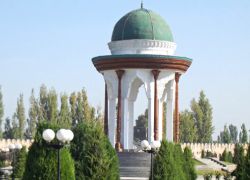
Chinaz Mosque, located in the city of Margilan in the Fergana Valley, Uzbekistan, is an important landmark that represents the rich cultural and religious history of the region. The mosque, with its stunning architecture and deep historical roots, stands as a symbol of Islamic culture in Uzbekistan. As one of the prominent religious sites in Margilan, the Chinaz Mosque attracts visitors who seek to explore the region's spiritual heritage, architectural beauty, and serene ambiance. In this article, we will provide detailed information about Chinaz Mosque, including how to reach it, its history, architecture, and things to do during your visit. How to Reach Chinaz Mosque Reaching Chinaz Mosque is relatively easy, thanks to Margilan's good transport connections. The city is well-served by road and rail, making it accessible from other major cities in Uzbekistan, such as Tashkent and Fergana. Visitors can travel to Margilan by train, bus, or private car. From Tashkent, the capital of Uzbekistan, you can take a train or a bus to Margilan. The train journey takes approximately 5 to 6 hours, while the bus ride is about 6 hours. Alternatively, if you prefer a more comfortable and faster option, you can hire a taxi or rent a car for the 5-hour drive to Margilan. Once in Margilan, the Chinaz Mosque is located in the central area of the city and is easily accessible by taxi, private car, or on foot. The mosque is situated in a peaceful neighborhood, and locals can easily provide directions if needed. Weather in Margilan Margilan experiences a continental climate with hot summers and cold winters. The best time to visit Chinaz Mosque is during the spring (April to June) and autumn (September to November) when the weather is mild and comfortable for sightseeing. The temperatures during these months generally range from 20°C to 30°C (68°F to 86°F). In summer (July and August), temperatures can reach as high as 40°C (104°F), making it less ideal for outdoor activities. If visiting during summer, it is advisable to come early in the morning or later in the evening when the temperatures are cooler. Winter months (December to February) can be quite cold, with temperatures dropping to below freezing, so visitors are recommended to dress warmly. Why Famous for Chinaz Mosque Chinaz Mosque is famous for its historical and religious significance in the Fergana Valley. The mosque has served as an important place of worship and a center of religious learning for the local Muslim population for centuries. Its location in Margilan, a city with a rich history and Islamic heritage, makes it a key landmark for anyone exploring the spiritual and architectural culture of Uzbekistan. The mosque is particularly known for its impressive architectural design, which features elements of traditional Islamic architecture unique to Central Asia. Visitors come to admire its symmetrical layout, ornate minaret, and intricate tilework. The mosque is also a spiritual center for the community, and its serene environment makes it an ideal place for reflection and prayer. Entry and Visit Details About Chinaz Mosque Chinaz Mosque is generally open to visitors throughout the week. Entry to the mosque is free, although donations are often welcomed to help with the upkeep of the site. As a religious place, it is important to observe local customs and dress modestly when visiting the mosque. Women are advised to cover their heads with a scarf, and both men and women should dress conservatively, covering their arms and legs. Visitors can visit the mosque at any time during daylight hours. However, it is best to visit in the morning or late afternoon, as the weather tends to be cooler and more pleasant during these times. The mosque is especially peaceful during prayer times, so visitors may want to consider timing their visit to experience the tranquil atmosphere. While the mosque is open to the public, it is also used for daily prayers, so visitors should be mindful of worshippers when exploring the site. It is always respectful to avoid disturbing others and to follow the guidelines set by the mosque authorities. History and Architecture of Chinaz Mosque Chinaz Mosque was built during the early 19th century and is an important part of the religious landscape of Margilan. The mosque was established during the rule of the Khokand Khanate, a period when the Fergana Valley experienced a flourishing of Islamic architecture and culture. The mosque reflects the typical architectural styles of the region, with influences from both Persian and Central Asian traditions. Architecturally, the Chinaz Mosque is characterized by its large central dome and the minaret, which rises high above the surrounding buildings. The mosque’s exterior is adorned with colorful tilework that features intricate geometric patterns, a hallmark of Islamic art. The interior of the mosque is equally impressive, with beautiful calligraphy and artwork that adorn the walls. The mosque's layout follows traditional Islamic principles, with a spacious prayer hall and an open courtyard that allows for ventilation and light. The large central dome is a focal point of the mosque's design and serves as a symbol of the vastness of God. The minaret, which stands tall next to the mosque, adds to the grandeur of the structure and serves as a call to prayer for the local community. Things to Do at Chinaz Mosque Explore the Architecture: Take time to admire the mosque’s beautiful tilework, intricate calligraphy, and grand dome. The mosque’s design is a testament to the skill and creativity of the builders who constructed it. Attend a Prayer Service: If you're visiting during prayer time, you may want to attend one of the mosque’s daily prayer services. It’s a great opportunity to experience the local culture and spirituality. Visit the Courtyard: The mosque has a peaceful courtyard that offers a tranquil setting for relaxation. You can sit, reflect, or simply enjoy the surroundings. Photograph the Site: Chinaz Mosque, with its impressive minaret and ornate tilework, provides a fantastic opportunity for photography. Capture the beauty of the mosque against the backdrop of the clear blue sky. Facts About Chinaz Mosque The mosque was built in the early 19th century during the rule of the Khokand Khanate. It is known for its large central dome, intricate tilework, and tall minaret. The mosque is a major place of worship and a community gathering point for the local Muslim population in Margilan. Chinaz Mosque is a prime example of Central Asian Islamic architecture, blending Persian and local styles. Visitors often come to the mosque for both religious purposes and architectural appreciation. Tips for Visiting Chinaz Mosque Dress modestly when visiting the mosque. Women should wear headscarves and both men and women should cover their arms and legs. Respect the local customs and the sanctity of the mosque. Avoid loud conversations and be mindful of worshippers during prayer times. Bring a camera to capture the mosque’s stunning architecture, but be respectful and avoid taking photos during prayers. Plan your visit during the early morning or late afternoon to avoid the midday heat, especially in summer. If you're interested in the mosque's history, consider hiring a local guide who can provide insights into its significance in the region’s Islamic heritage.
Explore More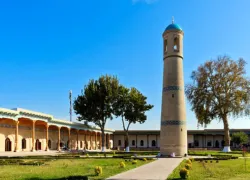
The Jami Mosque in Kokand is one of the most iconic and historically significant landmarks in the city of Kokand, located in the Fergana Valley of Uzbekistan. The mosque, known for its architectural beauty and cultural importance, stands as a testament to the Islamic heritage and history of the region. It is an important place of worship and a popular attraction for visitors interested in Uzbekistan's rich cultural and architectural heritage. How to Reach Jami Mosque Kokand, where the Jami Mosque is located, is well-connected to other cities in Uzbekistan by road, rail, and air. The most convenient way to reach Kokand from Tashkent is by train, which takes around 5-6 hours. Trains run regularly from the capital, providing a scenic journey through the Fergana Valley. For those flying into Uzbekistan, the nearest airport to Kokand is the Fergana International Airport, located about 60 kilometers away. From the airport, visitors can take a taxi or shared minibus (marshrutka) to Kokand. Once in Kokand, the Jami Mosque is easily accessible by taxi or on foot from most parts of the city. Weather in Kokand Kokand experiences a continental climate with hot summers and cold winters. The best time to visit the Jami Mosque and Kokand is during the spring (April to June) and autumn (September to November), when the weather is pleasant and mild. During these seasons, temperatures range from 20°C to 30°C (68°F to 86°F), making it comfortable for sightseeing and exploring the mosque. In summer, temperatures can reach above 35°C (95°F), which can make outdoor exploration uncomfortable, especially during the midday heat. Therefore, it is recommended to visit in the early morning or late afternoon during the summer months to avoid the heat. In winter, temperatures can drop below freezing, so it is best to wear warm clothing if you plan to visit during the colder months (December to February). Why Famous for Jami Mosque The Jami Mosque is famous for its architectural elegance and historical significance. It is one of the most prominent and revered mosques in the Fergana Valley, drawing both worshippers and tourists alike. The mosque was originally built in the 19th century during the reign of the Khudoyar Khan, the ruler of the Kokand Khanate, and it reflects the unique style of Islamic architecture that flourished in Central Asia during that period. The mosque is particularly known for its grand entrance and its elegant minaret, which stands tall and can be seen from various points in the city. Its large prayer hall, beautifully designed courtyards, and intricately detailed decorations make it a significant example of the region’s Islamic architectural style. The mosque is also famous for its central location in Kokand, making it a hub for religious, cultural, and community activities. One of the reasons for its fame is its association with the Kokand Khanate, a former regional power that ruled over much of the Fergana Valley. The mosque represents the cultural and religious influence of the Khanate and serves as an important reminder of the city’s historical significance in Central Asia. Entry and Visit Details About Jami Mosque The Jami Mosque is open to visitors year-round, and entry is free. However, since it is an active mosque, visitors are asked to be respectful of local customs and religious practices. If you wish to explore the mosque, it is best to visit during non-prayer hours to avoid disrupting worshippers. The mosque is open for tours during the day, and local guides are available to provide insight into the history, architecture, and cultural significance of the mosque. It is recommended to dress modestly when visiting the mosque, covering your shoulders and legs, in respect of local customs. Women may be required to wear a headscarf, so it’s advisable to carry one with you if you plan to enter the mosque. The Jami Mosque is located in the heart of Kokand, making it easy to access from the main square and other popular attractions in the city. If you are staying in Kokand, it is a short walk or taxi ride to the mosque from most hotels and the city center. History and Architecture of Jami Mosque The Jami Mosque in Kokand was built in the mid-19th century during the reign of Khudoyar Khan, the last ruler of the Kokand Khanate. The mosque was constructed to accommodate the growing population of Kokand and to serve as a center for religious and community life. It was part of a larger effort by the Khanate to promote Islam and strengthen its religious and political influence in the region. The mosque is an excellent example of traditional Central Asian Islamic architecture, blending elements of Persian, Turkic, and Timurid design. The main building is rectangular, with a large prayer hall and a tall minaret. The building is adorned with intricate tilework, geometric patterns, and Arabic calligraphy, all typical of Islamic art in Central Asia. The mosque’s central dome is one of its most impressive features. The dome is large and open, providing a grand space for prayers. The walls inside the mosque are decorated with colorful tiles, showcasing delicate floral patterns and Quranic verses. The prayer hall also contains beautiful wooden carvings and calligraphy, adding to the mosque’s charm. The minaret of the Jami Mosque is another standout feature of the building. Standing tall above the mosque, the minaret is decorated with intricate tile work and is a focal point of the mosque’s exterior. It provides a dramatic visual contrast to the surrounding buildings and adds to the grandeur of the mosque. Things to Do in and Around Jami Mosque Explore the Mosque’s Courtyards: Take a leisurely walk through the beautiful courtyards surrounding the mosque and admire the intricate tilework and design. Attend a Prayer Service: If you’re visiting during prayer time, attend a service to experience the mosque’s religious and cultural significance. Visit Other Historic Sites in Kokand: Kokand is home to many other historical landmarks, including the Khudoyar Khan Palace and the Juma Mosque, which are also worth exploring during your visit. Learn About the Kokand Khanate: Visit museums and historical sites in the area to learn more about the Kokand Khanate’s history, culture, and its role in Central Asia. Facts About Jami Mosque The Jami Mosque was built during the rule of Khudoyar Khan, the last ruler of the Kokand Khanate, in the mid-19th century. The mosque is known for its stunning minaret, which stands tall and can be seen from various parts of the city. It is one of the largest and most important mosques in the Fergana Valley. The mosque is decorated with intricate tilework and Arabic calligraphy, showcasing the region’s rich Islamic artistic tradition. It serves as an active place of worship for the local community and is also a popular tourist attraction. Tips for Visiting Jami Mosque Wear modest clothing that covers your shoulders and legs. Women should bring a scarf to cover their heads. Respect the mosque’s religious practices, and avoid visiting during prayer times if you do not wish to participate in services. Consider hiring a local guide to learn more about the mosque’s history and architecture. Take your time to appreciate the intricate tilework and carvings inside the mosque, as these are key features of Islamic architecture in Central Asia. Check the opening hours in advance, as the mosque may close for prayers or special events.
Explore More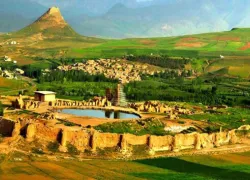
Zoroastrian Temple of Takht-i-suleiman
The Zoroastrian Temple of Takht-i-Suleiman, located in Termez, Uzbekistan, is one of the most significant and historically rich archaeological sites in Central Asia. This ancient temple was an important center of religious and cultural life for followers of Zoroastrianism, an ancient religion that predates Islam and has had a profound impact on the development of world religions. The temple is also associated with the legendary figure of Solomon (Suleiman in Islamic tradition), adding a layer of historical and religious intrigue to its already fascinating past. How to Reach Zoroastrian Temple of Takht-i-Suleiman The Zoroastrian Temple of Takht-i-Suleiman is located near the city of Termez, which is situated in the southernmost part of Uzbekistan, close to the border with Afghanistan. Here’s how you can reach the temple: By Air: The nearest major airport to Termez is Termez International Airport (TMJ), which is well-connected to Tashkent and other major cities in Uzbekistan. From the airport, you can take a taxi or public transport to reach the Zoroastrian Temple, which is about a 15-minute drive from the city center. By Train: Termez is also accessible by train from Tashkent, with the journey taking around 12 to 14 hours. Once you arrive in Termez, local taxis or buses can take you to the temple. By Road: If you're traveling by road, you can reach Termez by car or bus from Tashkent. The journey takes approximately 10 to 12 hours. From Termez, taxis and public transportation are available to the temple site. Weather in Termez Termez experiences a continental climate, with extremely hot summers and mild winters. The best time to visit the Zoroastrian Temple of Takht-i-Suleiman is during the spring (March to May) and autumn (September to November) when temperatures are moderate, ranging from 15°C to 25°C (59°F to 77°F). During summer (June to August), temperatures can exceed 40°C (104°F), making it challenging to explore the outdoor sites. If you plan to visit during the summer months, it's recommended to do so early in the morning or late in the afternoon. Winters (December to February) are generally mild, but temperatures can drop below freezing at night, so be prepared with warm clothing if visiting during this time. Why Famous for Zoroastrian Temple of Takht-i-Suleiman The Zoroastrian Temple of Takht-i-Suleiman is famous for several reasons, primarily its connection to Zoroastrianism, one of the world's oldest monotheistic religions. Zoroastrianism was founded by the prophet Zoroaster (or Zarathustra) in the 6th century BCE and influenced the religious traditions of Judaism, Christianity, and Islam. The temple is thought to have been a place of worship and ritual for Zoroastrians in the region, and it holds historical significance as one of the best-preserved Zoroastrian sites in Central Asia. The temple is also historically important due to its association with the legendary figure of Solomon, or Suleiman in Islamic tradition. The name "Takht-i-Suleiman" translates to "Throne of Solomon," and the site has long been associated with the Biblical and Quranic stories of King Solomon, adding a rich layer of religious and cultural intrigue to the site. Some scholars believe that the temple might have been dedicated to the worship of the god of fire, a central figure in Zoroastrianism. In addition to its religious and historical significance, the site is famous for its stunning architectural features, which reflect the blend of ancient Persian, Greco-Roman, and Central Asian influences. The temple's ruins provide a glimpse into the past, with its grand structure and impressive layout showcasing the advanced architectural techniques of its time. Entry and Visit Details About Zoroastrian Temple of Takht-i-Suleiman The Zoroastrian Temple of Takht-i-Suleiman is open to visitors year-round, with a small entry fee required for access. The site is maintained by local authorities, and while it may not be as crowded as some of Uzbekistan’s more famous attractions, it remains an essential visit for those interested in the region’s history and religious heritage. Opening Hours: The temple is generally open from 9:00 AM to 6:00 PM daily. However, it's a good idea to check with local guides or authorities for updated timings, as opening hours may change based on the season or for special events. Entry Fee: There is a small entry fee for the temple, which goes towards preserving the site and maintaining the surrounding area. The fee is affordable and helps support local conservation efforts. Guided Tours: While exploring the ruins, it is highly recommended to hire a local guide. The guides are knowledgeable about the site’s history, its connection to Zoroastrianism, and the significance of the temple in the context of Central Asian religious practices. Some guides also speak English, though it may be helpful to have some basic knowledge of the local language or have a translator with you. History and Architecture of Zoroastrian Temple of Takht-i-Suleiman The Zoroastrian Temple of Takht-i-Suleiman dates back to the pre-Islamic period and was likely built during the time of the Sassanian Empire (224–651 CE). This was a time when Zoroastrianism was the dominant religion in Persia and its neighboring regions, including parts of Central Asia. The temple was likely a place of worship dedicated to the Zoroastrian god Ahura Mazda, and it would have served as a religious center for Zoroastrian followers in the area. Architecturally, the temple is a fascinating example of early Persian and Central Asian design. The site consists of a large, elevated platform that is thought to have supported a grand structure, possibly a fire altar or a sanctuary dedicated to the worship of Ahura Mazda. The ruins of the temple show a mix of Sassanian and local architectural styles, with intricate stone carvings, columns, and decorative elements that suggest a highly sophisticated and culturally rich society. The temple's location atop a raised platform, also referred to as "Takht," is a characteristic feature of Zoroastrian temples, as it was believed that fire, an important element in Zoroastrian worship, should be kept high and elevated. The surrounding landscape, with its wide-open plains, was also seen as a symbolic setting for the temple, as Zoroastrians believed in the purity and sanctity of natural elements such as fire, water, and air. Things to Do at Zoroastrian Temple of Takht-i-Suleiman Explore the Ruins: The primary activity at the temple is exploring the ruins and observing the remnants of the ancient structure. Take time to admire the architectural features, such as the stone carvings and columns, and imagine what the site would have looked like during its prime. Learn About Zoroastrianism: Visiting the site offers an opportunity to learn about Zoroastrianism, one of the world’s oldest monotheistic religions. The temple was once a center of worship for Zoroastrians, and understanding the religious context of the site adds depth to your visit. Enjoy the Scenic Views: The temple's elevated position offers stunning views of the surrounding landscape. From the platform, you can take in the vast plains and rolling hills that stretch out before you, providing a peaceful and contemplative atmosphere. Photography: The temple’s ruins make for excellent photography opportunities, especially during the golden hours of sunrise and sunset when the light enhances the beauty of the site’s architecture and surroundings. Facts About Zoroastrian Temple of Takht-i-Suleiman The Zoroastrian Temple is believed to have been built during the Sassanian Empire, around the 6th century CE, making it one of the oldest surviving Zoroastrian sites in the region. The name "Takht-i-Suleiman" translates to "Throne of Solomon," which reflects the site’s association with the legendary figure of King Solomon, a connection that adds religious and historical intrigue to the site. The temple was likely dedicated to the worship of Ahura Mazda, the supreme god in Zoroastrianism, and was a place of fire worship, a key practice in Zoroastrian rituals. The site is located on a raised platform, typical of Zoroastrian temple architecture, symbolizing the elevation of fire and its purity in Zoroastrianism. Tips for Visiting Zoroastrian Temple of Takht-i-Suleiman Dress modestly and wear comfortable shoes, as you'll be exploring an archaeological site with uneven surfaces. Bring a bottle of water, especially if you're visiting during the hotter months, as the area can get quite warm. If you're interested in learning more about the history of the site, hire a local guide to get an in-depth understanding of its religious and cultural significance.
Explore More