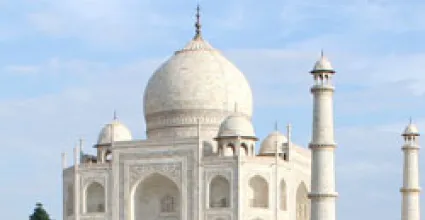
One of the most popular draws for the tourists Agra homes the Taj Mahal which is no less than a magical allure. Travellers from places far and wide crowd this spot just like the moths to a wondrous flame. Apart from the mesmerizing Taj Mahal, this city is sprinkled with magnificence and legacy of the Mughal Empire. Travel around this place and you will get to witness awe-inspiring forts, fascinating tombs and archaic mausoleums. You are missing out the fun if you haven’t caught glimpses of the bustling chowks or marketplaces. Agra sits on the banks of the river Yamuna in the northern state of Uttar Pradesh. It possesses a distinct history which is no less than a telltale. This city is crowded and chaotic and yet seems appealing to the eyes of a traveller. If you are eager to unleash the history and beauty of this popular city avail Agra Tours.
Explore More
New Delhi is the capital of India and is also colloquially referred as the country’s political hub. The national capital is bordered by Gurgaon, Noida, Ghaziabad and Faridabad. Many flock to the city throughout the year to earn a living and for taking admission in the renowned universities situated here.
Explore More
Also known as Bhagsu, or the Dalai Lama's residence, Dharamshala is a peaceful city located in the Kangra Valley of Himachal Pradesh. A number of Tibetan exile communities have been established here since the arrival of His Holiness Dalai Lama around six decades back. The unmatched natural beauty of the city would not only be a treat to the eyes but also be a respite for the restless soul. Dense coniferous forests, consisting mainly of Deodar Cedar trees add to the rustic charm of this city. Perched at an elevation of 1457 m above the sea level, this city is divided into two sections; the lower part is the common village of Dharamshala, the upper region is known a McLeodGanj. The city experiences mild snowfall during the winter and the summers are comparatively hot as the temperature reaches a high of 38o C. While visiting this alluring city, one will witness a number of passes lined with adventurous trekkers, shopping sites like Kotwali bazar, Naam Art Gallery and beauties of nature.
Explore More
Gangtok town is the capital of Sikkim. This hill station is the largest town in its state. Gangtok gained a distinguished status as a Buddhist Pilgrimage after the Enchey Monastery was set up here in 1840. Presently, the culture of Gangtok is predominant in Tibetan Buddhist ways. There are several monasteries and learning centres for Tibetology. People in Gangtok belong to many different tribes and religions. This adds diversity in the life of the town as well as the languages spoken there. The etymological derivation of the name Gangtok is unclear. However, the generally accepted meaning is ‘Hill Top’. The economy of Gangtok is mostlty driven by its tourism. Hence, the state government is making efforts to provide as much facilities as possible for them. Gangtok is a very clean town in a well-maintained and planned manner. The laws of the land are strictly followed. This town is a nice getaway from the city life.
Explore More
Jaipur is the capital city of Rajasthan and the largest one too. It was built in the eighteenth century by Sawai Jai Singh, ruler of Amber. It has been named after him. Jaipur is also known as The Pink City. It is a rapidly growing metropolitan with many existing and upcoming infrastructural developments. Receiving tourists throughout the year, this city is a major tourist destination for both domestic and international tourists. It is part of the tourist Golden Triangle of Delhi, Jaipur and Agra. The palatial structures of this city speak of its royal heritage and the buzzing city life describes the eloquent culture. The city is very distinctively planned according to the Vastu Shastra with all modern facilities while also preserving the ancient monuments, forts, temples, palaces and museums. The city palace of Jaipur is a very commonly featured location in Bollywood movies and songs. A part of this palace is home to the Royal Family.
Explore More
Jiasalmer is a town in the north-western region of Rajasthan. The city has been nick-named "The Golden city" because of the extensive use of yellow sandstones in most of the structures. It makes them appear golden. This city was founded in 1156 AD by Rajput King, Maharawal Jaisal Singh, after whom it has been named. The word Jaisalmer refers to "Hill Fort of Jaisal". The predominant culture in Jaisalmer is that of Bhati Rajputs. This region has been under the princely rule of Rajputs since its establishment. This city is in proximity with Pakistan and located amidst the Thar Desert. The fort and ancient havelis are reminders of the eminent past. The architecture of houses and other structures is typical to the Rajput clan. Today, it is a very popular destination for travellers who want to have unique experiences. The nigh safari in the desert is the most sought after activities.
Explore More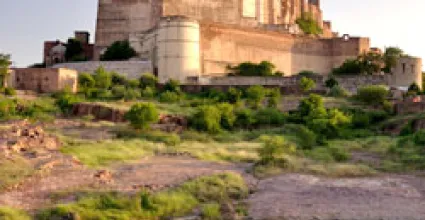
Jodhpur city of Rajasthan is the second largest one in the state. The city was founded in 1459 by a Rajput chief, named Rao Jodha. The city and other neighbouring territories under him were called Marwar State. This city is often referred to as Marwar for this reason. The other titles it has are Sun City, credited to the hot and bright sunny days all year round; Blue City, due to the similar looking blue houses set up around the fort and Gateway of Thar because it is situated at the threshold of this desert. This region has a rich history of being inhabited by Aryans and finds mention in the Ramayana as well. This city has a distinct landscape, surrounded by hills, a lake, Mehrangarh Fort and blue houses. Jodhpur is an upcoming metropolitan city with a historical backdrop. It is famed for its handicrafts and Rajasthani food. Lonely Planet placed this city on the top in a list of ‘most extraordinary places to stay’ in 2014.
Explore More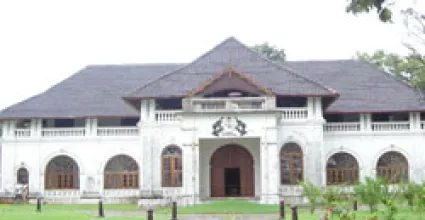
Kochi or Cochin is a bustling cosmopolitan city in Kerala. This ancient port city has been the battleground for all European powers in India. Titled as the ‘Queen of the Arabian Sea’, Kochi has been an important port, especially for spice traders. It is referred to as the commercial capital of Kerala. This city has been ranked sixth best tourist destination in India by a travel magazine. McKinsey Global Institute placed Kochi amongst the 440 emerging global cities that will have a 50% share of the world GDP by 2025. The city has a well-established infrastructure that adds to the economy, with special focus on tourism, sea trade and information technology. Kochi has a vibrant cultural diversity of not just domestic nature but also from influences of Portuguese, Dutch, Arab, Chinese, and Japanese who were prominent trade partners in old days. Tourists can witness this impact at many destinations during their visit here.
Explore More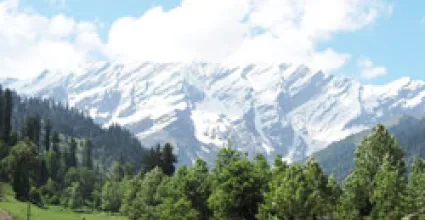
A perfect amalgamation of the mountain adventures and a peaceful sojourn describes the valley- Manali. Settled amidst the eye-soothing and green Beas river valley, Manali is situated at an altitude of 2,050 m (6,726 ft) and full of adventures that every travel enthusiast seeks. This place is a year-round magnet that witnesses the presence of various types of travelers like backpackers, honeymooners, adventure/thrill seekers, escapists, and much more. Manali is beautifully nestled amid the mountains of Himachal Pradesh with proximity to the northern end of the Kullu Valley. This popular hill station is known for its spellbinding landscape and nearby attractions, which are Rohtang Pass and Solang Valley. Tourists can enjoy the fresh mountain air and the taste of snow by landing on the elevation of 3978m, which is called as Rohtang La pass. Also, it is used as the base town for Manali-Leh highway as Leh is approx. 479 km away from here. When To Visit? Manali has its own charm that is spread throughout the year. But if you are in love with snow, then prefer the winter season (October to February). Winter starts setting in from the month of October and the temperature goes below 0° Celsius. The best time to visit Manali is ideally December to January when you can witness the snowcapped mountains. If you are visiting the place in summer (March to June), then also the place has a pleasant atmosphere and the temperature varies between 10 - 25° Celsius. This is the best time to enjoy the outdoor activities. The monsoon season (July – August) witness heavy rainfall and thus you should avoid this time. Manali- An Adventure Hub Thrill seekers can undertake activities like heli-skiing, hiking, mountaineering, trekking, zorbing, river rafting, etc., to settle down the crave of enrolling themselves into exciting adventures amidst the valleys. Unwind the Salong Valley, also known as Snow Valley, for activities like paragliding, parachuting, trekking, and mountaineering. You can also take participation in the winter skiing festival that is organized every year in Salong. Snow motorbikes, horse riding, zorbing and various other activities are offered here for the amusement of the tourists. Apart from indulging yourself into adventures, you can visit the top tourist attractions in Manali. What More To Explore? Manali is a place that equally serves the devotees. There are a lot of temples that you can visit including the Raghunath Temple and Jagannathi Devith Temple, which holds special significance. Hadimba Temple, a 14th-century temple, showcases amazing wooden architecture. Do not miss to visit Maa Sharvari Temple that is known for its picturesque location and ancestral connotation with the Kullu Kings. The top destinations in Manali are Salong Valley, Rohtang Pass, Kullu, Chandrakhani Pass and the Parvati Valley, Old Manali, Beas Kund, Manikaran, Bhunter, Nehru Kund, and much more. Where To Stay? Manali is certainly a bucolic retreat and has around 800 to 1000 hotels and guesthouses in and around the town providing a comfortable stay to the tourists. If you want a peaceful stay, then resorts would be the best option to choose. If you just want to relax for the day and want to stay in proximity with the town, then you can go for any budget to luxury hotels within the city depending upon your choice. Manali has a number of 3 star, 4 star, and 5-star hotels along with cottages, guest houses, villas and various other accommodation facilities. Manali tourism provides you a lot of things to explore. Another enjoyable thing to do in Manali is shopping from the quaint roadside stalls and street markets. You will find local handicrafts, beautifully woven shawls and unique souvenirs to take along with you. Take some of Manali's bric-a-brac to home by shopping from Mall Road, Old Manali Market, Tibetan Market, and Bhuttico. You can also take the help of a Manali travel guide to know more details about the place.
Explore More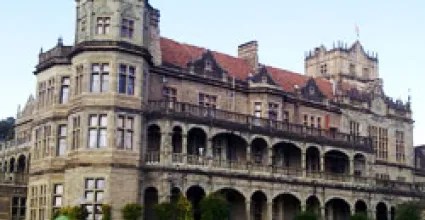
Shimla is the capital of Himachal Pradesh. The splendid beauty and pleasant climate of this town makes it one of the most preferred tourist destinations in India. Shimla was the summer capital during the British regime. The Victorian architecture of the town gives it a distinct appeal.
Explore More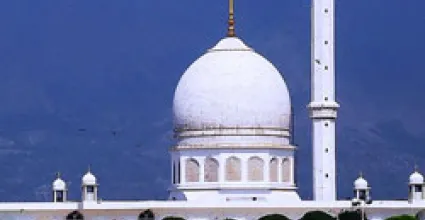
Srinagar is the summer capital of the paradise state of Jammu & Kashmir. A visit to Srinagar is a journey into the lap of nature with immense beauty of lakes, gardens and mountains. Sri is another name of Goddess Laxmi and the city has been named after her.
Explore More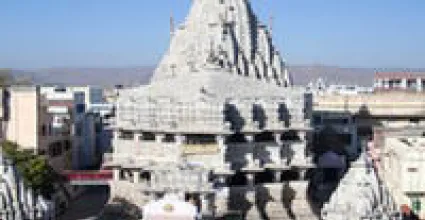
The city of Udaipur in Rajasthan served as the capital of the erstwhile state of Mewar. Maharana Uday Singh founded this city in 1553 and gave Udaipur its name. It has been called the ‘City of Lakes’ and ‘Venice of the East’. Apart from lakes, the historic palaces of this city are also very famous for their majestic beauty. This city is a very popular tourist destination among westerners and Indians both. The Bond movie, Octopussy, was shot here, particularly at the Monsoon Palace and Lake Palace. Udaipur is a much-preferred honeymoon destination also for its splendid locations that make it a romantic place. The people here are friendly and keep the atmosphere healthy. Its setting in the heart of Aravalli Hills gives a further boost to its made-made and natural beauty. The city has a well-developed infrastructure. It is a metropolitan city with a vibrant culture of its own.
Explore MoreBirding Tour for Corbett and Uttarakhand
9 Days/ 8 Night
Corbett - Pangot - Kumaon - Sundargarh - UP East - Sahibabad
5 Night 6 Days - Meghalaya Tour
6 Days/ 5 Night
Dawki - Cherrapunji - Shillong
Luxury Kerala Honeymoon Package Tree House
5 Days/ 4 Night
Munnar - Thekkady - Alleppey
6 Nights - 7 Days West Bengal Tour From Kolkata
7 Days/ 6 Night
Puri - Kolkata - Bhubaneswar - South 24 Parganas
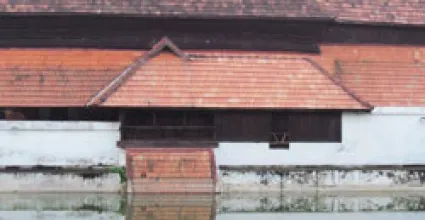
Alleppey is a well-known coastal town that lies in the Alappuzha district of 'Gods' Own Country' Kerala. It is considered as the oldest planned city in Kerala that stands on the top cleanest town in India followed by Mysuru and Panaji. Due to its beauteous surroundings, it is a picture perfect destination for spending the vacation. Tourists, especially honeymooners, prefer Alleppey as the place to spend the romantic holiday. The Geography & Climate Alleppey is set along the shoreline of the Laccadive Sea. With an elevation of 3.3 feet above the sea level, Alleppey spans an entire area of 1,414 km. sq. It is blest with the tantalizing surroundings that include the hillocks and calm backwaters. The climate of this coastal town is defined as a tropical humid in nature. During the scorching summers, the temperature shoots up to 42°C, whereas, falls down below 15°C during winters. Thus, exclude summers and choose any other month to spend an indelible holiday at Alleppey. The Must-Visit Places Alleppey is nature's bounty and is dotted with the beauteous surroundings in profusion. The places that lure visitors on a large scale include the names like Alleppey Beach, St. Andrew's Basilica, Ambalapuzzha Sri Krishna Temple, CSI Christ Church, Mannarasala Temple, and the local markets etc.
Explore More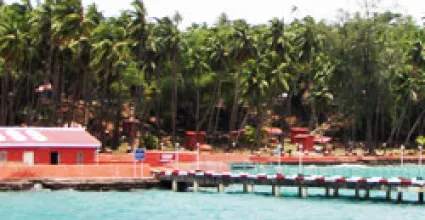
Port Blair is a town located in Andaman & Nicobar Islands and is also known for being the headquarters of Andaman and Nicobar Command. Port Blair is home to many museums, and naval base called INS Jarawa of the Indian Navy. Many travellers flock to the town to visit the Cellular Jail and various small islands, which have been earlier part of the British colonialism agenda. If one goes through the history of Port Blair, it can be found that this town of Andaman & Nicobar Islands has also been the headquarters of Azad Hind government operating under the leadership of Subhas Chandra Bose. The town also survived the Tsunami and 2014 Indian Ocean earthquake, and was also the base for relief efforts during the disaster. Some of the attractions of the town are Chidiya Tapu, Aberdeen Bazar, Chatham Island, Rajiv Gandhi Water Sports Complex etc. Port Blair has an average literacy rate of 89.76%. Male literacy rate contributes to 92.79% and female literacy rate contributes to 86.34%.
Explore More
Another snow-cladded splendor of Himachal, Dalhousie is one place that every traveler should add on his bucket list. Nestled in the picturesque setting, it is another of those cool creations that British forged for the countrymen. Founded by the viceroy whose name it bears, the hill station is situated in the vicinity of five hills, at an elevation of 1,920 above the sea level. The city is well known for its climate, which remains mostly pleasant throughout the year. It is during the winter when most honeymooners enter Dalhousie and relish the cozy climate that ranges from 10oc to less than 0oc. On a typical tour, travelers can explore the tree-shaded steep lanes, market areas at Subhash Chowk and Gandhi Chowk, British-era churches of St John (1863) and St Francis (1894), Dainkund Peak, Khajjiar, Bakrota Hills, Village Lohali, Bakrota Hills, Dalhousie Cantonment, Sadar Bazar, Tibetan Market, Panchpula, Kalatop and Kalatop Forest, etc.
Explore More
Leh Ladakh is yet another gem festooning the natural beauty that Jammu and Kashmir beholds. Perched at an altitude of more than 3,000 mts, Ladakh is snuggled between the Great Himalayan Mountains to the south and the Karakoram ranges in the north. It has a rich history that dates back to the Neolithic times when the Indo-Aryans and Tibetan descendants inhabited the area. One can still find people following Tibetan Buddhism and conversing in their own Ladhaki language in this area. Traveling to Leh Ladhak is a once-in-a-lifetime experience where you not only catch a glimpse of nature at its best but also enjoy a cool to extremely cold climate even during the hot summer months. It is a paradise for all the bikers and those looking forward to thrilling road trips. Some of the places that attract every traveler’s attention are Leh Palace, Stok Palace, Shanti Stupa, Hall of Fame, Tsemo Fort, Jama Masjid. Wanla Gompa, Sankar Monastery, Dha & Hanu, Nimu, Panikhar, Pnagong Tso Lake, Tso Kar Lake, Hemis Monastery, Likir Gompa and Thiksey Gompa and many more.
Explore More
Gulmarg is a serene hill station that is shrouded by majestic Himalayas and profuse green meadows. This beautiful place rests in arms of the Indian state of Jammu & Kashmir. Originally, it was named Gaurimarg by the local shepherds in honor of Goddess Parvati. The place was frequented by Mughal ruler Sultan Yusuf Shah of Chak dynasty and his queen Habba Khaatoon. The weather of Gulmarg remains cool throughout the calendar and drops below 00 celsius during the winter season. The green meadows get covered with the sparkling white blanket of snow. During the summer season, the snow melts and the weather remains pleasant during the days and turns cool at night. Due to its exuberant and scenic location, it has become a perfect place for spending a blissful vacation. There are places like Maharani temple, Alpather Lake, Ningli Nalla, a biosphere reserve that can be visited. The skiing slope is a prime attraction where adventure buffs gather for a thrilling experience of skiing.
Explore More
Munnar is an exotic hill station and town that is entrenched in Idukki district of God's Own Country, Kerala. Its name 'Munnar' means 'three rivers' due to the conflux of rivers Mudhirapuzha, Nallathani and Kundaly. The weather of Munnar remains cool during the days and nights winter season whereas the summer season witnesses warm weather during days and cool nights. The areas near hilly regions experience cool temperatures during all the whole year. Surrounded with prolific green surroundings including the tea plantations and breath taking valleys, Munnar is a hill station that is elevated 5,200 feet above the sea level and rests in laps of the ranges of Western Ghats. It has the evergreen forest that boasts an exotic flora and fauna. The popular flower namely Neelarkunji that blooms once in 12 years is an attraction whereas the fauna includes grizzled giant squirrel, langurs, endangered gaurs, Nilgiri wood pigeon etc. There are many locations that should be visited by the travelers. All the prime attractions include names like Attukad waterfalls, Kolukkumalai tea estate, Mattupetti dam, Echo point, Rose garden etc. that lure the travelers.
Explore More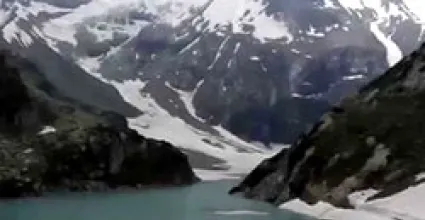
Pahalgam is a picturesque town located in the Anantnag district of Jammu & Kashmir. As a renowned tourists' hubs, the town is usually crowded during the peak times of the year. The climate here remains subtropical, cold and amiable during winters and mildly humid during summers. For tourists who are on their way to Amarnath Yatra, Pahalgam is a resting town for them where they seek solace in the scenic beauty. The Mughal manuscripts record Pahalgam as a town of the independent Kashmir. In the valleys of the dazzling Kashmir, Pahalgam resides as a land full of myths, mysteries, and folklores. Some of the enticing sightseeing spots here are Mamaleshwara, Baisaran, Tulian Lake, Village of Aru, and some others. Apart from this, tourists who visit here during a pleasant weather can go for various adventure sports like trekking, river rafting, mountaineering, para gliding, white water rafting, and some culture sports.
Explore More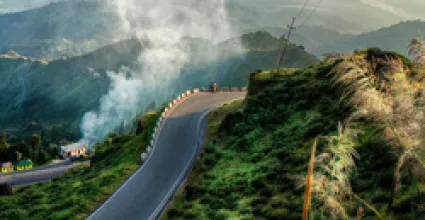
Darjeeling that is fondly called as "Queen of the Hills" is located at an altitude of 6,710 ft in the lesser Himalaya region and is a part of the state of West Bengal. The district has subdivisions like Kalimpong, Kurseong, Siliguri, etc. So, there are many tourist attractions in and around Darjeeling Hills. In the postmodern era, Darjeeling comprises 6 T's i.e. Tea, Teak, Tourism, Toy Train, Tiger Hill and Trekkers' paradise. So, Darjeeling is a pure delight for all kinds of tourists. Darjeeling is a wonderful place to explore as it abounds several tea estates, villages, and markets. The place is filled with people from Nepal, Tibet, nearby Indian States and Gorkhas. The third highest peak in the world and the highest one in India, the Kanchenjunga peak can be clearly seen from Darjeeling. Some of the most popular tourist attractions here include monasteries, botanical gardens, a zoo, and the Darjeeling - Rangeet Valley Passenger Ropeway cable car. For holiday goers, there are 2 seasons to visit the place, one between March to May and the other one is during October to November. These are the times when the sky remains clear and temperature remains moderately cool.
Explore More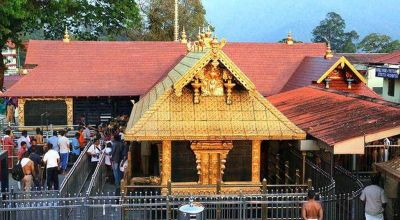
Pathanamthitta is an alluring destination located in Travancore region of 'God's Own Country' Kerala. This district was formed in the year 1982. The meaning of the name 'Pathanamthitta' means 'array of houses on the river sides'. The district is also known as the pilgrim center of Kerala as thousands of devotees visit the shrines located here amid the year. Pathanamthitta is located at an elevation of 62 feet above the sea level. Entrenched in the foothills of Western Ghats, it covers a complete area of 2,367 sq. km. Pathanamthitta is bordered by Kottayam & Idukki in North, Alleppey in West, Kollam in South and Tamil Nadu in East. Such serene geographical location describes its climate as a tropical-temperate. Whether it is summer season or winter season, the temperatures amid the year, remain warm and scale between 30°C-39°C. During the monsoon, a downfall is seen in the mercury level due to heavy rains. Pathanamthitta houses beautiful tourist destinations. The alluring Western Ghats are a tantalizing picnic spot and have Ayyappan Temple located on the hill top. The churches like St. George's Church, St. Mary's Church and others are like gems in the crown. The Perunthenaruvi Fall is another serene place in Pathanamthitta.
Explore More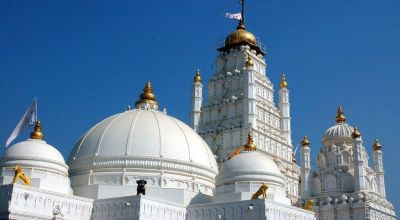
Dakor is a popular temple-town located in the Indian state of Gujarat. It is well-known for housing the Hindu shrine dedicated to Lord Ranchhodraji, a form of Lord Krishna. The astounding temple was constructed in the 17th century. Dakor is flocked by the tourists as well as devotees throughout the year. Thetown of Dakor is elevated 161 feet above the sea level. The major portion of land is a jagged plain. The climate of Dakor is classified as moderate in nature. It encounters scorching summers as the average mercury level scales between 35°C-39°C. The winters in Dakor are pleasant as the median temperature drops down and scales between 12°C-15°C. The city of Dakor is known as a temple-town as it houses the revered Hindu shrine of Shri Ranchhodraji. It is a temple that is carved beautifully from inside. The sanctum of the temple holds the idol of the deity it is dedicated to. During the festivals of Holi & Janamashatami, Dakor Ranchhodraji Temple is bedecked beautifully with flowers.
Explore More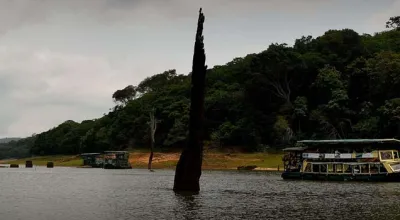
Thekkady is an attractive town that is located in the Idukki district of 'God's Own Country' Kerala. It is a beautiful destination for those that adore nature and its marvelous creations. The region of Thekkady is a picturesque landscape and the home to some exuberant mammalian species. The herd of elephant, deer, and bison can be spotted in Thekaddy. It welcomes hundreds of visitors amid the year. Thekaddy is hemmed in the alluring hills of Western Ghats. The River Thodupuzhayar flows through Thekaddy feeding its lofty terrains. The climate of Thekaddy is tropical wet in nature. It encounters the summer season with an average temperature of 37°C and mild winters with an average temperature of 21°C. A heavy downpour is received during the monsoon season with an annual average of 3000 mm. Thekaddy offers numerous attractions to the visitors. The must-visit places in Thekaddy are Periyar Wildlife Sanctuary, coffee plantations of Murikaddy, Mangala Devi Temple, along with the hilly terrains of the Western Ghats where the venture of trekking can be enjoyed.
Explore More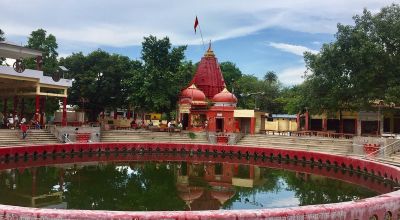
Sitapur is a historic city located in the northern part of Uttar Pradesh, India. Positioned about 90 kilometers from the state capital Lucknow, it lies along the banks of the Sarayan River. Sitapur holds cultural, religious, and historical importance, with roots tracing back to ancient times. The city is believed to have been established during the rule of Lord Ram's era and was later developed during the British period. Sitapur is known for its religious significance, with several temples and pilgrimage sites attracting visitors from nearby regions. Some of the popular spiritual spots include Naimisharanya (a sacred forest mentioned in Hindu scriptures), Chakratirth, Lalita Devi Temple, and Mishrikh Teerth. These places hold great importance for devotees and are visited throughout the year. Agriculture is the primary occupation of the people in Sitapur, with sugarcane, wheat, and rice being the major crops. The city also has a growing industrial base and is well connected by road and rail to major cities like Lucknow and Delhi. With a mix of tradition, spirituality, and developing infrastructure, Sitapur is a prominent district in Uttar Pradesh that reflects the cultural richness of the region while embracing modernization.
Explore MoreWest Bengal Tour Package 6 Nights & 7 Days
7 Days/ 6 Night
Kolkata
12 Nights Rajasthan Package From Jaipur
13 Days/ 12 Night
Ajmer - Bikaner - Jaipur - Jaisalmer - Jodhpur - Mount Abu - Pushkar - Udaipur
Rajasthan Tour Package 12 Night - 13 Days
13 Days/ 12 Night
Ajmer - Bikaner - Jaipur - Jaisalmer - Jodhpur - Mount Abu - Pushkar - Udaipur
11 Nights - 12 Days Nepal Tour From Gorakhpur
12 Days/ 11 Night
Prayagraj - Gorakhpur - Varanasi - Ayodhya - Kathmandu - Pokhara - Chitwan - janakpur
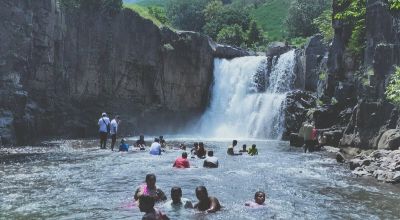
Kevadia, located in the Narmada district of Gujarat, is a scenic town best known as the home of the Statue of Unity, the world’s tallest statue. Nestled along the banks of the Narmada River and surrounded by the Satpura and Vindhya hills, Kevadia offers a perfect blend of nature, culture, and modern infrastructure. It has rapidly developed into a major tourist destination with attractions like the Valley of Flowers, Jungle Safari, and Sardar Sarovar Dam. Well-connected by road, rail, and air, Kevadia is ideal for travelers seeking a unique and enriching experience in the heart of Gujarat.
Explore MoreIndia is a country located in South Asia and is the 7th largest in the world in terms of area. India comprises of various geographical features like the Great Himalayan Range, Rann of Kutch, Thar Dessert and various rivers. On the western side, India is bordered by Arabian Sea, while on the eastern side it is surrounded by Bay of Bengal. The presence of so many natural features in & around India has allured large number of foreign tourists to this country. In recent times India has witnessed a vast boom in the tourism sector. It's all due to presence of various attractions and the right tourism potential, which is enough to captivate different types of tourists. Whether one is adventurer lover or a wildlife explorer, India has a lot to offer. Below are some of the common tours, Which are available for tourists visiting India.
1,270,272,105 (1.27 billion) by 2013
New Delhi
32,87,263 sq.km
Hindi
65.38 %
Indian rupee (INR)