"Unearth ancient ruins and stunning coastal views"
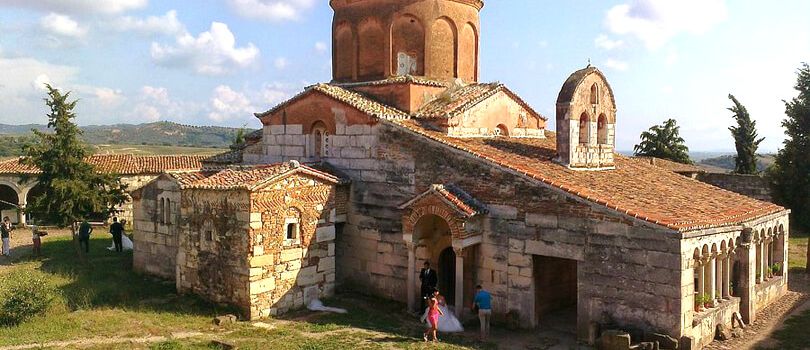
The Apollonia Archaeological Park, located in Fier, Albania, is one of the most significant ancient sites in the country. The park is home to the ruins of the ancient Greek city of Apollonia, which was founded in the 6th century BC. Known for its historical and cultural importance, Apollonia was once a major center for trade, philosophy, and education in the ancient world. The archaeological site is now a protected park that attracts history buffs, archaeologists, and tourists from around the globe. With its well-preserved ruins and stunning natural surroundings, the Apollonia Archaeological Park offers a fascinating glimpse into Albania’s ancient past.
How to Reach Apollonia Archaeological Park
Apollonia Archaeological Park is located around 12 kilometers west of Fier, in the southwestern part of Albania. The site is easily accessible by car, bus, or taxi. If you're traveling from Tirana, the capital city of Albania, the journey takes around 2 hours (approximately 120 km) via the A1 highway. Visitors can rent a car in Tirana and drive south through the picturesque Albanian countryside, which offers beautiful views of the surrounding landscape.
Alternatively, public buses run regularly between Tirana and Fier, making it a convenient and affordable way to reach the area. From Fier, you can take a taxi or a local bus to reach the archaeological park, which is located just a short drive from the town center.
Weather in Apollonia Archaeological Park
The climate in the Apollonia Archaeological Park is Mediterranean, with hot, dry summers and mild, wet winters. Summer temperatures typically range between 25°C and 35°C (77°F to 95°F), making it the peak tourist season for visiting the park. The weather during this time is ideal for outdoor exploration, with plenty of sunshine and warm temperatures.
In the winter months (December to February), the weather is cooler, with temperatures ranging from 5°C to 15°C (41°F to 59°F). While winters are mild, visitors may experience some rainfall. Spring (March to May) and autumn (September to November) are also pleasant times to visit, with mild temperatures and fewer tourists. These seasons offer comfortable conditions for walking and exploring the archaeological site without the summer heat.
Timing of the Visit
The Apollonia Archaeological Park is open to visitors year-round, and the park offers a full experience of the ancient ruins. The park is generally open from 8:00 AM to 7:00 PM during the summer months, with shorter hours during the winter months. It is advisable to visit the site early in the day, especially during peak tourist seasons, to avoid crowds and enjoy a more peaceful experience.
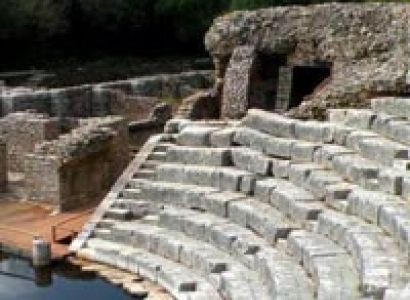
Visitors should allow at least 2 hours to explore the park, although you may want to spend more time if you're particularly interested in the history and archaeology of the site. The park is relatively large, and there are several notable ruins to explore, including the ancient theater, the temples, and the remains of residential buildings.
Why Is Apollonia Archaeological Park Famous?
Apollonia Archaeological Park is famous for being one of the most significant ancient sites in Albania. The city of Apollonia was founded by Greek colonists from the island of Corfu in the 6th century BC and became an important cultural, economic, and religious center in the ancient world. The city flourished under Roman rule and continued to be an influential city until the 3rd century AD.
The archaeological park is famous for its well-preserved ruins, which offer valuable insights into the city’s layout, architecture, and daily life. Among the most notable structures are the ancient theater, the Temple of Artemis, and the remains of public baths and residential houses. The park also features a small museum where visitors can learn more about the history and discoveries made at the site.
Entry and Visit Details about Apollonia Archaeological Park
Entry to Apollonia Archaeological Park is affordable, with a small entrance fee for adults. Students, children, and seniors typically receive discounted entry fees. The entrance fee gives visitors access to the entire park, including the ruins, the small museum, and other attractions within the archaeological site. The museum, located near the entrance, displays a collection of artifacts found during excavations, including pottery, sculptures, and inscriptions.
Guided tours are available for those who wish to gain a deeper understanding of the site’s history. The guides are knowledgeable and can provide insight into the various ruins, explaining their significance and offering context about daily life in ancient Apollonia. For those who prefer to explore independently, informative signs and placards are placed throughout the site, detailing the history of each ruin.
History and Architecture of Apollonia Archaeological Park
Apollonia was founded as a Greek colony in the 6th century BC and became one of the most important cities of the ancient Illyrian region. The city’s location near the Ionian Sea made it a key center for trade, and its influence extended far beyond Albania, with connections to Italy, Greece, and the eastern Mediterranean.
The city reached its peak during the Roman period, when it became a thriving metropolis and a center for culture, philosophy, and education. Apollonia was home to a famous school of philosophy, and the philosopher and statesman Gaius Octavius, who later became the Roman Emperor Augustus, studied here in his youth.
Archaeological excavations at the site have uncovered many impressive structures, including the ancient theater, which could hold up to 3,000 spectators. The theater was used for various performances, including plays and gladiatorial games, and is still partially intact today. Other notable structures include the Temple of Artemis, a large Roman bath complex, and residential buildings that reveal the urban planning and architectural style of the city.
Things to Do in Apollonia Archaeological Park
There are several activities that visitors can enjoy while exploring Apollonia Archaeological Park:
Interesting Facts About Apollonia Archaeological Park
Tips for Visiting Apollonia Archaeological Park