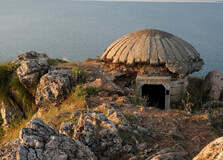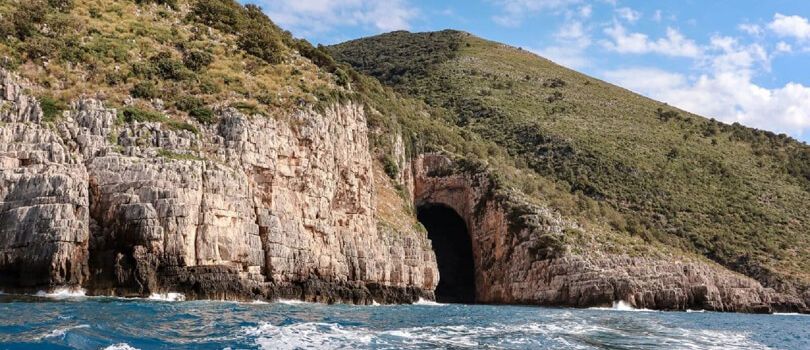
"Ancient rock formations in a hidden gem."
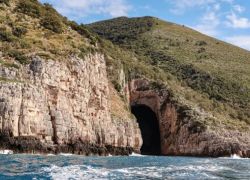
Gajtan Cave, situated in the Fier region of Albania, is one of the country's most fascinating natural wonders. Known for its breathtaking beauty and geological significance, this cave attracts both nature lovers and adventure enthusiasts. The cave is located within the hills of the Cakran Plain, which is a key geological area rich in limestone formations. Gajtan Cave is an essential destination for those interested in exploring Albania's hidden natural treasures and learning about the country's geological history. With its unique formations, underground streams, and historical context, Gajtan Cave promises an unforgettable experience for every visitor.
How to Reach Gajtan Cave
Reaching Gajtan Cave requires a bit of travel from the major cities of Albania. The nearest city is Fier, which is well-connected by road and can be easily reached from Tirana, the capital. If you're traveling from Tirana, the journey to Gajtan Cave will take approximately 2.5 hours by car. The main route is the SH1 highway, which passes through the scenic Albanian countryside. From Fier, you can take the local road that leads to the Gajtan Cave area, though this road can be rough, so a sturdy vehicle is recommended for the trip.
Public transportation options are limited, so visitors usually rent a car or use local taxis for the final leg of the journey. Once you arrive at the base of the cave, a short hike is required to reach the entrance. The terrain can be rocky and uneven, so it's important to wear sturdy shoes suitable for hiking.
Weather in Gajtan Cave
The weather in the region around Gajtan Cave follows a Mediterranean climate, with hot, dry summers and mild, wet winters. During the summer months, temperatures in the area can rise above 30°C (86°F), so it’s advisable to visit early in the morning or late in the afternoon to avoid the heat. Summer is also the most popular time for tourists to visit the cave, and the weather is ideal for hiking and outdoor activities.
In the winter months, temperatures drop significantly, with average lows around 5°C (41°F). Although it doesn’t snow heavily in the area, occasional rainfall makes the roads leading to the cave more slippery and challenging to navigate. If you plan to visit during the winter, be prepared with appropriate clothing and equipment. The cave's entrance can be a little colder, especially if you venture deep inside, so a light jacket or sweater is recommended.
Timing of the Visit
Gajtan Cave is open year-round, though the best time to visit is during the spring and autumn months (April to June and September to November). During these seasons, the weather is more comfortable for hiking, and the crowds are fewer compared to the peak summer season. The summer months (July and August) can be very hot, but they also offer the longest days, giving you ample time to explore the cave and surrounding area.
It’s important to note that the cave doesn’t have specific operating hours like a traditional tourist attraction. Instead, visitors are encouraged to visit during daylight hours, as the area is not lit up after dark, and it can be dangerous to navigate in low light conditions. Local guides are available during the day to provide tours of the cave and its surroundings.
Why Is Gajtan Cave Famous?
Gajtan Cave is famous for its remarkable geological features, including its ancient limestone formations, stalactites, and stalagmites. The cave is believed to have formed over thousands of years through the slow erosion of limestone by water, creating a stunning array of rock formations that are truly a sight to behold. The cave also holds historical and cultural significance. Some archaeologists believe that it may have been used by early human settlers or even as a refuge during periods of conflict, though this has yet to be conclusively proven.
The cave's accessibility and unique geological features make it a popular destination for both scientific study and eco-tourism. Researchers continue to explore and map the cave system, looking for clues about the ancient environment and early human activity in the area. Additionally, Gajtan Cave is situated in a region known for its natural beauty, with lush landscapes and diverse wildlife, making it a fantastic spot for nature photography and outdoor exploration.
Entry and Visit Details About Gajtan Cave
Gajtan Cave is free to visit, and no formal entry fees are required. However, visitors may choose to hire a local guide for a more informative experience. Guided tours can help you understand the geological processes that formed the cave and the historical context of the surrounding area. Local guides are knowledgeable and can point out interesting features of the cave that you might miss on your own.
Since the cave is located in a natural environment, there are no developed facilities such as restrooms or restaurants nearby. It’s advisable to bring water, snacks, and any other essentials you may need for your hike. If you plan to stay longer and explore the surrounding area, a picnic can be a great way to enjoy the natural beauty of the region.
History and Architecture of Gajtan Cave
The history of Gajtan Cave is not extensively documented, but its geological features indicate that it has been formed over millions of years. The limestone structures inside the cave, including stalactites and stalagmites, tell the story of water erosion and mineral deposits. The cave’s entrance is situated on the slopes of the Cakran Plain, a region known for its rich natural resources and ancient history. It’s believed that early settlers may have used the cave for shelter due to its strategic location and protection from the elements.
From an architectural perspective, the cave’s design is purely natural. The interior is adorned with intricate rock formations that are unique to caves formed in limestone. As you venture deeper into the cave, you’ll encounter narrow passages and expansive chambers, some of which still have traces of ancient minerals and calcite deposits.
Things to Do at Gajtan Cave
Visiting Gajtan Cave offers several exciting activities for outdoor enthusiasts and nature lovers:
Interesting Facts About Gajtan Cave
Tips for Visiting Gajtan Cave