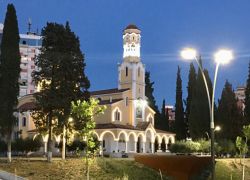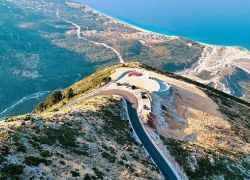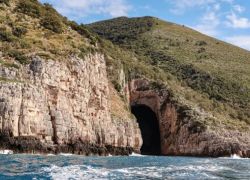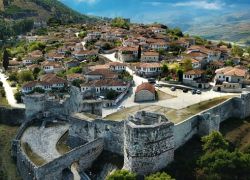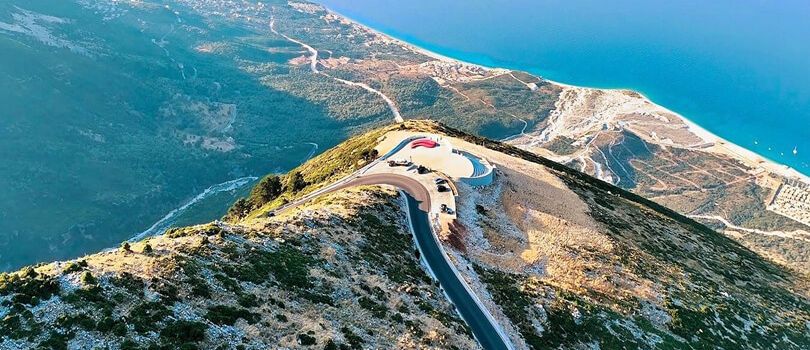
"Breathtaking views of the Albanian Riviera."
Llogara Pass is one of the most scenic and picturesque locations in Albania, offering breathtaking views and a unique experience for visitors. Located in the Ionian coast region, Llogara Pass is a mountain pass that connects the coastal town of Dhërmi to the interior of Albania, passing through the Ceraunian Mountains. The pass is renowned for its stunning natural beauty, dramatic landscapes, and its role in connecting the Albanian Riviera with the rest of the country. It is a must-visit destination for nature lovers, hikers, and anyone looking to experience Albania’s diverse geography and vibrant culture.
How to Reach Llogara Pass
Llogara Pass is easily accessible by car or bus from various cities in Albania. The most common starting point is the town of Fier, located approximately 50 kilometers to the north of the pass. From Fier, you can take the SH8 road, which leads south to the Albanian Riviera, passing through the stunning Llogara National Park and Llogara Pass. The drive offers a winding, uphill road with panoramic views, making it an adventure in itself. The journey from Fier to Llogara Pass takes about 1.5 to 2 hours, depending on traffic and road conditions.
If you’re traveling from Tirana, the capital of Albania, you can reach Llogara Pass in about 3 hours by taking the A2 highway and then following the SH8 road toward the coast. Public buses also operate between Tirana, Fier, and the coastal towns, including Dhërmi and Vlorë, from where you can continue to Llogara Pass by taxi or private transport. The drive is scenic and offers a chance to enjoy Albania’s natural beauty along the way.
Weather in Llogara Pass
Llogara Pass experiences a Mediterranean climate, characterized by warm, dry summers and mild, wet winters. Due to its location in the mountains, the weather at the pass can be quite different from the coastal areas below. Summer temperatures can range from 25°C to 35°C (77°F to 95°F) at lower elevations, but as you ascend the pass, the temperature becomes cooler. The higher you go, the more refreshing the air gets, making it a popular escape from the heat of the coast.
Winter in Llogara Pass can be chilly, with temperatures often dropping below freezing, especially in the higher altitudes. Snowfall is common during the winter months (December to February), creating a beautiful winter wonderland and making the pass less accessible. If you're planning to visit in winter, it's important to check weather conditions beforehand as the road can sometimes be closed due to snow or ice.
The best times to visit Llogara Pass are in the spring (March to May) and autumn (September to November) when the weather is mild, and the views are particularly spectacular. These seasons are ideal for outdoor activities like hiking and sightseeing.
Timing of the Visit
Llogara Pass is open year-round, but the best time to visit is during daylight hours, as the road can be challenging to navigate in the dark. It is advisable to visit during the morning or early afternoon to enjoy the best visibility and to avoid the colder temperatures in the evening, especially during the winter months. The pass is a popular spot for travelers heading to the Albanian Riviera, so you may find it more crowded during the summer months, particularly in July and August.
Why Is Llogara Pass Famous?
Llogara Pass is famous for its dramatic scenery and its strategic location, offering panoramic views of the Albanian Riviera, the Ionian Sea, and the surrounding mountains. The pass is a natural gateway to the Albanian Riviera, making it a key connection between the inland areas and the beautiful coastal towns of Dhërmi, Vlorë, and the beaches of the Ionian Sea. It is also well-known for being part of the Llogara National Park, which is rich in biodiversity and protected natural landscapes.
The pass is particularly famous for the views it offers to travelers as they drive through the winding road. At the highest point of the pass, you can enjoy a breathtaking vista of the Ionian Sea to the south and the rugged Ceraunian Mountains to the north. The contrast between the green forests, rocky cliffs, and deep blue sea creates a striking and unforgettable scene. It is no surprise that Llogara Pass is one of the most photographed locations in Albania.
Entry and Visit Details about Llogara Pass
Llogara Pass is a free public space and there is no entry fee to visit. Visitors can simply drive through the pass or stop at designated viewpoints to enjoy the scenery. There are also several cafés and restaurants along the pass where visitors can relax and enjoy the views while having a meal or a drink. The pass is popular with both tourists and locals, so it can get busy during peak seasons, particularly in summer.
The Llogara National Park, which encompasses the pass, is also home to several hiking trails, some of which lead to the highest points of the pass, where the views are even more spectacular. Visitors can explore the park on foot and experience the unique flora and fauna of the region, including oak and pine forests, as well as rare plant species.
History and Architecture of Llogara Pass
While Llogara Pass itself is a natural formation, it holds historical significance due to its strategic location. Throughout history, it has served as a vital trade route connecting the interior of Albania to the coastal towns. In ancient times, the pass was used by traders and travelers moving between the hinterland and the sea. During the Ottoman period, the pass played a significant role in facilitating the movement of goods and people.
In terms of architecture, Llogara Pass is not known for grand buildings, but its road infrastructure is an engineering marvel. The winding roads were carefully constructed to navigate the challenging mountain terrain, and today they offer an incredible driving experience with stunning views at every turn. The pass itself is a symbol of Albania’s natural beauty and the country’s ability to integrate human-made infrastructure with its rugged landscapes.
Things to Do in Llogara Pass
There are several activities to enjoy while visiting Llogara Pass, whether you're interested in scenic drives, outdoor adventures, or simply relaxing in nature:
Interesting Facts About Llogara Pass
Tips for Visiting Llogara Pass