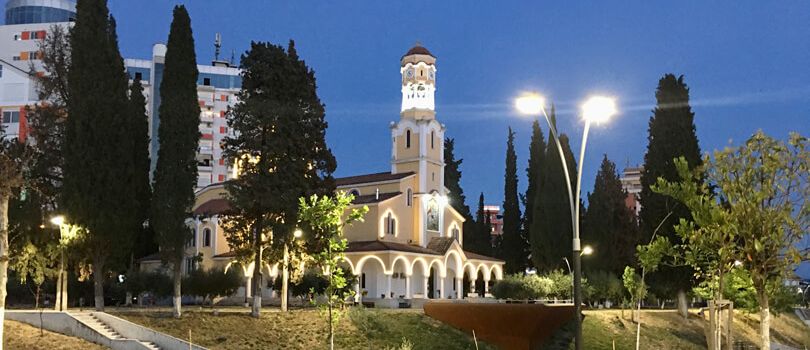
"Explore Albania's rich archaeological treasures and history."
The Fier Archaeological Museum, located in the city of Fier in southern Albania, is a fascinating cultural and historical destination for those interested in exploring the region's ancient past. The museum showcases an extensive collection of artifacts that trace the history of the area from the prehistoric period through to the Roman era. Fier, being strategically located in the fertile plains of the Adriatic coast, has been inhabited for thousands of years, and the museum presents an incredible overview of this rich heritage. From Greek pottery to Roman sculptures, the Fier Archaeological Museum is a must-visit for history enthusiasts and tourists exploring Albania’s diverse cultural landscape.
How to Reach The Fier Archaeological Museum
The Fier Archaeological Museum is located in the center of Fier city, which is easily accessible by road from other major cities in Albania. If you're traveling from Tirana, the capital of Albania, the museum is approximately 2 hours away by car, covering a distance of around 130 kilometers. The easiest route is to take the A1 highway, which connects Tirana to the southern cities of Albania.
For those traveling by bus, Fier is well-connected by public transportation. Buses from Tirana to Fier run regularly throughout the day, and the journey takes about 2 to 2.5 hours, depending on traffic. Once you arrive in the city, the museum is located just a short walk or taxi ride from the main bus station in the center of Fier.
Weather in Fier
Fier has a Mediterranean climate, which means it enjoys hot, dry summers and mild, wet winters. The summer months (June to August) are typically hot, with temperatures ranging from 25°C to 35°C (77°F to 95°F), making it an ideal time to explore the city and the museum. However, it is advisable to bring water and wear sunscreen as the sun can be quite intense.
Winter temperatures (December to February) are mild, usually ranging between 8°C and 16°C (46°F to 61°F). Rain is more frequent during the winter months, so it’s a good idea to bring a light jacket and check the weather forecast before visiting. Spring (March to May) and autumn (September to November) are pleasant times to visit, with mild temperatures, fewer tourists, and ideal conditions for walking and sightseeing.
Timing of the Visit
The Fier Archaeological Museum is generally open year-round, with the exception of certain holidays. The regular opening hours are from 9:00 AM to 5:00 PM, Monday through Saturday. It is closed on Sundays and during certain national holidays. The best time to visit is in the morning, as the museum tends to be quieter and provides a more relaxed atmosphere for exploring the exhibits.
If you are planning to visit during the summer, it is advisable to arrive early to avoid the afternoon heat and crowds. The museum is smaller compared to some other European museums, but it is well worth the visit for those interested in the rich history of Albania’s southern region.
Why Is The Fier Archaeological Museum Famous?
The Fier Archaeological Museum is famous for its impressive collection of artifacts that span several historical periods. The museum focuses primarily on the archaeology of the Fier region, highlighting the ancient civilizations that lived in the area. It is particularly famous for its exhibits from the Greek and Roman periods, as well as its collection of artifacts from the prehistoric Illyrian culture.
One of the museum’s most significant exhibits is a collection of pottery from the ancient Greek city of Apollonia, which was an important cultural center during antiquity. The museum also has an exceptional display of Roman and Byzantine coins, stone inscriptions, and sculptures that provide insight into the daily life, religious practices, and political structure of these ancient civilizations.
Entry and Visit Details about The Fier Archaeological Museum
Entry to the Fier Archaeological Museum is affordable, with a small entrance fee for adults. Children, students, and senior citizens often benefit from discounted entry fees. The museum also offers guided tours in multiple languages, including Albanian and English. The tours are led by knowledgeable guides who can provide a deeper understanding of the history and significance of the exhibits.
Visitors can also explore the museum independently, with the help of informational plaques and descriptions available in both Albanian and English. The museum is well-maintained and organized, making it easy to navigate and enjoy the exhibits at your own pace. Although it’s not a large museum, the collection is rich in historical value, providing an excellent introduction to the archaeological history of the region.
History and Architecture of The Fier Archaeological Museum
The Fier Archaeological Museum was established in 1960 and is located in a building that was originally designed as a cultural center. The museum was founded to preserve and display the artifacts uncovered during excavations in and around Fier. The surrounding area has been inhabited since prehistoric times, and archaeological excavations have revealed numerous artifacts and structures that reflect the rich cultural heritage of the region.
The architecture of the museum itself is modern and functional, with spacious exhibition halls that showcase the collections in an organized manner. The design of the building is simple, yet effective in creating an atmosphere that enhances the historical experience for visitors. The museum is set amidst the beautiful surroundings of the city of Fier, and the large windows allow natural light to flood the interior, providing a welcoming environment for visitors.
Things to Do in The Fier Archaeological Museum
There are several things visitors can do when they visit the Fier Archaeological Museum, which make for an enriching cultural experience:
Interesting Facts About The Fier Archaeological Museum
Tips for Visiting The Fier Archaeological Museum