"Journey through diverse cultures and traditions."
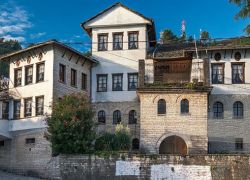
The Ethnological Museum of Gjirokaster is one of the most important cultural attractions in southern Albania. Located in the historic old town of Gjirokaster, a UNESCO World Heritage Site, the museum offers visitors a deep insight into traditional Albanian lifestyle, customs, and social structure. Housed in a beautifully preserved Ottoman-era stone house, the museum reflects the architectural elegance and cultural richness for which Gjirokaster is famous.
This museum is especially significant because it represents everyday life rather than royal or military history. Through its rooms, objects, and layout, visitors can understand how Albanian families lived, worked, and interacted over centuries. A visit to the Ethnological Museum is an essential experience for anyone interested in Albanian heritage and traditional Balkan culture.
Why the Ethnological Museum Is Famous
The Ethnological Museum is famous for its authentic presentation of traditional Albanian domestic life during the Ottoman period. Unlike modern museums with glass cases and digital displays, this museum preserves rooms as they originally functioned, allowing visitors to feel as if they have stepped back in time.
It is also well known because the building was once the birthplace of Enver Hoxha, Albania’s former communist leader. Although the museum focuses on ethnography rather than politics, this historical connection adds to its significance and attracts many visitors interested in Albania’s complex past.
History of the Ethnological Museum
The original house on this site dates back to the 18th century and was built in the traditional Gjirokaster style. After being damaged by fire in the 19th century, it was rebuilt in 1966, carefully following original architectural methods and materials.
The building was later converted into the Ethnological Museum to showcase Albanian cultural traditions, family life, and social customs. Over the years, it has become one of the most visited museums in Gjirokaster, playing a vital role in preserving and presenting Albania’s intangible cultural heritage.
Architecture and Building Design
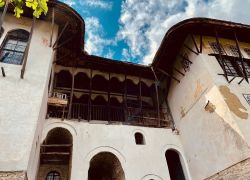
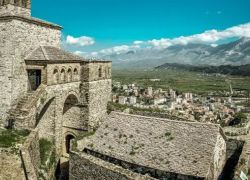
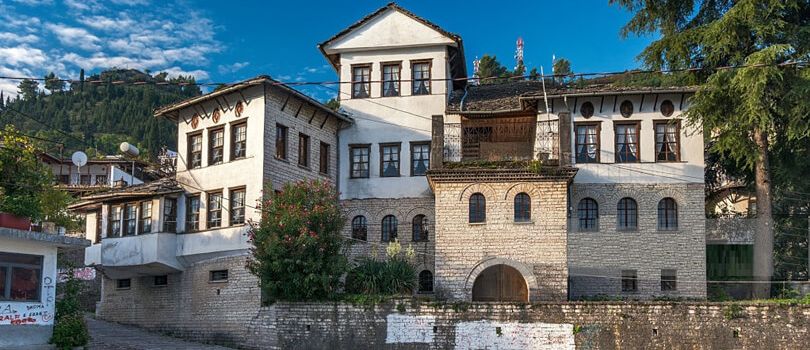
The Ethnological Museum is a classic example of Gjirokaster’s Ottoman-style stone architecture. The house is built with thick stone walls, wooden ceilings, and a tower-like structure that reflects both defensive and residential purposes. Large windows allow natural light while offering views of the old town.
Inside, the museum features multiple floors connected by wooden staircases. Rooms are arranged according to their original functions, including living areas, guest rooms, kitchens, storage spaces, and family quarters. The detailed woodwork, carved ceilings, and stone fireplaces highlight the craftsmanship of the period.
How to Reach the Ethnological Museum
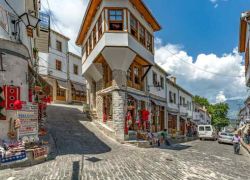
The Ethnological Museum is located in the historic old town of Gjirokaster, close to other major attractions such as Gjirokaster Castle and the Old Bazaar. Visitors can easily reach the museum on foot while exploring the old town.
From Tirana, Gjirokaster can be reached by car or bus in approximately four to five hours. Regular buses operate from Tirana, Saranda, and other major cities. Once in Gjirokaster, taxis are available, but walking is the best way to navigate the narrow cobblestone streets of the old town.
Weather and Best Time to Visit
Gjirokaster experiences a Mediterranean climate with hot summers and mild winters. Summer temperatures can reach up to 35°C, while spring and autumn are generally pleasant and comfortable for sightseeing.
The best time to visit the Ethnological Museum is from April to June and from September to October. During these months, the weather is ideal for walking through the old town and exploring indoor and outdoor attractions without extreme heat.
Timing and Entry Details
The Ethnological Museum is usually open daily, with visiting hours typically from morning until late afternoon. Exact timings may vary slightly depending on the season, so it is advisable to check locally before visiting.
There is a small entry fee to visit the museum, which helps support maintenance and preservation efforts. Tickets can be purchased at the entrance. Guided tours may be available and are recommended for a deeper understanding of the exhibits.
Things to Do at the Ethnological Museum
Visitors can explore traditional rooms furnished with original household items such as wooden furniture, textiles, carpets, kitchen tools, and clothing. Each room tells a story about family life, hospitality, and social traditions in Albanian culture.
Photography is allowed in many areas, making it a great place to capture architectural details and cultural elements. Visitors can also combine their museum visit with a walk through the Old Bazaar and nearby historic houses to gain a broader view of Gjirokaster’s heritage.
Interesting Facts About the Ethnological Museum
The museum building has over a dozen rooms, each serving a specific purpose according to traditional Albanian family structure. Guest rooms were often the most elaborately decorated, highlighting the cultural importance of hospitality.
Gjirokaster is known as the “City of Stone,” and the museum perfectly reflects this identity through its heavy stone construction and slate roofs, which are characteristic of the region.
Tips for Visiting the Ethnological Museum
Wear comfortable shoes, as the old town streets are steep and paved with stone. Allow at least one hour to explore the museum thoroughly.
Consider visiting early in the day to avoid crowds, especially during peak tourist season. Hiring a local guide can enhance your experience by explaining cultural details that may not be obvious from the displays alone.
Conclusion
The Ethnological Museum in Gjirokaster, Albania, is a remarkable cultural site that brings traditional Albanian life to life through authentic architecture and carefully preserved interiors. More than just a museum, it is a journey into the social values, family traditions, and craftsmanship of the past. For travelers seeking to understand Albania beyond its landscapes, the Ethnological Museum offers a meaningful and enriching experience in one of the country’s most historic cities.


Gjirokaster