"Uncover local heritage and cultural treasures."
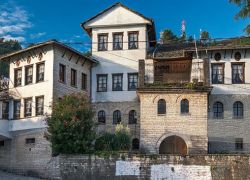
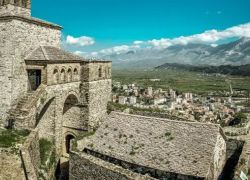
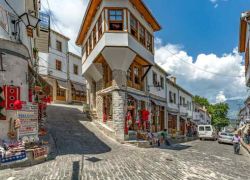
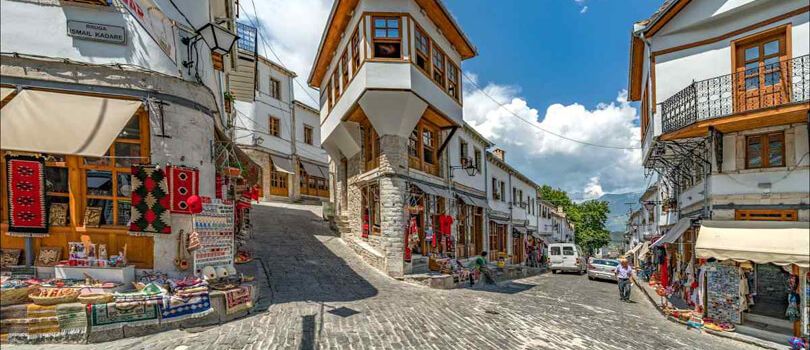
The Regional History Museum of Gjirokaster is one of the most important cultural institutions in southern Albania. Located in the heart of the UNESCO World Heritage-listed Gjirokaster Old Town, this museum offers a rich and comprehensive look into the region’s history, from ancient times to the present day. Housed in the former home of a wealthy Ottoman-era family, the museum is a remarkable place to explore the history, culture, and traditions of Gjirokaster and the surrounding area. It offers an intriguing mix of artifacts, exhibitions, and interactive displays that highlight the city’s role in Albanian history.
How to Reach The Regional History Museum
Gjirokaster is well connected by road to other major cities in Albania. The most common way to reach the city is by bus or private car from Tirana, which is approximately 120 kilometers (about 3-4 hours by car). There are several buses that run between Tirana and Gjirokaster each day, and the journey is comfortable and affordable. Once you arrive in Gjirokaster, the Regional History Museum is located in the heart of the old town. It is within walking distance from other prominent attractions, including the Gjirokaster Castle and the Ethnological Museum.
Weather in Gjirokaster
Gjirokaster has a Mediterranean climate, with hot, dry summers and mild winters. The summer months (June to September) are typically the busiest for tourists, with temperatures reaching up to 35°C (95°F). If you plan to visit during the summer, it’s recommended to explore the museum early in the day or later in the evening to avoid the heat. The best months for sightseeing are in the spring (April to June) and autumn (September to November), when the weather is pleasant and not too hot. Winter (December to February) is cooler, with temperatures ranging from 5°C to 10°C (41°F to 50°F), but it is also less crowded.
Timing of The Regional History Museum
The museum is generally open every day, but the opening hours may vary depending on the season. During the peak tourist season (spring and summer), the museum is open from 9:00 AM to 7:00 PM, allowing visitors to explore at their own pace. In the off-season (fall and winter), the hours may be reduced, typically from 10:00 AM to 5:00 PM. It’s a good idea to check the opening hours ahead of time, especially if you are visiting during the off-season or during public holidays.
Why The Regional History Museum is Famous
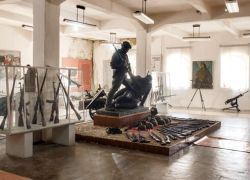
The Regional History Museum in Gjirokaster is famous for its well-curated exhibitions that provide a deep dive into the region’s history. From the prehistoric era through the Ottoman period and up to Albania’s independence and communist times, the museum showcases a wide variety of artifacts. The museum stands out not only for its collections but also for its location in a historic Ottoman-era house, which offers a unique insight into the city’s architectural past. The museum’s exhibitions include items such as traditional Albanian clothing, old photographs, documents, and even weapons used during the country’s various struggles for independence.
Entry and Visit Details
Visiting the Regional History Museum requires purchasing an entrance ticket, which is generally affordable. The ticket can be purchased at the entrance, and prices are often lower for students and groups. The museum also offers guided tours in both Albanian and English, providing a more in-depth explanation of the exhibits. Although you can explore the museum on your own, a guided tour is recommended for a better understanding of the historical context of the artifacts. Audio guides may also be available for those who prefer to explore independently. The museum is a great place to learn about Gjirokaster’s role in Albania’s history and its significance in the broader context of the Balkan region.
History and Architecture of The Regional History Museum
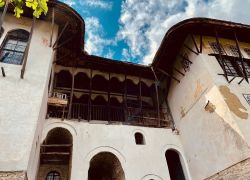
The Regional History Museum is housed in a beautiful Ottoman-era house that was originally owned by a wealthy merchant family from Gjirokaster. The building is a fine example of the distinctive architectural style of the region, featuring large stone walls, wooden beams, and traditional Albanian decorations. The structure is a two-story house with multiple rooms, and the interior has been preserved to retain its historical charm. The museum’s design complements its collections, offering visitors a glimpse into the past not just through the exhibits but also through the building itself.
The museum’s exhibits are arranged in thematic sections, each focusing on different aspects of Gjirokaster’s history, from its ancient Illyrian origins to its role in the Albanian War of Independence, the Italian and German occupations during World War II, and the Communist era. The museum provides detailed historical context for each period, with photographs, written materials, and artifacts that help visitors understand the key events that shaped the region.
Things to Do at The Regional History Museum
When visiting the Regional History Museum, there are a number of activities you can enjoy to enhance your experience:
Facts About The Regional History Museum
Tips for Visiting The Regional History Museum
To make the most of your visit to the Regional History Museum, here are some helpful tips:
Conclusion
The Regional History Museum in Gjirokaster is an essential stop for anyone interested in learning more about the region’s rich cultural heritage. Whether you’re a history enthusiast, a student of Albanian culture, or simply a curious traveler, this museum offers an immersive experience that will help you understand the pivotal moments that shaped Gjirokaster and Albania as a whole. With its well-preserved building, extensive collection of artifacts, and informative exhibits, the museum is a must-visit location in Gjirokaster for anyone exploring the city’s fascinating past.


Gjirokaster