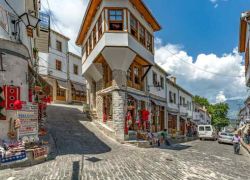
"Uncover the rich history of traditional architecture."
The Luan Kaba House is one of Gjirokaster’s most fascinating historical landmarks, located in the UNESCO World Heritage-listed Old Town. This house stands out not only for its architectural beauty but also for its cultural and historical significance. Built in the 19th century, it offers a unique glimpse into the traditional life of the local Albanian community during the Ottoman era. The house is named after its original owner, Luan Kaba, and serves as an excellent example of the region's residential architecture during that time. Today, it is a popular destination for visitors looking to explore Gjirokaster’s rich cultural heritage.
How to Reach The Luan Kaba House
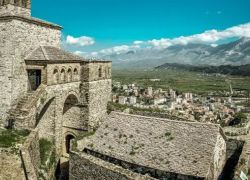
Reaching the Luan Kaba House is relatively easy, as it is situated in the heart of Gjirokaster’s Old Town. Gjirokaster is well connected by road to other cities in Albania, and the most common way to get there is by car or bus from the capital, Tirana. The distance between Tirana and Gjirokaster is about 120 kilometers, and the journey takes approximately 3-4 hours by car. Upon arriving in Gjirokaster, the house is within walking distance of other major attractions such as the Gjirokaster Castle and the Ethnological Museum. The Old Town is compact and ideal for walking, so it’s easy to navigate your way to the house.
Weather in Gjirokaster
Gjirokaster enjoys a Mediterranean climate, with hot, dry summers and mild, wet winters. The best time to visit the Luan Kaba House is during the spring (April to June) or autumn (September to November), when the weather is pleasant and ideal for sightseeing. Summer months (June to September) can be very hot, with temperatures often reaching 30°C (86°F) or higher, so it’s advisable to visit early in the morning or later in the evening to avoid the heat. Winter temperatures (December to February) range between 5°C and 10°C (41°F and 50°F), so it’s important to dress warmly during this period.
Timing of The Luan Kaba House
The Luan Kaba House is generally open to visitors every day, though the opening hours may vary depending on the season. During the high tourist season (spring and summer), the house is open from 9:00 AM to 7:00 PM. In the off-season (fall and winter), the hours are usually reduced, typically from 10:00 AM to 5:00 PM. It’s always a good idea to check the museum's official website or call ahead to confirm the current opening hours before planning your visit.
Why The Luan Kaba House is Famous
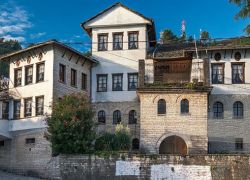
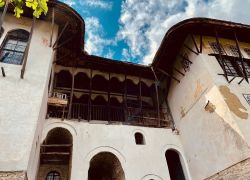
The Luan Kaba House is famous for its distinctive blend of traditional Albanian and Ottoman architectural styles. This house offers an intimate view of Gjirokaster’s rich history and provides a unique insight into the lifestyle of a well-to-do merchant family during the 19th century. It is not only a beautiful example of regional architecture but also a symbol of the cultural influences that shaped Gjirokaster. The house is famous for its elaborate woodwork, spacious rooms, and unique elements such as its stone foundation, large wooden beams, and characteristic wooden windows. The house also showcases the customs, traditions, and daily life of the region’s inhabitants during the Ottoman period.
Entry and Visit Details
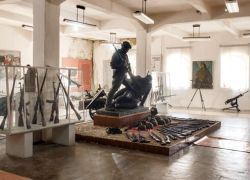
To visit the Luan Kaba House, you will need to purchase an entrance ticket. The ticket price is generally affordable and helps to support the upkeep and preservation of the house. Visitors have the option to explore the house independently or take a guided tour. A guided tour is highly recommended as it provides a deeper understanding of the house’s history, architecture, and cultural significance. The house is well-maintained, and the exhibitions inside highlight the social and cultural aspects of life during the time of its construction. For those interested in learning more about Gjirokaster’s heritage, this is a must-see destination.
History and Architecture of The Luan Kaba House
The Luan Kaba House was built in the 19th century and is an excellent example of the Ottoman-influenced architecture typical of Gjirokaster at the time. The house’s design reflects the wealth and social standing of its original owner, Luan Kaba, a prominent merchant. The structure of the house is designed to offer both comfort and security, with its thick stone walls and elevated position offering protection from the elements and any potential threats. The house is characterized by large, open rooms, intricate wooden beams, and beautiful hand-carved wooden details, including the doors and windows.
The architecture of the Luan Kaba House is unique in that it blends elements of both Ottoman and traditional Albanian styles. The upper floors of the house feature a series of large rooms that overlook the surrounding town and offer breathtaking views of the valley below. The house’s central courtyard is a peaceful and quiet space that was once used for various family activities. The combination of these architectural features makes the Luan Kaba House an outstanding example of the region’s residential design and an important cultural landmark in Gjirokaster.
Things to Do at The Luan Kaba House
Visitors to the Luan Kaba House can enjoy several activities that will enhance their experience. Here are some suggestions:
Facts About The Luan Kaba House
Tips for Visiting The Luan Kaba House
Here are some tips to make your visit to the Luan Kaba House even more enjoyable:
Conclusion
The Luan Kaba House is a key part of Gjirokaster’s cultural heritage and an essential stop for anyone interested in Albanian history and architecture. Its beautiful design, rich history, and well-preserved features make it a must-visit attraction in the city. Whether you are a history enthusiast, an architecture lover, or simply curious about traditional Albanian life, the Luan Kaba House provides a fascinating and enriching experience. With its stunning views, unique architecture, and connection to the past, it offers an unforgettable glimpse into the region's history and culture.


Gjirokaster