
St. Stephen's Cathedral (Stephansdom) is one of the most iconic landmarks in Vienna, Austria. Located in the heart of the city, this stunning Gothic cathedral has been a symbol of the city for centuries. The cathedral is dedicated to Saint Stephen, the first Christian martyr, and serves as both a religious site and a cultural treasure. With its impressive architecture, rich history, and central location, St. Stephen's Cathedral is a must-visit destination for anyone traveling to Vienna. How to Reach St. Stephen's Cathedral St. Stephen's Cathedral is conveniently located in the city center, making it easily accessible from various points in Vienna. If you're using public transportation, the U1 (red) metro line takes you directly to "Stephansplatz" station, which is located right next to the cathedral. Additionally, several trams, such as lines 1 and 2, stop near the cathedral. If you're coming by bus, numerous routes also pass by Stephansplatz. For those traveling by car, there are parking garages in the vicinity, though public transport is generally more convenient due to the cathedral's central location. Weather and Timing Vienna experiences four distinct seasons, and the weather can affect your visit to St. Stephen's Cathedral. Summers (June to August) are warm, with temperatures ranging between 20°C to 30°C (68°F to 86°F), making it a pleasant time for outdoor sightseeing. Winters (December to February) can be cold, with temperatures dropping below freezing, so be prepared for chilly weather if you're visiting during this time. Spring and autumn offer mild temperatures, ideal for walking around the city. St. Stephen's Cathedral is open to visitors throughout the year. The cathedral itself can be visited daily, with visiting hours typically from 6:00 AM to 10:00 PM. However, the hours for climbing the tower, visiting the catacombs, or taking a guided tour may vary, so it's always best to check the official website for the most up-to-date information before your visit. Why is St. Stephen's Cathedral Famous? St. Stephen's Cathedral is famous for its architectural beauty, historical significance, and cultural importance. As one of Vienna's most recognized landmarks, it has played a central role in the city's history for over 800 years. The cathedral was built in the 12th century and has been a witness to numerous historical events, including royal weddings, coronations, and important religious ceremonies. Its striking Gothic design, with a stunning roof made of colorful tiles, and its towering spire, which rises 136 meters (446 feet) into the sky, make it a standout feature of Vienna's skyline. The cathedral is also famous for its incredible acoustics, making it a popular venue for classical music concerts. Entry and Visit Details Entry to St. Stephen's Cathedral is free of charge, allowing visitors to admire the interior, including the beautiful stained glass windows and intricate altars. However, if you wish to visit the catacombs, climb the tower, or take a guided tour, you will need to purchase a ticket. The prices for these activities vary, but there are combination tickets available that grant access to multiple attractions within the cathedral complex. Guided tours are also available for those who want to learn more about the history and architecture of the cathedral from an expert. History of St. Stephen's Cathedral St. Stephen's Cathedral has a rich and fascinating history. Construction of the cathedral began in the 12th century under the reign of Duke Leopold V of Austria. The cathedral was originally built in Romanesque style, but over the centuries, it underwent several modifications, with the addition of Gothic elements, most notably in the 14th and 15th centuries. The cathedral was completed in its current form in the 16th century, after several expansions and restorations. Throughout its history, St. Stephen's Cathedral has played an important role in Austria's religious and cultural life. It has hosted numerous royal weddings, imperial funerals, and coronation ceremonies. The cathedral was also the site of several important historical events, including the defense of Vienna during the Ottoman siege in 1683. The cathedral suffered considerable damage during World War II, but it was painstakingly restored after the war and remains one of Vienna's most cherished landmarks. Architecture of St. Stephen's Cathedral St. Stephen's Cathedral is a masterpiece of Gothic architecture, characterized by its soaring spires, intricate stone carvings, and colorful tiled roof. The cathedral's most striking feature is its 136-meter (446-foot) high south tower, which dominates the skyline of Vienna. The tower can be climbed by visitors for a stunning panoramic view of the city. The cathedral's interior is equally impressive, with its high vaulted ceilings, stunning stained glass windows, and beautiful altars. The cathedral is home to numerous works of art, including sculptures, paintings, and relics. One of the most famous parts of the cathedral is the Pummerin Bell, which is one of the largest bells in Europe. The bell hangs in the cathedral's tower and is rung during important events and celebrations. Things to Do at St. Stephen's Cathedral There are several activities and attractions to enjoy at St. Stephen's Cathedral: Visit the Interior: Explore the beautiful interior of the cathedral, including the stunning altars, stained glass windows, and intricate artwork. Climb the Tower: For a small fee, visitors can climb the 343 steps of the south tower for a breathtaking view of Vienna. Explore the Catacombs: The catacombs beneath the cathedral are home to the remains of former bishops and nobility. A guided tour of the catacombs offers a glimpse into the cathedral's history and the people who shaped it. Attend a Concert: St. Stephen's Cathedral is known for its excellent acoustics and often hosts classical music concerts and organ performances. Be sure to check the schedule during your visit. Take a Guided Tour: For a deeper understanding of the cathedral's history and architecture, consider taking a guided tour. Facts about St. Stephen's Cathedral The cathedral's south tower, which stands at 136 meters (446 feet), is the tallest church tower in Vienna. St. Stephen's Cathedral was severely damaged during World War II but was restored to its former glory in the following years. The Pummerin Bell, located in the cathedral, is one of the largest bells in Europe and weighs over 20 tons. The cathedral is home to many famous artworks, including the Altar of St. Stephen and the high altar, which features sculptures by the famous artist Michael Pacher. St. Stephen's Cathedral is a UNESCO World Heritage Site and is considered one of the most important examples of Gothic architecture in Europe. Tips for Visiting St. Stephen's Cathedral To make the most of your visit to St. Stephen's Cathedral, here are a few helpful tips: Visit early or late: The cathedral can get crowded, especially during peak tourist seasons. Arriving early in the morning or later in the afternoon will allow you to explore the cathedral without the crowds. Wear comfortable shoes: If you plan on climbing the tower or exploring the catacombs, be sure to wear comfortable shoes, as there are many stairs and uneven surfaces. Check the schedule: If you're interested in attending a concert or performance, make sure to check the schedule in advance to avoid missing out. Respect the sacred space: Remember that St. Stephen's Cathedral is an active religious site, so be respectful during your visit. Keep noise to a minimum and dress appropriately. Conclusion St.Stephen's Cathedral is one of Vienna's most important cultural and religious landmarks, offering visitors a chance to explore the city's rich history and stunning Gothic architecture. Whether you're admiring the view from the tower, exploring the catacombs, or attending a concert, there's no shortage of things to see and do at this magnificent cathedral. With its central location, impressive architecture, and historical significance, St. Stephen's Cathedral is a must-see destination for anyone visiting Vienna.
Explore More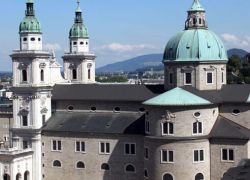
Salzburg Cathedral, or Salzburger Dom, is one of the most iconic landmarks in Salzburg, Austria. This impressive Baroque structure is located in the heart of the city’s historic center, dominating the skyline with its grandiose twin towers. It is one of the largest and most beautiful churches in Austria and is closely associated with the city's rich cultural and religious history. The cathedral has played a central role in Salzburg's spiritual and musical life, and it is a must-see destination for anyone visiting the city. How to Reach Salzburg Cathedral Salzburg Cathedral is located in the Altstadt (Old Town) of Salzburg, making it easy to access from many parts of the city. If you are traveling by plane, the nearest airport is Salzburg Airport (SZG), which is about 4 kilometers from the cathedral. From the airport, you can take a taxi or use public transportation like a bus or shuttle to reach the city center. The cathedral is a short walk from Salzburg's main train station, Salzburg Hauptbahnhof, taking approximately 20 minutes on foot. Once in the Old Town, Salzburg Cathedral is well-signposted and easy to find. It is located in the Domplatz (Cathedral Square), and you can reach it by walking through narrow, picturesque streets filled with shops, cafes, and historical buildings. Weather in Salzburg Salzburg has a temperate climate with four distinct seasons. Summers (June to August) are usually warm, with temperatures ranging between 20°C to 25°C (68°F to 77°F). This makes it an excellent time to explore Salzburg Cathedral and its surroundings in pleasant weather. Spring (March to May) and autumn (September to November) are also great seasons for sightseeing, with mild temperatures, ranging from 10°C to 15°C (50°F to 59°F), and fewer tourists. Winters (December to February) can be cold and snowy, with temperatures often below freezing. The cathedral looks particularly stunning during the Christmas season, when it is beautifully illuminated. If you're visiting in winter, dress warmly, as the cold can be quite intense, especially during outdoor explorations. Timing of Visit Salzburg Cathedral is open to the public year-round, although the hours may vary depending on the season and special events. It is generally open from early morning until late afternoon, with some religious services, especially on Sundays and holidays, held throughout the day. It’s advisable to check the official cathedral website or local listings for the exact opening times, as they may change due to events or religious ceremonies. The best time to visit would be during the early hours or late afternoons when it is less crowded. However, if you want to experience the cathedral during a special religious service or event, be sure to check the cathedral's schedule, as there are often beautiful liturgies, especially during Christmas, Easter, and other significant occasions in the Christian calendar. Why Salzburg Cathedral is Famous Salzburg Cathedral is famous not only for its impressive architecture and religious significance but also for its connection to the famous composer Wolfgang Amadeus Mozart. It is here that Mozart was baptized in 1756, and the cathedral holds a deep connection to the musical history of Salzburg. The cathedral’s grand scale, stunning Baroque interior, and its role as a spiritual center make it one of the most important landmarks in Austria. Additionally, the cathedral has witnessed many important historical events, including royal coronations and significant religious ceremonies. Its striking exterior, with its twin towers and copper domes, is an iconic symbol of Salzburg's skyline and an architectural masterpiece. Entry and Visit Details Salzburg Cathedral is free to enter, though donations are encouraged to help with the upkeep of the building. If you wish to visit the cathedral's crypt or other special areas, there may be a small entrance fee. The cathedral is open to visitors every day, and there are usually guided tours available to provide a deeper understanding of its history, art, and architecture. Guided tours are available in multiple languages and provide an in-depth look at the cathedral's significance, both religious and cultural. If you want to experience the cathedral during a religious service or concert, it’s advisable to check in advance as some events might require reservations or tickets, especially during peak tourist seasons or major holidays. History and Architecture of Salzburg Cathedral Salzburg Cathedral's history dates back to the 8th century, when the original church was built by Saint Rupert, the patron saint of Salzburg. However, the cathedral as we know it today was constructed between 1614 and 1628 in the Baroque style, replacing the earlier Romanesque structure that had been damaged by fire. The cathedral was designed by the architect Santino Solari and features a stunning Baroque facade and impressive interior decorations, making it a key example of Baroque architecture in Austria. The cathedral is known for its magnificent dome, which reaches a height of 81 meters (266 feet) and is one of the tallest in Europe. The interior of the cathedral is adorned with beautiful frescoes, intricate sculptures, and stunning altars. The most famous artwork in the cathedral is the altar painting by the renowned artist Michael Willmann, which depicts the Last Judgment. In addition to its impressive architecture, the cathedral is also home to a magnificent pipe organ, which is played during services and concerts. The cathedral’s acoustics make it an ideal venue for classical music performances, and it hosts a variety of concerts, including those featuring works by Mozart, who was baptized in the cathedral. Things to Do in Salzburg Cathedral There are many things to do when visiting Salzburg Cathedral: Explore the Interior: Take time to admire the stunning Baroque architecture, including the dome, altars, and frescoes. The cathedral's grandeur is awe-inspiring, and the detailed art will leave you mesmerized. Attend a Mass or Concert: If you're in Salzburg during a religious service, attending Mass at the cathedral can be a moving experience. Additionally, many classical music concerts, especially those featuring Mozart's works, are held here. Visit the Cathedral Crypt: The crypt beneath the cathedral contains tombs of archbishops and other notable figures. It’s an interesting place to explore if you enjoy history and architecture. Enjoy the View: Head outside the cathedral to the Domplatz, the square in front of the cathedral, for a stunning view of the cathedral and its surroundings. You can also enjoy the view of the Old Town and the Hohensalzburg Fortress from here. Interesting Facts About Salzburg Cathedral Salzburg Cathedral’s bell tower houses a set of 6 bells, the largest of which weighs around 15 tons. Wolfgang Amadeus Mozart, one of the greatest composers of all time, was baptized in this cathedral in 1756. The cathedral's organ is famous for its incredible sound, and it has been played by many renowned organists throughout history. The cathedral was heavily damaged during World War II but was restored to its former glory after the war. Tips for Visiting Salzburg Cathedral Dress appropriately: Since Salzburg Cathedral is a place of worship, it is important to dress respectfully when visiting. Avoid wearing revealing clothing, and make sure to cover your shoulders. Be mindful of the services: If you're visiting during a religious service, remember to stay quiet and be respectful of the people attending the mass. Check the event schedule: If you want to attend a concert or mass, be sure to check the schedule ahead of time, especially if you're visiting during a busy season like Christmas or Easter. Take your time: The cathedral is full of details worth exploring, from the intricate art to the impressive architecture. Make sure to take your time and enjoy the beauty of the space. Conclusion Salzburg Cathedral is a stunning piece of history, art, and architecture that should not be missed when visiting Salzburg. Whether you are there to admire its Baroque grandeur, learn about its fascinating history, or attend a concert or religious service, the cathedral is sure to leave a lasting impression. With its central location, rich history, and beautiful surroundings, Salzburg Cathedral is one of the top attractions in Austria and an
Explore More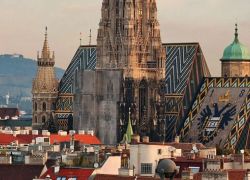
St. Stephen's Cathedral, known as Stephansdom, is one of Vienna's most iconic landmarks and a symbol of Austria’s rich cultural and religious heritage. Located in the heart of Vienna, this stunning Gothic cathedral draws millions of visitors each year due to its architectural beauty, historical significance, and spiritual importance. With its soaring towers, intricate stained-glass windows, and a deep connection to Austria’s past, St. Stephen's Cathedral is a must-see for anyone visiting Austria's capital. How to Reach St. Stephen’s Cathedral, Austria City St. Stephen’s Cathedral is located in the historic center of Vienna, making it easily accessible from most parts of the city. Here are the main ways to reach the cathedral: By Public Transport: The easiest way to get to St. Stephen’s Cathedral is by using Vienna’s extensive public transport system. Take the U1 (red) subway line to the Stephansplatz station, which is located right under the cathedral. The cathedral is just a short walk from the station's exit. By Tram: Tram lines 1, 2, and 71 all stop near Stephansplatz. The tram stop is located within walking distance of the cathedral entrance. By Taxi or Car: You can also take a taxi or drive to the area. However, keep in mind that the city center is a pedestrian zone, and parking can be difficult to find. There are several parking garages nearby. Walking: If you're staying in central Vienna, St. Stephen’s Cathedral is within walking distance from most major landmarks. A stroll through the city center to reach the cathedral can be a pleasant experience. Weather in Vienna, Austria Vienna experiences a continental climate, with distinct seasons throughout the year. The weather can influence the experience of visiting St. Stephen’s Cathedral, especially if you plan to explore the exterior and surroundings: Winter (December to February): Winter temperatures in Vienna can range from -2°C to 5°C. The city often sees snowfall, and the cathedral looks especially beautiful under a blanket of snow. If visiting in winter, be prepared for cold weather. Spring (March to May): Spring is mild, with temperatures ranging from 10°C to 18°C. This is a great time to visit, as the weather is comfortable for walking and exploring the cathedral and the city’s surrounding attractions. Summer (June to August): Summer temperatures can range from 20°C to 30°C, with warm, sunny days. This is the high tourist season in Vienna, so expect larger crowds, especially around popular sites like St. Stephen’s Cathedral. Autumn (September to November): Fall brings cooler temperatures, ranging from 10°C to 20°C. The autumn foliage around the city adds a picturesque backdrop for photos, and the cathedral’s exterior looks stunning against the changing colors of the season. Timing of St. Stephen’s Cathedral, Austria City St. Stephen’s Cathedral is open daily to visitors, but its hours of operation may vary slightly depending on the season or religious ceremonies. Typically, the cathedral is open from 6:00 AM to 10:00 PM for visitors, although it’s important to note that during Mass or special services, access may be restricted. The opening hours for specific attractions within the cathedral, such as the South Tower, catacombs, and treasury, may differ, so it’s a good idea to check ahead of time if you wish to explore those areas. Why St. Stephen’s Cathedral is Famous St. Stephen’s Cathedral is famous for several reasons, including its architectural splendor, historical importance, and cultural significance. Here are some key reasons why this cathedral attracts visitors from all over the world: Architectural Marvel: St. Stephen’s Cathedral is one of the finest examples of Gothic architecture in Austria. Its towering spires, intricate stone carvings, and stunning stained-glass windows make it a must-see for architecture lovers. Historical Significance: The cathedral has been a religious center for Vienna for over 800 years. It has witnessed significant events in Austria’s history, including royal weddings, coronations, and funerals. It was also the site of several major events during World War II, including bombings that heavily damaged the building. Iconic Roof: One of the cathedral’s most striking features is its colorful roof, covered in glazed tiles arranged in a distinctive pattern. The roof is a symbol of Vienna and is visible from many parts of the city. Spiritual Center: St. Stephen’s Cathedral remains an important Catholic church and a place of worship. Visitors can attend Mass or enjoy the peaceful ambiance of the cathedral’s interior. Entry and Visit Details about St. Stephen’s Cathedral Entry to St. Stephen’s Cathedral is free, but certain areas of the cathedral, such as the South Tower, the Catacombs, and the Treasury, require an additional ticket. The general entry fee is around 6-10 EUR per person, depending on the areas you wish to visit. Guided tours are also available and provide in-depth information about the history, architecture, and significance of the cathedral. These tours typically last around 30 to 60 minutes, and audio guides are available in multiple languages. For those who wish to visit the South Tower or take a guided tour of the catacombs, tickets are sold at the entrance. Be prepared for a climb if you choose to visit the South Tower, as there are over 300 steps to reach the top, where you can enjoy panoramic views of Vienna. History and Architecture of St. Stephen’s Cathedral St. Stephen’s Cathedral was originally built in the 12th century, and its construction took over 300 years. The cathedral was expanded and modified over the centuries, with major additions during the Gothic period. The cathedral’s most iconic feature is its 136-meter-high spire, which dominates the city skyline. The cathedral’s design features a blend of Romanesque and Gothic elements, with pointed arches, flying buttresses, and ribbed vaults. The interior is equally impressive, with stunning stained-glass windows depicting scenes from the Bible, as well as elaborate altars and chapels dedicated to various saints. One of the most significant architectural features is the cathedral’s roof, covered in over 230,000 tiles arranged in a colorful pattern that represents the Austrian coat of arms. The roof is considered one of the finest in Europe. Things to Do at St. Stephen’s Cathedral Visitors to St. Stephen’s Cathedral can enjoy a variety of activities that allow them to explore its rich history and stunning architecture: Climb the South Tower: For a small fee, visitors can climb the 343 steps to the top of the South Tower and enjoy panoramic views of Vienna’s city center and surrounding areas. Explore the Catacombs: Beneath the cathedral lies a network of catacombs, which were used for burials in centuries past. Visitors can tour the catacombs to learn about Vienna’s past and see the resting places of notable figures. Visit the Treasury: The Treasury houses a collection of religious artifacts, including chalices, vestments, and other precious objects used in the cathedral’s ceremonies. Attend a Concert: The cathedral hosts regular classical music concerts, including organ recitals and performances by the choir. These events offer a chance to experience the cathedral’s acoustics and enjoy beautiful music in a historic setting. Attend Mass: If you wish to experience the spiritual side of St. Stephen’s Cathedral, you can attend one of the daily Masses or special religious services held throughout the year. Interesting Facts about St. Stephen’s Cathedral St. Stephen’s Cathedral is the tallest building in Vienna, with its spire reaching a height of 136 meters (446 feet). The cathedral was severely damaged during World War II, with the roof and some parts of the structure being destroyed by bombing. Restoration efforts took several decades. The colorful roof of St. Stephen’s Cathedral is made up of over 230,000 tiles, which were individually placed to create a distinctive design. Many members of the Habsburg royal family are buried in the catacombs beneath the cathedral. Tips for Visiting St. Stephen’s Cathedral Dress Modestly: Since St. Stephen’s Cathedral is an active place of worship, it is important to dress modestly when visiting, especially if you plan to attend Mass or enter the interior of the cathedral. Book Tickets in Advance: To avoid waiting in long lines, especially during peak tourist season, consider booking tickets for the South Tower or guided tours in advance. Take Your Time: St. Stephen’s Cathedral is a large and detailed site, so take your time to explore the interior, admire the artwork, and learn about its history. Conclusion St. Stephen’s Cathedral is an architectural and cultural treasure of Vienna. Its stunning design, rich history, and spiritual significance make it one of the most important landmarks in Austria. Whether you're interested in history, architecture, or simply soaking in the grandeur of the place, a visit to St. Stephen’s Cathedral is an unforgettable experience that highlights the beauty and heritage of Vienna.
Explore More