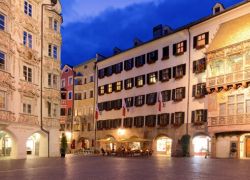
The Golden Roof (Goldenes Dachl) is one of the most famous landmarks in Innsbruck, Austria. It is located in the heart of the old town and is known for its distinct gold-covered roof that makes it stand out among the surrounding buildings. This stunning structure, built in the 15th century, attracts millions of tourists each year. The Golden Roof is not just an architectural wonder; it is a symbol of Innsbruck’s rich history, culture, and the former ruling family’s significance in the region. How to Reach the Golden Roof, Innsbruck, Austria Innsbruck is well connected by road, rail, and air. To reach the Golden Roof, you can take public transport or walk from various parts of the city. Here's how you can get there: By Air: The nearest airport is Innsbruck Airport, which is around 4 kilometers away from the city center. From the airport, you can take a taxi or use public transport to reach the Golden Roof. By Train: Innsbruck has a central railway station (Innsbruck Hauptbahnhof), which is well connected to major cities in Austria and Europe. From the station, you can either take a bus or a short walk (approximately 15 minutes) to the Golden Roof. By Bus: There are several buses in Innsbruck that can take you to the Old Town area, where the Golden Roof is located. Bus stops near the landmark include "Maria-Theresien-Straße" and "Innsbruck Stadtpfarrkirche." Weather at the Golden Roof, Innsbruck, Austria The weather in Innsbruck can vary greatly throughout the year, so it's important to check the forecast before visiting the Golden Roof. Here is a general overview of the weather throughout the seasons: Spring (March to May): The weather is mild with occasional rain. Temperatures range from 5°C to 15°C (41°F to 59°F). Summer (June to August): Summer in Innsbruck is warm, with temperatures between 15°C and 25°C (59°F to 77°F). It's an ideal time for outdoor sightseeing. Autumn (September to November): Autumn sees cooler temperatures and beautiful fall foliage. Expect temperatures around 10°C to 18°C (50°F to 64°F). Winter (December to February): Innsbruck is famous for winter sports, and temperatures can drop below freezing. Expect snow and cold weather with temperatures ranging from -5°C to 5°C (23°F to 41°F). Opening Times and Entry Details for Golden Roof The Golden Roof is open year-round to visitors. However, the museum beneath the roof has its own specific opening hours: Summer (May to October): The museum is open from 9:00 AM to 7:00 PM. Winter (November to April): The museum is open from 10:00 AM to 5:00 PM. Entry to the Golden Roof itself is free, but there is a small fee for accessing the museum. Tickets for the museum typically cost around 4-5 euros, and discounts may apply for students, seniors, and groups. Why is the Golden Roof Famous? The Golden Roof is famous for several reasons. The most obvious reason is its golden, copper tiles that cover the roof, which shimmer in the sunlight, giving the building its name. The roof was originally designed to be a royal residence for Emperor Maximilian I, and it served as a symbol of the imperial power and wealth in the region. Today, it stands as a symbol of Innsbruck’s history, attracting visitors from around the world. History and Architecture of the Golden Roof The Golden Roof was commissioned by Emperor Maximilian I in the early 1500s. The roof itself was built using 2,657 gilded copper tiles, making it a unique structure in Europe. The building below the roof was originally a residence for the royal family, and it was used for ceremonial purposes and events. Its design reflects the architectural styles of the late Gothic period, with intricate decorations and a combination of stone and wood elements. The Golden Roof’s distinctive design and its association with Maximilian I make it an iconic example of imperial architecture. Over the years, the building has been restored several times, ensuring its preservation for future generations to admire. Things to Do Around the Golden Roof The Golden Roof is located in Innsbruck's Old Town, a historic area full of charming streets, shops, and restaurants. Here are some things you can do around the Golden Roof: Explore the Old Town: The Old Town (Altstadt) is full of historical buildings, narrow cobblestone streets, and cozy cafes. Take a stroll and enjoy the atmosphere of this medieval part of the city. Visit the Innsbruck Imperial Palace: Located just a short walk from the Golden Roof, the Innsbruck Imperial Palace (Hofburg) offers insight into the life of the Habsburgs. Take the Nordkette Cable Car: For stunning views of the city and the Alps, take the cable car up to Nordkette. It’s a popular spot for hiking and skiing in the winter months. Interesting Facts and Tips about the Golden Roof The Golden Roof was originally part of a larger building complex that included a residence and ceremonial hall for the Emperor. The golden roof was constructed to symbolize the power and wealth of Emperor Maximilian I, who ruled the region during the late 15th century. If you're visiting during the winter, you might get a chance to see the Golden Roof covered in snow, creating a beautiful and picturesque scene. Consider visiting early in the morning or later in the evening to avoid crowds and get better photo opportunities. Conclusion The Golden Roof in Innsbruck is a must-see landmark for anyone visiting Austria. Its rich history, stunning architecture, and location in the heart of Innsbruck’s Old Town make it an unforgettable experience. Whether you’re a history enthusiast, an architecture lover, or just looking for a great photo opportunity, the Golden Roof offers something for everyone. So, don't miss out on this iconic piece of Austrian heritage during your visit to Innsbruck!
Explore More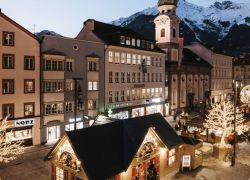
Maria-Theresien Strasse is one of the most iconic streets in Innsbruck, Austria. Located in the heart of the city, it serves as a lively hub for both locals and tourists. The street is named after Empress Maria Theresa, the ruler of the Austrian Empire in the 18th century. It runs through the historic center of Innsbruck and offers a mix of cultural, architectural, and modern attractions. Whether you're interested in shopping, sightseeing, or simply enjoying the atmosphere of the city, Maria-Theresien Strasse has something for everyone. How to Reach Maria-Theresien Strasse, Innsbruck, Austria Maria-Theresien Strasse is centrally located in Innsbruck, making it easily accessible by various modes of transportation. Here’s how you can get there: By Air: The nearest airport is Innsbruck Airport, located about 4 kilometers from the city center. From the airport, you can take a taxi, shuttle service, or a bus to reach Maria-Theresien Strasse. By Train: Innsbruck's main railway station (Innsbruck Hauptbahnhof) is well-connected to major cities in Austria and Europe. From the station, you can easily reach Maria-Theresien Strasse on foot in about 15-20 minutes or by taking a bus or tram. By Bus: Several bus lines stop near the Maria-Theresien Strasse, making it convenient for visitors to access the street from different parts of the city. Popular bus stops include "Maria-Theresien-Straße" and "Anichstrasse." By Tram: Innsbruck has a well-developed tram system, and you can take tram lines 1, 2, or 3 to reach the street directly. Tram stops like "Maria-Theresien-Straße" and "Anichstrasse" are close by. Weather at Maria-Theresien Strasse, Innsbruck, Austria The weather in Innsbruck varies by season, so it's essential to plan your visit accordingly. Here’s a general overview of the weather throughout the year: Spring (March to May): Spring is a mild time to visit, with temperatures ranging from 5°C to 15°C (41°F to 59°F). It’s a great time for a stroll along Maria-Theresien Strasse, though occasional rain showers can be expected. Summer (June to August): Summer in Innsbruck is warm and ideal for outdoor activities. Expect temperatures between 15°C to 25°C (59°F to 77°F). The street is bustling with people enjoying the cafes, shops, and outdoor events. Autumn (September to November): Autumn brings cooler temperatures, ranging from 10°C to 18°C (50°F to 64°F), along with colorful foliage. The street is less crowded, making it a peaceful time to visit. Winter (December to February): Innsbruck experiences cold, snowy winters, with temperatures ranging from -5°C to 5°C (23°F to 41°F). If you're visiting during this time, be sure to dress warmly and enjoy the festive holiday markets along Maria-Theresien Strasse. Opening Times and Entry Details for Maria-Theresien Strasse Maria-Theresien Strasse is an open, public street, so there are no entry fees or specific opening hours. However, the various attractions, stores, cafes, and museums along the street have their own operating hours. These typically range from 9:00 AM to 7:00 PM, depending on the season. If you plan to visit the shops, museums, or restaurants, check their individual timings to ensure they are open during your visit. Why is Maria-Theresien Strasse Famous? Maria-Theresien Strasse is famous for several reasons. First and foremost, it is a central, historic avenue in Innsbruck, linking key landmarks such as the Innsbruck University, the Imperial Palace (Hofburg), and the Golden Roof. The street is lined with impressive buildings showcasing a mix of Baroque, Rococo, and Neoclassical architecture. It is also home to many shops, cafes, and restaurants, making it a vibrant location for both locals and tourists. One of the street's key features is its lively atmosphere, especially in the summer when open-air cafes spill out onto the sidewalks, and tourists explore the area. Additionally, the street serves as a gateway to some of Innsbruck's most important cultural landmarks, making it an essential part of the city’s identity. History and Architecture of Maria-Theresien Strasse Maria-Theresien Strasse was constructed in the 18th century during the reign of Empress Maria Theresa, after whom the street is named. It was originally designed as a grand avenue to link Innsbruck's Imperial Palace with other important city structures. Over time, the street became a hub for commerce, culture, and social life. The architecture along Maria-Theresien Strasse reflects the Baroque and Rococo styles that were popular during the period. Many of the buildings are characterized by ornate facades, decorative elements, and spacious interiors. The street itself was designed with wide sidewalks and elegant public spaces, allowing visitors to stroll and enjoy the beautiful surroundings. One of the most impressive buildings along the street is the impressive Maria-Theresien Strasse Memorial, which commemorates the Empress’s contributions to the region. This, along with the iconic architecture, gives the street a sense of grandeur and historical significance. Things to Do Around Maria-Theresien Strasse Maria-Theresien Strasse is more than just a place to shop; it is a lively area with many things to do. Here are some top activities you can enjoy when visiting the street: Shopping: The street is lined with a variety of shops, from high-end boutiques to local stores offering traditional Tyrolean souvenirs. It's a great place to pick up unique gifts or fashion items. Visit the Innsbruck Imperial Palace (Hofburg): Located just off the street, the Innsbruck Imperial Palace offers a glimpse into the luxurious lifestyle of the Habsburgs. Explore the palace rooms and learn about its history. Relax at a Café: Take a break at one of the outdoor cafés along the street. Sip a coffee, enjoy traditional Austrian pastries, and watch the world go by in this lively area. Explore the City’s Museums: Maria-Theresien Strasse is close to several museums, including the Tyrolean State Museum and the Museum of the Imperial Court. Interesting Facts and Tips about Maria-Theresien Strasse The street is named after Maria Theresa, who was one of Austria's most influential rulers, credited with modernizing many aspects of the empire. The street has been an important part of Innsbruck’s cultural and social life for centuries, and it continues to be a vibrant meeting place for people from all over the world. If you’re visiting in the winter, make sure to check out the Christmas market along the street. It's one of the best in Austria! Be sure to wear comfortable shoes, as the street is often busy with pedestrians, and you’ll want to walk around to fully enjoy the sights. Conclusion Maria-Theresien Strasse is an essential part of Innsbruck’s charm, blending history, culture, shopping, and beautiful architecture. Whether you’re there to admire the stunning buildings, enjoy a coffee in one of its cafés, or explore nearby attractions, the street offers something for everyone. With its central location and vibrant atmosphere, Maria-Theresien Strasse is a must-visit destination during your stay in Innsbruck, Austria.
Explore More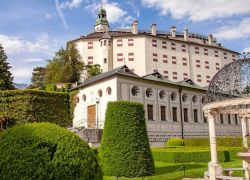
Ambras Castle (Schloss Ambras) is one of the most beautiful and historically significant landmarks in Innsbruck, Austria. Perched on a hilltop just outside the city, the castle offers breathtaking views of the surrounding mountains and the city itself. Known for its stunning architecture and rich history, Ambras Castle is a must-visit for anyone interested in Austrian culture and history. The castle complex includes two main sections: the Upper Castle (Oberes Schloss), which houses a collection of art and armor, and the Lower Castle (Unteres Schloss), which is surrounded by beautiful gardens. With its combination of art, history, and natural beauty, Ambras Castle provides an unforgettable experience for visitors. How to Reach Ambras Castle, Innsbruck, Austria Ambras Castle is located just a few kilometers south of Innsbruck's city center. Here are several ways to reach the castle: By Bus: The easiest way to get to Ambras Castle from the city center is by taking Bus 4132 from the "Innsbruck Hauptbahnhof" (Main Train Station). The journey takes around 15 minutes, and there is a bus stop near the castle. By Taxi: A taxi ride from Innsbruck's city center to Ambras Castle takes about 10 minutes. This is a convenient option if you prefer direct access to the castle. By Foot: For those who enjoy walking, you can take a 40-minute hike uphill to the castle. The walk is quite scenic, as it passes through forests and offers great views of the city and the Alps. Weather at Ambras Castle, Innsbruck, Austria The weather in Innsbruck can vary greatly throughout the year, so it’s important to consider the season before visiting Ambras Castle. Here's an overview of the typical weather: Spring (March to May): Spring in Innsbruck is mild, with temperatures ranging from 5°C to 15°C (41°F to 59°F). The weather is pleasant for walking around the castle and enjoying the gardens, but be prepared for occasional rain showers. Summer (June to August): Summer temperatures in Innsbruck can reach 25°C (77°F) or higher, making it an excellent time for exploring the castle's outdoor areas. It's a popular time to visit, so the castle may be busier with tourists. Autumn (September to November): Autumn brings cooler temperatures, ranging from 10°C to 18°C (50°F to 64°F). The fall foliage in the castle’s gardens and surrounding forest is beautiful during this time, making it a great season for photography. Winter (December to February): Winters in Innsbruck can be cold, with temperatures ranging from -5°C to 5°C (23°F to 41°F). Snow is common, giving the castle a picturesque winter landscape. However, make sure to dress warmly if you plan to visit during this season. Opening Times and Entry Details for Ambras Castle Ambras Castle is open to visitors year-round, but its opening hours may vary depending on the season. Here are the general timings: Summer (May to October): The castle is open from 10:00 AM to 6:00 PM. This is the peak tourist season, and the castle is typically busiest during these months. Winter (November to April): During the winter months, the castle is open from 10:00 AM to 4:00 PM. It is generally less crowded at this time, offering a more peaceful visit. Entry fees for the castle are usually around 10-12 euros for adults, with discounts available for children, students, and seniors. There are also combo tickets available that provide entry to both the Upper and Lower Castles. It’s worth checking the official website for any special events or temporary closures before planning your visit. Why is Ambras Castle Famous? Ambras Castle is famous for several reasons, including its rich history, stunning architecture, and incredible art collections. Here are a few key aspects that make the castle stand out: Art Collections: The Upper Castle houses an impressive collection of art, including portraits, paintings, and Renaissance-era masterpieces. The "Spanish Hall" (Spanische Saal) in the castle is especially noteworthy, as it features beautiful frescoes and a grand, ornate design. Armor Collection: The castle is renowned for its collection of historical armor, which dates back to the Renaissance period. The armor collection includes full suits of armor, helmets, swords, and other military equipment, all beautifully displayed for visitors to admire. Historical Significance: The castle was built in the late 16th century by Archduke Ferdinand II, who was a passionate collector of art, armor, and scientific artifacts. His legacy lives on through the castle’s unique collections. History and Architecture of Ambras Castle Ambras Castle was originally built in the late 11th century as a fortress. Over the years, the castle underwent several renovations and expansions, eventually becoming the residence of Archduke Ferdinand II in the 16th century. Ferdinand II was a patron of the arts and a collector of rare artifacts, and he transformed Ambras Castle into a center for art and learning. The castle’s architectural design is a blend of Renaissance and Gothic styles, with large, open courtyards, elegant halls, and intricate facades that showcase the grandeur of the era. One of the most remarkable features of Ambras Castle is the "Spanish Hall," which is known for its incredible architecture and decoration. The hall features a beautifully painted ceiling, intricate woodwork, and an impressive collection of armor and weapons displayed on the walls. The gardens surrounding the castle are also beautifully designed, offering a peaceful space for visitors to relax and enjoy the views of the surrounding Alps. Things to Do Around Ambras Castle Ambras Castle is not just about the interior exhibits; the surrounding grounds also offer a range of activities and attractions. Here are some things to do during your visit: Explore the Castle Gardens: The Lower Castle is surrounded by beautifully landscaped gardens. These gardens are perfect for a leisurely walk and offer fantastic views of Innsbruck and the surrounding mountains. Visit the Spanish Hall: One of the most famous rooms in the castle, the Spanish Hall is a must-see for anyone visiting. The hall is beautifully decorated and holds an extensive collection of armor. Learn About the History of Tyrol: The museum inside the castle offers visitors an in-depth look at the history of Tyrol through its various collections, including portraits, ceramics, and artifacts from the region’s past. Enjoy a Picnic in the Park: The park surrounding the castle is a great spot to relax, enjoy a picnic, or simply take in the stunning scenery. It’s a peaceful retreat from the busy city. Interesting Facts and Tips about Ambras Castle The castle’s armor collection is one of the most important in Europe and includes more than 2,000 pieces of armor, many of which were once used by the Habsburg family. If you're interested in Renaissance art and history, the Spanish Hall and the portraits collection are especially noteworthy. Make sure to bring a camera, as the views from the castle’s gardens and terraces are some of the best in Innsbruck. Consider visiting the castle early in the morning or later in the afternoon to avoid the crowds, especially during peak tourist season. Conclusion Ambras Castle is a fascinating and beautiful historical site that offers a unique glimpse into the art, history, and culture of Tyrol. Whether you're a history buff, an art lover, or someone simply looking for a peaceful place to visit with spectacular views, Ambras Castle has something for everyone. Its stunning architecture, impressive collections, and scenic location make it a must-visit destination in Innsbruck. Don’t miss the chance to explore this iconic Austrian landmark during your visit!
Explore More
TAXISPALAIS Kunsthalle Tirol is one of the most important contemporary art galleries in Innsbruck, Austria. Located in the heart of the city, the Kunsthalle Tirol has become a cultural beacon for both local and international artists. The space focuses on contemporary art, with exhibitions that cover a wide range of artistic mediums including visual arts, photography, sculpture, video, and installations. Whether you're an art lover or just curious about modern art, TAXISPALAIS Kunsthalle Tirol offers a dynamic and thought-provoking experience. How to Reach TAXISPALAIS Kunsthalle Tirol, Innsbruck, Austria TAXISPALAIS Kunsthalle Tirol is easily accessible from Innsbruck's city center. Whether you are arriving by public transportation or on foot, getting to the gallery is quite simple: By Train: Innsbruck Hauptbahnhof (Main Train Station) is centrally located and well connected to other parts of Austria and Europe. From the station, you can either walk (about 20 minutes) or take public transport like buses or trams to reach the Kunsthalle Tirol. By Bus: There are several bus lines that stop near the museum, including lines 2, 3, and F. The closest bus stop is "Innsbruck Mitte," which is just a short walk from the Kunsthalle. On Foot: If you are already in the city center, the gallery is only a 15-minute walk from popular spots like Maria-Theresien Strasse. A leisurely stroll through Innsbruck's charming streets will lead you directly to the museum. Weather at TAXISPALAIS Kunsthalle Tirol, Innsbruck, Austria The weather in Innsbruck can vary significantly depending on the time of year. Here is a breakdown of the typical conditions throughout the year: Spring (March to May): Spring in Innsbruck is mild, with temperatures ranging from 5°C to 15°C (41°F to 59°F). You might experience some rain, so it's a good idea to bring a light jacket and an umbrella if you're visiting during this season. Summer (June to August): Summer in Innsbruck is warm, with temperatures ranging between 15°C to 25°C (59°F to 77°F). It is a great time to explore the city, especially since the exhibitions at the Kunsthalle Tirol attract many visitors during the summer months. Autumn (September to November): Autumn brings cooler weather, with temperatures ranging from 10°C to 18°C (50°F to 64°F). The fall foliage in Innsbruck makes this season especially picturesque, adding to the charm of a visit to the Kunsthalle. Winter (December to February): Winters in Innsbruck can be cold, with temperatures ranging from -5°C to 5°C (23°F to 41°F). Snow is common, creating a beautiful winter landscape. If you are visiting in winter, be sure to dress warmly, as it can be chilly when walking around the city. Opening Times and Entry Details for TAXISPALAIS Kunsthalle Tirol TAXISPALAIS Kunsthalle Tirol is open to the public year-round. The opening hours can vary depending on the season, so it is always a good idea to check in advance for any special schedules or events. Here are the general hours: Summer (May to October): The Kunsthalle is open from 10:00 AM to 6:00 PM. During this period, the gallery is especially busy, hosting special events and exhibitions. Winter (November to April): The gallery is typically open from 10:00 AM to 4:00 PM. The quieter winter months offer a more peaceful experience, making it a great time to visit for those who prefer fewer crowds. The entrance fee for the gallery usually ranges from 5 to 8 euros, depending on the exhibition. There are often reduced prices for students, seniors, and groups. Some exhibitions may also offer free entry on specific days or during special events, so be sure to check for any promotions before you go. Why is TAXISPALAIS Kunsthalle Tirol Famous? TAXISPALAIS Kunsthalle Tirol is famous for its commitment to showcasing contemporary art in all its forms. It has become a key institution in Innsbruck for both emerging and established artists. Some reasons the Kunsthalle is well-regarded include: Focus on Contemporary Art: The Kunsthalle Tirol has a strong emphasis on contemporary artists, with rotating exhibitions that explore current social, political, and artistic themes. The gallery provides a platform for both national and international artists to present their work. Innovative Exhibitions: The gallery is known for its innovative and thought-provoking exhibitions, which often incorporate interactive elements, multimedia installations, and experimental art forms. The space is always evolving, offering fresh and exciting content to engage visitors. Cultural Hub: Beyond its exhibitions, the Kunsthalle Tirol is a cultural hub in Innsbruck, hosting events, lectures, and artist talks that encourage conversation and intellectual engagement around contemporary art. History and Architecture of TAXISPALAIS Kunsthalle Tirol TAXISPALAIS Kunsthalle Tirol has an interesting history that reflects the cultural development of Innsbruck. The building itself, known as the "Taxispalais," was originally a private mansion that dates back to the 16th century. Over the years, the building was repurposed for various uses, including serving as a residence for prominent citizens of Innsbruck. In the 1990s, the building was transformed into an art gallery and exhibition space, and it became the permanent home of the Kunsthalle Tirol. The architecture of the building is a blend of Baroque and classical styles, with elegant facades and grand entryways. The spacious interior is well-suited for modern art exhibitions, offering ample room for large-scale installations and intricate displays. Despite its historic origins, the gallery has been adapted to meet the needs of contemporary art, with flexible exhibition spaces and modern lighting and climate control systems that help preserve the art on display. Things to Do Around TAXISPALAIS Kunsthalle Tirol The Kunsthalle Tirol is located in the center of Innsbruck, making it the perfect starting point for exploring other attractions in the city. Here are some nearby things to do: Stroll through Maria-Theresien Strasse: Just a short walk from the gallery, Maria-Theresien Strasse is one of Innsbruck's most famous streets, known for its shops, cafes, and beautiful buildings. It's a great place to enjoy the lively atmosphere of the city. Visit the Imperial Palace (Hofburg): The Hofburg is located nearby and is one of Innsbruck’s most important historical landmarks. This former imperial residence offers a fascinating look into the city’s royal past. Explore the Old Town (Altstadt): Innsbruck’s Old Town is full of charming streets and historic buildings. It’s the perfect place to explore on foot after visiting the Kunsthalle Tirol, with its colorful facades and iconic sights like the Golden Roof. Climb the Nordkette Mountains: For panoramic views of the city and the Alps, take the Nordkette cable car up the mountain. It’s a popular spot for hiking, skiing, and enjoying nature, especially in the summer and winter months. Interesting Facts and Tips about TAXISPALAIS Kunsthalle Tirol The Kunsthalle Tirol is part of a network of cultural institutions in Innsbruck, contributing to the city's vibrant art scene. Many of the exhibitions at the Kunsthalle are interactive, so be sure to engage with the art installations to make the most of your visit. If you're an art enthusiast, check out the schedule of upcoming exhibitions to plan your visit around special events or artist talks. Since the gallery is centrally located, it's easy to combine your visit with a walk through the nearby historic sites of Innsbruck. Conclusion TAXISPALAIS Kunsthalle Tirol is a cultural gem in Innsbruck, offering a dynamic space for contemporary art that attracts visitors from all over the world. Whether you’re an art lover, a curious traveler, or someone looking to engage with the latest artistic trends, the Kunsthalle is a must-see attraction in Innsbruck. With its central location, engaging exhibitions, and rich cultural history, it's the perfect place to immerse yourself in the creative spirit of Tyrol. Don’t miss the chance to experience the innovative and diverse art at TAXISPALAIS Kunsthalle Tirol during your visit to Innsbruck!
Explore More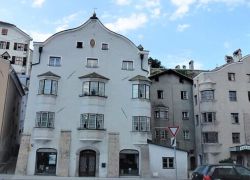
Burg Hasegg is a historic castle located in Innsbruck, the capital of Tyrol in Austria. Situated on the banks of the River Inn, this medieval fortress offers a fascinating glimpse into the region's past. Originally built in the 12th century, the castle was strategically positioned to control the nearby river crossing and protect the city. Today, Burg Hasegg is known for its unique architecture, its role in the history of Innsbruck, and the stunning views it provides of the surrounding area. It also houses the Tyrolean Coin Museum (Tiroler Münzermuseum), which tells the story of the region's coinage and economic history. How to Reach Burg Hasegg, Innsbruck, Austria Burg Hasegg is located in the heart of Innsbruck, making it easy to reach from various points in the city. Here are a few ways to get there: By Train: The Innsbruck Hauptbahnhof (Main Train Station) is well connected to other parts of Austria and beyond. From the station, you can take a bus or tram to the city center, which is a short walk from Burg Hasegg. The castle is located near the Old Town (Altstadt), so you can also walk from the train station in about 20 minutes. By Bus: Several bus lines pass near the castle, including line F, which stops at "Hasegg" near the castle. This is a convenient option if you are traveling from other parts of Innsbruck. By Car: If you are driving, you can take the A12 motorway and park in the nearby parking area in the city center. However, be aware that parking in the old town can be limited, so it’s often better to use public transportation. On Foot: If you are staying in the city center, Burg Hasegg is just a 10-15 minute walk from popular spots like the Golden Roof (Goldenes Dachl) or Maria-Theresien Strasse. Weather at Burg Hasegg, Innsbruck, Austria The weather in Innsbruck can vary greatly depending on the time of year, so it's essential to plan your visit to Burg Hasegg accordingly. Here’s what you can expect: Spring (March to May): Spring is mild, with temperatures ranging from 5°C to 15°C (41°F to 59°F). You may experience some rain showers, so bring a light jacket and an umbrella. Summer (June to August): Summer temperatures can reach 25°C (77°F) or higher, making it a great time to explore the castle and its surroundings. Expect plenty of sunshine, so don't forget your sunscreen. Autumn (September to November): Autumn brings cooler temperatures (10°C to 18°C or 50°F to 64°F) and vibrant fall colors. It’s a great time for a peaceful visit, and the views from the castle are even more stunning with the autumn foliage. Winter (December to February): Winters in Innsbruck can be quite cold, with temperatures ranging from -5°C to 5°C (23°F to 41°F). Snowfall is common, creating a beautiful winter landscape around the castle. Be sure to dress warmly if you visit during the winter months. Opening Times and Entry Details for Burg Hasegg, Innsbruck, Austria Burg Hasegg is open year-round, but the hours of operation can vary depending on the season and special events. Here are the general opening hours: Summer (May to October): The castle is typically open from 10:00 AM to 6:00 PM. This is the peak tourist season, so it's a good idea to visit earlier in the day to avoid crowds. Winter (November to April): During the winter months, the castle is open from 10:00 AM to 4:00 PM. It is less crowded at this time, making it a peaceful season for a visit. Admission fees for Burg Hasegg and the Tyrolean Coin Museum are generally around 8 to 10 euros for adults. Discounts are available for children, students, and seniors. Some special exhibitions may have additional charges, so it's best to check ahead for updated prices and schedules. Why is Burg Hasegg Famous? Burg Hasegg is famous for several reasons, most notably its historical significance and its role in the region's coinage history. Here are a few key highlights: Tyrolean Coin Museum: The castle houses the Tyrolean Coin Museum, which showcases the history of coin production in Tyrol. The museum offers fascinating exhibits on the development of coins from ancient times to the present day, with many rare and valuable coins on display. Medieval Architecture: Burg Hasegg is a great example of medieval architecture, with its solid stone walls, defensive towers, and fortifications. The castle's tower offers panoramic views of Innsbruck and the surrounding Alps. Historical Significance: Built in the 12th century, Burg Hasegg was originally used as a fortress. Over the centuries, it has been a residence, a military stronghold, and a minting facility. Its strategic location made it a vital part of Innsbruck's defense system. History and Architecture of Burg Hasegg Burg Hasegg was originally constructed in the 12th century, likely around 1100-1200, and its purpose was to protect the nearby river crossing and the city of Innsbruck. The castle’s location on the banks of the River Inn was ideal for defense, allowing its inhabitants to monitor traffic on the river and control access to the city. The architecture of Burg Hasegg reflects its function as a fortress, with thick stone walls, defensive towers, and a large central courtyard. The castle’s most notable feature is its 30-meter-high tower, which was used as a lookout point and as a defensive structure during times of conflict. In the 15th century, the castle became the site of a mint, where Tyrolean coins were produced. This period marked the castle's transition from a purely military structure to one that played a key role in the region’s economy. The coinage operations were moved to a more modern facility in the 19th century, but the castle’s legacy as a mint remains an important part of its history. Things to Do Around Burg Hasegg, Innsbruck Burg Hasegg is located in the heart of Innsbruck, and there are many other attractions nearby that you can explore before or after your visit to the castle. Here are some things to do around the area: Explore the Old Town (Altstadt): Innsbruck’s Old Town is just a short walk from Burg Hasegg. The area is full of charming medieval buildings, narrow streets, and picturesque squares. Be sure to visit the Golden Roof (Goldenes Dachl) and the Imperial Palace (Hofburg). Walk along the River Inn: Burg Hasegg is located right on the River Inn, so you can take a relaxing walk along the riverbanks. The views of the river and surrounding mountains are stunning, especially during sunset. Visit the Imperial Palace (Hofburg): The Hofburg is one of Innsbruck's most significant historical sites. It was once the residence of the Habsburg family and offers a glimpse into the region’s royal past. Take a Cable Car to Nordkette: For breathtaking views of the Alps, take the Nordkette cable car from the city center. You’ll be able to enjoy panoramic views of Innsbruck and the surrounding mountains, making it a perfect excursion after visiting the castle. Interesting Facts and Tips About Burg Hasegg Burg Hasegg is one of the oldest castles in Innsbruck, and its history dates back over 900 years. The Tyrolean Coin Museum displays over 2,000 years of coin history, including rare Roman and medieval coins. The 30-meter-high tower offers some of the best panoramic views of Innsbruck and the surrounding Alps. Be sure to check out the beautiful frescoes in the castle’s rooms and the impressive vaulted ceilings in the museum area. During the summer months, the castle can get busy, so try to visit early in the day or later in the afternoon for a quieter experience. Conclusion Burg Hasegg is a must-visit attraction for anyone interested in history, architecture, and culture. Whether you're exploring the medieval castle and its stunning tower or learning about Tyrolean coinage at the Tyrolean Coin Museum, there's something for everyone at this historic site. The combination of rich history, beautiful architecture, and scenic views makes Burg Hasegg an unforgettable experience during your visit to Innsbruck.
Explore More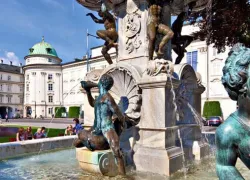
Leopoldsbrunnen is a historical fountain located in the heart of Innsbruck, Austria. Situated in the Old Town (Altstadt), the fountain is one of the city's most iconic landmarks and a significant piece of Tyrolean heritage. Named after Emperor Leopold I, the fountain was constructed in the late 17th century and stands as a testament to the architectural and cultural richness of Innsbruck's past. Leopoldsbrunnen is not just a functional piece of urban infrastructure but also a symbol of the city's history, featuring beautiful sculptures and a grand design that captures the spirit of the Baroque era. Over the centuries, the fountain has become a gathering spot for locals and a popular attraction for visitors seeking to learn more about Innsbruck's rich history and beautiful public art. How to Reach Leopoldsbrunnen, Innsbruck, Austria Leopoldsbrunnen is centrally located in Innsbruck, making it easily accessible by various modes of transportation. Here are some options for reaching the fountain: By Train: Innsbruck Hauptbahnhof (Main Train Station) is well connected to cities across Austria and Europe. From the station, you can reach Leopoldsbrunnen by taking a bus or tram to the city center. The fountain is about a 10-minute walk from the station. By Bus: The fountain is located near several bus stops, including “Rathausgalerien” and “Landesmuseum.” Buses running along lines 1, 2, F, and other local routes will take you close to the fountain. By Car: If you are driving to Innsbruck, you can park in nearby parking garages such as the Parkhaus Rathaus or Parkhaus Altstadt. From there, it’s only a short walk to Leopoldsbrunnen. However, keep in mind that parking in the city center can be limited, especially during busy seasons. On Foot: If you are staying in or near the city center, Leopoldsbrunnen is easily accessible on foot. It is located in the heart of Innsbruck’s Old Town, making it a perfect stop while exploring the area. Weather in Innsbruck and Best Time to Visit Leopoldsbrunnen The weather in Innsbruck varies throughout the year, so your visit to Leopoldsbrunnen will depend on the season you choose to explore Innsbruck. Here is a quick overview of the typical weather conditions in the city: Spring (March to May): Spring in Innsbruck is generally mild, with temperatures ranging from 5°C to 15°C (41°F to 59°F). The weather is pleasant, and the city is less crowded than in summer, making it an excellent time for a visit to the fountain. Summer (June to August): Summer is the peak tourist season in Innsbruck, with temperatures ranging between 15°C to 25°C (59°F to 77°F). The weather is warm, and the city comes alive with outdoor activities and festivals. However, it can get crowded, so plan to visit early in the morning or later in the evening to avoid the crowds. Autumn (September to November): Autumn offers cooler temperatures, ranging from 10°C to 18°C (50°F to 64°F), and beautiful fall foliage in the surrounding mountains. This is a great time to visit if you prefer fewer tourists and a more relaxed atmosphere. Winter (December to February): Winter in Innsbruck can be cold, with temperatures between -5°C and 5°C (23°F and 41°F). Snow is common, and Innsbruck becomes a winter wonderland. If you enjoy snow-covered streets and festive markets, winter is a magical time to visit Leopoldsbrunnen and the Old Town. Opening Hours and Entry Details for Leopoldsbrunnen Leopoldsbrunnen is a public fountain located outdoors, and as such, it is accessible at all times of the day and night. There are no specific opening hours, and visitors are free to admire the fountain at their own convenience. However, if you are visiting during the colder months, the fountain may occasionally be turned off due to freezing temperatures, although this is relatively rare. There is no entry fee to visit Leopoldsbrunnen. As a public monument, it is open for everyone to enjoy. It’s an ideal spot to take photos, relax, and enjoy the atmosphere of the Old Town of Innsbruck. Why is Leopoldsbrunnen Famous? Leopoldsbrunnen is famous for several reasons, most notably its historical significance and beautiful Baroque architecture. Here are a few key reasons why it is such an iconic landmark in Innsbruck: Historical Significance: The fountain was constructed in the late 17th century during the reign of Emperor Leopold I, from whom the fountain gets its name. It was designed to commemorate the emperor's reign and provide a public water source for the city. Baroque Architecture: The fountain is a beautiful example of Baroque-era design, featuring intricate sculptures and ornamental details. Its central column, topped by a statue of Leopold I, is surrounded by other decorative elements, making it an impressive visual centerpiece in the Old Town. Public Art and Gathering Spot: Leopoldsbrunnen has long served as a meeting point for locals and visitors alike. Its iconic design and location in the heart of Innsbruck’s historic center make it a perfect spot for a leisurely break while exploring the city. History and Architecture of Leopoldsbrunnen Leopoldsbrunnen was erected in 1676 to commemorate Emperor Leopold I’s reign and to serve as a public fountain for the city. Designed by the Tyrolean sculptor Michael Lutz, the fountain was built during a time when fountains were important features in urban spaces, providing both decorative and functional value to cities. The construction of the fountain symbolized the wealth and cultural importance of Innsbruck during the Baroque period. The fountain’s design is typical of Baroque fountains, with a central column topped by a statue of Emperor Leopold I, flanked by four smaller statues representing virtues such as justice, fortitude, and piety. The figures around the fountain enhance its symbolic meaning, emphasizing the emperor's role in maintaining order and prosperity in the Tyrol region. Leopoldsbrunnen has undergone some restoration work over the years, ensuring that its intricate sculptures and features are preserved for future generations to enjoy. The fountain is a perfect example of how public art can enhance a city’s landscape and contribute to its historical identity. Things to Do Around Leopoldsbrunnen, Innsbruck Leopoldsbrunnen is located in Innsbruck's Old Town (Altstadt), making it the perfect starting point for exploring other key attractions. Here are a few things to do around the fountain: Visit the Golden Roof (Goldenes Dachl): Just a short walk from Leopoldsbrunnen, the Golden Roof is one of Innsbruck's most famous landmarks. Admire its intricate golden tiles and learn about the history of this architectural marvel. Explore the Imperial Palace (Hofburg): The Hofburg is a historic palace that once served as the residence of the Habsburg family. It’s a short walk from the fountain and offers a glimpse into Innsbruck’s royal history. Stroll through the Hofgarten: The Hofgarten is a tranquil park near the city center. It’s a perfect place for a peaceful stroll, with beautiful gardens and views of the surrounding mountains. Shop along Maria-Theresien Strasse: This lively street is lined with shops, cafes, and restaurants. It’s a great place to pick up souvenirs, enjoy a coffee, or simply people-watch. Interesting Facts and Tips About Leopoldsbrunnen The fountain was originally built to provide drinking water for the public, making it a functional piece of urban infrastructure as well as a decorative monument. Leopoldsbrunnen is one of the most photographed landmarks in Innsbruck, so make sure to bring your camera for some great photos, especially during the golden hour when the light enhances the fountain’s beauty. While the fountain is accessible at all times, visiting early in the morning or late in the evening can give you a more peaceful experience, as it can get crowded with tourists during the day. The fountain is part of a larger collection of Baroque-era landmarks in Innsbruck’s Old Town, so consider exploring the entire area to fully appreciate the city’s architectural heritage. Conclusion Leopoldsbrunnen is a historic and artistic gem in the heart of Innsbruck. Its stunning Baroque architecture and significance as a public monument make it a must-visit for anyone exploring the city. Whether you’re interested in history, art, or simply enjoying the atmosphere of Innsbruck’s Old Town, Leopoldsbrunnen offers a captivating experience for visitors. Don’t forget to explore the nearby attractions and soak in the beauty of this Alpine city during your visit.
Explore More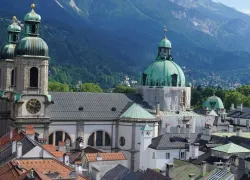
Stadtturm, or the City Tower, is one of the most iconic landmarks in Innsbruck, Austria. Located in the heart of the Old Town (Altstadt), this medieval tower has been a symbol of the city's history and development for centuries. Standing at a height of 31 meters, the Stadtturm offers visitors a panoramic view of Innsbruck and its beautiful Alpine surroundings. It’s a must-see for anyone visiting the city, especially those interested in medieval architecture and history. Dating back to the 14th century, the Stadtturm was originally built as part of the city’s fortifications. Over the centuries, it has served various purposes, including a bell tower and a watchtower. Today, it stands as a popular tourist attraction, offering not only breathtaking views but also insight into Innsbruck's rich past. How to Reach Stadtturm, Innsbruck, Austria Stadtturm is located in the heart of Innsbruck’s Old Town, making it easily accessible from various parts of the city. Here are the best ways to reach the tower: By Train: Innsbruck Hauptbahnhof (Main Train Station) is well connected to other cities in Austria and Europe. From the station, you can either walk to Stadtturm (around a 15-minute walk) or take a local bus or tram. By Bus: Several bus lines pass through Innsbruck’s Old Town area, including lines 1, 2, and F. The nearest bus stops to Stadtturm are “Rathausgalerien” or “Landesmuseum,” both of which are just a short walk from the tower. By Car: If you're driving, there are several parking options near the Old Town, such as the Parkhaus Rathaus and Parkhaus Altstadt. However, parking can be limited and expensive in the city center, so public transport or walking is recommended if you’re staying close to the center. On Foot: If you’re staying in the city center or nearby, Stadtturm is within walking distance. It’s located right in the middle of the Old Town, so it’s easy to find while exploring the area. Weather in Innsbruck and Best Time to Visit Stadtturm The weather in Innsbruck can vary depending on the season. Here's what to expect when visiting Stadtturm: Spring (March to May): Spring in Innsbruck is mild, with temperatures ranging from 5°C to 15°C (41°F to 59°F). The weather is pleasant, and the crowds are thinner than in summer, making it a great time to explore the Stadtturm and other attractions without the rush. Summer (June to August): Summer brings warmer temperatures, ranging from 15°C to 25°C (59°F to 77°F). This is the peak tourist season in Innsbruck, so Stadtturm can be busier during these months. However, the clear skies and warm weather make it an excellent time to enjoy the view from the top of the tower. Autumn (September to November): Autumn is a great time to visit if you prefer cooler temperatures (10°C to 18°C, or 50°F to 64°F) and fewer tourists. The fall foliage in the surrounding mountains adds a beautiful backdrop to the view from Stadtturm. Winter (December to February): Winter in Innsbruck is cold, with temperatures ranging from -5°C to 5°C (23°F to 41°F). Snow is common, and Innsbruck transforms into a winter wonderland. If you don’t mind the cold, the view from Stadtturm can be even more magical during the winter months, especially with the snow-covered roofs of the Old Town. Opening Hours and Entry Details for Stadtturm Stadtturm is open to visitors year-round, though its hours may vary depending on the season. Here are the general opening hours: Summer (May to October): The tower is open daily from 10:00 AM to 6:00 PM. During this time, it is the most popular for tourists, and you may encounter larger crowds. Winter (November to April): In the off-season, the tower is open from 10:00 AM to 4:00 PM. The museum inside the tower is also open during these hours, but it can be quieter compared to the summer months. The entrance fee to visit Stadtturm is usually around 4 euros for adults, with discounts for students, seniors, and children. It's worth checking the official website for any changes in prices or special events that might affect entry times. Why is Stadtturm Famous? Stadtturm is famous for several reasons that make it an essential stop for visitors to Innsbruck: Historical Significance: The tower dates back to the 14th century and was originally part of the medieval city fortifications. Over time, it served as a watchtower and bell tower. Today, it stands as a reminder of Innsbruck's rich history and strategic importance during the Middle Ages. Stunning Views: One of the main reasons to visit Stadtturm is for its incredible panoramic views of Innsbruck. From the top of the tower, visitors can see the entire city, the surrounding Alpine mountains, and the picturesque Old Town, which includes landmarks like the Golden Roof and the Imperial Palace. Architectural Beauty: The tower’s Gothic-style design is a highlight in Innsbruck's architectural landscape. It was originally part of a larger city fortification, and the combination of medieval architecture with later renovations makes it a fascinating piece of history. History and Architecture of Stadtturm The Stadtturm was constructed in 1442 as part of the fortifications for the city of Innsbruck, designed to protect the city from invaders. Over the centuries, it served multiple purposes, including as a bell tower for the nearby city church. Its primary function was to give guards a vantage point to keep watch over the city. The tower is built in a Gothic style, with a distinctive stepped design. Standing at 31 meters (102 feet) tall, it offers panoramic views of the surrounding city and mountains. In the 16th century, the top of the tower was modified to accommodate a clock, and today the clock still chimes every hour, adding to the tower's charm and historical significance. Throughout the years, the tower has undergone restoration and preservation efforts to maintain its integrity. The tower’s interior includes exhibits that explain its history, making it a great stop for anyone interested in learning more about Innsbruck’s medieval past. Things to Do Around Stadtturm, Innsbruck Stadtturm is located in the heart of Innsbruck's Old Town, meaning there are plenty of other attractions nearby. Here are a few things to do around the tower: Visit the Golden Roof (Goldenes Dachl): Just a short walk from Stadtturm, the Golden Roof is Innsbruck’s most famous landmark, with its shimmering golden tiles offering a stunning visual. It’s a great spot to take photos and learn about the history of the city. Explore the Imperial Palace (Hofburg): The Hofburg is a historic palace that once served as the residence of the Habsburg family. Located close to Stadtturm, it offers a glimpse into Innsbruck's royal history. Stroll Through the Hofgarten: The Hofgarten is a peaceful park near Stadtturm. It’s perfect for a relaxing stroll, especially in the warmer months, with beautiful gardens and views of the surrounding Alps. Take the Nordkette Cable Car: For a spectacular view of Innsbruck and the surrounding mountains, take the Nordkette cable car from the city center. It’s a short ride and offers amazing views that stretch for miles. Interesting Facts and Tips About Stadtturm The Stadtturm was originally built as part of the city’s fortifications and served as a watchtower. When visiting Stadtturm, don’t forget to check out the clock and listen for the hourly chimes, which are part of the tower’s charm. The tower has been beautifully preserved and offers one of the best views of Innsbruck and the surrounding Alps. Try to visit early in the day or later in the afternoon to avoid large crowds, especially during the summer months. Conclusion Stadtturm is an essential landmark in Innsbruck, offering both historical insight and stunning views of the city. Whether you’re interested in medieval history, architectural beauty, or simply want to enjoy the scenic views of the Alps, the Stadtturm is a must-visit destination in Innsbruck. With its central location in the Old Town, it’s easy to explore the tower and the many nearby attractions. Make sure to add it to your itinerary when visiting Innsbruck!
Explore More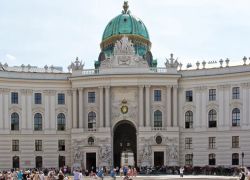
The Hofburg Palace in Innsbruck is one of Austria’s most historically significant landmarks. Located in the heart of Innsbruck, this magnificent building once served as the residence of the Habsburg family, who ruled over the Tyrol region for centuries. The palace is an iconic symbol of Austria’s imperial past and offers visitors a unique glimpse into the royal life of the Habsburgs. With its blend of Renaissance and Baroque architectural styles, the Hofburg Palace stands as a testament to the grandeur of the Habsburg monarchy. The Hofburg is not only a popular tourist attraction but also a significant cultural and historical site. It houses several important rooms and museums that showcase the Habsburgs' opulent lifestyle, including the Imperial Apartments, the Tyrolean Folk Art Museum, and the court chapel. Whether you are interested in history, art, or architecture, the Hofburg Palace is a must-see destination in Innsbruck. How to Reach Hofburg Palace, Innsbruck, Austria The Hofburg Palace is centrally located in Innsbruck, making it easy to reach from various points in the city. Here are a few options for getting to the palace: By Train: Innsbruck Hauptbahnhof (Main Train Station) is well-connected to other cities in Austria and Europe. From the station, you can take a bus, tram, or walk to Hofburg Palace. The walk is approximately 15 minutes. By Bus: Several local bus lines pass through Innsbruck’s city center. The nearest bus stops to Hofburg are “Rathausgalerien” or “Landesmuseum.” Both stops are a short walk away from the palace. By Car: If you're driving, you can park in nearby parking garages such as Parkhaus Rathaus or Parkhaus Altstadt. However, parking in the city center can be limited, and public transport or walking is often the best choice for visitors. On Foot: If you are staying in Innsbruck’s Old Town, Hofburg Palace is within walking distance. It is located near other key landmarks, such as the Golden Roof (Goldenes Dachl) and the Imperial Court Church (Hofkirche). Weather in Innsbruck and Best Time to Visit Hofburg Palace Innsbruck experiences a variety of weather conditions throughout the year, so it's important to plan your visit to Hofburg Palace according to the season. Here's what to expect: Spring (March to May): Spring in Innsbruck is mild, with temperatures ranging from 5°C to 15°C (41°F to 59°F). The weather is pleasant, and the city is less crowded than in summer, making it an ideal time for sightseeing. Summer (June to August): Summer is the peak tourist season in Innsbruck, with temperatures between 15°C to 25°C (59°F to 77°F). The city can get crowded, but the warm weather makes it a great time to explore the palace and surrounding attractions. Autumn (September to November): Autumn offers cooler temperatures, ranging from 10°C to 18°C (50°F to 64°F). The fall colors in the surrounding mountains create a stunning backdrop for the palace, and it’s a quieter time to visit compared to summer. Winter (December to February): Winter is cold, with temperatures ranging from -5°C to 5°C (23°F to 41°F). Snow is common, and Innsbruck becomes a winter wonderland. If you enjoy snow and winter festivities, the Hofburg Palace looks magical during this season. Opening Hours and Entry Details for Hofburg Palace Hofburg Palace is open year-round, though its hours of operation may vary depending on the season. Here are the general opening hours: Summer (May to October): The palace is open daily from 9:00 AM to 6:00 PM. This is the peak tourist season, so you may encounter larger crowds. Winter (November to April): In winter, the Hofburg is open from 10:00 AM to 4:00 PM. The palace is less crowded during this time, making it a great option if you prefer a quieter visit. The entry fee for Hofburg Palace is usually around 10-12 euros for adults, with discounts available for children, students, and seniors. Tickets often include entry to multiple rooms and exhibitions, such as the Imperial Apartments, the Tyrolean Folk Art Museum, and the Hofburg Court Chapel. Be sure to check the official website for the latest details on ticket prices and hours. Why is Hofburg Palace Famous? Hofburg Palace is famous for several reasons, all of which contribute to its importance as a historical and cultural landmark: Imperial Residence: The Hofburg served as the residence of the Habsburg family for centuries. It was the seat of Tyrolean rulers and later became the home of Austrian emperors, making it a central piece of Austria’s royal history. Architectural Grandeur: The palace is a stunning example of Renaissance and Baroque architecture. Its intricate facades, elegant courtyards, and grand interiors reflect the opulence of the Habsburg monarchy. Historical Significance: The palace played an important role in the political and cultural life of Austria for centuries. It witnessed key events in Tyrolean and Austrian history and has been a site for royal ceremonies and receptions. Art and Culture: The palace houses several important museums, including the Tyrolean Folk Art Museum and the Imperial Apartments. These exhibitions provide visitors with a deeper understanding of Tyrolean history and the royal lifestyle of the Habsburgs. History and Architecture of Hofburg Palace The construction of Hofburg Palace dates back to the 12th century, although it underwent significant expansions and renovations over the centuries. Originally built as a simple fortress for the counts of Tyrol, the palace gradually grew in size and significance as the region’s rulers gained more power. The most notable expansions took place during the Renaissance and Baroque periods, when the palace transformed into a grand royal residence. The Habsburg family, who ruled over the Tyrol region, commissioned numerous architectural changes to reflect their wealth and status. The palace’s exterior is a striking mix of Renaissance and Baroque styles, with elegant facades and beautifully designed courtyards. Inside, visitors can explore opulent rooms, including the Emperor’s Apartments, where the Habsburgs resided during their stays in Innsbruck. The Hofburg Palace also houses the Hofkirche (Court Church), which is renowned for its stunning architecture and historical significance. The church is home to the tomb of Emperor Maximilian I, as well as impressive bronze statues of his ancestors. Things to Do Around Hofburg Palace, Innsbruck Hofburg Palace is located in the heart of Innsbruck, so there are many attractions nearby that you can explore. Here are some things to do around the palace: Visit the Golden Roof (Goldenes Dachl): Located just a short walk from Hofburg, the Golden Roof is one of Innsbruck's most famous landmarks. Admire the intricate golden tiles and learn about the history of the building. Explore the Tyrolean Folk Art Museum: This museum, located inside Hofburg Palace, showcases the region’s rich folk traditions, including costumes, crafts, and artifacts from daily life in Tyrol. Take a Stroll through the Hofgarten: The Hofgarten is a peaceful park located near the palace. It’s a great place for a relaxing walk, with beautiful views of the surrounding mountains. Explore the Imperial Court Church (Hofkirche): Just next door to the Hofburg, the Hofkirche is home to impressive tombs, statues, and altars. It’s an architectural gem and an important site for Austrian history. Interesting Facts and Tips About Hofburg Palace The Hofburg Palace was originally a medieval fortress and has been expanded and renovated over the centuries, reflecting the changing architectural styles of different eras. One of the most impressive rooms in the palace is the Emperor’s Apartments, where the Habsburgs entertained guests and conducted royal business. Visiting the palace in the off-season (autumn or winter) can help you avoid large crowds, making for a more peaceful and intimate experience. Don’t miss the Hofkirche next door, where you can see the tomb of Emperor Maximilian I and explore the impressive sculptures and artwork within the church. Conclusion Hofburg Palace is one of Innsbruck’s most important and beautiful landmarks. With its rich history, stunning architecture, and fascinating museums, it offers a unique opportunity to explore the opulent lifestyle of the Habsburgs and the cultural heritage of Tyrol. Whether you’re a history enthusiast, an architecture lover, or simply someone who enjoys exploring Austria’s royal past, Hofburg Palace is an essential stop during your visit to Innsbruck.
Explore More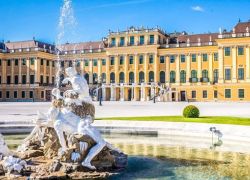
Schönbrunn Palace is one of the most iconic and stunning landmarks in Vienna, Austria. A UNESCO World Heritage site, the palace is a remarkable example of Baroque architecture and a symbol of Austria’s imperial past. It was originally built as a hunting lodge for the Habsburg family, and over the centuries, it grew into the imperial summer residence of Austrian royalty. The palace is surrounded by expansive gardens, a zoo, and various monuments, making it a perfect blend of cultural, historical, and natural beauty. Schönbrunn is often compared to Versailles in France, and many visitors regard it as one of Europe’s most beautiful palaces. The site attracts millions of visitors each year and is one of the most popular tourist destinations in Vienna. How to Reach Schönbrunn Palace, Vienna, Austria Schönbrunn Palace is located approximately 5 kilometers west of Vienna’s city center. It is easily accessible by public transportation, making it a convenient destination for visitors. Here are a few options to reach the palace: By U-Bahn (Subway): The fastest way to reach Schönbrunn Palace from the city center is by taking the U4 line of the Vienna U-Bahn (subway). The closest station to the palace is “Schönbrunn,” which is just a short walk from the palace entrance. By Bus: Several bus lines also serve the palace. Bus 10A and 58A have stops near the Schönbrunn Palace, making it easy to access from different parts of Vienna. By Tram: Tram lines 58 and 60 are also good options to get to the palace. You can get off at the Schönbrunn tram stop, which is a short walk from the main entrance. By Taxi: A taxi ride from Vienna’s city center to Schönbrunn Palace takes about 15 minutes, depending on traffic. Walking: If you enjoy walking, Schönbrunn is approximately a 30-minute walk from the city center. It’s a pleasant stroll that allows you to experience Vienna’s charming streets along the way. Weather in Vienna and Best Time to Visit Schönbrunn Palace Vienna has a continental climate, so the weather can vary depending on the season. Here’s what you can expect throughout the year: Spring (March to May): Spring in Vienna is mild, with temperatures ranging from 10°C to 15°C (50°F to 59°F). This is a great time to visit Schönbrunn, as the gardens start to bloom, and the weather is pleasant for walking around. Summer (June to August): Summer in Vienna can get warm, with temperatures ranging from 18°C to 25°C (64°F to 77°F). This is the peak tourist season, so Schönbrunn Palace can be crowded. However, the gardens are at their most beautiful during this time. Autumn (September to November): Autumn brings cooler temperatures (10°C to 15°C or 50°F to 59°F), and the fall foliage adds a beautiful touch to the palace gardens. This is a quieter time to visit as the tourist crowds start to thin. Winter (December to February): Winters in Vienna can be cold, with temperatures ranging from -2°C to 5°C (28°F to 41°F). Although the gardens may not be in full bloom, the palace and surrounding area look magical in the winter, especially when it snows. Opening Hours and Entry Details for Schönbrunn Palace Schönbrunn Palace is open to the public year-round, with varying hours depending on the season. Here’s a general idea of what to expect: Summer Season (April to October): The palace is open from 8:30 AM to 5:30 PM. The gardens are open until sunset, allowing visitors to explore at their leisure. Winter Season (November to March): The palace is open from 9:00 AM to 5:00 PM. The gardens remain accessible, but some areas may be closed for maintenance during the colder months. There are various ticket options for visiting Schönbrunn Palace. The entrance fee for the palace tours ranges from 15 to 20 euros for adults, depending on the tour type (audio guides, guided tours, etc.). Additional fees may apply for the gardens, the zoo, and special exhibits. Why is Schönbrunn Palace Famous? Schönbrunn Palace is famous for many reasons. Some of the key factors that make it one of the most visited places in Vienna include: Historical Significance: The palace served as the summer residence of the Habsburgs, one of Europe’s most powerful dynasties. It has been the setting for numerous important events in Austrian and European history. Architectural Beauty: The palace is an exquisite example of Baroque architecture, designed by famous architects like Johann Bernhard Fischer von Erlach. Its lavish rooms, intricate frescoes, and stunning gardens are admired by visitors worldwide. Connection to Empress Maria Theresa: Schönbrunn is closely associated with Empress Maria Theresa, one of the most powerful monarchs in Europe. The palace was her residence, and she greatly expanded and improved the estate during her reign. World-Class Gardens: The vast gardens surrounding the palace are just as impressive as the palace itself. They feature beautiful fountains, sculptures, and themed gardens, including the Palm House and the Maze Garden. History and Architecture of Schönbrunn Palace Schönbrunn Palace was originally built in the late 17th century as a hunting lodge for Emperor Leopold I. However, it was Empress Maria Theresa who transformed the palace into a magnificent imperial residence during the mid-18th century. Under her patronage, the palace underwent significant renovations, and many of its iconic rooms were created. The architectural design of Schönbrunn Palace is a blend of Baroque, Rococo, and Neoclassical styles. The palace consists of 1,441 rooms and is arranged around a central courtyard. The grand entrance, featuring two large wings, is decorated with statues, and the interior is just as lavish, with beautifully painted ceilings, elaborate frescoes, and exquisite furniture. In addition to the palace, the surrounding gardens are an integral part of the Schönbrunn estate. Designed by the famous landscape architect Peter Joseph Lenné, the gardens feature symmetrical layouts, intricate flowerbeds, and a variety of ornamental fountains. The gardens were designed to reflect the power and opulence of the Habsburg monarchy. Things to Do at Schönbrunn Palace, Vienna Visiting Schönbrunn Palace offers many things to do, whether you're interested in history, nature, or art: Tour the Imperial Apartments: Take a guided or self-guided tour of the palace’s imperial rooms, where you can learn about the royal family’s life and see how they lived in opulence. Explore the Gardens: Stroll through the meticulously designed gardens and enjoy the views of the palace. Don’t miss the famous Maze Garden, the Gloriette, and the Palm House. Visit the Schönbrunn Zoo: The world’s oldest continuously operating zoo, located within the palace grounds, is a family-friendly attraction with a wide range of animals and exhibits. Visit the Carriage Museum: The museum inside Schönbrunn Palace houses an impressive collection of royal carriages and sleighs. Enjoy a Coffee at the Café Residenz: Relax at the beautiful Café Residenz, located within the palace, and enjoy some traditional Austrian pastries. Interesting Facts and Tips About Schönbrunn Palace Schönbrunn Palace was the site of the famous **Treaty of Schönbrunn** in 1809, which ended the war between Austria and France. The palace gardens feature over 60 fountains, statues, and monuments, making it one of the most beautiful Baroque gardens in Europe. If you visit during the summer, be sure to check out the **Schönbrunn Palace Concerts**, which are held in the palace’s Orangery. To avoid the crowds, it’s recommended to visit early in the morning or later in the afternoon. Conclusion Schönbrunn Palace is a must-visit destination for anyone visiting Vienna. With its stunning architecture, rich history, and beautiful gardens, it provides a unique insight into Austria’s imperial past. Whether you're exploring the royal apartments, relaxing in the gardens, or visiting the zoo, there is plenty to see and do at this magnificent palace. Make sure to set aside a few hours to fully appreciate all that Schönbrunn has to offer!
Explore More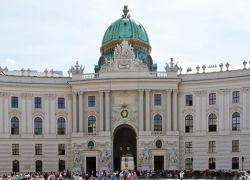
The Hofburg Palace in Vienna, Austria, is one of the most important historical landmarks in Europe. This magnificent palace complex has served as the residence of Austrian monarchs for centuries, and today it stands as a symbol of imperial power and history. The palace is located in the heart of Vienna and is home to several museums, government offices, and the famous Spanish Riding School. Whether you're a history lover or a tourist exploring Vienna, Hofburg Palace offers a unique glimpse into Austria's royal past. How to Reach Hofburg Palace The Hofburg Palace is easily accessible by various modes of transport. If you're coming by public transport, you can take the U3 (orange) metro line to the "Herrengasse" station, which is just a short walk from the palace. Alternatively, tram lines 1, 2, or D stop nearby. If you're arriving by train, Vienna's main station, "Wien Hauptbahnhof," is well-connected to Hofburg Palace via the metro and bus services. For those traveling by car, there are parking options near the palace, though public transport is recommended due to the limited parking spaces in central Vienna. Weather and Timing The weather in Vienna varies by season. Summers (June to August) are typically warm, with average temperatures ranging from 20°C to 30°C (68°F to 86°F), making it a great time to explore the palace and its gardens. Winters (December to February) can be cold, with temperatures often dipping below freezing. Snow is common, creating a winter wonderland atmosphere around the palace. Spring and autumn offer mild weather, perfect for walking around the area. Hofburg Palace is open to visitors year-round. The palace complex itself is open every day, but the hours of operation for the museums and exhibitions vary. It's best to check the official website or ask for the current timings before your visit. Why is Hofburg Palace Famous? Hofburg Palace is famous for its historical significance and architectural grandeur. It was originally constructed in the 13th century and expanded over the centuries by various emperors. It was the seat of the Habsburg dynasty, who ruled over much of Europe for centuries. Today, the palace houses several important institutions, including the offices of the President of Austria, the Austrian National Library, and various museums that attract visitors from all over the world. The Spanish Riding School, home to the famous Lipizzaner horses, is also located here, making it a significant cultural and historical center in Vienna. Entry and Visit Details Entry to Hofburg Palace is free for the external areas, such as the Hofburg gardens and courtyards. However, to enter the museums and special attractions, such as the Imperial Apartments or the Spanish Riding School, you will need to purchase tickets. Ticket prices vary depending on the exhibitions you wish to visit. There are also combination tickets available that offer access to multiple attractions within the Hofburg complex, such as the Sisi Museum, the Silver Collection, and the Imperial Apartments. History of Hofburg Palace Hofburg Palace was first established in the 13th century as the residence of the Habsburg dynasty. Over time, it expanded into a large complex that includes multiple wings, courtyards, and gardens. The palace served as the official residence of the Austrian emperors for over 600 years. It is said that the first emperor to live in the palace was Emperor Rudolf IV, who greatly expanded the structure during his reign. Over the centuries, successive emperors added their own touches to the palace, making it a mixture of Gothic, Renaissance, Baroque, and Rococo styles. Today, the Hofburg is a stunning example of Austria's rich architectural heritage and royal history. Architecture of Hofburg Palace The architecture of Hofburg Palace is a remarkable blend of different styles. The oldest part of the palace dates back to the 13th century and reflects medieval Gothic design. Over time, the palace was expanded and renovated, with different parts reflecting the changing tastes of each ruler. The Spanish Riding School, for example, was built in the Baroque style, while the Imperial Apartments and the Sisi Museum reflect the opulence of the 19th century. The complex also features beautiful gardens, grand courtyards, and decorative fountains that enhance the overall experience for visitors. Things to Do at Hofburg Palace There is plenty to do and see at Hofburg Palace. Some of the highlights include: The Imperial Apartments: Explore the lavish rooms where the Habsburg emperors once lived. Sisi Museum: A museum dedicated to the life of Empress Elisabeth, also known as Sisi, who was beloved for her beauty and tragic life. Spanish Riding School: Witness the famous Lipizzaner horses perform in this centuries-old tradition of classical dressage. Austrian National Library: A breathtaking library with over 7 million books and manuscripts, many of which are centuries old. Hofburg Gardens: Stroll through the beautiful palace gardens that offer stunning views of the surrounding city. Facts about Hofburg Palace The palace complex consists of over 2,600 rooms. The Hofburg Palace was once the largest palace in the world. The Sisi Museum, dedicated to Empress Elisabeth, is one of the most visited attractions at Hofburg. It houses the Austrian President's office, which is still in use today. The Spanish Riding School is the oldest institution of its kind in the world. Tips for Visiting Hofburg Palace Here are some useful tips to make the most of your visit to Hofburg Palace: Buy tickets in advance: The palace can get crowded, especially during peak tourist seasons. To save time, purchase your tickets online beforehand. Take a guided tour: A guided tour will give you detailed insights into the history and significance of the palace. Wear comfortable shoes: There is a lot to explore, and you will be walking a lot. Comfortable footwear is recommended. Visit during off-peak hours: If possible, try to visit early in the morning or later in the afternoon to avoid the busiest crowds. Check for special events: The Hofburg Palace hosts special exhibitions and events throughout the year, so check the official website for any ongoing activities. Conclusion Hofburg Palace in Vienna is a must-visit destination for anyone interested in history, culture, and royal architecture. Whether you're admiring the stunning buildings, exploring the museums, or watching the Lipizzaner horses perform, there is something for everyone. Its rich history and beautiful surroundings make it one of Austria's most iconic landmarks. Don't forget to plan ahead to make the most of your visit and discover the many fascinating aspects of this royal residence.
Explore More
Belvedere Palace is one of Vienna's most famous and beautiful landmarks. This historical complex consists of two Baroque palaces, the Upper and Lower Belvedere, and is surrounded by stunning gardens. Located in the heart of Vienna, Belvedere is not just an architectural masterpiece but also a hub for art and culture, housing the renowned Belvedere Museum, which showcases an impressive collection of Austrian art. From its exquisite gardens to the captivating art collections, Belvedere Palace offers an unforgettable experience for visitors. How to Reach Belvedere Palace Belvedere Palace is centrally located and can be easily reached using Vienna's efficient public transport system. The closest tram stop is "Belvedere," which is served by tram line D. If you're traveling by metro, the nearest station is "Karlsplatz" (U1, U2, U4), which is about a 15-minute walk from the palace. Additionally, there are bus services that stop near the palace. If you're coming by train, Vienna's main train station, "Wien Hauptbahnhof," is just a short distance from Belvedere Palace and can be reached via tram or by walking. Weather and Timing The weather in Vienna can vary greatly depending on the season. Summers (June to August) are typically warm, with temperatures ranging between 20°C to 30°C (68°F to 86°F), making it a perfect time to enjoy the outdoor gardens and sculptures. Winters (December to February) are cold, with temperatures often below freezing. Snow is common, and although it may be chilly, the palace and gardens look magical under the winter snowfall. Spring and autumn offer mild temperatures, perfect for sightseeing and walking around the extensive gardens. Belvedere Palace is open year-round. The palace and gardens can be visited daily, with the museum open from 10:00 AM to 6:00 PM. The gardens, however, are free to visit and are accessible all year long. It's important to check the official website for specific timings during holidays or special events, as the museum may have altered hours. Why is Belvedere Palace Famous? Belvedere Palace is renowned for its architectural beauty, historical significance, and cultural importance. The palace was originally built as the summer residence of Prince Eugene of Savoy in the early 18th century. The Upper Belvedere is home to the famous painting "The Kiss" by Gustav Klimt, one of Austria's most celebrated artists. The complex also includes the Lower Belvedere and the Belvedere Museum, which houses a vast collection of Austrian art, ranging from the Middle Ages to contemporary works. Its Baroque architecture, stunning gardens, and art collections make Belvedere Palace one of Vienna’s most popular cultural attractions. Additionally, the panoramic views of Vienna from the Upper Belvedere are simply breathtaking, making it a favorite destination for photographers and art lovers alike. Entry and Visit Details There are several options for visitors to explore Belvedere Palace. The palace and gardens are free to visit, but if you wish to explore the museums inside the palace, you will need to purchase a ticket. The Belvedere Museum offers different ticket options, including single-entry tickets for specific exhibitions or a combined ticket that grants access to both the Upper and Lower Belvedere. Ticket prices vary depending on the time of year, so it's always a good idea to check the official website for the latest information. The Belvedere Palace is home to two main sections: the Upper Belvedere and the Lower Belvedere. The Upper Belvedere is where the main collection of art is displayed, including Klimt's famous "The Kiss." The Lower Belvedere houses temporary exhibitions and provides more insight into the history of the palace and its royal past. You can also visit the Baroque gardens surrounding the palace, which are free and open to the public throughout the year. History of Belvedere Palace Belvedere Palace was built in the early 18th century for Prince Eugene of Savoy, one of the most important military leaders in Austrian history. Construction of the palace began in 1714, and it was designed by the architect Johann Lukas von Hildebrandt in the Baroque style. The palace was meant to serve as a luxurious summer residence for Prince Eugene, and it quickly became one of the most magnificent buildings in Vienna. Over the centuries, Belvedere Palace has been a symbol of royal power and wealth. After Prince Eugene's death in 1736, the palace passed into imperial hands. The palace was later used for various purposes, including as a royal residence and a center for art and culture. Today, it is a museum that showcases a rich collection of art, including works from the Middle Ages, the Baroque period, and the modern era. Architecture of Belvedere Palace Belvedere Palace is a prime example of Baroque architecture, with its stunning symmetry, grandiose facades, and elaborate gardens. The palace complex consists of two main buildings: the Upper Belvedere and the Lower Belvedere. The Upper Belvedere, which is the more elaborate of the two, is situated on a hill, offering fantastic views of the surrounding city. The Lower Belvedere is located at the bottom of the hill and is more intimate in design. The palace's exterior is characterized by its elegant white and gold color scheme, intricate stonework, and grand statues. The gardens are equally impressive, with geometric patterns, fountains, and carefully maintained flowerbeds. The entire complex is designed to reflect the grandeur and opulence of the time, providing visitors with an immersive experience in the world of Baroque architecture. Things to Do at Belvedere Palace Belvedere Palace offers a wide range of activities and attractions for visitors to enjoy: Explore the Belvedere Museum: Visit the Upper and Lower Belvedere to admire a remarkable collection of Austrian and European art, including works by Gustav Klimt, Egon Schiele, and Oskar Kokoschka. Stroll Through the Gardens: Take a relaxing walk through the stunning Baroque gardens that surround the palace, offering panoramic views of Vienna. Visit Temporary Exhibitions: The Lower Belvedere regularly hosts temporary art exhibitions, featuring contemporary works and historical pieces. Photography: The views from the Upper Belvedere provide a stunning backdrop for photography, especially at sunset or during the golden hours of the day. Enjoy a Coffee in the Palace Café: Relax at one of the cafés within the palace grounds and enjoy a traditional Austrian coffee or cake. Facts about Belvedere Palace The Upper Belvedere is home to one of the most famous paintings in the world, Gustav Klimt’s "The Kiss." Belvedere Palace was originally constructed as the summer residence of Prince Eugene of Savoy, a military hero. The palace complex is located on a hill, offering breathtaking views of Vienna’s skyline and the surrounding area. The Lower Belvedere houses a variety of temporary art exhibitions, making it an ever-changing cultural experience. Belvedere’s gardens are designed in the classical Baroque style, featuring fountains, sculptures, and manicured lawns. Tips for Visiting Belvedere Palace To make the most of your visit to Belvedere Palace, here are a few tips: Plan your visit during off-peak hours: Belvedere can get busy, especially during weekends and peak tourist seasons. Arriving early or later in the afternoon will help you avoid the crowds. Wear comfortable shoes: You’ll be walking around the large palace complex and gardens, so comfortable footwear is recommended. Check for special events: Belvedere Palace hosts a variety of events throughout the year, including concerts and temporary exhibitions. Be sure to check the official website for any special activities during your visit. Take your time in the gardens: The gardens offer a peaceful escape from the hustle and bustle of the city. Take some time to enjoy the serene atmosphere. Conclusion Belvedere Palace is a stunning example of Baroque architecture and a treasure trove of Austrian art and culture. Whether you're admiring the breathtaking views from the Upper Belvedere, exploring the gardens, or immersing yourself in the world of Klimt and other renowned artists, a visit to Belvedere Palace is sure to be a highlight of your time in Vienna.
Explore More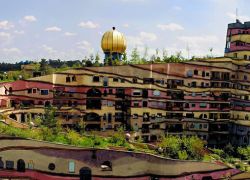
Hundertwasserhaus is one of Vienna's most unique and visually striking architectural landmarks. Designed by the Austrian artist Friedensreich Hundertwasser, this colorful apartment building is a masterpiece of expressionist architecture. The building stands out in the city due to its undulating floors, irregular lines, bright colors, and natural elements such as trees growing from windows. It has become one of Vienna's most popular tourist destinations, attracting visitors who are fascinated by its unconventional design and its break from the traditional architectural norms of the city. How to Reach Hundertwasserhaus Hundertwasserhaus is located in the Landstraße district of Vienna, making it easily accessible from various parts of the city. The nearest public transport options include the U-Bahn (subway) line U3, with the "Landstraße" station being the closest stop. From there, it’s just a short walk to the building. Alternatively, you can take tram lines 1 and 18, which also stop nearby. If you prefer traveling by bus, bus line 74A stops close to Hundertwasserhaus. For those arriving by train, the museum is approximately 10 minutes by public transport from Vienna's main train station, Wien Hauptbahnhof. The building is also located near the popular Stadtpark, making it easy to combine your visit to Hundertwasserhaus with a stroll through the park. Weather and Timing Vienna has a temperate climate, with distinct seasons throughout the year. Summer (June to August) is warm and pleasant, with temperatures ranging from 20°C to 30°C (68°F to 86°F), making it an excellent time to visit Hundertwasserhaus and explore the surrounding area. The spring (March to May) and autumn (September to November) months offer mild temperatures, ideal for walking around the city and admiring the unique architecture. Winter (December to February) in Vienna can be cold, with temperatures often falling below freezing, but the festive atmosphere during the holiday season makes it an interesting time to visit. Hundertwasserhaus is open year-round, and its striking colors provide a lovely contrast against the winter landscape. It’s important to note that while the building itself is open for public viewing, the apartments are private, so visitors can only view the exterior. Why is Hundertwasserhaus Famous? Hundertwasserhaus is famous for its distinct and innovative architectural style, which rejects the straight lines and symmetrical structures commonly seen in traditional architecture. The building's exterior is adorned with bright colors, irregular shapes, and uneven windows that seem to defy conventional design principles. This whimsical design was created to harmonize with nature, which is a recurring theme in Hundertwasser’s work. The building consists of 52 apartments, several offices, and shops, but it is best known for its "organic" and environmentally friendly design. The roof garden, the trees growing in the windows, and the use of natural materials make Hundertwasserhaus a pioneering example of eco-friendly architecture. It is also famous for being one of the few buildings in Vienna that challenges the city’s classical and baroque architectural style, offering a playful contrast to the otherwise traditional aesthetic of the city. Entry and Visit Details There is no entry fee for viewing the exterior of Hundertwasserhaus, as it is a public building. However, as the apartments and offices inside the building are private residences, you can only admire the design from the outside. The building is often visited by tourists who come to photograph its bright colors and distinctive features. For a deeper experience, visitors can explore the nearby Hundertwasser Museum (Kunst Haus Wien), which is dedicated to the life and works of Friedensreich Hundertwasser. The museum is located nearby and offers insight into Hundertwasser's unique artistic vision, as well as showcasing more of his works, including paintings, sketches, and architectural models. History of Hundertwasserhaus Hundertwasserhaus was designed by Friedensreich Hundertwasser in collaboration with architect Joseph Krawina. Construction began in 1983, and the building was completed in 1986. Hundertwasser, an artist known for his unconventional and nature-inspired works, wanted to create a structure that reflected his philosophy of architecture that integrates with nature rather than competing with it. His design includes irregular floors, a colorful façade, and trees growing on the building’s roof and windows. The project was met with some skepticism at first, but it quickly gained popularity due to its unique appearance. Today, it stands as one of the most iconic examples of expressionist architecture in the world. It is also seen as a symbol of individuality and freedom of artistic expression, attracting hundreds of thousands of visitors each year who are curious about its bold design. Architecture of Hundertwasserhaus The architecture of Hundertwasserhaus is characterized by its vibrant colors, organic forms, and the use of nature in the design. The façade of the building is decorated with bright yellow, blue, red, and green hues, which contrast with the traditional beige and white buildings surrounding it. Hundertwasser rejected the straight lines of conventional architecture, opting instead for curves and asymmetry to create a building that feels alive and dynamic. One of the most striking features of Hundertwasserhaus is its integration of nature into the design. Trees grow out of the windows and the roof, adding a touch of greenery to the building. The use of natural materials like wood and ceramic tiles further emphasizes Hundertwasser’s belief that architecture should be in harmony with nature. This ecological approach to design has inspired countless other projects worldwide. Things to Do at Hundertwasserhaus While you can’t enter the apartments of Hundertwasserhaus, there are several activities you can enjoy nearby: Visit Kunst Haus Wien: Just a short walk from Hundertwasserhaus, Kunst Haus Wien is a museum dedicated to Hundertwasser’s life and works. It includes a permanent exhibition of his paintings, drawings, and architectural projects. Explore the Surrounding Area: The building is located in the Landstraße district, a neighborhood known for its historic charm and local attractions. After visiting Hundertwasserhaus, take a stroll through the nearby Stadtpark or explore the nearby shops and cafes. Take Photos: Hundertwasserhaus is an incredibly photogenic building, and its colorful façade and unusual design make it a favorite subject for photographers. Don’t forget to snap some pictures to capture its beauty! Facts about Hundertwasserhaus Hundertwasserhaus was completed in 1986 and consists of 52 apartments, 4 offices, and several commercial spaces. The building features 16 trees that grow from the windows and 250 windows that are all unique in shape and size. Hundertwasserhaus is part of the "Hundertwasser Village," a complex that includes the Kunst Haus Wien museum and a small shopping area. The building’s design was influenced by Hundertwasser’s rejection of straight lines and his commitment to incorporating nature into architecture. Hundertwasserhaus has become one of Vienna’s most visited tourist attractions, with thousands of visitors every year. Tips for Visiting Hundertwasserhaus To make the most of your visit to Hundertwasserhaus, here are a few tips: Plan to visit Kunst Haus Wien: The museum nearby is dedicated to Hundertwasser’s works and offers a deeper understanding of the artist's philosophy and artistic style. Take a guided tour: Although you can visit Hundertwasserhaus on your own, a guided tour will help you learn more about the history and design of the building. Respect the privacy: As Hundertwasserhaus is a residential building, be mindful not to disturb the residents when visiting. Enjoy the exterior and the surrounding area instead. Visit during off-peak hours: Hundertwasserhaus is a popular attraction, so try to visit early in the morning or later in the afternoon to avoid the crowds. Conclusion Hundertwasserhaus is one of the most unique and visually captivating buildings in Vienna. Designed by Friedensreich Hundertwasser, it challenges conventional architectural norms and offers a vibrant and eco-friendly space that harmonizes with nature. Whether you're an art lover, an architecture enthusiast, or just looking to explore a different side of Vienna, Hundertwasserhaus is sure to leave a lasting impression.
Explore More9 Night - 10 Days Trip To Vienna
10 Days/ 9 Night
Budapest - Bratislava - Prague - Vienna
13 Days Wonders Of Europe Tour
13 Days/ 12 Night
Paris - Cologne - Amsterdam - Innsbruck - Zurich - Padova - Arezzo
12 Night - 13 Days Wonders Of Europe Tour
13 Days/ 12 Night
Paris - Venice - Florence - Brussels - Amsterdam - Innsbruck - Rome - Lucerne - Vaduz
Europe For All 7 Nights - 8 Days Tour
8 Days/ 7 Night
Paris - Milan - Venice - Munich - Innsbruck - Lucerne - Zurich - Engelberg - Wattens
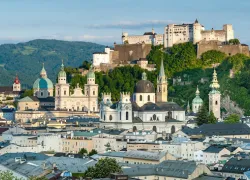
Hohensalzburg Fortress is located on a hilltop above the city of Salzburg, making it an iconic landmark visible from various points in the city. The fortress is easily accessible for tourists through different methods: By Funicular: The most popular way to reach the fortress is by taking the funicular ride from the city center. The funicular station is located at the base of the hill, and it takes visitors directly to the top in just a few minutes. By Foot: If you’re up for a hike, you can walk up the hill. The path is well-maintained and provides beautiful views of the city and the Alps, though it can be steep. By Car: While there is a small parking area near the entrance, it is not recommended to drive up to the fortress due to limited parking spaces. Visitors usually opt for public transport or the funicular. Weather The weather in Salzburg can vary depending on the time of year. Here’s a brief overview: Spring (March to May): The weather is mild, with average temperatures ranging from 5°C to 15°C. It’s a good time to visit if you prefer cooler temperatures and fewer crowds. Summer (June to August): Summer temperatures are warm, averaging 20°C to 25°C. It’s the peak tourist season, so expect more visitors, especially in July and August. Autumn (September to November): The weather starts to cool down, and the fall foliage makes for a beautiful sight. Temperatures range from 10°C to 15°C. Winter (December to February): The weather can be quite cold, with temperatures often dropping below 0°C. If you enjoy winter sports, it’s a good time for skiing in the nearby mountains. Timing The fortress is open daily to visitors, with varying hours depending on the season. In general, the opening times are as follows: Summer (April to October): 9:00 AM to 7:00 PM Winter (November to March): 9:30 AM to 5:00 PM It’s always best to check the official website or contact the fortress in advance to confirm opening hours, as they may change on holidays or due to special events. Why Famous? Hohensalzburg Fortress is famous for several reasons: Historical Significance: It’s one of the largest and best-preserved medieval castles in Europe, dating back to 1077. The fortress has a rich history and has witnessed centuries of European conflicts. Incredible Views: Situated on a hill, the fortress provides panoramic views of Salzburg, the surrounding Alps, and the Salzach River. Visitors can see stunning vistas from almost every corner of the fortress. Architectural Wonder: The fortress is an outstanding example of medieval military architecture. It features thick defensive walls, towers, and even a moat. Connection to Salzburg's History: The fortress has long been associated with the Prince-Archbishops of Salzburg, who used it as both a residence and a military stronghold. Entry and Visit Details The entry to Hohensalzburg Fortress is ticketed, and there are different ticket options available depending on the areas you wish to explore: Standard Entry: This includes access to the fortress grounds, the museum, and the various towers. Audio Guide: Visitors can rent an audio guide to learn more about the history and significance of the fortress during their visit. Combo Tickets: Some tickets include access to both the fortress and other attractions in Salzburg, such as the Salzburg Museum or the Stiegl Brewery. Ticket prices vary depending on the season, and discounts are often available for children, students, and groups. It’s a good idea to buy tickets in advance to avoid long lines, especially during peak tourist seasons. History and Architecture Hohensalzburg Fortress was originally built in 1077 by Archbishop Gebhard of Salzburg, as a way to protect the city from external threats. Over the centuries, it was expanded and modified to include defensive walls, towers, and more buildings. During the 16th and 17th centuries, the fortress was fortified further, and it became a powerful symbol of the Prince-Archbishops’ authority. The fortress is a masterpiece of medieval architecture, designed to withstand attacks and provide a secure living space for the ruling elite. The thick walls, tall towers, and fortified gates all serve as evidence of the fortress’s military function. Today, the fortress houses a variety of exhibits, including medieval weapons, armor, and historic artifacts. Things to Do There’s a lot to see and do at Hohensalzburg Fortress, including: Explore the Museum: The fortress features several exhibits that showcase its history, military past, and the lives of the Prince-Archbishops. Visit the Fortress Chapel: The chapel within the fortress is a beautiful example of Baroque architecture, with ornate designs and historical significance. Climb the Towers: Some of the towers offer breathtaking views of Salzburg and the surrounding landscape. Don’t forget to take your camera! Enjoy the Views: Whether you’re walking around the fortress or looking out from the observation platforms, the panoramic views are a major highlight of the visit. Facts and Tips Funicular Ride: The funicular is the most convenient way to reach the fortress, but be sure to enjoy the scenic ride! Bring Comfortable Shoes: Whether you’re walking or taking the funicular, be prepared to do some walking, so wear comfortable footwear. Best Time to Visit: To avoid large crowds, try visiting early in the morning or later in the afternoon, especially if you're visiting during peak tourist season. Allow Plenty of Time: You’ll want to spend at least 1.5 to 2 hours exploring the fortress and taking in the views.
Explore More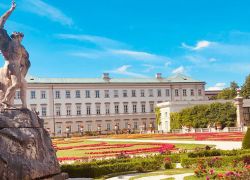
Mirabell Palace and Gardens are located in the heart of Salzburg, making it easy to reach from various parts of the city. Here are some ways to get there: Walking: If you’re staying in the city center, Mirabell Palace is within walking distance from major landmarks like the Salzburg Cathedral, Getreidegasse, and Mozart’s birthplace. The walk is pleasant and takes around 10-15 minutes. Public Transport: The city’s public transportation system, including buses and trolleybuses, is very efficient. The closest bus stop to the palace is “Mirabellplatz.” From there, it's just a short walk to the gardens and palace. Taxi or Ride-sharing: You can easily take a taxi or use a ride-sharing service like Uber to reach the palace. This option is particularly convenient if you're coming from a location further away or have limited mobility. Weather The weather in Salzburg varies depending on the time of year. Here’s what you can expect in different seasons: Spring (March to May): Spring is a lovely time to visit, with temperatures averaging between 10°C and 15°C. The gardens are starting to bloom, making it a vibrant time to enjoy the outdoors. Summer (June to August): Summer is the peak tourist season, with temperatures ranging from 20°C to 25°C. The gardens are in full bloom, and the palace is bustling with visitors. Autumn (September to November): Autumn in Salzburg is beautiful, with mild temperatures and colorful fall foliage. It’s a great time for a peaceful stroll through the gardens. Winter (December to February): Winter temperatures can drop below 0°C, and snowfall is common. While the gardens may not be as lush, the palace is still worth a visit, and the city looks magical during the winter months. Timing Mirabell Palace and Gardens are open throughout the year, and the opening hours are as follows: Mirabell Gardens: The gardens are open every day, and visitors can explore them at any time of the day. However, it’s best to visit during daylight hours for the best experience. Mirabell Palace: The palace’s interior is open to the public only during specific times. It’s often used for concerts and private events, so public access may be limited. For a tour or an event, you can check the official website for availability and times. Keep in mind that the gardens are open all year, but some parts of the palace may have restricted access depending on ongoing events. Why Famous? Mirabell Palace and Gardens are famous for several reasons: Historical Significance: The palace dates back to the early 17th century and was built by Prince-Archbishop Wolf Dietrich Raitenau. It has served as a residence for archbishops and royalty over the centuries. Baroque Architecture: The palace is an excellent example of Baroque architecture, with elegant designs and opulent interiors. The garden is one of the finest Baroque gardens in Europe. Filming Location for "The Sound of Music": The gardens were famously featured in the iconic movie *The Sound of Music*. The scenes where Maria and the children sing “Do-Re-Mi” were filmed in the Mirabell Gardens, adding a layer of pop culture significance to the site. Entry and Visit Details Entry to Mirabell Gardens is free, and the public can wander through the beautifully landscaped grounds at no cost. However, entry to the palace itself may require a ticket, especially if you're attending a special event or concert. Here are the general details: Gardens: No ticket is required to visit the gardens. They are open to the public throughout the year, and you can explore them for free. Palace Interior: If you want to tour the interior of Mirabell Palace, it’s advisable to check for specific opening hours, as the palace is often used for official functions, weddings, and concerts. Concerts: The palace is home to a number of classical music performances, and tickets are available for these events. They are especially popular for those interested in experiencing the beauty of the palace while enjoying a concert. History and Architecture Mirabell Palace was originally built in 1606 by Prince-Archbishop Wolf Dietrich Raitenau as a gesture of love for his mistress, Salome Alt. The name “Mirabell” translates to “look at the beautiful,” a fitting tribute to the palace’s location and architecture. It was constructed in the Baroque style, and over the years, it has been renovated and modified several times. The palace’s design includes stunning features like frescoed ceilings, grand staircases, and intricate stucco work. The Mirabell Gardens were designed in the 17th century and are one of the finest examples of Baroque gardens in Europe. With beautifully arranged flower beds, fountains, statues, and the iconic Pegasus Fountain, the gardens provide a peaceful and stunning backdrop to the palace. Things to Do There are plenty of things to enjoy when visiting Mirabell Palace and Gardens: Stroll Through the Gardens: Take a leisurely walk through the symmetrical flowerbeds and enjoy the various fountains and statues scattered throughout the gardens. It’s a perfect spot for photography. Visit the Pegasus Fountain: This fountain, featuring the mythological flying horse, is one of the most recognizable landmarks in the gardens. Explore the Palace Interior: If you’re able to enter the palace, admire the Baroque architecture, frescoes, and the magnificent Marble Hall, which is often used for weddings and concerts. Attend a Concert: Many visitors come to Mirabell Palace to enjoy classical concerts. Whether it’s Mozart, Bach, or a local Salzburg performance, you’ll be treated to a great musical experience. Facts and Tips Best Time to Visit: The best time to visit Mirabell Gardens is during spring or summer when the flowers are in full bloom. However, even in the winter, the palace and gardens are beautiful and peaceful. Bring a Camera: The gardens are full of picturesque spots, including the Pegasus Fountain and the views of Hohensalzburg Fortress. Don’t forget to bring your camera! Free Entry to Gardens: Enjoy the beautiful Mirabell Gardens without paying any entrance fee. It's a great spot to relax and take in the natural beauty of Salzburg. Check for Events: If you’re planning to visit the palace’s interior, check for any concerts or events that might be happening during your stay. The Marble Hall often hosts performances, so be sure to check the schedule.
Explore More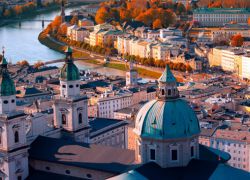
Getreidegasse is one of the most iconic and historically significant streets in Salzburg, Austria. It stretches from the heart of the old town, passing through cobblestone lanes lined with charming shops, cafes, and historical buildings. This famous shopping street is also the birthplace of one of the greatest composers in history, Wolfgang Amadeus Mozart. The street is renowned not only for its historical and architectural beauty but also for its vibrant atmosphere, making it a must-visit destination in Salzburg. How to Reach Getreidegasse, Salzburg Getting to Getreidegasse is easy, as it is located in the city center of Salzburg. If you are traveling by air, Salzburg Airport (SZG) is the nearest international airport, just about 4 km away from the city center. From the airport, you can take a taxi or use public transport like the bus or shuttle services to reach the city center. Once in the city, Getreidegasse is within walking distance from most major attractions. If you are traveling by train, Salzburg's main train station (Salzburg Hauptbahnhof) is well-connected with other Austrian cities and European countries. You can take a bus, tram, or simply walk to Getreidegasse from the station, as it's about a 20-minute walk. Weather in Salzburg Salzburg experiences a temperate climate, with four distinct seasons. The summer months (June to August) can be warm, with temperatures ranging from 15°C to 25°C (59°F to 77°F), making it an ideal time to stroll along Getreidegasse and explore its surroundings. Autumn (September to November) sees cooler weather, with temperatures dropping to around 10°C to 15°C (50°F to 59°F). Winters (December to February) can be cold and snowy, with temperatures averaging around -1°C to 4°C (30°F to 39°F), so be sure to dress warmly if you're visiting during this time. Spring (March to May) brings mild temperatures, ranging from 5°C to 15°C (41°F to 59°F). Timing of Visit Getreidegasse is a year-round destination, with each season offering a different experience. In the summer, the street is bustling with tourists and locals, while in winter, it becomes beautifully decorated with festive lights during the Christmas season. The best time to visit would depend on your preferences: if you want to enjoy a lively atmosphere, the summer months are ideal, while the Christmas season offers a magical ambiance with fewer crowds. Why Getreidegasse is Famous Getreidegasse is famous for many reasons. It is home to some of Salzburg's most beautiful historical buildings, with narrow alleys and medieval architecture that transport you back in time. The street is most famous as the birthplace of Wolfgang Amadeus Mozart, and his house is now a museum dedicated to his life and work. Aside from its historical significance, Getreidegasse is also known for its high-end shopping and unique shops selling everything from local crafts to international luxury goods. Entry and Visit Details Getreidegasse is a public street, and there is no entry fee to walk along the street. However, if you wish to visit specific attractions on Getreidegasse, such as the Mozart Birthplace, there may be an entrance fee. For example, the Mozart Museum charges a small fee for entry, but it is definitely worth the visit for music lovers and history enthusiasts. The street is always open to pedestrians, and you can explore it at your own pace, whether you're shopping, dining, or sightseeing. History and Architecture of Getreidegasse The history of Getreidegasse dates back to the medieval era, and the street has witnessed significant cultural and architectural developments over the centuries. It was originally a grain market, hence the name "Getreide" meaning "grain" in German. Many of the buildings on Getreidegasse are preserved examples of Salzburg's Baroque architecture, featuring ornate facades, wrought-iron signs, and unique, colorful buildings. The street is also famous for its narrow, arcaded design, with many of the buildings having beautiful wrought-iron shop signs hanging above the storefronts. The combination of medieval and Baroque elements makes Getreidegasse a delightful area to explore for architecture lovers. Things to Do in Getreidegasse There are many things to do when visiting Getreidegasse. Here are a few highlights: Visit the Mozart Birthplace: As the birthplace of Mozart, the house where he was born in 1756 is now a museum. It showcases personal items and instruments used by the composer. Shopping: Getreidegasse is a shopping haven, offering a mix of luxury brands, traditional shops, and boutique stores. It's the perfect place to pick up souvenirs and unique local crafts. Dining: The street is lined with cafes, restaurants, and bakeries where you can enjoy delicious Austrian cuisine, including famous pastries like Sachertorte. Explore the architecture: Take a leisurely walk and admire the stunning Baroque and medieval buildings. The street itself is a living museum of Salzburg's history. Interesting Facts About Getreidegasse Getreidegasse is one of the most photographed streets in Austria due to its picturesque buildings and unique atmosphere. The street is home to a famous historical sign—the “Wrought Iron Signs,” which are traditional metal signs that indicate the type of business inside the building. Every year, Getreidegasse hosts several events, including the famous Salzburg Festival, which is one of the world’s most prestigious cultural events. The street’s narrow layout was designed to fit into the medieval city plan, and it has maintained much of its historic charm throughout the centuries. Tips for Visiting Getreidegasse Wear comfortable shoes: The cobblestone streets can be tricky to walk on, especially if you're planning to explore for several hours. Go early in the day: To avoid the crowds, it's best to visit Getreidegasse early in the morning, particularly during peak tourist seasons. Don’t miss the Mozart Museum: If you're interested in music and history, the Mozart Birthplace Museum is a must-see, offering a deep dive into the composer’s early life. Take your time: The charm of Getreidegasse lies in its details, from the shop signs to the architecture. Take time to wander and soak in the ambiance. Keep an eye on the weather: If you're visiting during the winter months, check the weather forecast as Salzburg can get snowy and cold. Conclusion Getreidegasse is a beautiful, historic, and culturally rich street in the heart of Salzburg. From its impressive architecture to its connection with Mozart, there’s no shortage of things to see and do. Whether you're interested in history, shopping, or simply strolling through one of Salzburg’s most iconic locations, Getreidegasse is sure to leave a lasting impression on you.
Explore More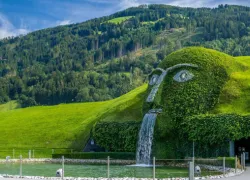
Wattens Castle, located in the charming town of Wattens in Tyrol, Austria, is an impressive historical landmark that attracts tourists from all over the world. The castle is situated amidst the breathtaking mountain landscapes of the Alps and offers visitors a glimpse into Austria's rich history and architectural heritage. How to Reach Wattens Castle Wattens Castle can be easily reached from Innsbruck, the capital of the Tyrol region, which is about 20 km away. To get there, you can take a bus or drive from Innsbruck. If you are traveling by train, the Wattens railway station is well-connected to major Austrian cities. From the station, a short taxi ride or a 20-minute walk will bring you to the castle. Weather in Wattens The weather in Wattens is typical of the Tyrol region, with cold winters and warm, pleasant summers. Winters (December to February) are often snowy, providing great conditions for winter sports enthusiasts. The temperature during winter can drop below freezing, so be sure to dress warmly. Summers (June to August) are mild, with temperatures ranging from 15°C to 25°C, making it a great time to explore the outdoor areas of the castle and its surroundings. Timing of Wattens Castle The castle is generally open to visitors throughout the year, though the exact hours may vary depending on the season. During the summer months, the castle tends to have extended hours, while in winter, it may close earlier. It is recommended to check the official website or call ahead for up-to-date opening hours before your visit. Additionally, the castle may be closed on certain holidays, so make sure to confirm before planning your trip. Why Wattens Castle is Famous Wattens Castle is well-known for its historical significance and breathtaking location. It gained fame not only as a stronghold during the medieval period but also for its architectural beauty and strategic position in the region. The castle is situated near the Swarovski Crystal Worlds, a major tourist attraction in Wattens, making it a perfect addition to any itinerary in the area. Moreover, the surrounding Alpine scenery enhances the allure of the castle, making it a must-see for visitors interested in both history and nature. Entry and Visit Details about Wattens Castle Entry to Wattens Castle is generally affordable, with discounts available for children, students, and seniors. Visitors can enjoy guided tours of the castle, which provide a deeper understanding of its history and architectural details. If you prefer a more independent experience, the castle also offers informational displays and self-guided tours. It is recommended to arrive early, especially during peak tourist seasons, to avoid large crowds. History and Architecture of Wattens Castle Wattens Castle dates back to the 13th century, originally built as a defensive fortress. It has undergone several renovations and expansions over the centuries, reflecting the evolving architectural styles of different periods. The structure is primarily built in the medieval style, with thick stone walls, tall towers, and defensive features designed to protect it from invaders. The castle's location was strategically chosen for its commanding view of the surrounding valley, adding both to its defensive strength and its beauty. The architecture of Wattens Castle is a blend of Romanesque and Gothic elements, with later Baroque influences added during its renovation in the 17th century. The castle features a large courtyard, which was once used for events and gatherings. Today, visitors can enjoy the peaceful atmosphere and stunning panoramic views of the surrounding Tyrolean Alps. Inside, you'll find beautifully preserved rooms, including the knight's hall and the castle chapel, where you can appreciate the historic atmosphere. Things to Do at Wattens Castle There are several things to do at Wattens Castle, which makes it a great destination for history lovers and outdoor enthusiasts alike: Guided Tours: Learn about the castle’s fascinating history from a knowledgeable guide. Photography: The stunning mountain views and historical architecture provide excellent photo opportunities. Explore the Gardens: The surrounding gardens are perfect for a peaceful stroll while admiring the natural beauty of the region. Visit Swarovski Crystal Worlds: After touring the castle, take a trip to the nearby Swarovski Crystal Worlds, one of Austria’s most famous attractions. Interesting Facts about Wattens Castle Wattens Castle was originally built in the 1200s as a fortress to protect the town from invaders. The castle has been renovated multiple times, with the most significant changes occurring in the 17th century. The surrounding area, including the nearby Swarovski Crystal Worlds, has made Wattens a popular destination for both history buffs and tourists looking for unique attractions. The views from the castle are considered some of the best in the region, overlooking the picturesque Innsbruck valley. Tips for Visiting Wattens Castle To make the most of your visit to Wattens Castle, here are some helpful tips: Wear comfortable shoes: The castle is situated on a hill, and there may be some walking or hiking involved to reach the entrance. Check the weather: The weather in the Alps can be unpredictable, so it’s best to bring layers and prepare for changes in temperature. Book a guided tour: A guided tour will provide you with a deeper understanding of the castle's rich history and architectural features. Combine your visit: After exploring the castle, make time to visit nearby attractions, like Swarovski Crystal Worlds, to get a full experience of the region. Conclusion Wattens Castle in Austria offers a perfect blend of history, architecture, and natural beauty. Whether you are a history enthusiast, an architecture lover, or simply someone looking to explore the stunning landscapes of the Tyrol region, Wattens Castle has something for everyone. With its scenic location, fascinating history, and proximity to other attractions like Swarovski Crystal Worlds, a visit to Wattens Castle should be high on your list when exploring Austria.
Explore More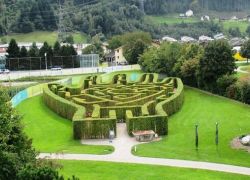
The Jagdschlosses in Wattens, Austria, are a series of historical hunting lodges that serve as both architectural landmarks and cultural symbols of the Tyrolean region. Located near the beautiful village of Wattens, these hunting lodges were originally constructed as retreats for the aristocracy during hunting expeditions. Today, they provide a fascinating glimpse into Austria’s history, offering visitors a combination of nature, culture, and history in one stunning location. How to Reach Jagdschlosses, Wattens Getting to the Jagdschlosses in Wattens is quite straightforward. The town of Wattens is well-connected to the surrounding regions by both bus and train. From Innsbruck, which is about 20 kilometers away, you can take a regional train to Wattens. Upon arrival, it’s easy to reach the Jagdschlosses by foot or taxi, depending on your preference. The lodges are located within a short driving distance from the center of the village. Alternatively, if you’re traveling by car, there are parking areas near the lodges for your convenience. Weather in Wattens The weather in Wattens is typical of the Alpine region, with distinct seasons throughout the year. In the winter months (December to February), temperatures can drop below freezing, and the area may experience heavy snowfall, making it a picturesque winter destination. The summer months (June to August) are mild, with temperatures ranging from 15°C to 25°C, making it ideal for outdoor activities such as hiking and exploring the lodges. Spring and autumn provide moderate temperatures, with cooler evenings and plenty of sunshine, perfect for enjoying the surrounding natural beauty. Always check the forecast before your visit, especially in winter when snow can affect travel routes. Timing of Jagdschlosses, Wattens The Jagdschlosses in Wattens are open year-round for visitors, but the best time to visit is during the spring and summer months when the weather is pleasant and the surroundings are lush and green. The lodges themselves are accessible throughout the year, but certain parts of the property may be closed in winter due to weather conditions. For a complete experience, it’s best to visit during the warmer months when guided tours are more frequently available. If you're interested in specific timings for tours, it’s a good idea to check with local visitor information centers or the official websites of the lodges. Why Jagdschlosses in Wattens are Famous The Jagdschlosses in Wattens are famous for their historical significance and architectural beauty. Built as hunting lodges for the Austrian aristocracy, these buildings are masterpieces of 17th and 18th-century design. The lodges were designed not only as places to relax but also as symbols of power, showcasing the wealth and social status of their owners. Today, the Jagdschlosses are important cultural and historical sites, attracting visitors who are interested in both history and architecture. Additionally, the scenic landscapes surrounding the lodges, with views of the Alps and nearby forests, make them a must-see for nature lovers. Entry and Visit Details about Jagdschlosses, Wattens Visiting the Jagdschlosses in Wattens is generally affordable, with entry fees typically covering guided tours. These tours offer visitors a deeper insight into the history and significance of the lodges, including their role as hunting retreats. It’s a good idea to check for any special events or temporary closures before your visit. The lodges are located in peaceful natural surroundings, so taking a walk around the property is highly recommended. Many visitors also combine a visit to the Jagdschlosses with a trip to nearby attractions like the Swarovski Crystal Worlds in Wattens. History and Architecture of Jagdschlosses The Jagdschlosses in Wattens have a rich history that dates back to the early 17th century. They were originally built as hunting lodges for Austrian nobility, serving as luxurious retreats where aristocrats could escape the demands of court life and enjoy hunting in the surrounding forests. The architecture of these lodges is a fine example of Baroque design, characterized by grand facades, decorative elements, and well-planned courtyards. Over the years, the lodges have undergone several renovations, preserving their historical charm while incorporating modern elements. The buildings are often surrounded by beautifully landscaped gardens, adding to the overall aesthetic appeal. Things to Do at Jagdschlosses, Wattens There are several activities and experiences to enjoy when visiting the Jagdschlosses in Wattens: Guided Tours: Take a guided tour of the lodges to learn about their fascinating history and the role they played in Austrian aristocracy. Explore the Grounds: Stroll through the beautifully landscaped gardens and grounds surrounding the lodges, offering stunning views of the Tyrolean Alps. Photography: The combination of historic architecture and natural beauty makes the Jagdschlosses an excellent spot for photography. Combine with Nearby Attractions: After visiting the Jagdschlosses, consider exploring nearby attractions like Swarovski Crystal Worlds, a world-renowned museum dedicated to the famous crystal brand. Picnicking: The area around the lodges is perfect for a peaceful picnic while enjoying the scenic views and fresh Alpine air. Interesting Facts about Jagdschlosses, Wattens The Jagdschlosses were once used by the noble families of Austria, including the Habsburgs, as retreats for hunting and leisure. The lodges are built in the Baroque architectural style, featuring ornate facades and spacious courtyards. The surrounding natural landscape was specifically designed to enhance the hunting experience, with carefully maintained forests and gardens. Over time, the Jagdschlosses were adapted for other uses, but they remain a testament to the grandeur of past Austrian aristocracy. The lodges are situated in close proximity to Wattens, making them an easy day trip from Innsbruck, the capital of Tyrol. Tips for Visiting Jagdschlosses, Wattens Here are some helpful tips to make your visit to the Jagdschlosses more enjoyable: Wear Comfortable Shoes: The area around the Jagdschlosses is vast, and walking through the gardens and trails may require sturdy shoes. Book a Guided Tour: To gain a deeper understanding of the history and architecture of the lodges, consider booking a guided tour. Check for Events: The Jagdschlosses often host special events or exhibitions, so it’s worth checking the schedule ahead of time. Bring a Camera: The architecture and surrounding nature provide fantastic photo opportunities, so don’t forget to bring a camera. Combine Your Visit: If you have time, combine your visit to the Jagdschlosses with nearby attractions such as the Swarovski Crystal Worlds or the Zirl Waterfalls for a full day of exploration. Conclusion The Jagdschlosses in Wattens, Austria, offer visitors a chance to step back in time and experience the grandeur of Austrian aristocratic life. From their beautiful Baroque architecture to their scenic surroundings, the lodges are a perfect blend of history, culture, and nature. Whether you're interested in history, architecture, or simply enjoying the peaceful atmosphere, a visit to the Jagdschlosses is sure to be a memorable experience.
Explore More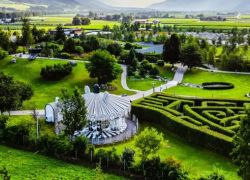
Innsbruck, the capital of the Tyrol region in Austria, is a city rich in history, culture, and natural beauty. Located in the heart of the Alps, it offers a perfect blend of urban life and stunning mountain scenery. Just a short distance from Innsbruck, the town of Wattens is home to one of the world’s most famous attractions: Swarovski Crystal Worlds. Whether you're visiting for outdoor adventures, exploring its historical landmarks, or enjoying its modern amenities, Innsbruck is a destination that appeals to all types of travelers. How to Reach Innsbruck Innsbruck is well-connected to the rest of Austria and Europe by various modes of transportation, making it easy to reach from almost anywhere. By Air: Innsbruck has its own international airport, Innsbruck Airport (INN), which is just 4 kilometers from the city center. The airport offers direct flights to major cities in Europe, including Munich, Vienna, and Zurich. By Train: Innsbruck is a major railway hub in Austria, with frequent trains from cities like Vienna, Munich, and Zurich. The train station is centrally located, making it easy to access the city’s main attractions from there. By Car: Innsbruck is easily reachable by car from other major Austrian cities or neighboring countries. If you’re driving from Vienna, the journey takes about 4.5 hours, while Munich is around 2 hours away. If you're traveling from Wattens, Innsbruck is only 20 km away, and can be reached in about 30 minutes by car, bus, or train. Weather in Innsbruck The weather in Innsbruck varies dramatically depending on the season, making it a year-round destination for different activities. Winter (December to February): Winters in Innsbruck are cold, with temperatures often dropping below freezing, making it an excellent time for skiing and other winter sports. Snow is common, and the Alps are transformed into a winter wonderland. Spring (March to May): Spring sees milder temperatures, ranging from 10°C to 20°C, and the city’s parks and gardens start to bloom. It’s a great time for hiking and sightseeing as the mountains begin to thaw. Summer (June to August): Summer is warm, with temperatures reaching between 20°C to 30°C. It’s ideal for outdoor activities such as hiking, cycling, and exploring the city’s outdoor cafes. Autumn (September to November): Autumn offers cooler temperatures, ranging from 10°C to 20°C, and is a lovely time to visit the surrounding vineyards and forests as the leaves change color. Timing of Innsbruck Innsbruck is a year-round destination, with different experiences available depending on the season. During the winter months, the city becomes a hub for skiing and snowboarding enthusiasts, while in the summer, it’s perfect for hiking, paragliding, and mountain biking. Museums, galleries, and historical sites are open year-round, but some may have reduced hours during the off-season (usually in the winter). It's a good idea to check ahead, especially for outdoor attractions that may be weather-dependent. Why Innsbruck is Famous Innsbruck is famous for its stunning location in the Alps, its rich history, and its reputation as a winter sports paradise. It has hosted the Winter Olympics twice, in 1964 and 1976, and is known worldwide for its world-class ski resorts. But Innsbruck is also a cultural city with a vibrant arts scene, impressive architecture, and historical landmarks, such as the Golden Roof and the Hofburg Imperial Palace. The city's mix of modernity and tradition makes it unique, and its natural beauty is truly awe-inspiring. Entry and Visit Details about Innsbruck Innsbruck offers various entry points depending on your mode of transportation. If you’re flying in, Innsbruck Airport provides easy access to the city center. If you're arriving by train, the central train station is conveniently located within walking distance to many of the city’s main attractions. Many attractions in Innsbruck, such as the Golden Roof, the Hofburg Imperial Palace, and the Bergisel Ski Jump, have a small entry fee. Tickets for the city’s museums and attractions can usually be purchased individually, or you can buy an Innsbruck Card, which provides free entry to several sites and discounts on tours and public transportation. There are also several guided tour options available to help you explore the city’s history and natural beauty. History and Architecture of Innsbruck Innsbruck has a fascinating history dating back to Roman times. The city was founded as a trading post due to its strategic location between Italy and Germany, and it became an important center during the Middle Ages. It was the home of the Tyrolean sovereigns and later became part of the Habsburg Empire. The city’s architecture is a stunning blend of medieval, Baroque, and modern styles. The most iconic architectural feature of Innsbruck is the Golden Roof, built in the early 1500s for Emperor Maximilian I. Other notable buildings include the Hofburg Imperial Palace, the Imperial Church, and the Bergisel Ski Jump, designed by famous architect Zaha Hadid. Innsbruck also has several churches and monasteries, including the Cathedral of St. James, which was built in the Baroque style and is a must-see for visitors interested in religious architecture. Things to Do in Innsbruck Innsbruck offers a wide range of activities for all types of travelers. Here are some of the top things to do in the city: Visit the Golden Roof: The Golden Roof (Goldenes Dachl) is one of Innsbruck's most famous landmarks, and it offers stunning views of the surrounding mountains. Explore the Imperial Palace: The Hofburg Palace is a historical site where you can learn about the Habsburg dynasty and enjoy beautiful Baroque architecture. Skiing and Snowboarding: Innsbruck is known for its world-class ski resorts, such as Stubai Glacier and Nordkette, making it a winter sports hub. Ride the Nordkette Cable Car: Take a cable car ride to the top of the Nordkette mountains for panoramic views of the city and the Alps. Visit Swarovski Crystal Worlds: Just outside Innsbruck in the town of Wattens, Swarovski Crystal Worlds is a magical world of crystal art and design. Walk Around Old Town: Stroll through Innsbruck’s medieval old town, full of charming streets, cafes, and shops, where you can experience the city’s rich history. Interesting Facts About Innsbruck Innsbruck hosted the Winter Olympics twice, once in 1964 and again in 1976. The city’s name comes from the “Inn” River and the word “bruck,” meaning bridge, as it was originally built around a bridge crossing the river. Innsbruck is a UNESCO World Heritage Site due to its well-preserved historic center. The Bergisel Ski Jump is one of the most famous landmarks, designed by renowned architect Zaha Hadid. The city’s historic center is home to the famous Golden Roof, which is covered with 2,657 gold-plated copper tiles. Tips for Visiting Innsbruck To make the most of your visit to Innsbruck, here are some helpful tips: Get the Innsbruck Card: This card gives you free access to several museums and attractions, as well as unlimited use of public transportation. Dress for the Weather: Depending on the season, the weather can change quickly, especially in the mountains. Be sure to dress in layers and wear comfortable shoes for walking. Plan Your Ski Trip Early: If you’re visiting during the winter, book your ski passes and accommodations well in advance, especially during the high season (December to February). Take a Guided Tour: If you want to learn more about the history and culture of Innsbruck, consider taking a guided tour around the city. Stay Active Outdoors: Innsbruck is surrounded by the Alps, so take advantage of hiking, biking, or cable car rides to enjoy the breathtaking natural scenery. Conclusion Innsbruck is a vibrant city that offers something for everyone—whether you're interested in history, architecture, outdoor activities, or just relaxing in a beautiful alpine setting. With its rich heritage, stunning natural beauty, and modern amenities, Innsbruck is a must-visit destination in Austria. From skiing in the winter to exploring historical landmarks in the summer, there’s no shortage of things to see and do in this charming Alpine city.
Explore More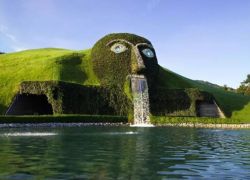
Silberberg, located in the picturesque town of Wattens in Tyrol, Austria, is a fascinating destination for those interested in nature, history, and mining heritage. Known for its rich history of silver mining, Silberberg offers visitors an opportunity to explore the area's natural beauty and learn about the significant role it played in the region’s industrial past. Today, Silberberg is a great spot for hiking, historical exploration, and enjoying breathtaking views of the surrounding Tyrolean Alps. How to Reach Silberberg, Wattens Silberberg is easily accessible from Wattens and other nearby towns. Whether you’re traveling by public transport or car, getting there is straightforward. By Car: If you’re driving, Silberberg is just a short 10-minute drive from the center of Wattens. You can easily access the area via local roads that are well-marked for visitors. By Public Transport: The nearest train station is in Wattens, which is connected to other major cities like Innsbruck. From Wattens, you can take a bus or walk to Silberberg, depending on your preference. The walk takes about 30-40 minutes from the town center and provides a chance to enjoy the natural surroundings. By Taxi: Taxis are also available in Wattens, and it’s a convenient option if you prefer a quicker ride to Silberberg without much effort. Weather in Silberberg, Wattens The weather in Silberberg, like the rest of the Tyrol region, is typically Alpine, with distinct seasons. Here’s what you can expect during each season: Winter (December to February): Winters in Silberberg can be cold, with temperatures often dropping below freezing. Snowfall is common, especially in the higher elevations, making it a great place for winter walks and snowshoeing. Spring (March to May): Spring brings milder temperatures, ranging from 10°C to 20°C. The area starts to bloom with colorful flowers, and the hiking trails become accessible again after the winter snow melts. Summer (June to August): Summer is the most popular season for outdoor activities, with temperatures ranging from 20°C to 25°C. It’s the perfect time for hiking and exploring the area’s natural beauty. Expect plenty of sunshine and clear skies. Autumn (September to November): Autumn is another beautiful time to visit Silberberg, with cooler temperatures around 10°C to 15°C and stunning fall foliage, especially in the surrounding forests and hills. Timing of Silberberg, Wattens Silberberg is accessible year-round, but the best time to visit largely depends on your interests. For hiking and enjoying the great outdoors, spring, summer, and autumn are ideal. These seasons offer pleasant temperatures and clear skies, making it perfect for long walks and exploration. Winter, however, offers a different charm, with snow-covered landscapes that are perfect for winter sports or simply enjoying the quiet beauty of the Alps. Make sure to check the weather conditions if you’re planning a visit during the winter months, as certain trails may be difficult to access due to snow and ice. Why Silberberg is Famous Silberberg is famous for its historical significance, particularly its silver mining heritage. The name "Silberberg" translates to "Silver Mountain," and it was once the site of one of the most important silver mines in the region. The area has a long history of mining dating back to the Middle Ages, and it played a crucial role in the economic development of Tyrol. Today, Silberberg is known not only for its historical mining sites but also for its spectacular hiking trails, which offer stunning views of the Tyrolean Alps. In addition to its historical importance, Silberberg is also famous for its natural beauty. The surrounding area is lush with forests, alpine meadows, and mountain streams, making it a perfect destination for nature lovers and outdoor enthusiasts. Entry and Visit Details about Silberberg, Wattens Visiting Silberberg is free of charge, as it is primarily an outdoor attraction. However, some areas or specific historical sites might have small entrance fees or suggested donations for tours or exhibitions. The most popular way to explore Silberberg is through hiking, so visitors should be prepared for outdoor activity. If you’re interested in learning more about Silberberg’s mining history, you can take a guided tour of the old silver mines, which provide a fascinating insight into the techniques used by miners in centuries past. Guided tours usually run from spring through autumn, and it’s advisable to book in advance during the peak tourist season. It’s recommended to wear comfortable clothing and sturdy shoes, especially if you plan on hiking the trails. The area has varying terrain, from gentle paths to steeper climbs, so being prepared will enhance your visit. History and Architecture of Silberberg The history of Silberberg is closely tied to the silver mining industry, which began in the 14th century. The mountain was rich in silver, and the local economy was heavily dependent on mining for centuries. Silberberg’s mines were among the most productive in Tyrol, and they helped establish the region as a key center of mining during the medieval and early modern periods. While much of the mining activity ceased in the 19th century, the legacy of Silberberg’s mining history remains visible today in the form of old mining tunnels and historical sites. The area’s architecture also reflects its industrial past, with remnants of old miners’ cottages and stone structures still scattered throughout the region. Things to Do in Silberberg, Wattens Silberberg offers a variety of activities for visitors, whether you’re an outdoor enthusiast, history buff, or simply looking to enjoy the peaceful Alpine scenery. Some of the top things to do include: Hiking: Silberberg is home to numerous hiking trails, ranging from easy walks to more challenging climbs. Hike through the lush forests, past scenic mountain views, and up to the old mining areas. Popular trails include the Silberberg Panorama Trail and the Silver Mine Trail. Explore the Old Silver Mines: Take a guided tour to explore the historic silver mines of Silberberg. These tours provide a fascinating look at the tools and techniques used by miners centuries ago. Visit the Silberberg Mining Museum: The nearby museum offers more insight into the history of mining in the region, displaying old mining tools, artifacts, and models of the mining process. Photography: Silberberg’s picturesque landscapes make it a great place for photography, especially during sunrise or sunset when the mountains are bathed in golden light. Picnicking: Enjoy a peaceful picnic surrounded by nature. There are several spots along the hiking trails where visitors can stop and enjoy the fresh mountain air and beautiful views. Interesting Facts about Silberberg, Wattens The name "Silberberg" means "Silver Mountain," referring to the region’s rich history of silver mining. The area was actively mined for silver from the 14th century until the 19th century, and Silberberg played a key role in the local economy. The Silberberg Mining Museum showcases artifacts and tools from the region's mining past, offering visitors a glimpse into the lives of miners from centuries ago. Silberberg is a popular destination for hiking, with trails offering some of the best views of the surrounding Alps and the nearby town of Wattens. In addition to hiking, Silberberg is a great spot for birdwatching, with a variety of alpine bird species living in the area. Tips for Visiting Silberberg, Wattens Here are some helpful tips to ensure you make the most of your visit to Silberberg: Wear Proper Footwear: The trails in Silberberg can vary in difficulty, so it’s important to wear sturdy hiking shoes or boots for comfort and safety. Bring Water and Snacks: While there are scenic spots for picnicking, there are no cafes or restaurants on the mountain itself, so be sure to bring enough water and snacks for your hike. Check the Weather: The weather can change quickly in the mountains, so be sure to check the forecast before your trip and bring layers to stay warm. Guided Tours: If you're interested in the history of the area, consider taking a guided tour of the silver mines or hiking with a guide to learn more about the region’s mining heritage and natural beauty. Conclusion Silberberg in Wattens, Austria, offers visitors a unique combination of natural beauty, outdoor activities, and rich history. Whether you’re hiking through the scenic trails, exploring the old silver mines, or simply soaking in the breathtaking views, Silberberg is a must-visit destination for those traveling to the Tyrol region. Its historical significance and serene landscapes make it an unforgettable place to explore for nature lovers, history enthusiasts, and anyone looking to escape into the tranquility of the Alps.
Explore More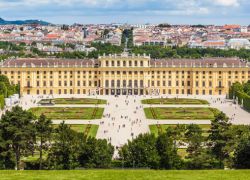
Schönbrunn Palace, located in Vienna, Austria, is one of the most renowned and historically significant royal residences in Europe. This UNESCO World Heritage Site was the summer residence of the Habsburg dynasty and remains a major tourist attraction due to its grandeur, stunning architecture, beautiful gardens, and rich history. Visitors to the palace can immerse themselves in the opulence of imperial Austria, explore the magnificence of the Baroque architecture, and enjoy the lush, meticulously landscaped gardens. How to Reach Schönbrunn Palace, Austria City Schönbrunn Palace is easily accessible from various parts of Vienna and the surrounding region, making it a convenient location for tourists. Here are the main ways to reach the palace: By Public Transport: The most convenient way to reach Schönbrunn Palace is by public transportation. Take the U4 (green) subway line and get off at the Schönbrunn station. From there, it’s just a short walk to the palace entrance. Buses and trams also serve the area. By Taxi or Car: If you prefer a more private and direct route, you can take a taxi or drive to the palace. There is parking available near the palace, though it can fill up quickly during peak tourist seasons. Walking: If you’re staying in central Vienna, it’s possible to walk to Schönbrunn Palace, which takes about 30 minutes from the city center. This walk can be an enjoyable way to experience the city before arriving at the palace. Weather in Vienna, Austria The weather in Vienna varies by season, and it can affect your visit to Schönbrunn Palace, especially if you plan to explore the gardens or attend outdoor events. Here’s what you can expect throughout the year: Winter (December to February): Winter in Vienna can be cold, with temperatures often below freezing. Snowfall is possible, and the palace gardens may be covered in snow. If you're visiting during this season, be sure to dress warmly and check the palace's opening times for possible holiday closures. Spring (March to May): Spring brings milder temperatures, with average highs ranging from 10°C to 20°C. The gardens at Schönbrunn Palace come to life during this time, and it’s a great season to enjoy the blooming flowers and outdoor spaces. Summer (June to August): Summer is the most popular time to visit Vienna, with temperatures ranging from 20°C to 30°C. The palace grounds are especially beautiful during summer, and many visitors take advantage of the warm weather to explore the gardens, enjoy the outdoor cafes, and attend special events held at the palace. Autumn (September to November): Fall in Vienna is marked by cooler temperatures and vibrant fall foliage. The garden’s colors change, making it a picturesque time to visit. The weather is typically mild, with temperatures ranging from 10°C to 20°C. Timing of Schönbrunn Palace Schönbrunn Palace is open to visitors year-round, but the hours of operation vary depending on the season. Typically, the palace is open daily from 8:30 AM to 5:30 PM, with extended hours during the summer months (usually until 6:30 PM). The last entry to the palace is often an hour before closing. It is advisable to check the official website for any changes in hours or special events that might affect your visit, such as public holidays or special exhibitions. Keep in mind that some sections of the palace, including the gardens, may have different operating hours depending on the season. Why Schönbrunn Palace is Famous Schönbrunn Palace is famous for its historical significance, cultural heritage, and stunning beauty. Here are some of the key reasons why the palace attracts millions of visitors each year: Imperial Residence: Schönbrunn served as the summer residence of the Habsburg emperors for over 300 years. It was the home of Maria Theresa and the birthplace of Emperor Franz Joseph, among many other significant historical figures. Baroque Architecture: The palace is an exceptional example of Baroque architecture, with 1,441 rooms, elegant halls, and beautifully detailed interiors. The grandiose design of the palace represents the wealth and power of the Habsburg monarchy. Beautiful Gardens: The palace gardens, designed in French formal style, are some of the most beautiful in Europe. With manicured lawns, fountains, statues, and scenic pathways, the gardens are a must-see during any visit. UNESCO World Heritage Site: Schönbrunn Palace was declared a UNESCO World Heritage Site in 1996 due to its cultural and historical importance. It is one of the most visited cultural sites in Austria. Entry and Visit Details about Schönbrunn Palace There are various ticket options for visitors to Schönbrunn Palace, depending on the areas of the palace and gardens you wish to explore: Palace Entry: The basic entry ticket provides access to several rooms of the palace, including the grand ceremonial rooms, the Emperor’s private apartments, and the historic gardens. Prices for entry typically range from 15 to 25 EUR for adults, with discounts available for children, seniors, and groups. Guided Tours: For a more in-depth experience, visitors can opt for guided tours that offer detailed information about the history of the palace, the Habsburg family, and the palace’s artistic treasures. Audio guides are also available in multiple languages. The Gardens: Access to the beautiful Schönbrunn Palace gardens is free, although some areas, such as the Maze and the Gloriette, may require a small fee for entry. Seasonal Events: Schönbrunn Palace hosts a range of events throughout the year, including classical music concerts, open-air performances, and Christmas markets. These events may require additional tickets, and it's advisable to check in advance. History and Architecture of Schönbrunn Palace Schönbrunn Palace was originally built in the 17th century as a hunting lodge for Emperor Leopold I. It was expanded into a grand palace by Empress Maria Theresa in the mid-18th century. The palace's design is a prime example of Baroque architecture, with its symmetrical layout, ornate rooms, and vast gardens. The palace complex includes the grand building, several wings, a large central courtyard, and a beautiful park that extends over 160 hectares. The interiors of the palace feature exquisite Rococo and Neoclassical elements, with beautiful frescoes, intricate woodwork, and gilded furnishings. The palace’s most famous room is the Great Gallery, which was used for royal events and balls. Things to Do at Schönbrunn Palace Visitors to Schönbrunn Palace can enjoy a variety of activities that showcase the palace’s history, beauty, and cultural significance: Explore the Palace Rooms: Take a guided tour or audio guide to explore the magnificent rooms and halls of the palace, including the Emperor’s private apartments and ceremonial spaces. Stroll Through the Gardens: Walk through the beautifully landscaped gardens, visit the Gloriette (a hilltop structure with stunning views), and enjoy the ornamental fountains and sculptures. Visit the Schönbrunn Zoo: The oldest zoo in the world, located on the palace grounds, is home to a wide variety of animals, including endangered species. Attend a Concert: Enjoy a classical music concert at Schönbrunn Palace, with performances in the grand hall or outdoor settings during the summer months. Visit the Maze: Challenge yourself to navigate the labyrinthine maze in the palace gardens, a fun activity for both children and adults. Interesting Facts about Schönbrunn Palace Schönbrunn Palace has over 1,400 rooms, but only 40 rooms are open to the public. The palace’s gardens are among the finest in Europe, with a perfect blend of French formal gardens and natural landscapes. The Palace’s Schönbrunn Zoo is the oldest continually operating zoo in the world, dating back to 1752. It is said that Empress Maria Theresa held grand balls in the Great Gallery, which became a key venue for aristocratic gatherings during the 18th century. Tips for Visiting Schönbrunn Palace Arrive Early: To avoid the crowds, try to arrive early in the day, especially during peak tourist seasons. Wear Comfortable Shoes: The palace grounds are large, and there’s a lot of walking involved, so make sure to wear comfortable shoes. Plan Ahead: If you're planning to visit the zoo or attend a concert, be sure to check availability and book tickets in advance. Bring Water: During the summer months, it can get hot, especially in the gardens, so bring a bottle of water to stay hydrated. Conclusion Schönbrunn Palace is a treasure trove of history, culture, and architectural beauty. From the opulent palace rooms to the vast, beautifully landscaped gardens, there’s something for every visitor to enjoy. Whether you're interested in history, art, nature, or simply want to admire the grandeur of the former imperial residence, Schönbrunn Palace is a must-visit destination in Vienna.
Explore More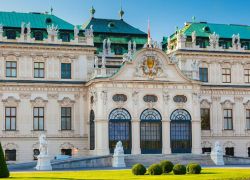
Belvedere Palace, located in the heart of Austria’s capital city, Vienna, is one of the most significant cultural and architectural landmarks in the country. This majestic baroque structure consists of two palaces, the Upper and Lower Belvedere, surrounded by beautifully landscaped gardens. The palace complex houses an extensive art collection, including masterpieces by famous artists like Gustav Klimt and Egon Schiele. A visit to the Belvedere Palace is a journey through Austria’s royal history, art, and stunning architecture. How to Reach Belvedere Palace Belvedere Palace is easily accessible from Vienna’s city center. If you're traveling by public transport, take the tram number 71 or 1, which stops right at the Belvedere complex. Alternatively, you can use the subway system (U-Bahn) and take the U1 line to the "Karlsplatz" station, which is a short walk away from the palace. For those who prefer driving, the palace is located near the city center, and there are parking spaces available, though they may fill up quickly during peak tourist seasons. Taxis and ride-sharing services also frequently service this popular destination. Weather Vienna experiences a temperate climate, with warm summers and cold winters. The best time to visit Belvedere Palace is during the spring (April to June) and fall (September to October), when the weather is mild, and the gardens are in full bloom. The summer months can be busy, but the pleasant weather makes it ideal for outdoor sightseeing. Winters can be cold, but the palace looks stunning with a dusting of snow, making it an enchanting place to visit during the holiday season. Timing and Opening Hours Belvedere Palace is open every day, typically from 10:00 AM to 6:00 PM, though times may vary during holidays or special events. It is advisable to check the official website for any changes in timings before your visit. The Upper Belvedere and Lower Belvedere have separate opening hours, so be sure to confirm which part of the palace you plan to visit. Why Famous? Belvedere Palace is famous for its impressive architectural beauty and its role in Austrian history. Built in the early 18th century, it was originally the summer residence of Prince Eugene of Savoy, one of the most powerful military commanders of the time. The palace’s design is a perfect example of baroque architecture, featuring ornate gardens, stunning frescoes, and majestic halls. Additionally, the Belvedere is renowned for its art collection. The Upper Belvedere houses the world's largest collection of Gustav Klimt's works, including his iconic painting *The Kiss*. Other artists, including Schiele, Kokoschka, and Van Gogh, are also part of the extensive collection that attracts art lovers from around the world. Entry and Visit Details The entry to the Belvedere Palace complex is ticketed. A general admission ticket grants access to both the Upper and Lower Belvedere, as well as the palace gardens. However, certain exhibits may require an additional fee. Visitors can also explore the beautifully landscaped gardens, which are free to enter. Guided tours are available, providing a deeper insight into the palace’s rich history and artistic legacy. History and Architecture The history of Belvedere Palace dates back to the early 1700s when Prince Eugene of Savoy commissioned the construction of the palace. Designed by the architect Johann Lukas von Hildebrandt, the Upper Belvedere was completed in 1723, followed by the Lower Belvedere. The palace’s architectural style is a prime example of Baroque elegance, characterized by symmetry, grandeur, and attention to detail. One of the most notable features of the palace is its extensive garden layout, designed by the famous landscape architect Dominique Girard. The garden's terraced levels, fountains, and sculptures add to the visual splendor of the palace complex, offering a peaceful escape within the city. Things to Do at Belvedere Palace Explore the Art Collection: Visit the Upper Belvedere to view works by Gustav Klimt, including *The Kiss*, and other masterpieces by artists like Schiele and Van Gogh. Wander Through the Gardens: Stroll through the meticulously designed baroque gardens and enjoy the fountains, sculptures, and impressive views of the city. Visit the Lower Belvedere: Discover the intimate Lower Belvedere, which houses temporary exhibitions and offers a more personal look at the palace's history. Attend Special Events: Belvedere Palace often hosts concerts, exhibitions, and cultural events that offer unique experiences for visitors. Facts and Tips About Belvedere Palace Belvedere Palace was used as a military hospital during World War I and II. The palace’s gardens are a perfect spot for photography, especially during spring and summer when flowers are in full bloom. The Upper Belvedere hosts one of the most impressive art collections in Europe, so art lovers should plan ample time for their visit. Consider purchasing a combined ticket for both the Upper and Lower Belvedere to maximize your experience. Wear comfortable shoes, as the gardens and the palace complex require quite a bit of walking. Conclusion Belvedere Palace is more than just a tourist attraction—it is a cultural landmark that showcases the artistic, architectural, and historical richness of Vienna. Whether you are an art enthusiast, a history buff, or simply someone who appreciates beautiful surroundings, a visit to Belvedere Palace offers something for everyone. Don’t miss the chance to immerse yourself in the grandeur and elegance of one of Austria’s most famous landmarks.
Explore More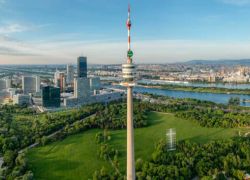
The Danube Tower (Donauturm) is one of Vienna's most iconic landmarks and offers breathtaking panoramic views of the city and beyond. Standing at a height of 252 meters (827 feet), it is the tallest structure in Austria and a must-see attraction for visitors to Vienna. Whether you're an architecture enthusiast, a nature lover, or someone seeking spectacular views, the Danube Tower provides an unforgettable experience. Its combination of modern design, historical significance, and stunning surroundings makes it a top destination in Vienna. How to Reach Danube Tower The Danube Tower is located in the Donaupark (Danube Park), which is easily accessible by public transport from the city center. To reach the tower by U-Bahn (subway), take the U1 line and get off at the “Kaisermühlen/Vienna International Centre” station. From there, it’s a short walk to the tower. Alternatively, you can take tram number 25, which stops at the nearby “Donauturm” station. If you're traveling by car, there is a parking garage available at the Danube Tower, but during peak tourist seasons, it can get crowded. Taxis and ride-sharing services also frequently serve the area. The Danube Tower is part of a larger recreational area, so visitors can enjoy a leisurely walk or bike ride to the tower if they prefer a more scenic route. Weather Vienna has a temperate climate with four distinct seasons. The best time to visit the Danube Tower is during the spring (April to June) and autumn (September to November), when the weather is mild and the surrounding park is in full bloom. Summer (July to August) can get warmer, with temperatures ranging between 20°C and 30°C (68°F to 86°F), making it a great time for outdoor activities. However, it can also be more crowded during these months. Winter (December to February) is colder, but the tower offers a unique view of Vienna with a blanket of snow, making it an enchanting destination during the colder months. Timing and Opening Hours The Danube Tower is open daily, typically from 10:00 AM to 10:00 PM, with extended hours during the summer months. The observation deck is the main attraction, and it remains open for visitors until late in the evening, allowing for beautiful nighttime views of the city. However, the tower’s opening hours can change based on the season and special events, so it's always recommended to check the official website for updated timings before planning your visit. Why Famous? The Danube Tower is famous for being the tallest structure in Austria, offering panoramic views of Vienna, the Danube River, and the surrounding areas. Completed in 1964, it was initially built as part of the Vienna International Exhibition and later became one of the city's top tourist attractions. The tower’s observation deck provides an unparalleled view of the entire city, including landmarks like the Prater Park, the Hofburg Palace, and the Stephansdom Cathedral. It is also home to a rotating restaurant, which offers diners an opportunity to enjoy a meal while experiencing stunning 360-degree views. The Danube Tower is not only a symbol of Vienna’s skyline but also an architectural marvel. Its design, created by architects Hannes Lintl and Karl Schwanzer, combines functionality with elegance, making it a standout example of mid-20th-century design. Entry and Visit Details Entry to the Danube Tower requires a ticket, which grants access to the observation deck. Tickets can be purchased at the tower's entrance or online in advance. For those who wish to experience the tower’s full offerings, tickets are available for the observation deck as well as for the rotating restaurant. There are also options for discounted tickets for children, students, and seniors. The tower is especially popular during sunset and evening hours when visitors can witness the stunning transformation of the city as it lights up. The rotating restaurant at the top of the tower is a unique experience, offering a fine dining experience while revolving slowly to give guests the chance to enjoy a full 360-degree view of Vienna. History and Architecture The Danube Tower was designed by architects Hannes Lintl and Karl Schwanzer and was completed in 1964. At the time of its construction, it was the tallest freestanding structure in Austria and the fifth tallest tower in the world. It was originally built for the Vienna International Exhibition and has since become a symbol of Vienna’s modern architecture and engineering prowess. Standing at 252 meters, the Danube Tower is an impressive sight in the city’s skyline. The tower’s base is anchored by a large concrete structure that tapers upward into a slender, open-air observation platform. The design is minimalist yet striking, with clean lines and functional elements that prioritize the view of the surrounding landscape. The tower’s top features a rotating restaurant that allows diners to enjoy panoramic views while having their meal. Things to Do at Danube Tower Visit the Observation Deck: The main attraction of the Danube Tower is its observation deck, which offers 360-degree views of Vienna and the surrounding region. Have a Meal at the Rotating Restaurant: Dine at the revolving restaurant at the top of the tower and enjoy a fine meal while taking in breathtaking views of the city. Explore the Danube Park: The Danube Tower is located within the expansive Donaupark, which is a great place for walking, cycling, or relaxing by the Danube River. Take Photos: The tower provides incredible photo opportunities, especially during sunset when the city lights up and the sky turns vibrant hues. Enjoy the Children's Playground: If you're visiting with family, the nearby playground and green spaces in Donaupark are perfect for children to run and play. Facts and Tips About Danube Tower The Danube Tower is 252 meters tall, making it the tallest structure in Austria. The tower’s observation deck is located at a height of 150 meters, offering spectacular views of the city and the Danube River. The rotating restaurant at the top of the tower offers a unique dining experience with a slow, 20-minute rotation, providing diners with a complete 360-degree view. It is advisable to visit the tower either early in the morning or during the late evening to avoid large crowds and enjoy a more peaceful experience. Make sure to bring a camera to capture the stunning views of Vienna’s skyline, especially at sunset or nighttime. Conclusion The Danube Tower is one of Vienna's most iconic landmarks, offering stunning views, a rotating restaurant, and a unique architectural design that stands out in the city's skyline. Whether you’re visiting for the incredible panoramic views, the experience of dining at a rotating restaurant, or simply enjoying the surrounding park, the Danube Tower is a must-see attraction in Vienna. It’s a perfect spot for tourists and locals alike to enjoy the beauty of the city from above, and it remains one of the top places to visit in Austria’s capital.
Explore More