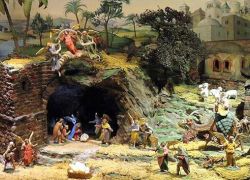
The Tyrolean Folk Art Museum (Tiroler Volkskunstmuseum) in Innsbruck is one of the most important cultural institutions in the region. It provides visitors with a unique opportunity to explore the rich cultural heritage and traditions of Tyrol, the westernmost state in Austria. The museum showcases a vast collection of folk art, including traditional costumes, handicrafts, religious artifacts, and historical objects that reflect the everyday life of Tyrolean people through the centuries. Whether you're a history enthusiast, an art lover, or someone interested in learning about Tyrolean culture, the museum offers a fascinating and immersive experience. How to Reach the Tyrolean Folk Art Museum, Innsbruck, Austria The Tyrolean Folk Art Museum is centrally located in Innsbruck, making it easily accessible by public transport, car, or on foot. Here’s how you can get there: By Air: The nearest airport is Innsbruck Airport, about 4 kilometers away from the city center. From the airport, you can take a taxi or shuttle to the museum, or use public transport like buses or trams. By Train: Innsbruck has a major railway station (Innsbruck Hauptbahnhof) with direct connections to other Austrian cities and international destinations. From the station, you can take a bus, tram, or walk (approximately 20 minutes) to the museum. By Bus: Several bus lines in Innsbruck serve the area around the museum. Bus stops like "Maria-Theresien-Straße" and "Anichstraße" are nearby, making the museum easy to reach from various parts of the city. On Foot: If you’re staying in the city center, the Tyrolean Folk Art Museum is just a short walk away from major landmarks like the Hofburg Palace and the Maria-Theresien Strasse. Weather at the Tyrolean Folk Art Museum, Innsbruck, Austria The weather in Innsbruck varies throughout the year, so it's important to plan your visit to the Tyrolean Folk Art Museum accordingly. Here’s an overview of the typical weather: Spring (March to May): Spring is mild with temperatures ranging from 5°C to 15°C (41°F to 59°F). Expect occasional rain showers, so it's wise to bring a light jacket and umbrella. Summer (June to August): Summer in Innsbruck is warm, with temperatures ranging from 15°C to 25°C (59°F to 77°F). It’s a great time to visit, as you can explore the city on foot and enjoy outdoor cafes. Autumn (September to November): Autumn brings cooler temperatures (around 10°C to 18°C or 50°F to 64°F) and vibrant fall colors. The weather is still pleasant for museum visits and walking tours. Winter (December to February): Innsbruck experiences cold winters, with temperatures ranging from -5°C to 5°C (23°F to 41°F). The area often gets snow, so be prepared for chilly conditions, especially when walking outside. Opening Times and Entry Details for Tyrolean Folk Art Museum The Tyrolean Folk Art Museum is open throughout the year, with varying hours depending on the season. Here are the general opening hours: Summer (May to October): The museum is typically open from 10:00 AM to 5:00 PM, with extended hours on some days for special events. Winter (November to April): The museum is usually open from 10:00 AM to 4:00 PM. It may close on certain holidays, so be sure to check ahead. Entry fees for the museum are generally affordable, with adult tickets costing around 9-12 euros. There are often discounts for students, seniors, and groups. Additionally, the museum sometimes offers free entry on specific days or during special events, so it's a good idea to check the museum's website for the latest information. Why is the Tyrolean Folk Art Museum Famous? The Tyrolean Folk Art Museum is famous for its comprehensive collection that illustrates the cultural traditions and history of the Tyrolean people. The museum offers visitors a chance to explore traditional Tyrolean art, including religious artifacts, hand-carved furniture, intricate woodwork, ceramics, and costumes. Some of the highlights include: Traditional Tyrolean Costumes: The museum displays an impressive collection of regional folk costumes that reflect the different traditions and customs of the Tyrolean communities. Religious Art and Artifacts: Many pieces of religious art, such as altars, paintings, and sculptures, are on display, showing the region's strong Catholic heritage. Woodwork and Handicrafts: The Tyrolean region is known for its woodcraft, and the museum showcases beautiful examples of furniture, tools, and utensils made from local wood. Historical Artifacts: The museum also contains historical objects like traditional toys, household items, and farming tools that give insight into everyday life in Tyrol throughout history. History and Architecture of the Tyrolean Folk Art Museum The Tyrolean Folk Art Museum was founded in 1906, with the goal of preserving and showcasing the region's cultural heritage. The museum is housed in a beautiful historic building, which itself is a fine example of Tyrolean architecture. The building has been carefully restored and renovated to preserve its historical charm while providing modern facilities for visitors. Inside the museum, the architecture is designed to complement the folk art collections. Traditional wooden beams, vaulted ceilings, and intricate decorative details evoke the atmosphere of a Tyrolean mountain home, offering visitors a truly immersive experience in the region's history. Things to Do Around the Tyrolean Folk Art Museum The museum is located in the heart of Innsbruck, surrounded by many other attractions that are worth visiting. Here are some nearby things to do: Visit the Imperial Palace (Hofburg): A short walk from the museum, the Hofburg Palace is a stunning example of imperial architecture and offers a glimpse into the history of the Habsburg family. Explore the Old Town (Altstadt): Innsbruck’s Old Town is full of narrow streets, beautiful buildings, and charming cafes. It’s a great place to wander around after your museum visit. Climb the Nordkette Mountains: For stunning views of the city and the Alps, take a cable car ride up to the Nordkette mountain range. It’s a popular spot for hiking in summer and skiing in winter. Interesting Facts and Tips about the Tyrolean Folk Art Museum The museum's collection includes over 30,000 items, making it one of the largest folk art collections in the Alps. If you’re interested in traditional Austrian folk music, the museum sometimes hosts concerts and cultural events that celebrate this part of Tyrolean heritage. During peak tourist season, the museum can get crowded, so visiting early in the day is a great way to enjoy the exhibits with fewer visitors. Consider combining your visit to the Tyrolean Folk Art Museum with a visit to the nearby Tyrolean State Museum to get a deeper understanding of the region’s culture and history. Conclusion The Tyrolean Folk Art Museum in Innsbruck offers an unforgettable journey into the heart of Tyrolean culture and history. Whether you're fascinated by traditional costumes, religious artifacts, or the region’s artistic craftsmanship, the museum provides a rich, immersive experience. Its central location, beautiful architecture, and incredible collection make it a must-visit for anyone looking to learn more about the cultural heritage of Tyrol. Don’t miss the chance to explore this hidden gem during your time in Innsbruck, Austria.
Explore More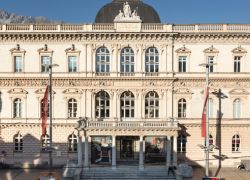
The Tyrolean State Museum (Tiroler Landesmuseum) is a prominent cultural institution located in the heart of Innsbruck, Austria. It is one of the most important museums in the Tyrol region, offering visitors a comprehensive insight into the history, art, and culture of the area. The museum showcases a wide range of exhibits, from prehistoric artifacts to contemporary art, making it an essential stop for history enthusiasts, art lovers, and anyone interested in the unique cultural heritage of Tyrol. Founded in 1823, the museum is housed in an elegant historic building in Innsbruck’s city center. Over the years, it has expanded its collection to encompass natural history, archeology, art, and ethnography, with a particular emphasis on Tyrolean traditions and heritage. Whether you are exploring the region's ancient past or its artistic achievements, the Tyrolean State Museum offers something for everyone. How to Reach Tyrolean State Museum, Innsbruck, Austria The Tyrolean State Museum is located centrally in Innsbruck, making it easily accessible via various modes of transport: By Train: Innsbruck Hauptbahnhof (Main Train Station) is well-connected to major cities in Austria and Europe. From the station, the museum is about a 10-15 minute walk or a quick bus ride away. By Bus: Several bus lines serve the area near the museum. The bus stops "Landesmuseum" and "Rathausgalerien" are just a short walk away. Bus lines 1, 2, and F are among the most common routes passing through this area. By Car: If you're driving, there are parking garages near the museum, such as the Parkhaus Rathaus or Parkhaus Altstadt. While parking is available, it can be limited during peak tourist seasons, so public transport is often a more convenient option. On Foot: If you're staying within Innsbruck’s city center, you can easily reach the museum on foot. It’s approximately a 10-minute walk from famous attractions like the Golden Roof (Goldenes Dachl) or Maria-Theresien Strasse. Weather in Innsbruck and Best Time to Visit the Tyrolean State Museum The weather in Innsbruck can significantly vary depending on the time of year. Here’s a guide to the typical weather conditions throughout the year, which can help you plan the best time to visit the Tyrolean State Museum: Spring (March to May): Spring is mild, with temperatures ranging from 5°C to 15°C (41°F to 59°F). It’s a lovely time to visit the museum as the weather is pleasant, and outdoor activities around the city are also enjoyable. Summer (June to August): Summer is warm, with temperatures ranging from 15°C to 25°C (59°F to 77°F). This is the peak tourist season, so the museum may be busier, but it’s also when many temporary exhibitions and cultural events are hosted. Autumn (September to November): Autumn brings cooler temperatures, ranging from 10°C to 18°C (50°F to 64°F). The fall colors in the surrounding mountains add a beautiful backdrop to your museum visit. This is also a quieter season, perfect for those looking to avoid crowds. Winter (December to February): Winter is cold, with temperatures ranging from -5°C to 5°C (23°F to 41°F), and snow is common. If you’re visiting during winter, Innsbruck becomes a winter wonderland, and the museum offers a peaceful indoor experience during this time. Opening Hours and Entry Details for Tyrolean State Museum The Tyrolean State Museum is open year-round, but its operating hours may vary slightly during peak seasons or special events. Here are the usual hours of operation: Summer (May to October): 10:00 AM to 6:00 PM. The museum is busiest during these months, so it’s advisable to visit early to avoid crowds. Winter (November to April): 10:00 AM to 4:00 PM. This is a quieter time, making it ideal for visitors who prefer a more relaxed atmosphere. Ticket prices are typically around 10 euros for adults, with discounts available for children, students, seniors, and groups. Special exhibitions may have different entry fees. The museum also offers combination tickets that allow visitors to access other attractions in Innsbruck, providing a more affordable way to explore multiple sites. Why is the Tyrolean State Museum Famous? The Tyrolean State Museum is renowned for its diverse and comprehensive collection that covers the history, culture, and natural heritage of Tyrol. Here are some reasons why it’s such a popular museum in Innsbruck: Comprehensive Exhibits: The museum offers a wide range of exhibits, including prehistoric artifacts, medieval relics, Tyrolean folk art, and contemporary art. Its collections offer a deep dive into the rich history and culture of the Tyrol region. Art Collections: The museum houses works by Tyrolean artists, including Albrecht Dürer and famous contemporary Tyrolean painters. Its art collection spans several centuries, offering visitors a chance to explore the artistic development of the region. Natural History: The museum’s natural history section highlights the region’s flora and fauna. You’ll find fossil displays, geological exhibits, and displays about the region's natural resources. Tyrolean Folk Culture: The museum’s ethnographic collections showcase the traditional lifestyle of Tyrolean people. Items on display include folk costumes, household objects, and artifacts that reveal the region’s rural life throughout history. History and Architecture of Tyrolean State Museum The Tyrolean State Museum was founded in 1823 by Archduke Johann of Austria, and it has since become one of the most significant cultural institutions in the region. Originally, the museum focused on natural history and Tyrolean culture, but its scope expanded over the years to include art and historical exhibits. The building itself is an architectural gem. Situated in the heart of Innsbruck, it blends elements of classical and Baroque styles with modern architectural features. The building’s elegant exterior reflects its cultural importance, while the museum’s interior is designed to display its diverse collections in a contemporary yet historically resonant environment. Things to Do Around Tyrolean State Museum The Tyrolean State Museum is centrally located, so there are plenty of other attractions within walking distance. Here are some activities you can do around the museum: Explore the Golden Roof (Goldenes Dachl): Just a short walk away from the museum, the Golden Roof is Innsbruck’s most famous landmark. Its golden tiles are a spectacular sight, and you can learn more about its history in the nearby museum. Stroll Through the Hofgarten: The Hofgarten is a peaceful park located near the museum, offering a relaxing atmosphere and beautiful green space. It’s ideal for a quiet stroll after your visit to the museum. Visit the Imperial Palace (Hofburg): The Hofburg is a historic palace that once served as the residence of the Habsburg family. It’s just a short walk from the museum and is open to visitors, showcasing the region’s royal past. Take a Trip to Nordkette: For stunning views of Innsbruck and the surrounding Alps, take the Nordkette cable car. The view from the top is breathtaking, and it’s a perfect way to experience the natural beauty of Tyrol. Interesting Facts and Tips About Tyrolean State Museum The Tyrolean State Museum has over 2 million objects in its collection, making it one of the largest museums in Austria. The museum regularly hosts temporary exhibitions on contemporary art, archaeology, and history. Be sure to check the schedule for special events during your visit. The museum has an excellent gift shop where you can purchase books, art prints, and souvenirs related to Tyrolean culture and history. If you plan to visit other museums in Innsbruck, consider purchasing a combined ticket, which offers discounts for multiple attractions. Try to visit the museum in the morning or late afternoon to avoid the crowds, especially during peak tourist seasons. Conclusion The Tyrolean State Museum is an essential destination for anyone interested in the history, art, and culture of the Tyrol region. With its diverse collections, impressive architecture, and central location in Innsbruck, it offers a fascinating experience for visitors of all ages. Whether you're a history buff, an art enthusiast, or simply curious about Tyrolean culture, this museum provides an enriching and memorable experience in one of Austria’s most beautiful cities.
Explore More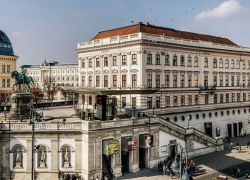
Albertina Museum and Art Gallery
The Albertina Museum and Art Gallery in Vienna, Austria, is one of the most significant cultural institutions in the city. Located in the heart of Vienna, this museum is renowned for its vast collection of prints, drawings, and paintings. The Albertina is home to works from some of the world's most famous artists, including Monet, Picasso, and Dürer. Along with its permanent collection, the museum also hosts temporary exhibitions, making it a must-visit destination for art lovers and history enthusiasts alike. The Albertina’s impressive architectural setting, combined with its outstanding collection, makes it a true cultural gem of Vienna. How to Reach Albertina Museum and Art Gallery The Albertina Museum and Art Gallery is centrally located in Vienna, making it easily accessible via public transport. The nearest metro station is “Karlsplatz,” which is served by three metro lines (U1, U2, U4). From the station, the museum is just a short walk away. Additionally, several trams, including tram lines 1, 2, and D, stop near the museum. For those traveling by bus, multiple bus lines also pass close to the Albertina. If you’re coming by train, Vienna’s main railway station, "Wien Hauptbahnhof," is well-connected to the museum by metro or tram, making it easy to reach the Albertina from the station. Weather and Timing Vienna experiences four distinct seasons, and the weather can affect your visit to the Albertina Museum and Art Gallery. The summer months (June to August) are warm, with average temperatures between 20°C to 30°C (68°F to 86°F), making it ideal for walking around the city and enjoying the museum’s outdoor terrace. Winters (December to February) are cold, often dipping below freezing, so it’s best to dress warmly if visiting during the colder months. The spring and autumn months offer mild temperatures and are great times to explore both the museum and the beautiful city streets surrounding it. The Albertina Museum and Art Gallery is open every day except for some public holidays. The museum's general opening hours are from 10:00 AM to 6:00 PM, and on Fridays, the museum remains open until 9:00 PM. The museum is closed on certain public holidays, so it’s advisable to check their official website for specific holiday hours before planning your visit. Why is Albertina Museum and Art Gallery Famous? The Albertina is famous for its world-class collection of art, especially its extensive holdings of prints and drawings. The museum houses more than one million works of art, making it one of the most important graphic arts collections in the world. It is particularly renowned for its collection of works by European masters such as Albrecht Dürer, Raphael, and Rembrandt. In addition to its impressive permanent collection, the Albertina is also famous for hosting rotating exhibitions of modern and contemporary art, including works by artists like Monet, Van Gogh, and Picasso. This makes the museum a place where visitors can discover both classic and modern masterpieces. Entry and Visit Details The Albertina Museum and Art Gallery requires an entry fee, with different pricing depending on the type of exhibition or the type of ticket purchased. The standard adult ticket grants access to the permanent collection and temporary exhibitions, and there are also discounted tickets available for students, seniors, and groups. Family tickets are available for those visiting with children. The museum offers free entry for children under the age of 19, which makes it a great cultural activity for families. In addition to the general tickets, the museum also offers combined tickets, which provide access to other attractions within the museum, such as the Albertina’s stunning State Rooms, which showcase historical imperial rooms and beautiful décor. You can also opt for an audio guide or take part in a guided tour to learn more about the masterpieces in the collection. History of Albertina Museum and Art Gallery The history of the Albertina Museum dates back to the late 18th century. It was originally founded by Duke Albert of Saxe-Teschen in 1776, and the collection began with a focus on graphic arts, including prints and drawings. Duke Albert was a great art lover and sought to amass an impressive collection of works from across Europe. Over time, the collection grew, and the museum became an important cultural institution in Vienna. During the 19th and 20th centuries, the Albertina’s collection expanded further, particularly with the addition of modern art. The museum became a vital center for both traditional and modern art in Austria. The current museum building was constructed between 1857 and 1861 and is located in a historic palace that once belonged to the Habsburgs. Today, the Albertina continues to expand its collection and host prestigious exhibitions, making it one of Vienna’s leading cultural landmarks. Architecture of Albertina Museum and Art Gallery The architecture of the Albertina is a mix of classical and modern styles, creating a harmonious blend of the old and the new. The museum is housed in the Albertina Palace, a magnificent structure that was once a residence of the Habsburgs. The building features ornate Baroque elements, such as grand staircases, elaborate ceilings, and beautiful rooms adorned with frescoes and historical artwork. The museum also has modern additions, such as a glass pavilion, which blends seamlessly with the older sections of the building. This combination of historical grandeur and contemporary design offers visitors a unique experience, both in terms of art and architecture. The Albertina’s location, with panoramic views of the city from its terrace, is also one of the highlights of the museum’s design. Things to Do at Albertina Museum and Art Gallery There is much to do and see at the Albertina Museum and Art Gallery. Here are some of the highlights: Explore the Permanent Collection: Discover works from great artists like Dürer, Raphael, and Rembrandt in the museum's vast collection of prints and drawings. Visit Temporary Exhibitions: The Albertina hosts rotating exhibitions of modern and contemporary art, with works by artists such as Picasso, Monet, and Van Gogh. Stroll Through the State Rooms: Visit the historical State Rooms in the museum, which are decorated with beautiful 18th and 19th-century furniture and artwork. Relax at the Café: The Albertina has a café where you can take a break and enjoy a coffee while surrounded by beautiful views of the museum's architecture. Attend Special Events: The museum regularly organizes special events, such as art talks, performances, and concerts. Check the museum's calendar for upcoming events during your visit. Facts about Albertina Museum and Art Gallery The Albertina’s collection contains over 1 million works of art, including prints, drawings, and paintings. It is home to works by renowned artists like Albrecht Dürer, Rembrandt, Picasso, and Monet. The museum's current building was completed in 1861 and was originally part of a palace belonging to the Habsburgs. The Albertina is one of the most important graphic arts collections in the world. It also hosts temporary exhibitions featuring both classical and modern art. Tips for Visiting Albertina Museum and Art Gallery To make the most of your visit to the Albertina, here are a few useful tips: Buy tickets in advance: To avoid long lines, it's a good idea to purchase tickets online before your visit, especially during peak tourist seasons. Allow time for both the art and the architecture: The museum is not just about art—it’s also about the beautiful building and its fascinating history, so take the time to explore the State Rooms and enjoy the views from the terrace. Take a guided tour: If you want to learn more about the artworks and the history of the museum, consider joining a guided tour or using an audio guide. Check for special events: The Albertina regularly hosts temporary exhibitions and special events, so be sure to check the calendar for any events that may be of interest to you. Dress comfortably: You'll be walking through multiple floors and galleries, so wear comfortable shoes and clothing. Conclusion The Albertina Museum and Art Gallery in Vienna is a cultural gem that offers visitors a chance to explore one of the world’s most impressive art collections. With its vast range of works, beautiful architecture, and frequent special exhibitions, the Albertina is a must-visit destination for anyone interested in art, history, and culture. Whether you're an art enthusiast or simply looking to explore one of Vienna's most iconic landmarks, the Albertina offers something for everyone.
Explore More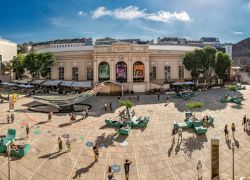
The Museum Quartier (MQ) is one of Vienna’s most dynamic cultural spaces, blending art, architecture, and history in one iconic location. Located in the city center, the Museum Quartier is not just a museum complex but a cultural hub that includes contemporary art museums, performance spaces, cafes, and more. It is one of the largest cultural districts in the world, offering a variety of attractions that appeal to art lovers, history buffs, and those just looking to relax and enjoy the atmosphere. How to Reach Museum Quartier The Museum Quartier is easily accessible due to its central location in Vienna. If you're using public transportation, the nearest U-Bahn (subway) station is “Museumsquartier” on the U2 line. The station is located just steps away from the museum complex, making it very convenient for visitors. Alternatively, you can take tram lines 1 and 2, which both have stops near the Museum Quartier. If you're traveling by bus, several bus lines also have stops close by. For those coming by car, there are parking facilities around the area, though public transportation is recommended due to the city's traffic and limited parking spaces. The Museum Quartier is also within walking distance of other central landmarks like the Hofburg Palace and the Naschmarkt, making it easy to explore multiple attractions on foot. Weather and Timing Vienna experiences four distinct seasons, each offering a different experience at the Museum Quartier. In summer (June to August), the weather is warm, with temperatures ranging from 20°C to 30°C (68°F to 86°F). This is the perfect time to enjoy the outdoor spaces of the Museum Quartier, such as its many courtyards and cafes. Spring and autumn provide mild temperatures, ideal for outdoor activities, while winters (December to February) can be cold and snowy, adding a unique charm to the complex’s indoor exhibitions and events. The Museum Quartier is generally open year-round, and different museums within the complex may have varying opening hours. On average, most museums are open from 10:00 AM to 6:00 PM, with extended hours on some days, especially on Fridays when they stay open later (usually until 9:00 PM). However, it’s always a good idea to check the specific timings of the exhibitions or events you're interested in before your visit. Why is Museum Quartier Famous? The Museum Quartier is famous for its vibrant atmosphere and diverse cultural offerings. The complex houses some of Vienna’s most prominent modern and contemporary art museums, including the Leopold Museum, the Museum of Modern Art (MUMOK), and the Kunsthalle Wien. The MQ is also known for its architecture, which combines historical and contemporary styles. The district is a major center for culture, attracting both local residents and international visitors who come to experience art exhibitions, performances, and other cultural events. In addition to the museums, the Museum Quartier features a range of cafes, restaurants, and shops, making it a popular spot for both art lovers and those looking to relax in a creative environment. The area is also known for its numerous outdoor spaces where visitors can sit and enjoy the surrounding artwork and architecture, especially during the warmer months. Entry and Visit Details There is no entry fee for the Museum Quartier complex itself, as it is an open public space. However, to visit the museums within the complex, you will need to purchase tickets. The price for tickets varies depending on the museum and the type of exhibition being hosted. For example, entry to the Leopold Museum, which houses a significant collection of works by Egon Schiele, Gustav Klimt, and other Austrian artists, typically costs around €14 for adults. Other museums, such as MUMOK (Museum of Modern Art), have similar pricing structures. Combination tickets are also available, which allow visitors to access multiple museums at a reduced price. Additionally, many of the museums offer discounted tickets for students, seniors, and groups. Some of the museums have special free-entry days, so it's worth checking in advance if you're planning to visit during such a time. History of Museum Quartier The Museum Quartier has its roots in the 18th century when the land was originally part of the Imperial Stables of the Habsburgs. The space underwent significant transformation in the late 20th and early 21st centuries, evolving into a cultural center of international importance. The district was officially opened in 2001 after an extensive renovation and reorganization of the former stables. The design of the new space blends historical buildings with modern architecture, creating a space that honors Vienna’s rich cultural heritage while embracing the future. Today, the Museum Quartier is a dynamic fusion of old and new, with historic Baroque buildings sitting alongside sleek contemporary structures. This fusion of architecture reflects the broader cultural mission of the MQ: to provide a space where tradition and innovation can coexist and thrive together. Architecture of Museum Quartier The architecture of the Museum Quartier is a unique mix of historic and modern elements. The most notable feature of the MQ is its Baroque-style buildings, which were once used as stables for the Habsburg royal family. These buildings have been carefully preserved and integrated into the complex, maintaining their historical charm while being adapted for use as modern museum spaces. The contrast between the Baroque architecture and the contemporary additions is striking. The modern architectural elements, such as the sleek concrete facades and glass structures, provide a modern counterpoint to the historic buildings. The overall design of the Museum Quartier creates a welcoming and dynamic environment, where the past and present coexist in harmony. Things to Do at Museum Quartier The Museum Quartier offers a wide variety of activities for visitors of all ages and interests: Explore the Museums: The Museum Quartier is home to some of Vienna's most significant modern and contemporary art museums, including the Leopold Museum, MUMOK, and Kunsthalle Wien. Enjoy Outdoor Art and Performances: In the warmer months, the Museum Quartier hosts various outdoor events, including concerts, performances, and art exhibitions. The large open courtyard is a popular gathering spot for visitors. Relax in the Courtyards: The Museum Quartier has several outdoor courtyards with seating areas, perfect for relaxing and enjoying the atmosphere. You can grab a coffee or a snack at one of the nearby cafes and enjoy the art and architecture around you. Attend Cultural Events: The MQ regularly hosts events ranging from film screenings to live performances, lectures, and workshops. Be sure to check the events calendar during your visit to catch something interesting. Visit the Cafes and Shops: The Museum Quartier has numerous cafes, restaurants, and shops where you can take a break, enjoy a meal, or purchase unique souvenirs related to the arts and culture. Facts about Museum Quartier The Museum Quartier is one of the largest cultural complexes in the world, with over 60 cultural organizations. It is home to several internationally renowned museums, including the Leopold Museum, which holds one of the largest collections of works by Egon Schiele. The complex was designed by the famous architects Maria, Christian, and Stefan Höger and opened to the public in 2001. The Museum Quartier features a combination of historical Baroque architecture and modern contemporary design. The area also includes outdoor public spaces and courtyards where art installations, performances, and events are regularly held. Tips for Visiting Museum Quartier To make the most of your visit to Museum Quartier, consider the following tips: Plan your visit around events: The Museum Quartier hosts many temporary events and exhibitions, so it’s a good idea to check their schedule before you go. Take advantage of the outdoor spaces: The courtyards are perfect for relaxing and people-watching, especially in good weather. Wear comfortable shoes: There’s a lot to explore, so be sure to wear comfortable shoes for walking around the various museums and courtyards. Check out the cafes: The cafes in the Museum Quartier offer great spots to unwind. Try a coffee or traditional Austrian cake while enjoying the art-filled atmosphere. Conclusion The Museum Quartier in Vienna is a vibrant cultural destination that offers a perfect blend of art, history, and modern design. With its wide range of museums, exhibitions, and outdoor spaces, the MQ has something for everyone—whether you're an art enthusiast or simply looking for a place to relax and enjoy the surroundings. Its unique architecture and diverse cultural offerings make the Museum Quartier one of the most exciting places to visit in Vienna.
Explore More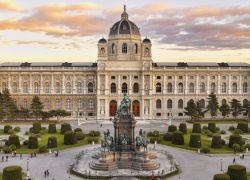
The Kunsthistorisches Museum (Museum of Art History) in Vienna is one of the most important art museums in the world. Known for its grand architecture and exceptional collections, the museum showcases a remarkable array of artworks spanning thousands of years. From ancient Egyptian artifacts to European paintings, sculptures, and decorative arts, the Kunsthistorisches Museum is a must-visit for art enthusiasts and history lovers alike. Its comprehensive collections and historic significance make it a cultural treasure in Vienna, attracting visitors from around the globe. How to Reach Kunsthistorisches Museum The Kunsthistorisches Museum is located in the heart of Vienna, making it easily accessible by public transport. The museum is situated on the Ringstrasse, a famous boulevard encircling the city center. The nearest U-Bahn (subway) station is “Volkstheater” on the U2 and U3 lines. From there, it's a short walk to the museum’s entrance. If you're taking the tram, lines 1, 2, D, and 71 all have stops near the museum. Additionally, the museum is within walking distance from several other prominent attractions in Vienna, such as the Hofburg Palace and the MuseumsQuartier. For those arriving by train, the Kunsthistorisches Museum is around 10 minutes by public transport from Vienna's main train station, “Wien Hauptbahnhof.” Weather and Timing Vienna experiences a temperate climate with four distinct seasons. Summer (June to August) is warm, with temperatures ranging from 20°C to 30°C (68°F to 86°F), making it a great time to visit the museum and explore the nearby parks and open-air cafes. Spring (March to May) and autumn (September to November) bring milder temperatures, perfect for enjoying the city's outdoor attractions, while winter (December to February) is cold, often with snow, giving Vienna a festive atmosphere, especially around Christmas. The Kunsthistorisches Museum is open every day except for certain public holidays. The regular opening hours are from 10:00 AM to 6:00 PM, and on Thursdays, the museum stays open later until 9:00 PM. To make the most of your visit, check the official website for any special events or changes in operating hours, particularly during holidays. Why Kunsthistorisches Museum is Famous The Kunsthistorisches Museum is renowned for its unparalleled collection of European art and historical artifacts. It is particularly famous for housing the collections of the Habsburg Empire, which were amassed over centuries by the ruling family. The museum is home to world-famous works by renowned artists such as Pieter Bruegel the Elder, Rembrandt, Raphael, and Titian. Additionally, the museum's Egyptian and Near Eastern collections are among the most significant in the world, offering a glimpse into ancient civilizations. Its extensive collection spans multiple periods, from antiquity to the early modern era, making it one of the most comprehensive art museums in Europe. The museum also features impressive collections of Greek and Roman antiquities, Old Master paintings, Renaissance sculptures, and decorative arts. The Kunsthistorisches Museum is a key destination for art historians and anyone interested in exploring the rich cultural heritage of Europe. Entry and Visit Details To enter the Kunsthistorisches Museum, visitors need to purchase tickets. The general adult ticket costs around €16, with discounts available for students, seniors, and groups. The museum offers free admission for children under 19 years of age. Tickets provide access to the permanent collections, and additional tickets may be required for special exhibitions. The museum also offers combination tickets, which allow access to other nearby attractions, such as the Museum of Natural History (Naturhistorisches Museum), which is located just across the street from the Kunsthistorisches Museum. Visitors can also take advantage of guided tours, which provide a more in-depth exploration of the museum’s vast collections and highlight key works of art. History of Kunsthistorisches Museum The Kunsthistorisches Museum was founded in the late 19th century, following the vision of Emperor Franz Joseph I. It was officially opened in 1891, and its purpose was to house the extensive art collections of the Habsburg family. The museum’s construction was part of a larger initiative to establish Vienna as a center of cultural excellence in Europe. The museum was designed by the famous architects Gottfried Semper and Karl von Hasenauer in a grand Renaissance Revival style. The design incorporates elements of classical architecture, creating a majestic structure that matches the importance of the collections housed inside. Over the years, the Kunsthistorisches Museum has expanded its collection, and today it stands as one of the most important art institutions in the world. Architecture of Kunsthistorisches Museum The architecture of the Kunsthistorisches Museum is as impressive as its collections. Designed in the Neo-Renaissance style, the museum’s building features grand facades, magnificent staircases, and elaborate ceilings. The exterior of the museum is adorned with statues of famous artists and scholars, reflecting the museum's role as a center for the preservation and study of art. Inside, the museum’s design is equally stunning, with vast galleries showcasing masterpieces of painting, sculpture, and decorative arts. The central hall, with its grand dome, provides an awe-inspiring view, while the museum’s spacious rooms are carefully arranged to guide visitors through the various periods and styles of art history. The museum also boasts beautifully decorated galleries that highlight the artistic achievements of different European cultures, making the architecture an integral part of the overall experience. Things to Do at Kunsthistorisches Museum Visiting the Kunsthistorisches Museum offers a variety of activities for art lovers and history enthusiasts: Explore the Paintings: Discover masterpieces by Old Masters like Rembrandt, Raphael, and Vermeer, as well as Flemish and Italian Renaissance artists. Admire Ancient Artifacts: Explore the museum’s Egyptian, Greek, and Roman collections, including mummies, sculptures, and ancient pottery. Visit the Decorative Arts Collection: The museum’s extensive collection of decorative arts includes Renaissance and Baroque tapestries, intricate glassware, and ancient coins. Take a Guided Tour: Join one of the museum’s guided tours to learn more about its masterpieces and the history behind the collections. Enjoy the Museum Café: After exploring the museum, relax at the café and enjoy some refreshments while reflecting on the art you’ve seen. Facts about Kunsthistorisches Museum The Kunsthistorisches Museum has one of the world’s most important collections of Old Master paintings, with works by artists like Titian, Rubens, and Vermeer. Its Egyptian collection includes over 17,000 objects, making it one of the most comprehensive in Europe. The museum’s building was completed in 1891, and it was designed to match the grandeur of the Habsburg collections it houses. The museum is part of the larger Kunsthistorisches Museums Wien, which includes the Natural History Museum and the Weltmuseum Wien. The museum’s collection also includes a significant number of works from the Renaissance and Baroque periods, as well as decorative arts from the Middle Ages. Tips for Visiting Kunsthistorisches Museum To make the most of your visit to the Kunsthistorisches Museum, here are some helpful tips: Take your time: The museum has an extensive collection, so plan to spend several hours exploring the galleries. Check for special exhibitions: The Kunsthistorisches Museum regularly hosts temporary exhibitions, which are often worth a visit in addition to the permanent collections. Wear comfortable shoes: With so many galleries to explore, be sure to wear comfortable footwear for walking. Visit the museum café: The museum’s café is a great place to relax and enjoy a snack or coffee after exploring the galleries. Plan your visit in advance: If you're interested in specific collections or exhibits, check the museum's website for the latest information and avoid peak tourist hours. Conclusion The Kunsthistorisches Museum in Vienna is an essential destination for anyone interested in art, history, and culture. With its vast and varied collection, magnificent architecture, and historical significance, it offers a truly immersive experience. Whether you're admiring the works of Old Masters or exploring ancient artifacts, a visit to the Kunsthistorisches Museum provides a fascinating journey through the history of art and civilization.
Explore More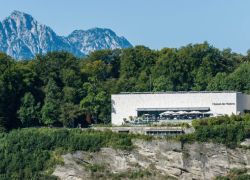
The Salzburg Museum is one of the most important cultural institutions in the city of Salzburg, Austria. Located in the heart of the city's Old Town, the museum offers an in-depth look at the history, art, and culture of Salzburg and its surrounding region. The museum is housed in a beautiful historic building and presents a wide variety of exhibitions, ranging from medieval art to contemporary pieces. It's a must-visit for anyone interested in exploring the rich heritage of this iconic Austrian city. How to Reach Salzburg Museum Salzburg Museum is centrally located in the Old Town of Salzburg, making it easily accessible by foot, public transportation, or taxi. The museum is located near the famous Mirabell Palace and Gardens, and it's just a short walk from many other key attractions in the city, including Mozart’s Birthplace and the Salzach River. If you're traveling by public transport, you can take a bus to the closest bus stops, such as "Museum der Moderne" or "Makartplatz." These are just a few minutes' walk from the museum. Salzburg's main train station (Salzburg Hauptbahnhof) is around 2 kilometers away from the museum, and you can take a taxi or bus for a quick ride to the museum's location. Weather in Salzburg Salzburg experiences a temperate climate, with four distinct seasons. The summer months (June to August) are typically warm, with temperatures ranging between 15°C to 25°C (59°F to 77°F), making it an excellent time for walking around the city and visiting museums like Salzburg Museum. Spring (March to May) and autumn (September to November) are cooler but still pleasant, with temperatures ranging from 5°C to 15°C (41°F to 59°F). Winter (December to February) can be cold, with temperatures often falling below freezing, especially in the evenings. If you're visiting in winter, expect snow and chilly weather, so make sure to bundle up. Timing of Visit Salzburg Museum is open year-round, although the hours may vary depending on the time of year or special exhibitions. Typically, the museum opens at 9:00 AM and closes at 5:00 PM. During certain times of the year, such as in the summer months, the museum may stay open later or have extended hours for special events or exhibitions. It's always a good idea to check the official website for up-to-date information on opening hours and any special closures or events. Why Salzburg Museum is Famous Salzburg Museum is famous for its comprehensive and diverse collection, which focuses on the rich history, culture, and art of Salzburg. It provides an engaging and informative experience for visitors of all ages. The museum's collections cover a wide range of topics, from the history of Salzburg as a city to the life and work of Salzburg's most famous resident, Wolfgang Amadeus Mozart. The museum is also known for its impressive art collection, which includes works from the Middle Ages to contemporary art. The museum's exhibitions are regularly updated, and they often feature thematic displays on topics such as the city's architectural heritage, music history, and the artistic movements that have shaped Salzburg over the centuries. The museum also offers temporary exhibitions, making each visit a unique experience. Entry and Visit Details General admission to the Salzburg Museum is typically around €12 for adults. However, there are discounts available for students, seniors, and groups, as well as free entry for children under a certain age (usually under 6 years old). The museum also offers free admission on specific days of the month, so it’s worth checking their schedule in advance if you want to visit during these times. In addition to general admission, the museum offers guided tours for an additional fee. These tours are led by knowledgeable guides who provide detailed insights into the museum's collections and history. The museum also has audio guides available in multiple languages, which can be an excellent option for visitors who prefer to explore at their own pace. History and Architecture of Salzburg Museum The Salzburg Museum was founded in 1834, making it one of the oldest museums in Austria. The museum's collections have grown significantly over the years, with a primary focus on the art, history, and culture of Salzburg. The museum is housed in the New Residence (Neues Residenz), a Baroque palace that once served as the residence of the prince-archbishops of Salzburg. The building itself is a beautiful example of Baroque architecture, with its grand façade, ornate interior rooms, and historical significance. The museum’s architecture is part of its charm. Visitors can enjoy both the rich collection of art and historical artifacts as well as the stunning spaces in which they are housed. The museum features both permanent and temporary exhibitions across various rooms, with each space designed to create an immersive and aesthetically pleasing experience for visitors. Things to Do in Salzburg Museum Salzburg Museum offers a variety of activities for visitors who want to explore the city's history, art, and culture. Here are some popular things to do when you visit the museum: Explore the Permanent Exhibitions: The museum’s permanent exhibitions cover a wide range of subjects, including the history of Salzburg, its cultural heritage, and the works of famous Salzburg figures like Mozart. Visit Temporary Exhibitions: The museum regularly hosts temporary exhibitions on art, history, and culture. These exhibitions change periodically, so there’s always something new to see. Learn About Salzburg’s History: The museum is an excellent place to dive into Salzburg’s rich history, from its Roman origins to its role in the Baroque period, and its influence on classical music. Attend Special Events: The museum hosts a variety of special events, including lectures, workshops, and concerts. If you’re in Salzburg during one of these events, it can provide a deeper understanding of the city’s culture. Use the Audio Guide: For a more informative experience, make use of the museum’s audio guide. It provides interesting facts and background information on the collections, enhancing your visit. Interesting Facts About Salzburg Museum The Salzburg Museum was founded in 1834 by Prince-Archbishop Hieronymus Colloredo as part of an initiative to preserve and showcase the city’s cultural heritage. The museum's collection includes more than 1,000 paintings, sculptures, and historical artifacts, including some by renowned artists like Caspar David Friedrich and Egon Schiele. The museum is located in the New Residence, a Baroque palace that has been the seat of the prince-archbishops of Salzburg for centuries. Each year, the museum hosts a number of special events and temporary exhibitions that highlight different aspects of Salzburg’s rich artistic and cultural heritage. Tips for Visiting Salzburg Museum Check for Special Events: Before your visit, check the museum's website for any special exhibitions, events, or free entry days that may coincide with your trip. Take Your Time: The museum has a vast collection, so allow plenty of time to explore each exhibit. If you're short on time, consider focusing on specific areas of interest, such as Salzburg's Baroque history or the Mozart collection. Bring a Jacket in Winter: If you're visiting in the colder months, make sure to dress warmly, as the museum can get chilly, especially in the older sections. Use the Audio Guide: To enhance your visit, consider renting an audio guide. It provides valuable insights into the exhibits and makes for a more engaging experience. Combine with Other Attractions: The Salzburg Museum is located close to other major attractions, such as Mirabell Palace and Mozart’s Birthplace, so plan your visit to include these nearby sites as well. Conclusion Salzburg Museum is a fantastic destination for anyone interested in learning about the history, culture, and art of Salzburg. Whether you're a fan of art, music, or history, the museum offers something for everyone. With its stunning architecture, comprehensive exhibitions, and rich cultural heritage, the Salzburg Museum is a must-see attraction that will enhance your understanding of one of Austria's most beautiful and historically significant cities.
Explore More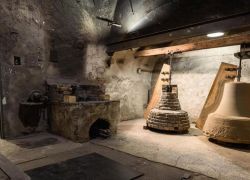
The Tiroler Glockenmuseum (Tyrolean Bell Museum) in Wattens, Austria, is a fascinating and unique museum dedicated to the history and art of bell-making. Situated in the heart of Tyrol, the museum is home to an impressive collection of bells, ranging from medieval church bells to modern-day works of art. The museum provides a fascinating glimpse into the cultural significance of bells throughout history and their role in the region's local traditions. Visitors can explore the intricate craftsmanship involved in bell-making and learn about the history and symbolism of bells across different cultures. How to Reach Tiroler Glockenmuseum, Wattens Wattens is a small town in the Tyrol region of Austria, and the Tiroler Glockenmuseum is easily accessible from both the town center and nearby cities. Whether you're traveling by car or public transport, reaching the museum is straightforward. By Car: If you're driving, Wattens is located about 20 km east of Innsbruck, and the museum is easily reachable via local roads. There is parking available near the museum for visitors. By Train: The nearest train station is in Wattens, which is well connected to Innsbruck and other cities in Austria. From the train station, it’s just a short walk or bus ride to the museum. By Bus: Public buses from Innsbruck and other nearby towns frequently service Wattens, and there are bus stops near the museum. Weather in Wattens The weather in Wattens, like much of the Tyrol region, is Alpine, with distinct seasons throughout the year. The weather can affect the way you experience the area, so it’s good to know what to expect. Winter (December to February): Winters are cold and snowy, with temperatures often below freezing. The surrounding mountains are covered in snow, creating a winter wonderland. This is a great time to visit if you enjoy the winter atmosphere, but dress warmly and prepare for potential snow or ice on the roads. Spring (March to May): Spring brings milder temperatures, ranging from 10°C to 20°C, and the flowers begin to bloom. The weather is ideal for outdoor activities and exploring the town’s surroundings, including hiking trails. Summer (June to August): Summer offers pleasant temperatures between 20°C to 30°C. It’s the best time to enjoy outdoor exploration, as the weather is typically sunny and warm. Autumn (September to November): Autumn is cool, with temperatures between 10°C and 20°C. The fall foliage adds a magical touch to the landscapes, making it a beautiful time for photography and sightseeing. Timing of Tiroler Glockenmuseum The Tiroler Glockenmuseum is open throughout the year, but it operates on seasonal hours. The museum’s general opening times are from 9:00 AM to 5:00 PM. However, the museum may have extended hours or be closed on certain holidays, so it’s always a good idea to check the museum’s official website or call ahead before planning your visit. Why Tiroler Glockenmuseum is Famous The Tiroler Glockenmuseum is famous for its unique collection of bells, showcasing the history and artistry of bell-making in the Tyrol region. With over 150 bells on display, the museum offers an insight into how bells have evolved over the centuries, both as musical instruments and symbols of community and tradition. The museum is also known for its collection of church bells, many of which are over 100 years old and have historical significance. One of the highlights of the museum is its exhibition of bells made by the famous Tyrolean bell-making family, the Fisser family, which has been crafting bells for generations. In addition to the historical bells, the museum also hosts temporary exhibitions featuring modern bells and bell-related art, offering a blend of traditional and contemporary culture. The museum’s peaceful setting and rich collection make it a must-see for visitors interested in Tyrolean culture, craftsmanship, and history. Entry and Visit Details about Tiroler Glockenmuseum The entry fee for the Tiroler Glockenmuseum is modest, with adult tickets typically priced around 8 to 10 EUR, with discounts for children, students, and seniors. It is recommended to check the official website for the most up-to-date pricing and special offers, as prices may change depending on the season or any special exhibitions being held. The museum is wheelchair accessible, and there are facilities available for visitors with disabilities. It is a family-friendly destination, and children will enjoy the colorful, interactive exhibits that provide an engaging way to learn about bells and their role in culture. Guided tours are available and are highly recommended for those wanting a deeper understanding of the history of the bells and the museum’s collection. Audio guides are also available in multiple languages, making the museum accessible to international visitors. History and Architecture of Tiroler Glockenmuseum The Tiroler Glockenmuseum was established in 2001 in Wattens and is housed in a historic building that was once used for bell-casting. The architecture of the museum combines modern and traditional elements, with contemporary design seamlessly integrated into the old structure. Visitors can appreciate the contrast between the museum’s sleek, modern exhibition spaces and the historic character of the building, which reflects the long-standing tradition of bell-making in the Tyrol region. The museum’s collection spans several centuries, showcasing not only bells but also the tools and techniques used in the bell-making process. Exhibits cover the historical development of bells from their early forms in the Middle Ages to the complex and decorative bells created in the modern era. The museum also highlights the cultural significance of bells in Tyrol, including their use in church services, festivals, and public events. Things to Do in Tiroler Glockenmuseum Aside from exploring the museum’s collection of bells, there are a number of things to do during your visit: Explore the Bell Exhibits: Wander through the exhibition halls and take in the intricate details of the bells on display, from medieval church bells to beautifully designed modern pieces. Learn the History of Bell-Making: Visit the museum’s educational section, where you can learn about the art and science of bell-making, including the techniques used to cast and tune bells. Attend Special Events: The Tiroler Glockenmuseum hosts temporary exhibitions and events throughout the year, including workshops on bell-making and performances by bell choirs. Participate in Interactive Displays: The museum has interactive displays where you can hear the sounds of different bells and learn about their roles in various cultures and traditions. Visit the Museum Shop: Don’t forget to stop by the museum shop, where you can purchase unique bell-themed souvenirs, books, and music. Interesting Facts about Tiroler Glockenmuseum The Tiroler Glockenmuseum is one of the few museums in the world dedicated solely to the history of bells and bell-making. The museum’s collection includes over 150 bells from different periods and regions, including church bells, hand bells, and ceremonial bells. Many of the bells on display were crafted by renowned bell-making families from the Tyrol region, particularly the Fisser family, whose bells are considered some of the finest examples of bell-crafting. The museum hosts a bell concert every year, where bell choirs perform traditional and modern pieces using the bells from the collection. There is a bell-making workshop where visitors can watch craftsmen create bells using traditional methods, offering an immersive look into the centuries-old craft. Tips for Visiting Tiroler Glockenmuseum To make the most of your visit to Tiroler Glockenmuseum, here are a few helpful tips: Take a Guided Tour: To fully understand the history and significance of the bells, consider taking a guided tour. Knowledgeable guides provide in-depth information about the museum’s collection and the cultural history of bell-making in Tyrol. Wear Comfortable Shoes: The museum is relatively small but spread across multiple floors, so comfortable footwear will make exploring easier. Check for Special Events: If you’re visiting during a holiday or festival, be sure to check the museum’s schedule for any special events or performances that may be taking place. Combine with Other Attractions: If you have time, Wattens is home to other attractions, such as the Swarovski Crystal Worlds, so consider planning a full day to explore the area. Conclusion The Tiroler Glockenmuseum in Wattens is a unique and fascinating museum that offers visitors an in-depth look at the history and artistry of bell-making. With its impressive collection, interactive exhibits, and rich cultural significance, the museum is a must-visit for anyone interested in the traditions and craftsmanship of the Tyrol region. Whether you’re a history buff, a music lover, or simply curious about this ancient craft, a visit to Tiroler Glockenmuseum will leave you with a greater appreciation for the art of bell-making and its role in Tyrolean culture.
Explore More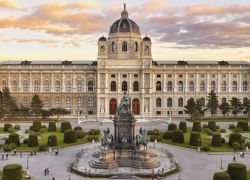
The Kunsthistorisches Museum (Museum of Art History) is one of the most prestigious art museums in the world, located in Vienna, Austria. Established in 1891, the museum is renowned for its vast collection of art and historical artifacts, making it a must-visit destination for art lovers and history enthusiasts alike. From ancient Egyptian antiquities to Renaissance masterpieces, the Kunsthistorisches Museum offers a comprehensive exploration of human creativity and cultural development over millennia. How to Reach Kunsthistorisches Museum The Kunsthistorisches Museum is centrally located in Vienna, easily accessible by public transportation. If you're using the U-Bahn (subway), take the U2 line and exit at the "Karlsplatz" station, which is just a short walk from the museum. Alternatively, you can take tram number 1 or 2, both of which stop at "Maria-Theresien-Platz," directly in front of the museum. If you prefer walking, the museum is located in the heart of Vienna, near other prominent landmarks such as the Hofburg Palace and the Natural History Museum, making it easy to visit as part of a broader exploration of the city. Taxis and ride-sharing services are also readily available in Vienna, and there is parking available nearby for those traveling by car. Weather Vienna experiences a temperate climate with four distinct seasons. The best time to visit the Kunsthistorisches Museum is during the spring (April to June) and autumn (September to November), when the weather is mild and the city is less crowded. Summer months (July and August) are also a popular time to visit, although they can be busier with tourists. Winter (December to February) can be cold, but it’s a magical time to explore the museum with fewer crowds and a festive atmosphere in the city. Timing and Opening Hours The Kunsthistorisches Museum is typically open every day from 10:00 AM to 6:00 PM, with extended hours on Thursdays when the museum stays open until 9:00 PM. However, these hours can vary during holidays or special events, so it is always recommended to check the official website before your visit for up-to-date information. The museum is closed on Mondays, so plan your visit accordingly. Why Famous? The Kunsthistorisches Museum is famous for its extensive and diverse art collections, which span over 5,000 years of human history. Its most renowned collection includes works by artists such as Titian, Rembrandt, Vermeer, and Pieter Bruegel the Elder. The museum also houses an extraordinary collection of Egyptian and Near Eastern antiquities, Greek and Roman sculptures, and decorative arts from the Middle Ages to the Baroque period. One of the highlights of the museum is the Picture Gallery, which contains one of the finest collections of European paintings from the 14th to the 18th centuries. The museum’s Kunstkammer (art chamber) is also exceptional, displaying a vast array of rare and precious objects, including historical scientific instruments, clocks, and rare artifacts from the ancient world. Entry and Visit Details Entry to the Kunsthistorisches Museum is ticketed, with different pricing for adults, students, and seniors. Tickets can be purchased online in advance or at the museum’s ticket counters. Special discounts are available for children and groups, and there are often discounted entry times during off-peak hours or special events. Visitors can also purchase a combined ticket that grants access to other museums in Vienna, such as the Belvedere Palace or the Albertina Museum, making it a great option for those who plan to explore the city's rich cultural heritage. For a more enriching experience, guided tours are available in multiple languages. These tours provide valuable insights into the museum’s most iconic pieces and offer a deeper understanding of the artworks and artifacts on display. History and Architecture The Kunsthistorisches Museum was founded in 1891 by Emperor Franz Joseph I and designed by architect Gottfried Semper and his partner Carl von Hasenauer. The museum was built to house the Habsburg imperial art collection, which had been amassed over centuries. Its monumental structure, with its grandiose façade and domed roof, is an architectural masterpiece in the neo-Renaissance style. The museum's interior is equally impressive, with lavish galleries and marble halls that create an opulent atmosphere, befitting the treasures housed within. The museum was designed to reflect the grandeur of the Habsburg monarchy and to showcase the royal family's vast art collection in a dignified manner. Things to Do at Kunsthistorisches Museum Explore the Picture Gallery: Admire world-famous works of art, including paintings by Old Masters such as Titian, Rembrandt, Vermeer, and Caravaggio. Visit the Egyptian and Near Eastern Collection: Discover ancient artifacts, including mummies, sculptures, and artifacts from the ancient civilizations of Egypt, Mesopotamia, and the Near East. Marvel at the Kunstkammer: Explore the museum’s stunning collection of rare and precious objects, from scientific instruments to decorative arts. Attend Temporary Exhibitions: The Kunsthistorisches Museum hosts temporary exhibitions throughout the year, offering new insights into specific art movements, artists, or periods of history. Take a Guided Tour: Enhance your visit by booking a guided tour to gain deeper knowledge and appreciation of the museum's treasures. Facts and Tips About Kunsthistorisches Museum The museum's art collection spans over 5,000 years, from ancient Egypt to the modern era. It houses one of the largest collections of works by Pieter Bruegel the Elder in the world. The museum's Kunstkammer contains over 2,000 rare and precious objects, many of which were collected by the Habsburg emperors. Don’t miss the museum's stunning architecture—both the exterior and the interior are visually striking. Take your time to explore the museum's vast collections; it's easy to spend several hours here, so plan accordingly. Check the museum's website for special events and exhibitions that may coincide with your visit to make the most of your experience. Conclusion The Kunsthistorisches Museum is a true treasure of Vienna, offering visitors a chance to explore the artistic and cultural richness of Austria and the world. Whether you’re an art enthusiast, a history buff, or simply someone interested in the beauty of human creativity, the Kunsthistorisches Museum offers something for everyone. A visit to this iconic museum is sure to be a highlight of your trip to Vienna.
Explore More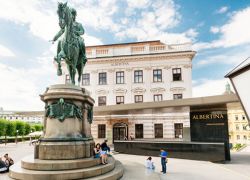
Albertina Museum & Art Gallery
The Albertina Museum & Art Gallery, located in the heart of Vienna, Austria, is one of the city's most renowned cultural institutions. With an extensive collection of over one million works of art, including masterpieces by artists such as Picasso, Monet, and Michelangelo, the museum offers an unparalleled experience for art lovers. The Albertina is housed in a historic building that once served as the residence of the Habsburg family, adding a layer of royal history to its artistic legacy. Whether you're fascinated by classical paintings, contemporary art, or impressive graphic works, the Albertina Museum offers something for everyone. How to Reach Albertina Museum & Art Gallery Located near Vienna's city center, the Albertina Museum & Art Gallery is easily accessible by public transportation. The closest subway station is "Karlsplatz," where you can take the U1, U2, or U4 subway lines. From Karlsplatz, the museum is just a short walk away. Trams number 1, 2, and D also stop at "Karlsplatz," which is a convenient option for those traveling by tram. If you prefer to walk, the Albertina is situated near other iconic landmarks such as the Vienna State Opera and the Hofburg Palace, making it an excellent addition to a day of sightseeing in Vienna's historic center. There are also taxi and ride-sharing services available, and parking is available in nearby garages for those driving. Weather Vienna experiences a temperate climate with distinct seasons. The best time to visit the Albertina Museum & Art Gallery is in the spring (April to June) and fall (September to November), when the weather is mild and the city is not as crowded. Summer (June to August) is also a good time to visit, but the city can be more crowded with tourists. Winter (December to February) can be cold, but it’s an ideal time for museum visits, with fewer crowds and a festive atmosphere in the city, especially around the holidays. Timing and Opening Hours The Albertina Museum & Art Gallery is typically open every day from 10:00 AM to 6:00 PM, with extended hours on Thursdays when the museum stays open until 9:00 PM. It is closed on Mondays. However, the opening hours may vary during holidays or special events, so it is always a good idea to check the official website before your visit to confirm the current timings. Why Famous? The Albertina is famous for its extensive collection of graphic art, which includes over 1 million works, making it one of the largest collections of its kind in the world. The museum's collection features works by iconic artists such as Albrecht Dürer, Rembrandt, and Egon Schiele, along with important collections of 20th-century artists like Picasso, Monet, and Van Gogh. The Albertina is also known for its temporary exhibitions, which showcase both classical and contemporary art, providing a dynamic experience for visitors. Another key reason for the Albertina's fame is its stunning architecture. The museum is housed in the former imperial palace of the Habsburgs, and its elegant exterior and grand rooms reflect the opulence of the royal family. Inside, visitors can explore a vast array of art collections, from classic to modern, with a particular focus on graphic arts and drawings. Entry and Visit Details Entry to the Albertina Museum & Art Gallery is ticketed. General admission tickets can be purchased at the museum's ticket counter or online in advance. The museum offers discounts for students, seniors, and children, and there are often special rates for groups. In addition to the regular admission ticket, there are often options for combined tickets that provide access to other museums in Vienna, such as the Kunsthistorisches Museum or the Belvedere Palace. The Albertina also offers a range of services to enhance your visit, including guided tours in multiple languages, audio guides, and a museum shop offering art books, souvenirs, and exclusive exhibition-related merchandise. For an additional cost, visitors can enjoy access to temporary exhibitions, which often feature art from major international artists or specific movements. History and Architecture The Albertina Museum was established in 1822, and its current location was originally the residence of Duke Albert of Saxe-Teschen, the husband of Archduchess Maria Christina, the daughter of Empress Maria Theresa. The building itself was originally designed by architect Franz Ignaz Haller von Hallerstein in the late 18th century and later expanded to house the Duke's extensive collection of art. Over time, the Albertina's collection grew significantly, and it became a major institution for art in Vienna. The building's architecture reflects both its imperial past and the museum's modern role as a cultural institution. Its neoclassical design features grand rooms with high ceilings and intricate details. The museum’s exterior is adorned with stately columns and decorative sculptures, while the interior showcases a blend of classical elegance and modern design elements. The museum also boasts a striking modern glass pavilion, which serves as a contrast to the historic architecture while maintaining the aesthetic balance of the museum’s overall design. Things to Do at Albertina Museum & Art Gallery Explore the Picture Gallery: Admire an impressive collection of works by artists like Monet, Picasso, and Van Gogh, with masterpieces spanning from the Renaissance to the 20th century. Visit the Graphic Arts Collection: The Albertina is known for its extraordinary collection of graphic art, including works by Albrecht Dürer, Rembrandt, and many other great masters. Attend Temporary Exhibitions: The museum hosts changing exhibitions that feature a variety of art forms, from contemporary art to thematic exhibitions exploring different art movements. Discover the Modern Architecture Pavilion: Explore the contrast between the historic building and the modern glass pavilion, which houses temporary exhibitions and provides an architectural marvel in itself. Take a Guided Tour: Enhance your visit by booking a guided tour that will take you through the museum’s highlights, providing detailed insights into the artworks and the history of the Albertina. Facts and Tips About Albertina Museum & Art Gallery The Albertina is home to one of the largest graphic arts collections in the world, with over 1 million works. The museum's permanent collection includes over 14,000 drawings, making it an important destination for those interested in graphic art and illustration. Don’t miss the museum’s modern pavilion, which hosts a range of contemporary art exhibitions. Plan your visit around one of the museum’s special exhibitions, as they often feature exclusive collections from renowned international artists. Audio guides are available in multiple languages, allowing you to explore the museum at your own pace while learning about the collections. Conclusion The Albertina Museum & Art Gallery is a cultural treasure in Vienna, offering visitors a chance to explore an extensive collection of art spanning centuries of human history. Whether you're an art connoisseur, a history enthusiast, or simply someone who appreciates beauty, the Albertina is a must-visit destination in Austria. With its exceptional art collections, stunning architecture, and dynamic exhibitions, the museum provides an unforgettable experience for all who enter its doors.
Explore More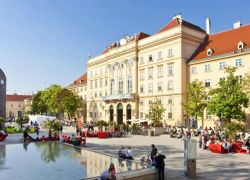
The Museum Quarter (MuseumsQuartier) in Vienna is one of the largest cultural complexes in the world. It is a vibrant hub that combines art, culture, history, and modern architecture, making it a must-visit destination for tourists and locals alike. The Museum Quarter houses numerous museums, galleries, theaters, and cafes, creating a unique atmosphere where tradition and contemporary art meet. Whether you're an art lover, history enthusiast, or just looking for a lively place to spend your day, the Museum Quarter offers something for everyone. How to Reach Museum Quarter The Museum Quarter is centrally located in Vienna, making it easily accessible from various parts of the city. The closest subway station is "Museumsquartier" on the U2 line, which is just a short walk from the complex. Alternatively, the "Volkstheater" station (served by both U2 and U3 lines) is also within walking distance. If you're traveling by tram, lines 49 and 1 stop at "Burgring," which is also close to the Museum Quarter. For those arriving by bus, several buses pass through the area, with stops near the MuseumsQuartier. If you prefer walking, the Museum Quarter is located within the Innere Stadt (the first district), which makes it a perfect addition to a walking tour of Vienna's historic center. There are also taxis and ride-sharing services available in the area. Weather Vienna experiences a temperate climate with four distinct seasons. The best time to visit the Museum Quarter is during the spring (April to June) and autumn (September to November), when the weather is mild and the gardens and outdoor spaces are in full bloom. Summer (July to August) is warm, with temperatures ranging from 20°C to 30°C (68°F to 86°F), making it a great time to explore the outdoor courtyards and cafes. Winter (December to February) can be cold, but the Museum Quarter is a lively place even during the colder months, with indoor exhibitions, festive markets, and holiday events. Timing and Opening Hours The Museum Quarter is open daily, but the opening hours of individual museums and attractions within the complex may vary. Generally, most museums in the Museum Quarter open from 10:00 AM to 6:00 PM, with extended hours on specific days (especially for special exhibitions). Some of the art and cultural venues may have their own schedules, so it’s best to check each museum's hours before planning your visit. The outdoor spaces, such as the courtyards and cafes, are open year-round, but the best time to enjoy these spaces is in the warmer months when you can sit outside and enjoy the atmosphere. Why Famous? The Museum Quarter is famous for being one of the world’s largest cultural complexes, housing some of Vienna's most prestigious museums, galleries, and cultural institutions. It is home to the Leopold Museum, the Kunsthalle Vienna, the Architekturzentrum Wien, and the MuseumsQuartier itself, which is a vast cultural complex featuring both historic and modern architecture. The Museum Quarter is also known for its combination of art, culture, and leisure, as it is a place where visitors can enjoy everything from cutting-edge contemporary exhibitions to relaxing outdoor spaces and trendy cafes. The Museum Quarter has a long history as a cultural hub. Originally, it was part of the imperial stables of the Hofburg Palace, which were later converted into museums and cultural spaces. Today, the complex blends classical architecture with modern, avant-garde buildings, making it a fascinating destination for those interested in both historical and contemporary design. Entry and Visit Details Visiting the Museum Quarter is free, but individual museums within the complex have their own entry fees. For example, entry to the Leopold Museum, one of the main museums in the complex, requires a ticket, and similar tickets are needed for other institutions like the Kunsthalle Vienna and the Architekturzentrum Wien. To make the most of your visit, you can purchase a combined ticket that grants access to multiple museums within the Museum Quarter. These tickets are available at the Museum Quarter's main entrance or online. Many of the museums offer discounts for students, seniors, and children, so be sure to check for special rates before purchasing your ticket. Guided tours are also available for those who want to gain a deeper understanding of the art and exhibitions in the Museum Quarter. These tours are typically available in multiple languages and are a great way to get more out of your visit. History and Architecture The Museum Quarter is built on the site of the former imperial stables, part of the Hofburg Palace complex. The history of the area dates back to the 18th century when it was used as a space for the royal horses and carriages. In the 20th century, the site was transformed into a cultural complex. The Museum Quarter officially opened in 2001 and is one of the largest cultural districts in the world, blending historic and contemporary buildings to create a unique space for art and culture. The architecture of the Museum Quarter is a fascinating mix of classical and modern styles. The Leopold Museum, with its striking white facade, contrasts beautifully with the surrounding Baroque and Rococo-style buildings. The contemporary designs of the Kunsthalle and the Architekturzentrum Vienna are equally impressive, with sleek, glass-walled structures that create a dynamic contrast to the historic architecture around them. The integration of modern architectural elements with the older buildings gives the Museum Quarter its unique character. Things to Do at Museum Quarter Explore the Museums: Visit the Leopold Museum to see its impressive collection of modern Austrian art, including works by Egon Schiele and Gustav Klimt. The Kunsthalle Vienna regularly hosts contemporary art exhibitions, while the Architekturzentrum Wien offers fascinating insights into architectural history and design. Relax in the Courtyards: The Museum Quarter is home to expansive open-air courtyards, perfect for relaxing between museum visits. During the warmer months, you can enjoy a coffee or a meal at one of the many outdoor cafes. Attend Special Events and Exhibitions: The Museum Quarter regularly hosts special events, including art festivals, live performances, and temporary exhibitions, so be sure to check the schedule before your visit. Visit the MQ Point: For visitors new to the Museum Quarter, the MQ Point offers information, maps, and guides about the complex, making it a great starting point for your visit. Take Part in Cultural Activities: The Museum Quarter hosts a wide range of cultural activities, from workshops and performances to lectures and film screenings, allowing visitors to immerse themselves in Vienna's artistic scene. Facts and Tips About Museum Quarter The Museum Quarter is home to over 60 cultural institutions, making it one of the largest cultural districts in the world. Be sure to check out the stunning outdoor courtyard, where you can relax and enjoy the vibrant atmosphere of the Museum Quarter. The Leopold Museum is one of the Museum Quarter’s most popular attractions, housing the world’s largest collection of works by Egon Schiele. Many museums in the Museum Quarter offer evening events, including concerts and film screenings, so be sure to check the schedule for evening programs. If you're visiting with children, be sure to stop by the various kid-friendly workshops and activities offered at some of the museums in the Museum Quarter. Wear comfortable shoes, as there is a lot to see and explore within the Museum Quarter, especially if you plan to visit several museums in one day. Conclusion The Museum Quarter is a must-visit destination for anyone interested in art, culture, and architecture. Its unique blend of historical and modern buildings, combined with its diverse collection of museums and cultural institutions, makes it one of the most exciting and dynamic cultural complexes in the world. Whether you're visiting for a few hours or a whole day, the Museum Quarter offers a rich experience that will leave you with lasting memories of Vienna’s vibrant cultural scene.
Explore More