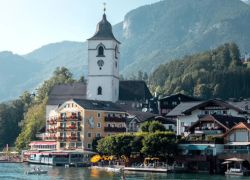
Lake Wolfgang, or Wolfgangsee, is one of the most stunning lakes in Austria, located in the heart of the Salzkammergut region in Salzburg. Surrounded by majestic mountains, this crystal-clear lake offers breathtaking views, making it one of the top destinations for nature lovers and outdoor enthusiasts. Known for its serene beauty and peaceful atmosphere, Lake Wolfgang is also rich in history and culture, attracting visitors year-round for activities like hiking, swimming, boating, and sightseeing. How to Reach Lake Wolfgang Reaching Lake Wolfgang from Salzburg is quite easy and convenient. If you're traveling by car, it takes approximately 40-50 minutes to reach the lake, depending on traffic. The most common route is via the A1 highway, followed by a drive through picturesque villages such as Fuschl am See and St. Gilgen. If you prefer public transportation, you can take a train from Salzburg's main station (Salzburg Hauptbahnhof) to St. Wolfgang or St. Gilgen, both located on the shores of the lake. The train ride typically takes around 45 minutes to 1 hour. Alternatively, there are bus services that connect Salzburg to the villages surrounding the lake. From there, you can easily walk or take a short bus ride to the lake itself. Weather Around Lake Wolfgang The climate around Lake Wolfgang varies with the seasons, offering something unique for every time of year. In the summer (June to August), temperatures range from 20°C to 30°C (68°F to 86°F), providing perfect weather for boating, swimming, and hiking. This is the most popular season to visit the lake, with visitors flocking to the area to enjoy the warmth of the Austrian summer. Spring (March to May) and autumn (September to November) are also pleasant times to visit, with mild temperatures ranging from 10°C to 20°C (50°F to 68°F). These seasons are ideal for hiking and exploring the picturesque villages around the lake, as there are fewer tourists and the scenery is equally stunning, with spring flowers blooming or autumn foliage creating a colorful landscape. Winter (December to February) can be cold, with temperatures falling below freezing, especially in the mountains surrounding the lake. Snow is common during this time, making it a beautiful location for winter sports, including skiing and snowshoeing in nearby resorts. Timing of Visit Lake Wolfgang is a year-round destination, but the best time to visit depends on the activities you're interested in. Summer is the peak tourist season, and the lake's crystal-clear waters and surrounding mountains make it the perfect spot for outdoor activities. However, if you're seeking a quieter, more peaceful experience, visiting during the spring or autumn months can provide a more tranquil atmosphere. For those interested in winter sports, the area around Lake Wolfgang is known for its winter resorts. Visiting during the winter months allows you to enjoy skiing, snowboarding, and other snow-related activities in nearby areas like St. Wolfgang and Schafberg. Why Lake Wolfgang is Famous Lake Wolfgang is famous for its natural beauty and its role as a premier destination for outdoor activities. The lake's crystal-clear waters are surrounded by dramatic mountain peaks, making it a perfect spot for scenic photography and relaxation. Its picturesque villages, such as St. Wolfgang, St. Gilgen, and Strobl, each have their own charm and are home to historical buildings, including the famous Pilgrimage Church of St. Wolfgang. The lake is also known for its cultural and historical significance. It has been a popular destination for aristocrats and tourists since the 19th century, including famous composers like Mozart, who was often inspired by the stunning surroundings. Additionally, the lake is part of the Salzkammergut Lake District, a UNESCO World Heritage site known for its natural beauty and historical significance. Entry and Visit Details There is no entry fee to visit Lake Wolfgang itself, as the lake is a public natural site. However, there are several attractions and activities around the lake that may have an entry fee. For example, if you wish to take a boat ride on the lake or visit certain museums or historical sites in the area, there may be a charge. The famous Schafberg Railway, which takes visitors to the summit of Schafberg Mountain for panoramic views of the lake, also has a fee for tickets. The lake is easily accessible and can be enjoyed at any time of the year. Whether you're walking along the lakeside promenade, visiting one of the charming villages, or embarking on a hike, there are no restrictions on access. However, boat tours and other activities such as fishing, water sports, and boat rentals may require reservations or advance booking during the busy summer season. History and Architecture Around Lake Wolfgang Lake Wolfgang has a rich history that stretches back centuries. The area has been inhabited since Roman times, and archaeological evidence shows that the lake has been a popular place for trade and settlement for thousands of years. In the Middle Ages, the lake played an important role in the region's economy, with the surrounding villages serving as trade centers. The town of St. Wolfgang, located on the eastern shore of the lake, is home to the Pilgrimage Church of St. Wolfgang, which has been a religious and cultural center for centuries. The church, built in the 14th century, is one of the most important landmarks around the lake and attracts visitors from around the world for its impressive architecture and historical significance. The town is also famous for its medieval buildings, narrow streets, and charming atmosphere. Architecturally, the area is characterized by traditional Alpine-style buildings with wooden facades, steep roofs, and brightly colored shutters. These historic structures, combined with the stunning backdrop of the lake and mountains, create a picturesque setting that is sure to captivate anyone who visits. Things to Do Around Lake Wolfgang There are many things to do around Lake Wolfgang, whether you're an adventurer, a history buff, or someone simply looking to relax by the water. Here are some of the best activities: Boat Tours: Take a boat tour on the lake to admire the beautiful scenery and visit the picturesque villages around the lake. You can also rent a boat if you prefer a more private experience. Hiking: There are numerous hiking trails around the lake, including routes that lead up to the nearby mountains, such as Schafberg and the Zwölferhorn. These trails offer panoramic views of the lake and the surrounding region. Schafberg Railway: Ride the Schafberg Railway, a historic cogwheel train that takes you to the summit of Schafberg Mountain. From the top, you'll be treated to one of the most stunning views of Lake Wolfgang and the entire Salzkammergut region. Swimming and Water Sports: In the summer, the lake's clean, clear waters are perfect for swimming, kayaking, and paddleboarding. Several rental shops around the lake offer water sports equipment. Visit the Pilgrimage Church of St. Wolfgang: Explore this iconic church, which has been a center of religious pilgrimage for centuries. Its stunning interior and beautiful location make it a must-see attraction in the area. Explore the Villages: St. Wolfgang, St. Gilgen, and Strobl are all charming villages located around the lake. Take a walk through their narrow streets, visit their local shops, and enjoy the historical architecture. Interesting Facts About Lake Wolfgang Lake Wolfgang is approximately 11 kilometers (7 miles) long and 2 kilometers (1.2 miles) wide, making it one of the largest lakes in Austria's Salzkammergut region. The lake has an average depth of 114 meters (374 feet) and reaches a maximum depth of 118 meters (387 feet). Lake Wolfgang is home to several islands, including the small "Falkenstein Island," which can be seen from St. Wolfgang's shores. In addition to being a popular destination for leisure, the lake's surrounding area has also been used for film shoots, particularly for the 1950s movie "The Trapp Family," which was inspired by the famous Von Trapp family of "The Sound of Music." Tips for Visiting Lake Wolfgang Visit Early or Late: To avoid the crowds, visit the lake early in the morning or later in the afternoon, especially during the summer months. Bring Comfortable Footwear: If you plan to hike or explore the area on foot, make sure to bring comfortable walking shoes or hiking boots. Check the Weather: Since the weather can change rapidly in the mountains, it's important to check the weather forecast before hiking or participating in outdoor activities. Rent a Boat: For a more personal experience on the lake, consider renting a small boat or paddleboard to explore the lake at your own pace. Plan Ahead: Some activities, like boat tours and the Schafberg Railway, may require reservations during peak seasons, so be sure to plan ahead to avoid disappointment. Conclusion Lake Wolfgang is a stunning and versatile destination that offers something for everyone. Whether you're looking for outdoor adventure, historical exploration, or simply a peaceful retreat surrounded by nature, this beautiful lake is the perfect spot to enjoy the best of Austria's natural beauty and cultural heritage.
Explore More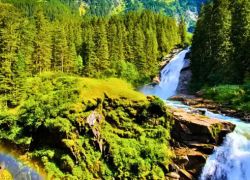
The Zirl Waterfalls, located near Wattens in the Tyrol region of Austria, are one of the most beautiful and tranquil natural attractions in the area. These waterfalls are a hidden gem, offering a stunning escape into nature. The serene environment, combined with the sound of cascading water and the picturesque Alpine backdrop, makes it a must-see spot for anyone visiting Wattens. Whether you are a nature enthusiast or just looking to explore the outdoors, the Zirl Waterfalls provide an unforgettable experience. How to Reach Zirl Waterfalls Reaching the Zirl Waterfalls from Wattens is quite simple and accessible. From Wattens, you can take a bus or drive to Zirl, a nearby town located just about 15 kilometers away. The best way to reach the waterfalls specifically is by taking a short hike from the town center of Zirl. There are clear signposts along the way that guide visitors to the falls. If you're traveling from Innsbruck, which is around 25 kilometers away, you can take a train to Zirl, and then follow the walking path leading to the falls. Weather in Zirl Waterfalls The weather in Zirl, and particularly around the Zirl Waterfalls, is typical of the Tyrolean Alps, with varying conditions depending on the season. Winters (December to February) are cold, often with snowfall, making it a perfect winter wonderland but potentially making the trails slippery. The summer months (June to August) offer mild to warm weather, with temperatures ranging from 15°C to 25°C, making it an ideal time for a scenic hike. Spring and autumn also provide favorable conditions for visiting the falls, with fewer crowds and pleasant temperatures. Regardless of when you visit, always check the weather forecast before heading out for your hike. Timing of Zirl Waterfalls The Zirl Waterfalls are a natural attraction, so they are accessible to visitors year-round, depending on weather conditions. The best time to visit the falls is during the warmer months when the hiking trails are clear and the falls are most spectacular due to the meltwater from the mountains. Although the falls are accessible year-round, some parts of the trails may be slippery in winter, so it's advised to visit during spring or summer for a safer and more enjoyable experience. Why Zirl Waterfalls is Famous The Zirl Waterfalls are famous for their pristine beauty and tranquil setting, offering a perfect escape from the hustle and bustle of everyday life. The falls cascade dramatically down the rocky landscape, creating a peaceful and meditative atmosphere. The surrounding area is rich in natural beauty, with lush greenery and towering mountain peaks. What makes the Zirl Waterfalls particularly special is their relative seclusion, allowing visitors to enjoy the falls in a less crowded environment compared to other more well-known waterfalls in Austria. The combination of natural beauty, accessibility, and serenity has made Zirl Waterfalls a popular destination for hikers, photographers, and nature lovers alike. Entry and Visit Details about Zirl Waterfalls Entry to the Zirl Waterfalls is free, making it an ideal spot for budget-conscious travelers. As there are no entrance fees, the experience is all about enjoying nature at its best. The main activity here is the hike from Zirl to the waterfalls, which takes approximately 30 to 45 minutes, depending on your pace. Visitors should bring sturdy hiking shoes, as the trail can be a bit uneven and steep in certain areas. The walk is scenic, with plenty of opportunities to stop and enjoy the surroundings. If you want a guided experience, there are local tour operators who offer hikes around the Zirl area, including stops at the waterfalls. History and Architecture of Zirl Waterfalls The Zirl Waterfalls do not have a specific historical structure or architectural history since they are a natural landmark, but the surrounding region has a rich history dating back to medieval times. Zirl itself was historically an important stop on trade routes due to its strategic location near the Brenner Pass. The waterfalls, while not historically significant in the traditional sense, have become a natural symbol of the area's unspoiled beauty. The waterfall itself is formed from the run-off of alpine glaciers and local streams, and its natural architecture is a result of centuries of geological processes. Things to Do at Zirl Waterfalls There are several activities you can enjoy at the Zirl Waterfalls: Hiking: The most popular activity is the hike to the falls, which takes visitors through beautiful forest paths and scenic alpine views. Photography: The waterfalls provide excellent opportunities for photography, especially during spring and summer when the water flow is strongest. Relaxing in Nature: The peaceful atmosphere around the falls makes it a great spot for relaxation and mindfulness activities like meditation or yoga. Picnicking: You can enjoy a small picnic near the waterfall, especially during the summer months when the area is lush and green. Explore Local Flora and Fauna: The region is rich in local wildlife and plants. Nature lovers can enjoy observing various species of birds, plants, and insects along the trail. Interesting Facts about Zirl Waterfalls The Zirl Waterfalls are not as well-known internationally, which makes them a hidden gem for those looking to escape the crowded tourist attractions in Austria. The waterfall’s water source is the meltwater from glaciers in the Alps, contributing to its constant flow, especially in the spring and summer months. The area around the Zirl Waterfalls is part of a larger network of hiking trails in the Tyrolean Alps, making it a great spot for outdoor enthusiasts. The surrounding region of Zirl has been inhabited since Roman times and was historically a significant route for traders. Tips for Visiting Zirl Waterfalls To make the most of your visit to Zirl Waterfalls, consider these helpful tips: Wear proper footwear: The hike to the falls can be challenging in some areas, so be sure to wear sturdy, comfortable hiking boots or shoes. Bring water and snacks: While the hike is relatively short, it’s always a good idea to bring some water and a snack to keep energized. Check the weather forecast: The weather in the Alps can change quickly, so it’s essential to be prepared for any conditions, especially in the winter months. Respect the natural environment: Take care not to leave trash behind, and respect the flora and fauna during your visit to keep the area pristine for future generations. Visit during the off-season: If you want to avoid crowds, consider visiting the falls in spring or autumn when there are fewer tourists. Conclusion The Zirl Waterfalls in Wattens, Austria, offer an unforgettable nature experience, perfect for those who love hiking, photography, or simply spending time outdoors. With easy access from Wattens and Innsbruck, it’s an ideal spot to explore the natural beauty of the Tyrol region. Whether you're visiting for the waterfalls themselves or simply to enjoy the peaceful environment, this stunning location should be on your list when in Austria.
Explore More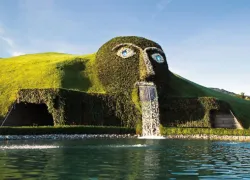
Swarovski Crystal Worlds Park, located in the small town of Wattens in Tyrol, Austria, is a world-renowned attraction dedicated to the art, history, and beauty of crystals. Opened in 1995, it is one of Austria's most popular tourist destinations, offering an immersive experience into the magical world of Swarovski crystals. The park combines art, nature, and the exceptional craftsmanship of the famous Swarovski brand, creating a place that is both educational and visually stunning. Whether you are a fan of crystals, art, or nature, Swarovski Crystal Worlds Park has something for everyone. How to Reach Swarovski Crystal Worlds Park Getting to Swarovski Crystal Worlds Park is easy, as it is conveniently located near the town of Wattens, about 20 kilometers east of Innsbruck, the capital of Tyrol. If you are traveling by train, you can take a train to Wattens station, which is well connected to Innsbruck and other Austrian cities. From the station, it's just a short walk (about 15 minutes) to the park. If you're coming by car, Wattens is easily accessible via the A12 highway, with parking facilities available near the park entrance. Visitors can also take a bus from Innsbruck to Wattens, which takes approximately 30 minutes. The park is well-signposted, so once you arrive in Wattens, you won't have trouble finding it. Weather in Wattens The weather in Wattens is typical of the Alpine region, with distinct seasons throughout the year. Winters (December to February) are cold, with temperatures often below freezing and snowfall that transforms the area into a winter wonderland. If you visit during the winter months, make sure to dress warmly. The summer months (June to August) offer mild weather, with temperatures ranging from 15°C to 25°C, making it ideal for outdoor exploration. Spring and autumn are also pleasant times to visit, with moderate temperatures and fewer crowds. Timing of Swarovski Crystal Worlds Park Swarovski Crystal Worlds Park is open year-round, with varying hours depending on the season. During the summer (April to October), the park generally operates from 9:00 AM to 7:00 PM. In the winter (November to March), the park typically opens at 9:00 AM and closes earlier, at 6:00 PM. It is always recommended to check the official website for the most up-to-date hours of operation, as these may vary for special events or holidays. Why Swarovski Crystal Worlds Park is Famous Swarovski Crystal Worlds Park is famous for its stunning and immersive exhibits showcasing the art of crystal. The park is an artistic and creative representation of the legacy of the Swarovski brand, which has been synonymous with luxury and craftsmanship since its founding in 1895. The park's design, created by artist André Heller, combines nature, art, and technology to offer a one-of-a-kind experience. Highlights include the "Giant," a massive sculpture that serves as the park's centerpiece, and the many themed exhibition rooms that explore the various ways crystals are used in art, fashion, and design. In addition to its artistic exhibits, Swarovski Crystal Worlds Park is also known for its beautiful gardens, which include a labyrinth, a crystal cloud, and various water features. The park is not only a celebration of Swarovski's heritage but also a place where visitors can marvel at the intersection of nature, art, and technology. Entry and Visit Details about Swarovski Crystal Worlds Park The entry fee for Swarovski Crystal Worlds Park varies depending on age and the time of year. Generally, adult tickets range from 19 to 25 EUR, with discounted tickets for children, students, and seniors. Visitors can also purchase family tickets for a better value. The park offers various annual passes for those who plan to visit frequently. Upon entering the park, visitors are greeted by the Giant, a huge face-shaped hill that hides an entrance to a series of fascinating exhibitions. The park is divided into different sections, with each area dedicated to different aspects of the world of crystals. The "Chamber of Wonders" houses an impressive collection of crystals and artistic installations, while the "Crystal Cloud" is an awe-inspiring installation featuring over 800,000 shining Swarovski crystals suspended in the air. To get the most out of your visit, it is recommended to take a guided tour, which provides detailed explanations of the art and design behind the exhibits. You can also explore the park at your own pace, taking in the beautiful landscapes and crystal displays. There is also a museum shop where you can purchase Swarovski crystals and souvenirs. History and Architecture of Swarovski Crystal Worlds Park Swarovski Crystal Worlds Park was designed by Austrian artist André Heller and opened to the public in 1995 to celebrate Swarovski's 100th anniversary. The design of the park combines a wide range of art forms, from contemporary installations to natural beauty, all centered around the theme of crystal. The centerpiece of the park is the Giant, a large sculpture of a human head created from the hill itself. The sculpture houses an entrance that leads visitors into the heart of the park’s exhibition areas. The architecture of Swarovski Crystal Worlds Park is characterized by its surreal and imaginative elements. The park's landscape includes rolling hills, intricate water features, and lush gardens, blending seamlessly with the exhibits. Inside the Giant, you’ll find a variety of rooms and installations that highlight the ways in which Swarovski crystals are used in different art forms, from fashion and design to technology and nature. The architecture serves to enhance the otherworldly experience of the park, making visitors feel as though they have entered a magical world. Things to Do at Swarovski Crystal Worlds Park There are many things to do and see at Swarovski Crystal Worlds Park, making it a perfect destination for visitors of all ages: Explore the Giant: Walk inside the Giant, where you will discover a world of glittering crystals and contemporary art installations. Visit the Crystal Cloud: Marvel at the mesmerizing installation of over 800,000 Swarovski crystals suspended in the air. Take a Guided Tour: Learn about the history of Swarovski and the creation of the park through a guided tour. Wander the Gardens: Stroll through the beautiful gardens surrounding the park, complete with fountains, sculptures, and crystal installations. Shop for Souvenirs: Visit the Swarovski store for a wide range of crystal jewelry, accessories, and souvenirs to take home. Attend Special Events: The park regularly hosts special events, exhibitions, and performances, so check the schedule during your visit. Interesting Facts about Swarovski Crystal Worlds Park The "Giant" sculpture at the park’s entrance is one of the most iconic features, with its face-like shape made from the hill itself. Swarovski Crystal Worlds Park is home to more than 16,000 crystals in various exhibits, showcasing the versatility of Swarovski crystals in art and design. The Crystal Cloud installation is one of the largest art pieces made from Swarovski crystals, consisting of over 800,000 individual crystals. The park is open year-round and is particularly popular during the holiday season when it is adorned with festive lights and decorations. Swarovski Crystal Worlds Park has received numerous awards for its innovative design and its ability to bring together art, culture, and nature. Tips for Visiting Swarovski Crystal Worlds Park Here are a few tips to make the most of your visit to Swarovski Crystal Worlds Park: Buy Tickets in Advance: If you're visiting during peak season, it’s a good idea to buy tickets online to avoid long queues. Wear Comfortable Shoes: The park covers a large area, so be sure to wear comfortable footwear for walking. Check the Event Calendar: Swarovski Crystal Worlds often hosts special events, exhibitions, and performances. Be sure to check the schedule for something extra exciting. Bring a Camera: The park is full of breathtaking sights, from the Giant to the Crystal Cloud, so don’t forget to capture your memories. Allow Time for Shopping: The Swarovski shop offers a wide selection of beautiful crystal items, so take time to browse and purchase souvenirs. Conclusion Swarovski Crystal Worlds Park in Wattens, Austria, is an enchanting and unique destination where visitors can immerse themselves in the magic of crystals. With its stunning exhibitions, beautiful gardens, and the iconic Giant sculpture, the park offers a one-of-a-kind experience that blends art, nature, and technology. Whether you're an art lover, a fan of Swarovski crystals, or simply looking for a beautiful place to explore, Swarovski Crystal Worlds Park is a must-visit attraction in Austria.
Explore More
Hintertux Glacier, located in the Zillertal Alps near Wattens, Austria, is one of the most remarkable natural wonders in the region. Known for its year-round skiing, stunning landscapes, and breathtaking views, the Hintertux Glacier attracts tourists from all over the world. Whether you’re visiting for winter sports, mountaineering, or simply to experience the unique high-altitude scenery, the glacier is a must-see destination for anyone traveling to Tyrol. How to Reach Hintertux Glacier, Wattens Hintertux Glacier is easily accessible from Wattens and other towns in the Tyrol region. Here are the best ways to reach the glacier: By Car: If you're driving from Wattens, the glacier is about a 45-minute drive away. The journey takes you through scenic mountain roads, offering spectacular views along the way. The glacier has parking areas for visitors at the base of the mountain. By Train: The nearest train station to Hintertux Glacier is in Jenbach, approximately 30 km from the glacier. From Jenbach, you can take a bus or a taxi to the glacier, or even rent a car for the final leg of the trip. By Bus: Public buses are available from Innsbruck and nearby towns, including Wattens, directly to the base of the Hintertux Glacier. These buses run frequently during the tourist season and are a convenient way to reach the glacier without driving. Weather at Hintertux Glacier, Wattens The weather at Hintertux Glacier varies greatly depending on the season, as the glacier is located at a high altitude. Here’s what to expect: Winter (December to February): Winter is the most popular time to visit the glacier, with snow covering the slopes, making it perfect for skiing, snowboarding, and other winter sports. The temperatures can range from -10°C to 5°C, and the glacier is covered in snow, providing a true winter wonderland. Spring (March to May): Spring offers a transition to milder temperatures, ranging from 5°C to 15°C. The snow starts to melt at lower altitudes, but the glacier remains covered in snow, so skiing is still possible. The landscape begins to green as flowers bloom in the valley below. Summer (June to August): Summer temperatures at the glacier are cooler than in the valley, with highs around 10°C to 15°C. The glacier is still open for skiing, and the surrounding areas offer opportunities for hiking and mountaineering. At the same time, the alpine meadows start to bloom with vibrant flowers. Autumn (September to November): Autumn brings cooler temperatures, ranging from 5°C to 15°C, and the surrounding landscapes begin to show their autumn colors. This is a quieter time to visit before the winter sports season picks up. Timing of Hintertux Glacier, Wattens Hintertux Glacier is a year-round destination for skiing, making it one of the few glaciers in the world where you can ski even in the summer months. The glacier is accessible for skiing from October to May, with the peak ski season occurring from December to March. In addition to skiing, there are other activities available throughout the year, including hiking, snowboarding, and mountaineering. The glacier is open daily, and the operating hours for the ski lifts are typically from 8:00 AM to 4:30 PM. However, hours may vary depending on the season, so it’s a good idea to check ahead, especially if you're visiting during off-peak months. Why Hintertux Glacier is Famous Hintertux Glacier is famous for several reasons, making it one of Austria’s most sought-after destinations: Year-Round Skiing: It is one of the few glaciers in the world where you can ski year-round, thanks to its high altitude and consistent snow coverage. This makes it a popular spot for professional athletes and tourists alike who want to ski or snowboard in any season. Stunning Scenery: The glacier offers some of the most beautiful views in the Alps, with snow-covered peaks, ice caves, and pristine mountain lakes that make it a photographer’s paradise. Adventure Sports: In addition to skiing, Hintertux Glacier offers a range of outdoor activities, including snowshoeing, tobogganing, ice climbing, and mountaineering. The glacier is a hub for outdoor sports enthusiasts. Historical Significance: Hintertux Glacier is home to some of the oldest snowfields in Europe. It is also a key location for scientific research, including climate change studies. Entry and Visit Details about Hintertux Glacier Visiting Hintertux Glacier is easy, and the costs depend on the activities you wish to do. For those who want to ski, you can purchase day passes or multi-day lift tickets. The cost for a day ski pass for adults is approximately 50-60 EUR, while discounted passes are available for children, seniors, and groups. There are also cable cars that take you to different viewing points and hiking areas on the glacier. The entrance fee for the Glacier Lift is typically around 30 EUR for adults. This ticket grants you access to some of the highest points on the glacier, offering stunning panoramic views of the Alps. Besides skiing and snowboarding, there are several attractions on the glacier, including the Ice Palace, where visitors can walk through an ice tunnel and admire ice sculptures. The Glacier Restaurant offers delicious meals with a view of the snow-covered peaks, making it an excellent place to relax after a day of outdoor activities. History and Architecture of Hintertux Glacier Hintertux Glacier has a long history as a center for mountaineering and skiing. The glacier’s use for skiing dates back to the early 1900s, and over the years, it has become a leading destination for both recreational and professional skiers. The development of ski lifts and modern infrastructure has transformed the area into a popular year-round resort. The architecture in the area reflects its mountain surroundings, with modern ski facilities and rustic alpine chalets that blend seamlessly into the natural environment. The design of the cable cars and ski lifts is both functional and environmentally conscious, helping to preserve the glacier’s natural beauty while providing convenient access to the slopes and scenic viewpoints. Things to Do at Hintertux Glacier There are plenty of activities to enjoy at Hintertux Glacier, whether you’re a skier, a nature lover, or someone who simply enjoys the outdoors: Skiing and Snowboarding: With its year-round skiing, Hintertux Glacier is the ideal destination for ski enthusiasts. The glacier has over 60 km of slopes suitable for all levels of skiers and snowboarders. Ice Palace: Visit the Ice Palace, an incredible underground ice cave where visitors can walk through tunnels and marvel at the frozen sculptures and ice formations. Hiking: During the warmer months, Hintertux Glacier offers beautiful hiking trails, such as the Zillertal Alps High Trail. These trails provide stunning views of the glacier and surrounding mountains. Snowshoeing: For those looking for a more peaceful winter experience, snowshoeing is a popular activity on the glacier’s pristine snow-covered slopes. Mountaineering: The surrounding mountains offer challenging routes for experienced mountaineers, including climbing peaks that offer breathtaking views of the glacier below. Interesting Facts about Hintertux Glacier Hintertux Glacier is one of the only places in the world that offers skiing year-round. The glacier reaches an altitude of 3,250 meters, making it one of the highest ski resorts in Europe. The Ice Palace, one of the glacier's main attractions, was carved into the ice and showcases incredible ice sculptures created by nature. Hintertux Glacier has hosted several international skiing and snowboarding competitions. The glacier is used for scientific research, particularly in studies related to climate change and glaciology. Tips for Visiting Hintertux Glacier Dress in Layers: Temperatures at the glacier can vary, so it’s essential to dress in layers. Make sure to bring warm clothing, including gloves, hats, and scarves, especially if you’re skiing. Check the Weather Forecast: The weather can change rapidly in the Alps, so be sure to check the forecast and be prepared for snow or fog. Book Tickets in Advance: If you plan to visit during the peak season (December to March), it’s a good idea to book ski passes and lift tickets in advance to avoid long lines. Take Advantage of the Views: The glacier offers some of the best panoramic views of the Tyrolean Alps, so don’t forget your camera! Conclusion Hintertux Glacier in Wattens, Austria, is a spectacular destination for both winter sports enthusiasts and nature lovers. With its year-round skiing, breathtaking views, and wide range of activities, it offers something for everyone. Whether you’re looking to hit the slopes, explore the Ice Palace, or simply enjoy the stunning Alpine scenery, a visit to Hintertux Glacier promises an unforgettable experience in one of Europe’s most beautiful and iconic locations.
Explore More