"Home of legendary football moments in Brazil"
The Maracanã Stadium is one of the most legendary football stadiums in the world, located in Rio de Janeiro, Brazil. It is a symbol of Brazilian football culture and has hosted some of the most important matches in football history, including World Cup finals and Olympic events.
Situated in the heart of Rio de Janeiro, the stadium is officially known as Estádio Jornalista Mário Filho but is globally recognized as Maracanã. It attracts millions of football fans, tourists, and sports enthusiasts every year.
Maracanã Stadium, Rio de Janeiro, Brazil is famous for its massive capacity, historic football matches, and deep connection with Brazil’s national passion for football.
History of Maracanã Stadium
Maracanã Stadium was inaugurated in 1950 to host the FIFA World Cup held in Brazil. It was built in record time to accommodate the global event and quickly became one of the most iconic stadiums in the world.
The stadium originally had a seating capacity of over 180,000 spectators, making it one of the largest stadiums ever built. The opening match and the 1950 World Cup final, known as the “Maracanazo,” are among the most historic moments in football history.
Over the decades, the stadium has undergone multiple renovations, especially for the 2014 FIFA World Cup and the 2016 Rio Olympics, modernizing its facilities while preserving its historic legacy.
Architecture and Structure
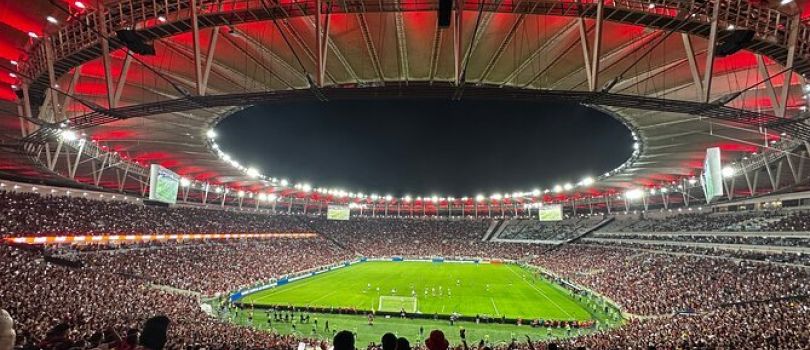
Maracanã Stadium is a massive bowl-shaped arena designed to provide excellent visibility from all seating areas. Its circular structure reflects traditional stadium architecture while incorporating modern upgrades.
The stadium features two tiers of seating, VIP boxes, press areas, and advanced lighting and sound systems. The roof structure was redesigned during renovations to improve coverage and comfort for spectators.
The exterior maintains a simple yet monumental design, emphasizing its historical importance rather than excessive decoration.
Why Maracanã Stadium is Famous
Maracanã Stadium is famous for hosting some of the most important football matches in history, including two FIFA World Cup finals (1950 and 2014).
It is also known as the spiritual home of Brazilian football, where legendary players such as Pelé, Zico, and Romário have played.
The stadium is a cultural icon, representing Brazil’s passion, energy, and love for football.
How to Reach Maracanã Stadium
Maracanã Stadium is located in Rio de Janeiro and is easily accessible by public transport.
By Air: The nearest airports are Galeão International Airport and Santos Dumont Airport. From there, taxis, buses, and metro services are available.
By Metro: The easiest way to reach the stadium is via the Rio de Janeiro Metro. The Maracanã Station is located directly next to the stadium.
By Bus: Multiple city bus routes connect different parts of Rio de Janeiro to the stadium area.
By Car: Visitors can also reach by taxi or ride-sharing services, though traffic can be heavy on match days.
Weather at Maracanã Stadium
Rio de Janeiro has a tropical savanna climate with warm temperatures throughout the year.
Summer (December to March): Hot and humid with temperatures between 25°C and 35°C.
Winter (June to August): Mild and pleasant with temperatures ranging from 18°C to 26°C.
Rainy Season: Heavy rainfall can occur, especially during summer afternoons.
Timing and Entry Details
Maracanã Stadium is generally open for tours from 9:00 AM to 5:00 PM, depending on match schedules and events.
Visitors can purchase tickets for guided stadium tours, museum visits, or live football matches.
On match days, access may be restricted or modified depending on security arrangements.
Things to Do at Maracanã Stadium
Take a guided stadium tour to explore locker rooms, player tunnels, and the pitch area.
Visit the Maracanã Museum to learn about Brazil’s football history and legendary players.
Watch a live football match featuring top Brazilian clubs such as Flamengo and Fluminense.
Explore the surrounding area and experience Rio’s vibrant sports culture.
Interesting Facts About Maracanã Stadium
The stadium hosted the 1950 FIFA World Cup final, one of the most famous matches in football history.
It was once the largest stadium in the world, with a capacity exceeding 180,000 spectators.
It hosted both the 2014 FIFA World Cup final and the 2016 Olympic Games opening and closing ceremonies.
The official name honors Brazilian journalist Mário Filho.
Travel Tips for Visitors
Book tickets in advance for matches or guided tours to avoid last-minute unavailability.
Use the metro system for safe and convenient travel to the stadium.
Arrive early on match days due to heavy crowds and security checks.
Stay aware of your belongings, especially in crowded areas.
Conclusion
Maracanã Stadium in Rio de Janeiro is more than just a sports venue—it is a symbol of Brazilian culture and football passion. Its historic legacy, massive structure, and electrifying atmosphere make it one of the most famous stadiums in the world.
Whether you are a football fan or a traveler exploring Brazil, visiting Maracanã Stadium is an u

















Rio De Janeiro
Rio De Janeiro

Rio De Janeiro
Rio De Janeiro
Rio De Janeiro