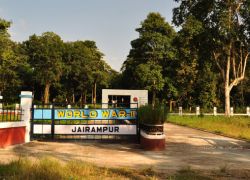
Pangsau Pass is a high mountain pass located in the Changlang district of Arunachal Pradesh, near the India-Myanmar border. Situated at an elevation of around 1,100 meters above sea level, it serves as a historical and strategic gateway between India and Myanmar. The pass is surrounded by lush green hills, dense forests, and scenic valleys, making it a fascinating destination for tourists, history enthusiasts, and nature lovers. Pangsau Pass has been historically significant as part of the Stilwell Road, built during World War II to facilitate Allied supply lines between India and China. Today, Pangsau Pass attracts travelers for its scenic beauty, cultural significance, and annual events such as the Pangsau Pass Winter Festival. The festival showcases the unique traditions, music, dance, and handicrafts of the tribes of Arunachal Pradesh and neighboring Myanmar, providing an immersive cultural experience. The pass is also a hub for trekking, photography, and exploring the rich biodiversity of the region. How to Reach Pangsau Pass Pangsau Pass is accessible by road, with nearby towns serving as entry points for tourists. By Air: The nearest airport is Dibrugarh Airport in Assam, around 180 km from Pangsau Pass. Regular flights connect Dibrugarh with major cities like Guwahati, Kolkata, and Delhi. From the airport, taxis or private vehicles can be hired to reach the pass via Changlang and other connecting towns. By Rail: Tinsukia Junction is the closest railway station, approximately 170 km from Pangsau Pass. From there, travelers can hire taxis or take buses toward Changlang and onward to the pass. By Road: Pangsau Pass is connected via National Highway 315A and local roads from towns like Changlang and Jairampur. The journey involves winding mountain roads and picturesque landscapes. Hiring a local guide is recommended for a smoother experience, especially during winter or monsoon seasons. Weather at Pangsau Pass The weather at Pangsau Pass varies according to the season and altitude. Summer (March to June): Summers are pleasant, with temperatures ranging from 18°C to 28°C. This is the best time for sightseeing, trekking, and exploring the pass. Monsoon (July to September): Heavy rainfall occurs, resulting in lush greenery but making roads slippery and sometimes challenging to navigate. Winter (October to February): Winters are cool, with temperatures ranging between 10°C and 20°C. Early mornings and evenings can be chilly, making it ideal for festival visits and photography. Timing to Visit Pangsau Pass The pass is open to visitors throughout the year, but the best time is from October to March when weather conditions are favorable, roads are accessible, and scenic beauty is at its peak. Recommended Visiting Hours: 6:00 AM to 6:00 PM Why Pangsau Pass is Famous Pangsau Pass is famous for its historical significance, scenic landscapes, and cultural events. Key attractions include: Part of the historic Stilwell Road, constructed during World War II, connecting India with Myanmar and China. Gateway to cultural exchange, reflected in the diverse communities and traditional practices of the region. Host of the annual Pangsau Pass Winter Festival, showcasing music, dance, crafts, and food of local tribes. Picturesque landscapes with rolling hills, dense forests, and misty valleys. Opportunities for trekking, photography, and exploring biodiversity along the pass. Entry and Visit Details Visitors can access Pangsau Pass freely, though permits may be required for foreigners or for border-proximity areas. Local authorities and tourism offices provide guidance for travelers. During the winter festival, special arrangements are made, including temporary accommodations, cultural performances, and guided tours. Travelers are advised to follow safety protocols while exploring the pass due to its hilly terrain and weather variability. History and Surroundings Pangsau Pass holds historical importance as a strategic route during World War II. The Stilwell Road, named after American General Joseph Stilwell, was built to transport supplies to Chinese forces fighting the Japanese army. The route traversed through dense forests, mountains, and valleys, with Pangsau Pass serving as a critical point along the way. Today, remnants of the old road and bridges are still visible, adding historical value to the scenic landscape. The surrounding areas are home to indigenous tribes such as Tangsa and Tutsa, who maintain their unique cultural practices, festivals, and handicrafts. The forests and hills around the pass harbor diverse flora and fauna, including rare orchids, medicinal plants, and Himalayan wildlife, making it a nature lover’s paradise. Things to Do at Pangsau Pass Trekking: Explore trails through forests, hills, and valleys, enjoying scenic views and fresh mountain air. Photography: Capture breathtaking landscapes, historical remnants, and cultural events. Attend Festivals: Participate in the Pangsau Pass Winter Festival to experience local music, dance, and cuisine. Nature Walks: Discover the rich flora and fauna of the region, including rare plants and bird species. Historical Exploration: Study remnants of the Stilwell Road and bridges, reflecting World War II history. Interesting Facts about Pangsau Pass Pangsau Pass is not only a natural and cultural landmark but also a historical symbol of India-Myanmar connectivity. Its elevation provides panoramic views of the surrounding valleys, rivers, and forests. The pass has been a trade route for centuries, connecting India with Southeast Asia. Local legends also describe the pass as a meeting point of different tribal communities, contributing to its cultural diversity. Tips for Visiting Pangsau Pass Wear comfortable trekking shoes and warm clothing, especially during winter and early mornings. Carry water, snacks, and basic first-aid kits for longer treks and exploration. Respect local customs, traditions, and wildlife to maintain the sanctity of the area. Hire local guides for historical insights, cultural understanding, and safer navigation of forested and hilly terrain. Visit during the winter festival season to experience cultural richness and local traditions, but plan accommodations in advance. Conclusion Pangsau Pass in Changlang, Arunachal Pradesh, is a destination that combines history, culture, and natural beauty. From exploring the historic Stilwell Road to enjoying the scenic vistas of hills and valleys, visitors can experience a unique blend of adventure and cultural immersion. The annual Pangsau Pass Winter Festival adds vibrancy, showcasing the traditions of local tribes. With proper planning and guidance, a visit to Pangsau Pass offers an unforgettable journey into the heart of Arunachal Pradesh’s natural and cultural heritage.
Explore More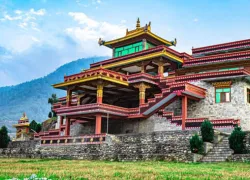
The Bhalukpong Fort is a historical monument located in the town of Bhalukpong in the Indian state of Arunachal Pradesh. This fort holds great significance as it served as a strategic military outpost in the ancient times. The fort is situated on the banks of the Kameng River and offers stunning views of the surrounding hills and forests. Timings Of Bhalukpong Fort The Bhalukpong Fort is open to visitors from 9:00 AM to 5:00 PM on all days of the week. Entry Fee There is no entry fee to visit the Bhalukpong Fort. Visitors can explore the fort free of cost. Required Time And Restricted Items It is recommended to spend at least 1-2 hours exploring the Bhalukpong Fort in detail. Visitors are not allowed to carry any food items or alcoholic beverages inside the fort premises. Architecture Of Bhalukpong Fort The Bhalukpong Fort exhibits a unique blend of architectural styles, showcasing influences from both indigenous tribal designs and medieval military structures. The fort's strategic location overlooking the river and the surrounding landscape adds to its charm. Best Time To Visit The best time to visit the Bhalukpong Fort is during the winter months from November to February when the weather is pleasant and ideal for sightseeing. How To Reach The Bhalukpong Fort is easily accessible by road. It is located approximately 52 kilometers from Tezpur in Assam and can be reached by hiring a taxi or taking a local bus from nearby towns. History Of Bhalukpong Fort The Bhalukpong Fort has a rich historical background and was originally built by the Ahom rulers in the 10th century. It was used as a stronghold to defend against invasions from neighboring kingdoms. Over the years, the fort has undergone several renovations and additions, making it a symbol of the region's cultural heritage. Inside Bhalukpong Fort Inside the Bhalukpong Fort, visitors can explore the various chambers, watchtowers, and ruins that offer a glimpse into the fort's past. The fort also houses a small museum showcasing artifacts and historical documents related to the region. Traveling Tips It is advisable to wear comfortable footwear as there may be uneven pathways inside the fort. Visitors should also carry sufficient water and sunscreen while exploring the fort, especially during the summer months. Hotels Near Bhalukpong Fort 1. Wild Mahseer - Heritage Bungalow 2. Prashanti Cottage 3. Darjeeling Tourist Lodge 4. Hotel Blu Orchid 5. Hotel Druk Nearby Tourist Spots Of Bhalukpong Fort 1. Pakhui Wildlife Sanctuary 2. Tipi Orchidarium 3. Sessa Orchid Sanctuary 4. Nameri National Park 5. Kaziranga National Park
Explore More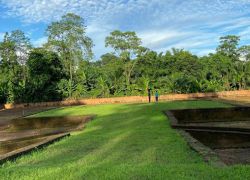
The Bhismak Fort, located in the Lohit district, is a historic fortification that stands as a symbol of the region's rich cultural heritage. This ancient fort is believed to have been built by the local rulers of the area and served as a stronghold for centuries. Timings Of Bhismak Fort The Bhismak Fort is open to visitors from 9:00 am to 5:00 pm every day of the week. Entry Fee There is no entry fee to visit the Bhismak Fort, making it accessible to all tourists and history enthusiasts. Required Time And Restricted Items Visitors typically spend around 1-2 hours exploring the Bhismak Fort. Please note that photography may be restricted in certain areas of the fort, so be sure to check with the staff before taking any photos. Architecture Of Bhismak Fort The architecture of the Bhismak Fort showcases a blend of traditional and indigenous construction techniques. The fort features massive stone walls, intricate carvings, and ancient ramparts that speak volumes about the craftsmanship of the builders. Best Time To Visit The best time to visit the Bhismak Fort is during the winter months from October to February when the weather is pleasant and ideal for exploring historical sites. How To Reach The Bhismak Fort is easily accessible by road. Visitors can reach the fort by hiring a taxi or taking a local bus from the nearby town. The fort is well-connected by a network of roads, making it convenient for tourists to travel to and from the site. History Of Bhismak Fort The Bhismak Fort has a long and storied history, with records indicating that it was constructed several centuries ago by the local rulers of the region. The fort has witnessed numerous battles and political upheavals over the years, making it a significant historical landmark. Inside Bhismak Fort Inside the Bhismak Fort, visitors can explore the various chambers, halls, and courtyards that make up the complex. The fort also houses a museum that showcases artifacts and relics from the region's past, providing a glimpse into the cultural heritage of the area. Traveling Tips When visiting the Bhismak Fort, it is advisable to wear comfortable shoes as there may be some uneven terrain to navigate. It is also recommended to carry a hat, sunscreen, and plenty of water, especially during the summer months when the temperatures can be high. Hotels Near Bhismak Fort Several hotels near the Bhismak Fort offer comfortable accommodation options for visitors. Some of the popular hotels in the area include Hotel Lohit View, Fort Heritage Hotel, and Bhismak Fort Resort. Nearby Tourist Spots Of Bhismak Fort While visiting the Bhismak Fort, tourists can also explore other nearby attractions such as the Parashuram Kund, Dong Valley, and Kamlang Wildlife Sanctuary. These destinations offer stunning natural beauty, biodiversity, and cultural experiences that complement a visit to the historic Bhismak Fort.
Explore More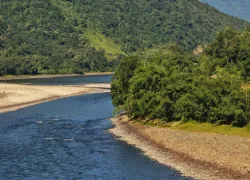
Kekar Monying is a breathtaking natural rock formation located in the Siang region of Arunachal Pradesh. Known for its massive stone structures balanced naturally over one another, Kekar Monying is considered a geological wonder as well as a place of cultural and spiritual importance for the local tribes. Surrounded by dense forests, rolling hills, and pristine landscapes, this unique destination offers visitors a chance to witness nature’s raw creativity in one of India’s most remote and beautiful regions. The name “Kekar Monying” comes from the local Adi language, where it roughly refers to a “balanced rock” or “miracle stone.” The site is especially fascinating because the huge rock formations appear to defy gravity, standing tall for centuries without collapsing. Apart from its natural beauty, Kekar Monying also holds deep traditional beliefs and folklore that add to its mystery and charm. How to Reach Kekar Monying Kekar Monying is located near Pasighat in the Siang region, making Pasighat the main base point for visitors. By Air: The nearest airport is Dibrugarh Airport in Assam, about 140 km from Pasighat. Dibrugarh is well connected with major cities like Guwahati, Kolkata, and Delhi. From the airport, taxis are available to reach Pasighat. By Train: The nearest major railway station is Dibrugarh Railway Station. From there, visitors can hire taxis or use shared transport to reach Pasighat. By Road: Pasighat is well connected by road to Itanagar, Aalo (Along), and other towns in Arunachal Pradesh. Kekar Monying is located a short distance from Pasighat and can be reached by local taxi or private vehicle. Indian tourists must carry a valid Inner Line Permit (ILP) to enter Arunachal Pradesh. Foreign tourists require a Protected Area Permit (PAP). Weather at Kekar Monying Kekar Monying experiences a pleasant climate influenced by the Eastern Himalayas. Summer (March to June): Summers are warm but comfortable, with temperatures ranging from 18°C to 30°C. This is a good time to explore the area and enjoy outdoor activities. Monsoon (July to September): The region receives heavy rainfall during monsoon. The surrounding greenery becomes vibrant, but slippery paths and roadblocks may occur. Winter (October to February): Winters are cool and pleasant, with temperatures ranging between 10°C and 20°C. This is considered the best time to visit Kekar Monying. Timing to Visit Kekar Monying Kekar Monying is an open natural site and can be visited throughout the day. Recommended Visiting Hours: 7:00 AM to 5:00 PM Daytime visits are ideal for photography, exploration, and understanding the rock formations clearly. Why Kekar Monying is Famous Kekar Monying is famous for its massive naturally balanced rock formations, which appear almost unbelievable at first sight. These rocks have stood firm for generations and are considered a symbol of nature’s strength and balance. The site is also culturally important for the local Adi tribe, who associate Kekar Monying with ancient legends and spiritual beliefs. Many locals consider it a sacred place and believe the rocks were placed by divine forces. Due to its unique appearance and untouched surroundings, Kekar Monying is becoming increasingly popular among nature lovers, photographers, and travelers seeking offbeat destinations. Entry and Visit Details There is no entry fee to visit Kekar Monying. Visitors are free to explore the area, but respect for local beliefs and natural surroundings is strongly advised. No formal ticketing or guided tours are mandatory, though hiring a local guide can help visitors understand the cultural stories and geological significance of the site. History and Architecture Kekar Monying does not have a recorded historical construction history, as it is a natural formation rather than a man-made structure. However, its history is deeply rooted in local oral traditions. According to tribal legends, the rock formations were created by supernatural forces to protect the land. Over time, Kekar Monying became a symbol of harmony between humans and nature. Architecturally, the site is a marvel of natural design. The rocks are stacked and balanced in such a way that they resemble intentional stone architecture, even though they were formed naturally through geological processes over thousands of years. Things to Do at Kekar Monying Explore the Rock Formations: Observe and admire the unique balance and structure of the massive stones. Photography: Capture stunning images of the rocks against forest and sky backdrops. Nature Walks: Enjoy short walks around the site surrounded by greenery. Learn Local Folklore: Interact with locals to hear traditional stories related to Kekar Monying. Picnic: Spend peaceful time enjoying the natural surroundings. Interesting Facts about Kekar Monying The rocks appear to defy gravity. The site is sacred to the local Adi tribe. Kekar Monying is one of the lesser-known attractions of Siang. The formation has remained stable for centuries. It is often compared to balanced rock formations found in other parts of the world. Tips for Visiting Kekar Monying Wear comfortable shoes, as paths may be uneven. Avoid visiting during heavy rain. Do not climb on the rocks for safety reasons. Respect local beliefs and avoid disturbing the site. Carry drinking water and basic supplies. Keep the area clean and avoid littering. Conclusion Kekar Monying in the Siang region of Arunachal Pradesh is a remarkable natural attraction that combines geological wonder, cultural significance, and serene beauty. Ideal for travelers looking for unique and lesser-known destinations, Kekar Monying offers a peaceful escape into nature while showcasing the incredible balance and mystery of the natural world.
Explore MoreArunachal Pradesh Tour 5 Night - 6 Days
6 Days/ 5 Night
Bomdila - Guwahati - Bhalukpong - Tawang - Dirang
Arunachal Pradesh Package
8 Days/ 7 Night
Guwahati - Bomdila - Tinsukia - Bodhgaya
Arunachal Pradesh Tour 7 Night - 8 Days
8 Days/ 7 Night
Siang
Arunachal Pradesh Discovery 7N - 8D Tour
8 Days/ 7 Night
Bomdila - Guwahati - Bhalukpong - Tawang - Dirang