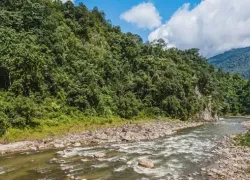
The Kameng River is one of the most scenic and significant rivers flowing through Arunachal Pradesh, particularly near Bhalukpong in the West Kameng district. Originating from the high-altitude forests of the Eastern Himalayas, the river flows southwards into Assam, ultimately merging with the Brahmaputra. Known for its pristine waters, lush riverbanks, and surrounding greenery, the Kameng River is not only a lifeline for local communities but also a major attraction for tourists visiting Arunachal Pradesh. The river passes through dense forests, hills, and small villages, providing breathtaking views and opportunities for adventure activities. It plays a vital role in sustaining biodiversity, supporting fish species such as trout, and nurturing the riparian ecosystem along its banks. The Kameng River is also culturally significant, as several indigenous tribes have historically settled along its banks, relying on its waters for fishing, irrigation, and rituals. How to Reach Kameng River The Kameng River is easily accessible via Bhalukpong, which serves as the main entry point for tourists. By Air: The nearest airport is Tezpur Airport in Assam, around 50 km from Bhalukpong. Tezpur is connected to major Indian cities such as Guwahati, Kolkata, and Delhi. From the airport, travelers can hire taxis to reach Bhalukpong and the Kameng River. By Rail: The nearest railway station is Rangapara North in Assam, approximately 35 km from Bhalukpong. Regular taxis and buses are available from the station to Bhalukpong. By Road: Bhalukpong is well connected to Tezpur, Itanagar, and Guwahati through National Highway 52A. From Bhalukpong, local roads lead directly to scenic stretches of the Kameng River, making it accessible for picnics, angling, and river excursions. Weather at Kameng River The Kameng River region experiences a subtropical climate with seasonal variations. Summer (March to June): The weather is warm and pleasant with temperatures ranging between 20°C and 30°C, ideal for sightseeing, angling, and river walks. Monsoon (July to September): Heavy rainfall occurs, enhancing the greenery along the river. The river swells during this time, making water activities slightly risky but offering dramatic views of the flowing waters. Winter (October to February): Winters are cool with temperatures ranging from 10°C to 20°C. The clear skies and mild climate are perfect for exploring riverbanks, birdwatching, and photography. Timing to Visit Kameng River The best time to visit the Kameng River is between October and April, when the weather is stable and outdoor activities are safe and enjoyable. Recommended Visiting Hours: 6:00 AM to 5:00 PM Why Kameng River is Famous The Kameng River is famous for its scenic beauty, rich biodiversity, and cultural importance. Key highlights include: Pristine river waters flowing through lush forests and hills. A habitat for freshwater fish species, including trout, making it a popular fishing destination. Birdwatching opportunities along the riverbanks for species such as kingfishers, eagles, and migratory birds. Cultural significance for indigenous tribes such as Nyishi and Aka, who conduct rituals and festivals along the river. Adventure opportunities like river rafting, trekking along river trails, and riverside camping. Entry and Visit Details The Kameng River flows through open and protected areas, including the Pakhui and Nameri National Parks. Visitors need permissions for activities within protected areas. For general sightseeing, no special entry permits are required for riverbanks near Bhalukpong. However, for fishing, trekking, or camping, hiring a local guide is recommended. Guided eco-tours are available to ensure safe interaction with the natural environment. History and Surroundings The Kameng River has been central to the local communities for centuries. Tribes settled along its banks for fishing, agriculture, and transportation. Traditional bamboo and wooden homes are common along the river, reflecting sustainable living practices. The river also played a historical role as a natural boundary and trade route between Assam and Arunachal Pradesh. Surrounding forests are rich in flora, including bamboo groves, sal trees, and medicinal plants. Things to Do at Kameng River Fishing: Anglers can try their luck catching trout and other freshwater fish, with permission from local authorities. River Rafting: Adventure enthusiasts can experience rafting in safe stretches of the river during summer and winter months. Trekking: Trails along the riverbanks offer scenic treks through forests and hills. Birdwatching: The river supports a variety of bird species, making it a paradise for birdwatchers and photographers. Photography: Capture stunning views of the flowing river, forested hills, and vibrant wildlife. Camping: Riversides near Bhalukpong offer safe camping spots for tourists to enjoy nature and stargazing. Interesting Facts about Kameng River The Kameng River originates in the high-altitude regions of the Eastern Himalayas, flowing through Arunachal Pradesh and Assam before joining the Brahmaputra. It serves as an important ecological corridor for wildlife moving between protected areas such as Nameri National Park and Pakhui Wildlife Sanctuary. The river is considered sacred by many local tribes, who perform annual rituals and festivals on its banks. The Kameng River supports a thriving ecosystem of fish, amphibians, birds, and riparian plants, highlighting its ecological significance. Tips for Visiting Kameng River Carry trekking shoes, rain gear, and warm clothing depending on the season. Hire local guides for fishing, trekking, and rafting activities to ensure safety and a rich experience. Respect local culture, wildlife, and river ecology by avoiding littering or disturbing natural habitats. Visit between October and April for the best weather and visibility of flora, fauna, and river scenery. Conclusion The Kameng River near Bhalukpong, Arunachal Pradesh, is a scenic and ecologically important destination. Its clear waters, lush surroundings, and rich biodiversity make it ideal for fishing, birdwatching, trekking, river rafting, and camping. The river’s cultural significance and historical importance add depth to its natural charm. Visiting the Kameng River provides an opportunity to connect with nature, experience indigenous traditions, and enjoy a peaceful retreat in the Eastern Himalayas, making it a must-visit spot for travelers to Arunachal Pradesh.
Explore More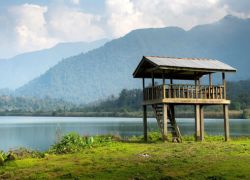
Glow Lake is a beautiful and lesser-known natural attraction located in the Lohit district of Arunachal Pradesh. Nestled within the pristine forested landscape of eastern Arunachal, this lake is known for its peaceful surroundings, untouched natural beauty, and serene atmosphere. Surrounded by dense greenery, hills, and rich biodiversity, Glow Lake is an ideal destination for nature lovers, trekkers, and travelers seeking offbeat experiences. Unlike crowded tourist spots, Glow Lake remains largely unexplored, offering visitors a quiet escape into nature. The lake is situated close to the Kamlang Wildlife Sanctuary region, which further adds to its ecological importance and scenic charm. Its calm waters and remote setting make it a perfect place for relaxation, photography, and nature observation. History and Background of Glow Lake Glow Lake does not have a recorded historical background like ancient temples or monuments, but it holds local importance as a natural water body within the forested regions of Lohit. The lake has been known to local tribal communities for generations and has traditionally been associated with nature, wildlife, and forest resources. In recent years, Glow Lake has started gaining attention from travelers and eco-tourism promoters due to its location near Kamlang Wildlife Sanctuary. Its growing popularity is mainly because of its untouched beauty rather than any historical structures or legends attached to it. Natural Architecture and Landscape Glow Lake is a fine example of nature’s own architecture. The lake is surrounded by thick forests, rolling hills, and natural trails. There are no artificial constructions around the lake, which helps maintain its raw and natural appeal. The still waters of the lake reflect the surrounding trees and sky, creating stunning visual effects, especially during early mornings and late afternoons. The natural setting provides a habitat for birds, insects, and forest animals, making the area ecologically rich and visually captivating. Why Glow Lake is Famous Glow Lake is famous for its untouched beauty and peaceful environment. Some of the key reasons for its popularity include: Scenic natural lake surrounded by dense forest Peaceful and less crowded destination Proximity to Kamlang Wildlife Sanctuary Ideal location for trekking and eco-tourism Excellent spot for photography and nature walks Glow Lake is especially appealing to travelers who prefer unexplored destinations and wish to experience Arunachal Pradesh beyond mainstream tourist locations. How to Reach Glow Lake, Lohit Reaching Glow Lake requires a bit of planning, as it is located in a remote forested area. However, the journey itself is scenic and rewarding. By Air The nearest airport is Lilabari Airport in Assam, located approximately 140–150 km from Glow Lake. The airport is connected to cities like Guwahati and Kolkata. From Lilabari, travelers can hire taxis or shared vehicles to reach Tezu and further proceed towards the lake. By Train Tinsukia Railway Station in Assam is the nearest major railhead, around 100 km away. It has good connectivity with major Indian cities. From Tinsukia, road transport is the primary option to reach Lohit district and the Glow Lake region. By Road Glow Lake is accessible by road from Tezu, the district headquarters of Lohit. From Tezu, travelers must drive towards Wakro and nearby forest routes. The final stretch often involves trekking or walking through forest paths, depending on current road conditions. Weather and Best Time to Visit The climate around Glow Lake is influenced by its forested and hilly surroundings. Summer (March to June): Pleasant temperatures between 18°C and 28°C Monsoon (July to September): Heavy rainfall, slippery trails, and limited accessibility Winter (October to February): Cool and comfortable, temperatures from 8°C to 20°C The best time to visit Glow Lake is from October to April. During this period, the weather is favorable, trails are safer, and the surrounding greenery is at its best. Glow Lake Timings Glow Lake is a natural site and does not have fixed visiting hours. However, it is recommended to visit during daylight hours for safety and better visibility. Recommended Visiting Time: 7:00 AM to 4:00 PM Avoid late evening visits due to forest wildlife activity Entry and Visit Details There is no official entry fee to visit Glow Lake. However, if you are entering areas close to Kamlang Wildlife Sanctuary, forest department permissions or local guide charges may apply. Visitors are advised to check with local authorities or guides in Tezu or Wakro regarding access routes and safety regulations before planning their visit. Things to Do at Glow Lake Glow Lake offers several nature-based activities for visitors: Nature walks around the lake Photography of landscapes and wildlife Bird watching and butterfly spotting Light trekking and forest exploration Relaxation and meditation in peaceful surroundings Interesting Facts about Glow Lake Glow Lake is located near the Kamlang Wildlife Sanctuary region The area around the lake is rich in biodiversity It remains largely unexplored by mass tourism The lake is known for its calm waters and reflection views Tips for Visitors To ensure a safe and enjoyable visit to Glow Lake, keep the following tips in mind: Hire a local guide for easier navigation Carry sufficient water and snacks Wear comfortable trekking shoes Avoid visiting during heavy monsoon season Do not litter and respect the natural environment Conclusion Glow Lake in Lohit district is a hidden gem of Arunachal Pradesh that offers peace, natural beauty, and an authentic forest experience. With its serene waters, lush surroundings, and remote charm, it is perfect for travelers looking to explore offbeat destinations. Whether you are a nature enthusiast, photographer, or adventure seeker, Glow Lake promises a refreshing and memorable journey into the heart of Arunachal Pradesh’s wilderness.
Explore More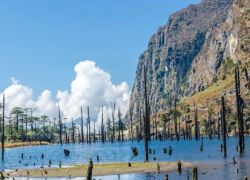
Have you ever witnessed the natural beauty of a lake? We agree you have but your definition of the beautiful lake would change altogether if you visit Shonga-tser, Tawang, located at the land of Arunachal Pradesh. Well, well, well! That’s exactly what you read! Shonga-tser Lake in Tawang is counted amidst the most serene and outstandingly beautiful lakes on Earth, which is dotted with many small lakes on its way. Shonga-tser Lake is also known as Madhuri Lake for the fact that famous Bollywood actress Madhuri Dixit shot for her song in the movie named, Koyla. After the shooting, the name of the lake also got famous as Madhuri Lake. 42 kms away from Tawang, Shonga-tser Lake is an ideal place for photoshoots or videography.As far as the history of the Shonga-tser Lake goes by, it is believed that after an earthquake in 1971, the lake was formed, which was only a grassland before that. Adding to the charm of the lake, there are snow-capped mountains around Shonga-tser Lake, Tawang. In addition to this, it is worth mentioning that there is crystal clean water and the blue sky reflects in the lake, which is an amazing sight to behold. You may also witness a number of dead tree trunks in the lake which happens to be an amazing imagery to be captured by the photographers. There is no denying the fact that all nature lovers and peace lovers would find this place out of the box. You will enjoy to the core and that’s a bet for sure!Things to Do:There is a lot to do at Shonga-tser Lake, Tawang and one amongst the most fun thing is photography. In addition to this, Shonga-tser Lake, Tawang is dotted with many small lakes during the journey and one can enjoy those pleasures as well by tsopping by and having fun at every small lake.Best Time to Visit:Shonga-tser Lake, Tawang is open all round the year and one can visit this lovely lake anytime during the year. But to enjoy the scenic and serene beauty of the lake, one can plan a trip to Shonga-tser Lake, Tawang during the months of summers.How to Reach:It is 42 kilometers away from the region and can easily be reached by a cab in about 2 hours maximum.Traveller Information:Below we have mentioned some of the most significant information for all the travellers. Take a look:Duration to visit Shonga-tser Lake: 3 hoursFacilities: Food StallsAllowed: Photography, videography and footwear are allowed inside the premises.Best visited with: Friends and/or familyNearby Attractions:Below are a few nearby attractions of Shonga-tser Lake that one must not miss out visiting:Tawang MonasteryTaktsang GompaSela PassNuranang WaterfallPankang Teng Tso LakeBumla PassGorichen PeakJaswant Garh War MemorialBap Teng Kang Waterfall
Explore More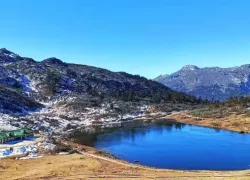
Pankang Teng Tso Lake, Tawang is one of the most visited tourist attraction in the state of Arunachal Pradesh. These lakes are also coined as the P.T. Tso. It is one among the lakes that are encircled by the beauty and brilliance of Nature. This beauty makes it a must-visit place in Arunachal Pradesh which is covered by the interesting and unique backdrop of Himalayan mountains that are covered with snow and the cool and gushing waters from the rivers. Also, Tawang is a town which has several major tourist spots which makes it a perfect host of excitement and adventure vacation. When you go to this place you will find yourself surrounded by the calm and cool waters, wet and snow-covered forest, meandering clouds and the sweet sounds of the birds. Without any doubt, Pankang Teng Tso Lake, Tawang is one of the popular attraction indeed. The reason behind is the calm setting and the beautiful places around it. To reach Pankang Teng Tso you will have to travel 17km by road. If you go further you will be able to witness the beauty of Shong-tser lake which is around 47km away from Tawang. There are mainly two reasons because of which this place is so famous amount the tourist, one is its two different ambiences, while it stays quiet, cool and everything seems to be with and fluffy due to snow which covers the entire place even in summers and makes it pleasant with beautiful blue lapis growing in summers. Therefore, Arunachal Pradesh is a great place to visit in your holidays to get some mesmerizing views that will amaze you. Festival The best attractions of this place during the festival which keeps everyone delighted and lost in the fun are the cultural showcases that are portrait through the art forms such as the famous dance song known the Yak dance and the monastic dances. The street performances and the traditional parades also take away lots of attention of the people here. Other than these, the religious functions uphold by the Buddhist and the Aji-Lhamu dance is also some attractions of the festival. If you love history, the projection of historical movies shown here is also a great centre for people during the time of the festival. So next time when you come here to visit the Pankang Teng Tso Lake, Tawang, Arunachal Pradesh, visit it during the time of these festivals and witness the local joy and ecstatic celebration. Popular Culture To see the grand showcases of the rich culture and heritage of Arunachal Pradesh, you need to visit the place during the Tawang Festival. The traditions of these monastic tribes are shown through the folk performances, religious functions, art exhibitions, dance troupes and some amazing lip-smacking local delicacies. The festival starts after they follow their religious tradition called “Sebang”. It is like a great religious rally of the monks of the Tawang Monasteries. The huge carnival site marks the beginning of the opening of the festival. In the past, several dignitaries like that of the former US ambassador to India Mr Richard Verma and CM of Assam Sarbananda Sonwal have visited the event and the festival celebration took place in their presence. One can witness the joyous celebration in every corner of Arunachal Pradesh during this time of the year. Art exhibitions, indigenous games, documentaries and film displayed during this time keep the audience well entertained. The evening starts with the mark of the musical and cultural shows especially dance shows which shows the culture and heritage of the tribes of the state. It is that time of the year when laughter, cheering and entertainment prevails all over. All tourists are welcomed warm-heartedly by the local tribes and before one realises, it already seems like home to you. Best Time to Visit One can visit the place any time of the year as their convenience but there are certain times of the year which makes the place much more interesting and amazing. Keeping that in mind, the best time to visit this place is around the months of April to October. The reason is that the temperature of this holly location is low in summers and the weather is pleasant is mostly liked by the tourist who comes and visits it during this time. How To Reach? Tawang is not blessed with airhead or rail route yet. The nearest airport is the Tezpur in Assam which is 325km away. It is the nearest and the only international airport here. From this place, you can get summon around the circle. It takes around twelve hours from Tezpur to reach Tawang. To visit the state of Arunachal Pradesh you need to be ILP meaning, Inner Line Permit. Nearby Attractions Tawang is blessed with some popular and beautiful tourist attraction. Apart from the Pankang Teng Tso Lake, Tawang, you can visit Bum La Pass. This place is located around 37kms away from the Tawang in the state of Arunachal Pradesh. One can travel to the place using Sumo though the road is not built perfectly the journey will have some beautiful sites for you to witness. Apart from Bum La Pass, you can also visit Gorichen Peak. It is the highest peak of Arunachal Pradesh and it is located at the border of China and Tawang. The Nuranang falls and the Monastery are some of the best places to visit as well. You will be surprised to see the Buddhist culture of the monks in the monasteries, beautiful artefacts and architecture. Therefore come visit the place during your holidays this time. Enjoy your vacation in the lap of nature and beautiful mountains. Visit this place during the time of celebration and be a part of it. The local people here are warm and hospitable. You will surely have a great experience here and will soon become a part of the community before you can hardly realise. This people of this area has open arms for all who visit them. Plan your holidays in Tawang and get the best memory of your life.
Explore More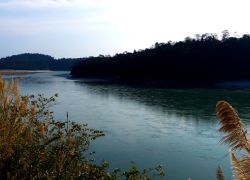
The Siang River is one of the most majestic and culturally significant rivers of Arunachal Pradesh. Flowing through the heart of the Siang region, this mighty river is known for its powerful currents, breathtaking landscapes, and deep connection with the local tribal communities. The Siang River is actually the Indian stretch of the famous Brahmaputra River, which originates in Tibet as the Yarlung Tsangpo before entering India through Arunachal Pradesh. Surrounded by lush green hills, dense forests, and dramatic valleys, the Siang River offers a stunning natural setting that attracts nature lovers, adventure seekers, photographers, and spiritual travelers. The river plays a vital role in the livelihood, culture, and traditions of the people living along its banks. How to Reach Siang River The Siang River flows across several parts of the Siang region, including Pasighat, Yingkiong, and nearby villages, making it accessible from different points. By Air: The nearest airport is Dibrugarh Airport in Assam, located about 150–180 km from Pasighat. The airport is well connected to Guwahati, Kolkata, and Delhi. From Dibrugarh, taxis and buses are available to reach Pasighat. By Train: The nearest major railway station is Dibrugarh Railway Station in Assam. From the station, visitors can hire taxis or use public transport to reach Pasighat or other river access points. By Road: Pasighat, the main town near the Siang River, is well connected by road to Itanagar, Dibrugarh, and other parts of Assam and Arunachal Pradesh. Roads follow scenic routes along hills and riverbanks, offering beautiful views during the journey. Weather at Siang River The climate around the Siang River is largely influenced by the Eastern Himalayan weather system. Summer (March to June): Summers are warm and pleasant, with temperatures ranging between 20°C and 30°C. This season is ideal for sightseeing and river activities. Monsoon (July to September): Heavy rainfall occurs during the monsoon season, causing the river to swell significantly. While the scenery is lush and green, travel can be challenging due to landslides and strong river currents. Winter (October to February): Winters are cool and comfortable, with temperatures ranging from 10°C to 20°C. This is considered the best time to visit the Siang River for outdoor activities and clear views. Timing of Siang River Visit The Siang River is a natural attraction and can be visited throughout the day. Best Visiting Hours: 6:00 AM to 6:00 PM Early mornings and late afternoons are ideal for photography, river walks, and enjoying the peaceful surroundings. Why Siang River is Famous The Siang River is famous for its sheer size, power, and scenic beauty. It is one of the main contributors to the Brahmaputra River system and plays a crucial role in the ecology of Northeast India. The river is also renowned for adventure activities such as white-water rafting, which attracts thrill-seekers from across the country. Its strong rapids and long stretches make it one of the best rafting destinations in India. Culturally, the Siang River holds great importance for the Adi tribe and other indigenous communities, who consider it sacred and central to their way of life. Entry and Visit Details There is no entry fee to visit the Siang River, as it is a natural river flowing through public areas. However, certain activities like rafting or guided tours may involve charges. Indian tourists must carry a valid Inner Line Permit (ILP) to enter Arunachal Pradesh. Foreign tourists require a Protected Area Permit (PAP). For adventure activities, permissions from local authorities and certified operators are recommended. History and Architecture The Siang River has been an important geographical and cultural landmark since ancient times. Historically, it served as a natural route for trade and communication among tribal communities living along its banks. There is no man-made architectural structure associated with the river itself. The “architecture” of the Siang River is purely natural—formed by powerful water currents carving deep valleys, shaping riverbanks, and supporting rich ecosystems over thousands of years. Things to Do at Siang River River Rafting: Experience thrilling white-water rafting on powerful rapids. Nature Walks: Enjoy peaceful walks along the riverbanks surrounded by scenic views. Photography: Capture stunning landscapes, sunsets, and tribal life. Camping: Camp near designated river areas for a close-to-nature experience. Cultural Interaction: Visit nearby villages to learn about the traditions and lifestyle of local tribes. Fishing: Traditional fishing practices can be observed in some areas. Interesting Facts about Siang River The Siang River is known as the Yarlung Tsangpo in Tibet. It becomes the Brahmaputra River after entering Assam. The river supports rich biodiversity along its banks. Siang River rafting is among the most challenging in India. Tips for Visiting Siang River Visit during winter or early summer for the best experience. Avoid rafting during peak monsoon season. Carry valid permits and identification documents. Wear comfortable clothing and sturdy footwear. Respect local customs and tribal traditions. Avoid littering and help preserve the natural environment. Conclusion The Siang River in the Siang region of Arunachal Pradesh is a magnificent natural wonder that combines raw natural beauty, adventure, and cultural richness. Whether you are seeking thrilling river activities, scenic landscapes, or a peaceful connection with nature, the Siang River offers an unforgettable travel experience in one of India’s most beautiful and unspoiled regions.
Explore More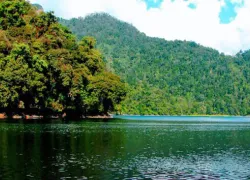
Mehao Lake is a serene and picturesque freshwater lake located near Roing in the Lower Dibang Valley district of Arunachal Pradesh. Nestled amidst lush green hills, dense forests, and sprawling meadows, this lake is a hidden gem of Northeast India. Mehao Lake is surrounded by the Mehao Wildlife Sanctuary, which adds to its ecological and scenic importance. The lake is a perfect destination for nature lovers, bird watchers, photographers, and travelers seeking tranquility away from crowded tourist spots. Spanning several hectares, Mehao Lake is known for its calm waters, scenic reflection of surrounding mountains, and rich biodiversity. The lake and its surroundings serve as a habitat for numerous species of birds, fish, and other wildlife, making it a significant ecological hotspot. The peaceful environment, pristine nature, and cultural relevance of nearby tribal communities make Mehao Lake a must-visit destination for travelers exploring Arunachal Pradesh. How to Reach Mehao Lake Reaching Mehao Lake requires a combination of air, rail, and road transport. By Air: The nearest airport is Dibrugarh Airport in Assam, approximately 150 km from Roing. Dibrugarh is well connected with major cities like Guwahati, Delhi, and Kolkata. From Dibrugarh, travelers can hire taxis or shared vehicles to reach Roing and subsequently Mehao Lake. By Rail: The nearest railway station is Tinsukia Railway Station in Assam. From Tinsukia, taxis and buses are available to reach Roing, which serves as the gateway to Mehao Lake. By Road: Mehao Lake is about 15 km from Roing town and is accessible via a well-maintained road. Visitors can hire taxis, rent vehicles, or use local transport services to reach the lake. The drive offers scenic views of rivers, forests, and villages along the way. Indian tourists must carry a valid Inner Line Permit (ILP) to enter Arunachal Pradesh. Foreign tourists require a Protected Area Permit (PAP). Weather in Mehao Lake Mehao Lake experiences a subtropical highland climate with significant variations across seasons. Summer (March to June): Summers are mild and pleasant, with temperatures ranging from 20°C to 30°C. This is the best time for sightseeing and outdoor activities. Monsoon (July to September): The region receives heavy rainfall, making the surroundings lush and green. Road conditions may become slippery, so caution is advised while traveling. Winter (October to February): Winters are cool, with temperatures ranging between 10°C and 22°C. The weather is perfect for photography, nature walks, and bird watching. Timing to Visit Mehao Lake Mehao Lake is open throughout the day for visitors. Daytime is ideal for exploring the lake, walking along its shores, and enjoying scenic views. Recommended Visiting Hours: 6:00 AM to 5:00 PM Why Mehao Lake is Famous Mehao Lake is famous for its natural beauty, tranquil waters, and biodiversity. The lake is surrounded by the Mehao Wildlife Sanctuary, which supports rare species of birds, reptiles, and mammals. Visitors often spot migratory birds during the winter season, making it a hotspot for bird watchers. The calm environment and scenic landscape make Mehao Lake a popular location for nature photography and peaceful retreats. The lake also holds cultural significance for local tribal communities, including the Idu Mishmi tribe, who have historically depended on its waters for fishing and religious practices. Traditional festivals and rituals near the lake offer visitors a glimpse of local customs and lifestyle. Entry and Visit Details Entry to Mehao Lake is free for visitors. Since it lies within Mehao Wildlife Sanctuary, visitors may need permission from the Arunachal Pradesh Forest Department. Guided tours and eco-trekking routes are available for those wishing to explore the sanctuary in detail. Photography is allowed for personal use, but visitors should avoid disturbing wildlife or polluting the area. History and Architecture While Mehao Lake is a natural formation and does not have man-made architecture, its surroundings reflect the cultural heritage of local tribes. The lake has been part of the natural landscape for centuries, supporting both biodiversity and local livelihoods. Traditional bamboo and wooden huts near the lake are used by the local communities for fishing, resting, and cultural activities. These simple structures complement the natural beauty and maintain the ecological balance of the region. Things to Do in Mehao Lake Nature Walks: Explore trails around the lake and in the Mehao Wildlife Sanctuary, enjoying flora and fauna. Bird Watching: Spot migratory birds and native species in the sanctuary and along the lake shore. Photography: Capture the reflections of mountains and forests in the calm waters of the lake. Picnics: Relax along the lake banks and enjoy a peaceful day amidst nature. Cultural Exploration: Interact with Idu Mishmi communities and observe their traditional lifestyle and festivals. Camping: With permission, camping is allowed near the lake for an immersive nature experience. Interesting Facts about Mehao Lake Mehao Lake is part of Mehao Wildlife Sanctuary, a biodiversity hotspot in Arunachal Pradesh. The lake supports a wide range of fish, birds, and small mammals. It is surrounded by thick forests that include both tropical and temperate species. Local tribes have historically relied on the lake for fishing and rituals. The lake remains relatively untouched and less crowded, offering a tranquil experience. Tips for Visiting Mehao Lake Carry warm clothing, especially in winter mornings and evenings. Hire a local guide for wildlife spotting and safe exploration of sanctuary trails. Carry drinking water, snacks, and basic first aid supplies. Respect wildlife and local traditions, and avoid littering near the lake. Plan your visit during October to April for pleasant weather and better road conditions. Conclusion Mehao Lake in the Dibang region of Arunachal Pradesh is a serene natural treasure offering breathtaking scenery, rich biodiversity, and a glimpse into local tribal culture. Its calm waters, surrounding forests, and peaceful environment make it an ideal destination for nature lovers, photographers, and travelers seeking offbeat experiences. Visiting Mehao Lake is not just a trip but a journey into the heart of Arunachal Pradesh’s pristine wilderness.
Explore More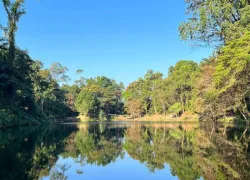
Sally Lake is a pristine high-altitude lake located in the Dibang Valley region of Arunachal Pradesh. Nestled amidst snow-capped mountains, lush green forests, and rolling meadows, the lake is an offbeat gem of Northeast India. Known for its calm waters, breathtaking scenery, and remote location, Sally Lake offers travelers an unspoiled experience of nature and tranquility. It is less crowded compared to other lakes in the region, making it a perfect destination for solitude seekers, nature enthusiasts, photographers, and adventure lovers. The lake is surrounded by dense temperate and subalpine forests that host diverse flora and fauna. Its serene environment is ideal for birdwatching, meditation, and enjoying the raw beauty of the Eastern Himalayas. Being in a high-altitude region, Sally Lake also serves as a habitat for migratory birds and supports various endemic species of plants and fish, making it an ecological hotspot. How to Reach Sally Lake Reaching Sally Lake requires careful planning due to its remote location in the Upper Dibang Valley. By Air: The nearest airport is Dibrugarh Airport in Assam, approximately 280 km from the lake. Dibrugarh is well connected with major cities like Guwahati, Delhi, and Kolkata. From Dibrugarh, travelers can hire taxis or shared vehicles to reach Roing, the main town in Lower Dibang Valley, and continue towards Sally Lake. By Rail: The nearest railway station is Tinsukia Railway Station in Assam. From there, taxis or buses can be taken to reach Roing. The journey onward to Sally Lake involves mountain roads and trekking routes. By Road: Sally Lake is accessible by road up to a certain point near the lake. From Roing, travelers can hire local taxis or share rides to reach base points. The final stretch often requires trekking through forested paths and hills, so proper planning, permits, and local guides are recommended. Indian citizens need a valid Inner Line Permit (ILP) to travel to Dibang Valley. Foreign tourists require a Protected Area Permit (PAP) and additional clearance for high-altitude or sensitive areas. Weather at Sally Lake Sally Lake experiences a temperate high-altitude climate with variations across seasons. Summer (April to June): Summers are cool and pleasant, with temperatures ranging from 15°C to 25°C. This is the ideal time for sightseeing and trekking. Monsoon (July to September): Monsoon brings heavy rainfall, making trails slippery and increasing the risk of landslides. The area becomes lush green but challenging to access. Winter (October to March): Winters are cold with temperatures ranging from 0°C to 15°C. Snowfall may occur in higher elevations. This is the best time for capturing snow-covered landscapes. Timing to Visit Sally Lake The lake is accessible throughout the day, but most visitors prefer daytime for trekking and exploring the surrounding forests and meadows. Recommended Visiting Hours: 6:00 AM to 5:00 PM Why Sally Lake is Famous Sally Lake is famous for its serene beauty, isolation, and breathtaking Himalayan backdrop. Unlike more commercialized tourist destinations, the lake offers an untouched natural environment. It is particularly known for: Crystal-clear waters reflecting surrounding snow-capped peaks. High-altitude flora and fauna, including rare Himalayan birds and small mammals. Opportunities for trekking, photography, and nature observation. Peaceful environment, making it ideal for meditation and relaxation. The lake also holds cultural significance for the Idu Mishmi tribe, who inhabit nearby villages and often consider lakes and rivers sacred. Entry and Visit Details Visiting Sally Lake requires prior permission from the Arunachal Pradesh Forest Department, especially for trekking and extended stays. An Inner Line Permit (ILP) for Indian tourists or a Protected Area Permit (PAP) for foreign tourists is mandatory. Local guides are highly recommended to ensure safety and navigation through forest trails. Camping and photography are allowed in designated areas with prior authorization. History and Surroundings Sally Lake is a natural high-altitude lake formed over centuries through glacial and geological activity. The lake does not have man-made architecture, but the surroundings are dotted with traditional bamboo and wooden huts belonging to local tribal communities. These huts are primarily used for resting, storage, and cultural activities. The area around Sally Lake has been historically significant for the Idu Mishmi people, whose traditional practices help conserve the environment. Things to Do at Sally Lake Trekking: Embark on trekking routes that lead to and around the lake, exploring dense forests, alpine meadows, and mountain paths. Bird Watching: Observe migratory and native birds that inhabit the lake and surrounding sanctuary. Photography: Capture reflections of mountains, forests, and wildlife in the clear waters of the lake. Camping: Camp near the lake under proper guidance and permissions for a night amidst nature. Nature Walks: Walk along the lake shore or nearby forest trails to observe flora and fauna. Cultural Interaction: Engage with Idu Mishmi villagers and learn about their traditional customs and connection with nature. Interesting Facts about Sally Lake Sally Lake is one of the most remote and less-explored lakes in Arunachal Pradesh. It is located in a region rich in biodiversity, forming part of the Himalayan ecosystem. The lake supports migratory birds in winter, attracting birdwatchers from across India. It is surrounded by dense forests that are home to rare mammals such as red pandas and musk deer. The area is culturally significant for the local Idu Mishmi tribe. Tips for Visiting Sally Lake Carry warm clothing and rain protection, depending on the season. Hire experienced local guides for trekking and forest exploration. Carry sufficient food, water, and first aid supplies, as facilities are limited. Respect local culture, wildlife, and forest rules to preserve the ecosystem. Plan visits during October to April for favorable weather and trekking conditions. Conclusion Sally Lake in Dibang, Arunachal Pradesh, is a breathtaking natural destination that offers unparalleled beauty, biodiversity, and tranquility. Its remote location, pristine waters, and cultural significance make it an ideal spot for nature lovers, adventure seekers, and photographers. Visiting Sally Lake is an opportunity to experience the untouched wilderness of Arunachal Pradesh, witness rare wildlife, and enjoy a peaceful retreat amidst the Eastern Himalayas.
Explore More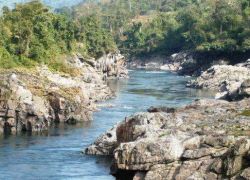
Daporjio, the tiny scenic town of Arunachal Pradesh is the heart of North-East India. It is located at an altitude of 600m in the upper Subansiri (district). The word 'Dapo' and 'Rijo' mean 'the protection' and 'the valley'. Literally, Daporjio is protected against all the evil spirits by the Subansiri River. The river Subansiri makes the main branch of the River Brahmaputra which runs kissing the town. Hence, Darporjio is itself a complete holiday package by offering a range of tourist activities including trekking, river rafting, camping, picnics, and angling.Description:Subansiri River, the mainstream of upper Brahmaputra, is the major attraction of visiting Daporjio. It offers a number of adventurous, exciting and thrilling experiences of river rafting. If you are in this town of Arunachal Pradesh, you should not miss an opportunity to do rafting through the running river.Traveler Tips:1. Though the water of the stream is clean enough to put your hand or feet but do not drink it. You should carry a bottle of drinking water with you.2. The difficulty level of rafting through Subansiri can be moderate to difficult (level 2 – 4). So, stretch yourself well before making an expedition. Before booking a rafting package, consider the distance carefully, especially if you are traveling with children and older people.3. Carry a first-aid kit with you for an emergency.4. Get energy bars, energy drinks, shorts, bathing suits, river sandals, old sneakers, and extra flip-flops with you.5. If you are carrying a camera with you, make sure it has a waterproof lens, fresh batteries, and waterproof carry bag.6. Also, carry a plastic bag with you to keep your wet clothes inside.7. Follow the instructions of your guide carefully.8. You may do rafting in a group of 4/ 6/ 8.Things to Do:• Rafting through the water of Subansiri River, Daporjio.• Camping. You must get your rafting experience a level higher by doing camping at the rafting sites.• Trekking.• Do a few family picnics into nature.Best Time to Visit:The best time to make rafting through the river of Subansiri is between March and June or September and November. Do not dare to come here for a similar purpose in July – August, as heavy rainfall happens this time.How to Reach?By air – If you are planning a trip to Daporjio and mainly heading with the aim of water rafting, you can land at Mohanbari. It is a small beautiful village situated at 493 km away from Guwahati. Reaching the village, hire a cab or ride on a bus for reaching Pasighat.By rail – The nearest railway station is Dibrugarh. To reach Pasighat from here, you need to take a bus.By road – Assam State Transport Corporation or ASTC runs regular bus services on the route of NH 37 which connects the state with all the major towns and cities of Assam. Guwahati is at 440 km distance from Dibrugarh.Nearby Attractions:• Meghna Cave Temple• Kamala Reserve Forest• Daporjio Good Shepherd Church• ShoppingSo, you must get a hurry to plan a visit to this hidden gem of North-East India. You are surely going to have a memorable and thrilling vacation in this picturesque town of Arunachal Pradesh. Do a lot of rafting through the Subansiri River, Daporjio. Happy travel!
Explore More7 Night - 8 Days Arunachal Pradesh Tour Package
8 Days/ 7 Night
Bomdila - Bhalukpong - Tawang - Dirang
The western Arunachal trail to Tawang
8 Days/ 7 Night
Bhalukpong - Bomdila - Dirang - Guwahati - Tawang
Arunachal Pradesh Tour 5 Night - 6 Days
6 Days/ 5 Night
Bomdila - Guwahati - Bhalukpong - Tawang - Dirang
Arunachal Pradesh Package
8 Days/ 7 Night
Guwahati - Bomdila - Tinsukia - Bodh Gaya