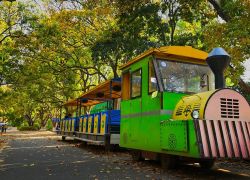
Welcome to Sanjay Gandhi Biological Park, a haven for nature lovers and wildlife enthusiasts located in the vibrant city of Patna. This iconic park offers visitors a unique opportunity to immerse themselves in the beauty of the natural world, showcasing a diverse range of flora and fauna in a picturesque setting. History of Sanjay Gandhi Biological Park The history of Sanjay Gandhi Biological Park dates back to its origins as a former royal hunting ground, transformed over the years into a dedicated conservation area. The park's rich historical background is complemented by its significant efforts towards wildlife preservation and habitat restoration, earning it recognition for its conservation initiatives. Architecture and Natural Beauty of Sanjay Gandhi Biological Park The park boasts a stunning array of wetlands, forests, and grasslands that provide a natural habitat for a variety of bird species. Visitors can explore the lush landscapes and discover the historical Keoladeo Temple nestled within the park, adding a touch of cultural significance to the natural beauty. Why is Sanjay Gandhi Biological Park Famous? Sanjay Gandhi Biological Park is renowned for its appeal to birdwatchers, photographers, and nature enthusiasts seeking to witness the diverse wildlife that calls the park home. Its tranquil surroundings and abundant biodiversity make it a must-visit destination for wildlife lovers. How to Reach Sanjay Gandhi Biological Park Traveling to Sanjay Gandhi Biological Park is convenient, with options available by air, rail, and road. The park is easily accessible from nearby airports and railway stations, allowing visitors to reach this natural paradise with ease. Weather and Best Time to Visit Sanjay Gandhi Biological Park Sanjay Gandhi Biological Park experiences varying weather conditions throughout the year, with distinct summer, monsoon, and winter seasons. The best time to visit the park is during the months when the weather is pleasant and conducive to outdoor exploration. Timings of Sanjay Gandhi Biological Park The park operates with specific visitor timings, ensuring that guests can plan their visit accordingly. Seasonal variations may impact the park's schedule, so it is advisable to check for any updates before planning your trip. Entry Fee and Visit Details Visitors to Sanjay Gandhi Biological Park can avail themselves of various entry procedures, guide services, safari options, and bicycle rentals to enhance their experience. The park also offers visitor facilities to ensure a comfortable and enjoyable visit for all. Things to Do at Sanjay Gandhi Biological Park From birdwatching and photography to cycling and walking trails, Sanjay Gandhi Biological Park provides a host of activities for visitors to engage with nature. The park's educational experiences offer a deeper understanding of the natural world and its inhabitants. Interesting Facts About Sanjay Gandhi Biological Park Sanjay Gandhi Biological Park is home to a plethora of migratory birds, showcasing the park's importance in biodiversity conservation. Its achievements in wildlife preservation and ecological significance contribute to its status as a prominent destination for nature lovers. Travel Tips for Visiting Sanjay Gandhi Biological Park When visiting Sanjay Gandhi Biological Park, it is advisable to wear comfortable clothing, carry essential photography and birdwatching equipment, and plan your trip during the recommended seasons. Embracing responsible tourism practices ensures the sustainable enjoyment of this natural sanctuary. Conclusion In conclusion, Sanjay Gandhi Biological Park in Patna stands as a testament to the beauty of nature and the importance of wildlife conservation. With its rich biodiversity, cultural heritage, and immersive visitor experiences, the park offers a journey into the heart of the natural world, making it a must-visit destination for travelers seeking to connect with the environment.
Explore More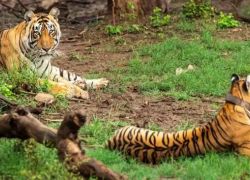
Valmiki National Park is a spectacular wildlife destination located in the West Champaran district of Bihar, India. It is the **only national park and tiger reserve in Bihar**, covering an area close to 900 square kilometers and forming part of the Terai–Bhabar ecosystem at the foothills of the Himalayas. Known for its rich biodiversity, dense forests, and rare wildlife, Valmiki National Park offers an extraordinary blend of adventure, nature, and cultural history. :contentReference[oaicite:0]{index=0} History and Background The region around Valmiki was originally declared a wildlife sanctuary in 1978, reflecting its ecological importance and the need for protection of its flora and fauna. Later, in 1990, the sanctuary was upgraded to a **national park**, and soon after it became a crucial part of India’s tiger conservation efforts under *Project Tiger*, giving it legal recognition as a tiger reserve. :contentReference[oaicite:1]{index=1} The name “Valmiki” comes from the ancient sage Valmiki, who is traditionally believed to have composed the epic Ramayana in this region. As a result, the park holds both natural and cultural significance. :contentReference[oaicite:2]{index=2} Wildlife and Biodiversity Valmiki National Park is rich in biodiversity and supports a wide variety of wildlife. As part of a strategic habitat corridor with Nepal’s Chitwan National Park to the north, it hosts numerous species that thrive across borders. The park is particularly famous for its population of **Royal Bengal Tigers**, making it one of the most important tiger reserves in eastern India. :contentReference[oaicite:3]{index=3} In addition to tigers, the park is home to leopards, sloth bears, wild boars, Indian bison (gaur), and several species of deer including sambar and chital. The forest also shelters elephants, Indian pangolins, striped hyenas, and other fascinating mammals. :contentReference[oaicite:4]{index=4} The birdlife is equally impressive, with more than 250 species recorded, including hornbills, paradise flycatchers, peacocks, and migratory birds that visit during the winter months. The park’s rivers and wetlands also support aquatic life like the endangered Gangetic dolphin. :contentReference[oaicite:5]{index=5} Flora and Landscape The forest of Valmiki National Park consists of moist deciduous Sal forests, grasslands, riverine vegetation, and wetlands. It encompasses a mixture of **Terai–Bhabar landscapes**, which means the topography includes gently rolling foothills transitioning into river plains and dense vegetation areas. This diversity of habitats supports a wide spectrum of plant and animal life. :contentReference[oaicite:6]{index=6} How to Reach Valmiki National Park Valmiki National Park is located in remote countryside with good connectivity from major transport hubs: By Air: The closest major airport is Lok Nayak Jayaprakash Airport in Patna, about 270–285 km away, with frequent flights to and from major Indian cities. :contentReference[oaicite:7]{index=7} By Train: The nearest railway station is Valmiki Nagar Railway Station, located just a few kilometers from the park’s entrance. Trains from Gorakhpur, Muzaffarpur, and other cities connect here. :contentReference[oaicite:8]{index=8} By Road: Regular buses and private taxis connect Patna, Bettiah, and nearby towns to Valmiki Nagar. The roads leading to the park are scenic, passing through rural and forest areas. :contentReference[oaicite:9]{index=9} Weather and Best Time to Visit The climate in Valmiki National Park varies with the season. Winters (November to March) offer **cool, pleasant weather** and are considered the best time to visit for wildlife sightings and outdoor activities. Summers (April to June) can be very hot, making afternoon activities challenging. During the monsoon season (July to September), heavy rainfall may affect road access, although the forest becomes lush and green. :contentReference[oaicite:10]{index=10} Entry and Timings Visitors are generally allowed inside Valmiki National Park in organized groups or with prior permission from forest authorities. Typical safari timings are: Morning: 06:00 AM – 10:00 AM Afternoon: 03:00 PM – 06:00 PM These timings may vary slightly by season and management policy, so it is recommended to check with the park’s official entry office or local travel guides before planning your visit. :contentReference[oaicite:11]{index=11} Things to Do at Valmiki National Park Visitation in Valmiki National Park can be an exciting experience with a variety of activities: Safari Tours: Jeep and guided safari rides offer opportunities to spot tigers, elephants, and other wildlife in their natural habitat. :contentReference[oaicite:12]{index=12} Birdwatching: The park’s forests and wetlands are home to colorful and rare birds, making it ideal for birdwatchers. :contentReference[oaicite:13]{index=13} Boating on the Gandak River: Calm boat rides provide beautiful views of aquatic ecosystems and riverine landscapes. :contentReference[oaicite:14]{index=14} Visit Valmiki Ashram: Near the park, this culturally significant site is believed to be associated with the ancient sage Valmiki. :contentReference[oaicite:15]{index=15} Trekking and Nature Walks: Some areas in and around the park are great for guided nature walks and light trekking. :contentReference[oaicite:16]{index=16} Interesting Facts • Only Tiger Reserve in Bihar: Valmiki is the only tiger reserve in the entire state of Bihar, making it a vital stronghold for tiger conservation. :contentReference[oaicite:17]{index=17} • Transboundary Wildlife Corridor: Its proximity to Nepal’s Chitwan National Park enables cross-border movement of elephants, rhinoceros, and other wildlife. :contentReference[oaicite:18]{index=18} • Rich Biodiversity: The park supports more than 250 species of birds, 50+ mammal species, and a healthy ecosystem of reptiles and butterflies. :contentReference[oaicite:19]{index=19} Visitor Tips • Book Safaris Early: Since the park has limited daily safari slots, booking in advance is beneficial. :contentReference[oaicite:20]{index=20} • Carry Binoculars and Camera: Wildlife is best observed from a distance — binoculars and a camera with zoom are highly recommended. :contentReference[oaicite:21]{index=21} • Respect Wildlife Rules: Do not feed animals, stray from designated paths, or make loud noises. :contentReference[oaicite:22]{index=22} • Dress Appropriately: Use neutral colors, sturdy shoes, sun protection, and insect repellent for a comfortable experience. :contentReference[oaicite:23]{index=23} Note on “Church of Our Lady, Bruges” Your request also included topics like *“Church of Our Lady, Bruges, Champaran”*. It’s important to clarify that the famous Church of Our Lady refers to a **Roman Catholic church in Bruges, Belgium**, known for its tall Gothic tower and artistic heritage in Europe — and **it has no geographical or historical connection to Champaran, Bihar, India**. :contentReference[oaicite:24]{index=24} If you intended to refer to a local church near Valmiki National Park or in Champaran with a similar name, please provide the correct name or location, and I can include relevant travel details. Otherwise, content about the Church of Our Lady in Bruges is unrelated to Indian wildlife travel.
Explore More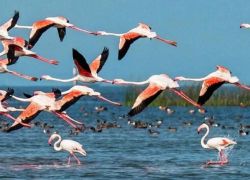
Kusheshwar Asthan Bird Sanctuary
Kusheshwar Asthan Bird Sanctuary is one of the most important wetland and bird conservation areas in Bihar, located in Darbhanga district. This sanctuary is a large freshwater wetland spread over several villages and becomes a natural paradise for migratory and resident birds, especially during the winter season. Nature lovers, birdwatchers, photographers, and wildlife enthusiasts visit this sanctuary to enjoy its rich birdlife and peaceful natural environment. The sanctuary also plays a vital role in maintaining the ecological balance of the region. History of Kusheshwar Asthan Bird Sanctuary, Darbhanga Kusheshwar Asthan Bird Sanctuary was declared a protected area to conserve the wetland ecosystem and the large number of birds that visit the region every year. The wetland has existed naturally for centuries, formed by seasonal flooding of rivers and rainwater accumulation in low-lying areas. Over time, local communities recognized the importance of this wetland as a natural habitat for birds and aquatic life. The Bihar government later notified the area as a bird sanctuary to protect migratory species that arrive from Central Asia and other cold regions during winter. Conservation efforts have focused on protecting the wetland from encroachment, pollution, and illegal hunting. The sanctuary also supports local livelihoods through fishing and agriculture in surrounding areas, making it an important part of the local economy and ecology. Natural Landscape and Wetland Features (Architecture of Nature) Although Kusheshwar Asthan Bird Sanctuary does not have man-made architectural monuments, its natural landscape can be considered its “architecture.” The sanctuary is made up of large shallow water bodies, marshlands, and grassy patches. During the monsoon, the area fills with water and expands, creating a vast wetland. In winter, water levels reduce, forming mudflats and shallow pools that attract thousands of birds. The sanctuary supports aquatic plants, reeds, and grasses that provide shelter and food for birds. The open wetland, combined with surrounding farmlands and village ponds, creates a diverse habitat. This natural design of wetlands and water channels helps in water conservation, flood control, and groundwater recharge, making the sanctuary important not only for birds but also for the environment of Darbhanga district. Why Kusheshwar Asthan Bird Sanctuary, Darbhanga is Famous Kusheshwar Asthan Bird Sanctuary is famous for being one of the largest bird sanctuaries in Bihar and for hosting thousands of migratory birds every winter. Birds such as Siberian visitors, ducks, geese, herons, storks, and many species of waterfowl can be seen here. The sanctuary becomes especially lively between November and February when migratory birds arrive. The sanctuary is also famous for its scenic wetland views and peaceful environment. It is an important site for birdwatching, nature photography, and eco-tourism in North Bihar. Wildlife researchers and students often visit the sanctuary to study bird behavior and wetland ecology. The presence of a nearby religious site of Kusheshwar Asthan also adds cultural importance to the region. How to Reach Kusheshwar Asthan Bird Sanctuary, Darbhanga The bird sanctuary is located around 70 km from Darbhanga city and can be reached by road. By Air: The nearest airport is Darbhanga Airport. From the airport, you can hire a taxi or take a bus towards Kusheshwar Asthan via Darbhanga town. By Train: Darbhanga Junction is the nearest major railway station. From there, buses and taxis are available to reach Kusheshwar Asthan town, which is close to the sanctuary area. By Road: Regular buses run from Darbhanga to Kusheshwar Asthan. Private taxis and local vehicles can also be hired. The roads pass through rural landscapes, offering a glimpse of village life in Bihar. Weather in Darbhanga (Best Time to Visit) The climate of Darbhanga is hot and humid in summer, with temperatures often above 35°C. Monsoon brings heavy rainfall, and large parts of the sanctuary remain flooded, making access difficult. Winter is the best season to visit Kusheshwar Asthan Bird Sanctuary, as the weather is pleasant and birds are most active during this time. From November to February, the temperature ranges between 10°C and 25°C, which is ideal for birdwatching and outdoor activities. Timings of Kusheshwar Asthan Bird Sanctuary, Darbhanga The sanctuary is generally open to visitors during daylight hours. There are no strict official timings, but visitors are advised to enter the area between early morning and late afternoon, roughly from 6:00 AM to 5:00 PM. Early morning is the best time for birdwatching, as birds are more active and the lighting is good for photography. Entry and Visit Details about Kusheshwar Asthan Bird Sanctuary, Darbhanga There is usually no fixed entry fee to visit the sanctuary, as it is spread over a large natural wetland area. However, local guides or forest department staff may charge a small fee for guiding services or boat rides, if available. Visitors should follow forest and wildlife protection rules, avoid disturbing birds, and not enter restricted zones. Carrying plastic and littering in the sanctuary area is discouraged to protect the wetland ecosystem. Things to Do at Kusheshwar Asthan Bird Sanctuary, Darbhanga Birdwatching is the main activity at the sanctuary. Visitors can spot various species of migratory and resident birds using binoculars. Nature photography is also popular, especially during winter when thousands of birds gather in the wetland. Walking around the wetland edges allows visitors to enjoy scenic views and peaceful surroundings. Students and researchers can observe bird behavior and wetland ecology. You can also interact with local villagers to learn about traditional fishing methods and how the wetland supports their livelihoods. Visiting nearby temples and rural markets can add a cultural experience to your trip. Interesting Facts about Kusheshwar Asthan Bird Sanctuary, Darbhanga The sanctuary spreads over a large wetland area that expands and shrinks with seasons. It hosts thousands of migratory birds every year from colder regions. The wetland helps in flood control and groundwater recharge. Local communities depend on the wetland for fishing and agriculture. The sanctuary is one of the most important bird habitats in Bihar. Tips for Visiting Kusheshwar Asthan Bird Sanctuary, Darbhanga Visit early in the morning for the best birdwatching experience. Carry binoculars and a camera with zoom lens. Wear comfortable clothes and footwear suitable for wetland areas. Avoid loud noise and do not disturb birds. Carry drinking water and light snacks, as facilities nearby may be limited. Visit during winter for the best experience, and always follow local wildlife protection rules to help conserve this beautiful natural habitat.
Explore MoreBaidyanath Dham Yatra 3N - 4D - Bodhgaya - Tarapith
4 Days/ 3 Night
Deoghar - Bodhgaya
Tours Of Uttar Pradesh 1N Bodhgaya - 1N Varanasi - 1N Ayodhya
4 Days/ 3 Night
Prayagraj - Varanasi - Bodhgaya - Ayodhya
6 Days Varanasi - Bodhgaya - Prayagraj Tour
6 Days/ 5 Night
Prayagraj - Varanasi - Bodhgaya - Sarnath
Varanasi - Bodhgaya - Ayodhya - Prayagraj 7 Nights - 8 Days Tour
8 Days/ 7 Night
Prayagraj - Varanasi - Khajuraho - Bodhgaya - Ayodhya