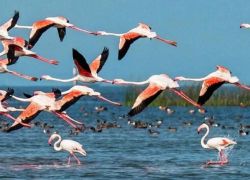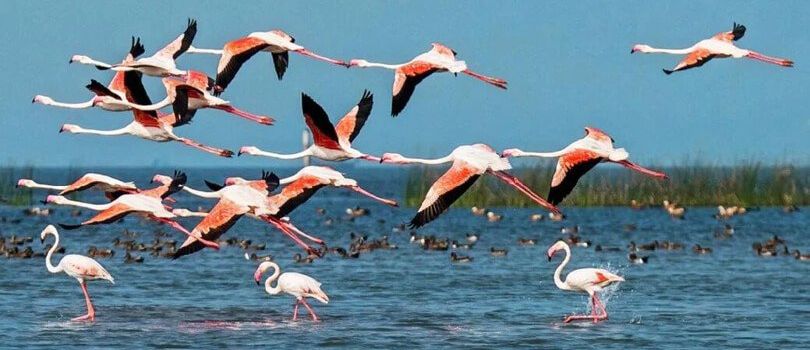
"Witness diverse bird species in natural habitat."
Kusheshwar Asthan Bird Sanctuary is one of the most important wetland and bird conservation areas in Bihar, located in Darbhanga district. This sanctuary is a large freshwater wetland spread over several villages and becomes a natural paradise for migratory and resident birds, especially during the winter season. Nature lovers, birdwatchers, photographers, and wildlife enthusiasts visit this sanctuary to enjoy its rich birdlife and peaceful natural environment. The sanctuary also plays a vital role in maintaining the ecological balance of the region.
History of Kusheshwar Asthan Bird Sanctuary, Darbhanga
Kusheshwar Asthan Bird Sanctuary was declared a protected area to conserve the wetland ecosystem and the large number of birds that visit the region every year. The wetland has existed naturally for centuries, formed by seasonal flooding of rivers and rainwater accumulation in low-lying areas. Over time, local communities recognized the importance of this wetland as a natural habitat for birds and aquatic life.
The Bihar government later notified the area as a bird sanctuary to protect migratory species that arrive from Central Asia and other cold regions during winter. Conservation efforts have focused on protecting the wetland from encroachment, pollution, and illegal hunting. The sanctuary also supports local livelihoods through fishing and agriculture in surrounding areas, making it an important part of the local economy and ecology.
Natural Landscape and Wetland Features (Architecture of Nature)
Although Kusheshwar Asthan Bird Sanctuary does not have man-made architectural monuments, its natural landscape can be considered its “architecture.” The sanctuary is made up of large shallow water bodies, marshlands, and grassy patches. During the monsoon, the area fills with water and expands, creating a vast wetland. In winter, water levels reduce, forming mudflats and shallow pools that attract thousands of birds.
The sanctuary supports aquatic plants, reeds, and grasses that provide shelter and food for birds. The open wetland, combined with surrounding farmlands and village ponds, creates a diverse habitat. This natural design of wetlands and water channels helps in water conservation, flood control, and groundwater recharge, making the sanctuary important not only for birds but also for the environment of Darbhanga district.
Why Kusheshwar Asthan Bird Sanctuary, Darbhanga is Famous
Kusheshwar Asthan Bird Sanctuary is famous for being one of the largest bird sanctuaries in Bihar and for hosting thousands of migratory birds every winter. Birds such as Siberian visitors, ducks, geese, herons, storks, and many species of waterfowl can be seen here. The sanctuary becomes especially lively between November and February when migratory birds arrive.
The sanctuary is also famous for its scenic wetland views and peaceful environment. It is an important site for birdwatching, nature photography, and eco-tourism in North Bihar. Wildlife researchers and students often visit the sanctuary to study bird behavior and wetland ecology. The presence of a nearby religious site of Kusheshwar Asthan also adds cultural importance to the region.
How to Reach Kusheshwar Asthan Bird Sanctuary, Darbhanga
The bird sanctuary is located around 70 km from Darbhanga city and can be reached by road.
By Air: The nearest airport is Darbhanga Airport. From the airport, you can hire a taxi or take a bus towards Kusheshwar Asthan via Darbhanga town.
By Train: Darbhanga Junction is the nearest major railway station. From there, buses and taxis are available to reach Kusheshwar Asthan town, which is close to the sanctuary area.
By Road: Regular buses run from Darbhanga to Kusheshwar Asthan. Private taxis and local vehicles can also be hired. The roads pass through rural landscapes, offering a glimpse of village life in Bihar.
Weather in Darbhanga (Best Time to Visit)
The climate of Darbhanga is hot and humid in summer, with temperatures often above 35°C. Monsoon brings heavy rainfall, and large parts of the sanctuary remain flooded, making access difficult. Winter is the best season to visit Kusheshwar Asthan Bird Sanctuary, as the weather is pleasant and birds are most active during this time. From November to February, the temperature ranges between 10°C and 25°C, which is ideal for birdwatching and outdoor activities.
Timings of Kusheshwar Asthan Bird Sanctuary, Darbhanga
The sanctuary is generally open to visitors during daylight hours. There are no strict official timings, but visitors are advised to enter the area between early morning and late afternoon, roughly from 6:00 AM to 5:00 PM. Early morning is the best time for birdwatching, as birds are more active and the lighting is good for photography.
Entry and Visit Details about Kusheshwar Asthan Bird Sanctuary, Darbhanga
There is usually no fixed entry fee to visit the sanctuary, as it is spread over a large natural wetland area. However, local guides or forest department staff may charge a small fee for guiding services or boat rides, if available. Visitors should follow forest and wildlife protection rules, avoid disturbing birds, and not enter restricted zones. Carrying plastic and littering in the sanctuary area is discouraged to protect the wetland ecosystem.
Things to Do at Kusheshwar Asthan Bird Sanctuary, Darbhanga
Birdwatching is the main activity at the sanctuary. Visitors can spot various species of migratory and resident birds using binoculars. Nature photography is also popular, especially during winter when thousands of birds gather in the wetland. Walking around the wetland edges allows visitors to enjoy scenic views and peaceful surroundings.
Students and researchers can observe bird behavior and wetland ecology. You can also interact with local villagers to learn about traditional fishing methods and how the wetland supports their livelihoods. Visiting nearby temples and rural markets can add a cultural experience to your trip.
Interesting Facts about Kusheshwar Asthan Bird Sanctuary, Darbhanga
The sanctuary spreads over a large wetland area that expands and shrinks with seasons. It hosts thousands of migratory birds every year from colder regions. The wetland helps in flood control and groundwater recharge. Local communities depend on the wetland for fishing and agriculture. The sanctuary is one of the most important bird habitats in Bihar.
Tips for Visiting Kusheshwar Asthan Bird Sanctuary, Darbhanga
Visit early in the morning for the best birdwatching experience. Carry binoculars and a camera with zoom lens. Wear comfortable clothes and footwear suitable for wetland areas. Avoid loud noise and do not disturb birds. Carry drinking water and light snacks, as facilities nearby may be limited. Visit during winter for the best experience, and always follow local wildlife protection rules to help conserve this beautiful natural habitat.

Darbhanga
Darbhanga
Darbhanga
Darbhanga
Darbhanga
Darbhanga
Darbhanga
Darbhanga
Darbhanga
Darbhanga