
The Bodhi Sarovar Temple, located in Bodhgaya, is a significant religious site for Buddhists around the world. The temple is situated near the Mahabodhi Temple Complex, which is a UNESCO World Heritage Site. Bodhi Sarovar Temple is known for its tranquil surroundings and the sacred Bodhi tree, under which Lord Buddha is believed to have attained enlightenment. Architecture of Bodhi Sarovar Temple The Bodhi Sarovar Temple features traditional Indian temple architecture with intricate carvings and designs. The temple is surrounded by a large pond, known as the Sarovar, which adds to the serenity of the place. The temple complex also houses statues of Lord Buddha and other deities, making it a peaceful place for meditation and prayer. History The Bodhi Sarovar Temple has a rich history dating back to ancient times. It is believed that the temple was built on the site where Lord Buddha spent seven days after attaining enlightenment. The Sarovar, or pond, is said to have healing properties, and pilgrims from around the world come to bathe in its waters for spiritual cleansing. Best Time To Visit The best time to visit the Bodhi Sarovar Temple is during the winter months, from October to March, when the weather is pleasant and conducive to outdoor activities. The temple complex is less crowded during this time, allowing visitors to explore the site peacefully and soak in the spiritual atmosphere. How To Reach The Bodhi Sarovar Temple is located in Bodhgaya, Bihar, which is well-connected by road, rail, and air. The nearest airport is Gaya Airport, which is about 10 kilometers away from the temple. The nearest railway station is Gaya Junction, which is well-connected to major cities in India. Visitors can also hire taxis or take local buses to reach the temple complex. Significance Of The Bodhi Sarovar Temple The Bodhi Sarovar Temple holds great significance for Buddhists as it is believed to be the place where Lord Buddha spent time in meditation after attaining enlightenment. The Sarovar, or pond, is considered sacred and is believed to have healing powers. Pilgrims from all over the world visit the temple to seek blessings, meditate, and bathe in the holy waters. The peaceful ambiance of the temple complex makes it a perfect place for spiritual reflection and introspection. In conclusion, the Bodhi Sarovar Temple in Bodhgaya is a must-visit destination for those seeking spiritual solace and enlightenment. With its rich history, beautiful architecture, and serene surroundings, the temple complex offers a unique and tranquil experience for visitors. Whether you are a devout Buddhist or simply seeking a peaceful retreat, the Bodhi Sarovar Temple is a place that will leave you feeling rejuvenated and connected to your inner self.
Explore More
The Vietnamese Temple, also known as the Vietnam Phat Quoc Tu temple, is a beautiful and serene Buddhist temple located in Bodhgaya, India. This temple holds great significance for the Vietnamese Buddhist community and serves as a place of worship and meditation for pilgrims and visitors alike. Architecture of Vietnamese Temple The Vietnamese Temple is known for its traditional Vietnamese architecture, with colorful decorations and intricate carvings adorning its façade. The temple features a large prayer hall where devotees can offer their prayers and meditate in peace. The temple grounds also include beautifully landscaped gardens and tranquil ponds, creating a peaceful and spiritual atmosphere for visitors. History The Vietnamese Temple was built in 2002 with the support of the Vietnamese government and the local Buddhist community. It was constructed as a symbol of the strong cultural and spiritual ties between Vietnam and India, the birthplace of Buddhism. The temple has since become a popular destination for Vietnamese pilgrims and tourists seeking spiritual fulfillment and enlightenment. Best Time To Visit The Vietnamese Temple can be visited throughout the year, but the best time to visit is during the winter months from November to February when the weather is cool and pleasant. This is also the peak tourist season in Bodhgaya, so visitors can experience the vibrancy and energy of the place during this time. How To Reach The Vietnamese Temple is located in Bodhgaya, a small town in the state of Bihar, India. The town is well-connected by road, rail, and air, making it easily accessible for visitors. The nearest airport is in Gaya, which is about 7 kilometers away from Bodhgaya. From the airport, visitors can take a taxi or a bus to reach the Vietnamese Temple. Additionally, Bodhgaya has a railway station that is well-connected to major cities in India, making it convenient for travelers to reach the temple by train. Significance Of The Vietnamese Temple The Vietnamese Temple holds great significance for the Vietnamese Buddhist community as a place of worship and spiritual retreat. It serves as a reminder of the rich cultural heritage of Vietnam and the teachings of Buddhism. The temple also plays a key role in promoting peace, harmony, and understanding among people of different cultures and backgrounds. Visitors to the Vietnamese Temple can experience a sense of tranquility and enlightenment as they explore its beautiful surroundings and participate in meditation and prayer sessions. In conclusion, the Vietnamese Temple in Bodhgaya is a place of great spiritual and cultural significance, attracting visitors from all over the world who seek peace, enlightenment, and spiritual fulfillment. With its traditional Vietnamese architecture, lush gardens, and serene atmosphere, the temple offers a unique experience for those looking to connect with their inner selves and explore the teachings of Buddhism. Whether you are a devout Buddhist or simply a curious traveler, a visit to the Vietnamese Temple is sure to leave a lasting impression on your heart and soul.
Explore More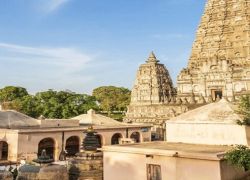
The Brahmayoni Temple is a sacred place of worship located in Bodhgaya, Bihar, India. It is a significant religious site for Hindus and Buddhists, as it is believed to be the spot where Lord Brahma, the creator of the universe, performed a yajna (sacrificial ritual) to seek blessings from Lord Vishnu. The temple attracts devotees and tourists from all over the world who come to seek blessings and experience the spiritual energy of this holy place. Architecture of Brahmayoni Temple The Brahmayoni Temple is an architectural marvel, with intricate carvings and sculptures that showcase the rich heritage and cultural significance of the region. The temple is built in the traditional Indian architectural style, with a central shrine dedicated to Lord Brahma. The main entrance of the temple is adorned with beautiful sculptures depicting scenes from Hindu mythology, while the interior is decorated with colorful frescoes and paintings that narrate the stories of the gods and goddesses. History The history of the Brahmayoni Temple dates back to ancient times, with references to the temple found in various religious texts and scriptures. It is believed that the temple was built by King Ashoka, the great Mauryan emperor, who was a devout follower of Buddhism. Over the centuries, the temple has undergone several renovations and additions, but its spiritual significance and sanctity have remained intact. Best Time To Visit The best time to visit the Brahmayoni Temple is during the winter months, from November to February, when the weather is pleasant and conducive for exploring the temple complex. The temple is also thronged by devotees during major Hindu festivals such as Diwali, Navratri, and Makar Sankranti, when special prayers and rituals are performed to seek divine blessings. How To Reach The Brahmayoni Temple is easily accessible by road, rail, and air. The nearest airport is Gaya Airport, which is well-connected to major cities in India. The temple is located just a few kilometers away from Bodhgaya, which is a popular pilgrimage site for Buddhists. Visitors can hire a taxi or take a bus from Bodhgaya to reach the temple. Significance Of The Brahmayoni Temple The Brahmayoni Temple holds immense religious and spiritual significance for Hindus and Buddhists alike. It is believed that worshipping at the temple can help devotees attain peace, prosperity, and spiritual enlightenment. The temple is also considered a sacred place for performing rituals and ceremonies, such as weddings, housewarming ceremonies, and anniversary celebrations. Visiting the Brahmayoni Temple is believed to cleanse the mind, body, and soul and bring divine blessings to the devotees. Overall, the Brahmayoni Temple in Bodhgaya is a place of immense beauty, history, and spiritual significance. It stands as a testament to the rich cultural heritage of India and attracts visitors from all walks of life who come seeking solace, enlightenment, and blessings from the divine.
Explore More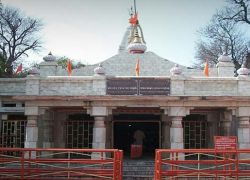
The Patan Devi Temple is a prominent Hindu temple located in Patna, Bihar. It is dedicated to the goddesses Durga and is believed to be one of the oldest temples in the city. The temple holds great religious significance among the locals and attracts a large number of devotees and tourists throughout the year. Architecture of Patan Devi Temple The architecture of the Patan Devi Temple is a blend of both modern and ancient styles. The temple is constructed in a simple yet elegant manner, with intricate carvings and designs on the walls and pillars. The main entrance of the temple is adorned with beautiful sculptures of gods and goddesses, giving it a majestic look. The sanctum sanctorum houses the idols of the goddesses Durga in their various forms, creating a serene and peaceful atmosphere for the devotees. History The history of the Patan Devi Temple dates back to ancient times. It is believed that the temple was originally built by the Mauryan emperor Ashoka in the 3rd century BC. Over the centuries, the temple has undergone several renovations and expansions, making it the magnificent structure that it is today. The temple holds a significant place in the religious and cultural heritage of Bihar and is considered a sacred site by the devotees. Best Time To Visit The best time to visit the Patan Devi Temple is during the festival of Navratri, which is dedicated to the worship of the goddess Durga. This is when the temple is beautifully decorated with flowers and lights, and the atmosphere is filled with devotional songs and chants. The festival attracts a large number of devotees from far and wide, making it a vibrant and lively celebration. How To Reach The Patan Devi Temple is located in the heart of Patna city, making it easily accessible by road, rail, and air. The nearest railway station is Patna Junction, which is well-connected to major cities across India. The temple is also easily accessible by road, with regular bus and taxi services available from the city center. For those traveling by air, the nearest airport is Jay Prakash Narayan International Airport, which is approximately 7 km away from the temple. Significance Of The Patan Devi Temple The Patan Devi Temple holds immense significance among the devotees, who believe that worshipping the goddess Durga here can bring blessings and prosperity. The temple is also associated with several myths and legends, making it a sacred site for religious rituals and ceremonies. It is believed that visiting the temple and offering prayers to the goddess can fulfill one's wishes and bring peace and happiness in life. The Patan Devi Temple is not just a place of worship but also a symbol of faith and devotion for the devotees. In conclusion, the Patan Devi Temple in Patna is a symbol of rich cultural heritage and religious significance in Bihar. The temple's majestic architecture, historical importance, and spiritual atmosphere make it a must-visit destination for those seeking blessings and peace. Whether you are a devotee or a tourist, a visit to the Patan Devi Temple is sure to leave you mesmerized by its beauty and tranquility.
Explore More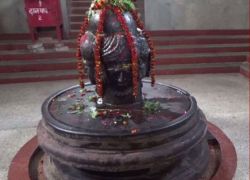
The Chaumukhi Mahadeva Temple is located in Vaishali, Bihar, and is dedicated to Lord Shiva. This ancient temple is known for its unique architecture and historical significance. The temple gets its name from the four-faced (Chaumukhi) statue of Lord Shiva that is enshrined inside. Architecture of Chaumukhi Mahadeva Temple The Chaumukhi Mahadeva Temple is a fine example of early medieval Indian architecture. The temple is built in the Nagara style, with a square-shaped sanctum sanctorum and a pyramid-shaped shikhara (tower) above it. The temple is adorned with intricate carvings that depict scenes from Hindu mythology and legends. The four-faced statue of Lord Shiva is placed in the center of the sanctum, facing each of the four cardinal directions. History The Chaumukhi Mahadeva Temple is believed to have been built in the 9th century during the reign of the Licchavi dynasty. The temple stands as a testament to the rich cultural and religious heritage of Vaishali. It is said that the temple was constructed by a wealthy merchant in honor of Lord Shiva, who is worshipped as the destroyer of evil and the harbinger of prosperity. Best Time To Visit The best time to visit the Chaumukhi Mahadeva Temple is during the winter months from October to March when the weather is pleasant and ideal for exploring the historical sites in Vaishali. The temple also attracts a large number of devotees during the festival of Maha Shivaratri, which is celebrated with great fervor and devotion. How To Reach The Chaumukhi Mahadeva Temple is easily accessible by road, rail, and air. The nearest airport is in Patna, which is around 60 kilometers away from Vaishali. The nearest railway station is in Hajipur, which is well-connected to major cities in India. Visitors can also hire taxis or take buses from nearby cities like Patna or Muzaffarpur to reach the temple. Significance Of The Chaumukhi Mahadeva Temple The Chaumukhi Mahadeva Temple holds great religious significance for devotees of Lord Shiva. The four-faced statue of Lord Shiva is believed to symbolize his omnipresence and omnipotence. It is said that worshipping at this temple can bring peace, prosperity, and spiritual enlightenment to devotees. The temple also serves as a cultural heritage site, attracting historians, archaeologists, and art enthusiasts from around the world.
Explore More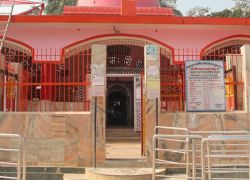
Areraj Someshwar Nath Temple is one of the most sacred and ancient Hindu temples located in Areraj town of East Champaran district, Bihar, India. The temple is dedicated to Lord Shiva and is popularly known as Baba Someshwar Nath Dham. This holy shrine is a major pilgrimage center in the Champaran region and attracts thousands of devotees throughout the year, especially during the holy month of Shravan and on the occasion of Maha Shivratri. Surrounded by simple town life and religious atmosphere, the temple is believed to be a powerful spiritual center where devotees come to seek blessings for health, prosperity, and peace of mind. The temple complex includes prayer halls, resting areas for pilgrims, and nearby small shops selling flowers, milk, bel leaves, and other offerings used in Shiva worship. History of Areraj Someshwar Nath Temple The Someshwar Nath Temple at Areraj is believed to be very ancient, with its roots connected to mythological times. According to local legends and religious beliefs, the temple has existed since the Treta Yuga, the era of Lord Rama. It is believed that during his journey to Mithila, Lord Rama worshipped Lord Shiva at this place to seek blessings before his marriage to Goddess Sita. Over centuries, the temple has been renovated and rebuilt by local kings, devotees, and religious organizations. Even though the original structure has undergone many changes, the spiritual importance of the temple has remained unchanged. The Shivling inside the temple is considered self-manifested (Swayambhu), which increases the temple’s religious significance among devotees. Architecture of the Temple The architecture of Areraj Someshwar Nath Temple follows traditional North Indian temple style. The main sanctum houses the Shivling, where devotees offer water, milk, and sacred leaves. The temple structure includes a tall spire (shikhara), carved pillars, and a wide courtyard where pilgrims gather for prayers. The temple complex also includes small shrines dedicated to other Hindu deities such as Lord Ganesha, Goddess Parvati, and Hanuman. The surroundings are kept clean and organized, with facilities for devotees to perform rituals peacefully. The simple yet spiritual architecture reflects the deep-rooted faith of the people of Champaran. How to Reach Areraj Someshwar Nath Temple, Champaran Areraj Someshwar Nath Temple is well connected by road and can be easily reached from major towns in Bihar. By Air: The nearest airport is Jay Prakash Narayan International Airport, Patna, located about 120–130 km from Areraj. From Patna, visitors can hire a taxi or take a bus to reach Areraj. By Train: The nearest major railway stations are Motihari Junction and Muzaffarpur Junction. From these stations, buses, shared taxis, and private cabs are available to reach Areraj town. By Road: Areraj is well connected by state highways and local roads. Regular buses operate from Motihari, Muzaffarpur, Patna, and nearby towns. The road journey offers views of villages, fields, and rural Bihar life. Weather and Best Time to Visit Champaran experiences a typical North Indian climate with hot summers, monsoon rains, and cool winters. Summers (April to June) can be very hot, with temperatures rising above 35°C. Monsoon season (July to September) brings heavy rainfall, which makes the surroundings green but sometimes causes travel difficulties. The best time to visit Areraj Someshwar Nath Temple is from October to March when the weather is pleasant and suitable for temple visits and sightseeing. The temple is especially crowded during the month of Shravan (July–August) and Maha Shivratri, when devotees come in large numbers to offer prayers to Lord Shiva. Temple Timings and Entry Details Areraj Someshwar Nath Temple is open to devotees every day. The usual opening time is early morning around 5:00 AM, and the temple remains open till 9:00 PM in the evening. Aarti and special puja rituals are performed in the morning and evening. Entry to the temple is free for all visitors. There is no entry fee to visit the temple or to offer prayers. During special festivals, local administration manages crowd control and security to ensure smooth darshan for devotees. Why Areraj Someshwar Nath Temple Is Famous The temple is famous for its strong connection to Lord Shiva and its association with the Ramayana period. Many devotees believe that prayers offered here are fulfilled, especially for health problems, family peace, and success in life. The belief that the Shivling is self-manifested (Swayambhu) adds to its spiritual importance. Another reason for the temple’s fame is the grand celebration of Shravan month and Maha Shivratri. During these occasions, thousands of devotees carry holy water and perform Abhishek of the Shivling. The temple becomes a center of devotion, chanting, and religious energy. Things to Do at Areraj Someshwar Nath Temple Visitors can take part in daily prayers and rituals, offer milk and water to Lord Shiva, and spend time in quiet meditation inside the temple premises. Pilgrims can explore nearby small temples and religious spots around Areraj town. Local markets near the temple sell religious items, sweets, and souvenirs. Devotees can also interact with local priests to learn about the temple’s history and traditional rituals associated with Shiva worship. Interesting Facts About Areraj Someshwar Nath Temple It is believed that Lord Rama worshipped Lord Shiva at this place before going to Mithila. The Shivling is considered self-manifested, making it highly sacred. The temple is one of the most important Shiva temples in the Champaran region. Large religious fairs are organized during Shravan month and Maha Shivratri. Visitor Tips Wear simple and comfortable clothes suitable for temple visits. Carry water bottles, especially during summer. Visit early in the morning to avoid heavy crowds. Maintain silence and respect inside the temple premises. Avoid visiting during peak hours if you prefer a peaceful darshan. Note on “Church of Our Lady, Bruges, Champaran” The Church of Our Lady is a famous historic church located in Bruges, Belgium, Europe. It is well known for its tall Gothic tower and houses famous artworks. This church has no historical or geographical connection with Champaran in Bihar, India. If you are looking for information about any local church near Champaran with a similar name, please provide the correct details, and I will be happy to include accurate travel content for you.
Explore More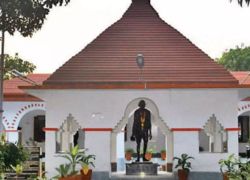
Bhitiharwa Ashram is a peaceful and historically important place located in West Champaran district of Bihar, India, close to the India–Nepal border. This ashram is closely connected with Mahatma Gandhi and the Champaran Satyagraha movement of 1917, which marked the beginning of organized non-violent resistance in India’s freedom struggle. The ashram today stands as a symbol of truth, simplicity, education, and self-reliance. Surrounded by green fields, village life, and open spaces, Bhitiharwa Ashram attracts visitors who are interested in India’s freedom movement, Gandhian philosophy, and rural development. The calm atmosphere makes it an ideal place for reflection and learning about the early days of India’s struggle for independence. History of Bhitiharwa Ashram Bhitiharwa Ashram was established by Mahatma Gandhi in 1917 during the Champaran movement. At that time, farmers in Champaran were being forced by British indigo planters to grow indigo under the Tinkathia system, which caused severe hardship and poverty. Mahatma Gandhi came to Champaran to understand their problems and lead a peaceful movement against this unjust practice. Gandhi chose Bhitiharwa village as one of the centers for his social and educational work. The ashram was set up to spread education among villagers, promote cleanliness, encourage self-reliance through spinning and village industries, and raise awareness about basic rights. Leaders such as Rajendra Prasad and other freedom fighters also worked from this ashram. Over time, Bhitiharwa Ashram became an important base for social reform activities in rural Bihar. Architecture and Layout of the Ashram The architecture of Bhitiharwa Ashram is simple and reflects Gandhian values of minimalism and functionality. The buildings are modest in size, constructed using basic materials and traditional styles common to rural Bihar. The ashram includes a small prayer hall, rooms where Mahatma Gandhi and his associates stayed, and open courtyards where meetings and discussions were held. The ashram complex also has a small museum-like section displaying photographs, writings, and information boards related to the Champaran movement and Gandhiji’s activities in the region. The open surroundings and greenery add to the peaceful environment, allowing visitors to experience the simplicity and discipline that defined Gandhian living. How to Reach Bhitiharwa Ashram, Champaran Bhitiharwa Ashram is located in West Champaran district and can be reached by road from major towns in Bihar and nearby regions. By Air: The nearest major airport is Jay Prakash Narayan International Airport in Patna, around 230–250 km away. From Patna, visitors can hire taxis or take buses towards Bettiah and then continue to Bhitiharwa by local transport. By Train: The nearest major railway station is Bettiah Junction, which is well connected to Patna, Muzaffarpur, Gorakhpur, and other cities. From Bettiah, Bhitiharwa Ashram is about 50–60 km away and can be reached by taxi or local bus. By Road: Bhitiharwa is connected by state highways and rural roads. Regular buses and private vehicles operate from Bettiah, Motihari, and nearby towns. The road journey offers a close look at rural Champaran life and countryside landscapes. Weather and Best Time to Visit Bhitiharwa experiences a typical North Indian climate. Summers (April to June) are hot and dry, with temperatures often crossing 35°C. Monsoon season (July to September) brings heavy rainfall, which makes the area lush and green but can make rural roads muddy and difficult to travel. The best time to visit Bhitiharwa Ashram is from October to March when the weather is pleasant and suitable for walking around the ashram and nearby villages. Winter months offer comfortable temperatures for sightseeing and learning tours. Visitors also prefer coming during Gandhi Jayanti (2nd October) when special programs and remembrance events are organized at the ashram. Timings and Entry Details Bhitiharwa Ashram is generally open to visitors during daylight hours, usually from around 9:00 AM to 5:00 PM. The timings may vary slightly depending on local administration and special events. It is advisable to visit during daytime as the area becomes quiet in the evening. Entry to the ashram is usually free of cost. There is no official ticket counter. Visitors are expected to maintain silence and discipline, as the place is considered a site of national importance and reflection. Guided tours may be available on request through local caretakers. Why Bhitiharwa Ashram Is Famous Bhitiharwa Ashram is famous because it is directly connected to Mahatma Gandhi and the Champaran Satyagraha, which was the first major movement led by Gandhiji in India. The ashram served as a center for organizing farmers, educating villagers, and promoting social reforms such as cleanliness, basic education, and self-reliance. The ashram represents the beginning of non-violent resistance that later shaped India’s freedom struggle. Many visitors come here to understand how Gandhi worked at the grassroots level and how simple living and moral strength helped change society. Things to Do at Bhitiharwa Ashram Visitors can walk around the ashram complex and read information boards that explain the history of Champaran Satyagraha. You can spend time in quiet reflection or meditation in the peaceful surroundings. Visitors interested in history can interact with local caretakers to learn more about Gandhiji’s work in the region. Nearby villages can be explored to observe rural life and understand the conditions that existed during the freedom movement period. Interesting Facts About Bhitiharwa Ashram Bhitiharwa Ashram was one of the first centers set up by Mahatma Gandhi in India. The ashram focused not only on political protest but also on education, cleanliness, and rural development. Many freedom fighters used this place as a base for social work during the Champaran movement. The ashram still hosts events on Gandhi Jayanti and other national occasions. Visitor Tips Wear simple and comfortable clothes suitable for walking. Carry drinking water, especially during summer. Respect the silence and cleanliness of the ashram. Avoid littering and follow the instructions given by caretakers. Visit during daylight hours for safety and better experience. Note on “Church of Our Lady, Bruges, Champaran” The Church of Our Lady is a famous historical church located in Bruges, Belgium, known for its tall Gothic tower and European heritage value. This church has no connection with Champaran district in Bihar, India. If you were referring to any local church near Bhitiharwa or Champaran with a similar name, please share the correct name and location, and I can provide accurate details for your travel content.
Explore More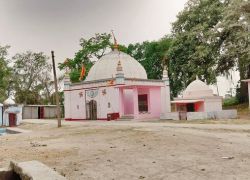
Sitakund is a sacred and historically important religious site located in the Champaran region of Bihar, India. The place is deeply connected with Hindu mythology and is believed to be associated with Goddess Sita from the epic Ramayana. Sitakund is known for its natural hot water spring and small temple dedicated to Goddess Sita, making it an important pilgrimage spot for devotees and a peaceful place for travelers interested in spiritual and cultural heritage. The surroundings of Sitakund are calm and rural, with greenery, small ponds, and village life adding to the spiritual atmosphere of the place. Devotees visit Sitakund throughout the year, especially during religious festivals, to take holy baths in the warm water spring and offer prayers. The place is also popular among history lovers who wish to explore ancient religious traditions of Champaran. History of Sitakund, Champaran The history of Sitakund is connected to the Ramayana period. According to local beliefs and legends, Goddess Sita is said to have stayed here during her exile in the forest with Lord Rama and Lakshmana. It is believed that Sita used to bathe at this natural spring, and because of her divine presence, the water of the kund (pond) is considered sacred. Over time, a small temple was built near the hot spring to honor Goddess Sita. The site became a place of worship and pilgrimage for local people. Though there is no exact historical record to confirm the events of the Ramayana, Sitakund continues to be respected as a holy site where people come to pray for peace, health, and family happiness. Architecture and Layout The architecture of Sitakund is simple and traditional. The main attraction is the natural hot water spring surrounded by stone steps and a small temple structure. The temple is modest in design, with a small sanctum where idols and images of Goddess Sita are placed for worship. The walls of the temple are decorated with basic religious paintings and symbols related to Hindu mythology. The kund itself is constructed with stone boundaries to allow devotees to bathe safely. Nearby, there are small resting areas and shaded spaces where visitors can sit and relax after their bath. The overall layout reflects a traditional rural pilgrimage site rather than a modern tourist complex, adding to its authentic charm. How to Reach Sitakund, Champaran Sitakund is located in the Champaran region of Bihar and can be reached by road from nearby towns. By Air: The nearest major airport is Jay Prakash Narayan International Airport in Patna, around 150–170 km away. From Patna, visitors can hire taxis or take buses to reach Motihari or Bettiah and then travel to Sitakund by local transport. By Train: The nearest railway stations are Motihari Junction (East Champaran) and Bettiah Junction (West Champaran). Both stations are connected with Patna, Muzaffarpur, and Gorakhpur. From these stations, Sitakund can be reached by local taxis or buses. By Road: State highways and village roads connect Sitakund with nearby towns. Buses and private vehicles are available from Motihari, Bettiah, and other nearby places. Local guidance may be needed as signboards are limited in rural areas. Weather and Best Time to Visit The climate in Champaran is typical of North India. Summers (April to June) are hot and dry, with temperatures going above 35°C. Monsoon season (July to September) brings heavy rain, making the surroundings green but sometimes causing muddy roads. The best time to visit Sitakund is from October to March when the weather is pleasant and comfortable for outdoor activities and temple visits. Winter mornings and evenings can be cool, making the experience peaceful. Many devotees prefer visiting during religious festivals when special prayers are organized. Timings and Entry Details Sitakund is generally open to visitors throughout the day, from early morning to evening. Most devotees visit between 6:00 AM and 7:00 PM. The exact timings may vary depending on local temple management and festival days. Entry to Sitakund is free of cost. There is no official entry fee to visit the temple or the kund. Visitors are expected to maintain cleanliness and follow basic temple rules while bathing or offering prayers. Why Sitakund Is Famous Sitakund is famous for its association with Goddess Sita and the Ramayana tradition. The natural hot water spring is believed to have healing and spiritual benefits. Many devotees believe that bathing in the kund can cure skin problems and bring mental peace. The place is also known for its peaceful rural atmosphere and simple religious environment. It is a popular local pilgrimage site in Champaran and is visited by families, elderly devotees, and spiritual travelers who seek a calm and meaningful experience. Things to Do at Sitakund Visitors can take a holy bath in the warm water kund as part of religious tradition. You can offer prayers at the Sita temple and spend time in meditation. Photography lovers can capture rural scenery and the temple surroundings. Visitors can interact with local priests and villagers to learn about local beliefs and traditions connected to Sitakund. Interesting Facts About Sitakund Sitakund has a natural hot water spring, which is rare in the plains of Bihar. The place is named after Goddess Sita, a central figure in the Ramayana. Local people believe the water has healing properties. The site remains an important local pilgrimage center rather than a large tourist attraction. Visitor Tips Wear comfortable and modest clothes suitable for a religious place. Carry extra clothes if you plan to bathe in the kund. Visit during daylight hours for safety and better experience. Carry drinking water and basic snacks, as shops nearby may be limited. Respect local traditions and avoid littering. Note on “Church of Our Lady, Bruges, Champaran” The Church of Our Lady is a famous historical church located in Bruges, Belgium, Europe. It is known for its tall Gothic tower and famous artworks. This church has no geographical or historical connection with Champaran district in Bihar, India. If you were referring to any local church near Champaran with a similar name, please share the correct name and location. I can then provide accurate travel content for your website.
Explore More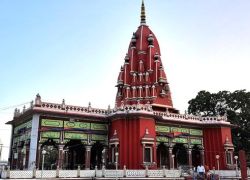
Also called Shyama Mandir, Kali Temple is a famous Hindu temple in the Indian state of Bihar. Located in Darbhanga town, it never fails to catch the attention of visitors. It enshrines Goddess Kali. Her life-size idol stands in the sanctum is very grand and lively. Lord Shiva is depicted as Sadashiva and lay beneath the feet of the Goddess. It Is Known For:- 1) Kali Temple is a famous travel attraction and people visit this shrine on a huge scale. 2) This temple stands on the cremation ground of the former King of Darbhanga, Raja Rameshwar. 3) The son of Raja Rameshwar built this temple as a tribute to his father. Being the devotee of Goddess Kali, her idol was installed in the sanctum. 4) The idol of the Goddess is depicted in a ferocious form and is worshiped thrice a day. 5) Devotees celebrate the festival of Navaratri on a huge scale in Kali Temple of Darbhanga. Best Time To Visit:- Kali Temple is a holy shrine and welcomes the devotees on a huge scale. Every day, many devotees visit the temple and offer the respect to the Goddess. This temple witnesses a huge footfall on the occasion of Navaratri. Watch Out! There are certain rules that one should follow while visiting Kali Temple. Carrying any item made up of leather is strictly prohibited inside the temple. The other items like alcohol, ammo, and non-vegetarian food items aren’t permitted. Reaching There:- To reach Darbhanga, the best options are state-run roadways bus, broad gauge trains, and domestic flights. These modes are affordable and comfortable for a middle-class person. Nearest Railway Station:- Darbhanga Junction Nearest Airport:- Patna Airport
Explore More
Ahilya Asthan is a famous religious and cultural site located in Darbhanga district of Bihar. It is closely associated with ancient Hindu mythology and the Ramayana tradition. The place is believed to be the spot where Sage Gautama’s wife Ahilya was freed from a curse by Lord Rama. Because of this story, Ahilya Asthan is considered a sacred pilgrimage destination, especially for devotees of Lord Rama. Pilgrims from different parts of Bihar and nearby states visit this holy place to offer prayers and seek blessings. History of Ahilya Asthan, Darbhanga The history of Ahilya Asthan is rooted in Hindu mythology and ancient traditions. According to the Ramayana, Ahilya, the wife of Sage Gautama, was turned into stone due to a curse and later restored to her human form by Lord Rama’s touch. The site where this event is believed to have happened came to be known as Ahilya Asthan. Over centuries, the place developed as a sacred pilgrimage center where devotees come to remember this story of redemption and divine grace. Historically, local rulers and devotees supported the development of the temple and facilities around Ahilya Asthan. The Darbhanga royal family and local communities contributed to maintaining the religious importance of the site. Festivals related to Lord Rama and other Hindu traditions are celebrated here with devotion. The site continues to attract pilgrims, especially during religious occasions and fairs. Architecture of Ahilya Asthan, Darbhanga The architecture of Ahilya Asthan is simple yet spiritually appealing. The temple complex includes a main shrine dedicated to Ahilya and Lord Rama, along with smaller shrines for other deities. The temple structure reflects traditional Hindu temple design, with a central sanctum, prayer hall, and open courtyard. The surroundings of the temple are calm and peaceful, creating a suitable environment for prayer and meditation. The temple is built using simple materials and traditional styles, focusing more on spiritual significance than architectural grandeur. Over time, renovations and maintenance work have been carried out to keep the temple complex clean and accessible for pilgrims. Why Ahilya Asthan, Darbhanga is Famous Ahilya Asthan is famous for its strong connection with the Ramayana and the story of Ahilya’s redemption by Lord Rama. This mythological association makes the site spiritually important for Hindu devotees. People believe that visiting Ahilya Asthan brings peace, blessings, and spiritual merit. The site is also famous for religious gatherings and festivals, especially those related to Lord Rama. During special occasions, large numbers of pilgrims visit the temple to offer prayers. The calm rural setting of Ahilya Asthan adds to its charm, making it a peaceful place for spiritual seekers and devotees. How to Reach Ahilya Asthan, Darbhanga Ahilya Asthan is located around 25 km from Darbhanga city and can be reached by road. By Air: The nearest airport is Darbhanga Airport. From the airport, you can hire a taxi or use local transport to reach Ahilya Asthan. By Train: Darbhanga Junction is the nearest major railway station. From there, buses and taxis are available to reach Ahilya Asthan village. By Road: Regular buses and shared jeeps run from Darbhanga to nearby villages. Private taxis can also be hired for a comfortable journey to Ahilya Asthan. Weather in Darbhanga (Best Time to Visit) Darbhanga has a hot and humid climate in summer, with temperatures often above 35°C. The monsoon season brings rainfall, making the countryside green but sometimes difficult to travel due to muddy roads. Winters are pleasant and comfortable, with temperatures ranging from 10°C to 25°C. The best time to visit Ahilya Asthan is from October to March when the weather is suitable for travel and outdoor activities. Timings of Ahilya Asthan, Darbhanga The temple at Ahilya Asthan is generally open to devotees throughout the day. The usual visiting hours are from early morning around 6:00 AM to evening around 7:00 PM. Morning and evening are considered the best times for prayer and a peaceful visit. During festivals and special occasions, the temple may remain open for longer hours. Entry and Visit Details about Ahilya Asthan, Darbhanga There is no entry fee to visit Ahilya Asthan. Devotees can enter the temple complex freely to offer prayers. Donations are accepted for temple maintenance and community services, but they are voluntary. Visitors are expected to follow temple rules, maintain cleanliness, and respect religious customs. Photography inside the main shrine may be restricted, so it is better to ask before taking pictures. Things to Do at Ahilya Asthan, Darbhanga The main activity at Ahilya Asthan is offering prayers and participating in religious rituals. Devotees can spend time meditating in the peaceful surroundings of the temple. Listening to religious stories and local traditions related to Ahilya and Lord Rama can be a meaningful experience. Visitors can also explore the rural surroundings and enjoy the calm village atmosphere. During festivals, you can witness traditional rituals, devotional songs, and community gatherings. The visit can be combined with nearby religious sites in Darbhanga district for a spiritual tour of the region. Interesting Facts about Ahilya Asthan, Darbhanga The site is associated with the Ramayana story of Ahilya’s redemption. It is considered one of the key pilgrimage places in the Mithila region related to Lord Rama. The temple attracts thousands of devotees during major Hindu festivals. Local traditions and folklore keep the legend of Ahilya alive among villagers. The place is known for its calm and spiritually uplifting environment. Tips for Visiting Ahilya Asthan, Darbhanga Dress modestly as it is a religious place. Visit during early morning or evening for a peaceful experience. Carry drinking water and basic essentials, as shops nearby may be limited. Follow temple rules and maintain silence inside the prayer areas. Avoid littering and help keep the surroundings clean. If visiting during festivals, be prepared for crowds and plan your travel in advance.
Explore More
Maharishi Valmiki Temple in Kesariya is an important religious and cultural site in East Champaran district of Bihar. The temple is dedicated to Maharishi Valmiki, the great sage who is traditionally known as the author of the Ramayana. This sacred place is closely linked with the Ramayana tradition and local beliefs. Devotees, pilgrims, and tourists visit the temple to seek blessings, to learn about the life of Maharishi Valmiki, and to experience the peaceful spiritual atmosphere of the area. The temple is located in a calm rural setting, making it a good place for prayer and quiet reflection. History of Maharishi Valmiki Temple, Kesariya The history of Maharishi Valmiki Temple is connected with the ancient Ramayana tradition. According to local belief, this region of North Bihar is associated with the hermitage (ashram) of Maharishi Valmiki, where Goddess Sita stayed after leaving Ayodhya. It is believed that Sita gave birth to her twin sons, Lava and Kusha, in the ashram of Valmiki in this region. Because of this strong connection with the Ramayana, the place is considered sacred by devotees of Lord Rama. The temple was built to honor Maharishi Valmiki and to preserve the memory of his ashram. Over time, the temple has been renovated and maintained by local communities and devotees. Though the present structure is not very ancient, the spiritual importance of the site is rooted in age-old traditions and stories passed down through generations. The temple has become an important stop for pilgrims who visit religious places connected with the Ramayana in Bihar. Architecture of Maharishi Valmiki Temple, Kesariya The architecture of Maharishi Valmiki Temple is simple yet graceful. The temple follows traditional North Indian Hindu temple design, with a central shrine and a small dome or spire on top. The main sanctum houses an idol or image of Maharishi Valmiki, often shown in a seated position with a scripture, symbolizing wisdom and knowledge. The temple complex usually includes a small courtyard where devotees can sit, pray, and meditate. The walls are decorated with simple paintings or images related to the Ramayana story, showing scenes from the life of Sita, Rama, and the sage Valmiki. The peaceful surroundings and clean layout of the temple make it suitable for quiet worship and spiritual reflection. Even though the temple is not very large, its spiritual value is high for devotees who believe in the Ramayana tradition. Why Maharishi Valmiki Temple, Kesariya is Famous Maharishi Valmiki Temple is famous because of its strong connection with the Ramayana and the life of Maharishi Valmiki. Devotees believe that this region is linked with Valmiki’s ashram, where important events of the Ramayana took place. The temple is therefore considered a sacred spot related to Goddess Sita and her sons Lava and Kusha. The temple is also well known among pilgrims visiting East Champaran and nearby areas. Many people visit the temple to pray for peace, knowledge, and guidance, as Maharishi Valmiki is respected as a great sage and poet. During religious festivals and special occasions related to Lord Rama, Sita, and Valmiki, the temple attracts more visitors. The calm and spiritual environment makes it popular among those looking for a quiet religious experience. How to Reach Maharishi Valmiki Temple, Kesariya Maharishi Valmiki Temple is located in Kesariya town in East Champaran district of Bihar and is well connected by road to nearby cities and towns. By Air: The nearest major airport is at Patna. From Patna, visitors can hire a taxi or take a bus towards Muzaffarpur or Motihari and then continue to Kesariya by road. By Train: The nearest railway stations are Muzaffarpur Junction and Motihari Railway Station. From these stations, local buses, autos, and taxis are available to reach Kesariya town and the temple. By Road: Kesariya is connected by road to Muzaffarpur, Motihari, and other towns of North Bihar. Regular buses and private vehicles can easily reach the town. The temple can be accessed by local transport from Kesariya market area. Weather in Kesariya (Best Time to Visit) The weather in Kesariya is similar to other parts of North Bihar. Summers are hot and humid, with temperatures often crossing 35°C. Visiting the temple during peak summer can be uncomfortable, especially in the afternoon. The monsoon season brings rainfall and greenery, but the area may become muddy and travel can be slow. Winter is the best season to visit Maharishi Valmiki Temple. From October to March, the weather remains pleasant and cool, making it suitable for temple visits and sightseeing. Early mornings and evenings during winter offer a calm and comfortable environment for prayer and relaxation at the temple. Timings of Maharishi Valmiki Temple, Kesariya The temple is generally open to devotees every day. The usual visiting time is from early morning around 6:00 AM to evening around 7:00 PM. Morning and evening aarti (prayer rituals) are performed, and these times are considered especially auspicious for visiting. It is advised to visit during daytime hours for convenience and safety. Entry and Visit Details about Maharishi Valmiki Temple, Kesariya There is no entry fee to visit Maharishi Valmiki Temple. The temple is open to people of all faiths who wish to learn about the Ramayana tradition and pay respect to Maharishi Valmiki. Visitors should dress modestly and maintain silence inside the temple premises. Photography may be allowed in the outer areas, but it is better to ask the temple authorities before taking pictures inside the sanctum. Things to Do at Maharishi Valmiki Temple, Kesariya Visitors can take part in daily prayers and aarti at the temple. Many devotees like to sit quietly and meditate in the temple courtyard. Reading or listening to stories from the Ramayana can help visitors understand the importance of Maharishi Valmiki in Hindu tradition. You can also interact with local priests to learn more about the history and legends connected with the temple. Walking around the nearby area gives a glimpse of rural life in Kesariya. Combining a visit to the temple with nearby heritage sites in East Champaran can make your trip more meaningful. Interesting Facts about Maharishi Valmiki Temple, Kesariya The temple is linked with the Ramayana tradition and the legend of Maharishi Valmiki’s ashram. It is believed that Goddess Sita stayed in this region after leaving Ayodhya. Maharishi Valmiki is respected as the author of the Ramayana and as a symbol of spiritual wisdom. The temple is maintained mainly by local devotees and community support. It attracts pilgrims from nearby towns and villages during religious festivals. Tips for Visiting Maharishi Valmiki Temple, Kesariya Visit during winter months for a comfortable experience. Try to attend the morning or evening aarti for a peaceful spiritual experience. Dress modestly and respect local religious customs. Carry drinking water, especially in summer. Maintain cleanliness in and around the temple premises. If you are visiting with family, keep an eye on children as the area may get crowded during festivals.
Explore More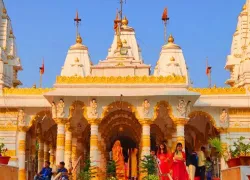
Radha-Krishna Temple in Kesariya is a peaceful Hindu temple dedicated to Lord Krishna and Goddess Radha. The temple is an important place of worship for local residents and visiting devotees. People come here to pray for happiness, harmony in family life, and spiritual peace. The calm surroundings of Kesariya town and the devotional atmosphere inside the temple make it a nice stop for travelers who are exploring religious and cultural places in East Champaran district of Bihar. History of Radha-Krishna Temple, Kesariya The history of Radha-Krishna Temple in Kesariya is connected with local devotional traditions. The temple was established by devotees and community leaders to promote the worship of Lord Krishna and Radha in the region. Over the years, the temple has become a center for Vaishnav devotion, where people gather for bhajans, kirtans, and religious festivals. Though the temple structure is not very ancient, the tradition of worship here is deeply rooted in local culture. Generations of families in Kesariya have been visiting this temple for daily prayers, special pujas, and important life events. The temple has been renovated and improved from time to time with the support of local donors. During festivals like Janmashtami and Holi, the temple becomes lively with decorations, music, and devotional programs. Architecture of Radha-Krishna Temple, Kesariya The architecture of Radha-Krishna Temple is simple yet pleasing. The temple follows traditional Hindu temple design, with a central sanctum where idols of Radha and Krishna are placed. The idols are beautifully decorated with colorful clothes, flowers, and ornaments, especially during festivals and special prayer days. The temple has a small prayer hall where devotees can sit and chant prayers or sing bhajans. The outer structure is built using brick and cement, with a modest spire on top. The walls are often decorated with paintings or posters showing scenes from the life of Lord Krishna, such as his childhood in Vrindavan and his divine play with Radha. The temple premises are kept clean and simple, offering a calm and spiritual environment. Why Radha-Krishna Temple, Kesariya is Famous Radha-Krishna Temple is famous in Kesariya mainly for its strong devotional environment and community activities. Local people consider it an important spiritual center where they can come together to celebrate festivals, perform daily worship, and take part in religious programs. The temple is especially popular during Janmashtami, the birthday of Lord Krishna, when special prayers and cultural programs are organized. The temple is also known for promoting peace, love, and devotion, which are central teachings of Lord Krishna’s life and message. Visitors who are interested in Hindu culture and local religious traditions find this temple a meaningful place to visit. Though it is not a large tourist attraction, it offers an authentic experience of village and town temple life in Bihar. How to Reach Radha-Krishna Temple, Kesariya Radha-Krishna Temple is located in Kesariya town in East Champaran district and can be reached easily by road. By Air: The nearest major airport is Patna. From Patna, you can hire a taxi or take a bus to Muzaffarpur or Motihari and then continue your journey to Kesariya by road. By Train: The nearest railway stations are Muzaffarpur Junction and Motihari Railway Station. From these stations, buses, shared autos, and taxis are available to reach Kesariya town and the temple. By Road: Kesariya is well connected by road with Muzaffarpur, Motihari, and nearby towns. Regular buses and private vehicles run on these routes. From Kesariya market area, the temple can be reached by local transport or on foot, depending on its exact location. Weather in Kesariya (Best Time to Visit) Kesariya experiences hot summers, humid monsoons, and mild winters. Summer temperatures can be high, which may make temple visits uncomfortable during the day. The monsoon season brings rainfall, which adds greenery to the surroundings but can cause muddy roads in some areas. The best time to visit Radha-Krishna Temple is during winter, from October to March. The weather is pleasant and suitable for sightseeing and temple visits. Visiting during festival times in winter also allows travelers to enjoy local celebrations and cultural programs. Timings of Radha-Krishna Temple, Kesariya The temple is usually open from early morning around 6:00 AM to evening around 8:00 PM. Morning and evening aarti are performed daily, and these times are considered best for visiting. On festival days, the temple may remain open for longer hours to allow more devotees to offer prayers. Entry and Visit Details about Radha-Krishna Temple, Kesariya There is no entry fee to visit Radha-Krishna Temple. The temple is open to all devotees and visitors. Footwear should be removed before entering the prayer hall. Visitors are expected to maintain silence and cleanliness inside the temple. Photography may be restricted inside the sanctum, so it is better to ask the temple staff before taking pictures. Things to Do at Radha-Krishna Temple, Kesariya Visitors can attend daily aarti and take part in bhajan and kirtan sessions, especially during festivals. Sitting quietly in the prayer hall and observing rituals can be a peaceful experience. Devotees can offer flowers, sweets, and fruits to the deities as part of worship. Visitors can also interact with local devotees to learn about Krishna devotion and local temple traditions. Exploring nearby streets and markets after visiting the temple gives a glimpse of daily life in Kesariya town. Interesting Facts about Radha-Krishna Temple, Kesariya The temple plays an important role in local religious life and community gatherings. It becomes a center of celebration during Janmashtami and Holi. The idols of Radha and Krishna are decorated differently on special occasions. The temple is maintained mainly by donations from devotees. It reflects the strong tradition of Krishna devotion in the region. Tips for Visiting Radha-Krishna Temple, Kesariya Visit during morning or evening aarti for a spiritual experience. Dress modestly and respect temple customs. Try to avoid peak afternoon hours in summer. Carry water if visiting during hot weather. Be respectful while taking photos and always ask for permission. Keep the temple surroundings clean and peaceful.
Explore MoreBaidyanath Dham Yatra 3N - 4D - Bodhgaya - Tarapith
4 Days/ 3 Night
Deoghar - Bodhgaya
Tours Of Uttar Pradesh 1N Bodhgaya - 1N Varanasi - 1N Ayodhya
4 Days/ 3 Night
Prayagraj - Varanasi - Bodhgaya - Ayodhya
6 Days Varanasi - Bodhgaya - Prayagraj Tour
6 Days/ 5 Night
Prayagraj - Varanasi - Bodhgaya - Sarnath
Varanasi - Bodhgaya - Ayodhya - Prayagraj 7 Nights - 8 Days Tour
8 Days/ 7 Night
Prayagraj - Varanasi - Khajuraho - Bodhgaya - Ayodhya
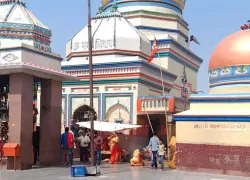
Mahendra Nath Temple in Siwan is a well-known Hindu temple dedicated to Lord Shiva. It is one of the most respected religious places in the Siwan district of Bihar and attracts a large number of devotees throughout the year. People visit this temple to offer prayers, perform rituals, and seek blessings for health, peace, and prosperity. The temple is especially crowded during important Hindu festivals related to Lord Shiva, making it a lively spiritual center in the region. History of Mahendra Nath Temple, Siwan The history of Mahendra Nath Temple is closely connected with local legends and ancient traditions of Shiva worship in the region. According to popular belief, the Shiva lingam worshipped here is very old and was discovered by local devotees many years ago. Over time, the place became a regular center of worship, and a temple structure was built around the sacred lingam. Local stories suggest that saints and wandering monks used to meditate in this area in ancient times. The temple gradually gained importance as more devotees started visiting and offering prayers. Though there are no exact historical records about the original construction date, the temple has been renovated several times by local authorities and devotees to accommodate the growing number of visitors. Today, Mahendra Nath Temple is considered one of the main religious landmarks of Siwan. Architecture of Mahendra Nath Temple, Siwan The architecture of Mahendra Nath Temple follows the traditional North Indian Hindu temple style. The main sanctum houses the Shiva lingam, which is the center of worship. Above the sanctum, there is a tall spire (shikhara) that represents the sacred mountain associated with Lord Shiva. The entrance of the temple opens into a small courtyard where devotees gather to pray and wait for their turn to offer rituals. The temple complex also includes smaller shrines dedicated to other deities such as Goddess Parvati, Lord Ganesha, and Lord Hanuman. The walls are simple, with religious symbols and occasional paintings. The overall design is not very grand, but the temple’s spiritual importance makes it special. The clean surroundings and organized prayer areas make it comfortable for devotees to visit. Why Mahendra Nath Temple, Siwan is Famous Mahendra Nath Temple is famous for being one of the most important Shiva temples in the Siwan district. Devotees believe that prayers offered here are answered and that Lord Shiva blesses visitors with peace and success. The temple becomes very crowded during Maha Shivaratri and in the holy month of Shravan, when devotees perform special rituals and offer water and milk to the Shiva lingam. The temple is also popular among people from nearby villages and towns who visit regularly for daily prayers and special family rituals. Many people consider it an auspicious place for starting new ventures or praying for good health. Because of its long-standing spiritual importance, the temple has become a central part of religious life in Siwan. How to Reach Mahendra Nath Temple, Siwan Mahendra Nath Temple is located in Siwan town and is well connected by road and rail to major cities in Bihar and nearby states. By Air: The nearest major airport is in Patna. From Patna, visitors can hire a taxi or take a train to Siwan. The temple can be reached from Siwan town by local transport. By Train: Siwan Junction is a major railway station with good connectivity to Patna, Varanasi, and other cities. From the railway station, autos, rickshaws, and taxis are available to reach Mahendra Nath Temple. By Road: Siwan is connected by road to Patna, Chhapra, and other nearby towns. Regular buses and private vehicles operate on these routes. The temple is located within the town and can be easily reached by local transport. Weather in Siwan (Best Time to Visit) Siwan experiences hot summers, humid monsoons, and cool winters. Summers can be very hot, making daytime visits uncomfortable. The monsoon season brings rainfall and greenery, but travel may be slower due to wet roads. The best time to visit Mahendra Nath Temple is during winter, from October to March, when the weather is pleasant and suitable for sightseeing and temple visits. Visiting during festivals in winter allows travelers to experience the local religious culture and celebrations. Timings of Mahendra Nath Temple, Siwan The temple is usually open from early morning around 5:00 AM to evening around 9:00 PM. Morning and evening aarti are the most popular times to visit. During major festivals like Maha Shivaratri, the temple may remain open for longer hours to manage the large number of devotees. Entry and Visit Details about Mahendra Nath Temple, Siwan There is no entry fee to visit Mahendra Nath Temple. The temple is open to all devotees and visitors. Footwear should be removed before entering the main prayer area. Visitors are expected to maintain silence and follow temple rules. Photography may be restricted inside the sanctum, so it is better to ask permission before taking pictures. Things to Do at Mahendra Nath Temple, Siwan Visitors can take part in daily puja and aarti at the temple. Offering water, milk, flowers, and bilva leaves to Lord Shiva is a common ritual. Many devotees spend time meditating or chanting prayers in the temple courtyard. During festivals, visitors can observe special rituals and community prayers. You can also explore the nearby local markets around the temple, where shops sell flowers, incense sticks, and religious items. Interacting with local devotees helps visitors understand the importance of the temple in daily life. Interesting Facts about Mahendra Nath Temple, Siwan The temple is one of the oldest Shiva worship centers in the region. It attracts thousands of devotees during Maha Shivaratri every year. The temple is maintained by local authorities and donations from devotees. It plays an important role in the religious and cultural life of Siwan district. Tips for Visiting Mahendra Nath Temple, Siwan Visit early in the morning to avoid crowds, especially during festivals. Dress modestly and respect religious customs. Carry drinking water in summer. Keep your belongings safe in crowded areas. Try to plan your visit during winter for a comfortable experience. Maintain cleanliness and silence inside the temple premises.
Explore More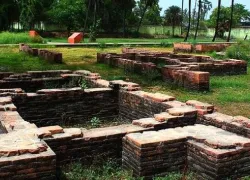
Anand Bagh Math is a spiritual and religious destination located in Bakhri village in the Siswan block of Siwan district in Bihar, India. It is one of the notable places of interest in and around Siwan, known for its serene landscape and religious significance. Along with its neighboring Sunder Bagh Math, the site serves as a memorial (“samadhi sthal”) for two revered saints — Swami Jaggannath Das Ji and his guru Bhagwan Das Ji. Thousands of devotees visit Anand Bagh Math every year to pay homage, seek blessings, and participate in religious gatherings.:contentReference[oaicite:0]{index=0} History and Significance Anand Bagh Math and Sunder Bagh Math have a long tradition rooted in faith, local folklore, and devotion. Both of these structures were built around the memorials of the saints who are believed to have spent much of their lives in meditation and spiritual teaching. The matheries (maths) have since become places where followers come not only for prayer but also to connect with the teachings and legacy of the saints who dedicated their lives to spiritual upliftment. Devotees from Bihar and neighboring states such as Uttar Pradesh, West Bengal, and even New Delhi visit the site, especially on auspicious days and festivals.:contentReference[oaicite:1]{index=1} The tradition at Anand Bagh Math involves worship of the guru first, followed by reverence to Lord Hanumanji — a ritual observed with devotion by visitors. On holy occasions such as Amavasya, Purnima, Navratri, and the month of Sawan, a large number of pilgrims arrive to take part in special gatherings and ceremonies. During the Sawan Purnima period in particular, the math hosts a two-day spiritual mela (fair) drawing upwards of two hundred thousand devotees, accompanied by arrangements for prasadam distribution and spiritual discourses.:contentReference[oaicite:2]{index=2} Location & How to Reach Anand Bagh Math is situated near the Daha River in Bakhri village, Siswan block, in the Siwan district of Bihar. Visitors typically reach here via Siwan town — the district headquarters.:contentReference[oaicite:3]{index=3} By Train: The nearest major railway station is Siwan Junction, well connected with cities such as Patna, Gorakhpur, Gopalganj, and Chhapra. From the station, visitors can hire taxis or local vehicles to reach Bakhri village.:contentReference[oaicite:4]{index=4} By Road: Siwan town lies along well-connected roads of Bihar. From Siwan, the math is about 20–25 km via rural roads, accessible by taxi or bus services that run towards the Siswan block.:contentReference[oaicite:5]{index=5} By Air: The closest airport is Jay Prakash Narayan Airport in Patna, roughly 140 km away. After arriving in Patna, one can take a train or bus to reach Siwan, followed by local transport to the math.:contentReference[oaicite:6]{index=6} Weather and Best Time to Visit Siwan and its rural surroundings experience a typical North Indian climate. Winters (October to March) bring pleasant and cool conditions, ideal for sightseeing and long stays outdoors. Summers (April to June) can be hot and humid, while monsoon (July to September) brings moderate to heavy rainfall that enhances the region’s lush greenery but may complicate travel. The best time to visit Anand Bagh Math is during the winter months when festivals and religious events are held with greater ease and comfort.:contentReference[oaicite:7]{index=7} Visiting Hours and Entry Details Anand Bagh Math is an open religious site rather than a structured museum, so it is generally accessible throughout the day. Most devotees visit during early morning and evening hours, which are considered auspicious. Since it is a place of worship rather than a ticketed tourist attraction, there are no formal entrance fees. Devotees and visitors are free to explore the area, participate in rituals, or attend gatherings at their convenience. No formal ticketing or timed admission is required, but it’s advisable to check locally for event schedules if you plan to align your visit with specific festivals.:contentReference[oaicite:8]{index=8} Things to Do Around Anand Bagh Math Seek Blessings: Participate in the traditional worship and rituals at Anand Bagh Math.:contentReference[oaicite:9]{index=9} Attend Festivals: Visit during major religious gatherings or the Sawan Purnima mela to witness local culture and community devotion.:contentReference[oaicite:10]{index=10} Explore Rural Life: Enjoy the serene rural landscape, interact with locals, and observe traditional village life.:contentReference[oaicite:11]{index=11} Connect with Nearby Faith Sites: Combine your visit with nearby temples or sacred shrines in Siwan district for a deeper cultural experience.:contentReference[oaicite:12]{index=12} Facts and Tips for Visitors Anand Bagh Math serves as a memorial temple and spiritual center devoted to saints whose teachings emphasize devotion and harmony.:contentReference[oaicite:13]{index=13} Festivals and fair days draw large crowds; plan your visit ahead during major religious occasions.:contentReference[oaicite:14]{index=14} Carry water, sunscreen, and comfortable footwear if you plan to walk or explore rural routes.:contentReference[oaicite:15]{index=15} Respect local customs and attire; modest dress is advised at religious spaces.:contentReference[oaicite:16]{index=16} Church of Our Lady – Bruges, Belgium Although far from Siwan, the :contentReference[oaicite:17]{index=17} in Bruges, Belgium, is among the most significant religious and architectural marvels in Europe and is often referenced by world travelers. This Roman Catholic church, known locally as Onze-Lieve-Vrouwekerk, dates mainly from the 13th to 15th centuries and is a stunning example of Gothic architecture. Its towering brick spire reaches over 115.6 m, making it one of the tallest brick church towers globally.:contentReference[oaicite:18]{index=18} Why It Is Famous The Church of Our Lady is world-famous for its soaring Gothic structure and its treasured artwork, most notably Michelangelo’s masterpiece Madonna and Child, one of the few sculptures by the artist to leave Italy during his lifetime. Visitors also come for the elaborate tombs of Charles the Bold and his daughter Mary of Burgundy, which sit inside the church.:contentReference[oaicite:19]{index=19} History and Architecture Construction of the church spanned several centuries, resulting in a mixture of styles but predominantly Gothic design. The exterior brickwork and flying buttresses date back to the 13th and 14th centuries, while the interior combines vaulted ceilings, stained glass, and rich ornamentation. Its architectural elegance, combined with historical artifacts and funerary monuments, makes it a key stop for history and art lovers.:contentReference[oaicite:20]{index=20} Entry and Visit Details The church is open daily, typically from around 9:30 AM to 5:00 PM, although times may vary seasonally and on Sundays. Entry to the church itself is usually free of charge, while access to the museum section or specific exhibits — including the museum housing Michelangelo’s sculpture — may require a small ticket. Guided tours, audio guides, and combo tickets with nearby attractions are also available.:contentReference[oaicite:21]{index=21} Weather and Best Time to Visit Bruges Bruges has a temperate maritime climate. Spring and summer (April–October) offer mild weather ideal for sightseeing, while winters can be cold and quieter, yet atmospheric — especially around Christmas. Early morning or late afternoon visits help avoid peak crowds and provide soft lighting for photography.:contentReference[oaicite:22]{index=22} Things to Do Around the Church View Michelangelo’s Madonna and Child, an iconic Renaissance masterpiece.:contentReference[oaicite:23]{index=23} Explore the church’s crypt and tombs of historic figures.:contentReference[oaicite:24]{index=24} Stroll nearby Bruges canals, market squares, museums, and heritage sites.:contentReference[oaicite:25]{index=25} Enjoy local Belgian chocolate, waffles, and café culture while exploring the historic quarter.:contentReference[oaicite:26]{index=26} Travel Tips for Visiting the Church Arrive early to avoid crowds and take photos without obstruction.:contentReference[oaicite:27]{index=27} Dress respectfully, as active religious services may be held inside.:contentReference[oaicite:28]{index=28} Combine your visit with other Bruges landmarks, such as the Belfry and Markt Square.:contentReference[oaicite:29]{index=29}
Explore More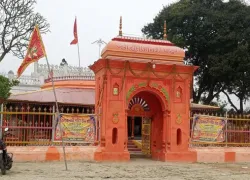
The Burhiya Mai Temple is a well-known religious site located in the heart of Siwan town, in the state of Bihar, India. Situated on the east-northern portion of Gandhi Maidan, this temple is dedicated to the revered local deity “Burhiya Mai,” whom devotees believe fulfills heartfelt wishes when worshipped with sincerity and devotion. The atmosphere around the temple is spiritual and peaceful, drawing visitors who seek blessings for prosperity, health, happiness, and fulfilment of personal desires. :contentReference[oaicite:0]{index=0} History and Religious Significance Burhiya Mai Temple holds immense importance for the people of Siwan and neighboring areas. Though its origins are rooted in local faith rather than documented historical texts, generations of devotees have upheld the belief that the goddess listens to prayers and grants boons to sincere worshippers. Over decades, the temple has become a symbolic and emotional centre for worship and communal devotion in Siwan district. :contentReference[oaicite:1]{index=1} Locals often narrate personal stories of wishes being granted after prayers here, which contributes to the temple’s reputation as a place of divine intervention. Every Saturday especially, crowds grow larger as devotees come in big numbers with offerings such as new saris, flowers, fruits, and coconuts — traditional elements symbolizing respect and devotion in Hindu worship. :contentReference[oaicite:2]{index=2} How to Reach Burhiya Mai Temple The temple’s location in Siwan town makes it accessible for most visitors: By Train: The nearest major rail link is Siwan Junction, which connects Siwan with prominent cities across India including Patna, Lucknow, and Gorakhpur. From the station, local autos and cycle rickshaws provide convenient last-mile transport to Gandhi Maidan, where the temple is located. :contentReference[oaicite:3]{index=3} By Road: Siwan lies on well-connected regional road routes of Bihar. Buses and taxis from nearby districts and cities regularly arrive here, making the temple accessible by road. :contentReference[oaicite:4]{index=4} By Air: The nearest major airport is Jay Prakash Narayan Airport (Patna), about 140 km away. From Patna, travelers can take a train or bus to reach Siwan, followed by local transport to Gandhi Maidan. :contentReference[oaicite:5]{index=5} Best Time to Visit & Weather Siwan’s climate is typical of interior North India: Winter (October–March): Cool and pleasant weather makes it the best time to visit the temple and explore Siwan’s religious sites. :contentReference[oaicite:6]{index=6} Summer (April–June): Daytime temperatures can be high, making outdoor visits less comfortable. :contentReference[oaicite:7]{index=7} Monsoon (July–September): Moderate to heavy rainfall refreshes the landscape but can affect mobility. :contentReference[oaicite:8]{index=8} Most devotees plan their visit in the cooler months and especially on Saturdays, which are considered particularly auspicious for worship at the Burhiya Mai Temple. :contentReference[oaicite:9]{index=9} Temple Timings and Entry Burhiya Mai Temple is open for devotees throughout the day. Since it is a place of worship rather than a structured tourist venue, there are no fixed “ticketed” timings or entry fees. Visitors are free to visit in the morning, midday, or evening hours. Most devotees prefer early morning or evening visits, coinciding with traditional times for prayer and aarti (holy ritual of light offering). :contentReference[oaicite:10]{index=10} Things to Do Around Burhiya Mai Temple Attend the Worship Rituals: Participate in or observe local aarti and devotional ceremonies, especially on Saturday. :contentReference[oaicite:11]{index=11} Offer Devotional Gifts: Traditional offerings such as flowers, saris, fruits, and coconuts deepen your experience of local customs. :contentReference[oaicite:12]{index=12} Explore Gandhi Maidan: The open space near the temple is ideal for leisurely walks and observing local life. :contentReference[oaicite:13]{index=13} Visit Nearby Temples: Siwan has many other religious sites like Vishnudham Mandir and Mahendra Nath Temple, which can be included in your itinerary. :contentReference[oaicite:14]{index=14} Facts and Tips for Visitors Burhiya Mai Temple thrives on local devotion rather than documented history, making it a deeply personal experience for many visitors. :contentReference[oaicite:15]{index=15} Weekly peaks in visitors on Saturday reflect its special cultural significance in local faith. :contentReference[oaicite:16]{index=16} Wear comfortable and modest clothing, especially if you plan to take part in local worship ceremonies. :contentReference[oaicite:17]{index=17} Plan your visit in the morning or during winter months to avoid hot or rainy conditions. :contentReference[oaicite:18]{index=18} If you're visiting during festival times or special events, expect larger crowds and lively processions. :contentReference[oaicite:19]{index=19} Church of Our Lady – Bruges, Belgium Though far from Siwan, the Church of Our Lady in Bruges, Belgium, is one of Europe’s iconic religious and architectural masterpieces. Known locally as Onze-Lieve-Vrouwekerk, this Roman Catholic church is a prime attraction in Bruges’ historic city centre and is famous worldwide for its art, architecture, and historic treasures. :contentReference[oaicite:20]{index=20} Why It Is Famous The Church of Our Lady is best known for housing the magnificent sculpture “Madonna and Child” by **Michelangelo**, carved around 1504. It is one of the few works by the Renaissance master to leave Italy during his lifetime and remains a treasured masterpiece. The church also contains the tombs of Charles the Bold and his daughter Mary of Burgundy, elaborately crafted and evocative of medieval pageantry and history. :contentReference[oaicite:21]{index=21} History and Architecture Constructed mainly between the 13th and 15th centuries, the Church of Our Lady is a stunning example of Gothic architecture. Its towering brick spire, standing over 115 metres tall, shapes the city skyline and is one of the tallest brick church towers in the world. The church’s construction reflects influences from Scheldt Gothic to French Gothic design, with expansive vaulted naves, stained glass, and flying buttresses characteristic of medieval European ecclesiastical architecture. :contentReference[oaicite:22]{index=22} Entry and Visit Details Visitors to the Church of Our Lady can explore both its role as an active place of worship and as a cultural landmark. The church itself is generally open daily, with typical hours from around 9:30 a.m. to 5:00 p.m., though hours may vary seasonally and on Sundays. While entry to the main church is usually free, a ticket fee may apply for access to the museum or specific art sections that house treasures like the Michelangelo sculpture. :contentReference[oaicite:23]{index=23} Weather and Best Time to Visit Bruges Bruges experiences a temperate maritime climate, with mild summers and cool, sometimes chilly winters. Spring and early autumn offer pleasant weather and comfortable touring conditions, while winter brings fewer crowds and a cozy ambience — ideal for exploring the historic centre and its churches. :contentReference[oaicite:24]{index=24} Things to Do Around the Church Admire Michelangelo’s Madonna and Child Sculpture: A rare Renaissance masterpiece outside Italy. :contentReference[oaicite:25]{index=25} View the Tombs of Charles the Bold and Mary of Burgundy: Elaborate late medieval tombs reflecting high artistic craftsmanship. :contentReference[oaicite:26]{index=26} Explore Bruges’ UNESCO-listed Historic Centre: Including canals, market squares, museums and historic buildings. :contentReference[oaicite:27]{index=27} Enjoy Belgian Cuisine: Sample local waffles, chocolate, and café culture in the charming streets near the church. :contentReference[oaicite:28]{index=28} Visitor Tips Arrive early in the day to avoid peak crowds and enjoy serene moments inside the church. :contentReference[oaicite:29]{index=29} Respect church etiquette — quiet reflection and modest dress are recommended. :contentReference[oaicite:30]{index=30} Combine the visit with other historic sites in Bruges for a full cultural day trip. :contentReference[oaicite:31]{index=31}
Explore More
The Panchmukhi Shivalinga Temple is an ancient and spiritually significant Hindu temple located in the Mahadeva locality of Siwan town in the state of Bihar, India. This sacred site is known for housing a unique panchmukhi or five-faced Shivalinga — a representation of Lord Shiva with five distinct faces symbolizing his multiple divine aspects. Locals and devotees believe this Shivalinga emerged naturally from the earth, making it a rare and powerful object of worship. :contentReference[oaicite:0]{index=0} History and Religious Significance The Panchmukhi Shivalinga Temple has deep cultural and religious roots in the local community. While there are no well-documented historical records tracing its origin to a specific date, oral tradition and popular belief among devotees suggest that the Shivalinga was not installed by human hands but rather manifested on its own — a phenomenon considered highly auspicious in Hindu faith. :contentReference[oaicite:1]{index=1} The term “panchmukhi” refers to the five faces of the Shivalinga, which are typically interpreted as representing five important aspects of Lord Shiva — Sadyojata (creation), Vamadeva (preservation), Aghora (dissolution), Tatpurusha (obscuration), and Ishana (revelation). In addition, devotees claim that carvings or natural impressions of Brahma and Vishnu may also be perceived in the structure, emphasizing the unity of the Hindu trinity. :contentReference[oaicite:2]{index=2} The temple becomes an especially vibrant site of devotion during Mahashivratri, one of the most important festivals in the Hindu calendar. On this night, hundreds of worshippers gather to perform night-long prayers, offer water and milk to the Shivalinga (a practice called jalabhisheka), and participate in religious music and chanting. Devotees also come during the monsoon season and weekly worship days, seeking blessings for health, peace, and prosperity. :contentReference[oaicite:3]{index=3} How to Reach Panchmukhi Shivalinga Temple Reaching the Panchmukhi Shivalinga Temple in Siwan is straightforward due to its location within town limits: By Train: The nearest railway station is Siwan Junction, a major rail hub connecting the district with cities such as Patna, Gorakhpur, and Chhapra. From the station, autorickshaws, cycle rickshaws, and local taxis can take visitors directly to the temple. :contentReference[oaicite:4]{index=4} By Road: Siwan town is well connected by road with Bihar’s regional transport network. Regular buses and private taxis from nearby districts and towns can bring you to Siwan, and local transport options are available for the final stretch to the Mahadeva locality. :contentReference[oaicite:5]{index=5} By Air: The closest commercial airport is Jay Prakash Narayan Airport (Patna), about 140 to 150 km away. From there, visitors can either take a direct train to Siwan or use bus services followed by local transport to the temple. :contentReference[oaicite:6]{index=6} Weather and Best Time to Visit Siwan experiences a subtropical climate typical of northern India: Winter (October–March): The weather is cool and pleasant, making it an ideal time to visit temples and religious sites with ease. :contentReference[oaicite:7]{index=7} Summer (April–June): Summers can be hot and humid, with daytime temperatures often rising above comfortable levels. Plan early morning visits if traveling during this period. :contentReference[oaicite:8]{index=8} Monsoon (July–September): The region receives moderate to heavy rainfall that refreshes the landscape but can sometimes make roads slippery, so plan accordingly. :contentReference[oaicite:9]{index=9} Many devotees recommend visiting during winter festivals and Mahashivratri for the most spiritually rewarding experience. :contentReference[oaicite:10]{index=10} Temple Timings and Entry The Panchmukhi Shivalinga Temple does not operate like a formal museum or ticketed site. It is open throughout most of the daylight hours, and worshippers can enter freely without any entry fee. The best practice is to visit during early morning or evening aarti (prayer rituals), when the temple atmosphere is especially charged with devotional energy. Since festivals can attract large crowds, arrive early on such days for a more pleasant experience. :contentReference[oaicite:11]{index=11} Things to Do Around Panchmukhi Shivalinga Temple Offer Worship: Participate in ringing the bell and performing aarti to seek the blessings of Lord Shiva. :contentReference[oaicite:12]{index=12} Perform Ritual Bathing: Some devotees bring water or milk for jalabhisheka, the ritual pouring of sacred liquids over the Shivalinga. :contentReference[oaicite:13]{index=13} Attend Festivals: Celebrate Mahashivratri or other seasonal festivals with local devotees for an immersive cultural experience. :contentReference[oaicite:14]{index=14} Visit Other Temples: Siwan district has several other places of religious importance — such as Mahendra Nath Temple — worth exploring during your visit. :contentReference[oaicite:15]{index=15} Facts and Tips for Visitors The Panchmukhi Shivalinga is unusual because of its five faces, representing different cosmic functions of Shiva. :contentReference[oaicite:16]{index=16} There is no structured museum or formal exhibition here — the focus is on spiritual practice and devotion. :contentReference[oaicite:17]{index=17} Wear traditional or modest attire, especially if you plan to participate in ritual worship. :contentReference[oaicite:18]{index=18} Carry water and light offerings like flowers if you want to perform traditional rituals. :contentReference[oaicite:19]{index=19} Weekends and festival days attract larger crowds, so plan your visit accordingly for comfortable viewing. :contentReference[oaicite:20]{index=20} Church of Our Lady – Bruges, Belgium The Church of Our Lady (Onze-Lieve-Vrouwekerk) in Bruges, Belgium, is a stunning example of medieval Gothic architecture and one of Europe’s most visited religious and cultural landmarks. Its towering brick structure dominates the Bruges skyline and houses priceless artistic treasures, including a celebrated Renaissance sculpture. :contentReference[oaicite:21]{index=21} Why It Is Famous The church is renowned around the world for housing Michelangelo’s “Madonna and Child”, which is one of only a handful of the artist’s sculptures to leave Italy during his lifetime. This white marble masterpiece — depicting Mary and infant Jesus — attracts art lovers and pilgrims alike. Aside from this iconic piece, the church contains detailed woodwork, stained glass, beautifully carved tombs, and Flemish paintings. :contentReference[oaicite:22]{index=22} History and Architecture Construction of the Church of Our Lady began around the early 13th century and continued for several centuries, resulting in a striking example of Gothic design. Its most distinctive feature is the soaring brick tower — over 115 m tall — making it one of the tallest brick church towers in the world and a defining feature of Bruges’ skyline. Inside, the church contains chapels, painted crypts, and elaborate tombs, including those of Mary of Burgundy and her father Charles the Bold, reflecting centuries of European history and art. :contentReference[oaicite:23]{index=23} Entry and Visit Details Visitors can enter the Church of Our Lady for free, but access to the museum section — which displays the Michelangelo sculpture and other artistic treasures — requires a ticket (around €8 for adults, with discounts for youth and children under certain ages). Guided tours, audio guides, and multilingual signage help visitors better understand the artwork and history. Typical visiting hours are from around 9:30 a.m. to 5:00 p.m. on weekdays and Saturdays, and from about 1:30 p.m. to 5:00 p.m. on Sundays. :contentReference[oaicite:24]{index=24} Weather and Best Time to Visit Bruges Bruges enjoys a temperate maritime climate. Spring and summer offer mild, enjoyable weather for exploring the church and surrounding historic sites, while winter brings a quieter ambience with cooler temperatures. The city’s historic centre, canals, and nearby museums complement the church visit beautifully. :contentReference[oaicite:25]{index=25} Things to Do Around the Church Admire Michelangelo’s Sculpture: The “Madonna and Child” sculpture is a highlight for art enthusiasts. :contentReference[oaicite:26]{index=26} Explore History: Visit the tombs and Flemish artwork within the church’s interior. :contentReference[oaicite:27]{index=27} Walk Around Bruges: Combine your visit with the Belfry, Markt Square, canals, and museums to experience Bruges fully. :contentReference[oaicite:28]{index=28} Enjoy Local Cuisine: Bruges’ cafes and restaurants offer Belgian waffles, chocolates, and local specialties near the historic centre. :contentReference[oaicite:29]{index=29}
Explore More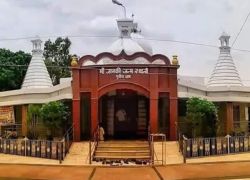
Punaura Dham is one of the most sacred Hindu pilgrimage places in :contentReference[oaicite:0]{index=0}, Bihar. It is widely believed to be the birthplace of Goddess Sita, also known as Janaki, who is a central character in the epic Ramayana. Because of this belief, Punaura Dham holds deep spiritual value for devotees of Lord Rama and Goddess Sita. The temple complex is located a few kilometers away from the main Sitamarhi town and is visited by thousands of pilgrims every year, especially during important Hindu festivals. People come here to pray for family happiness, good health, and peace of mind. The surroundings of Punaura Dham are calm and open, which makes it a good place for quiet prayer and meditation. The temple area is simple and clean, and the atmosphere becomes very devotional during early morning and evening aarti. Devotees often spend time sitting peacefully in the temple complex, chanting prayers or reading religious texts. The site is important not only for religious reasons but also as part of the cultural identity of Sitamarhi district. History and Architecture of Punaura Dham, Sitamarhi According to ancient beliefs and local traditions, King Janak found Goddess Sita while ploughing the field, and this sacred event is believed to have taken place in the region of Punaura Dham. Over time, this place became known as the birthplace of Sita and developed into a holy pilgrimage center. Although there are no exact historical records that clearly prove the event, the belief has been passed down through generations and is deeply rooted in local culture and faith. The architecture of Punaura Dham is traditional and simple, designed mainly to serve the needs of pilgrims and devotees. The main shrine has idols of Goddess Sita, and in some sections, idols of Lord Rama and Lakshman can also be seen. The temple complex includes a prayer hall, open courtyard, and pathways for devotees to walk around the shrine. The walls are decorated with religious paintings that show scenes from the Ramayana. The structure is not very large or grand but creates a peaceful and spiritual environment for worship. How to Reach Punaura Dham, Sitamarhi Punaura Dham is well connected to Sitamarhi town and can be reached easily by road and rail. By Train: The nearest railway station is :contentReference[oaicite:1]{index=1}. This station is connected with cities like Muzaffarpur, Darbhanga, and Patna. From the station, you can take an auto-rickshaw or local taxi to reach Punaura Dham in about 15 to 20 minutes. By Road: Sitamarhi has good road connections with nearby districts of Bihar and parts of Nepal. Regular buses and private vehicles run between Sitamarhi and towns such as Muzaffarpur and Darbhanga. From the main bus stand, Punaura Dham can be reached by local transport. By Air: The nearest airport is :contentReference[oaicite:2]{index=2} in Patna. From Patna, you can travel to Sitamarhi by train or road, and then take a local vehicle to reach the temple. Best Time to Visit and Weather in Sitamarhi Sitamarhi has hot summers, rainy monsoon months, and mild winters. Summer season (April to June) can be very hot, and visiting the temple during midday may be uncomfortable. The monsoon season (July to September) brings greenery but also occasional waterlogging on roads. The best time to visit Punaura Dham is during winter (October to March), when the weather is pleasant and suitable for walking around and sightseeing. The temple is especially crowded during festivals like Ram Navami and Sita Navami, which are celebrated with great devotion. Early morning and evening visits are always more comfortable, especially in warmer months. Timings and Entry Details of Punaura Dham, Sitamarhi Punaura Dham is open to devotees every day. There is no entry fee to visit the temple complex. The temple usually opens early in the morning and remains open until evening. On special religious days and festivals, the temple may remain open for longer hours to allow more pilgrims to visit. Visitors are expected to follow temple rules, such as removing footwear before entering the main shrine and dressing modestly. Maintaining silence and cleanliness inside the temple premises is important to respect the religious environment. During crowded days, it is better to keep personal belongings safe. Things to Do at Punaura Dham, Sitamarhi At Punaura Dham, visitors can take part in daily prayers and special pujas. Many devotees offer flowers, coconuts, sweets, and incense sticks as part of their worship. Walking around the temple complex and spending time in meditation helps visitors feel calm and spiritually refreshed. Some people prefer to sit quietly and reflect on the stories of Goddess Sita and Lord Rama from the Ramayana. You can also interact with local priests to learn more about the significance of the temple and the rituals performed here. Small shops near the temple sell religious items and souvenirs, which can be taken home as a memory of the visit. Photography is generally allowed in the outer areas, but it is better to avoid taking photos inside the sanctum without permission. Facts and Tips About Punaura Dham, Sitamarhi Punaura Dham is believed to be the birthplace of Goddess Sita, making it one of the most important religious places in Bihar. The temple becomes very crowded during major festivals, so it is advisable to visit early in the morning to avoid long queues. Carrying drinking water is helpful, especially in summer. Wearing comfortable footwear is recommended because you may need to walk some distance from parking areas. Respect local customs and avoid loud talking inside the temple premises. Church of Our Lady, Bruges – History and Architecture The :contentReference[oaicite:3]{index=3} is one of the most famous churches in :contentReference[oaicite:4]{index=4}, Belgium. This historic church is known for its tall brick tower and fine Gothic architecture. The construction of the church started in the 13th century and continued over many years. The building reflects medieval European architectural style, with high vaulted ceilings, pointed arches, and beautiful stone details. Inside the church, visitors can see impressive religious artworks, sculptures, and decorative altars. The peaceful interior attracts both worshippers and tourists who are interested in history and art. Why Church of Our Lady, Bruges is Famous The Church of Our Lady is world famous for housing the marble sculpture “Madonna and Child” created by :contentReference[oaicite:5]{index=5}. This artwork is one of the few masterpieces by Michelangelo that left Italy during his lifetime. The church is also known for the tombs of important historical personalities, which add to its cultural and historical importance. Entry and Visit Details – Church of Our Lady, Bruges The Church of Our Lady is open to visitors on most days. Entry to the church is usually free for prayer, while a small fee may be charged to visit the museum section where important artworks and exhibits are displayed. Visiting hours can change depending on the season and special events, so it is a good idea to check local timings before planning your visit. Weather in Bruges and Best Time to Visit Bruges has a mild climate with cool winters and pleasant summers. The best time to visit is from spring to early autumn, when the weather is comfortable for walking around the historic city center and enjoying sightseeing. The canals, old buildings, and peaceful streets of Bruges make the visit memorable.
Explore More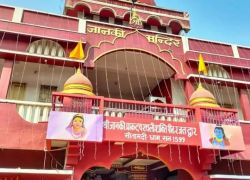
Janki Temple is one of the most important Hindu temples in :contentReference[oaicite:0]{index=0}, Bihar. The temple is dedicated to Goddess Sita, who is lovingly called Janaki in many parts of India. Sitamarhi is widely believed to be the birthplace of Goddess Sita, and Janki Temple is the main place where devotees come to worship her. Because of this strong connection with the Ramayana, the temple holds great religious and cultural value. Thousands of pilgrims from Bihar, Uttar Pradesh, Nepal, and other nearby regions visit Janki Temple every year to offer prayers and seek blessings for peace, family happiness, and prosperity. The temple complex is located close to the main town area and is easy to reach for visitors. The surroundings of Janki Temple are usually busy during festivals and religious occasions, while on normal days the atmosphere remains calm and devotional. Early morning and evening aarti (prayer) are the most peaceful times to experience the spiritual environment of the temple. Many devotees also spend time sitting in the temple premises, chanting prayers or reading religious texts. History and Architecture of Janki Temple, Sitamarhi According to Hindu tradition and local belief, Sitamarhi is associated with the birth of Goddess Sita. Janki Temple was built to honor her and to provide a dedicated place for worship in her memory. Over the years, the temple has been renovated and maintained by local authorities and religious groups to support the growing number of pilgrims. Although the exact date of the original construction is not clearly documented, the temple has been a center of devotion for many decades. The architecture of Janki Temple is simple and traditional, reflecting the style of many North Indian Hindu temples. The main shrine houses the idol of Goddess Sita, and nearby shrines may include idols of Lord Rama and Lakshman. The temple structure includes a sanctum, a prayer hall, and open spaces for devotees to gather. The walls are decorated with colorful paintings and small carvings that show scenes from the Ramayana, helping visitors connect with the story of Goddess Sita’s life. The overall design is not very grand, but it creates a peaceful and spiritual atmosphere for worship. How to Reach Janki Temple, Sitamarhi Janki Temple is located within Sitamarhi town and is well connected by road and rail. By Train: The nearest railway station is :contentReference[oaicite:1]{index=1}. This station connects Sitamarhi with cities such as Muzaffarpur, Darbhanga, and Patna. From the railway station, you can take auto-rickshaws, e-rickshaws, or local taxis to reach Janki Temple within a short time. By Road: Sitamarhi is well connected by road with nearby districts and towns of Bihar. State transport buses and private vehicles regularly operate from Muzaffarpur, Darbhanga, and other nearby places. From the bus stand, Janki Temple can be reached by local transport. By Air: The nearest airport is :contentReference[oaicite:2]{index=2} in Patna. From Patna, visitors can travel to Sitamarhi by train or road, and then use local transport to reach the temple. Best Time to Visit and Weather in Sitamarhi Sitamarhi has a typical North Indian climate with hot summers, rainy monsoons, and mild winters. Summer months (April to June) can be very hot and humid, which may make temple visits uncomfortable during the daytime. The monsoon season (July to September) brings greenery but can also cause travel delays due to rain. The best time to visit Janki Temple is during winter (October to March) when the weather is pleasant and suitable for sightseeing. Festivals such as Ram Navami and Sita Navami attract large crowds of devotees, and the temple becomes very lively during these times. Early morning and evening visits are recommended, especially during warmer months, to enjoy a comfortable experience. Timings and Entry Details of Janki Temple, Sitamarhi Janki Temple is open to devotees every day. There is no entry fee to visit the temple. The temple generally opens early in the morning and remains open until evening. On major festival days and special occasions, the temple may remain open for extended hours to allow more pilgrims to visit. Visitors should remove footwear before entering the main shrine and dress modestly. Maintaining silence and cleanliness inside the temple premises is important. During peak festival seasons, the temple area can become crowded, so it is better to keep personal belongings safe and be patient while waiting for darshan. Things to Do at Janki Temple, Sitamarhi At Janki Temple, visitors can take part in daily prayers and special pujas. Many devotees offer flowers, sweets, fruits, and incense sticks to Goddess Sita as part of their worship. Sitting quietly in the temple complex for meditation or chanting prayers helps many visitors feel relaxed and spiritually refreshed. Visitors can also talk to local priests to learn more about the stories and traditions connected with Goddess Sita. Small shops near the temple sell religious items, prasad, and souvenirs. Walking around the nearby areas allows you to observe local life in Sitamarhi and explore small markets. Facts and Tips About Janki Temple, Sitamarhi Janki Temple is closely connected with the belief that Sitamarhi is the birthplace of Goddess Sita. The temple is most crowded during Ram Navami and Sita Navami, so visiting early in the morning helps avoid long queues. Carry drinking water, especially during summer visits. Wear comfortable footwear as you may need to walk some distance from parking areas. Respect local customs, avoid loud talking, and follow temple rules for a peaceful visit. Church of Our Lady, Bruges – History and Architecture The :contentReference[oaicite:3]{index=3} is a famous historic church located in :contentReference[oaicite:4]{index=4}, Belgium. This church is well known for its tall brick tower and beautiful Gothic architecture. The construction of the church began in the 13th century and continued over many years. The design reflects medieval European architecture with high vaulted ceilings, pointed arches, and fine stone details. Inside the Church of Our Lady, visitors can see impressive religious artworks, sculptures, and decorative altars. The peaceful atmosphere inside the church makes it a popular place for worship and sightseeing. Why Church of Our Lady, Bruges is Famous The Church of Our Lady is world-famous for housing the marble sculpture “Madonna and Child” created by :contentReference[oaicite:5]{index=5}. This masterpiece is one of the few works by Michelangelo that left Italy during his lifetime. The church is also known for the tombs of important historical figures, which add to its cultural and historical importance. Entry and Visit Details – Church of Our Lady, Bruges Visitors can enter the Church of Our Lady during regular visiting hours. Entry to the church for prayer is generally free, while a small fee may be charged for visiting museum sections where important artworks and historical items are displayed. Visiting hours can vary by season, so it is recommended to check local timings before planning your visit. Weather in Bruges and Best Time to Visit Bruges has a mild climate with cool winters and pleasant summers. The best time to visit is from spring to early autumn, when the weather is comfortable for walking around the historic city center and enjoying sightseeing. The canals, old buildings, and peaceful streets of Bruges make the visit memorable.
Explore More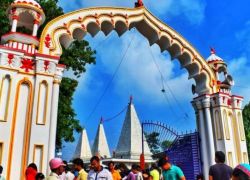
Haleshwar Sthan is a famous pilgrimage site located in Sitamarhi, a historic city in the state of Bihar, India. This place holds significant religious and historical importance for Hindus. The temple is dedicated to Lord Shiva, and it attracts devotees from far and wide. Visitors often come here to experience the peaceful environment and connect with the rich heritage of the region. Along with its religious importance, the scenic beauty surrounding Haleshwar Sthan adds to the charm of the location. How to Reach Haleshwar Sthan, Sitamarhi Haleshwar Sthan is easily accessible by road and rail, making it convenient for pilgrims and tourists to visit. By Road: Sitamarhi is well-connected to other major cities in Bihar and nearby states. You can take a bus or hire a taxi from nearby towns like Muzaffarpur, Patna, or Darbhanga. By Rail: Sitamarhi Junction is the nearest railway station, which is well-connected to various cities in Bihar and other parts of India. From the station, you can take a cab or auto-rickshaw to reach Haleshwar Sthan. By Air: The nearest airport is in Patna, about 150 km from Sitamarhi. From the airport, you can hire a taxi to reach Sitamarhi and then proceed to Haleshwar Sthan. Weather at Haleshwar Sthan, Sitamarhi Sitamarhi experiences a tropical climate, with hot summers, mild winters, and a monsoon season. The best time to visit Haleshwar Sthan is during the winter months (November to February), when the weather is cool and comfortable. During summer (March to June), temperatures can rise significantly, making it less ideal for travel. The monsoon season (June to September) brings heavy rains, so it’s advisable to check the weather forecast before planning your trip during this time. Timings of Haleshwar Sthan Haleshwar Sthan is open for visitors throughout the year, and it is a 24-hour temple. However, the best time to visit is in the early morning or evening when the temple is less crowded. The aarti (prayer) timings are generally during sunrise and sunset, offering a spiritual experience for devotees. It’s advisable to arrive early to enjoy the peaceful atmosphere and to witness the rituals. Why Haleshwar Sthan is Famous Haleshwar Sthan is famous for its religious significance and historical connection. The temple is dedicated to Lord Shiva, and it is believed that visiting this temple fulfills the wishes of the devotees. The temple is also known for its tranquil surroundings, making it a perfect place for meditation and introspection. The town of Sitamarhi itself is known for its historical and mythological significance, as it is believed to be the birthplace of Goddess Sita, the wife of Lord Rama from the epic Ramayana. History and Architecture of Haleshwar Sthan The history of Haleshwar Sthan dates back centuries. The temple is said to have been built during the medieval period, and it has undergone several renovations over the years. The architecture of the temple is typical of Hindu temple designs, with intricate carvings and sculptures of various deities adorning the walls. The temple is made of stone and marble, and its serene environment makes it a popular destination for spiritual seekers. The Shivalinga (a symbolic representation of Lord Shiva) is the main idol of worship in the temple. Things to Do at Haleshwar Sthan Visitors to Haleshwar Sthan can engage in several activities that enhance their spiritual and cultural experience. Some of the things you can do include: Participating in the Morning and Evening Aartis: The daily prayers and rituals performed at the temple offer a spiritually enriching experience. Exploring the Temple Premises: Take time to explore the temple’s surroundings, which are rich in natural beauty and tranquility. Enjoying the Serenity: Haleshwar Sthan is a peaceful place where you can meditate, relax, and enjoy the scenic beauty of the area. Visiting Nearby Attractions: While in Sitamarhi, you can visit other nearby places like Janaki Temple, which is another important religious site in the region. Facts and Tips about Haleshwar Sthan Fact: The temple is believed to have been built by the local rulers in ancient times, and it has been a place of religious importance for centuries. Tip: Wear comfortable footwear as you may have to walk a bit to reach the temple from the parking area. Tip: It is advisable to visit during the early morning or evening for a more peaceful experience, as the temple can get crowded during peak hours. Tip: If you plan to visit during the monsoon season, carry an umbrella or raincoat, as the weather can be unpredictable. Entry and Visit Details There is no entry fee for visiting Haleshwar Sthan, and the temple welcomes visitors of all religions. The temple is open for 24 hours, but the peak hours of worship are in the early morning and evening. Pilgrims usually offer prayers, perform rituals, and seek blessings from Lord Shiva. The temple is surrounded by lush greenery, adding to its peaceful and serene atmosphere. Conclusion Haleshwar Sthan, Sitamarhi, is a unique blend of spirituality, history, and nature. The temple offers a quiet and peaceful retreat for those seeking solace or a deeper connection with their spiritual self. Whether you are a devotee of Lord Shiva, a history enthusiast, or simply someone looking to experience the charm of rural Bihar, Haleshwar Sthan is definitely worth a visit. The combination of religious significance, architectural beauty, and natural surroundings makes it a hidden gem in Bihar's tourism landscape.
Explore More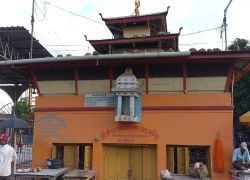
Baba Nageshwarnath Mandir, located in Sitamarhi, Bihar, is an important Hindu temple dedicated to Lord Nageshwar, an incarnation of Lord Shiva. This temple holds significant religious and cultural importance for the locals and attracts devotees from all over India. Known for its peaceful atmosphere and historic background, Baba Nageshwarnath Mandir is a key landmark in the region. It is not only a religious site but also a symbol of cultural heritage, drawing pilgrims who seek blessings from Lord Shiva, particularly for fulfillment of desires and spiritual growth. How to Reach Baba Nageshwarnath Mandir, Sitamarhi Baba Nageshwarnath Mandir is easily accessible from various cities in Bihar and neighboring states. The temple is located in the heart of Sitamarhi, making it an ideal destination for pilgrims and tourists. By Road: Sitamarhi is well-connected by road to major cities in Bihar such as Muzaffarpur, Patna, and Darbhanga. Visitors can hire a taxi or take a local bus to reach Baba Nageshwarnath Mandir from Sitamarhi town. By Rail: Sitamarhi Junction is the nearest railway station, located just a few kilometers from the temple. The station is well-connected to cities across Bihar and other parts of India. From the railway station, visitors can take a taxi or auto-rickshaw to reach the temple. By Air: The nearest airport to Sitamarhi is in Patna, around 150 kilometers away. After landing at Patna Airport, visitors can hire a taxi to reach Sitamarhi and then proceed to Baba Nageshwarnath Mandir. Weather at Baba Nageshwarnath Mandir, Sitamarhi Sitamarhi experiences a tropical climate with hot summers, a monsoon season, and mild winters. The best time to visit Baba Nageshwarnath Mandir is during the winter months (November to February) when the weather is cool and pleasant for sightseeing. The summer months (March to June) can be quite hot, so it is advisable to carry sunscreen, hats, and plenty of water if visiting during this time. The monsoon season (June to September) brings heavy rainfall, which may cause disruptions to travel plans. Therefore, it’s best to check the weather forecast before planning your visit during the rainy season. Timings of Baba Nageshwarnath Mandir Baba Nageshwarnath Mandir is open for visitors throughout the year, and there is no specific time for entry. However, the temple experiences a surge of devotees during early mornings and evenings, especially during religious festivals and auspicious days. The temple is busiest during major Hindu festivals like Maha Shivaratri, which draws large crowds. It is advisable to visit the temple early in the morning or late afternoon to avoid the crowds and to enjoy a peaceful atmosphere while offering prayers. Why Baba Nageshwarnath Mandir is Famous Baba Nageshwarnath Mandir is famous for its association with Lord Shiva, who is considered the remover of obstacles and the giver of blessings. Devotees believe that worshiping Lord Nageshwar at this temple can grant them peace of mind, spiritual growth, and the fulfillment of their wishes. The temple’s historic significance, its serene environment, and its association with local religious practices make it an important pilgrimage site for people in and around Sitamarhi. The temple is also known for its spiritual ambiance, making it a peaceful retreat for meditation and introspection. History and Architecture of Baba Nageshwarnath Mandir The history of Baba Nageshwarnath Mandir is intertwined with the religious and cultural heritage of Sitamarhi. The temple has been a significant place of worship for centuries, and its history is rich with mythological and spiritual tales. According to local legends, the temple is dedicated to Lord Nageshwar, one of the twelve Jyotirlingas of Lord Shiva, making it a sacred site for Hindus. The temple is said to have been constructed in ancient times and has undergone several renovations and additions over the years. Architecturally, the temple follows traditional Hindu temple designs, with intricate carvings and sculptures of deities adorning the walls and pillars. The central deity, Lord Nageshwar, is represented by a Shivalinga, which is worshipped by devotees. The temple’s peaceful surroundings and beautiful architecture make it a spiritual haven for pilgrims. The temple’s structure is made from locally sourced materials, and the intricate carvings and stone work highlight the craftsmanship of ancient temple builders. Things to Do at Baba Nageshwarnath Mandir Visiting Baba Nageshwarnath Mandir offers more than just a religious experience. Here are a few activities that you can enjoy when you visit the temple: Offer Prayers: The primary activity at Baba Nageshwarnath Mandir is offering prayers to Lord Nageshwar. Devotees can perform rituals and seek blessings for spiritual growth, peace, and fulfillment of desires. Participate in Aarti: The temple holds regular Aartis (prayers) in the morning and evening, where devotees participate in chanting sacred hymns and prayers. This is an essential part of the temple experience and provides a spiritual atmosphere. Explore the Surroundings: The temple is located in a peaceful environment with beautiful landscapes surrounding it. Take a walk around the temple and enjoy the tranquility of the area. Attend Religious Festivals: The temple celebrates several major Hindu festivals, such as Maha Shivaratri, Navratri, and Diwali. Attending these festivals is a unique cultural experience and allows you to witness the local religious practices. Facts and Tips about Baba Nageshwarnath Mandir Fact: Baba Nageshwarnath Mandir is considered a sacred site due to its connection with one of the twelve Jyotirlingas of Lord Shiva, making it a significant pilgrimage spot for Hindus. Tip: If you plan to visit during a festival, be prepared for large crowds. Arriving early in the morning or late evening will help you avoid the rush. Tip: Wear comfortable footwear as you may need to walk for a short distance from the parking area to the temple. Tip: Carry offerings like milk, honey, or bel leaves (Bael Patra) which are traditionally offered to Lord Shiva during worship. Fact: The temple is not just a religious site but also an important cultural hub in Sitamarhi, where locals gather for various religious and cultural events. Entry and Visit Details There is no entry fee to visit Baba Nageshwarnath Mandir, and the temple is open to people of all religions. Visitors can come at any time of the day, but the temple is busiest during religious events and festivals. The temple is open throughout the year, but the best time to visit is during the cooler months of winter, as the weather is more pleasant for sightseeing. During major festivals like Maha Shivaratri, the temple sees a large influx of devotees, and special rituals and prayers are conducted. Conclusion Baba Nageshwarnath Mandir is a remarkable destination for those seeking spiritual peace, cultural enrichment, and a deeper connection with Lord Shiva. The temple’s rich history, serene surroundings, and religious significance make it a must-visit spot for devotees and tourists alike. Whether you are in Sitamarhi for pilgrimage or exploring the cultural heritage of Bihar, a visit to Baba Nageshwarnath Mandir will undoubtedly leave a lasting impression on your soul.
Explore More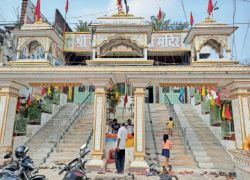
Mata Vaishnav Devi Mandir is an important Hindu temple located in Sitamarhi, Bihar. Dedicated to Mata Vaishnav Devi, this temple is a significant pilgrimage site for devotees of Goddess Vaishnav, a manifestation of the supreme power. It draws pilgrims from all parts of Bihar and neighboring states, seeking the blessings of the goddess. The temple offers a peaceful atmosphere for prayer and meditation, and it is often visited during religious festivals like Navratri, where special prayers and rituals are held. How to Reach Mata Vaishnav Devi Mandir, Sitamarhi Reaching Mata Vaishnav Devi Mandir in Sitamarhi is quite easy as the city is well-connected to other parts of Bihar and nearby states by road and rail. Below are the travel options for visitors: By Road: Sitamarhi is well-connected to cities like Muzaffarpur, Patna, and Darbhanga. You can hire a taxi or take a local bus from these cities to reach the temple. The road network is well-maintained, making travel convenient. By Rail: Sitamarhi Junction is the nearest railway station to the temple, located just a few kilometers away. It is well-connected to major cities across Bihar. From the station, you can hire an auto-rickshaw or taxi to reach the temple. By Air: The nearest airport to Sitamarhi is in Patna, around 150 kilometers away. From Patna Airport, you can take a taxi or bus to reach Sitamarhi and then head towards Mata Vaishnav Devi Mandir. Weather at Mata Vaishnav Devi Mandir, Sitamarhi Sitamarhi experiences a tropical climate with hot summers, a monsoon season, and mild winters. The best time to visit Mata Vaishnav Devi Mandir is during the cooler months of winter, from November to February, when the weather is pleasant and ideal for sightseeing. The summer months (March to June) can be quite hot, so it is advisable to visit early in the morning or late in the evening to avoid the heat. The monsoon season (June to September) brings heavy rainfall, and it may affect travel plans, so it's recommended to check the weather forecast before visiting during this period. Timings of Mata Vaishnav Devi Mandir The temple is open for visitors throughout the year. However, the best time to visit is early morning or evening when the temple is less crowded. The temple generally follows a schedule for prayers and aartis (rituals). Visitors can take part in the morning and evening aartis, which are particularly special. The temple sees a significant rise in visitors during religious festivals like Navratri, Diwali, and other auspicious days dedicated to the goddess. Why Mata Vaishnav Devi Mandir is Famous Mata Vaishnav Devi Mandir is famous for its religious significance. The temple is dedicated to Goddess Vaishnav, a powerful deity associated with prosperity, health, and well-being. Pilgrims visit the temple to seek the goddess’s blessings for a happy and prosperous life. It is particularly popular among those who believe in the divine power of Maa Vaishnav to fulfill their wishes. The temple’s serene environment, coupled with its spiritual importance, makes it a prominent destination for devotees. The temple also stands as a symbol of faith and devotion for the people of Sitamarhi and surrounding areas. History and Architecture of Mata Vaishnav Devi Mandir The history of Mata Vaishnav Devi Mandir dates back several centuries. The exact time of its construction is not well-documented, but it is believed to have been built by local devotees who wanted to create a place of worship for Goddess Vaishnav. Over time, the temple grew in importance and became a focal point for religious and cultural activities in the region. The architecture of the temple follows traditional Hindu temple designs. The structure is built with stone and marble, featuring intricate carvings of deities and symbols. The main sanctum houses the idol of Mata Vaishnav, which is the focal point of worship. The temple is surrounded by beautifully landscaped gardens and is built in a serene environment, which adds to its spiritual charm. The temple’s simplicity and elegance reflect the cultural and spiritual richness of the region. Things to Do at Mata Vaishnav Devi Mandir, Sitamarhi When you visit Mata Vaishnav Devi Mandir, there are several activities you can engage in to enrich your spiritual experience: Offer Prayers: The main activity at the temple is offering prayers and seeking the blessings of Goddess Vaishnav. Devotees offer flowers, fruits, and other items as a part of their prayers. Participate in Aartis: The morning and evening aartis are an essential part of the temple experience. Visitors are encouraged to participate in these rituals to connect with the divine and experience the spiritual atmosphere of the temple. Explore the Surroundings: The temple is set amidst peaceful surroundings, which are ideal for reflection and meditation. Take a walk around the temple complex and enjoy the calm and serenity. Attend Religious Festivals: Mata Vaishnav Devi Mandir is especially vibrant during festivals such as Navratri and Diwali. These are great times to experience the local religious traditions and witness the temple’s festive atmosphere. Facts and Tips about Mata Vaishnav Devi Mandir Fact: The temple is known for its association with Goddess Vaishnav, who is believed to fulfill the wishes of her devotees. It is one of the most visited temples in the region. Tip: If visiting during peak festival times like Navratri, be prepared for large crowds. Arriving early in the morning or late in the evening will give you a more peaceful experience. Tip: Dress modestly when visiting the temple, as it is a place of religious significance. It is a tradition to remove shoes before entering the temple. Tip: Carry some offerings like flowers or fruits to present at the temple, as it is a common tradition for devotees to offer these items during prayers. Fact: The temple’s tranquil environment, combined with the regular prayers and rituals, makes it a great place for spiritual reflection and connection with the divine. Entry and Visit Details There is no entry fee to visit Mata Vaishnav Devi Mandir. The temple is open to everyone, regardless of religious background. It is best to visit the temple during the early hours or in the evening to experience the peaceful atmosphere and to participate in the aarti. The temple is open throughout the year, but the most significant time to visit is during religious festivals like Navratri, when the temple is beautifully decorated and special prayers are held. Pilgrims come from different regions to offer their prayers and seek blessings from the goddess. Conclusion Mata Vaishnav Devi Mandir is a sacred and revered place of worship for devotees of Goddess Vaishnav. Its peaceful surroundings, beautiful architecture, and spiritual significance make it a must-visit for anyone in Sitamarhi or nearby regions. Whether you are seeking blessings, spiritual solace, or simply wish to explore the cultural heritage of Bihar, a visit to Mata Vaishnav Devi Mandir is an enriching experience. The temple’s serene ambiance and the powerful connection to the goddess provide a profound spiritual journey for all visitors.
Explore More
Baba Garib Nath Temple, located in Muzaffarpur, Bihar, is a revered Hindu temple dedicated to Baba Garib Nath, a saint who is believed to be an incarnation of Lord Shiva. The temple is a significant pilgrimage site for devotees seeking blessings, peace, and spiritual enlightenment. Known for its tranquil atmosphere and religious significance, Baba Garib Nath Temple attracts visitors not only from Muzaffarpur but also from neighboring regions of Bihar. The temple is a popular destination during festivals and is particularly busy during the Maha Shivaratri festival, which honors Lord Shiva. How to Reach Baba Garib Nath Temple, Muzaffarpur The temple is conveniently located within Muzaffarpur city, making it easily accessible by road, rail, and air from various parts of Bihar and neighboring states. By Road: Muzaffarpur is well-connected by road to other cities in Bihar, such as Patna, Hajipur, and Darbhanga. Local buses, taxis, and auto-rickshaws can be hired to reach Baba Garib Nath Temple from any part of the city. By Rail: Muzaffarpur Junction is the nearest railway station, situated just a few kilometers from the temple. It is a major station in Bihar, connecting the region to various cities across India. From the station, you can hire a taxi or an auto-rickshaw to reach the temple. By Air: The nearest airport is Patna International Airport, located approximately 70 km from Muzaffarpur. From the airport, visitors can take a taxi or bus to reach Muzaffarpur and proceed to Baba Garib Nath Temple. Weather at Baba Garib Nath Temple, Muzaffarpur Muzaffarpur experiences a humid subtropical climate, with hot summers, a monsoon season, and mild winters. The best time to visit Baba Garib Nath Temple is during the winter months (October to February), when the weather is cooler and more comfortable for sightseeing and worship. The summer months (March to June) can be quite hot, with temperatures often rising above 40°C, so it is advisable to carry water, wear sunscreen, and dress lightly if visiting during this period. The monsoon season (June to September) brings heavy rains, which can sometimes cause travel disruptions, so it’s best to check the weather forecast before planning your visit during the monsoon season. Timings of Baba Garib Nath Temple Baba Garib Nath Temple is open to devotees throughout the year. However, the temple is busiest during morning and evening hours, when aarti (ritual prayers) are conducted. Visitors can attend the early morning aarti for a peaceful and serene experience or the evening aarti, which is filled with energy and devotion. The temple also witnesses a significant influx of pilgrims during major Hindu festivals like Maha Shivaratri, Navratri, and Diwali. During these festivals, special prayers and rituals are performed, and the temple is beautifully decorated with flowers and lights. Why Baba Garib Nath Temple is Famous Baba Garib Nath Temple is famous for its association with Baba Garib Nath, a revered saint who is said to have had the divine power to heal and help the needy. The temple holds religious importance because Baba Garib Nath is believed to be an incarnation of Lord Shiva, and his blessings are sought by devotees for peace, prosperity, and spiritual well-being. The temple also serves as a symbol of simplicity and devotion, as it is associated with the saint's teachings of humility, compassion, and charity. Over the years, the temple has become a popular pilgrimage site for people from all walks of life. History and Architecture of Baba Garib Nath Temple The history of Baba Garib Nath Temple is steeped in religious and cultural significance. The temple is believed to have been established in the memory of Baba Garib Nath, who was a prominent saint in the region. According to local legends, Baba Garib Nath devoted his life to helping the poor and sick, and his teachings centered on selfless service and devotion to Lord Shiva. It is said that Baba Garib Nath performed many miracles during his lifetime, and devotees began to flock to his shrine to seek blessings after his passing. Architecturally, the Baba Garib Nath Temple follows traditional Hindu temple designs, featuring a beautifully constructed sanctum sanctorum where the idol of Baba Garib Nath is enshrined. The temple complex also includes smaller shrines dedicated to various deities, including Lord Shiva. The main structure is built with stone and brick, with intricate carvings and statues depicting Hindu deities and mythological scenes. The surrounding area is adorned with greenery and has a peaceful ambiance, making it a perfect place for meditation and prayer. Things to Do at Baba Garib Nath Temple, Muzaffarpur Visitors to Baba Garib Nath Temple can engage in a variety of activities that will enrich their spiritual experience: Offer Prayers: The main activity at the temple is offering prayers to Baba Garib Nath and Lord Shiva. Devotees can perform rituals, offer flowers, fruits, and incense, and seek blessings for health, wealth, and peace. Participate in Aartis: Devotees can attend the morning and evening aartis at the temple, where prayers and hymns are chanted in praise of Baba Garib Nath and Lord Shiva. The aartis are an essential part of the temple experience and provide a sense of spiritual connection. Meditation and Reflection: The calm environment surrounding the temple makes it a great place for meditation and introspection. Many visitors spend time in quiet reflection, contemplating the teachings of Baba Garib Nath. Attend Festivals: If you visit during a major Hindu festival, such as Maha Shivaratri or Navratri, you can witness special prayers, rituals, and celebrations. These festivals bring an added sense of devotion and fervor to the temple, and you can experience the vibrant culture of Bihar. Facts and Tips about Baba Garib Nath Temple, Muzaffarpur Fact: Baba Garib Nath Temple is one of the most visited temples in Muzaffarpur and is an important center for religious activities in the region. Tip: Dress modestly while visiting the temple, as it is a place of religious significance. It is customary to remove your shoes before entering the temple. Tip: If visiting during the summer months, bring sunscreen, a hat, and plenty of water to stay hydrated, as the heat can be intense. Tip: If you plan to visit during a festival, be prepared for large crowds. Arriving early in the morning or later in the evening can help you avoid the rush. Fact: The temple is a peaceful retreat for those seeking spiritual solace and is also known for its community involvement and charity work in the local area. Entry and Visit Details There is no entry fee to visit Baba Garib Nath Temple, and it is open to all devotees, regardless of background or faith. The temple is accessible every day of the year, with the most significant crowd arriving during festivals and special prayer days. The temple provides a serene and peaceful atmosphere for visitors to connect spiritually, reflect, and offer prayers. It is advisable to visit during the morning or evening to experience the temple's rituals and aarti services. If you're interested in learning about the temple’s history and significance, you can also engage with local priests or guides who offer information about the temple's religious importance. Conclusion Baba Garib Nath Temple is a symbol of faith, humility, and devotion. With its rich history, peaceful ambiance, and beautiful architecture, the temple offers visitors an enriching spiritual experience. Whether you are a devotee seeking blessings from Baba Garib Nath or simply someone looking to explore the cultural and religious heritage of Muzaffarpur, a visit to this temple will leave you with a sense of peace and inner calm. The temple remains a key part of the religious landscape in Muzaffarpur, continuing to inspire people from all walks of life to embrace the values of service, compassion, and devotion.
Explore More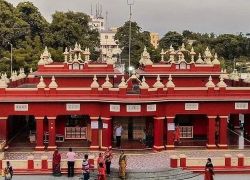
Ramna Devi Temple, located in Muzaffarpur, Bihar, is an ancient and revered Hindu temple dedicated to Goddess Ramna Devi. The temple is known for its spiritual ambiance, attracting devotees from all around the region, especially during religious festivals. Devotees visit the temple to seek the blessings of the goddess for prosperity, peace, and overall well-being. The temple's historical significance, coupled with its serene surroundings, makes it a popular place of worship in Muzaffarpur. How to Reach Ramna Devi Temple, Muzaffarpur The Ramna Devi Temple is easily accessible by road, rail, and air, making it convenient for pilgrims and tourists to visit. Here are the travel options: By Road: Muzaffarpur is well-connected to nearby cities like Patna, Darbhanga, and Hajipur via good-quality roads. Visitors can take a taxi, private vehicle, or bus from these cities to reach the temple. By Rail: The nearest railway station to Ramna Devi Temple is Muzaffarpur Junction, which is just a few kilometers away. The station is well-connected to major cities like Patna, Delhi, and Kolkata. From the station, you can easily hire an auto-rickshaw or taxi to reach the temple. By Air: The nearest airport is Patna International Airport, located about 70 kilometers away from Muzaffarpur. From the airport, you can take a taxi or bus to reach Muzaffarpur and proceed to the temple. Weather at Ramna Devi Temple, Muzaffarpur Muzaffarpur experiences a humid subtropical climate, with hot summers, a monsoon season, and mild winters. The best time to visit Ramna Devi Temple is during the winter months, from November to February, when the weather is cool and pleasant. The summer months (March to June) can be extremely hot, with temperatures reaching up to 40°C. During the monsoon season (June to September), the region experiences heavy rainfall, so it is advisable to check the weather forecast before planning a trip during this period. Timings of Ramna Devi Temple The temple is open to devotees throughout the week. It is best to visit during early mornings or late evenings when the temple is quieter and more serene. The typical visiting hours are: Monday to Saturday: 6:00 AM – 8:00 PM Sunday: 6:00 AM – 8:00 PM During major Hindu festivals like Navratri and Diwali, the temple sees an increase in the number of visitors, and special prayers and rituals are performed. It’s best to visit during these times if you want to experience the festive atmosphere, but expect larger crowds. Why Ramna Devi Temple is Famous Ramna Devi Temple is famous for its association with Goddess Ramna Devi, who is believed to be a powerful deity capable of granting blessings related to wealth, health, and family welfare. The temple attracts large numbers of devotees, especially during the Navratri festival, which is celebrated with great fervor in the temple premises. The temple's popularity is also due to its serene location, offering visitors a peaceful environment to pray and meditate. In addition to its spiritual significance, the temple is known for its well-maintained grounds and beautiful surroundings, making it a picturesque place to visit. The presence of other smaller shrines around the temple complex further enhances its appeal as a pilgrimage site. History and Architecture of Ramna Devi Temple The Ramna Devi Temple has a rich history, dating back several centuries. It is believed that the temple was established by local devotees who wanted to create a place of worship for the Goddess Ramna Devi, a deity who is known for her divine powers. Over time, the temple grew in importance and became a key religious center in Muzaffarpur. Architecturally, the temple follows traditional Hindu temple design, with a grand entrance, spacious courtyards, and intricate carvings on the walls. The main sanctum houses an idol of Goddess Ramna Devi, and the temple is surrounded by smaller shrines dedicated to other Hindu deities. The temple’s architecture reflects both local and traditional styles, with elements like marble floors, pillars, and detailed sculptures of gods and goddesses. The temple’s serene ambiance, coupled with its spiritual significance, makes it an attractive place for both pilgrims and tourists alike. Things to Do at Ramna Devi Temple, Muzaffarpur A visit to Ramna Devi Temple offers several activities for spiritual enrichment and cultural immersion. Some of the key things to do include: Offer Prayers: The primary activity at the temple is offering prayers to Goddess Ramna Devi. Devotees can offer flowers, fruits, and incense sticks as part of their worship and seek the blessings of the goddess. Participate in Aarti: The morning and evening aartis are a significant ritual at the temple. Participating in these rituals is a deeply spiritual experience and a great way to connect with the divine energy of the temple. Visit the Surrounding Shrines: Apart from the main temple, there are smaller shrines dedicated to other gods and goddesses. You can explore these shrines and offer prayers to the deities housed there. Meditate and Reflect: The peaceful and serene surroundings of the temple make it an ideal place for meditation. Take some time to reflect and meditate in the quiet corners of the temple complex to experience spiritual tranquility. Facts and Tips about Ramna Devi Temple, Muzaffarpur Fact: Ramna Devi Temple is a well-known pilgrimage site in Muzaffarpur and attracts devotees throughout the year. Tip: Dress modestly when visiting the temple, as it is a place of religious worship. It is customary to remove shoes before entering the temple premises. Tip: If visiting during the Navratri festival or any major religious event, expect large crowds. Arrive early in the morning to avoid the rush and to participate in the aarti without distractions. Tip: The temple is located in a quiet area, so make sure to carry water, especially if you plan to explore the surroundings for an extended period of time during the hot summer months. Fact: The temple is a symbol of devotion and spiritual peace and is an important part of the local community in Muzaffarpur. Entry and Visit Details There is no entry fee to visit the Ramna Devi Temple. It is open to all devotees and visitors, regardless of their background or religion. The temple is generally open throughout the week, with special prayers and events conducted during religious festivals. If you are visiting during a festival, be prepared for large crowds, and it is advisable to book any transportation or accommodations in advance. Visitors can also purchase prasad (offering) from the temple’s shops as a token of the visit. The temple is a peaceful place, ideal for those looking to connect with their spirituality. The surroundings of the temple are clean and well-maintained, offering a serene atmosphere for worship and reflection. Conclusion Ramna Devi Temple is one of the most prominent religious sites in Muzaffarpur, offering a sacred space for devotees to seek blessings and connect with the divine. With its rich history, beautiful architecture, and serene environment, it is a must-visit place for anyone interested in exploring the religious and cultural heritage of Bihar. Whether you are visiting for spiritual reasons or simply to appreciate its architectural beauty, the Ramna Devi Temple offers a fulfilling and enriching experience for all.
Explore More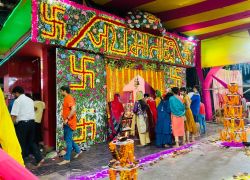
The Kali Mata Temple, located in the heart of Muzaffarpur, Bihar, is a revered religious site dedicated to Goddess Kali, one of the most powerful and venerated deities in Hinduism. The temple attracts numerous devotees who come to seek blessings for strength, protection, and prosperity. With its serene environment, rich history, and spiritual significance, the Kali Mata Temple is not just a place of worship but also a cultural and historical landmark in the region. How to Reach Kali Mata Temple, Muzaffarpur Reaching the Kali Mata Temple in Muzaffarpur is convenient as the city is well-connected by road, rail, and air to various parts of Bihar and India. Here are the travel options: By Road: Muzaffarpur is well-connected to neighboring cities like Patna, Darbhanga, and Hajipur via an extensive network of roads. Visitors can take a taxi, private vehicle, or bus from these cities to reach the temple. The temple is centrally located in the city, making it easily accessible once you arrive in Muzaffarpur. By Rail: The nearest major railway station is Muzaffarpur Junction, which is connected to several cities in Bihar and other states. From the railway station, the temple is a short ride away by auto-rickshaw or taxi. By Air: The closest airport is Patna International Airport, located about 70 kilometers from Muzaffarpur. After arriving at the airport, you can hire a taxi or take a bus to reach Muzaffarpur and the temple. Weather at Kali Mata Temple, Muzaffarpur Muzaffarpur experiences a humid subtropical climate, with hot summers, a monsoon season, and mild winters. The best time to visit the Kali Mata Temple is during the winter months, from November to February, when the weather is cool and pleasant. Summer (March to June) can be quite hot, with temperatures exceeding 40°C, making it less comfortable for outdoor visits. The monsoon season (June to September) brings heavy rains, which can cause travel disruptions, so it is advisable to check the weather forecast before visiting during this time. Timings of Kali Mata Temple The Kali Mata Temple is open every day of the week for devotees and tourists. The temple remains accessible throughout the day, with a break for midday prayers. The typical visiting hours are as follows: Monday to Sunday: 5:00 AM – 12:00 PM & 3:00 PM – 8:00 PM Morning visits are especially popular among devotees who come for the early morning aarti, while the evening time offers a serene atmosphere for meditation and reflection. During festivals like Navratri, the temple sees a surge in visitors, and special prayers and rituals are conducted, making it an even more vibrant time to visit. Why Kali Mata Temple is Famous The Kali Mata Temple is famous for being dedicated to Goddess Kali, who is worshipped for her fierce power and ability to remove evil and bring blessings to her devotees. Goddess Kali is a symbol of strength, protection, and transformation, and her worship is believed to grant spiritual liberation. The temple is well-known in the region for its association with Goddess Kali’s protective energies. In addition to its religious importance, the Kali Mata Temple is a place where local devotees gather to celebrate festivals such as Navratri, when the goddess is particularly revered. The temple’s grand decorations during these festivals make it a vibrant and lively place of worship, attracting people from all around Bihar. History and Architecture of Kali Mata Temple The Kali Mata Temple has a deep historical connection with the religious traditions of the region. The origins of the temple date back several centuries, and it is believed that the temple was established by local devotees who wanted to create a place of worship for the powerful Goddess Kali. Over the years, the temple has undergone several renovations and expansions, and it has become a focal point of faith and spirituality for people in Muzaffarpur. Architecturally, the temple follows traditional Hindu temple design. The main sanctum houses the idol of Goddess Kali, which is sculpted in a striking and powerful pose. The temple also features intricate carvings and sculptures of other deities and divine figures. The temple's walls are adorned with murals that depict various mythological stories, adding to the temple’s spiritual aura. The serene surroundings of the temple, with its lush gardens, offer a peaceful environment for worshippers to meditate and reflect. Things to Do at Kali Mata Temple, Muzaffarpur A visit to Kali Mata Temple is an enriching spiritual experience, offering several activities for worshippers and visitors alike. Some of the things to do at the temple include: Offer Prayers and Offerings: The primary activity at the temple is offering prayers to Goddess Kali. Devotees bring flowers, fruits, incense, and other offerings to seek the blessings of the goddess for strength, health, and protection. Participate in the Aarti: The morning and evening aartis (prayers) are a significant part of temple rituals. Participating in the aarti is an immersive and spiritual experience, filled with chants and hymns dedicated to Goddess Kali. Explore the Temple Complex: Take a walk around the temple’s premises, including the lush gardens and courtyards. You can also explore smaller shrines dedicated to other deities situated around the main temple. Meditate and Reflect: The temple offers a peaceful and tranquil environment, making it an ideal place for meditation and spiritual reflection. Devotees often spend time in silence, reflecting on the power and teachings of Goddess Kali. Facts and Tips about Kali Mata Temple, Muzaffarpur Fact: Kali Mata Temple is one of the oldest and most revered temples in Muzaffarpur, attracting devotees from all around Bihar. Tip: Wear comfortable and respectful attire when visiting the temple. It is customary to remove shoes before entering the temple. Tip: Visiting the temple during the Navratri festival can be a special experience, as the temple is beautifully decorated and holds extra prayers and rituals during this time. Fact: Goddess Kali is believed to protect her devotees from evil, which is why the temple is considered a place of spiritual strength and protection. Tip: Avoid visiting during peak summer months (May to June) unless necessary, as the temperatures can be quite high. The cooler months are more comfortable for exploring the temple grounds. Entry and Visit Details There is no entry fee to visit Kali Mata Temple. It is open to people of all faiths and welcomes visitors from all around the world. The temple is well-maintained and has basic facilities such as restrooms, drinking water, and a parking area for visitors. If you want to learn more about the temple's history or Goddess Kali, consider hiring a local guide who can offer deeper insights into the temple’s religious and cultural significance. During festivals such as Navratri, the temple sees a large influx of visitors, so it is advisable to arrive early to avoid the crowd. Visitors can also buy prasad (sacred offering) from the temple’s shops, which is a popular tradition for devotees. Conclusion The Kali Mata Temple in Muzaffarpur is not just a place of worship but a symbol of strength, protection, and devotion. Whether you are visiting for spiritual reasons or to admire the temple’s architecture and tranquil environment, a visit to Kali Mata Temple will leave you with a sense of peace and reverence. The temple’s rich history, beautiful surroundings, and association with Goddess Kali make it a must-visit destination for those interested in spirituality and cultural heritage.
Explore More7D Varanasi-Bodhgaya-Rajgir-Nalanda-Patna-Kushinagar-Lumbini Tour
7 Days/ 6 Night
Varanasi - Bodhgaya - Nalanda - Patna - Rajgir - Kushinagar - Lumbini
Rajgir - Baidyanath Tour - 6 Pax
5 Days/ 4 Night
Bodhgaya - Rajgir - Deoghar
11N The Ultimate Uttar Pradesh Experience Tour
12 Days/ 11 Night
Prayagraj - Lucknow - Varanasi - Bodhgaya - Ayodhya
Arunachal Pradesh Package
8 Days/ 7 Night
Guwahati - Bomdila - Tinsukia - Bodhgaya
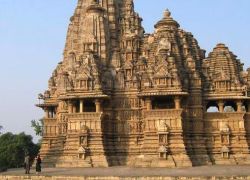
The Vishnupad Temple, located in Gaya, Bihar, is one of the holiest and most revered temples in India. Dedicated to Lord Vishnu, this ancient temple attracts thousands of pilgrims and tourists alike each year. The temple is famous for its stunning architecture and historical significance. Its name "Vishnupad" translates to "the footprint of Lord Vishnu," as the temple is believed to house an imprint of the Lord’s feet in the sanctum sanctorum. The temple holds great religious importance in Hindu mythology and is a key site for performing the rituals of *Pind Daan*, an important ceremony for ancestors' salvation. How to Reach Vishnupad Temple, Gaya Reaching Vishnupad Temple is easy due to Gaya's excellent connectivity via various modes of transport. Here’s how you can get there: By Air: The nearest airport to Gaya is the Gaya International Airport, located around 10 kilometers from the temple. Regular flights from major cities like Delhi, Kolkata, and Varanasi connect to Gaya. From the airport, you can hire a taxi or take an auto-rickshaw to the Vishnupad Temple. By Train: Gaya Junction is well-connected to major cities like Patna, Varanasi, and Kolkata. Trains from these cities can easily take you to Gaya. Once at Gaya Junction, you can opt for a taxi or an auto-rickshaw to the temple. By Bus: Gaya is also well-connected by road to other cities in Bihar and neighboring states. Several buses run to and from Gaya, and from the bus station, you can hire a local transport option to reach Vishnupad Temple. Weather in Gaya The weather in Gaya varies based on the season. Here’s what to expect: Summer (March to June): Summers in Gaya can be quite hot, with temperatures soaring as high as 40°C. The heat can be intense, especially during the peak summer months, so it's advisable to visit during the cooler parts of the day or in the evening. Monsoon (July to September): The monsoon season in Gaya brings moderate rainfall, cooling the region down slightly. The temple remains accessible, but it's best to check the weather forecast before traveling. Winter (November to February): The winter months are the most pleasant time to visit, with temperatures ranging from 10°C to 25°C. The weather is cool and comfortable for sightseeing and religious activities. Timings of Vishnupad Temple The Vishnupad Temple is open throughout the week for devotees and tourists. The temple’s usual visiting hours are from 5:00 AM to 12:00 PM and then again from 4:00 PM to 8:00 PM. During peak religious seasons, such as during the month of *Shravan* and on auspicious days like *Vaikuntha Ekadashi*, the temple can be busier, and special ceremonies are held. Visitors are advised to arrive early to avoid long queues. Why Vishnupad Temple is Famous The Vishnupad Temple is famous for its connection with Lord Vishnu and the legend of his footprints. According to Hindu mythology, it is believed that Lord Vishnu visited Gaya and placed his feet on a stone slab, which is now enshrined in the temple. Devotees believe that offering prayers at this sacred site helps in attaining salvation and peace for their ancestors. The temple is also known for its religious significance as it is one of the primary places for performing *Pind Daan*, a ritual that is done for the salvation of ancestors. Many pilgrims visit this temple to perform the ritual for their deceased loved ones. The temple’s tranquil and serene atmosphere further adds to its charm, making it a key pilgrimage site in India. Entry and Visit Details About Vishnupad Temple The temple has a nominal entry fee for visitors. However, the fee for performing *Pind Daan* rituals is much higher, and it can vary based on the services availed. Pilgrims come to perform these rituals in large numbers, and during certain peak seasons, it may take a while to perform the ceremonies due to the high demand. The temple remains open to visitors throughout the day, but it is always recommended to check for any special rituals or festivals being held during your visit, as it may affect your timings or the availability of certain services. History and Architecture of Vishnupad Temple The Vishnupad Temple has a rich history that dates back to ancient times. The temple is believed to have been built by Queen Ahilya Bai Holkar of Indore in the 18th century, although the footprint of Lord Vishnu is said to have been present since ancient times. The temple is built in a pagoda-style architecture with a tall spire, which is a typical feature of many Hindu temples in Bihar and other parts of India. The central sanctum houses the footprint of Lord Vishnu, which is enshrined in a small raised platform. The footprint is said to be carved in a stone slab, and pilgrims touch it with reverence. The temple also has intricate carvings and detailed artwork on its pillars, showcasing the artistic excellence of its creators. The structure of the temple is designed to facilitate large gatherings of devotees, especially for the performance of religious ceremonies. The temple is located near the banks of the Falgu River, adding to the spiritual and serene ambiance of the place. Things to Do at Vishnupad Temple, Gaya There are several activities you can enjoy while visiting the Vishnupad Temple: Perform Pind Daan: One of the most important activities at the temple is performing the *Pind Daan* ritual. This is a sacred offering to ancestors and is believed to ensure their peace and salvation. Take a Holy Dip in the Falgu River: The temple is located near the Falgu River, which is considered sacred in Hinduism. Taking a dip in its waters is believed to cleanse one of sins. Explore Nearby Attractions: While in Gaya, you can also visit other famous religious sites like the Bodh Gaya, where Lord Buddha attained enlightenment, or visit the Barabar Caves and the Mangla Gauri Temple. Photography: The temple and its surroundings offer great opportunities for photography, capturing the religious ceremonies, the beautiful architecture, and the serene landscape. Facts and Tips About Vishnupad Temple, Gaya Fact 1: The temple is built in the traditional North Indian style of architecture and is a prominent pilgrimage site in Bihar. Fact 2: The Vishnupad Temple attracts thousands of pilgrims during the auspicious period of *Pitrapaksha* in September-October, when many people come to perform the *Pind Daan* ritual. Tip 1: Make sure to dress modestly while visiting the temple as it is a sacred religious site. Tip 2: It is advisable to visit early in the morning to avoid crowds, especially if you're visiting during a festival season. Tip 3: Keep some local currency handy, as certain services like the *Pind Daan* rituals and offerings can only be paid in cash. Conclusion The Vishnupad Temple in Gaya is not only an important pilgrimage site for Hindus but also a beautiful historical monument with deep religious significance. Whether you are visiting for the religious rituals, the architecture, or the serene atmosphere, this temple offers an unforgettable experience. The temple’s rich history, tranquil surroundings, and connection to Lord Vishnu make it a must-visit destination for anyone traveling to Gaya.
Explore More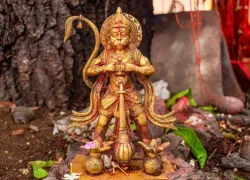
The Mangla Gauri Temple, located in Gaya, Bihar, is an ancient Hindu temple dedicated to Goddess Parvati. It is one of the 51 Shakti Peethas in India, which makes it an immensely significant pilgrimage site for devotees of the goddess. The temple is believed to house the part of Goddess Parvati's body that fell at this location when Lord Shiva was carrying her dismembered body. The temple is situated on a hilltop and offers an enchanting view of the surrounding Gaya region. How to Reach Mangla Gauri Temple, Gaya Reaching the Mangla Gauri Temple is fairly easy due to Gaya's good connectivity. Here are some ways to get there: By Air: The nearest airport to the Mangla Gauri Temple is Gaya International Airport, located about 9 km from the temple. From the airport, you can take a taxi or an auto-rickshaw to reach the temple. By Train: Gaya Junction is well-connected to various parts of India. The station is approximately 7 km from the temple. You can take an auto-rickshaw or taxi from the station to the temple. By Bus: Gaya is well-connected by bus to various cities in Bihar and neighboring states. There are buses available from Patna and other major towns, and you can easily hire a taxi or an auto-rickshaw to reach the temple from the bus station. Weather in Gaya Gaya experiences a typical tropical climate, with hot summers, moderate rainfall during the monsoon season, and pleasant winters. Here’s a breakdown of the weather: Summer (March to June): The temperature can rise as high as 45°C, making summers in Gaya quite hot. It’s best to visit during the early mornings or late evenings during this time. Monsoon (July to September): Gaya receives moderate rainfall during the monsoon season. While this brings some relief from the heat, it’s advisable to check the weather forecast before your visit, as heavy rains can sometimes cause disruptions. Winter (November to February): The winter months are the most comfortable time to visit the temple, with temperatures ranging from 10°C to 25°C. The cool, pleasant weather makes it ideal for sightseeing and outdoor activities. Timing of Mangla Gauri Temple The Mangla Gauri Temple is open to devotees throughout the week. The general visiting hours are from 6:00 AM to 12:00 PM in the morning and 3:00 PM to 8:00 PM in the evening. During religious festivals or auspicious days, the temple might stay open longer, and special ceremonies are conducted. The temple can get crowded during these times, so it’s advisable to plan your visit accordingly. Why Mangla Gauri Temple is Famous The Mangla Gauri Temple is famous for being one of the 51 Shakti Peethas, sacred sites where different parts of Goddess Sati’s body are said to have fallen. According to Hindu mythology, after the self-immolation of Goddess Sati, Lord Shiva carried her body across the universe, and the body parts fell at various locations, each becoming a Shakti Peetha. The Mangla Gauri Temple is believed to be the place where the ear of Goddess Sati fell, and it is worshipped as the manifestation of Goddess Parvati. The temple is also known for its spiritual significance and is a key pilgrimage site for Hindus, particularly for those seeking blessings for fertility and well-being. Devotees often visit the temple to seek the goddess’s blessings for a happy and prosperous life, as well as for a peaceful afterlife. Entry and Visit Details About Mangla Gauri Temple The Mangla Gauri Temple does not charge an entry fee for visitors, but donations for the temple’s upkeep are always welcome. The temple is open to all pilgrims and tourists, and it’s advisable to wear comfortable shoes as there are stairs leading up to the temple from the base of the hill. If you prefer, you can also hire a palki (palanquin) to carry you up the hill, which is a popular option for those visiting the temple during the festival seasons. While visiting the temple, it’s a good idea to take part in the various rituals or offer prayers to Goddess Parvati. You can also purchase flowers, incense sticks, and other offerings from vendors near the temple to present during your prayers. History and Architecture of Mangla Gauri Temple The Mangla Gauri Temple has a long history, believed to have been built in ancient times. The exact date of its construction is unclear, but it is mentioned in several ancient texts and scriptures. The temple has undergone multiple renovations and improvements over the centuries, and its current structure is a blend of traditional and modern architectural styles. The temple stands atop a small hill and has a flight of stairs leading to the main shrine. The temple's sanctum houses the idol of Goddess Parvati, often depicted in a peaceful and serene form. The walls of the temple are adorned with intricate carvings of various Hindu deities, and there are smaller shrines dedicated to other gods and goddesses surrounding the main temple. One of the key architectural features of the Mangla Gauri Temple is its simplistic yet elegant design. The temple is designed to withstand the forces of nature, with sturdy stone walls and a well-maintained structure. The temple’s elevated position allows visitors to enjoy a scenic view of the Gaya region and the surrounding landscape, adding to the spiritual atmosphere. Things to Do at Mangla Gauri Temple, Gaya When visiting Mangla Gauri Temple, there are several things you can do to make the experience more memorable: Offer Prayers and Participate in Rituals: The primary activity at the temple is offering prayers to Goddess Parvati. You can take part in various religious rituals or simply sit in meditation to experience the spiritual calmness of the place. Climb the Hill to the Temple: The temple is located atop a hill, and climbing the stairs is an important part of the pilgrimage experience. If you’re physically able, walking up the hill is a great way to connect with the divine energy of the site. Visit During Festivals: The temple sees large crowds during festivals like Navratri and Maha Shivaratri, where special ceremonies are held. These festivals provide an excellent opportunity to witness the temple at its most vibrant and celebratory. Photography: The scenic views from the hilltop and the architecture of the temple make it a great spot for photography. Capture the stunning landscapes and the intricate carvings inside the temple. Enjoy Local Cuisine: There are several food stalls near the temple where you can try local snacks and refreshments. Don’t forget to taste traditional offerings like prasad (blessed food) offered at the temple. Facts and Tips About Mangla Gauri Temple, Gaya Fact 1: Mangla Gauri is one of the 51 Shakti Peethas, making it a highly revered pilgrimage site for Hindus. Fact 2: The temple is dedicated to Goddess Parvati, and it is believed that the ear of Goddess Sati fell here. Tip 1: Wear comfortable shoes, as you will have to climb several steps to reach the temple. The climb can be strenuous, so be prepared. Tip 2: Try to visit during early morning or late evening to avoid the crowds and experience the peaceful atmosphere of the temple. Tip 3: If you're planning to visit during a festival, be ready for large crowds. It’s a good idea to arrive early to secure a good spot for the prayers. Conclusion The Mangla Gauri Temple is not only a significant religious site but also a place of great historical and architectural value. Whether you’re seeking blessings from Goddess Parvati, exploring ancient temples, or simply enjoying the scenic views, a visit to the Mangla Gauri Temple in Gaya offers a unique and spiritual experience. The peaceful ambiance, rich history, and stunning surroundings make it a must-visit destination for anyone traveling to Gaya.
Explore More
Welcome to the mystical world of Dungeshwari Cave Temples, nestled in the vibrant city of Gaya. This fascinating tourist attraction is a blend of historical significance, natural beauty, and spiritual tranquility, making it a must-visit destination for travelers seeking a unique experience. History of Dungeshwari Cave Temples Steeped in history, the Dungeshwari Cave Temples hold a special place in the hearts of visitors. These caves have a rich historical background dating back to ancient times and are believed to have been part of former royal hunting grounds. The conservation efforts undertaken here have contributed to the UNESCO recognition that adds to the allure of this sacred site. Architecture and Natural Beauty of Dungeshwari Cave Temples Surrounded by serene wetlands, lush forests, and picturesque grasslands, the Dungeshwari Cave Temples offer a visual treat for nature enthusiasts. The diverse bird habitats, captivating landscapes, and the historical Keoladeo Temple within the site add to its architectural and natural charm. Why is Dungeshwari Cave Temples Famous? Dungeshwari Cave Temples have gained fame among birdwatchers, photographers, nature enthusiasts, and wildlife lovers due to the abundance of avian species, scenic beauty, and spiritual ambience that the site exudes. It is a haven for those seeking solace in nature's lap. How to Reach Dungeshwari Cave Temples Traveling to Dungeshwari Cave Temples is convenient with various transport options available. Visitors can reach the site by air, rail, or road, with nearby airports and railway stations facilitating easy access to this hidden gem in Gaya. Weather and Best Time to Visit Dungeshwari Cave Temples The weather at Dungeshwari Cave Temples varies across seasons, with summer, monsoon, and winter each offering a unique experience. The best time to visit is during the moderate months when the climate is pleasant, allowing visitors to explore the caves comfortably. Timings of Dungeshwari Cave Temples Visitor timings at Dungeshwari Cave Temples are structured to accommodate varying preferences and seasonal changes. It is advisable to plan your visit accordingly and make the most of your time exploring the historical and natural wonders of this site. Entry Fee and Visit Details Entry procedures at Dungeshwari Cave Temples are hassle-free, with guide services, safari options, bicycle rentals, and visitor facilities available for a convenient and enriching visit. Make sure to avail these services for a comprehensive experience at the site. Things to Do at Dungeshwari Cave Temples Engage in popular activities like birdwatching, photography, cycling, walking trails, nature observation, and educational experiences at Dungeshwari Cave Temples. Immerse yourself in the beauty of this natural sanctuary and create lasting memories amidst the serene surroundings. Interesting Facts About Dungeshwari Cave Temples Did you know that Dungeshwari Cave Temples house a diverse range of migratory birds, showcasing the rich biodiversity and conservation efforts in the region? These caves hold significant ecological importance and serve as a sanctuary for various avian species. Travel Tips for Visiting Dungeshwari Cave Temples When visiting Dungeshwari Cave Temples, remember to dress appropriately, carry necessary photography and birdwatching equipment, choose the right season for your visit, and practice responsible tourism to preserve the natural beauty of the site. These tips will enhance your experience and help you make the most of your trip. Conclusion In conclusion, Dungeshwari Cave Temples in Gaya offer a blend of history, nature, and spirituality, making it a captivating destination for travelers. Explore the wonders of this site, immerse yourself in its serenity, and witness the beauty of nature at its finest. Plan your visit to Dungeshwari Cave Temples for an unforgettable journey in the heart of Gaya.
Explore More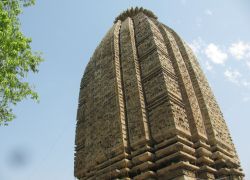
The Surya Mandir Temple, located in Aurangabad, is a magnificent temple dedicated to the Sun God, Surya. It is a significant religious site for Hindus and draws devotees and tourists alike from all over the country. The temple is known for its stunning architecture, intricate carvings, and spiritual ambiance, making it a must-visit destination for anyone interested in history, culture, and spirituality. Architecture of Surya Mandir Temple The Surya Mandir Temple is renowned for its breathtaking architecture that reflects the rich heritage and craftsmanship of ancient India. The temple is built in the Hemadpanthi style of architecture, which is characterized by its use of black basalt stone and intricate carvings. The main sanctum of the temple houses a life-size idol of the Sun God, Surya, surrounded by intricate carvings depicting various mythological stories and scenes from Hindu scriptures. The temple also has a pillared hall and a spacious courtyard, adding to its grandeur and beauty. History The Surya Mandir Temple was built in the 13th century during the reign of the Yadava dynasty. It was commissioned by King Bhimdev, who was a devout follower of the Sun God, Surya. The temple has stood the test of time and has witnessed the rise and fall of empires, making it a living testimony to the rich history and cultural heritage of Aurangabad. Best Time To Visit The best time to visit the Surya Mandir Temple is during the winter months, from November to February, when the weather is pleasant and suitable for exploring the temple complex. The temple can get crowded during festivals and special occasions, so it is advisable to plan your visit accordingly to avoid the rush and enjoy the spiritual ambiance of the temple. How To Reach The Surya Mandir Temple is located in Aurangabad, Maharashtra, and is easily accessible by road, rail, and air. The nearest airport is Aurangabad Airport, which is well-connected to major cities in India. The temple is also well-connected by road, and visitors can hire taxis or take public transportation to reach the temple complex. For those traveling by train, Aurangabad Railway Station is the nearest railhead, and from there, one can hire a taxi or take a bus to reach the temple. Significance Of The Surya Mandir Temple The Surya Mandir Temple holds great religious significance for Hindus, as it is dedicated to the Sun God, Surya, who is considered the source of life and energy. Devotees visit the temple to offer prayers and seek blessings for health, prosperity, and well-being. The temple also attracts history enthusiasts, art lovers, and tourists who are captivated by its architectural beauty and spiritual aura. Visiting the Surya Mandir Temple is not just a religious experience but also a journey through time and history, offering a glimpse into the rich cultural heritage of Aurangabad and India. Overall, the Surya Mandir Temple in Aurangabad is a gem of a religious site that stands as a testament to the rich history, culture, and architectural brilliance of ancient India. With its stunning architecture, spiritual ambiance, and historical significance, the temple is a must-visit destination for anyone seeking a memorable and enriching experience.
Explore More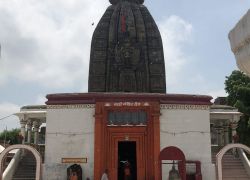
The Deo Sun Temple, located in the Aurangabad district of Bihar, India, is an ancient and revered shrine dedicated to Surya, the Sun God. This historical temple is one of the significant pilgrimage sites in the region, attracting thousands of devotees and tourists who come to worship and marvel at its unique architecture. The temple’s origins date back to the 7th century, and it is renowned for its architectural beauty and historical significance. It is often considered a hidden gem in Bihar, offering visitors a serene and spiritually enriching experience. How to Reach Deo Sun Temple, Aurangabad Deo Sun Temple is located in the small town of Deo, approximately 20 kilometers from Aurangabad city in Bihar. Reaching the temple is relatively easy due to its good connectivity via road, rail, and air. By Road: Aurangabad is well-connected to major cities in Bihar and neighboring states by road. Visitors can hire a taxi, private vehicle, or take a bus to reach Deo town, from where the temple is just a short distance away. By Rail: Aurangabad Junction is the nearest railway station, located about 20 kilometers from the temple. The station is well-connected to cities like Patna, Gaya, and other parts of Bihar. From the station, you can take a taxi or auto-rickshaw to reach the temple. By Air: The nearest major airport is Patna Airport, located about 85 kilometers from Aurangabad. From Patna, you can hire a taxi or use public transport to reach Aurangabad and then travel to Deo town to visit the temple. Weather at Deo Sun Temple, Aurangabad The climate of Aurangabad and Deo is typically hot and dry, with a distinct summer, monsoon, and winter season. The best time to visit the Deo Sun Temple is during the cooler months of winter, from November to February. The weather is pleasant during this time, making it ideal for sightseeing and temple visits. The summer months (March to June) can be extremely hot, with temperatures reaching above 40°C, which may make outdoor visits less comfortable. The monsoon season (July to September) brings moderate rainfall, and while the greenery is refreshing, travel can sometimes be hindered due to the rain. Timings of Deo Sun Temple The Deo Sun Temple is open for devotees and visitors every day of the week. The temple remains open during early morning and evening hours for prayers and rituals. The typical visiting hours are: Monday to Sunday: 5:00 AM – 12:00 PM & 4:00 PM – 8:00 PM Visitors are advised to come early in the morning for the morning aarti (prayer) and to avoid the crowd. The temple is especially lively during festivals, particularly during Chhath Puja, when thousands of devotees gather to offer prayers to the Sun God. Why Deo Sun Temple is Famous The Deo Sun Temple is famous for its association with Surya, the Sun God, and its historical significance. It is one of the few temples in India that is dedicated specifically to Surya, making it a vital site for Sun worship. The temple is particularly known for its unique rituals performed during festivals like Chhath Puja and its connection to local traditions. It is believed that taking a dip in the holy pond near the temple can purify one’s soul and bring blessings from the Sun God. The Deo Sun Temple’s architectural beauty, coupled with its religious importance, makes it a popular destination for tourists and pilgrims alike. The temple is often visited by those who seek spiritual solace, as well as by those interested in exploring the rich cultural heritage of Bihar. History and Architecture of Deo Sun Temple The Deo Sun Temple is an ancient temple with roots that trace back to the 7th century. It is believed that the temple was originally built during the reign of King Suraj Dev, who was a great devotee of the Sun God. Over the centuries, the temple has undergone several renovations, but it still retains much of its original charm and historical significance. Architecturally, the Deo Sun Temple follows the traditional style of Hindu temple architecture, with intricate carvings, ornate pillars, and a sanctum sanctorum that houses the idol of Surya. The temple is made of sandstone and boasts beautiful sculptures of various deities, adding to its allure. The temple is designed to align with the position of the sun, and during sunrise, the first rays of the sun illuminate the deity, creating a mesmerizing sight for devotees. The temple is surrounded by a large, serene pond that adds to the peaceful ambiance of the place. Pilgrims often take a ritual dip in the pond before entering the temple to purify themselves before offering prayers to the Sun God. Things to Do at Deo Sun Temple, Aurangabad A visit to the Deo Sun Temple offers a spiritual experience along with opportunities to explore the natural beauty of the surrounding area. Some things to do when you visit the temple include: Offer Prayers to Surya: The main activity at the temple is offering prayers to Surya, the Sun God. Devotees come here to seek blessings for health, prosperity, and success. You can also participate in the aarti during the early morning or evening. Take a Dip in the Holy Pond: The temple is situated near a sacred pond, where devotees take a dip to purify themselves. The water is considered holy, and bathing in it is believed to wash away sins. Attend Chhath Puja: If you visit during the festival of Chhath Puja, you can witness the grand celebrations. This festival, dedicated to the worship of the Sun God, sees thousands of devotees gather to offer prayers and rituals. It’s an experience that gives insight into the rich cultural traditions of the region. Explore the Temple Grounds: The temple’s surroundings are serene and perfect for a walk. You can explore the large temple complex and enjoy the peaceful atmosphere of the area. Facts and Tips about Deo Sun Temple, Aurangabad Fact: Deo Sun Temple is one of the few temples in India dedicated exclusively to the Sun God, making it a unique and important site for Sun worship. Tip: Wear comfortable shoes as the temple complex and surrounding areas are vast and require walking. Fact: The temple is known for its alignment with the sun, and during sunrise, the rays of the sun directly illuminate the idol of Surya, which is a spectacular sight to behold. Tip: If you are visiting during the Chhath Puja, be prepared for large crowds. Arriving early will give you a chance to experience the rituals before the temple becomes too crowded. Fact: The temple’s sacred pond is an important part of the ritual process. Pilgrims who bathe in the pond believe that it purifies them spiritually. Entry and Visit Details There is no entry fee to visit the Deo Sun Temple. The temple is open to all visitors, and it is a welcoming place for people of all faiths. You may need to remove your shoes before entering the temple premises, as is customary in most Hindu temples. The temple complex is well-maintained, with facilities such as restrooms and seating areas. The temple also has a few shops selling religious items, prasad (sacred offerings), and souvenirs. During festivals, such as Chhath Puja, the temple can get very crowded, and it is advisable to plan your visit accordingly. Early mornings are the best time to visit, as you can witness the temple rituals in a peaceful atmosphere. Conclusion The Deo Sun Temple is a significant historical and spiritual site in Aurangabad, Bihar. Its dedication to Surya, the Sun God, and its historical and architectural significance make it a must-visit destination for pilgrims and history enthusiasts alike. Whether you are seeking blessings, exploring ancient architecture, or witnessing the grandeur of Chhath Puja, a visit to the Deo Sun Temple offers a memorable and enriching experience.
Explore More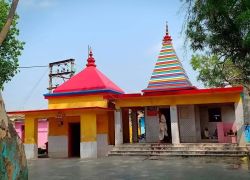
The Bhagwati Temple located in Madhubani, Bihar is one of the most respected and spiritually significant religious sites in the region. Dedicated to Goddess Bhagwati (a powerful form of Goddess Durga), this temple attracts devotees throughout the year from nearby villages and different parts of Bihar. Known for its peaceful surroundings, cultural importance, and deep-rooted traditions, the temple reflects the spiritual essence of Mithila culture. History and Architecture of Bhagwati Temple The history of Bhagwati Temple in Madhubani is closely connected with local beliefs and Mithila traditions. It is believed that the temple was established several decades ago by local villagers who worshipped Goddess Bhagwati as the protector of the region. Over time, the shrine became a major spiritual center for nearby communities. The architecture of the temple is simple yet culturally rich. Unlike grand stone temples found in metro cities, this temple reflects traditional rural Bihar temple design. The structure is mainly built with locally available materials, featuring a sacred sanctum where the idol of Goddess Bhagwati is placed. The temple area often includes open courtyards where devotees gather during festivals and special pujas. The spiritual environment, combined with traditional Mithila art influences in nearby regions, adds to the temple’s cultural beauty. The calm atmosphere makes it a perfect place for meditation and prayer. Why Bhagwati Temple is Famous The Bhagwati Temple, Madhubani is famous for its deep religious significance and strong local faith. It is believed that Goddess Bhagwati fulfills the wishes of devotees who visit the temple with true devotion. Many people come here to seek blessings for health, prosperity, and protection from negative energies. The temple also gains importance during local festivals, especially during Navratri, when large crowds gather for special pujas, devotional songs, and cultural rituals. The energy during this time is vibrant and spiritually uplifting. Another reason for its fame is its connection with Mithila traditions. Madhubani is already globally known for its Madhubani paintings, and this temple represents the spiritual backbone of that cultural heritage. Timings and Entry Details The Bhagwati Temple generally remains open for devotees throughout the day. Temple Timings: Morning: 5:00 AM – 12:00 PM Evening: 4:00 PM – 8:00 PM The temple usually does not charge any entry fee, making it accessible to everyone. Devotees can freely enter, offer prayers, and participate in rituals. During special festivals, timings may extend depending on crowd and puja schedules. How to Reach Bhagwati Temple, Madhubani Reaching Bhagwati Temple in Madhubani, Bihar is quite convenient due to its connectivity with nearby towns and cities. By Road: Madhubani is well-connected through road networks. Regular buses and private taxis are available from nearby cities like Darbhanga, Patna, and Sitamarhi. The temple can be reached easily from Madhubani town center by auto-rickshaws or local transport. By Train: The nearest railway station is Madhubani Railway Station, which is connected to major cities in Bihar. From the station, the temple is a short drive away. By Air: The nearest airport is Darbhanga Airport, located around 40–50 km away. From the airport, taxis and cab services are available to reach Madhubani. Weather Conditions in Madhubani The weather in Madhubani, Bihar varies throughout the year. Summers (March to June) are usually hot and dry with temperatures ranging between 30°C to 42°C. Winter season (November to February) is pleasant and cool, making it the best time to visit the temple. Monsoon season (July to September) brings moderate to heavy rainfall, which enhances the natural beauty of the region but may cause travel inconvenience. For a comfortable pilgrimage experience, winter months are highly recommended. Things to Do at Bhagwati Temple Visiting Bhagwati Temple is not just about offering prayers; it is also about experiencing spirituality and local culture. Here are some things you can do: 1. Offer Prayers: Participate in daily pujas and seek blessings from Goddess Bhagwati. 2. Experience Local Rituals: Witness traditional Mithila-style worship practices performed by local priests. 3. Attend Festivals: Visit during Navratri or special Hindu festivals to experience grand celebrations. 4. Explore Local Culture: Madhubani is famous for its art and traditions, so visitors can explore nearby villages known for Madhubani paintings. 5. Peaceful Meditation: The calm environment of the temple makes it ideal for meditation and relaxation. Interesting Facts about Bhagwati Temple • The temple is deeply rooted in Mithila spiritual traditions. • Goddess Bhagwati is considered the protector of the local region. • The temple sees its highest footfall during Navratri celebrations. • It is a major religious center for nearby rural communities. • The temple reflects simplicity and devotion rather than grand architecture. Tips for Visitors • Visit Early Morning: Morning hours are peaceful and ideal for prayers. • Respect Local Traditions: Follow temple customs and maintain silence inside the premises. • Carry Essentials: Keep water, comfortable footwear, and light clothing depending on the season. • Avoid Peak Summer Hours: Madhubani can get very hot, so plan accordingly. • Be Mindful During Festivals: Expect large crowds during Navratri and plan your visit early. Conclusion The Bhagwati Temple in Madhubani, Bihar is not just a religious site but a reflection of deep cultural roots and spiritual devotion. It offers a peaceful escape from daily life and allows visitors to connect with divine energy. Whether you are a devotee, a cultural explorer, or a traveler seeking peace, this temple provides a meaningful and memorable experience. Its simplicity, devotion, and cultural importance make it one of the most cherished spiritual destinations in Bihar.
Explore More