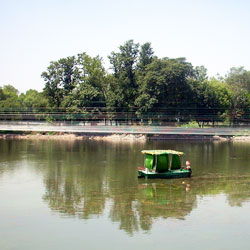
The Bua Hasan Monument, located in the district of Jhajjar in Haryana, is an important historical landmark that holds great cultural and architectural significance. The monument is dedicated to Bua Hasan, a historical figure associated with the region, and is known for its intricate architecture and its connection to local history. Over the years, the monument has become a popular destination for history enthusiasts, scholars, and tourists alike.
With its rich heritage, the Bua Hasan Monument reflects the artistry and grandeur of ancient Indian architecture. Its structure, design, and location make it an important part of Haryana's historical landscape.
Bua Hasan Monument is famous for:
• Its historical significance as a tribute to Bua Hasan.
• Architectural beauty showcasing traditional Indian design elements.
• Being an important cultural landmark in Jhajjar.
• Offering insights into the region’s historical figures and their contributions.
• The unique blend of local history and architectural style.
The monument serves as an enduring symbol of the rich cultural and historical heritage of the region.
The Bua Hasan Monument is dedicated to Bua Hasan, a prominent figure from the region whose contributions to local history and culture are remembered through this structure. Although the specific historical details of Bua Hasan are not widely documented, the monument itself stands as a testament to the importance of preserving local heroes and their legacies.
Over the centuries, the monument has attracted attention from historians and archaeologists interested in the area's past. It is believed that the structure was built during the era of local rulers who sought to honor important figures of the time. The monument's presence in Jhajjar reflects the region's connection to ancient Indian history and its role in the broader cultural context of Haryana.
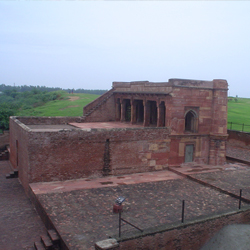
The architecture of the Bua Hasan Monument is traditional, with distinct Indian design elements that reflect the local culture and architectural styles. The monument is characterized by:
• Ornate carvings and sculptures: The structure features beautifully detailed carvings that showcase the craftsmanship of the era.
• Pillars and arches: The monument is supported by intricately designed pillars and arches that are typical of ancient Indian architecture.
• Large central platform: The central area of the monument is elevated, making it a focal point for visitors and a perfect spot for viewing the surrounding area.
• Traditional roof structure: The roof design features sloping elements, contributing to the monument's aesthetic appeal.
The architecture provides a glimpse into the region's history, offering a visual connection to the past.
Summer (April to June): 30°C to 40°C, with hot temperatures during the day. Morning and evening visits are advisable.
Monsoon (July to September): 25°C to 35°C, with occasional rains making the environment lush and green.
Winter (October to February): 10°C to 22°C, ideal for exploring the monument with pleasant weather conditions.
The best time to visit is during the winter months (October to February), when the weather is cool and comfortable for outdoor exploration.
Opening Time: 9:00 AM
Closing Time: 6:00 PM
The monument remains open throughout the week. However, it is advisable to check the schedule for any special closures or events before planning your visit.
Entry Fee: The entry fee is generally free, though donations for the maintenance of the monument are welcome.
Photography: Photography is allowed at the monument, but visitors should respect the site's sanctity and avoid disrupting the environment.
Parking: Ample parking space is available near the monument.
Suggested Visit Duration: 1 to 2 hours, depending on your interest in exploring the monument and surrounding areas.
The nearest airport is Indira Gandhi International Airport, Delhi, located approximately 65 km from the monument.
The nearest railway station is Jhajjar Railway Station, about 10 km away from the monument.
The monument is easily accessible by road from nearby cities like Delhi, Gurugram, and Rohtak.
Distance from nearby cities:
• Jhajjar – 10 km
• Gurugram – 50 km
• Delhi – 65 km
Public transportation options like taxis, buses, and private vehicles are readily available for travel to the monument.
1. Explore the Monument
Take a walk around the monument, appreciating its architecture and historical significance.
2. Learn About Local History
Understand the history of the region and the cultural importance of Bua Hasan through informative plaques and local guides.
3. Enjoy Scenic Views
The monument is set in a scenic location, offering panoramic views of the surrounding landscape, making it a great spot for photography and relaxation.
4. Attend Cultural Events
Check for local events or festivals held around the monument, offering an opportunity to experience regional culture.
• The monument is a key symbol of Haryana’s historical and cultural heritage.
• It is dedicated to a prominent figure, Bua Hasan, whose legacy is honored through the monument.
• The monument showcases the rich architectural style of ancient India.
• It is one of the lesser-known but significant landmarks in Haryana.
Useful travel tips:
• Wear comfortable shoes, as you may need to walk around the monument and its grounds.
• Bring a camera to capture the beauty of the monument and surrounding views.
• Carry water and snacks, especially during the hot summer months.
• Respect the local customs and the sanctity of the site.
While visiting Bua Hasan Monument, you can also explore other nearby attractions, such as:
• Sultanpur National Park
• Pratapgarh Farms
• Bhindawas Wildlife Sanctuary
• Joygaon Picnic Park
Bua Hasan Monument is a significant cultural and historical landmark in Jhajjar, Haryana. It offers visitors a glimpse into the rich architectural and cultural heritage of the region, along with a peaceful environment for exploration and reflection. Whether you're a history lover, a photographer, or simply looking to explore Haryana's past, the Bua Hasan Monument is a must-visit destination.
Its connection to local history, unique architecture, and scenic location make it an essential part of Haryana’s cultural landscape.

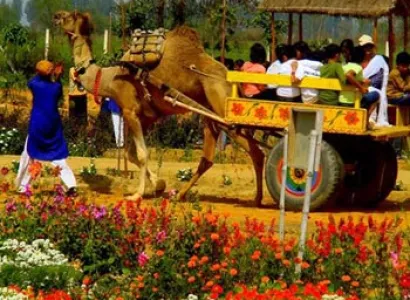
1 Day Tour To Pratap Garh Farms, Jhajjar With Dlx Bus, Breakfast & Lunch
1 Days/ 0 Night
Starting Price 850