
Welcome to Badshahi Bag Gurudwara, a serene oasis nestled in the heart of Ambala. This enchanting tourist attraction is a haven for nature lovers, photographers, and birdwatchers seeking a tranquil escape amidst lush greenery and diverse wildlife. History of Badshahi Bag Gurudwara Steeped in history, Badshahi Bag Gurudwara was once the esteemed royal hunting grounds of Ambala. Over the years, dedicated conservation efforts have transformed it into a protected sanctuary, gaining recognition from UNESCO for its rich biodiversity and historical significance. Architecture and Natural Beauty of Badshahi Bag Gurudwara The park boasts an array of wetlands, forests, and grasslands that provide a habitat for a myriad of bird species. Among its natural treasures lies the ancient Keoladeo Temple, adding a touch of historical charm to the picturesque landscapes. Why is Badshahi Bag Gurudwara Famous? Badshahi Bag Gurudwara has earned fame for being a paradise for birdwatchers, photographers, and nature enthusiasts. Its untouched beauty and vibrant bird habitats draw visitors from far and wide to witness the wonders of wildlife in their natural surroundings. How to Reach Badshahi Bag Gurudwara Traveling to Badshahi Bag Gurudwara is convenient via air, rail, and road. The city is well-connected with nearby airports and railway stations, offering various transportation options to reach this captivating destination. Weather and Best Time to Visit Badshahi Bag Gurudwara Throughout the seasons, Badshahi Bag Gurudwara showcases its beauty in different lights. While summers bring warmth and lush greenery, the monsoon paints the park in vibrant hues. The winter months offer a cool and pleasant climate, making it an ideal time to explore the park's wonders. Timings of Badshahi Bag Gurudwara Visiting hours at Badshahi Bag Gurudwara vary seasonally, ensuring that guests have ample time to explore and appreciate its natural splendor. It is recommended to plan your visit accordingly to make the most of your experience. Entry Fee and Visit Details Upon arrival, visitors can easily access the park with nominal entry fees. Guide services, safari options, bicycle rentals, and other visitor facilities are available to enhance your exploration of Badshahi Bag Gurudwara. Things to Do at Badshahi Bag Gurudwara Engage in a variety of activities at Badshahi Bag Gurudwara, including birdwatching, photography, cycling, and nature observation. The park's walking trails offer a peaceful retreat for those seeking educational experiences amidst the beauty of nature. Interesting Facts About Badshahi Bag Gurudwara Badshahi Bag Gurudwara is home to a multitude of migratory birds, showcasing the park's rich biodiversity and conservation efforts. Its ecological importance lies in its role as a sanctuary for wildlife, making it a treasure trove for nature enthusiasts. Travel Tips for Visiting Badshahi Bag Gurudwara When visiting Badshahi Bag Gurudwara, remember to dress comfortably, carry essential photography and birdwatching equipment, and choose the best season that suits your interests. Embrace responsible tourism practices to preserve the park's natural beauty for future generations. Conclusion In conclusion, Badshahi Bag Gurudwara in Ambala stands as a testament to the harmonious blend of history, nature, and wildlife. Its serene ambiance and diverse offerings make it a must-visit destination for those seeking a peaceful retreat amidst the wonders of the natural world.
Explore More
Welcome to the serene and enchanting world of Bhawani Amba Temple in Ambala, a hidden gem that beckons travelers seeking solace in the lap of nature. The temple, nestled amidst the picturesque surroundings of Ambala, offers a unique blend of spirituality, natural beauty, and biodiversity that captivates the hearts of visitors. History of Bhawani Amba Temple Steeped in history, Bhawani Amba Temple stands as a testament to ancient traditions and cultural heritage. Originally serving as a royal hunting ground, the temple has evolved over the years into a sanctuary for both wildlife and pilgrims. The conservation efforts undertaken here have garnered international recognition, with UNESCO acknowledging its significance in preserving the rich flora and fauna of the region. Architecture and Natural Beauty of Bhawani Amba Temple The temple's surroundings boast of lush wetlands, dense forests, sprawling grasslands, and diverse bird habitats that make it a paradise for nature lovers. The majestic Keoladeo Temple, a historical marvel within the park, adds to the architectural charm and natural allure of the place, creating a harmonious blend of spirituality and scenic beauty. Why is Bhawani Amba Temple Famous? Bhawani Amba Temple has gained fame for being a haven for birdwatchers, photographers, nature enthusiasts, and wildlife lovers alike. The abundance of avian species, coupled with the tranquil ambiance and breathtaking landscapes, makes it a sought-after destination for those seeking a rendezvous with nature's wonders. How to Reach Bhawani Amba Temple Traveling to Bhawani Amba Temple is convenient, with options available by air, rail, and road. The nearest airports and railway stations provide easy access to the temple, ensuring a hassle-free journey for visitors eager to explore its mystical surroundings. Weather and Best Time to Visit Bhawani Amba Temple The temple experiences varying weather conditions throughout the year, with distinct seasons of summer, monsoon, and winter. The best time to visit is during the cooler months when the natural beauty is at its peak, offering a delightful experience for tourists. Timings of Bhawani Amba Temple Visitors can explore the temple at specified timings, with seasonal variations that may impact the overall experience. It is advisable to plan your visit accordingly to make the most of your time at this tranquil sanctuary. Entry Fee and Visit Details Entry procedures are straightforward, with guide services, safari options, bicycle rentals, and visitor facilities available for a comfortable and enriching experience. Exploring the temple and its surroundings is made convenient for visitors of all ages. Things to Do at Bhawani Amba Temple Engage in a myriad of activities at Bhawani Amba Temple, from birdwatching and photography to cycling and nature observation. The walking trails offer a chance to immerse yourself in the beauty of the surroundings, while educational experiences provide insights into the rich biodiversity of the region. Interesting Facts About Bhawani Amba Temple Bhawani Amba Temple is home to a diverse range of migratory birds, showcasing the rich biodiversity and conservation efforts that have made it a sanctuary for numerous species. The temple's ecological importance and conservation achievements further highlight its significance in preserving the natural heritage of Ambala. Travel Tips for Visiting Bhawani Amba Temple When visiting Bhawani Amba Temple, remember to dress appropriately for the weather, carry essential photography equipment for capturing the beauty around you, and adhere to responsible tourism practices to preserve the sanctity of the temple and its surroundings. Familiarize yourself with the visiting seasons to plan a memorable trip to this serene destination. Conclusion In conclusion, Bhawani Amba Temple in Ambala offers a unique blend of spirituality, natural beauty, and biodiversity that appeals to all who seek a tranquil escape from the hustle and bustle of city life. With its historical significance, architectural marvels, and abundance of flora and fauna, the temple stands as a testament to the harmonious coexistence of man and nature, providing visitors with an unforgettable experience in the heart of Ambala.
Explore More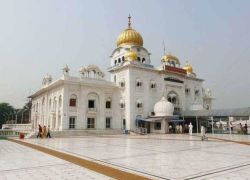
Sis Ganj Gurudwara in Ambala, Haryana is an important Sikh religious site visited by devotees and tourists throughout the year. Known for its spiritual atmosphere, historical significance, and beautiful architecture, this gurudwara holds special importance in Sikh history and attracts pilgrims from across India. Located in Ambala city, Sis Ganj Gurudwara is a peaceful destination where visitors come to offer prayers, attend religious gatherings, and experience the traditions of Sikh culture and hospitality. The gurudwara is well maintained and provides a calm environment away from the busy city life. Like most major Sikh shrines, the gurudwara also offers langar (community meal), accommodation facilities for pilgrims in some cases, and daily prayer services. Why is Sis Ganj Gurudwara Famous? Sis Ganj Gurudwara is famous for: • Historical and religious importance in Sikhism • Beautiful gurudwara architecture • Peaceful spiritual environment • Daily prayers and kirtan • Community langar service • Popular pilgrimage site in Ambala The gurudwara is especially visited by Sikh devotees and travelers interested in Punjab-Haryana religious heritage. History of Sis Ganj Gurudwara The term “Sis Ganj” translates to “place of the revered head” and is associated with Sikh history and sacrifice. Gurudwaras with the name Sis Ganj are generally linked to historical events related to Sikh Gurus or martyrs. The Sis Ganj Gurudwara in Ambala has historical significance for the local Sikh community and serves as an important religious center in the city. Over time, the gurudwara developed into a major place of worship where devotees gather for prayers, festivals, and community service activities. It is particularly vibrant during Sikh festivals such as: • Gurpurabs • Baisakhi • Guru Nanak Jayanti • Guru Gobind Singh Jayanti Architecture of Sis Ganj Gurudwara Sis Ganj Gurudwara features traditional Sikh religious architecture with clean white structures, domes, and prayer halls. Main architectural highlights include: • White marble exterior and interiors • Decorative domes • Nishan Sahib (Sikh flag) • Large prayer hall • Community langar hall • Courtyard for devotees The design reflects simplicity, cleanliness, and spiritual elegance typical of Sikh places of worship. Weather at Sis Ganj Gurudwara Summer (April to June): Temperature ranges between 30°C to 42°C. Monsoon (July to September): 25°C to 34°C with moderate rainfall. Winter (October to February): 8°C to 22°C, making it the best season to visit. The ideal time to visit is from October to March. Sis Ganj Gurudwara Timings Opening Time: 4:00 AM to 5:00 AM (approx.) Closing Time: 9:00 PM to 10:00 PM The gurudwara generally remains open daily for devotees. Prayer timings may vary during festivals and special events. Entry Fee and Visit Details Entry Fee: Free Photography: Limited or subject to permission in certain areas. Langar: Free community meal available for visitors. Suggested Visit Duration: 1 to 2 hours All visitors are welcome regardless of religion, provided they follow gurudwara etiquette. How to Reach Sis Ganj Gurudwara, Ambala, Haryana By Air The nearest airport is Chandigarh International Airport, around 45 km away. By Train The nearest railway station is Ambala Cantonment Railway Station, which is well connected to major Indian cities. The gurudwara can be reached easily by taxi or auto from the station. By Road Ambala is well connected through national highways and state roads. Distance from nearby cities: • Chandigarh – 45 km • Kurukshetra – 40 km • Karnal – 80 km • Delhi – 200 km Local transport and taxis are easily available. Things to Do at Sis Ganj Gurudwara 1. Attend Prayer Services Participate in daily prayers and listen to kirtan. 2. Experience Langar Enjoy free community meals served to all visitors. 3. Meditation and Spiritual Reflection Spend peaceful time in prayer and silence. 4. Explore Sikh Architecture Admire the beautiful domes, interiors, and prayer halls. 5. Learn About Sikh Traditions Observe community service and religious practices. Interesting Facts About Sis Ganj Gurudwara • Important Sikh religious site in Ambala • Offers daily langar service • Open to all visitors irrespective of religion • Popular during Gurpurabs and festivals • Maintains traditional Sikh customs and discipline Travel Tips for Visitors Useful tips before visiting: • Cover your head before entering • Remove shoes outside prayer area • Dress modestly • Maintain silence and respect • Wash hands before entering langar hall • Do not carry tobacco or alcohol products Nearby Attractions Visitors can also explore nearby attractions such as: • Ambala Cloth Market • Badshahi Bagh Gurudwara • Holy Redeemer Church • Rani Ka Talab • Ambala Cantonment Market Conclusion Sis Ganj Gurudwara, Ambala, Haryana is a spiritually enriching destination known for its religious importance, beautiful architecture, peaceful atmosphere, and community service traditions. Whether you are a devotee, history enthusiast, or traveler exploring Ambala, visiting Sis Ganj Gurudwara offers a meaningful cultural and spiritual experience.
Explore More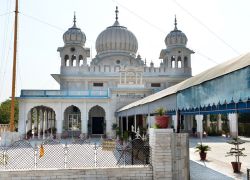
Badshahi Bagh Gurudwara is one of the most important Sikh religious sites in Ambala, Haryana. Located in Ambala Cantonment, this historic gurudwara is associated with Sikh heritage and attracts devotees, pilgrims, and tourists from different parts of India. Known for its peaceful environment, beautiful white architecture, and religious importance, the gurudwara is a must-visit spiritual destination in Ambala. The gurudwara is especially famous among Sikh devotees for its connection to Sikh history and for maintaining the traditions of prayer, seva (selfless service), and langar. Visitors often come here to seek blessings, participate in religious activities, and experience spiritual calmness. Why is Badshahi Bagh Gurudwara Famous? Badshahi Bagh Gurudwara is famous for: • Historical importance in Sikh heritage • Peaceful spiritual atmosphere • Beautiful white gurudwara architecture • Daily prayers and kirtan • Community langar service • Popular pilgrimage site in Ambala Cantonment It is one of the most visited gurudwaras in Ambala and is respected by both local residents and tourists. History of Badshahi Bagh Gurudwara Badshahi Bagh Gurudwara has historical importance linked to Sikh religious traditions and regional heritage. The site is believed to have connections with Sikh Gurus and important historical events in the region. Over the years, the gurudwara developed into a significant center for worship and community service in Ambala Cantonment. It continues to serve as a place where devotees gather for prayer, religious festivals, and spiritual learning. Major Sikh festivals celebrated here include: • Gurpurabs • Baisakhi • Guru Nanak Jayanti • Guru Gobind Singh Jayanti During festival days, the gurudwara is beautifully decorated and sees large gatherings of devotees. Architecture of Badshahi Bagh Gurudwara The architecture of Badshahi Bagh Gurudwara reflects classic Sikh design principles focused on simplicity, symmetry, and purity. Main architectural highlights include: • White marble structure • Decorative domes • Spacious prayer hall • Nishan Sahib (Sikh religious flag) • Langar hall • Courtyard and visitor areas The interiors are clean, well maintained, and designed to create a peaceful spiritual experience. Weather at Badshahi Bagh Gurudwara Summer (April to June): 30°C to 42°C with hot afternoons. Monsoon (July to September): 25°C to 34°C with moderate rainfall. Winter (October to February): 8°C to 22°C, making it the best season to visit. The ideal time to visit is from October to March. Badshahi Bagh Gurudwara Timings Opening Time: 4:00 AM to 5:00 AM (approx.) Closing Time: 9:00 PM to 10:00 PM The gurudwara is usually open daily for devotees and visitors. Prayer timings may vary during special religious events and festivals. Entry Fee and Visit Details Entry Fee: Free Langar: Free community meal available daily. Photography: Allowed in selected outdoor areas depending on rules. Suggested Visit Duration: 1 to 2 hours Visitors from all religions are welcome, provided they follow gurudwara etiquette. How to Reach Badshahi Bagh Gurudwara, Ambala, Haryana By Air The nearest airport is Chandigarh International Airport, approximately 45 km away. By Train The nearest railway station is Ambala Cantonment Railway Station, located nearby and well connected to major Indian cities. Local taxis and auto-rickshaws are easily available from the station. By Road Ambala is well connected through major national highways. Distance from nearby cities: • Chandigarh – 45 km • Kurukshetra – 40 km • Karnal – 80 km • Delhi – 200 km Buses, taxis, and self-drive vehicles are convenient options. Things to Do at Badshahi Bagh Gurudwara 1. Attend Prayer Services Join daily prayers and devotional singing sessions. 2. Experience Langar Enjoy free community meals prepared by volunteers. 3. Meditation and Reflection Spend peaceful time in prayer and spiritual contemplation. 4. Explore Sikh Architecture Admire the elegant domes, marble work, and interiors. 5. Participate in Seva Visitors can volunteer in community service activities. Interesting Facts About Badshahi Bagh Gurudwara • Important Sikh pilgrimage site in Ambala • Located in Ambala Cantonment • Open to visitors from all religions • Provides daily langar service • Popular during Sikh festivals Travel Tips for Visitors Useful travel tips: • Cover your head before entering • Remove shoes before entering prayer areas • Dress modestly and respectfully • Maintain silence inside prayer hall • Avoid carrying tobacco or alcohol • Follow gurudwara rules and customs Nearby Attractions Visitors can also explore nearby attractions such as: • Sis Ganj Gurudwara • Ambala Cloth Market • Holy Redeemer Church • Rani Ka Talab • Ambala Cantonment Market Conclusion Badshahi Bagh Gurudwara, Ambala, Haryana is a spiritually significant and peaceful religious destination known for its Sikh heritage, welcoming atmosphere, and community traditions. Whether you are a devotee, pilgrim, or tourist exploring Ambala, a visit to Badshahi Bagh Gurudwara offers a memorable spiritual and cultural experience.
Explore More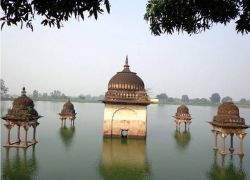
Rani Ka Talab Mandir is one of the well-known religious and historical attractions in Ambala, Haryana. Located near the famous Rani Ka Talab area, this temple is visited by devotees and tourists seeking spirituality, peace, and cultural heritage. The temple is associated with local history and is surrounded by a traditional pond area that adds charm and historical significance to the destination. The site is not only a place of worship but also a peaceful retreat where visitors can spend time in prayer, enjoy the surroundings, and explore an important part of Ambala’s heritage. The temple attracts devotees throughout the year, especially during festivals and special religious occasions. Why is Rani Ka Talab Mandir Famous? Rani Ka Talab Mandir is famous for: • Religious importance among local devotees • Historic pond (talab) surrounding the temple area • Peaceful spiritual atmosphere • Traditional temple architecture • Popular festival celebrations • Cultural importance in Ambala city The temple is considered an important place for daily worship as well as festive gatherings. History of Rani Ka Talab Mandir The history of Rani Ka Talab is connected to local royal heritage and traditional water reservoir systems built in earlier centuries. The word “Talab” means pond or water tank, and such structures were historically important for water storage, public use, and temple rituals. It is believed that the pond and temple area were developed under royal patronage, which is why the place is known as Rani Ka Talab, meaning “The Queen’s Pond.” Over time, the temple became an important religious site for local communities. Today, it continues to function as a place of worship and cultural identity for Ambala residents. Architecture of Rani Ka Talab Mandir Rani Ka Talab Mandir features traditional North Indian temple architecture with religious symbolism and simple structural beauty. Main architectural highlights include: • Temple shrine with idols • Decorative entrance gateway • Prayer hall for devotees • Traditional temple tower or dome • Historic pond nearby • Courtyard and sitting areas The presence of the pond adds a scenic and peaceful atmosphere to the temple complex. Weather at Rani Ka Talab Mandir Summer (April to June): 30°C to 42°C. Morning and evening visits are recommended. Monsoon (July to September): 25°C to 34°C with moderate rainfall. Winter (October to February): 8°C to 22°C. Best time to visit. The ideal time to visit is from October to March. Rani Ka Talab Mandir Timings Opening Time: 5:00 AM to 6:00 AM Closing Time: 8:00 PM to 9:00 PM The temple is generally open daily for worshippers and visitors. Festival timings may vary depending on special religious events. Entry Fee and Visit Details Entry Fee: Free Photography: Allowed in outer areas depending on temple rules. Suggested Visit Duration: 30 minutes to 1.5 hours No prior booking is required for temple visits. How to Reach Rani Ka Talab Mandir, Ambala, Haryana By Air The nearest airport is Chandigarh International Airport, approximately 45 km away. By Train The nearest railway station is Ambala Cantonment Railway Station, well connected to major cities across India. Autos, taxis, and local transport are easily available from the station. By Road Rani Ka Talab Mandir is located within Ambala city and is easily accessible by road. Distance from nearby cities: • Chandigarh – 45 km • Kurukshetra – 40 km • Karnal – 80 km • Delhi – 200 km Buses, taxis, and local transport are available regularly. Things to Do at Rani Ka Talab Mandir 1. Offer Prayers Seek blessings and participate in temple rituals. 2. Explore Temple Architecture Admire traditional temple design and religious décor. 3. Visit the Talab Area Spend peaceful time near the historic pond. 4. Attend Festivals Visit during major Hindu festivals for special celebrations. 5. Photography Capture temple surroundings and heritage views. Interesting Facts About Rani Ka Talab Mandir • Named after a historic queen-associated pond • Important local religious landmark • Popular among Ambala residents • Historic pond adds cultural significance • Peaceful temple environment for visitors Travel Tips for Visitors Useful travel tips: • Dress modestly while visiting temple • Remove footwear before entering shrine • Visit during morning or evening for better experience • Carry water in summer • Maintain cleanliness and silence • Respect temple customs and rituals Nearby Attractions Visitors can also explore nearby attractions such as: • Ambala Cloth Market • Sis Ganj Gurudwara • Badshahi Bagh Gurudwara • Holy Redeemer Church • Ambala Cantonment Market Conclusion Rani Ka Talab Mandir, Ambala, Haryana is a peaceful religious and cultural destination offering a blend of spirituality, local history, and traditional charm. The temple and its historic pond area make it a meaningful place for worship as well as a pleasant stop for tourists exploring Ambala. Whether you are seeking blessings, cultural exploration, or a quiet spiritual experience, Rani Ka Talab Mandir is worth visiting during your trip to Ambala.
Explore More
St. Paul Church is one of the oldest and most beautiful churches in Ambala, Haryana. Located in Ambala Cantonment, this historic church is a significant religious landmark and an important part of the city’s colonial heritage. Known for its peaceful surroundings, elegant architecture, and spiritual atmosphere, St. Paul Church attracts both Christian devotees and tourists interested in history and architecture. The church stands as a symbol of Ambala’s colonial past and is admired for its classic European design, well-maintained interiors, and serene prayer environment. Visitors often come here to attend prayer services, celebrate festivals such as Christmas, and explore one of the prominent heritage structures in the city. Why is St. Paul Church Famous? St. Paul Church is famous for: • Historic colonial-era architecture • Religious importance for Christian community • Beautiful interiors and peaceful atmosphere • Christmas and Easter celebrations • Heritage significance in Ambala Cantonment • Photography and architecture interest The church is particularly popular during Christmas when it is decorated beautifully and hosts special prayer services. History of St. Paul Church St. Paul Church was built during the British colonial period when Ambala Cantonment developed as an important military and administrative center. The church was established to serve the Christian community, British officers, and residents living in the cantonment area. Over the decades, St. Paul Church became one of the important religious institutions in Ambala. Despite the passage of time, the church has retained much of its historical charm and architectural beauty. Today, it remains an active place of worship and an architectural attraction for visitors exploring Ambala’s heritage sites. Architecture of St. Paul Church St. Paul Church showcases classic colonial and Gothic-style church architecture. Main architectural highlights include: • Tall church tower • Gothic-style windows • Arched doorways • Elegant prayer hall • Wooden interiors and pew seating • Decorative altar • Spacious church grounds The church architecture reflects European design influences with a calm and graceful appearance. The stained-glass windows and symmetrical structure enhance its visual appeal. Weather at St. Paul Church Summer (April to June): 30°C to 42°C. Mornings are better for visiting. Monsoon (July to September): 25°C to 34°C with moderate rainfall. Winter (October to February): 8°C to 22°C. Best season to visit. The ideal time to visit is from October to March, especially during Christmas season. St. Paul Church Timings Opening Time: 7:00 AM Closing Time: 7:00 PM Prayer and mass timings may vary depending on weekdays, Sundays, and festivals. Sunday services are generally the busiest. Entry Fee and Visit Details Entry Fee: Free Photography: Allowed in selected areas, subject to permission. Suggested Visit Duration: 30 minutes to 1 hour Visitors are expected to maintain silence and respect church customs. How to Reach St. Paul Church, Ambala, Haryana By Air The nearest airport is Chandigarh International Airport, approximately 45 km away. By Train The nearest railway station is Ambala Cantonment Railway Station, located close to the church. Local transport such as taxis and auto-rickshaws are easily available. By Road St. Paul Church is easily accessible by road within Ambala Cantonment. Distance from nearby cities: • Chandigarh – 45 km • Kurukshetra – 40 km • Karnal – 80 km • Delhi – 200 km Regular buses, taxis, and self-drive vehicles can be used. Things to Do at St. Paul Church 1. Attend Prayer Service Participate in daily or Sunday prayers. 2. Explore Church Architecture Admire colonial design and Gothic elements. 3. Meditation and Reflection Spend quiet spiritual time inside the church. 4. Christmas Visit Experience festive decorations and celebrations. 5. Photography Capture the beautiful exterior and surroundings. Interesting Facts About St. Paul Church • One of the oldest churches in Ambala • Built during British colonial period • Located in Ambala Cantonment • Known for Gothic-style design • Popular during Christmas celebrations Travel Tips for Visitors Useful travel tips: • Dress modestly • Maintain silence inside church • Visit during morning or evening • Seek permission before photography indoors • Attend Christmas season for special experience Nearby Attractions Visitors can also explore nearby attractions such as: • Rani Ka Talab Mandir • Ambala Cloth Market • Sis Ganj Gurudwara • Badshahi Bagh Gurudwara • Ambala Cantonment Market Conclusion St. Paul Church, Ambala, Haryana is a peaceful and historically significant destination that beautifully combines spirituality, colonial heritage, and architectural elegance. Whether you are a devotee, architecture enthusiast, or tourist exploring Ambala, St. Paul Church offers a memorable spiritual and heritage experience.
Explore More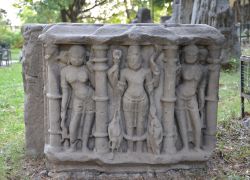
Bhima Devi Temple, located in Pinjore in Panchkula district of Haryana, is one of the most historically important temple sites in North India. Popularly known as the “Khajuraho of North India”, this ancient temple complex is famous for its beautifully carved sculptures, temple ruins, archaeological remains, and open-air museum. The site is situated close to the famous Pinjore Gardens, making it a must-visit attraction for history lovers, architecture enthusiasts, and tourists visiting Haryana. The temple complex showcases ruins from the 8th to 11th century and reflects the artistic excellence of ancient Indian temple architecture. Today, it is protected and maintained as an archaeological site and museum by the Haryana Government. :contentReference[oaicite:1]{index=1} Why is Bhima Devi Temple Famous? Bhima Devi Temple is famous for: • Ancient temple ruins dating back to the 8th–11th century • Exquisite stone sculptures and carvings • Being called the “Khajuraho of North India” due to similar artistic sculptures • Open-air archaeological museum • Panchayatan style temple architecture • Historical importance and cultural heritage value The temple is especially famous for its rare sculptures of Hindu gods, goddesses, dancers, musicians, floral patterns, and decorative motifs found during excavations. :contentReference[oaicite:2]{index=2} History of Bhima Devi Temple The history of Bhima Devi Temple dates back to the 8th to 11th century AD. The temple is believed to have been built during the reign of the Gurjara-Pratihara dynasty, one of the major ruling dynasties of North India. Archaeological excavations conducted in 1974 revealed ancient temple remains, stone plinths, sculptures, and structural fragments. Historians believe the temple was originally dedicated to Lord Shiva and was later associated with Bhima Devi. The temple complex is believed to have suffered destruction during repeated invasions between the 13th and 17th centuries. Many remains were buried underground until excavation uncovered the hidden heritage site. After excavation, the site was converted into an open-air museum to preserve the recovered sculptures and ruins for visitors. :contentReference[oaicite:3]{index=3} Architecture of Bhima Devi Temple The temple is built in the classic Panchayatan architectural style, where one main shrine is surrounded by four subsidiary shrines. Architectural highlights include: • Stone temple plinths and pillars • Ancient sandstone sculptures • Intricate carvings of Hindu deities • Decorative brackets and temple fragments • Floral and geometric patterns • Sculptures of apsaras, dancers, and musicians The carvings display a high level of artistic skill similar to temples found in Khajuraho and Bhubaneswar. This is why the temple is often called the northern counterpart of Khajuraho. :contentReference[oaicite:4]{index=4} Weather at Bhima Devi Temple Summer (April to June): 28°C to 40°C. Summers can be warm during afternoons. Monsoon (July to September): 24°C to 32°C with pleasant greenery and moderate rainfall. Winter (October to February): 8°C to 22°C. Best season to visit. The ideal time to visit Bhima Devi Temple is from October to March. Bhima Devi Temple Timings Opening Time: 9:00 AM Closing Time: 5:00 PM Open Days: Tuesday to Sunday Closed: Monday The temple museum generally follows standard museum hours for visitors. :contentReference[oaicite:5]{index=5} Entry Fee and Visit Details Entry Fee: Free or nominal charges may apply depending on events and maintenance policies. Suggested Visit Duration: 1 to 2 hours Photography: Allowed in most outdoor sections Visitors can comfortably combine Bhima Devi Temple with Pinjore Gardens in the same trip. How to Reach Bhima Devi Temple, Pinjore, Haryana By Air The nearest airport is Chandigarh International Airport, located around 30 km from Pinjore. By Train The nearest railway station is Kalka Railway Station, approximately 5 km away. Chandigarh Railway Station is another convenient option. By Road Bhima Devi Temple is well connected by road through NH-5. Distance from nearby cities: • Chandigarh – 22 km • Panchkula – 15 km • Kalka – 5 km • Shimla – 110 km Taxis, buses, autos, and private vehicles are easily available. Things to Do at Bhima Devi Temple 1. Explore Ancient Ruins Walk around the open-air museum and see excavated temple remains. 2. Study Historical Sculptures Admire sculptures of Shiva, Parvati, Ganesha, Vishnu, and other deities. 3. Photography The temple ruins and stone carvings offer excellent photography opportunities. 4. Visit Nearby Pinjore Gardens Combine your visit with nearby Pinjore Gardens for a full-day outing. 5. Learn Archaeological History Read informational displays about the excavation and temple restoration. Interesting Facts About Bhima Devi Temple • Built between 8th and 11th century AD • Called “Khajuraho of North India” • Excavated in 1974 • Dedicated primarily to Lord Shiva • Located next to Pinjore Gardens • Protected by Haryana Government Archaeology Department Travel Tips for Visitors Useful travel tips: • Visit during winter for best weather • Combine with Pinjore Gardens visit • Carry water and sunscreen in summer • Wear comfortable footwear for walking • Respect heritage structures and avoid touching sculptures • Morning visits are ideal for peaceful exploration Nearby Attractions After visiting Bhima Devi Temple, tourists can also explore: • Pinjore Gardens • Timber Trail, Parwanoo • Morni Hills • Kalka • Chandigarh city attractions Conclusion Bhima Devi Temple, Pinjore, Haryana is an exceptional heritage destination that combines history, archaeology, architecture, and spirituality. Its ancient ruins, beautiful sculptures, and historical importance make it one of Haryana’s hidden gems. Whether you are a history enthusiast, cultural traveler, or tourist exploring Pinjore, Bhima Devi Temple offers a unique and memorable experience.
Explore More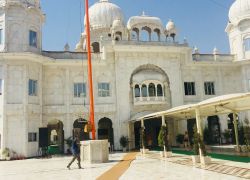
Gurudwara Nada Sahib is one of the most sacred Sikh pilgrimage sites in Haryana, located on the banks of the Ghaggar-Hakra River in Panchkula near Chandigarh. This beautiful gurudwara is highly revered by Sikh devotees and is visited by thousands of pilgrims every day. Known for its spiritual atmosphere, religious significance, community service, and elegant architecture, Gurudwara Nada Sahib is an important destination for both pilgrims and tourists. The gurudwara is associated with Guru Gobind Singh Ji, the tenth Sikh Guru, making it a place of deep historical and religious importance. Visitors come here to offer prayers, participate in kirtan, and experience the peaceful environment. Why is Gurudwara Nada Sahib Famous? Gurudwara Nada Sahib is famous for: • Association with Guru Gobind Singh Ji • Major Sikh pilgrimage site in Haryana • Daily langar service • Beautiful riverside location • Peaceful spiritual environment • Elegant white gurudwara architecture The gurudwara is especially crowded during Sikh festivals and weekends. History of Gurudwara Nada Sahib Gurudwara Nada Sahib has great historical significance because it is believed that Guru Gobind Singh Ji visited this place after the Battle of Bhangani in 1688 while returning from Paonta Sahib. According to Sikh history, the Guru stayed here briefly and was warmly welcomed by local devotees. The place later became a sacred site, and a gurudwara was built in memory of his visit. Over time, Nada Sahib developed into one of the most important Sikh shrines in the region and is now managed efficiently to accommodate large numbers of pilgrims. Architecture of Gurudwara Nada Sahib Gurudwara Nada Sahib features traditional Sikh religious architecture combined with modern facilities. Main architectural highlights include: • White marble structure • Golden domes • Large prayer hall • Nishan Sahib (Sikh flag) • Spacious langar hall • Pilgrim accommodation areas • Clean courtyards and pathways The gurudwara complex is well maintained and designed to handle large pilgrim gatherings comfortably. Weather at Gurudwara Nada Sahib Summer (April to June): 28°C to 40°C. Morning and evening visits are recommended. Monsoon (July to September): 24°C to 32°C with moderate rainfall. Winter (October to February): 7°C to 22°C. Best season to visit. The ideal time to visit is from October to March. Gurudwara Nada Sahib Timings Opening Time: Open 24 hours Prayer services and langar continue throughout the day. Morning and evening prayer sessions are especially popular. Entry Fee and Visit Details Entry Fee: Free Langar: Free community meal available daily Parking: Parking facilities available Accommodation: Basic facilities may be available for pilgrims Suggested Visit Duration: 1 to 2 hours Visitors are welcome irrespective of religion, provided they follow gurudwara customs. How to Reach Gurudwara Nada Sahib, Panchkula, Haryana By Air The nearest airport is Chandigarh International Airport, approximately 18 km away. By Train The nearest railway station is Chandigarh Railway Station, around 10 km away. Panchkula and Kalka railway stations are also nearby. By Road Gurudwara Nada Sahib is well connected by road. Distance from nearby locations: • Panchkula – 7 km • Chandigarh – 12 km • Mansa Devi Temple – 6 km • Delhi – 250 km Buses, taxis, autos, and private vehicles are available easily. Things to Do at Gurudwara Nada Sahib 1. Offer Prayers Seek blessings and spiritual peace. 2. Attend Kirtan Listen to devotional hymns in the prayer hall. 3. Experience Langar Enjoy free community meals served daily. 4. Meditation Spend peaceful time in prayer and reflection. 5. Explore Gurudwara Architecture Admire marble structures, domes, and interiors. Interesting Facts About Gurudwara Nada Sahib • Associated with Guru Gobind Singh Ji • Located on riverbank in Panchkula • Open 24 hours daily • Free langar for all visitors • Major Sikh pilgrimage destination Travel Tips for Visitors Useful travel tips: • Cover your head before entering • Remove shoes before entering prayer hall • Dress modestly • Maintain silence and respect • Do not carry tobacco or alcohol • Participate respectfully in langar Nearby Attractions Visitors can also explore nearby attractions such as: • Mansa Devi Temple • Morni Hills • Pinjore Gardens • Kaushalya Dam • Chandigarh Rock Garden Conclusion Gurudwara Nada Sahib, Panchkula, Haryana is one of the most spiritually important Sikh shrines in North India. With its historical connection to Guru Gobind Singh Ji, beautiful architecture, peaceful environment, and tradition of seva, it offers a deeply meaningful experience. Whether you are a pilgrim, history lover, or traveler exploring Panchkula, Gurudwara Nada Sahib is a must-visit spiritual destination.
Explore More
Baba Bhanja Peer is a popular spiritual and religious site located in Panchkula, Haryana. Known for its peaceful environment, faith-based traditions, and local cultural importance, this shrine attracts devotees from Haryana, Punjab, Chandigarh, and nearby regions. People from different communities visit Baba Bhanja Peer to seek blessings, offer prayers, and participate in religious gatherings. The shrine is considered a symbol of communal harmony, as visitors from different religions and backgrounds come here with faith and devotion. Baba Bhanja Peer is especially visited during special prayer days, local fairs, and spiritual events. Its calm atmosphere and devotional significance make it an important local religious attraction in Panchkula. Why is Baba Bhanja Peer Famous? Baba Bhanja Peer is famous for: • Spiritual significance and local faith • Religious gatherings and prayers • Symbol of communal harmony • Peaceful environment • Local fairs and devotional events • Popular pilgrimage site in Panchkula Devotees believe that prayers offered here bring peace, blessings, and fulfillment of wishes. History of Baba Bhanja Peer The history of Baba Bhanja Peer is rooted in local religious traditions and oral folklore. The shrine is dedicated to a respected spiritual figure remembered for wisdom, blessings, and service to people. Over the years, the place became a center of faith where devotees started visiting regularly to seek blessings for health, prosperity, and well-being. As its spiritual reputation grew, Baba Bhanja Peer became an important devotional site in the Panchkula region. Today, it continues to attract visitors throughout the year. Architecture and Shrine Structure Baba Bhanja Peer features simple yet spiritually significant shrine architecture. Main features include: • Prayer area and shrine structure • Religious flags and decorative elements • Open courtyard • Seating spaces for devotees • Peaceful surroundings The focus of the site is more on spirituality and devotion rather than grand architecture. Weather at Baba Bhanja Peer Summer (April to June): 28°C to 40°C. Morning and evening visits are recommended. Monsoon (July to September): 24°C to 32°C with pleasant weather. Winter (October to February): 7°C to 22°C, ideal for visiting. The best time to visit is from October to March. Baba Bhanja Peer Timings Opening Time: 6:00 AM Closing Time: 8:00 PM Timings may vary during religious events and festivals. Visitors can generally visit throughout the day. Entry Fee and Visit Details Entry Fee: Free Parking: Parking may be available nearby. Suggested Visit Duration: 30 minutes to 1 hour Donations are voluntary and may be offered by devotees. How to Reach Baba Bhanja Peer, Panchkula, Haryana By Air The nearest airport is Chandigarh International Airport, approximately 20 km away. By Train The nearest railway station is Chandigarh Railway Station, around 10 km away. Panchkula and Kalka railway stations are also accessible. By Road Baba Bhanja Peer is easily accessible by road from Panchkula and Chandigarh. Distance from nearby locations: • Panchkula city center – 8 km • Chandigarh – 12 km • Mansa Devi Temple – nearby • Delhi – 250 km Autos, taxis, buses, and private vehicles are available conveniently. Things to Do at Baba Bhanja Peer 1. Offer Prayers Seek blessings and spiritual peace. 2. Attend Religious Gatherings Participate in prayer sessions and local events. 3. Meditation and Reflection Spend quiet time in peaceful surroundings. 4. Experience Local Spiritual Culture Observe traditions and faith practices. 5. Photography Capture shrine surroundings where permitted. Interesting Facts About Baba Bhanja Peer • Popular local pilgrimage site • Symbol of interfaith harmony • Attracts devotees from multiple communities • Known for spiritual beliefs and wish fulfillment • Hosts religious gatherings and fairs Travel Tips for Visitors Useful travel tips: • Dress modestly • Maintain silence and respect • Remove footwear where required • Visit during morning or evening for peaceful experience • Follow shrine customs and local guidelines Nearby Attractions Visitors can also explore nearby attractions such as: • Mansa Devi Temple • Gurudwara Nada Sahib • Morni Hills • Cactus Garden • Pinjore Gardens Conclusion Baba Bhanja Peer, Panchkula, Haryana is a peaceful spiritual destination known for faith, blessings, and community harmony. Its devotional atmosphere and cultural significance make it an important religious attraction in the Panchkula region. Whether you are a devotee or a traveler exploring local spiritual sites, Baba Bhanja Peer offers a calm and meaningful experience.
Explore More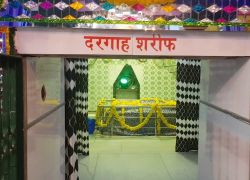
Mama Bhanja Dargah is a respected spiritual and religious site located in Sonipat, Haryana. This shrine is visited by devotees from different communities who come to offer prayers, seek blessings, and experience the peaceful atmosphere of the dargah. Known for its spiritual significance, local legends, and communal harmony, Mama Bhanja Dargah is considered one of the important faith-based attractions in Sonipat. The dargah is associated with Sufi traditions and is visited by people regardless of religion or background. Devotees often visit to pray for health, success, peace, and fulfillment of wishes. Its calm environment and devotional setting make it an ideal destination for spiritual reflection. Why is Mama Bhanja Dargah Famous? Mama Bhanja Dargah is famous for its religious importance, local faith traditions, and spiritual ambiance. The shrine is especially known among local devotees who believe that sincere prayers offered here are answered. The dargah is popular for: • Spiritual blessings and prayers • Sufi devotional traditions • Peaceful environment • Local religious gatherings • Annual Urs celebrations It also represents the spirit of harmony where visitors from different faiths come together respectfully. History of Mama Bhanja Dargah Mama Bhanja Dargah is connected to local religious traditions and oral histories passed through generations. Though exact historical documentation is limited, the dargah has long served as a place of devotion and community gathering. The name “Mama Bhanja” is linked to regional legends involving familial devotion and spiritual connection. Over the years, the shrine gained prominence due to increasing faith among devotees and regular religious events. The dargah continues to be maintained as an important local spiritual landmark. Architecture of Mama Bhanja Dargah The dargah features traditional Islamic shrine architecture with simple yet elegant design elements. Architectural highlights include: • White and green exterior themes • Dome structure • Prayer area • Courtyard space • Decorative arches • Religious flags and chadar offerings The shrine maintains a welcoming and devotional atmosphere. How to Reach Mama Bhanja Dargah By Air: Nearest airport is Indira Gandhi International Airport, Delhi, approximately 50 km away. By Train: Nearest railway station is Sonipat Railway Station, around 4–6 km from the dargah. By Road: The dargah is well connected by city roads and can be easily reached by local taxis, buses, auto-rickshaws, and private vehicles. Distance from major places: • Sonipat Bus Stand: 4 km • Delhi: 45 km • Panipat: 45 km • Chandigarh: 210 km Weather at Mama Bhanja Dargah Summer (March to June): Temperature ranges between 30°C to 43°C. Monsoon (July to September): Pleasant weather with moderate rainfall. Winter (October to February): Temperature ranges from 7°C to 22°C, ideal for visiting. Timings of Mama Bhanja Dargah The dargah generally remains open daily. Opening Time: 5:00 AM Closing Time: 9:00 PM Devotees can visit throughout the day, with evenings often being more peaceful. Entry Fee and Visit Details Entry to Mama Bhanja Dargah is free. Entry Fee: Free Offerings: Optional flowers, incense, sweets, or chadar Visitors can spend around 30 minutes to 1 hour at the shrine. Things to Do at Mama Bhanja Dargah 1. Offer Prayers Seek blessings and spiritual peace. 2. Experience Sufi Atmosphere Observe devotional traditions and rituals. 3. Participate in Urs or Special Events Visit during religious festivals for a vibrant experience. 4. Quiet Reflection Spend peaceful time in prayer and contemplation. 5. Photography Capture architecture respectfully where permitted. Interesting Facts About Mama Bhanja Dargah • Popular faith destination in Sonipat. • Open to people of all religions. • Known for local spiritual legends. • Hosts special Urs gatherings. • Symbolizes communal harmony. Travel Tips for Visitors • Dress modestly while visiting the shrine. • Remove footwear before entering prayer areas. • Respect silence and religious practices. • Carry a scarf or head covering if needed. • Visit in morning or evening for pleasant weather. Nearby Attractions Visitors can also explore: • Khwaja Khizr Tomb • Jurasik Park Inn • Mojoland Adventure Park • Murthal food hubs Best Time to Visit Mama Bhanja Dargah The best time to visit is from October to March when weather conditions are comfortable. Visiting during special religious occasions offers a more culturally rich experience. Conclusion Mama Bhanja Dargah is a spiritually uplifting destination in Sonipat, Haryana, known for devotion, peace, and local religious significance. Whether you are seeking blessings, cultural exploration, or a peaceful retreat, this dargah offers a meaningful and calming experience for all visitors.
Explore More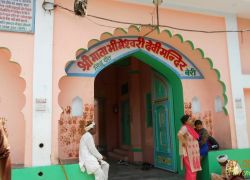
Mata Bhimeshwari Devi Temple is a revered religious site located in Jhajjar, Haryana. This temple is dedicated to Mata Bhimeshwari, a form of Goddess Durga, and holds great spiritual significance for locals as well as visitors from other regions. Situated amidst lush green surroundings, the temple offers a peaceful and serene environment where devotees come to seek the blessings of the Goddess. Known for its historical importance and divine energy, Mata Bhimeshwari Devi Temple attracts pilgrims who visit for spiritual solace, prayers, and cultural gatherings. It is a popular site, especially during festivals, where large numbers of devotees participate in special ceremonies and prayers. Why is Mata Bhimeshwari Devi Temple Famous? Mata Bhimeshwari Devi Temple is famous for: • Its dedication to Goddess Bhimeshwari, an incarnation of Goddess Durga. • Spiritual significance and divine energy. • Annual religious festivals and events. • Peaceful and serene atmosphere. • Pilgrimage destination for locals and tourists alike. The temple is well-known for its divine aura and the spiritual energy it provides to all who visit. History of Mata Bhimeshwari Devi Temple The exact origins of Mata Bhimeshwari Devi Temple are shrouded in local legend and folklore, though it is believed that the temple has been an important place of worship for several centuries. The temple is associated with the worship of Goddess Bhimeshwari, who is believed to be an embodiment of power, strength, and protection. According to local belief, the Goddess grants blessings to her devotees, protecting them from harm and bringing prosperity into their lives. Over the years, the temple has grown in popularity and is a major religious hub for the people of Jhajjar and neighboring regions. Temple Architecture The architectural style of Mata Bhimeshwari Devi Temple is traditional, with elements of North Indian temple design. The structure is simple but highly devotional in nature, with several features that enhance the spiritual experience. Main architectural highlights include: • A large, well-carved temple entrance • Central sanctum where the idol of Mata Bhimeshwari is enshrined • Courtyard for devotees to sit and pray • Decorative elements including intricate carvings of deities and floral patterns • Sacred space for religious rituals and offerings The temple's design promotes a spiritual and tranquil environment, encouraging reflection and worship. Weather at Mata Bhimeshwari Devi Temple Summer (April to June): 28°C to 40°C. Early morning and evening visits are recommended due to the heat. Monsoon (July to September): 25°C to 35°C, with lush surroundings after rainfall. Winter (October to February): 10°C to 22°C, ideal for visiting the temple and participating in religious events. The best time to visit is during the winter months (October to February). Mata Bhimeshwari Devi Temple Timings Opening Time: 5:00 AM Closing Time: 9:00 PM Special prayers and ceremonies may take place during religious festivals, extending the hours of worship. Entry Fee and Visit Details Entry Fee: Free. Donations are welcomed from devotees but not mandatory. Parking: Available near the temple entrance. Suggested Visit Duration: 1 to 2 hours, depending on your participation in prayers and rituals. It is recommended to check the schedule for special events or religious ceremonies before visiting, as the temple can get crowded during major festivals. How to Reach Mata Bhimeshwari Devi Temple, Jhajjar, Haryana By Air The nearest airport is Indira Gandhi International Airport, Delhi, which is about 70 km from the temple. By Train The closest railway station is Jhajjar Railway Station, approximately 12 km from the temple. By Road The temple is well connected by road, and visitors can travel by private vehicles, taxis, or buses from nearby cities like Delhi, Gurugram, and Rohtak. Distance from nearby cities: • Jhajjar – 12 km • Gurugram – 50 km • Delhi – 70 km • Rohtak – 30 km Public transport options like buses and taxis are easily available for travel. Things to Do at Mata Bhimeshwari Devi Temple 1. Offer Prayers Seek blessings from Mata Bhimeshwari and participate in the temple rituals. 2. Attend Special Prayers and Festivals The temple hosts numerous religious events, especially during festivals like Navratri, Diwali, and Dussehra. 3. Enjoy the Peaceful Atmosphere Spend some time meditating or reflecting in the tranquil temple surroundings. 4. Offer Donations Contribute to the temple's upkeep and development as an act of devotion. Interesting Facts About Mata Bhimeshwari Devi Temple • The temple is an important pilgrimage destination for locals. • During festivals, the temple hosts large gatherings and cultural events. • The temple attracts devotees seeking blessings for prosperity and protection. • Mata Bhimeshwari is regarded as a symbol of strength and power. Travel Tips for Visitors Useful travel tips: • Dress modestly when visiting the temple. • Carry water, especially in the summer months. • Be prepared for larger crowds during religious festivals. • Respect the temple’s rules and maintain silence during prayers. • Bring offerings such as flowers, fruits, or sweets for the Goddess. Nearby Attractions While visiting Mata Bhimeshwari Devi Temple, you can also explore other nearby attractions, including: • Bhindawas Wildlife Sanctuary • Sultanpur National Park • Pratapgarh Farms • Joygaon Picnic Park Conclusion Mata Bhimeshwari Devi Temple is not only a spiritual destination but also a peaceful retreat for those looking to connect with their inner selves. The serene environment, divine energy, and religious significance make it a must-visit location in Jhajjar, Haryana. Whether you are seeking blessings or looking for a tranquil place to spend time in meditation, this temple provides an ideal experience for visitors of all backgrounds.
Explore More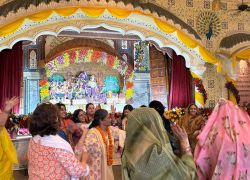
ISKCON Bahadurgarh is one of the prominent temples dedicated to Lord Krishna, located in the city of Bahadurgarh, Haryana. Part of the international network of ISKCON temples, this spiritual center offers a place of devotion, peace, and worship. It is known for its serene environment, beautifully constructed temple, and regular spiritual programs. The temple plays a significant role in spreading the teachings of Lord Krishna and promoting spiritual well-being among the local community and visitors. Whether you're a devotee of Lord Krishna or someone seeking peace, ISKCON Bahadurgarh offers a spiritual experience like no other, with its beautiful architecture, divine atmosphere, and cultural events. It is a place where people of all ages come to connect with their inner selves and Lord Krishna. Why is ISKCON Bahadurgarh Famous? ISKCON Bahadurgarh is famous for: • Being a hub for spreading the teachings of Lord Krishna and Bhagavad Gita. • Its divine and peaceful atmosphere, ideal for meditation and prayer. • Hosting regular spiritual programs and festivals that attract large crowds. • The beautiful temple architecture that combines modern and traditional elements. • Offering a variety of services, including yoga and spiritual counseling. The temple is also renowned for its community service, including distributing free food through its "Food for Life" initiative, aimed at feeding those in need. History of ISKCON Bahadurgarh ISKCON Bahadurgarh is part of the larger International Society for Krishna Consciousness (ISKCON) movement, which was founded by A.C. Bhaktivedanta Swami Prabhupada in the 1960s. The ISKCON movement focuses on spreading the teachings of the Bhagavad Gita and the practices of Bhakti Yoga (devotion to God). The Bahadurgarh temple was established to bring the spiritual wisdom and practices of ISKCON closer to devotees in the region. Since its inception, ISKCON Bahadurgarh has grown into an important center for religious activities, spiritual learning, and cultural events. The temple attracts devotees from all around, offering them a place of worship, reflection, and community gathering. Over the years, it has become a symbol of spiritual and cultural harmony, providing a peaceful environment for both locals and tourists. Architecture of ISKCON Bahadurgarh The architecture of the ISKCON Bahadurgarh temple is a beautiful blend of traditional Vedic design with modern touches, creating an environment of peace and tranquility. Some of the key features of the temple include: • Intricate carvings and sculptures: The temple showcases detailed carvings of Lord Krishna, Radha, and other deities, creating a divine atmosphere. • Spacious halls: The temple has large prayer halls where devotees gather for worship and bhajans (devotional songs). • Beautiful sanctum sanctorum: The sanctum houses the main deity of Lord Krishna, and the idol is adorned with flowers and offerings. • Vibrant paintings and murals: The walls are adorned with paintings depicting scenes from the Bhagavad Gita and other spiritual texts, helping visitors connect with the teachings of the scriptures. The temple’s design reflects the rich cultural and spiritual heritage of the ISKCON movement, with every corner infused with devotion and art. Weather at ISKCON Bahadurgarh Summer (April to June): 28°C to 40°C. It can get quite hot, so it’s advisable to visit early in the morning or later in the evening. Monsoon (July to September): 25°C to 35°C. Rain showers provide a cool, refreshing atmosphere, making the temple visit more enjoyable. Winter (October to February): 10°C to 20°C. The winter months are the most pleasant for visiting, with mild temperatures perfect for outdoor prayers and meditation. The best time to visit is during the winter months (October to February), when the weather is cooler and perfect for spiritual activities. ISKCON Bahadurgarh Timings Opening Time: 6:00 AM Closing Time: 9:00 PM During special festivals like Janmashtami, Diwali, and Holi, the temple may remain open for longer hours to accommodate the large number of devotees. Entry Fee and Visit Details Entry Fee: There is no entry fee to visit ISKCON Bahadurgarh, but donations are welcome and contribute to the temple’s maintenance and community services. Photography: Photography is generally allowed in public areas, but it’s advisable to check with the temple authorities if you're unsure. Parking: The temple provides ample parking space for visitors. Visitors are encouraged to use the designated parking areas to ensure smooth traffic flow. Suggested Visit Duration: 1 to 2 hours, depending on your level of participation in the temple's spiritual programs. How to Reach ISKCON Bahadurgarh, Haryana By Air The nearest airport is Indira Gandhi International Airport, Delhi, approximately 45 km away from the temple. From the airport, you can hire a taxi or take a bus to reach the temple. By Train The nearest railway station is Bahadurgarh Railway Station, which is around 5 km away from the temple. By Road ISKCON Bahadurgarh is well-connected by road from nearby cities such as Delhi, Gurugram, and Rohtak. You can reach the temple by private vehicles, taxis, or buses. Distance from nearby cities: • Bahadurgarh – 5 km • Delhi – 45 km • Gurugram – 35 km • Rohtak – 30 km Public transport options like buses and taxis are available, and the temple is easily accessible by road. Things to Do at ISKCON Bahadurgarh 1. Participate in Bhajans and Kirtans Join in the devotional singing of bhajans and kirtans, which are an integral part of the temple's daily programs. 2. Attend Spiritual Lectures ISKCON Bahadurgarh regularly hosts spiritual talks and Bhagavad Gita discourses, which offer deep insights into Hindu philosophy and teachings. 3. Visit the Temple's Main Shrine Offer your prayers and receive blessings at the temple's main shrine, where Lord Krishna’s idol is enshrined. 4. Experience the Food for Life Program ISKCON Bahadurgarh is part of the global ISKCON “Food for Life” initiative, which offers free meals to the needy. You can volunteer or contribute to this noble cause. 5. Explore the Temple Grounds The peaceful temple grounds are perfect for meditation, reflection, and relaxation amidst nature. Interesting Facts About ISKCON Bahadurgarh • It is part of the global network of ISKCON temples that follow the teachings of A.C. Bhaktivedanta Swami Prabhupada. • The temple hosts major festivals such as Janmashtami, Diwali, and Holi with grand celebrations and rituals. • ISKCON Bahadurgarh plays an active role in community service, including its “Food for Life” program. • The temple has a strong youth presence and offers educational programs in spirituality and culture. Travel Tips for Visitors Useful travel tips: • Wear comfortable clothing, especially if you plan to participate in spiritual programs or rituals. • Arrive early to avoid large crowds during major festivals. • Respect the temple’s sanctity and be mindful of the sacred practices observed at the temple. • Carry water, especially during the summer months, as it can get hot. Nearby Attractions While visiting ISKCON Bahadurgarh, you can also explore nearby attractions such as: • Sultanpur National Park • Pratapgarh Farms • Bhindawas Wildlife Sanctuary • Joygaon Picnic Park Conclusion ISKCON Bahadurgarh is not only a place of worship but also a spiritual and cultural hub, offering a unique experience for anyone seeking inner peace and divine connection. Whether you’re a devoted follower of Lord Krishna or a visitor looking for tranquility, the temple provides a perfect environment for spiritual growth and reflection. Its beautiful architecture, devotional activities, and community outreach programs make it an essential visit in Haryana.
Explore MoreKinnaur - Kalpa Your
10 Days/ 9 Night
Howrah - Ambala - Narkanda - Sarahan - Sangla - Kalpa - Kalka - Rampur
Lahul Spiti Tour 2026
14 Days/ 13 Night
Howrah - Ambala - Shimla - Sarahan - Sangla - Kalpa - Kaza - Tabo - Manali - Kinnaur
Shimla - Kullu - Manali Tour 2026
11 Days/ 10 Night
Howrah - Ambala - Shimla - Kullu - Manali
4 Night - 5 Day Tour Of Haryana
5 Days/ 4 Night
Gurgaon - Kurukshetra - Panchkula
Sulphur Springs in Sohna, Haryana, is a remarkable natural attraction known for its therapeutic mineral-rich waters and serene surroundings. These hot springs have been popular for centuries for their alleged healing properties and are surrounded by picturesque landscapes, making them a sought-after destination for health, relaxation, and tourism enthusiasts. Visitors often combine a trip here with nearby attractions such as Damdama Lake and Sohna Fort. How to Reach Sulphur Springs, Sohna, Haryana Getting to Sulphur Springs is straightforward due to its proximity to major cities like Gurugram and Delhi. Here’s how you can reach: By Car: The springs are approximately 25 km from Gurugram and 60 km from Delhi. The drive via Sohna Road is scenic and takes around 1–1.5 hours from Delhi. By Bus: Haryana Tourism and private buses connect Delhi and Gurugram to Sohna. From Sohna, local taxis or auto-rickshaws can take you directly to the springs. By Train: The nearest railway station is Gurgaon Railway Station. From there, taxis or private cabs can be hired to reach the springs. Weather at Sulphur Springs, Sohna The weather at Sulphur Springs varies across the seasons, and planning your visit according to weather conditions is recommended: Summer (April to June): Daytime temperatures can reach 35–40°C. Early mornings or late evenings are ideal to enjoy the springs. Monsoon (July to September): The surroundings become lush and green, creating a peaceful ambiance. Heavy rains may temporarily affect accessibility. Winter (October to February): The weather is pleasant, with temperatures ranging from 10–25°C. This is considered the best time to visit the springs. Timing The springs are usually open to visitors throughout the day. Recommended visiting hours are: Morning: 6:00 AM – 10:00 AM Afternoon: 11:00 AM – 4:00 PM Evening: 4:30 PM – 7:00 PM Visiting during early morning or late afternoon ensures a serene experience with fewer crowds. Why Sulphur Springs is Famous Sulphur Springs is renowned for its naturally occurring hot waters containing sulfur, which is believed to have therapeutic properties for skin and joint ailments. People often visit for: Relief from skin conditions like eczema and acne Relaxation and stress relief through natural bathing Detoxification and rejuvenation due to mineral-rich waters Peaceful environment and scenic surroundings in the Aravalli hills Entry and Visit Details Entry to Sulphur Springs is generally free, though private resorts nearby may charge for access to maintained pools or bathing facilities. Visitors can enjoy: Bathing in natural mineral-rich water pools Walking and exploring the surrounding greenery Combining the visit with other nearby attractions like Damdama Lake or Sohna Fort It is advisable to wear comfortable swimwear and carry towels or personal bathing supplies. History and Architecture The springs are natural and do not have significant architectural structures. However, their historical importance lies in their long-standing reputation for healing properties. Local folklore and traditional knowledge have preserved the springs as a health destination for centuries. Nearby Sohna is historically rich, with attractions such as: Sohna Fort: A centuries-old fort showcasing traditional hilltop fort architecture and offering panoramic views. Historic Temples: Several temples near Sohna reflect the religious and cultural heritage of the region. Things to Do at Sulphur Springs Visitors can enjoy several activities around Sulphur Springs: Natural Bathing: Soak in the hot mineral water to relax and rejuvenate. Nature Walks: Explore trails and greenery in the Aravalli hills surrounding the springs. Photography: Capture the scenic beauty and unique steam rising from the hot springs. Nearby Sightseeing: Combine the visit with Damdama Lake or Sohna Fort for a full day trip. Picnics: Perfect for small family or friend gatherings in nearby shaded areas. Interesting Facts About Sulphur Springs The springs are naturally hot due to underground geothermal activity. Sulfur-rich water has been historically used for medicinal purposes. The springs are part of the Aravalli hill ecosystem, contributing to biodiversity in the region. Local legends associate the springs with rejuvenation and healing from ancient times. Tips for Visiting Sulphur Springs Carry water, light snacks, and sunscreen if visiting during summer. Wear comfortable shoes for walking around the springs and nearby trails. Check local weather before visiting during monsoon, as heavy rains may restrict access. Follow hygiene practices while bathing in natural pools. Carry a camera to capture the natural beauty, steam patterns, and surrounding hills. Overall, Sulphur Springs, Sohna, Haryana is an ideal destination for health, relaxation, and nature lovers. The combination of therapeutic waters, peaceful surroundings, and proximity to other attractions makes it a perfect getaway from city life. Whether you’re seeking wellness, adventure, or simply a day in nature, Sulphur Springs promises a refreshing and memorable experience.
Explore More
Bhadrakali Temple is one of the most important religious and spiritual destinations in Kurukshetra, Haryana. Dedicated to Goddess Bhadrakali, a fierce form of Goddess Kali, this temple is considered one of the 51 Shakti Peethas by many devotees. It attracts thousands of pilgrims, tourists, and devotees throughout the year who come to seek blessings, offer prayers, and experience the temple’s spiritual atmosphere. Located close to the sacred land of Kurukshetra, Bhadrakali Temple is deeply connected to Hindu mythology and Mahabharata traditions. The temple is especially famous among newly married couples and families who visit here to offer prayers for happiness, prosperity, and protection. Why is Bhadrakali Temple Famous? Bhadrakali Temple is famous for its strong mythological and religious importance. According to Hindu beliefs, it is associated with Goddess Sati and is believed to be one of the sacred places where parts of Goddess Sati’s body fell, making it spiritually powerful for devotees. Main reasons why Bhadrakali Temple is famous: • Shakti Peetha significance: Revered as one of the sacred goddess temples. • Mahabharata connection: Believed that the Pandavas prayed here before the Kurukshetra war. • Newlywed rituals: Couples often offer miniature horses as part of temple traditions. • Religious festivals: Navratri celebrations attract large crowds. • Spiritual atmosphere: Peaceful and devotional environment. History of Bhadrakali Temple The history of Bhadrakali Temple is deeply rooted in Hindu mythology and ancient traditions. It is believed that after Goddess Sati sacrificed herself, Lord Shiva carried her body across the universe. During this journey, different body parts fell at various locations, creating Shakti Peethas. Many devotees believe that Bhadrakali Temple marks one such sacred location. The temple also has a strong connection with the Mahabharata. According to legend, the Pandavas visited this temple and worshipped Goddess Bhadrakali before beginning the great war of Kurukshetra. Over centuries, the temple has been renovated multiple times while preserving its religious importance and traditional structure. Architecture of Bhadrakali Temple The architecture of Bhadrakali Temple reflects traditional North Indian temple style with religious symbolism and colorful design elements. Main architectural highlights include: • Main sanctum: Houses the idol of Goddess Bhadrakali decorated with flowers and ornaments. • Temple entrance: Beautiful gateway welcoming devotees. • Prayer halls: Spacious areas for worship and gatherings. • Courtyard: Open temple space for devotees. • Sacred offerings section: Area where devotees offer miniature horses and prayers. The temple complex is clean, well-maintained, and suitable for pilgrims and tourists. How to Reach Bhadrakali Temple, Kurukshetra By Air: Nearest airport is Chandigarh International Airport, approximately 90 km away. Delhi airport is another major option. By Train: Nearest railway station is Kurukshetra Junction Railway Station, around 4-5 km from the temple. By Road: Kurukshetra is well connected by road to Delhi, Chandigarh, Ambala, and Karnal. Approximate distances: • Delhi: 160 km • Chandigarh: 90 km • Karnal: 40 km Auto-rickshaws, taxis, and local transport are available from the railway station and bus stand. Weather at Bhadrakali Temple Summer (April to June): Temperature ranges from 30°C to 43°C. Weather can be hot. Monsoon (July to September): Moderate rainfall and pleasant surroundings. Winter (October to February): Best season to visit with temperatures between 7°C to 24°C. Best time to visit: October to March and during Navratri. Bhadrakali Temple Timings Opening Time: 5:00 AM Closing Time: 9:00 PM The temple is open daily for devotees. Best visiting hours: Morning aarti or evening prayers. Entry Fee and Visit Details Entry Fee: Free No entry ticket is required for visiting Bhadrakali Temple. Average Visit Duration: 1 to 2 hours Suitable for: • Families • Devotees • Pilgrims • Solo travelers • Spiritual tourists Things to Do at Bhadrakali Temple 1. Offer Prayers Seek blessings from Goddess Bhadrakali. 2. Attend Aarti Experience morning or evening temple rituals. 3. Participate in Temple Traditions Offer miniature horses as part of local custom. 4. Photography Capture temple architecture and festive decorations (where allowed). 5. Explore Nearby Religious Sites Visit other sacred attractions in Kurukshetra. Interesting Facts About Bhadrakali Temple • Bhadrakali Temple is associated with Shakti Peetha traditions. • The Pandavas are believed to have worshipped here. • Newly married couples visit for blessings and rituals. • Navratri is celebrated with great devotion. • The temple is one of Kurukshetra’s top pilgrimage attractions. Travel Tips for Visiting Bhadrakali Temple • Wear traditional or modest clothing suitable for temple visits. • Remove footwear before entering temple premises. • Visit during morning hours for peaceful darshan. • Avoid peak crowds during festival rush unless planned. • Carry water bottles in summer. • Respect temple customs and maintain cleanliness. Nearby Attractions in Kurukshetra Visitors can also explore: • Brahma Sarovar • Sannihit Sarovar • Jyotisar • Kurukshetra Panorama and Science Centre Conclusion Bhadrakali Temple, Kurukshetra is a spiritually significant and culturally rich destination that offers devotees a peaceful atmosphere, sacred rituals, and mythological importance. Its association with Goddess Bhadrakali, Mahabharata legends, and ancient traditions makes it a must-visit temple in Haryana. Whether you are on a pilgrimage or exploring Kurukshetra’s heritage, Bhadrakali Temple provides a meaningful and memorable spiritual experience.
Explore More
Cantonment Church Tower is one of the most important historical landmarks in Karnal, Haryana. Located in the Cantonment area of Karnal, this old church tower is a reminder of British colonial history in North India. The structure is admired for its heritage value, Gothic architectural style, and peaceful surroundings. It attracts tourists, photographers, history lovers, and visitors interested in colonial-era monuments. The Cantonment Church Tower is a protected heritage monument and one of the lesser-known yet fascinating tourist attractions in Karnal. Though only the tower remains today, it continues to tell the story of British military presence and Christian religious architecture from the colonial period. Why is Cantonment Church Tower Famous? Cantonment Church Tower is famous for its colonial heritage and architectural beauty. It is especially known for: • British-era historical monument • Gothic-style architecture • Heritage tourism attraction • Unique stone tower design • Photography location • Historical significance in Karnal The tower is one of the few remaining structures representing Karnal’s British cantonment history. History of Cantonment Church Tower The Cantonment Church was originally built during the British colonial period for Christian soldiers and officers stationed in Karnal Cantonment. The church served as an important religious center for the British military community in the region. Over time, most parts of the church structure were damaged or disappeared, but the tower survived and remains preserved as a heritage monument. Today, the tower stands as a historical reminder of British influence in Haryana. The monument is maintained as a protected site and is visited by people interested in colonial architecture and local history. Architecture of Cantonment Church Tower The tower showcases classic Gothic-style British architecture, commonly used in colonial churches across India. Main architectural highlights include: • Tall stone tower structure • Pointed Gothic arches • Brick and stone construction • Narrow windows and openings • Historic colonial design elements • Minimal yet elegant detailing The tower’s aged appearance and historic charm make it an attractive subject for photography and architectural study. Weather at Cantonment Church Tower, Karnal Summer (April to June): Hot weather with temperatures between 30°C to 43°C. Monsoon (July to September): Moderate rainfall with temperatures between 25°C to 35°C. Winter (October to February): Pleasant and cool weather ranging from 7°C to 22°C. The best time to visit is from October to March. Cantonment Church Tower Timings Opening Time: 8:00 AM Closing Time: 6:00 PM Open Days: Monday to Sunday Daytime visits are recommended for better photography and sightseeing. Entry Fee and Visit Details Entry Fee: Free for all visitors. Photography: Allowed for personal use. Parking: Available nearby. The average visit duration is around 30 minutes to 1 hour. How to Reach Cantonment Church Tower, Karnal By Road: The monument is located in Karnal Cantonment area and is easily accessible by local transport, taxis, private vehicles, and auto-rickshaws. Distance from Karnal Bus Stand: Approx. 4 km Distance from Karnal Railway Station: Approx. 5 km By Train: Nearest railway station is Karnal Railway Station. By Bus: Karnal Bus Stand is well connected to Delhi, Chandigarh, Panipat, and Kurukshetra. By Air: Nearest airport is Chandigarh Airport or Indira Gandhi International Airport, New Delhi. Things to Do at Cantonment Church Tower 1. Explore Colonial Architecture Observe the British Gothic architectural elements and historic stone structure. 2. Photography Capture the tower’s unique design and heritage atmosphere. 3. Learn Local History Understand Karnal’s role during the British colonial period. 4. Heritage Walk Visit nearby historical areas in Karnal Cantonment. 5. Quiet Relaxation Enjoy the peaceful environment around the monument. Interesting Facts About Cantonment Church Tower • Built during British rule • One of Karnal’s historic colonial landmarks • Protected heritage monument • Known for Gothic architecture • Popular among history enthusiasts Travel Tips for Visitors • Visit during winter for comfortable weather • Carry camera for photography • Wear comfortable footwear • Respect the heritage site • Visit during daylight hours • Combine with nearby Karnal attractions Best Time to Visit Cantonment Church Tower The best time to visit is from October to March when the weather is pleasant for sightseeing and outdoor photography. Conclusion Cantonment Church Tower is a unique heritage attraction in Karnal that reflects the city’s colonial history and architectural legacy. Its Gothic design, historical importance, and peaceful setting make it worth visiting for travelers exploring Karnal. If you enjoy history, heritage monuments, and colonial architecture, Cantonment Church Tower, Karnal is a must-visit landmark in Haryana.
Explore More
Sita Mai Temple is one of the most famous religious and historical attractions in Karnal, Haryana. Located in the village of Sitamai near Karnal, this temple is deeply connected with Hindu mythology and is believed to be associated with Goddess Sita from the epic Ramayana. The temple is visited by thousands of devotees, pilgrims, and tourists throughout the year who come to seek blessings and explore its spiritual significance. Surrounded by peaceful greenery and a devotional atmosphere, Sita Mai Temple is considered a sacred place, especially for devotees of Lord Rama and Goddess Sita. The temple is also an important pilgrimage site in Haryana and attracts visitors from nearby states. Why is Sita Mai Temple Famous? Sita Mai Temple is famous for its religious importance and mythological connection with Goddess Sita. According to local beliefs, this is the place where Mata Sita stayed after leaving Ayodhya and where she gave birth to Luv and Kush. The temple is especially known for: • Connection with Ramayana mythology • Sacred pilgrimage destination • Spiritual and peaceful atmosphere • Annual religious fairs and festivals • Historic temple complex • Devotee gatherings and पूजा ceremonies This spiritual importance makes it one of the most visited religious sites in Karnal district. History of Sita Mai Temple The temple has strong mythological roots connected to the Ramayana period. As per local tradition, after being sent away from Ayodhya, Goddess Sita is believed to have lived in this forested region. It is believed that Sage Valmiki’s ashram was located nearby and that Luv and Kush were born here. Over time, a temple was built at this sacred location to honor Goddess Sita and preserve the religious significance of the site. The temple has been renovated and expanded over the years, becoming a major religious center in Haryana. Architecture of Sita Mai Temple Sita Mai Temple features traditional North Indian temple architecture. Main architectural highlights include: • Temple sanctum dedicated to Goddess Sita • Colorful temple domes • Spacious prayer halls • Courtyard areas for devotees • Sacred water pond nearby • Decorative temple artwork • Religious sculptures and idols The temple complex is simple yet spiritually vibrant, making it a peaceful place for worship. Weather at Sita Mai Temple, Karnal Summer (April to June): Hot weather with temperatures between 30°C to 43°C. Monsoon (July to September): Moderate rainfall with temperatures between 25°C to 35°C. Winter (October to February): Pleasant weather ranging from 7°C to 22°C. The best time to visit is from October to March. Sita Mai Temple Timings Opening Time: 5:00 AM Closing Time: 9:00 PM Open Days: Monday to Sunday Morning and evening are considered ideal for darshan and prayer. Entry Fee and Visit Details Entry Fee: Free for all devotees and visitors. Parking: Available near temple complex. Special Pooja: Charges may apply depending on rituals. Average visit duration is around 1 to 2 hours. How to Reach Sita Mai Temple, Karnal By Road: Sita Mai Temple is located near Karnal and is easily accessible by private vehicle, taxi, and local transport. Distance from Karnal City: Approx. 6 to 8 km Distance from Karnal Bus Stand: Approx. 7 km By Train: Nearest railway station is Karnal Railway Station. By Bus: Regular buses and autos are available from Karnal city. By Air: Nearest airports are Chandigarh Airport and Indira Gandhi International Airport, New Delhi. Things to Do at Sita Mai Temple 1. Offer Prayers Seek blessings from Goddess Sita and participate in rituals. 2. Explore Temple Complex Visit shrines, prayer halls, and surrounding sacred spaces. 3. Attend Festivals Experience religious celebrations during Ram Navami and Navratri. 4. Photography Capture temple architecture and peaceful surroundings. 5. Meditation and Spiritual Reflection Spend quiet time in prayer and relaxation. Interesting Facts About Sita Mai Temple • Associated with Goddess Sita from Ramayana • Believed birthplace region of Luv and Kush • Major pilgrimage site in Haryana • Popular during Navratri and Ram Navami • Attracts devotees from multiple states Travel Tips for Visitors • Dress modestly for temple visit • Remove footwear before entering • Visit early morning for peaceful darshan • Carry water during summer • Respect temple rules and customs • Visit during festivals for spiritual experience Best Time to Visit Sita Mai Temple The ideal time to visit is between October and March, when the weather is pleasant and suitable for pilgrimage and sightseeing. Conclusion Sita Mai Temple is one of the most sacred and culturally important places in Karnal, offering a strong connection to Hindu mythology, spirituality, and devotion. Its peaceful environment, mythological importance, and religious atmosphere make it a must-visit destination for devotees and tourists alike. If you are exploring religious places in Haryana, Sita Mai Temple, Karnal should definitely be on your itinerary.
Explore More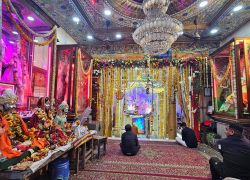
Ghanteshwar Mandir is a well-known Hindu temple located in Rewari, Haryana, and is regarded as an important spiritual destination for devotees in the region. Dedicated primarily to Lord Shiva, the temple is famous for its peaceful religious atmosphere, traditional temple rituals, and deep local faith. The temple attracts worshippers from Rewari and nearby districts who visit regularly for prayers, blessings, and religious festivals. The name “Ghanteshwar” is associated with the word Ghanta (bell), and the temple is particularly recognized for the presence of numerous bells offered by devotees as part of prayers and wish fulfillment rituals. The sound of temple bells and devotional chants creates a sacred ambiance, making the temple spiritually uplifting. Ghanteshwar Mandir is not only a place of worship but also an important cultural landmark in Rewari. Why is Ghanteshwar Mandir Famous? Ghanteshwar Mandir is famous for its religious significance, association with Lord Shiva, and the tradition of offering bells to the deity. The temple is known for: • Lord Shiva worship • Bell offerings by devotees • Maha Shivratri celebrations • Spiritual atmosphere • Traditional temple rituals During important Hindu festivals, especially Maha Shivratri and Shravan month, the temple receives large numbers of devotees. History of Ghanteshwar Mandir Ghanteshwar Mandir has long been a center of devotion in Rewari. Though exact historical records are limited, the temple is believed to have existed for many years and has become deeply integrated into local religious life. The temple gradually gained prominence due to increasing faith among devotees who began offering bells after fulfillment of wishes or successful prayers. Over time, this unique tradition became one of the temple’s defining features. Architecture of Ghanteshwar Mandir Ghanteshwar Mandir follows traditional North Indian temple architecture. Architectural highlights include: • Temple shikhara (tower) • Shiva sanctum with Shivling • Bell-covered sections • Prayer hall • Courtyard for devotees • Decorative entrance gate The temple’s spiritual charm is enhanced by rows of bells hanging across various sections. How to Reach Ghanteshwar Mandir By Air: Nearest airport is Indira Gandhi International Airport, Delhi, approximately 75 km away. By Train: Nearest railway station is Rewari Junction, one of Haryana’s major railway hubs, located within city reach. By Road: The temple is well connected by road and easily accessible by buses, taxis, auto-rickshaws, and private vehicles. Distance from major locations: • Rewari Bus Stand: 3–5 km • Gurugram: 50 km • Delhi: 80 km • Jaipur: 180 km Weather at Ghanteshwar Mandir Summer (March to June): Temperature ranges between 30°C to 43°C. Monsoon (July to September): Moderate rainfall and slightly cooler temperatures. Winter (October to February): Temperature ranges from 7°C to 22°C, making it the best season to visit. Timings of Ghanteshwar Mandir The temple generally remains open daily. Opening Time: 5:00 AM Closing Time: 9:00 PM Morning and evening aarti are popular among devotees. Entry Fee and Visit Details Entry to Ghanteshwar Mandir is free for all visitors. Entry Fee: Free Offerings: Optional flowers, milk, incense, sweets, and bells Visitors usually spend 30 minutes to 1 hour here. Things to Do at Ghanteshwar Mandir 1. Offer Prayers to Lord Shiva Seek blessings and spiritual peace. 2. Offer Temple Bells Participate in the temple’s unique devotional tradition. 3. Attend Aarti Experience devotional chanting and rituals. 4. Spiritual Reflection Spend peaceful moments in the temple environment. 5. Festival Visits Visit during Maha Shivratri for a vibrant experience. Interesting Facts About Ghanteshwar Mandir • Dedicated to Lord Shiva. • Famous for bell offerings by devotees. • Important religious site in Rewari. • Popular during Shravan and Maha Shivratri. • Symbolizes local faith and devotion. Travel Tips for Visitors • Dress modestly while visiting. • Remove footwear before entering temple premises. • Visit early morning for peaceful darshan. • Carry water during summer. • Expect crowds during major festivals. Nearby Attractions Visitors can also explore: • Rewari Steam Locomotive Shed • BMG Mall Rewari • Rao Tula Ram Memorial • Heritage sites in Rewari city Best Time to Visit Ghanteshwar Mandir The best time to visit is from October to March. Festival days like Maha Shivratri also offer a special spiritual atmosphere. Conclusion Ghanteshwar Mandir is one of the important spiritual landmarks in Rewari, Haryana. With its religious significance, traditional Shiva worship, and unique bell-offering custom, the temple offers devotees and travelers a peaceful and culturally enriching experience. Whether visiting for faith, spiritual peace, or local heritage exploration, Ghanteshwar Mandir is worth including in your Rewari itinerary.
Explore More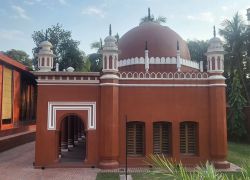
Red Mosque, locally known as Lal Masjid, is one of the historically significant religious landmarks in Rewari, Haryana. Known for its striking red-colored exterior, peaceful ambiance, and architectural beauty, this mosque attracts worshippers, heritage lovers, and tourists interested in religious architecture and local history. Located in Rewari city, Lal Masjid stands as an important symbol of the region’s cultural diversity and historical heritage. The mosque is admired not only as a place of worship but also as a structure reflecting traditional Islamic architectural styles found in North India. Its simple yet elegant design and spiritual atmosphere make it a meaningful destination for visitors exploring Rewari. Why is Red Mosque (Lal Masjid) Famous? Red Mosque is famous for its religious importance, red façade, and architectural style. It is an active mosque and an important place for prayers and local gatherings. The mosque is especially known for: • Distinctive red exterior • Islamic architecture • Historical significance in Rewari • Peaceful prayer environment • Cultural importance It is also a notable heritage point for visitors interested in Rewari’s multicultural identity. History of Red Mosque (Lal Masjid) Lal Masjid is believed to have historical roots linked to the development of Rewari as a regional settlement and trading center. Like many traditional mosques in North India, it served as both a religious center and community space. Over time, the mosque became a recognizable city landmark due to its red appearance and spiritual significance. Though detailed historical records may be limited, the mosque remains an important part of Rewari’s religious landscape. Architecture of Red Mosque The mosque showcases classic Islamic design elements with simple symmetry and elegant detailing. Architectural highlights include: • Red-colored façade • Arched entrances • Prayer hall • Domes or rooftop elements • Minaret-style features • Courtyard space Its visual simplicity and red color give it a distinct identity. How to Reach Red Mosque (Lal Masjid) By Air: Nearest airport is Indira Gandhi International Airport, Delhi, approximately 75 km away. By Train: Nearest railway station is Rewari Junction, located within city reach. By Road: The mosque is easily accessible through Rewari city roads by taxi, bus, auto-rickshaw, or private vehicle. Distance from major locations: • Rewari Bus Stand: 2–4 km • Rewari Junction: 3 km • Gurugram: 50 km • Delhi: 80 km Weather at Red Mosque Summer (March to June): Temperature ranges from 30°C to 43°C. Monsoon (July to September): Moderate rainfall and pleasant conditions. Winter (October to February): Temperature ranges between 7°C to 22°C and is best for visiting. Timings of Red Mosque (Lal Masjid) The mosque generally remains open daily for prayers and visitors. Opening Time: 5:00 AM Closing Time: 9:00 PM Visitors should avoid disturbing prayer timings. Entry Fee and Visit Details Entry to Lal Masjid is generally free. Entry Fee: Free Donations: Optional Visitors usually spend around 20–40 minutes here. Things to Do at Red Mosque 1. Explore Architecture Admire the red exterior and traditional Islamic design. 2. Spiritual Visit Offer prayers or experience the peaceful atmosphere. 3. Photography Capture exterior views respectfully where permitted. 4. Cultural Exploration Learn about Rewari’s religious heritage. 5. Quiet Reflection Spend time in peaceful surroundings. Interesting Facts About Red Mosque • Known locally as Lal Masjid. • Famous for red exterior appearance. • Important religious site in Rewari. • Reflects local Islamic heritage. • Popular among worshippers and visitors. Travel Tips for Visitors • Dress modestly while visiting. • Remove footwear before entering prayer areas. • Respect silence and worship practices. • Visit outside peak prayer times if sightseeing. • Ask permission before interior photography. Nearby Attractions Visitors can also explore: • Bada Talab (Rao Tej Singh Talab) • Ghanteshwar Mandir • Rewari Steam Locomotive Shed • Rao Tula Ram Memorial Best Time to Visit Red Mosque The best time to visit is from October to March, when the weather is cool and comfortable. Conclusion Red Mosque (Lal Masjid) is an important religious and historical attraction in Rewari, Haryana. Known for its striking red architecture, spiritual atmosphere, and cultural relevance, the mosque offers visitors a peaceful and enriching experience. Whether you are interested in architecture, heritage, or spirituality, Lal Masjid is worth visiting during your Rewari trip.
Explore More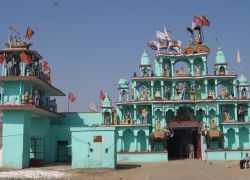
Baba Mohan Ram Temple is a highly revered religious site located near Rewari, Haryana. Dedicated to Baba Mohan Ram, a respected spiritual figure worshipped widely across Haryana, Rajasthan, and nearby North Indian regions, this temple attracts thousands of devotees throughout the year. The temple is considered a sacred place where people visit to seek blessings for prosperity, health, family well-being, and fulfillment of wishes. Surrounded by a peaceful spiritual environment, Baba Mohan Ram Temple is not only a pilgrimage center but also an important cultural and devotional landmark. The temple experiences especially large crowds on weekends, festivals, and religious occasions, when devotees gather to offer prayers and participate in rituals. Its accessibility from Rewari, Gurugram, and Delhi NCR has made it a well-known destination for religious tourism in Haryana. Why is Baba Mohan Ram Temple Famous? Baba Mohan Ram Temple, Rewari is famous for its spiritual importance and strong local faith among devotees. The temple is known for: • Religious significance • Devotional gatherings • Blessings and wish fulfillment beliefs • Peaceful temple atmosphere • Popular pilgrimage destination in Haryana Many devotees believe that sincere prayers at the temple bring positive changes and divine blessings. History of Baba Mohan Ram Temple Baba Mohan Ram is worshipped as a saintly and spiritually powerful figure. Temples dedicated to him are popular in several parts of Haryana and Rajasthan. The Rewari region temple became an important center of devotion over the years due to growing faith among local communities and visiting pilgrims. As the number of devotees increased, the temple expanded into a larger worship site and pilgrimage destination. Today, it remains one of the respected religious sites near Rewari. Architecture of Baba Mohan Ram Temple The temple follows traditional North Indian temple architecture with practical devotional design. Architectural features include: • Temple sanctum • Prayer halls • Decorative temple entrance • Idol or sacred shrine area • Courtyard for devotees • Bell and offering sections The design is functional, spacious, and suited for large gatherings. How to Reach Baba Mohan Ram Temple By Air: Nearest airport is Indira Gandhi International Airport, Delhi, approximately 75 km away. By Train: Nearest railway station is Rewari Junction. By Road: The temple is well connected by roads and can be reached via bus, taxi, auto-rickshaw, or private vehicle. Distance from major places: • Rewari: 10–20 km (approx. depending on temple location) • Gurugram: 50 km • Delhi: 80 km • Jaipur: 180 km Weather at Baba Mohan Ram Temple Summer (March to June): Temperature ranges from 30°C to 43°C. Monsoon (July to September): Moderate rainfall and greener surroundings. Winter (October to February): Temperature ranges from 7°C to 22°C and is the best season for visiting. Timings of Baba Mohan Ram Temple The temple is usually open daily. Opening Time: 5:00 AM Closing Time: 9:00 PM Morning and evening aarti are particularly popular. Entry Fee and Visit Details Entry to Baba Mohan Ram Temple is free for all visitors. Entry Fee: Free Offerings: Optional donations, flowers, sweets, coconuts, and prasad Visitors generally spend 30 minutes to 1.5 hours here. Things to Do at Baba Mohan Ram Temple 1. Offer Prayers Seek blessings for prosperity and well-being. 2. Attend Aarti Participate in devotional ceremonies and chanting. 3. Spiritual Reflection Spend peaceful moments in the temple environment. 4. Festival Visits Visit during special religious events for vibrant celebrations. 5. Family Pilgrimage Visit with family for blessings and spiritual bonding. Interesting Facts About Baba Mohan Ram Temple • Popular pilgrimage destination in Haryana. • Dedicated to revered saint Baba Mohan Ram. • Attracts devotees from Haryana and Rajasthan. • Known for faith-based wish fulfillment beliefs. • Easily accessible from Delhi NCR. Travel Tips for Visitors • Dress modestly while visiting. • Remove footwear before entering temple premises. • Visit early morning for peaceful darshan. • Carry water during summer months. • Expect larger crowds on weekends and festivals. Nearby Attractions Visitors can also explore: • Rao Tula Ram Memorial Park • Heritage Transport Museum • Ghanteshwar Mandir • Bada Talab Best Time to Visit Baba Mohan Ram Temple The best time to visit is from October to March, when weather conditions are pleasant for temple visits and travel. Conclusion Baba Mohan Ram Temple is one of the important religious destinations near Rewari, Haryana. Known for its spiritual atmosphere, devotional importance, and strong regional faith, the temple offers visitors a peaceful and meaningful experience. Whether you are a devotee or traveler exploring spiritual sites in Haryana, Baba Mohan Ram Temple is worth visiting.
Explore More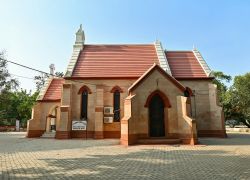
St. Thomas Church is one of the prominent Christian religious sites in Hisar, Haryana. Located in the heart of the city, this peaceful church is known for its spiritual atmosphere, beautiful architecture, and community gatherings. It serves as an important place of worship for the Christian community in Hisar while also attracting tourists interested in religious architecture and peaceful places. The church is admired for its clean surroundings, elegant interiors, and welcoming environment. Whether you are a devotee, architecture lover, or traveler exploring religious sites in Haryana, St. Thomas Church offers a calm and meaningful experience. Why is St. Thomas Church Famous? St. Thomas Church is famous for being one of the key churches in Hisar and an important religious center for Christians in the region. The church is especially known for: • Peaceful prayer atmosphere • Beautiful church architecture • Sunday masses and prayer services • Christmas and Easter celebrations • Community events and gatherings • Religious tourism attraction The church is a spiritual landmark and a symbol of religious diversity in Hisar. History of St. Thomas Church St. Thomas Church was established to serve the Christian population in Hisar and surrounding areas. Over the years, it has become an important religious and community center. The church is dedicated to Saint Thomas, one of the twelve apostles of Jesus Christ, who holds special significance in Indian Christian tradition. Through the years, the church has hosted regular masses, social programs, educational activities, and festive celebrations, becoming an integral part of the local Christian community. Architecture of St. Thomas Church St. Thomas Church features elegant church architecture with simple yet beautiful design elements. Main architectural highlights include: • Tall prayer hall • Decorative altar • Cross-topped church facade • Stained glass windows • Peaceful seating arrangement • Spacious church interiors • Well-maintained garden area The architecture creates a serene and welcoming environment for worship and reflection. Weather at St. Thomas Church, Hisar Summer (April to June): Very hot weather with temperatures between 32°C to 45°C. Monsoon (July to September): Moderate rainfall and temperatures between 26°C to 36°C. Winter (October to February): Pleasant weather ranging from 6°C to 22°C. The best time to visit is from October to March. St. Thomas Church Timings Opening Time: 6:00 AM Closing Time: 8:00 PM Open Days: Monday to Sunday Sunday mornings are the most popular time for mass and worship. Entry Fee and Visit Details Entry Fee: Free for all visitors. Parking: Available nearby. Photography: Allowed outside; interior photography may be restricted during prayers. The average visit duration is around 30 minutes to 1 hour. How to Reach St. Thomas Church, Hisar By Road: St. Thomas Church is located within Hisar city and is easily accessible by local buses, auto-rickshaws, taxis, and private vehicles. Distance from Hisar Bus Stand: Approx. 2 km Distance from Hisar Railway Station: Approx. 3 km By Train: Nearest railway station is Hisar Junction Railway Station. By Bus: Hisar is well connected with Delhi, Chandigarh, Rohtak, Bhiwani, and Sirsa. By Air: Nearest major airport is Indira Gandhi International Airport, New Delhi. Things to Do at St. Thomas Church 1. Attend Prayer Services Participate in daily prayers or Sunday mass. 2. Explore Architecture Observe church interiors, altar, and stained glass windows. 3. Photography Capture church exterior and surrounding gardens. 4. Meditation and Reflection Spend peaceful time in prayer and silence. 5. Festival Experience Visit during Christmas or Easter celebrations. Interesting Facts About St. Thomas Church • Important Christian church in Hisar • Dedicated to Saint Thomas Apostle • Hosts Christmas and Easter celebrations • Open to visitors of all faiths • Peaceful urban spiritual destination Travel Tips for Visitors • Dress modestly while visiting • Maintain silence inside prayer hall • Avoid photography during services • Visit Sunday morning for mass experience • Respect religious customs Best Time to Visit St. Thomas Church The ideal time to visit is from October to March, when the weather is pleasant for city sightseeing and religious visits. Conclusion St. Thomas Church is a peaceful and spiritually uplifting destination in Hisar. With its elegant architecture, welcoming atmosphere, and religious importance, it is an ideal place for worship, reflection, and cultural exploration. If you are visiting Hisar and wish to explore religious landmarks or peaceful places, St. Thomas Church is worth adding to your itinerary.
Explore More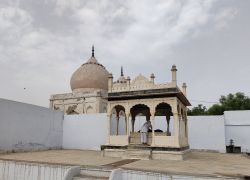
Dargah Char Qutab is one of the most important spiritual and historical landmarks in Hisar, Haryana. Located in the heart of Hisar city, this sacred shrine is dedicated to four respected Sufi saints, collectively known as the Char Qutab. The dargah is a popular pilgrimage destination visited by devotees, tourists, history enthusiasts, and people seeking peace and blessings. Known for its spiritual atmosphere, beautiful Indo-Islamic architecture, and historical importance, Dargah Char Qutab is one of the must-visit religious places in Hisar. The shrine welcomes visitors from all faiths and is especially crowded during annual Urs celebrations and religious gatherings. Why is Dargah Char Qutab Famous? Dargah Char Qutab is famous for its spiritual significance and association with four revered Sufi saints who played an important role in spreading Sufism and religious harmony in the region. The shrine is especially known for: • Sacred tombs of four Sufi saints • Spiritual and peaceful environment • Indo-Islamic architecture • Annual Urs celebrations • Religious harmony and pilgrimage • Historical importance in Hisar The shrine is considered a place of devotion, prayer, and blessings. History of Dargah Char Qutab The Dargah Char Qutab dates back several centuries and is associated with four respected Sufi saints believed to have significantly influenced spiritual and cultural life in the Hisar region. These saints were known for promoting teachings of peace, humility, devotion, and communal harmony. Over time, their resting place developed into an important dargah visited by people from across Haryana and nearby states. The shrine has remained an important religious center and cultural landmark in Hisar. Architecture of Dargah Char Qutab The dargah features elegant Indo-Islamic architecture with traditional shrine elements. Main architectural highlights include: • Beautiful domes • Arched entrances • Marble tomb structures • Decorative carvings • Prayer halls • Courtyard spaces for devotees • Traditional Islamic calligraphy The architecture reflects spiritual simplicity along with historical beauty. Weather at Dargah Char Qutab, Hisar Summer (April to June): Very hot weather with temperatures between 32°C to 45°C. Monsoon (July to September): Moderate rainfall and temperatures ranging from 26°C to 36°C. Winter (October to February): Pleasant weather with temperatures between 6°C to 22°C. The best time to visit is from October to March. Dargah Char Qutab Timings Opening Time: 5:00 AM Closing Time: 9:00 PM Open Days: Monday to Sunday Morning and evening visits are ideal for prayers and peaceful atmosphere. Entry Fee and Visit Details Entry Fee: Free for all visitors. Parking: Available nearby. Photography: Allowed in outer premises; restrictions may apply near shrine interiors. The average visit duration is around 30 minutes to 1.5 hours. How to Reach Dargah Char Qutab, Hisar By Road: The dargah is centrally located in Hisar city and can be easily reached by local auto-rickshaws, taxis, buses, or private vehicles. Distance from Hisar Bus Stand: Approx. 2 km Distance from Hisar Railway Station: Approx. 3 km By Train: Nearest railway station is Hisar Junction Railway Station. By Bus: Hisar has strong road connectivity with Delhi, Rohtak, Bhiwani, Sirsa, and Chandigarh. By Air: Nearest major airport is Indira Gandhi International Airport, New Delhi. Things to Do at Dargah Char Qutab 1. Offer Prayers Seek blessings and spiritual peace at the shrine. 2. Explore Architecture Admire domes, arches, and shrine design. 3. Attend Urs Festival Experience devotional celebrations and gatherings. 4. Photography Capture beautiful exterior architecture. 5. Meditation and Reflection Spend quiet time in spiritual surroundings. Interesting Facts About Dargah Char Qutab • Dedicated to four revered Sufi saints • Important pilgrimage site in Haryana • Open to devotees of all religions • Popular during annual Urs celebrations • Historic spiritual landmark in Hisar Travel Tips for Visitors • Dress modestly while visiting shrine • Cover head as per shrine customs • Remove footwear before entering sacred area • Maintain silence and respect customs • Visit early morning for peaceful experience Best Time to Visit Dargah Char Qutab The ideal time to visit is from October to March, when the weather is pleasant for religious visits and sightseeing. Conclusion Dargah Char Qutab is one of Hisar’s most spiritually significant destinations, offering visitors a blend of history, devotion, architecture, and peace. Its welcoming environment and historical importance make it a must-visit religious attraction in Haryana. If you are exploring spiritual places or heritage attractions in Hisar, Dargah Char Qutab is worth visiting.
Explore More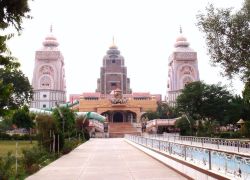
Agroha Dham is one of the most famous religious and cultural landmarks in Hisar, Haryana. Located in Agroha town, around 20 kilometers from Hisar city, this grand temple complex is a major pilgrimage destination dedicated to Maharaja Agrasen, the legendary king and respected ancestor of the Agrawal community. Agroha Dham is visited by thousands of devotees, tourists, families, and history lovers every year. Known for its magnificent temple architecture, spiritual atmosphere, and cultural significance, Agroha Dham is not only a religious site but also an important symbol of heritage and community pride. The complex attracts visitors from across India, especially members of the Agrawal community. Why is Agroha Dham Famous? Agroha Dham is famous for its religious importance and association with Maharaja Agrasen. It is believed to be located near the ancient city of Agroha, once ruled by Maharaja Agrasen. The site is especially known for: • Grand temple dedicated to Maharaja Agrasen • Sacred pilgrimage destination • Beautiful temple architecture • Cultural importance for Agrawal community • Historic connection with ancient Agroha • Spiritual and peaceful atmosphere It is one of the most visited religious destinations in Haryana. History of Agroha Dham Agroha is believed to be the ancient capital of Maharaja Agrasen, a legendary ruler known for his values of equality, trade, prosperity, and community welfare. Agroha Dham was developed to honor his legacy and preserve the cultural and religious heritage associated with him. The temple complex was built with contributions from the Agrawal community and has grown into a major pilgrimage center. The area is also historically significant due to nearby archaeological remains of ancient Agroha civilization. Architecture of Agroha Dham Agroha Dham features grand and visually impressive temple architecture. Main architectural highlights include: • Large temple complex • White marble structures • Beautiful domes and carvings • Statues of Maharaja Agrasen • Spacious prayer halls • Decorative temple interiors • Landscaped surroundings The architecture combines spirituality with grandeur, making it highly photogenic and peaceful. Weather at Agroha Dham, Hisar Summer (April to June): Very hot weather with temperatures between 32°C to 45°C. Monsoon (July to September): Moderate rainfall with temperatures ranging from 26°C to 36°C. Winter (October to February): Pleasant weather between 6°C to 22°C. The best time to visit is from October to March. Agroha Dham Timings Opening Time: 5:00 AM Closing Time: 9:00 PM Open Days: Monday to Sunday Morning and evening are ideal for darshan and peaceful visits. Entry Fee and Visit Details Entry Fee: Free for all visitors. Parking: Available inside or near temple complex. Photography: Allowed in most outdoor areas. The average visit duration is around 2 to 3 hours. How to Reach Agroha Dham, Hisar By Road: Agroha Dham is well connected by road and can be reached easily by bus, taxi, or private vehicle. Distance from Hisar: Approx. 20 km Distance from Hisar Bus Stand: Approx. 22 km By Train: Nearest railway station is Hisar Junction Railway Station. By Bus: Regular buses and local transport are available from Hisar to Agroha. By Air: Nearest major airport is Indira Gandhi International Airport, New Delhi. Things to Do at Agroha Dham 1. Offer Prayers Seek blessings at the temple complex. 2. Explore Temple Architecture Admire marble structures, carvings, and interiors. 3. Visit Maharaja Agrasen Statue Learn about the legendary ruler and his teachings. 4. Photography Capture temple beauty and landscaped surroundings. 5. Spiritual Relaxation Spend peaceful time in prayer and meditation. Interesting Facts About Agroha Dham • Dedicated to Maharaja Agrasen • Major pilgrimage site for Agrawal community • Located near ancient Agroha ruins • One of Haryana’s top religious destinations • Large temple complex with marble architecture Travel Tips for Visitors • Dress modestly for temple visit • Remove footwear before entering prayer areas • Visit during winter for best experience • Carry water bottle in summer • Respect temple cleanliness and rules • Combine visit with Agroha archaeological site Best Time to Visit Agroha Dham The best time to visit is between October and March when the weather is pleasant for pilgrimage and sightseeing. Conclusion Agroha Dham is one of the most important spiritual, cultural, and heritage attractions in Hisar. Its religious significance, grand architecture, and peaceful environment make it a must-visit destination in Haryana. Whether you are a devotee, history lover, or traveler, Agroha Dham, Hisar offers a meaningful and memorable experience.
Explore More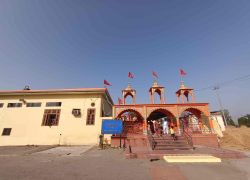
Panchmukhi Hanuman Mandir is a popular Hindu temple located in Yamuna Nagar, Haryana, dedicated to Lord Hanuman in his divine five-faced form known as Panchmukhi Hanuman. This sacred temple is visited by thousands of devotees, pilgrims, and tourists throughout the year. Known for its peaceful atmosphere, spiritual significance, and beautifully maintained temple premises, Panchmukhi Hanuman Mandir is one of the most visited religious attractions in Yamuna Nagar. The temple attracts devotees especially on Tuesdays and Saturdays, which are considered highly auspicious days for Lord Hanuman worship. Visitors come here to seek blessings for protection, courage, health, prosperity, and relief from negative energies. Why is Panchmukhi Hanuman Mandir Famous? Panchmukhi Hanuman Mandir is famous for its magnificent idol of Panchmukhi Hanuman, a unique form of Lord Hanuman with five faces symbolizing strength, protection, wisdom, and victory over evil. The five faces generally represent: • Hanuman • Narasimha • Garuda • Varaha • Hayagriva The temple is also famous for: • Daily aarti and bhajans • Spiritual healing atmosphere • Religious festivals and Hanuman Jayanti celebrations • Beautiful temple architecture • Devotee gatherings and community worship History of Panchmukhi Hanuman Mandir Although the exact construction date of the temple is not widely documented, Panchmukhi Hanuman Mandir has been an important spiritual center for local devotees for many years. The temple was established to promote devotion to Lord Hanuman and provide a place for spiritual worship in Yamuna Nagar. Over time, it has become a major religious landmark and pilgrimage site in the region. The temple management regularly organizes religious programs, community meals (langar/prasad), and festive celebrations. Architecture of Panchmukhi Hanuman Mandir The temple features attractive North Indian temple architecture with colorful decorative elements and spiritual symbolism. Architectural highlights include: • Large Panchmukhi Hanuman idol • Traditional temple dome and spires • Prayer halls • Marble flooring • Decorative carvings and paintings • Spacious temple courtyard The temple interiors are beautifully decorated with religious imagery, bells, lights, and devotional decorations. How to Reach Panchmukhi Hanuman Mandir By Air: Nearest airport is Chandigarh International Airport, approximately 95 km away. By Train: Nearest railway station is Yamuna Nagar-Jagadhri Railway Station, located around 5–8 km from the temple depending on route. By Road: The temple is easily accessible by local auto-rickshaws, taxis, buses, and private vehicles from Yamuna Nagar city. Distance from major places: • Yamuna Nagar Bus Stand: 5 km • Jagadhri: 7 km • Chandigarh: 95 km • Delhi: 200 km Weather at Panchmukhi Hanuman Mandir Summer (March to June): Temperature ranges between 28°C to 42°C. Morning and evening visits are recommended. Monsoon (July to September): Pleasant weather with moderate rainfall. Winter (October to February): Temperature ranges from 8°C to 22°C, making it the best time to visit. Temple Timings Panchmukhi Hanuman Mandir generally remains open daily. Opening Time: 5:00 AM Closing Time: 9:00 PM Aarti timings may vary slightly, but usually include: Morning Aarti: Around 6:00 AM Evening Aarti: Around 7:00 PM Entry Fee and Visit Details Entry to Panchmukhi Hanuman Mandir is free for all visitors. Entry Fee: Free Photography: Usually allowed in outer areas Donations are optional and accepted for temple maintenance and religious activities. Things to Do at Panchmukhi Hanuman Mandir 1. Offer Prayers Seek blessings from Panchmukhi Hanuman for strength, success, and protection. 2. Attend Aarti Participate in daily devotional ceremonies and bhajans. 3. Meditation and Spiritual Reflection Spend quiet time in the peaceful temple environment. 4. Festival Celebrations Visit during Hanuman Jayanti and other Hindu festivals. 5. Photography Capture temple architecture and spiritual decorations where permitted. Interesting Facts About Panchmukhi Hanuman Mandir • Dedicated to Lord Hanuman’s five-faced form. • Popular on Tuesdays and Saturdays. • Major spiritual center in Yamuna Nagar. • Hosts special Hanuman Jayanti celebrations. • Attracts devotees from nearby cities and states. Travel Tips for Visitors • Visit early morning or evening for peaceful darshan. • Dress modestly while entering the temple. • Remove footwear before entering temple premises. • Carry offerings like flowers, sweets, or prasad if desired. • Visit on weekdays for less crowd. Nearby Attractions Visitors can combine their temple visit with: • Chaudhary Devi Lal Herbal Nature Park • Kalesar National Park • Hathni Kund Barrage • Chaneti Buddhist Stupa Best Time to Visit Panchmukhi Hanuman Mandir The best time to visit is from October to March due to pleasant weather. Tuesdays, Saturdays, and Hanuman Jayanti are spiritually vibrant times to experience the temple. Conclusion Panchmukhi Hanuman Mandir is a must-visit spiritual destination in Yamuna Nagar for devotees and travelers seeking peace, blessings, and divine energy. With its sacred Panchmukhi Hanuman idol, devotional atmosphere, and beautiful temple architecture, it offers a meaningful religious experience in Haryana.
Explore More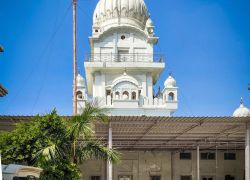
Sant Pura Gurudwara is a revered Sikh religious site located in Yamuna Nagar, Haryana. Known for its peaceful atmosphere, spiritual importance, and beautifully maintained premises, this Gurudwara attracts devotees from Haryana, Punjab, Himachal Pradesh, and nearby states. It is a place where visitors come to seek blessings, participate in prayers, and experience Sikh traditions such as seva (selfless service), langar, and kirtan. The Gurudwara is not only a place of worship but also a center of community service and spiritual learning. Visitors often describe Sant Pura Gurudwara as a serene destination ideal for meditation, prayer, and connecting with Sikh heritage. Why is Sant Pura Gurudwara Famous? Sant Pura Gurudwara is famous for its spiritual environment, daily prayers, community kitchen, and historical significance among Sikh devotees in the Yamuna Nagar region. The Gurudwara is especially known for: • Peaceful prayer halls • Daily kirtan and path • Free langar service • Religious festivals and Gurpurab celebrations • Community welfare activities Many devotees visit the Gurudwara to seek blessings, mental peace, and spiritual comfort. History of Sant Pura Gurudwara Sant Pura Gurudwara has been an important place of worship for the local Sikh community for many years. Although exact details regarding its establishment are limited, the Gurudwara was built to serve the spiritual needs of the growing Sikh population in and around Yamuna Nagar. Over time, it developed into a respected religious landmark where devotees gather for daily prayers, special religious events, and charitable activities. The Gurudwara management organizes: • Gurpurab celebrations • Akhand Path • Community seva programs • Free food distribution Architecture of Sant Pura Gurudwara Sant Pura Gurudwara features classic Sikh architectural elements combined with a clean and elegant design. Architectural highlights include: • White marble exterior • Golden or decorative domes • Spacious prayer hall • Nishan Sahib (Sikh flag) • Langar hall • Courtyard and seating areas Inside the Gurudwara, the holy Guru Granth Sahib is respectfully placed in the main prayer hall, where devotees gather for worship and kirtan. How to Reach Sant Pura Gurudwara By Air: Nearest airport is Chandigarh International Airport, approximately 95 km away. By Train: Nearest railway station is Yamuna Nagar-Jagadhri Railway Station, located about 6–10 km from the Gurudwara depending on route. By Road: Sant Pura Gurudwara is easily accessible by road through local buses, taxis, auto-rickshaws, and private vehicles. Distance from major locations: • Yamuna Nagar Bus Stand: 6 km • Jagadhri: 8 km • Chandigarh: 95 km • Delhi: 200 km Weather at Sant Pura Gurudwara Summer (March to June): Temperature ranges between 28°C to 42°C. Monsoon (July to September): Moderate rainfall and pleasant greenery. Winter (October to February): Temperature ranges from 8°C to 22°C, which is the best season for visiting. Timings of Sant Pura Gurudwara The Gurudwara generally remains open daily for devotees. Opening Time: 4:30 AM Closing Time: 9:30 PM Daily prayer timings may vary slightly depending on religious schedule. Entry Fee and Visit Details Entry to Sant Pura Gurudwara is free for all visitors. Entry Fee: Free Langar: Free community meal available Donations are voluntary and used for maintenance and community welfare. Things to Do at Sant Pura Gurudwara 1. Offer Prayers Seek blessings and spiritual peace. 2. Attend Kirtan Listen to devotional Sikh hymns and prayers. 3. Participate in Langar Experience the Sikh tradition of equality through free community meals. 4. Seva (Volunteer Service) Join community service activities like food serving or cleaning. 5. Meditation Spend peaceful time in reflection and prayer. Interesting Facts About Sant Pura Gurudwara • Popular Sikh religious center in Yamuna Nagar. • Open to people of all religions. • Offers free langar daily. • Hosts major Sikh festivals and Gurpurabs. • Promotes community service and equality. Travel Tips for Visitors • Cover your head before entering the Gurudwara. • Remove footwear before entering prayer areas. • Dress modestly and respectfully. • Maintain silence inside prayer hall. • Wash hands before langar or entering sacred spaces. Nearby Attractions Visitors can also explore: • Panchmukhi Hanuman Mandir • Chaudhary Devi Lal Herbal Nature Park • Kalesar National Park • Hathni Kund Barrage Best Time to Visit Sant Pura Gurudwara The best time to visit is from October to March due to comfortable weather. Sikh festivals such as Gurpurab and Baisakhi are especially vibrant times to experience the spiritual atmosphere. Conclusion Sant Pura Gurudwara is a peaceful and spiritually uplifting destination in Yamuna Nagar, Haryana. With its devotional atmosphere, beautiful architecture, community service traditions, and welcoming environment, it offers visitors a meaningful experience of Sikh culture and spirituality. Whether you are a devotee or traveler, this Gurudwara is worth visiting for peace, blessings, and cultural insight.
Explore MoreDalhousie - Khajjiar Tour Package From Delhi - 2Night 3Days
3 Days/ 2 Night
Ambala - Panipat - Dalhousie - Ludhiana - Kurukshetra - Pathankot
7N 8D Rajasthan Tour Package
8 Days/ 7 Night
Gurgaon - Jaipur - Jodhpur - Mount Abu - Udaipur
Char Dham Yatra By Helicopter 5 Night / 6 Day
6 Days/ 5 Night
Dehradun - Kedarnath - Badrinath - Yamuna Nagar - Gangotri
9N 10D Haridwar - Vaishno Devi - Amritsar Trip
10 Days/ 9 Night
Chandigarh City - Katra - Amritsar - Haridwar - Kurukshetra - Rishikesh